Papers for Collage Art
Create stunning and imaginative collage art with the perfect paper for your creative projects. Whether you're a seasoned artist or just starting out, finding the right paper is essential for bringing your vision to life. At Best Buy Canada, we offer a wide selection of high-quality papers specifically designed for collage art. From vibrant colors to various textures, our range of papers provides endless possibilities to express your artistic style. Explore our collection and discover the ideal paper to elevate your collage art to new heights.
Sort
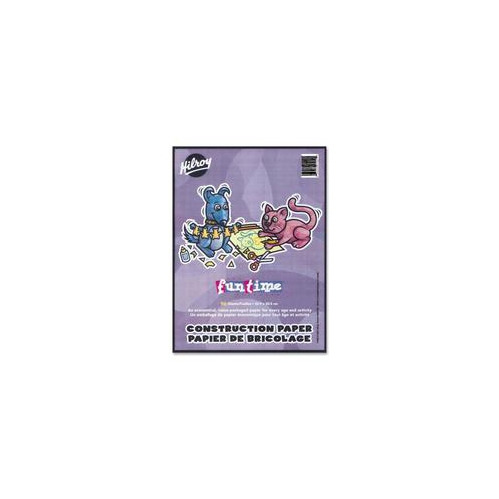
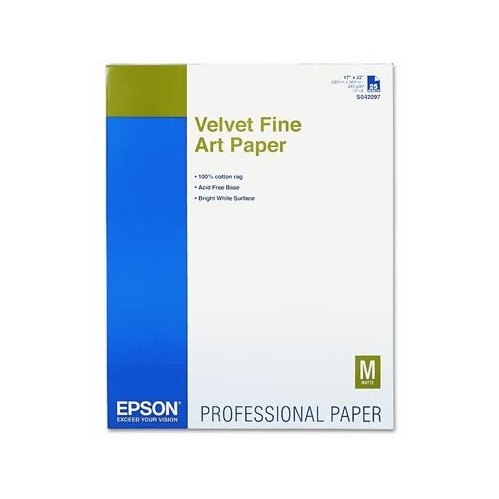
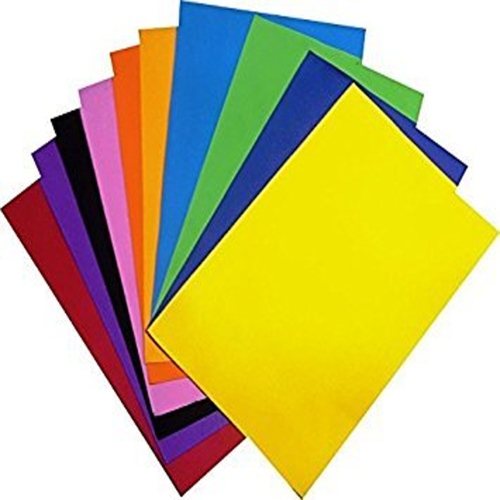

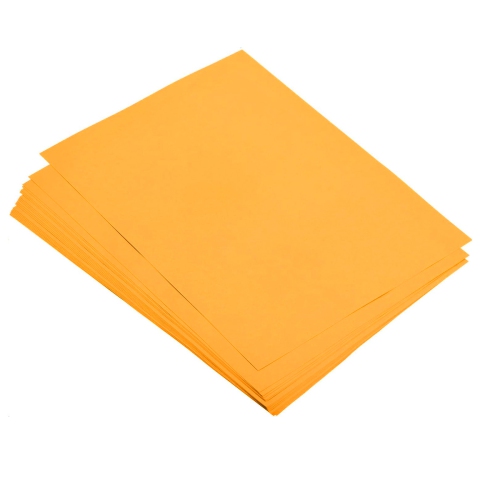
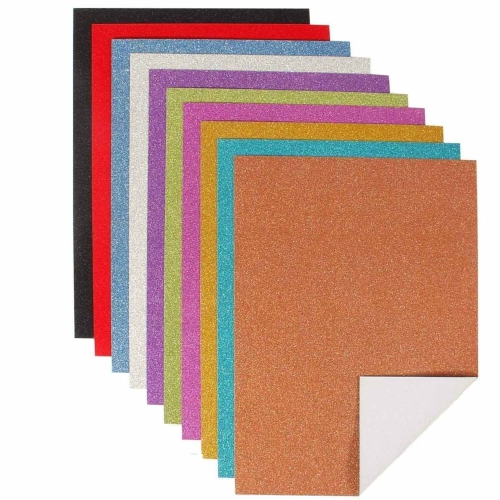
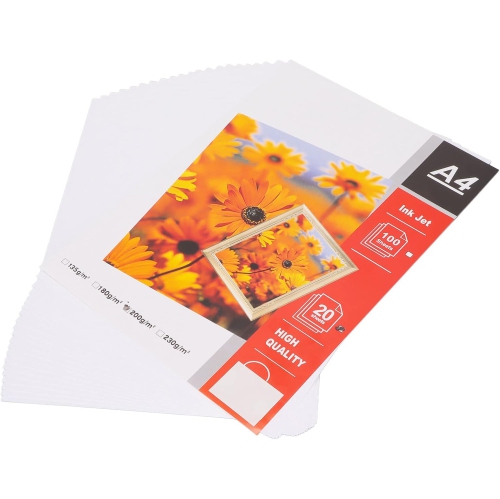


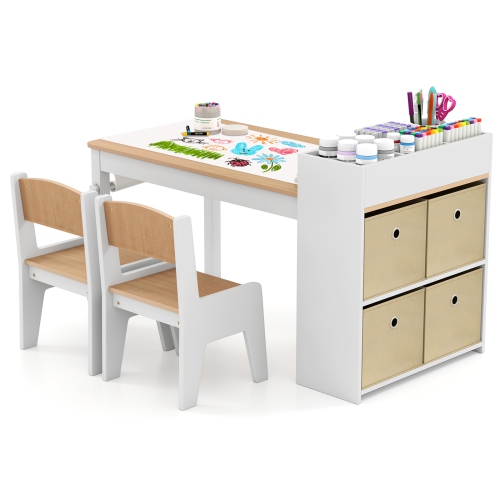
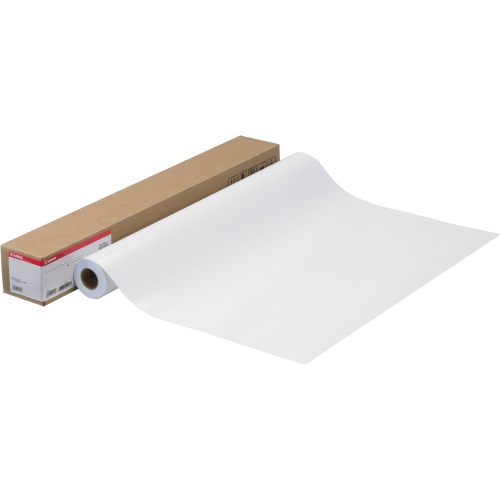


Layered collage papers add texture, colour, and transparency
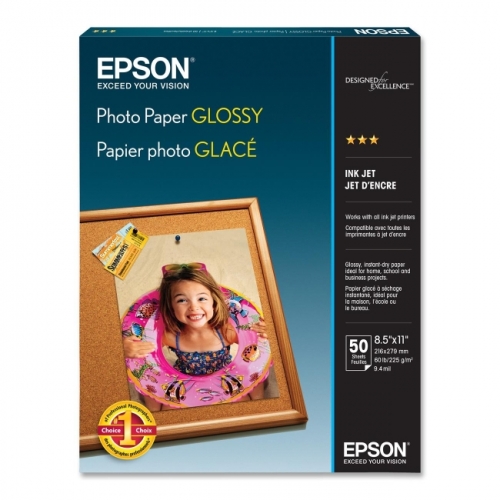
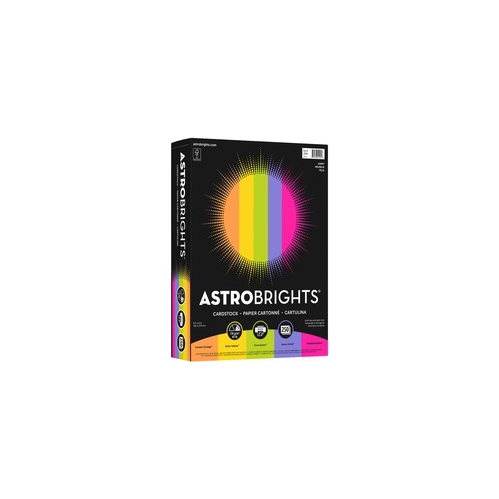
Papers for collage art give artists a flexible way to build colour, pattern, transparency, and texture one layer at a time. The best choice depends on the surface, adhesive, and look you have in mind, since different papers behave very differently when they are cut, torn, painted, folded, or glued. Thin tissue paper is a popular choice for translucent layers, soft colour washes, and overlapping shapes that allow the background to show through. It can create a stained-glass effect when several colours meet, or add a hazy veil over printed images and painted areas. Look for tissue with enough wet strength for your technique, particularly if you plan to brush adhesive over the surface. Rice paper and deli paper are also lightweight options that can absorb paint, ink, and diluted colour while blending into the surrounding layers once adhered. Their fine texture is useful for subtle backgrounds, soft edges, and painted marks that appear to float across a page or canvas. Book pages, sheet music, maps, and other printed papers bring lettering, lines, and gently aged-looking patterns to a composition, while magazine and newspaper cutouts offer a broad range of photographs, colour blocks, headlines, and graphic details. Glossy paper generally holds its shape well and can provide crisp, vivid imagery, whereas thinner newsprint tends to feel softer and more delicate. Exploring a selection of Arts And Crafts Papers can make it easier to combine foundational sheets with decorative papers for layered collage projects.
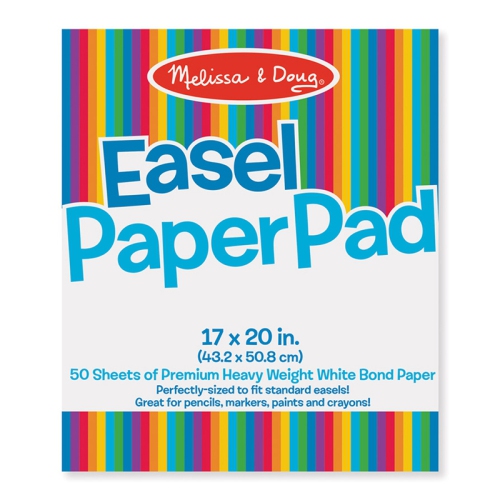
A strong base helps the finished work remain flat and gives heavier pieces somewhere secure to rest. Mixed media paper and watercolour paper are useful when a collage includes paint, ink, repeated adhesive layers, or dimensional elements, as their heavier construction is less likely to buckle than ordinary lightweight sheets. For a journal or handmade card, thinner paper may be perfectly suitable and easier to fold, trim, or bind. For a canvas, board, or larger artwork, consider a surface with enough body to support multiple layers without becoming soft or warped. Paper weight is only one consideration; surface texture matters as well. Smooth sheets are convenient for detailed cutting, clean edges, and fine pen work, while textured sheets can add a tactile foundation and help broad paint marks stand out. Before beginning a full composition, it is useful to test a small piece with the glue or medium you intend to use. Some papers absorb moisture quickly, some wrinkle as they dry, and glossy surfaces may need a suitable adhesive to prevent lifting at the edges. A light coat applied evenly can help reduce rippling, while a brayer, clean bone folder, or the back of a spoon can smooth paper from the centre outward. Letting each layer dry before adding another can make the process more controlled, especially when working with delicate tissue or painted papers. Keep scraps sorted by colour, transparency, and scale so that a quiet afternoon of cutting can become an easy creative session during the cooler months.
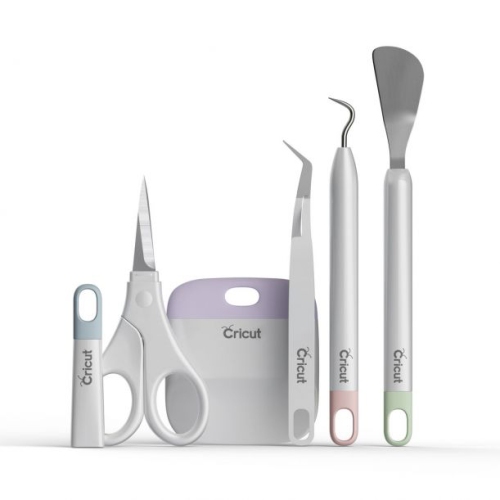
These papers suit a wide range of makers, from children practising shapes and colour matching to experienced artists developing layered journal pages, framed artwork, greeting cards, altered books, and decorative boxes. They are also a thoughtful gift for someone who enjoys sketching, stationery, scrapbooking, mixed media, or hands-on projects, particularly when the assortment includes papers with different weights and surfaces. Beginners may appreciate a varied selection that removes the pressure of finding the perfect sheet before starting, while more experienced collage artists often enjoy having unusual textures available for spontaneous ideas. Paper can be torn by hand for feathered, organic edges or cut with scissors and craft tools for precise silhouettes, geometric designs, and small details. Plain tissue or deli paper can be painted with fluid acrylics, acrylic ink, or water-based colour before it is attached, creating one-of-a-kind backgrounds rather than relying only on printed patterns. Pressing wet painted paper against textured plastic wrap can leave rippled marks and a softly glossy finish, while bubble wrap, corrugated cardboard, fabric, or natural objects can be dipped in paint and used as stamps. These techniques work well when a collage needs contrast: a smooth printed section beside a rough fibre, a transparent wash over bold lettering, or a bright shape grounded by a neutral paper layer. Store unused sheets flat or loosely rolled in a dry place, and keep finished pieces protected until the adhesive has fully cured. With a few dependable papers on hand, collage becomes an inviting way to spend time indoors, whether the goal is a carefully planned artwork, a personal journal spread, or a relaxed creative activity shared with family and friends.
A strong base helps the finished work remain flat and gives heavier pieces somewhere secure to rest. Mixed media paper and watercolour paper are useful when a collage includes paint, ink, repeated adhesive layers, or dimensional elements, as their heavier construction is less likely to buckle than ordinary lightweight sheets. For a journal or handmade card, thinner paper may be perfectly suitable and easier to fold, trim, or bind. For a canvas, board, or larger artwork, consider a surface with enough body to support multiple layers without becoming soft or warped. Paper weight is only one consideration; surface texture matters as well. Smooth sheets are convenient for detailed cutting, clean edges, and fine pen work, while textured sheets can add a tactile foundation and help broad paint marks stand out. Before beginning a full composition, it is useful to test a small piece with the glue or medium you intend to use. Some papers absorb moisture quickly, some wrinkle as they dry, and glossy surfaces may need a suitable adhesive to prevent lifting at the edges. A light coat applied evenly can help reduce rippling, while a brayer, clean bone folder, or the back of a spoon can smooth paper from the centre outward. Letting each layer dry before adding another can make the process more controlled, especially when working with delicate tissue or painted papers. Keep scraps sorted by colour, transparency, and scale so that a quiet afternoon of cutting can become an easy creative session during the cooler months.
These papers suit a wide range of makers, from children practising shapes and colour matching to experienced artists developing layered journal pages, framed artwork, greeting cards, altered books, and decorative boxes. They are also a thoughtful gift for someone who enjoys sketching, stationery, scrapbooking, mixed media, or hands-on projects, particularly when the assortment includes papers with different weights and surfaces. Beginners may appreciate a varied selection that removes the pressure of finding the perfect sheet before starting, while more experienced collage artists often enjoy having unusual textures available for spontaneous ideas. Paper can be torn by hand for feathered, organic edges or cut with scissors and craft tools for precise silhouettes, geometric designs, and small details. Plain tissue or deli paper can be painted with fluid acrylics, acrylic ink, or water-based colour before it is attached, creating one-of-a-kind backgrounds rather than relying only on printed patterns. Pressing wet painted paper against textured plastic wrap can leave rippled marks and a softly glossy finish, while bubble wrap, corrugated cardboard, fabric, or natural objects can be dipped in paint and used as stamps. These techniques work well when a collage needs contrast: a smooth printed section beside a rough fibre, a transparent wash over bold lettering, or a bright shape grounded by a neutral paper layer. Store unused sheets flat or loosely rolled in a dry place, and keep finished pieces protected until the adhesive has fully cured. With a few dependable papers on hand, collage becomes an inviting way to spend time indoors, whether the goal is a carefully planned artwork, a personal journal spread, or a relaxed creative activity shared with family and friends.
Top selling and popular products
-
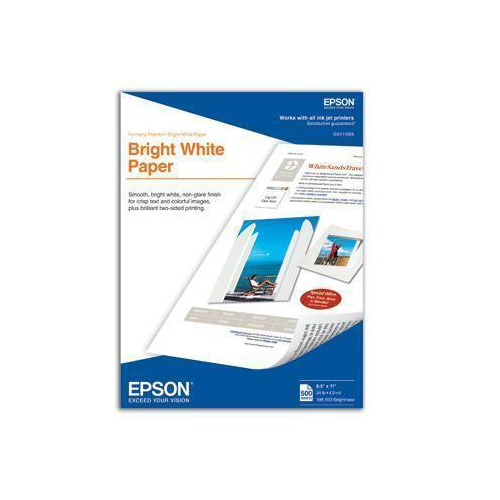 Your price for this item is $33.37
 -
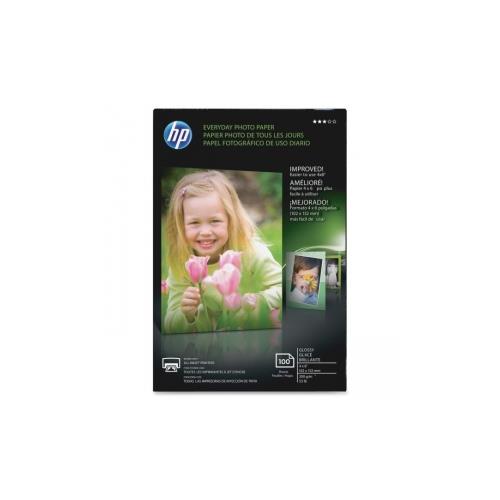 Your price for this item is $24.68
 -
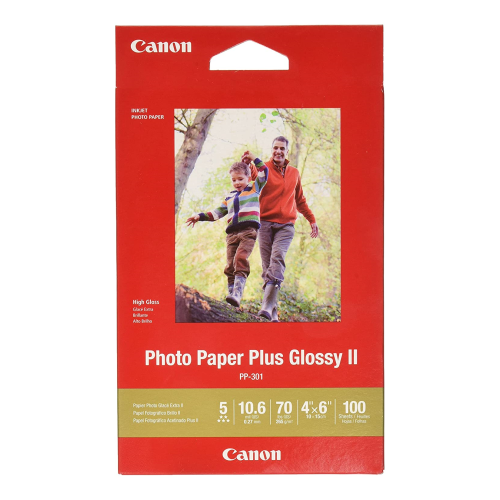 Your price for this item is $29.99
 -
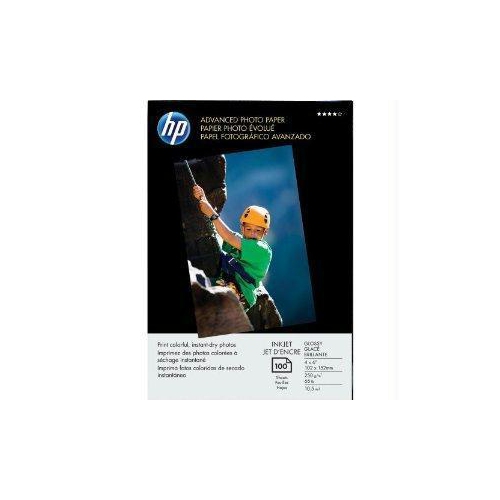 Your price for this item is $31.68
 -
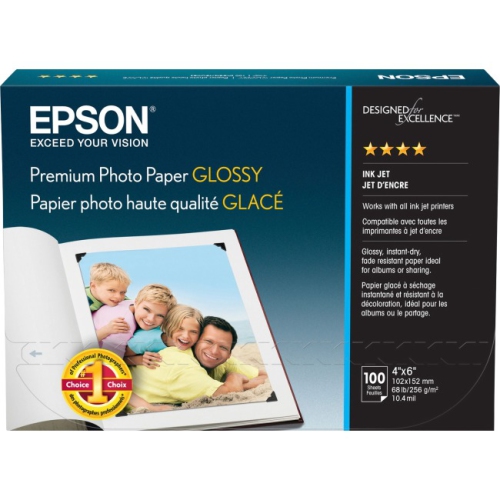 Your price for this item is $31.68
 -
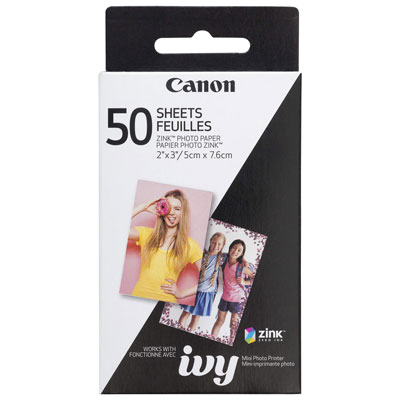 Your price for this item is $39.99
 -
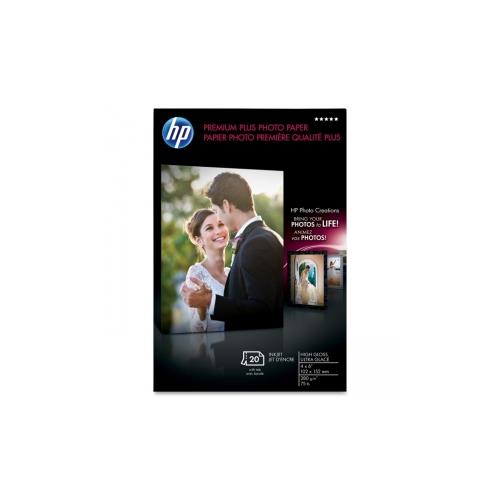 Your price for this item is $28.99
 -
 Your price for this item is $48.68
Discover more categories related to Papers for Collage Art

Top Collections:
Pokemon Centers, Kindle Devices, Best Budget Office Chairs, Apple iPhones 16, Best Laptops for Writers, iPhone 15 Apple, Canon G7X Cameras, Refurbished Apple Laptops, Alarm Clock, Motorola Razr Phones
Some products may be subject to Environmental Handling Fees
(EHF) depending on your province.
Learn more about EHFs.