Paper Shredding
Transform your workspace into a secure and organized haven with our range of paper shredding solutions. Whether you're managing confidential documents at home or handling sensitive information in the office, finding the right shredder is essential for protecting privacy and reducing clutter. Explore options designed to meet various needs, from compact models perfect for occasional use to high-capacity machines ideal for busy environments. Embrace efficiency and peace of mind with our selection of paper shredders, ensuring that your personal and professional information remains safe and secure.
Sort


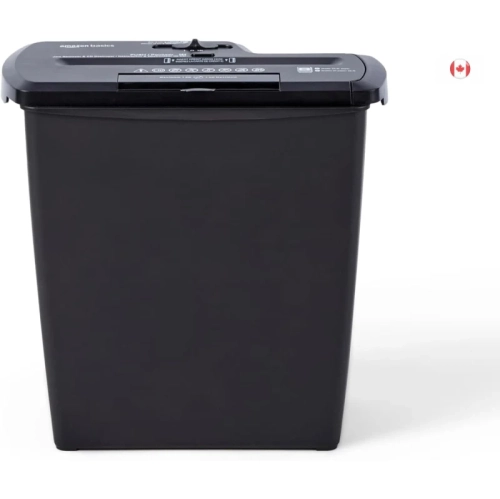


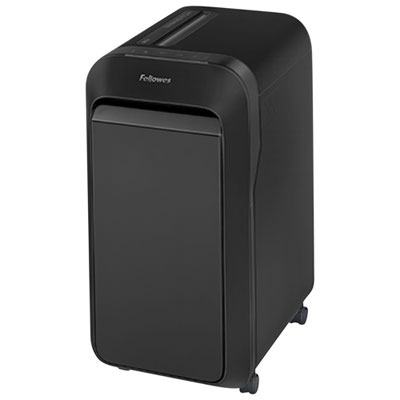
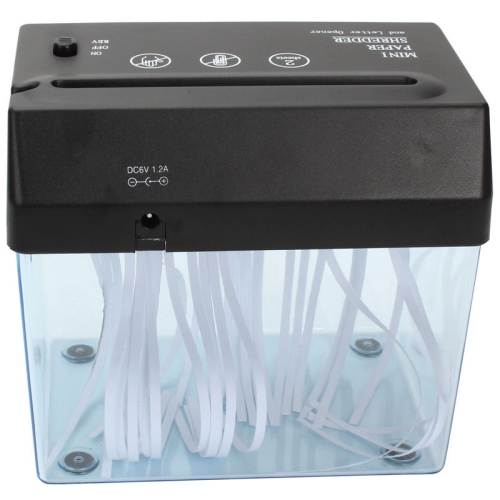
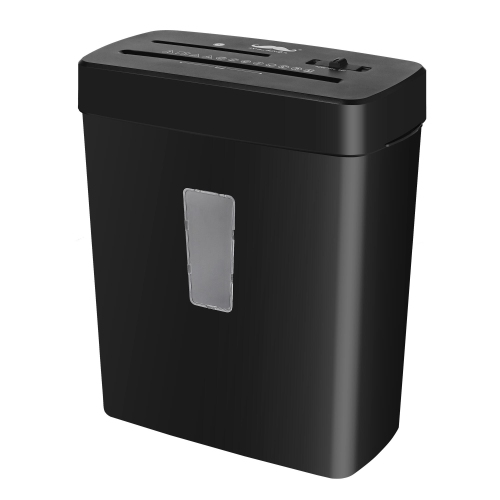

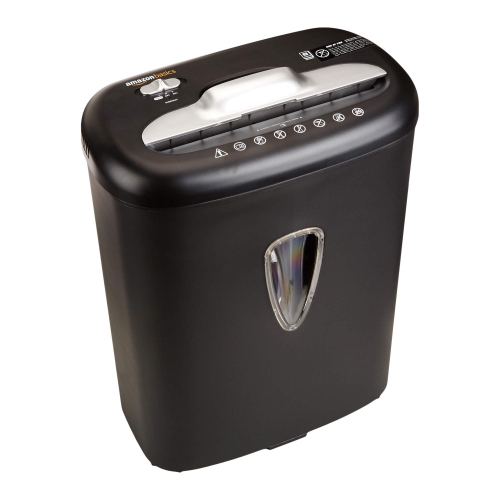
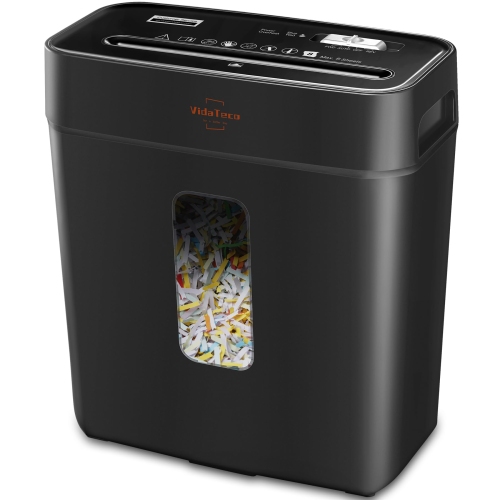
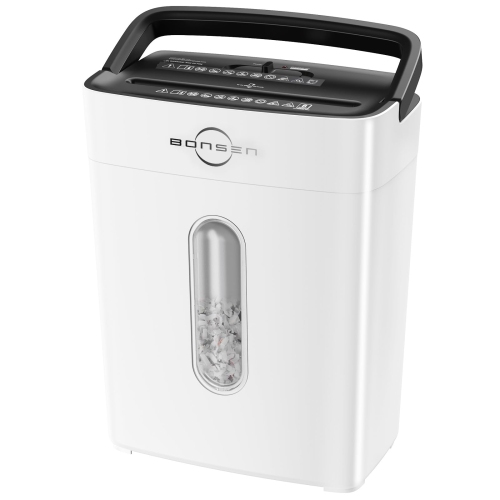
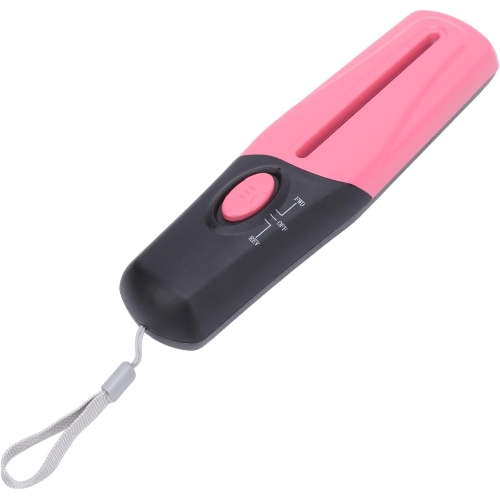
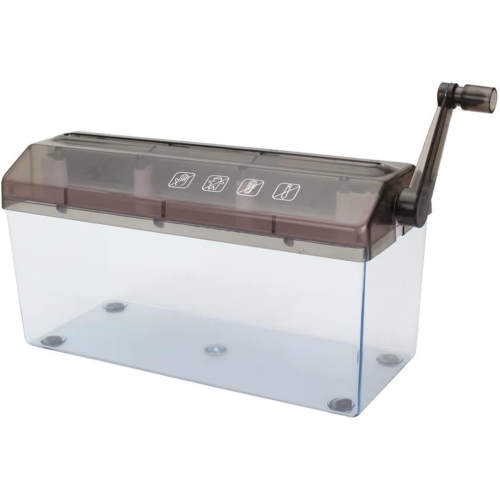
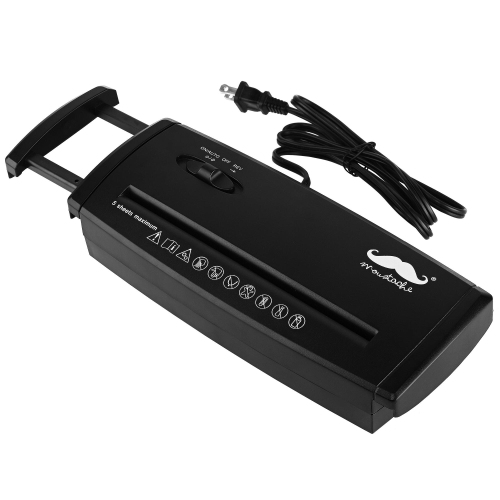
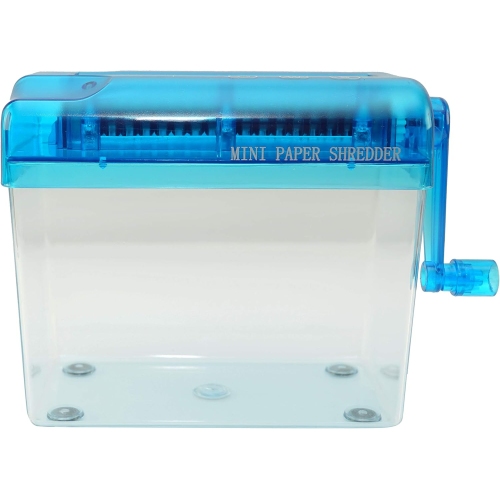
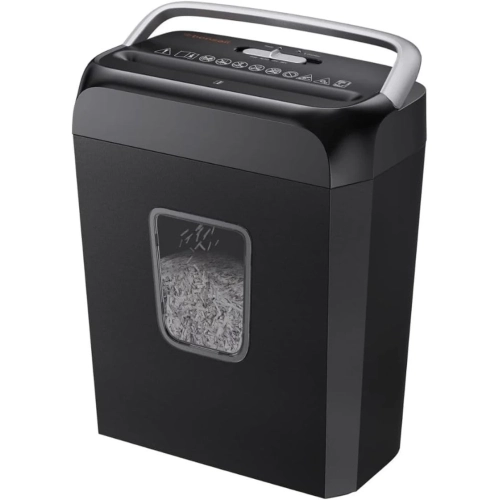
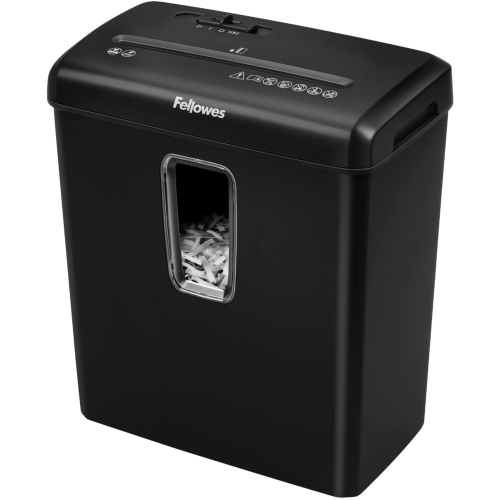
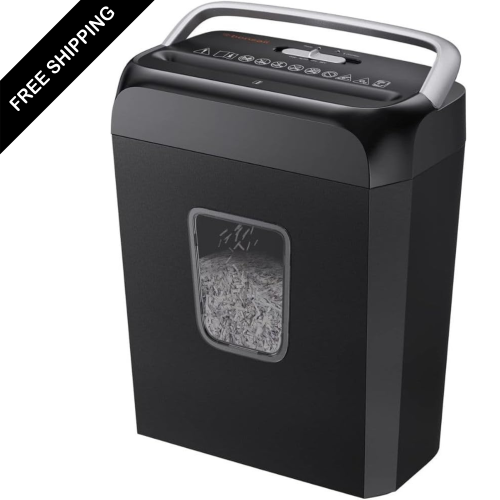
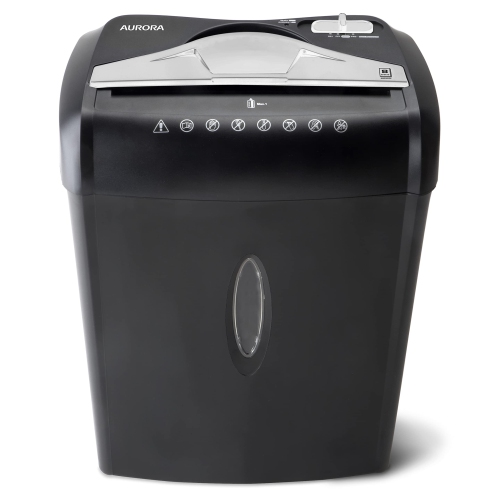
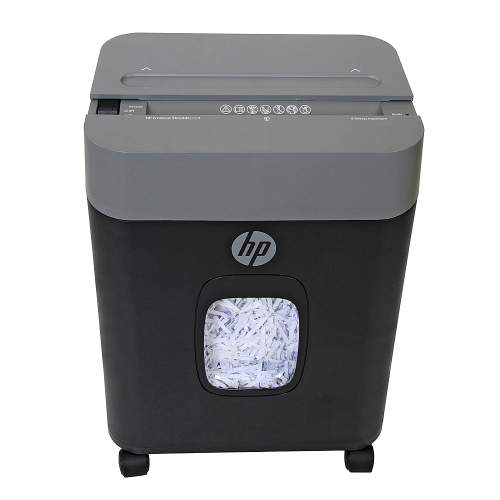
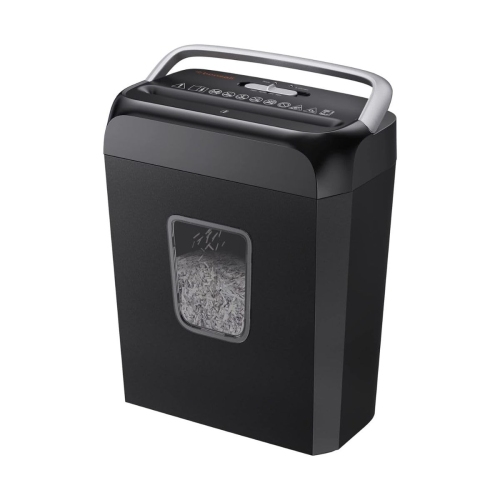
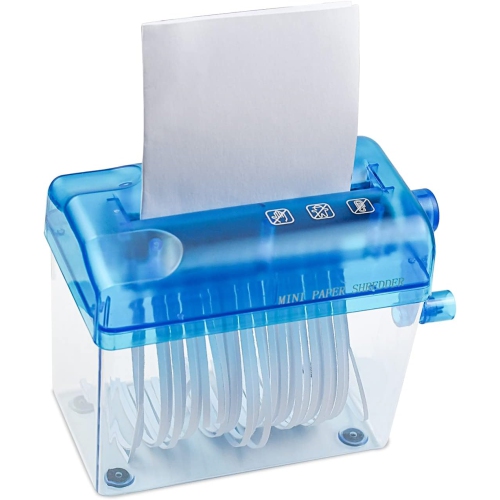
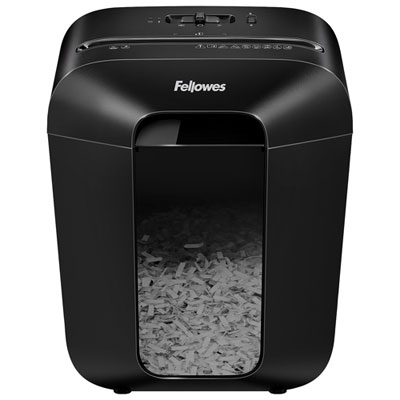
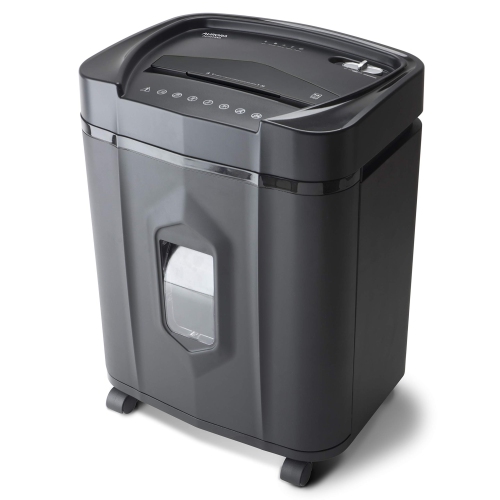

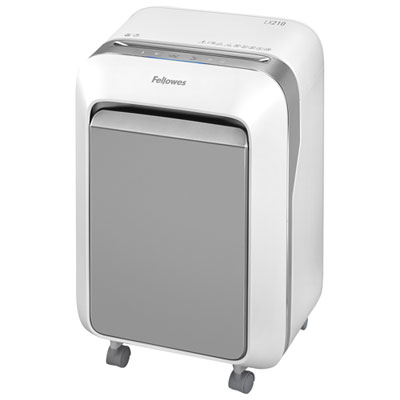
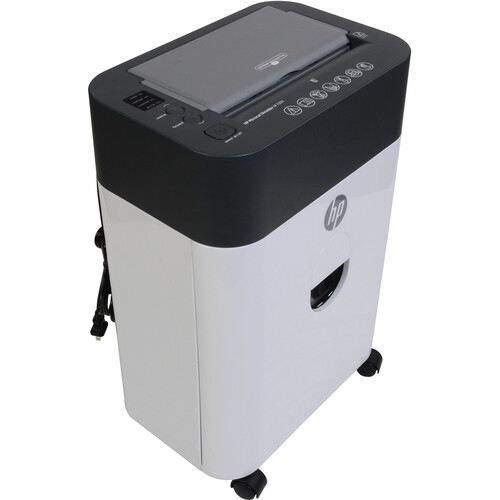
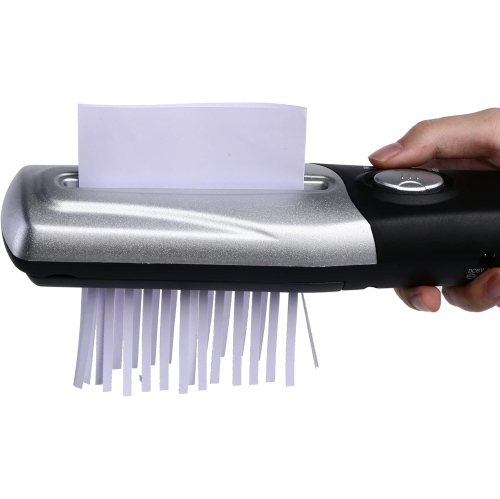

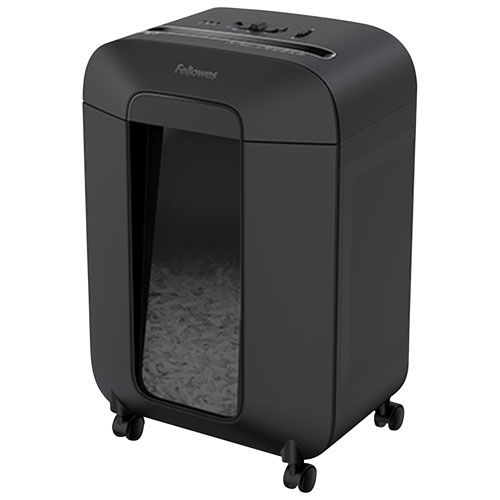
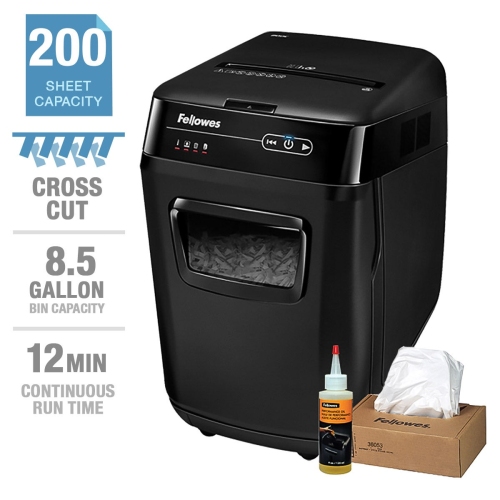
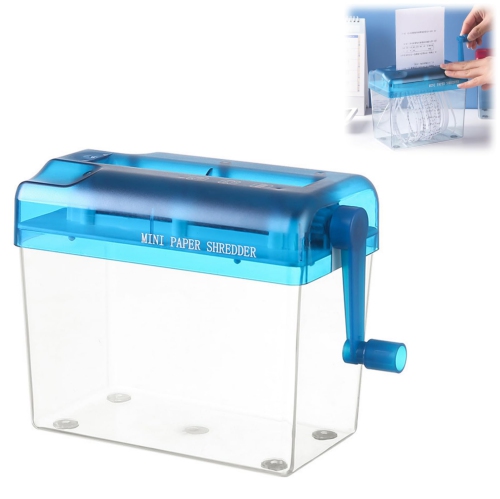
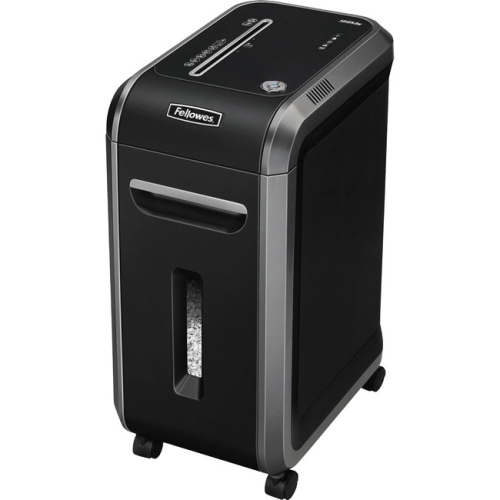
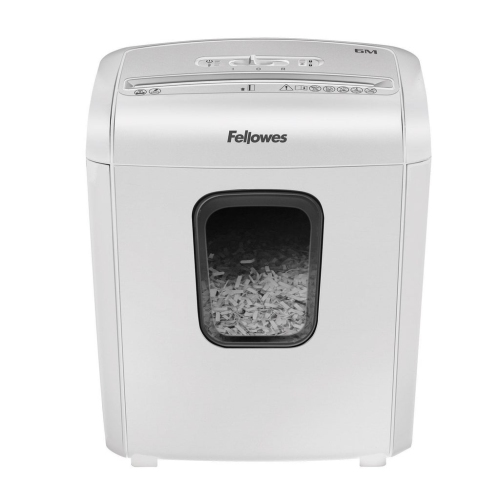
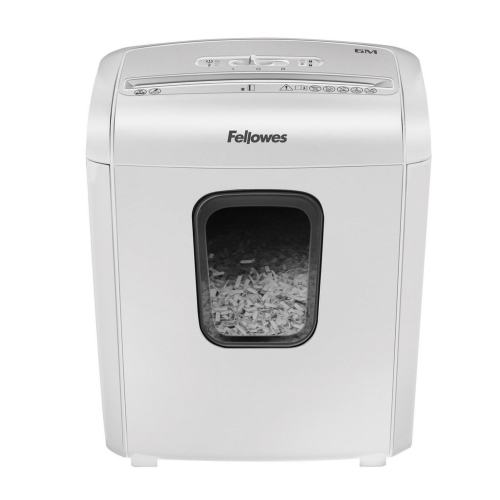
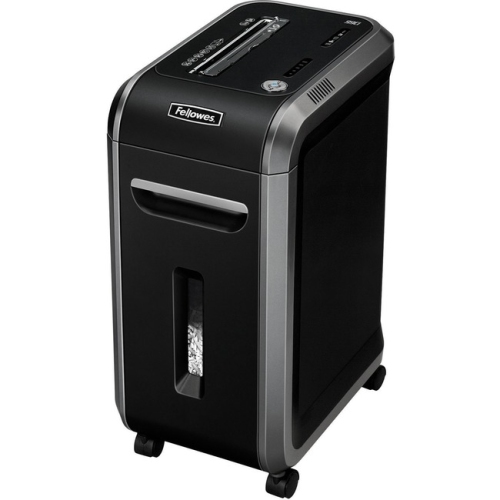
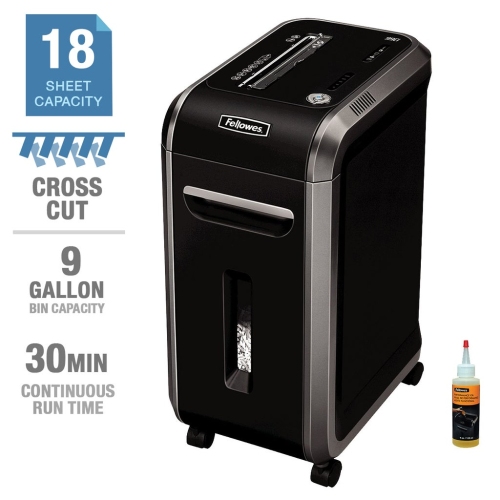
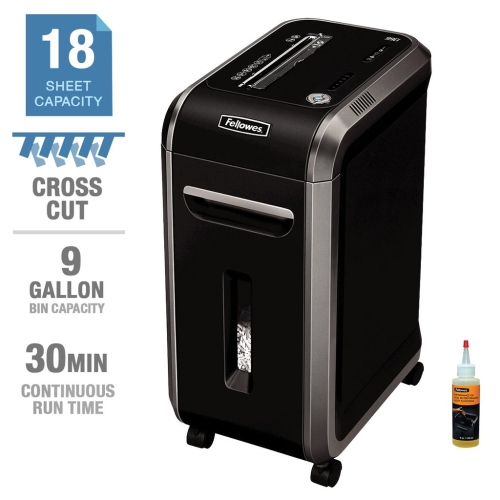
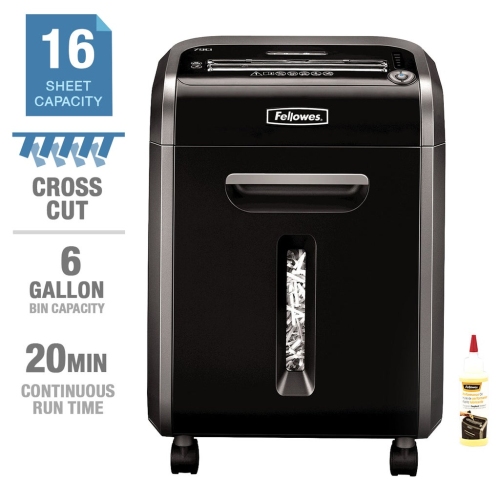
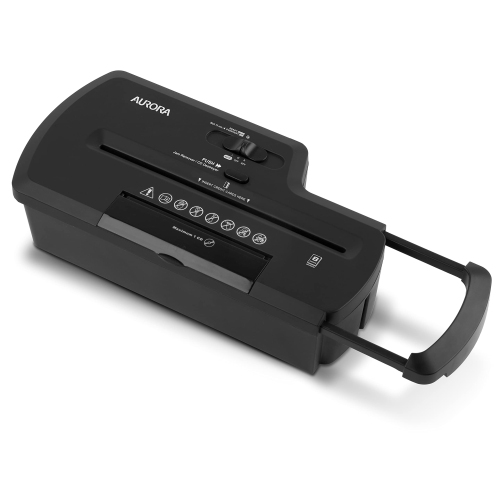
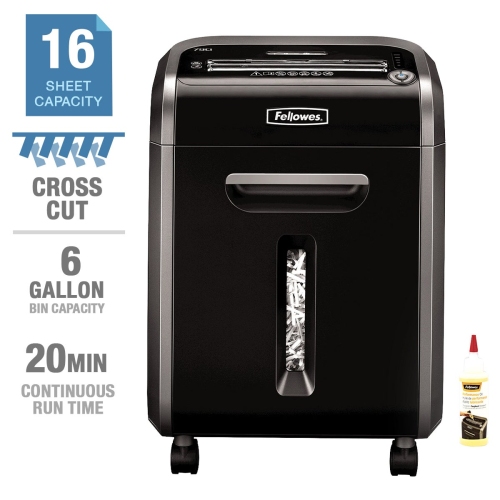

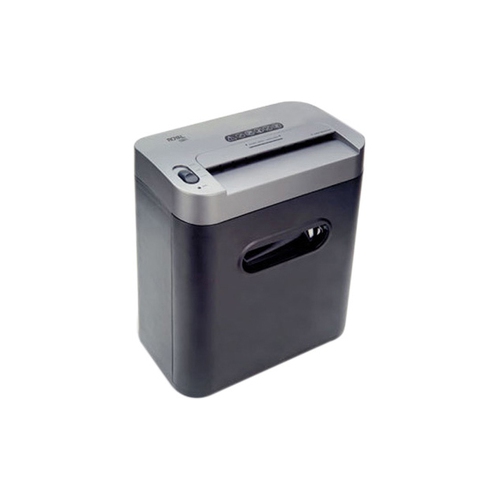
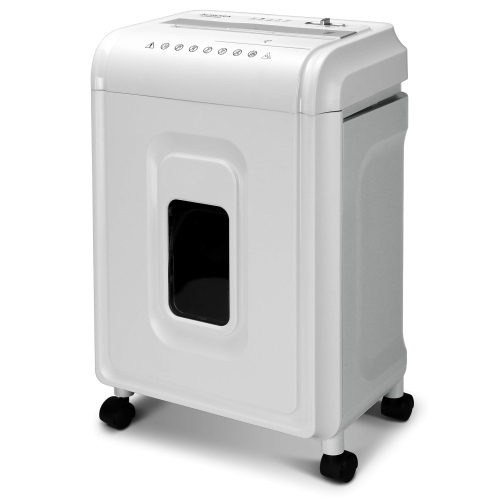
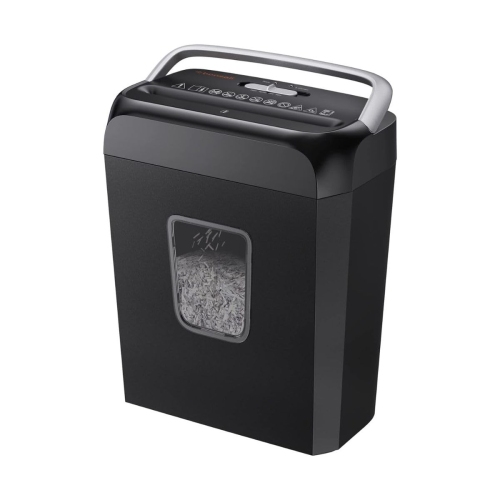
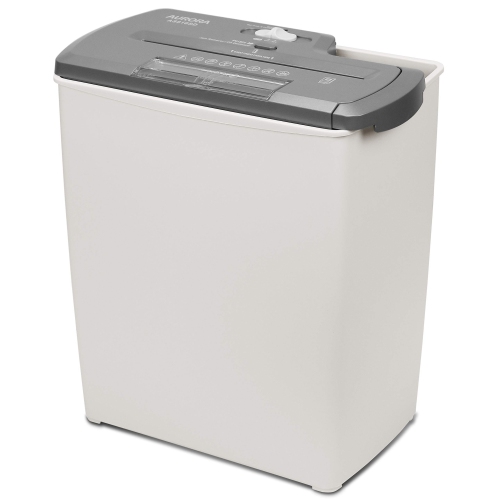
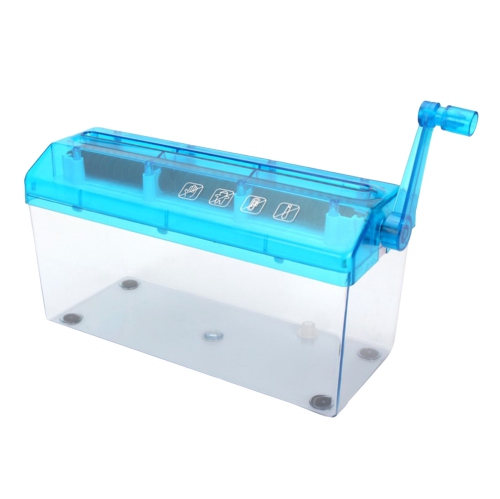
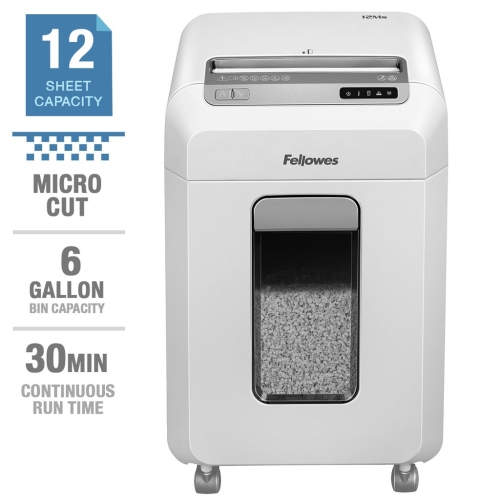
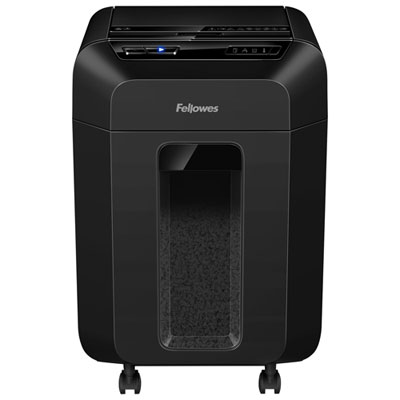
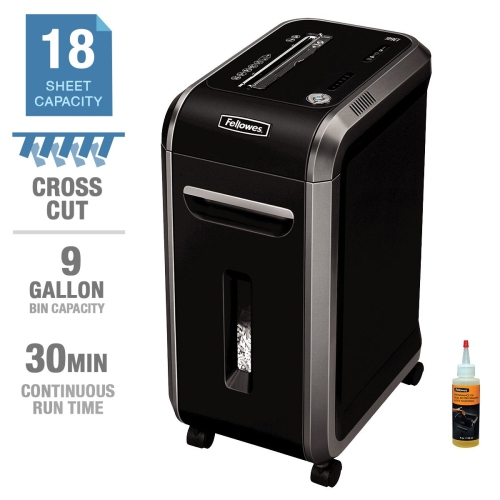
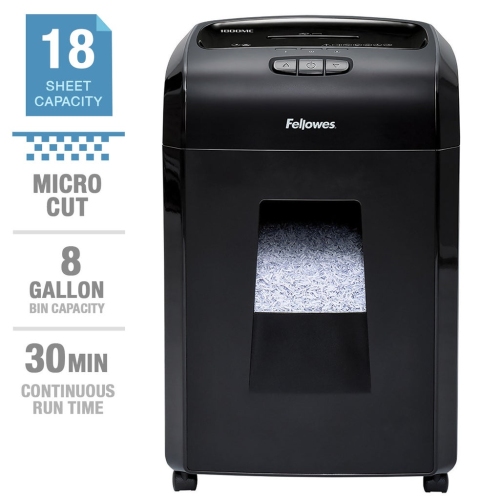
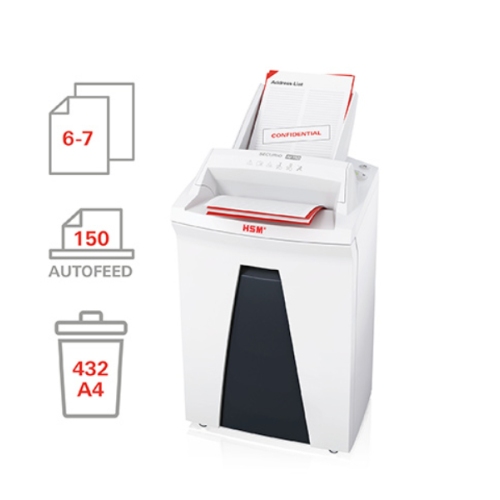
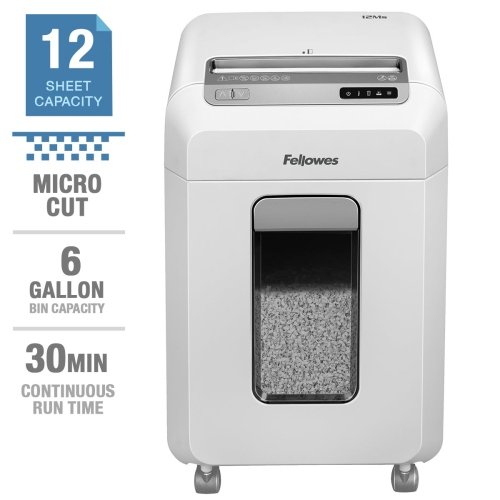
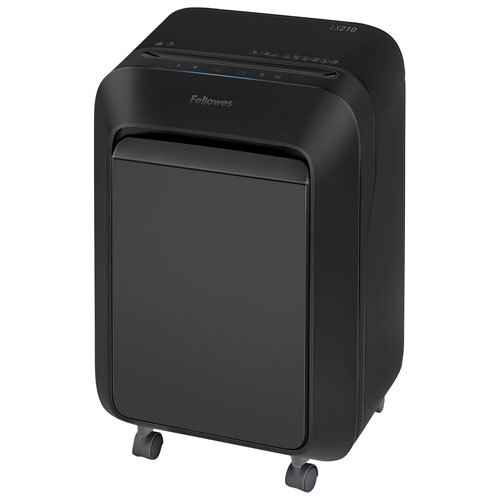
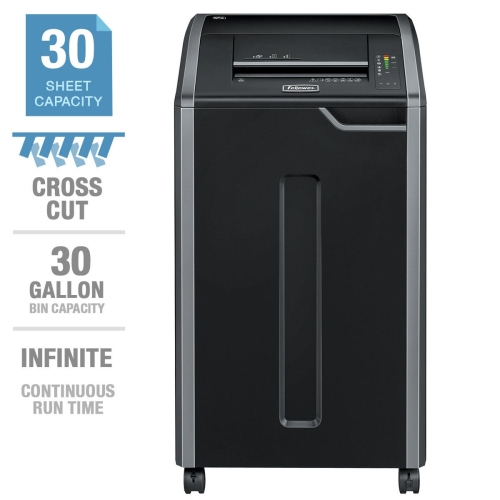
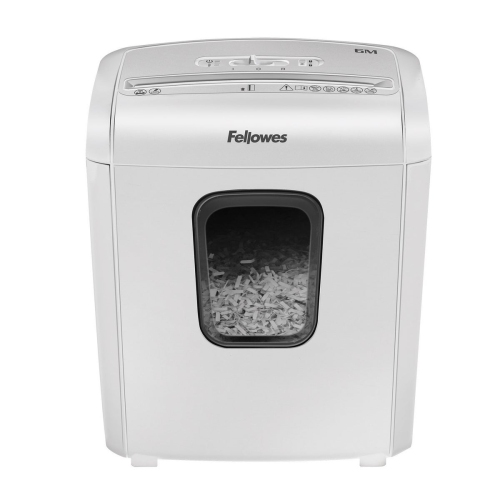
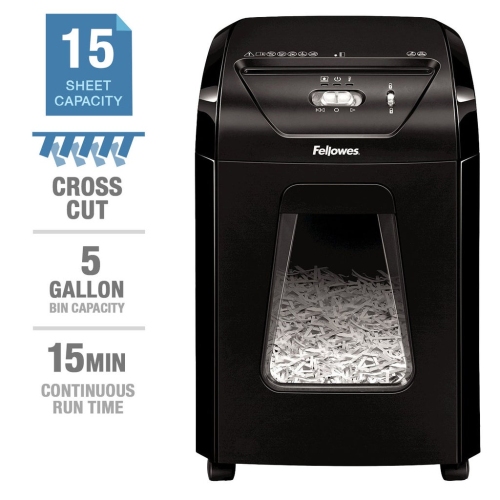
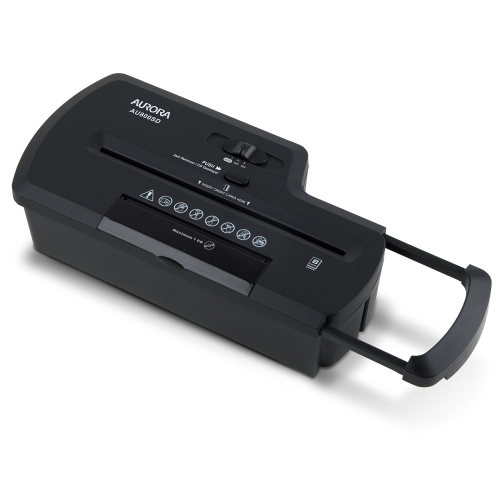
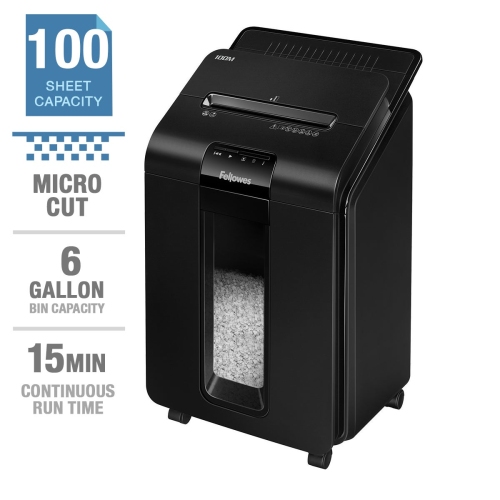
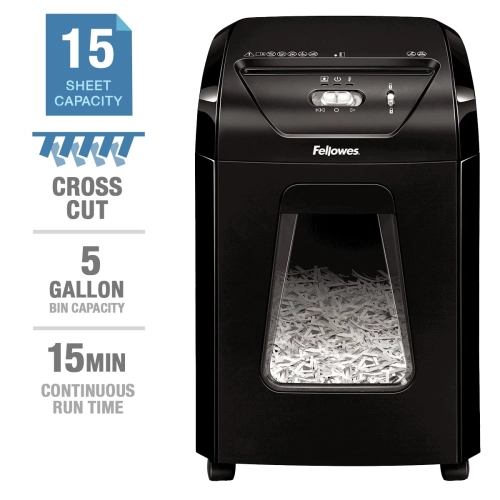
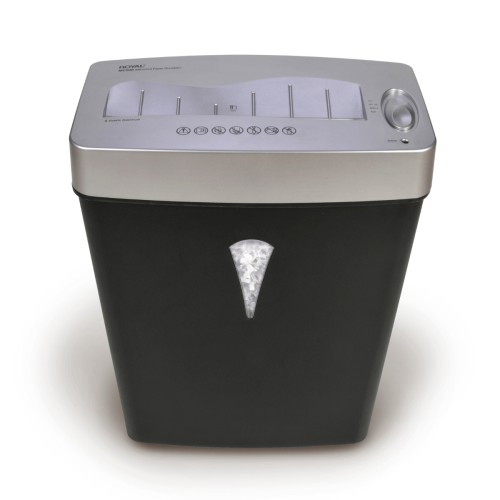
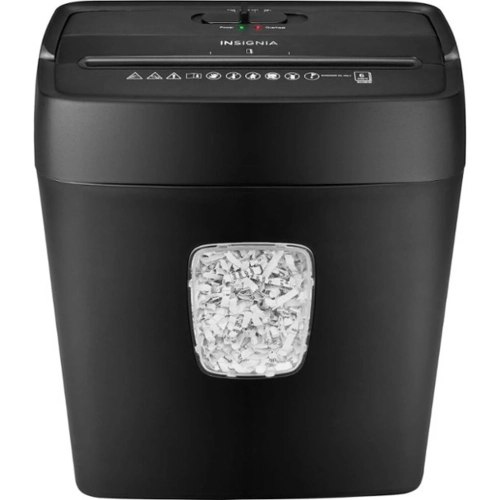
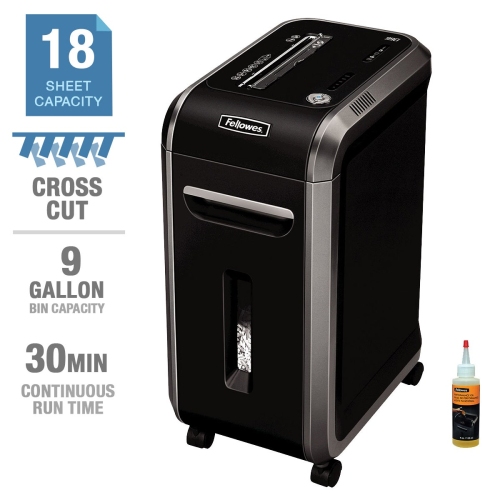
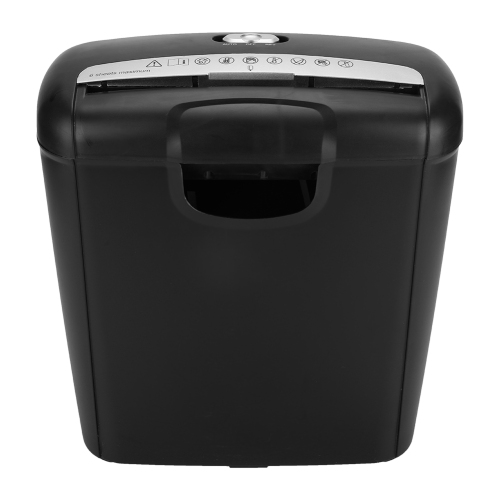
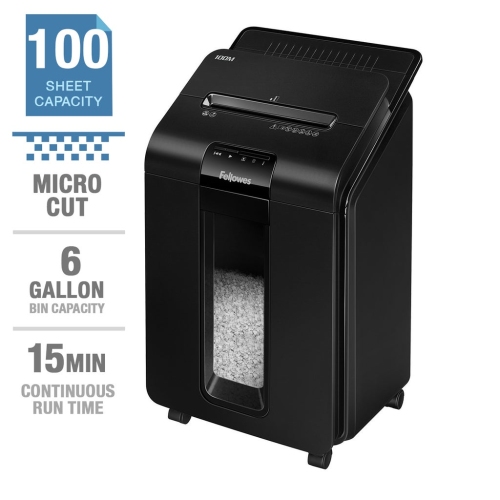
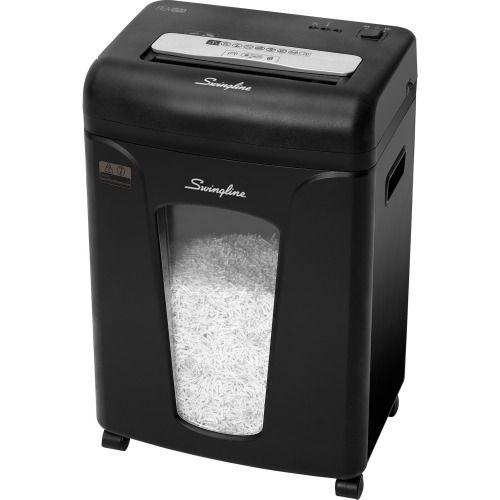
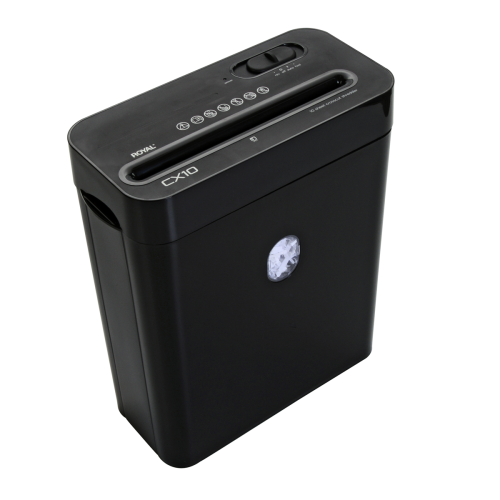
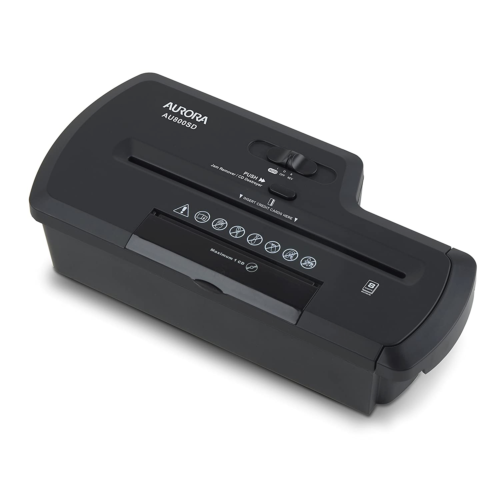
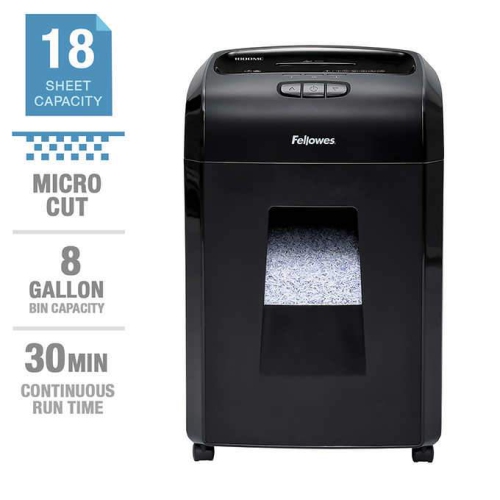
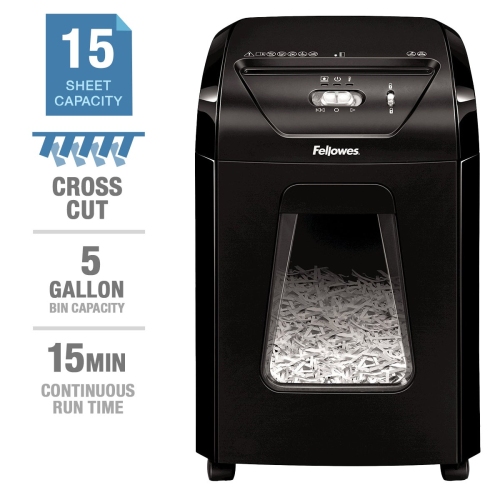


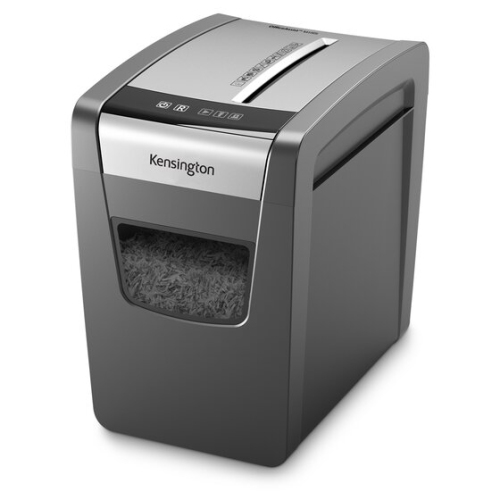
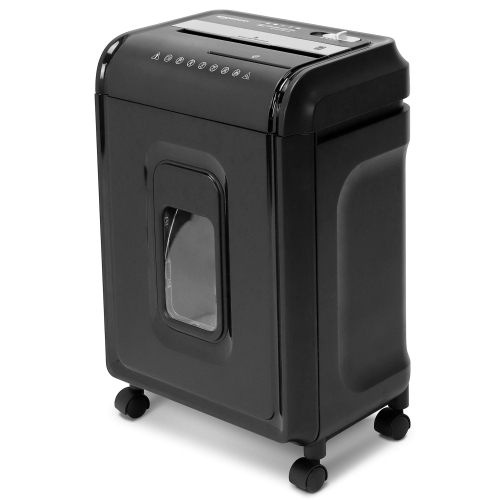
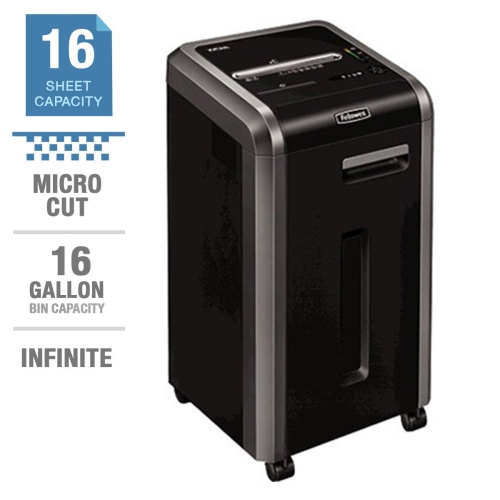
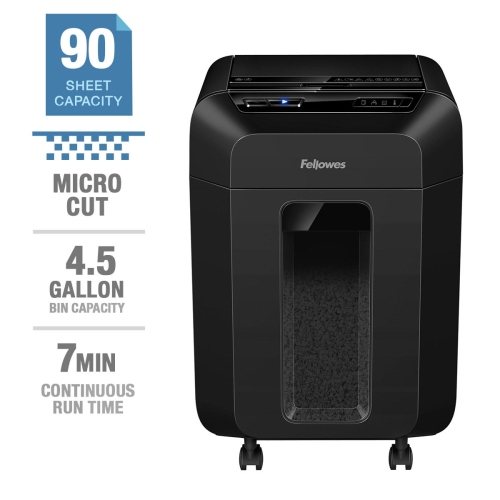
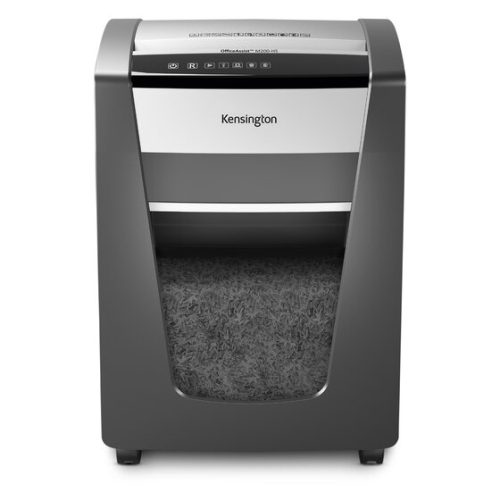
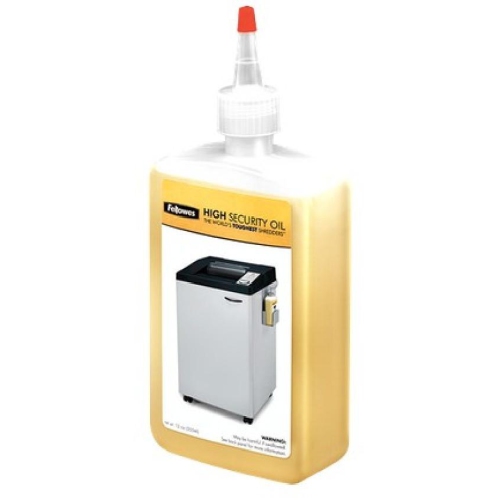


Understand how capacity and cut style affect document security
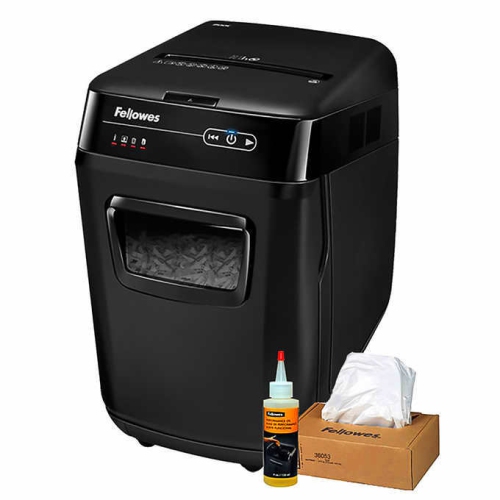
Paper shredding is a practical way to manage documents that contain personal, financial, medical, workplace, or household information. Bank statements, tax paperwork, insurance records, pay stubs, utility bills, invoices, travel documents, school records, and mailing labels can all reveal details that should not be left intact in a recycling bin or regular wastebasket. A personal shredder gives you a convenient way to deal with these papers at home, in a home office, or in a small workplace, helping you clear out a drawer, filing cabinet, or stack of old folders a few pages at a time. For broader selection, explore Shredder Machines suited to different document volumes and security preferences. When choosing a paper shredder, start by considering how much paper you expect to process in a typical session. A compact unit may be well suited to occasional household use, such as clearing a handful of envelopes after sorting the mail, while a larger model can make more sense for a busy home office, shared workspace, or small business that handles paperwork every day. Look at the sheet capacity, feed opening, run time, cooling requirements, bin size, and whether the machine can handle staples, paper clips, credit cards, or other materials. A larger waste bin means fewer interruptions during a cleanout, while a compact design may be easier to keep beside a desk or tuck into a storage area. Noise level can also matter, particularly in an apartment, shared office, or family room where a loud motor may be distracting. Features such as automatic start and stop, reverse operation, overload protection, jam assistance, and a visible full-bin indicator can make routine shredding smoother and less frustrating.
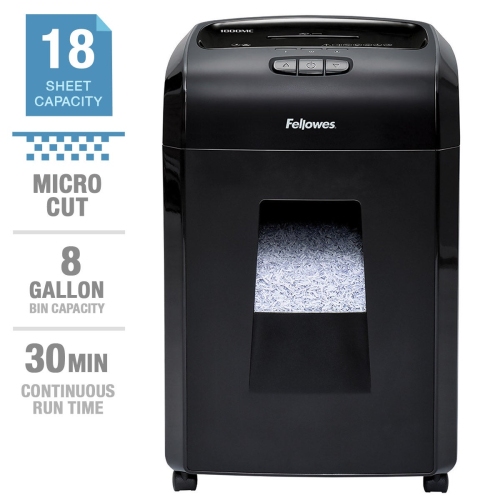
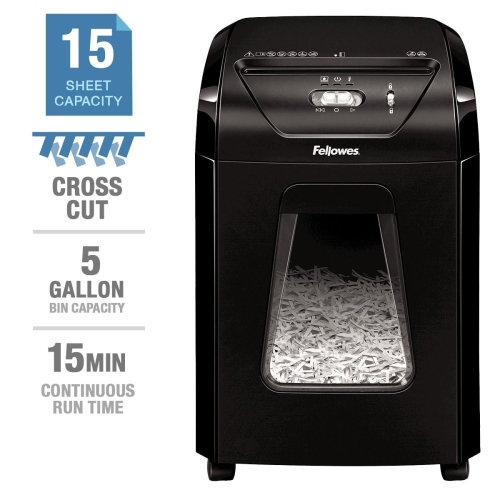
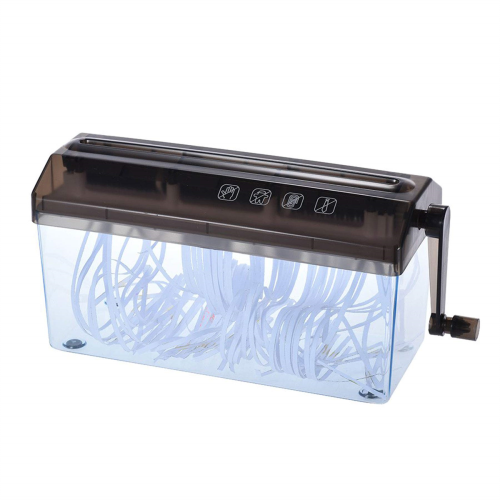
The cut style determines how thoroughly a document is reduced. Strip-cut shredders turn pages into long, narrow strips and can be appropriate for low-sensitivity papers that do not contain much identifying information. Cross-cut machines slice pages in two directions, producing smaller pieces and providing a higher level of protection for everyday personal documents. Micro-cut models create even finer particles and are often selected for highly sensitive records, including tax information, account details, legal paperwork, employee information, or documents containing several forms of identification. Security classifications such as P-3 and P-4 can help you compare the size of the shredded particles, although the best choice depends on the type and quantity of information you handle. It is also worth checking the recommended daily volume and continuous run time rather than relying only on the maximum number of sheets per pass. Feeding a shredder within its stated limits helps reduce jams and supports consistent performance, while alternating between shredding and short cooling periods can be useful during larger cleanouts. Keep pages flat, remove items the machine is not designed to accept, and avoid forcing a thick bundle into the feed opening. When a household has accumulated several boxes of records, shredding everything at once may be less convenient than sorting papers into smaller batches. Some people prefer to destroy documents themselves for immediate control, while others may compare that approach with professional drop-off or pickup services. Retail drop-off services generally weigh documents or charge by a box, and larger scheduled services may be available for extensive cleanouts; fees, accepted materials, and handling procedures vary by location. A personal machine can be more convenient for ongoing paper management, while a service may be practical when an entire basement, office, or storage room needs to be cleared.
Paper shredders can be useful for many different people and spaces. Families may use one to dispose of outdated school forms, appointment reminders, delivery labels, and household correspondence without leaving names or addresses exposed. Home office users often shred drafts, client notes, invoices, receipts, and duplicate records after confirming that the originals are no longer needed. Landlords, contractors, clubs, and small businesses may use a higher-capacity machine for applications, work orders, membership lists, payment records, and other paperwork that should be handled carefully. Students moving between residences can use a compact shredder to clear old course documents and shipping labels, while new homeowners may appreciate one for sorting paperwork that accumulates during a move, renovation, or change of address. A shredder can also be a thoughtful practical gift for someone setting up a home office, managing a family budget, or organizing a filing system. During the cooler months, when more time is often spent indoors sorting cupboards, desks, and storage areas, it can become part of a simple document routine: keep a small collection box near the filing cabinet, remove anything that must be retained, and shred the remainder in manageable batches. Before destroying a record, check whether it is needed for tax, legal, warranty, insurance, or personal reference purposes, and follow any applicable retention requirements. For especially sensitive material, avoid leaving intact pages in an unsecured bin and empty the shredded contents regularly. With the right cut style, capacity, security level, and placement, paper shredding becomes an easy part of keeping paperwork organized and personal information under control.
Top selling and popular products
-
 Your price for this item is $49.99
-
 Your price for this item is $69.99
-
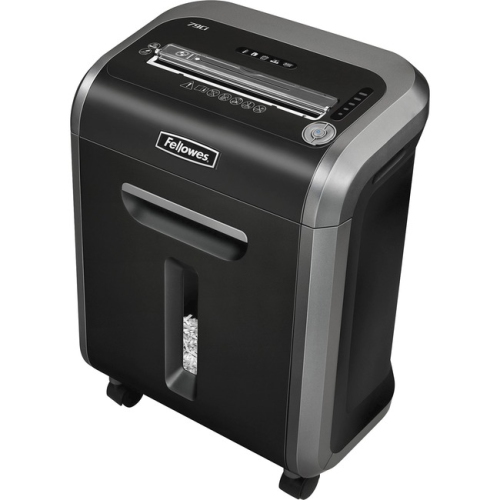 Your price for this item is $392.39
-
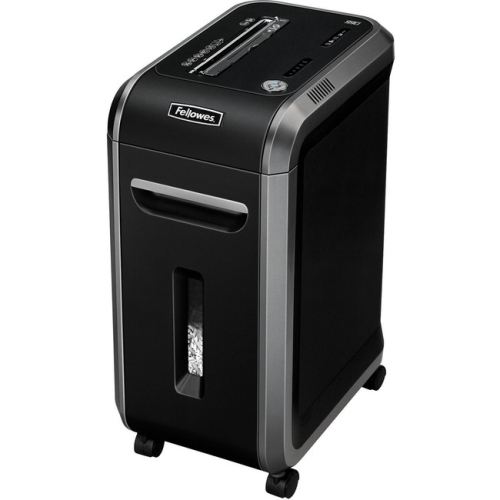 Your price for this item is $518.44
-
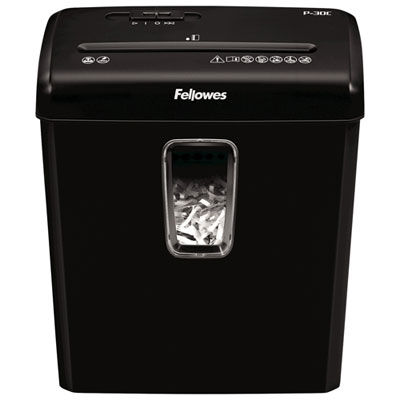 Your price for this item is $72.97
-
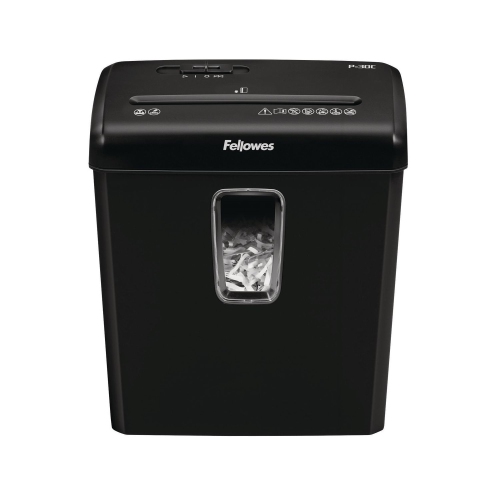 Your price for this item is $139.99
-
 Your price for this item is $189.99
-
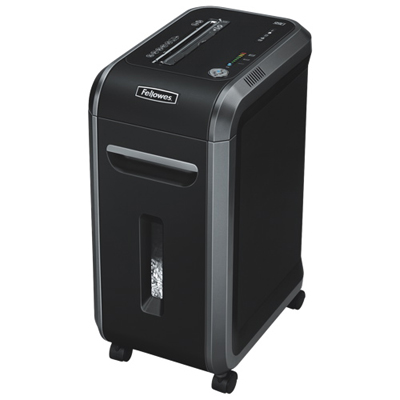 Your price for this item is $430.99
Discover more categories related to Paper Shredding
Top Collections:
Pokemon Centers, Kindle Devices, Best Budget Office Chairs, Canon G7X Cameras, Apple iPhones 16, Samsung Galaxy Phones, Refurbished Apple Laptops, Laptops for Students, iPhone 15 Apple, Budget Smartphones
Some products may be subject to Environmental Handling Fees
(EHF) depending on your province.
Learn more about EHFs.