Photography Papers
Capture the essence of your photographic masterpieces with our collection of high-quality photography papers. Whether you're a professional photographer or an avid hobbyist, finding the right paper is essential to bring your images to life. From glossy finishes that enhance color vibrancy to matte textures that add a touch of elegance, our range of photography papers offers a variety of options to suit your creative vision. Elevate your prints with exceptional clarity, sharpness, and durability, ensuring that every detail is preserved for years to come. Explore our selection and discover the perfect canvas for your next photographic project.
Sort
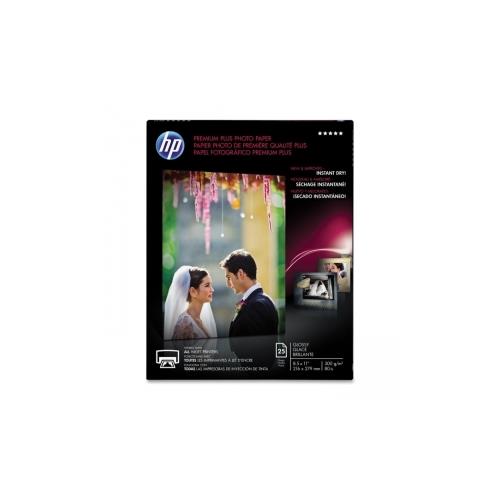
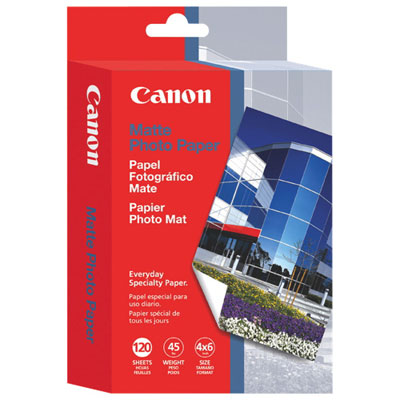
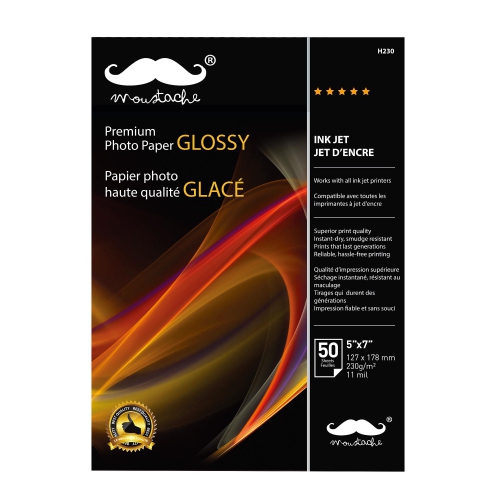
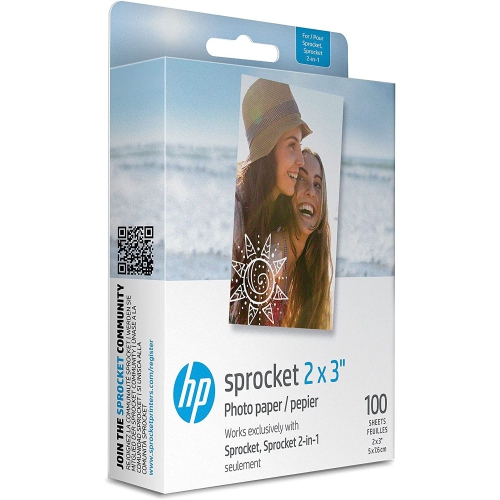
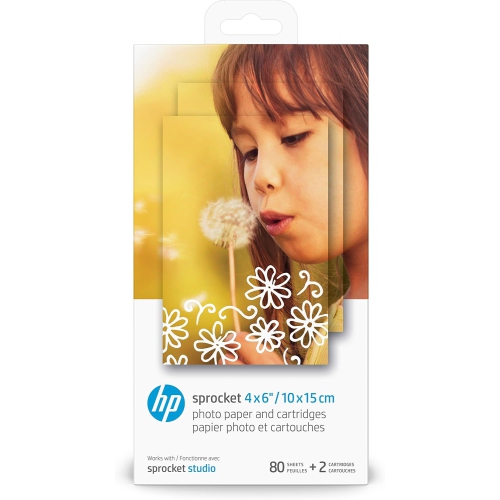

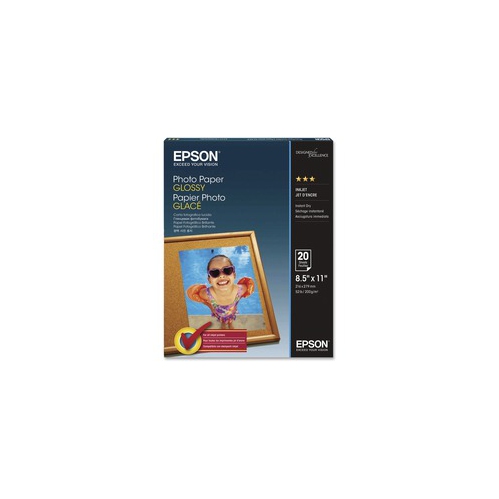
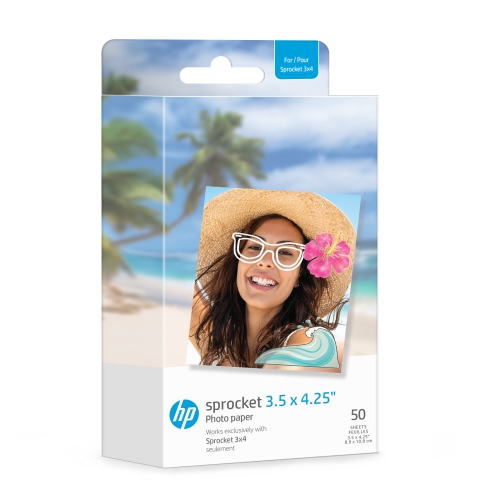
Paper finishes shape the look and feel of prints
Photography papers are specialized media designed to turn an image into a finished physical print, and the paper you choose can influence colour, contrast, sharpness, texture, and the way a photograph feels in your hands. For inkjet printing, the surface includes a receiver layer that controls how ink settles into the sheet, helping determine colour depth, detail, drying time, and resistance to smudging. Darkroom photography papers use light-sensitive silver halides and are exposed and processed with photographic chemicals, creating a distinctly hands-on printing experience. When browsing photography papers, start by confirming which printing process the paper supports. Inkjet paper is intended for compatible inkjet printers, while darkroom paper must match the enlarger, light source, and processing method being used. Paper size is another practical consideration: smaller sheets work well for contact sheets, test prints, albums, and everyday framing, while larger formats are useful for wall displays, portfolio work, and presentation prints. Weight and thickness also affect the finished impression. A lighter sheet is easy to handle and economical for proofs, whereas a heavier sheet can feel more substantial when passed around a studio, placed in a portfolio, or mounted for display. Check the printer’s recommended media range as well, since very thick paper may require a straight-through or manual feed path. For anyone preparing a collection of family photographs, travel images, portraits, or creative projects, keeping more than one paper finish on hand makes it easier to match the print to the image rather than treating every photograph the same way.
Surface finish is one of the most noticeable choices. Glossy photography paper has a smooth, reflective coating that can produce vivid colour, crisp detail, and deep-looking blacks. It is often a strong choice for colourful landscapes, architecture, product photography, and images where fine detail needs to stand out. The reflective surface can show fingerprints and overhead glare, so glossy prints may need careful handling and thoughtful placement behind glass. Luster and satin finishes offer a middle ground, with a gentle texture that reduces reflections while retaining rich colour and good detail. They are versatile for portraits, event photography, travel scenes, and prints that will be handled often. The texture can also make fingerprints less obvious, which is useful for a family photo box or a portfolio that gets shared with visitors. Matte paper has little to no glare and gives photographs a softer, more understated appearance. It can suit black-and-white images, portraits with gentle skin tones, illustrations, scanned artwork, and photographs intended for viewing under varied lighting. Fine art matte papers may have a more pronounced texture that adds visual character, although that texture can slightly soften the impression of very fine details. Metallic and pearl-style papers introduce a luminous, pearlescent effect, adding extra impact to highlights and producing a high-contrast look that can work especially well for dramatic city scenes, colourful celebrations, vehicles, and images with reflective surfaces. Darkroom users may also compare resin-coated papers with fibre-based or baryta-style papers. Resin-coated sheets are generally quick to process, dry, and handle, making them convenient for practice prints and projects with a faster workflow. Fibre-based and baryta-style papers are heavier and known for rich tonal depth, strong contrast, and a traditional darkroom feel, making them appealing for exhibition prints and carefully finished black-and-white work. Cotton fine art rag papers are another option for photographers who want a substantial, textured sheet with a refined presentation. Terms such as acid-free, archival, or museum-style usually describe how a paper is made and intended to perform over time, but the final result also depends on ink, printer settings, processing, handling, framing, and storage.
Matching the paper to the photograph is often the most rewarding part of the process. A misty landscape with soft morning light may look natural on a lightly textured matte surface, while a sunset filled with saturated reds and golds can benefit from a glossy or pearl finish that gives the colours extra energy. Portrait photographers often prefer luster or satin because the reduced glare keeps attention on expression without making skin tones appear overly flat. Black-and-white images can look especially expressive on matte, baryta-style, or other papers that support smooth transitions from bright highlights to deep shadows. Before printing a full batch, make a small test print and review it in the lighting where it will normally be viewed. Colours on a monitor are produced with light, while printed colours are created with ink or photographic chemistry, so the final sheet may not look identical to the screen. Selecting the correct paper type in the printer settings, using the appropriate colour profile when available, and allowing prints to dry fully can improve consistency. Handle finished sheets by the edges and keep them away from moisture, dust, and direct heat until they are ready for an album, portfolio, frame, or display. Photography papers can be a thoughtful gift for a student learning to print, a hobbyist building a home studio, a photographer preparing a portfolio, or a family member who enjoys turning memorable digital images into something tangible. They can also complement a camera-based gift without requiring the recipient to replace their existing equipment. For photographers working with traditional film, choosing compatible [Photography Films] and paper can help create a complete analogue workflow, from capturing an image to making a finished print. Whether the goal is a stack of proofs, a set of greeting cards, a framed portrait, or a carefully crafted fine art image, the right paper gives every photograph a more personal and considered finish.
Surface finish is one of the most noticeable choices. Glossy photography paper has a smooth, reflective coating that can produce vivid colour, crisp detail, and deep-looking blacks. It is often a strong choice for colourful landscapes, architecture, product photography, and images where fine detail needs to stand out. The reflective surface can show fingerprints and overhead glare, so glossy prints may need careful handling and thoughtful placement behind glass. Luster and satin finishes offer a middle ground, with a gentle texture that reduces reflections while retaining rich colour and good detail. They are versatile for portraits, event photography, travel scenes, and prints that will be handled often. The texture can also make fingerprints less obvious, which is useful for a family photo box or a portfolio that gets shared with visitors. Matte paper has little to no glare and gives photographs a softer, more understated appearance. It can suit black-and-white images, portraits with gentle skin tones, illustrations, scanned artwork, and photographs intended for viewing under varied lighting. Fine art matte papers may have a more pronounced texture that adds visual character, although that texture can slightly soften the impression of very fine details. Metallic and pearl-style papers introduce a luminous, pearlescent effect, adding extra impact to highlights and producing a high-contrast look that can work especially well for dramatic city scenes, colourful celebrations, vehicles, and images with reflective surfaces. Darkroom users may also compare resin-coated papers with fibre-based or baryta-style papers. Resin-coated sheets are generally quick to process, dry, and handle, making them convenient for practice prints and projects with a faster workflow. Fibre-based and baryta-style papers are heavier and known for rich tonal depth, strong contrast, and a traditional darkroom feel, making them appealing for exhibition prints and carefully finished black-and-white work. Cotton fine art rag papers are another option for photographers who want a substantial, textured sheet with a refined presentation. Terms such as acid-free, archival, or museum-style usually describe how a paper is made and intended to perform over time, but the final result also depends on ink, printer settings, processing, handling, framing, and storage.
Matching the paper to the photograph is often the most rewarding part of the process. A misty landscape with soft morning light may look natural on a lightly textured matte surface, while a sunset filled with saturated reds and golds can benefit from a glossy or pearl finish that gives the colours extra energy. Portrait photographers often prefer luster or satin because the reduced glare keeps attention on expression without making skin tones appear overly flat. Black-and-white images can look especially expressive on matte, baryta-style, or other papers that support smooth transitions from bright highlights to deep shadows. Before printing a full batch, make a small test print and review it in the lighting where it will normally be viewed. Colours on a monitor are produced with light, while printed colours are created with ink or photographic chemistry, so the final sheet may not look identical to the screen. Selecting the correct paper type in the printer settings, using the appropriate colour profile when available, and allowing prints to dry fully can improve consistency. Handle finished sheets by the edges and keep them away from moisture, dust, and direct heat until they are ready for an album, portfolio, frame, or display. Photography papers can be a thoughtful gift for a student learning to print, a hobbyist building a home studio, a photographer preparing a portfolio, or a family member who enjoys turning memorable digital images into something tangible. They can also complement a camera-based gift without requiring the recipient to replace their existing equipment. For photographers working with traditional film, choosing compatible [Photography Films] and paper can help create a complete analogue workflow, from capturing an image to making a finished print. Whether the goal is a stack of proofs, a set of greeting cards, a framed portrait, or a carefully crafted fine art image, the right paper gives every photograph a more personal and considered finish.
Top selling and popular products
-
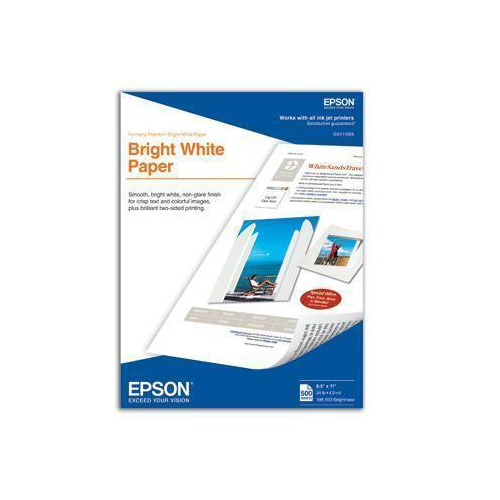 Your price for this item is $33.37
 -
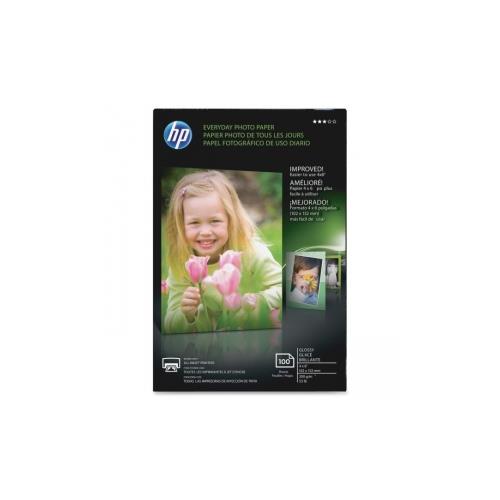 Your price for this item is $24.68
 -
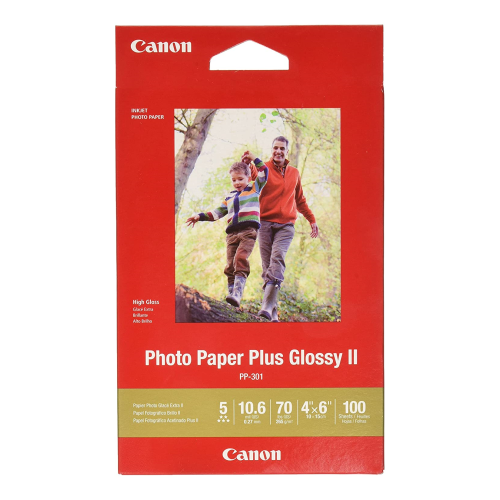 Your price for this item is $29.99
 -
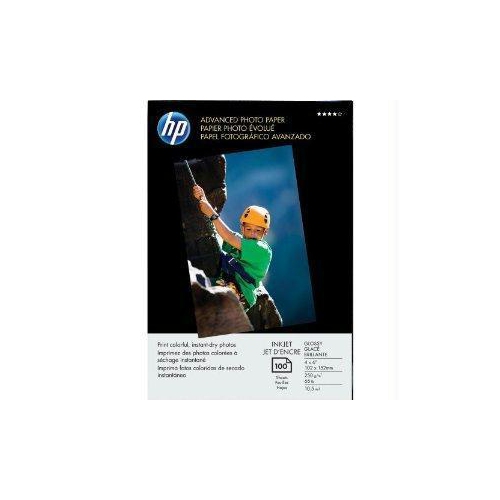 Your price for this item is $31.68
 -
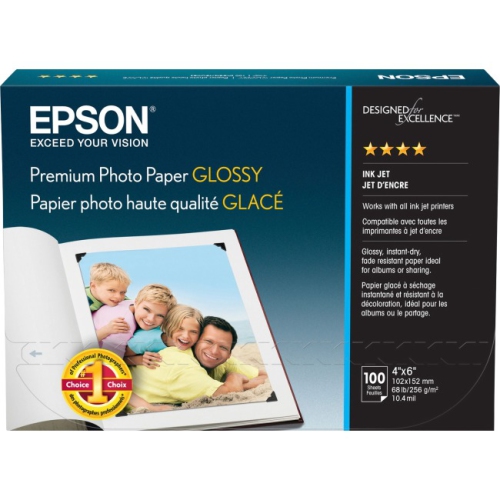 Your price for this item is $24.68
 -
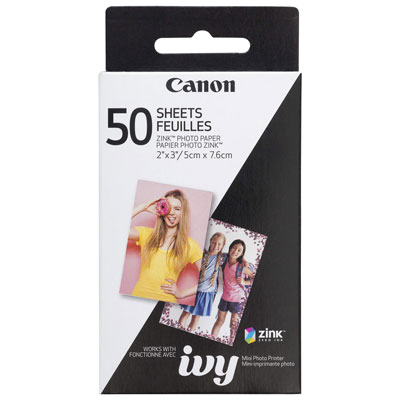 Your price for this item is $39.99
 -
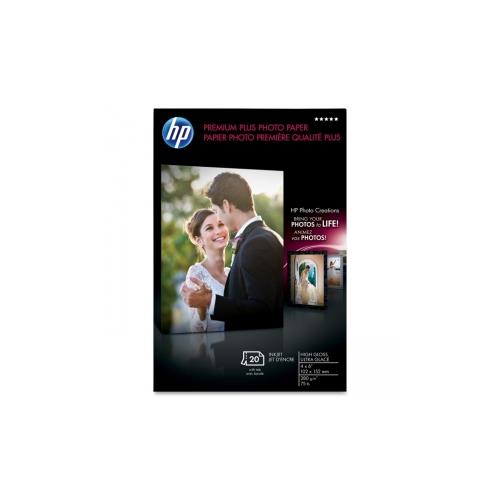 Your price for this item is $28.99
 -
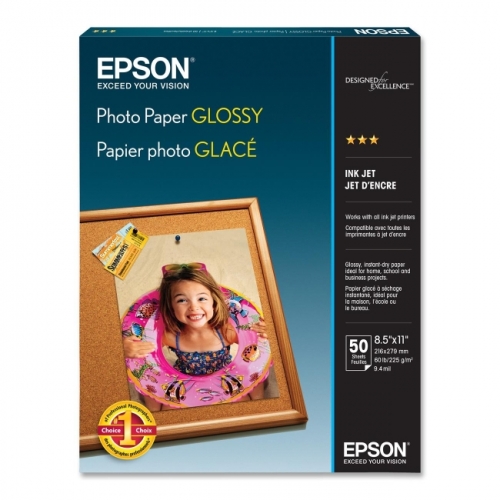 Your price for this item is $48.68
Discover more categories related to Photography Papers
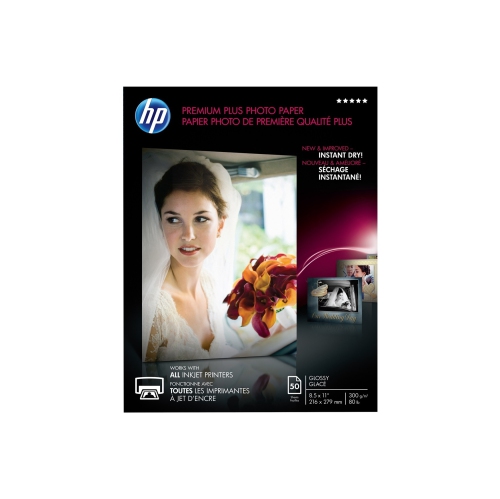
Top Collections:
Best Laptops for Video Editing, Pokemon Centers, Samsung Z Fold, Kindle Devices, Best Cell Phones Under $300, Best Laptop Computers for Students, iPhone 15 Apple, Best Cell Phones Under $500, Alarm Clock, Canon G7X Cameras
Some products may be subject to Environmental Handling Fees
(EHF) depending on your province.
Learn more about EHFs.