Fine Art Papers
Looking to elevate your artistic creations? Look no further than our collection of fine art papers. Whether you're a professional artist, an aspiring painter, or simply enjoy dabbling in the world of art, our selection of fine art papers offers a range of textures and finishes to suit every style and medium. From smooth surfaces that enhance intricate details to textured papers that add depth and dimension, we have everything you need to take your artistic vision to new heights.
Sort


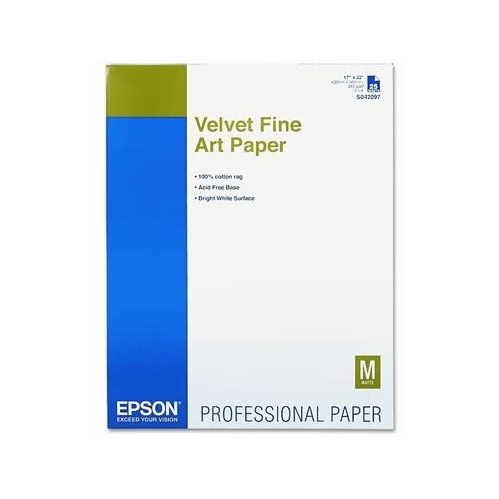
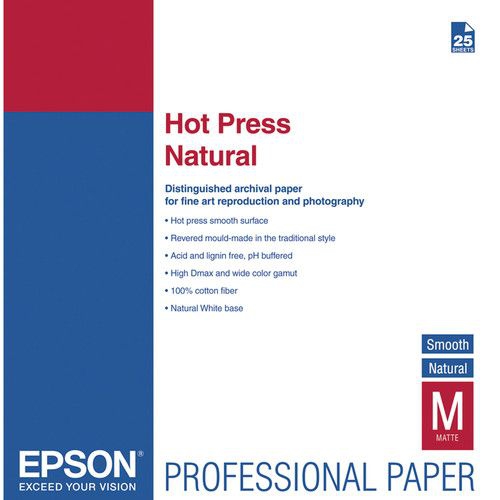
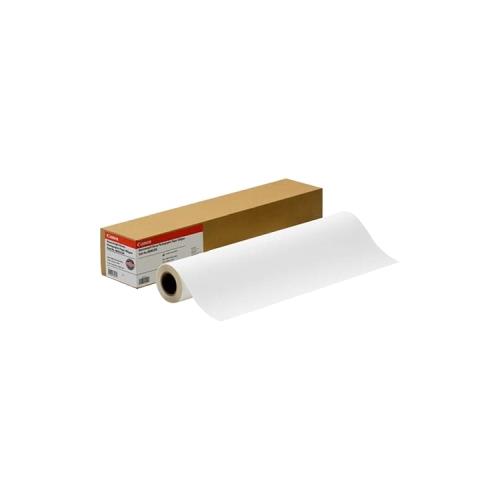
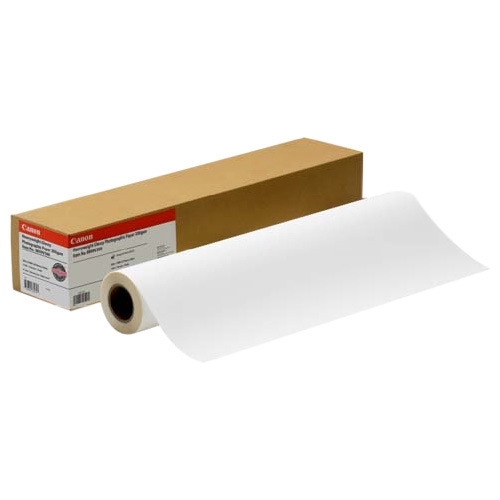
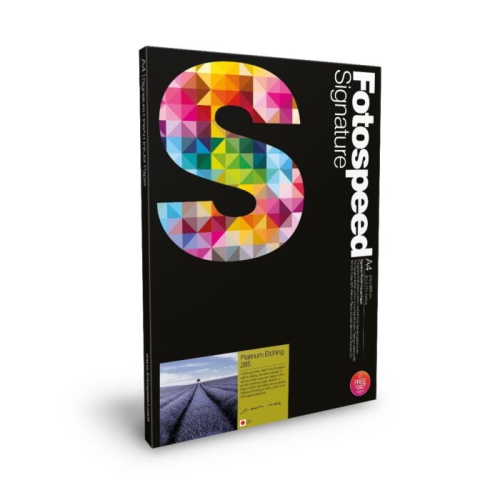
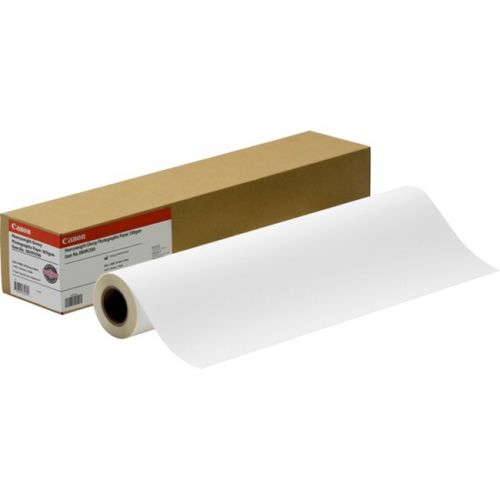
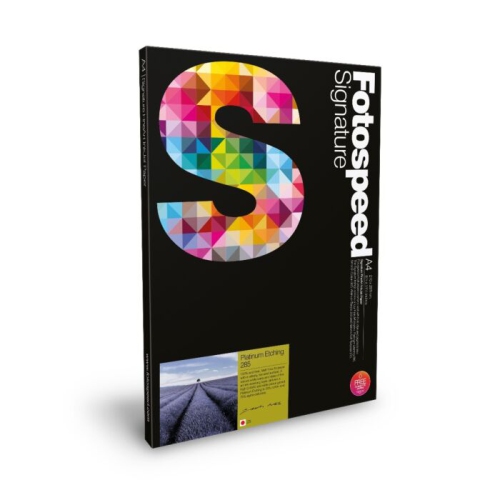


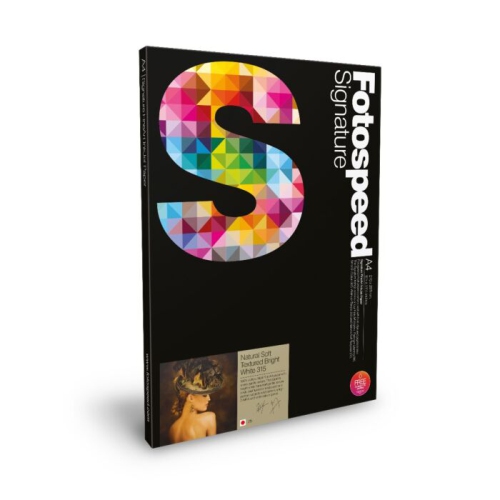
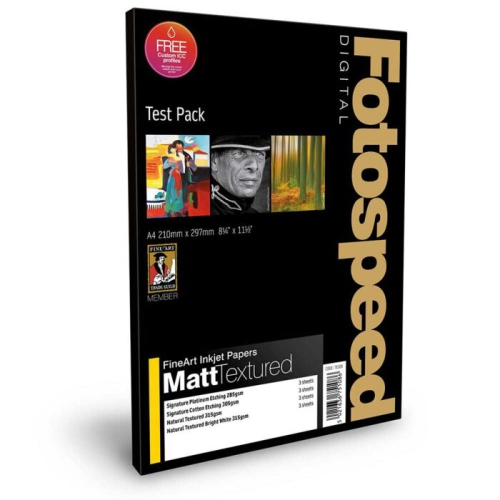
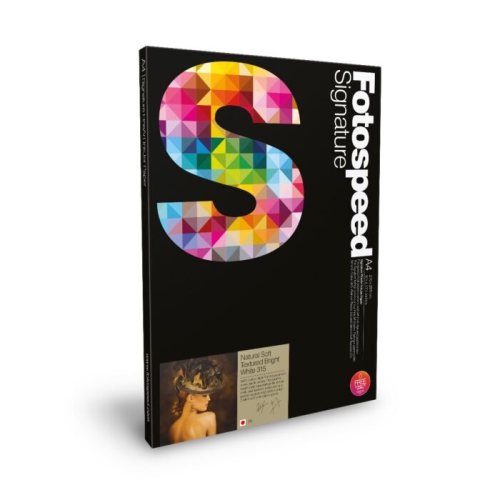
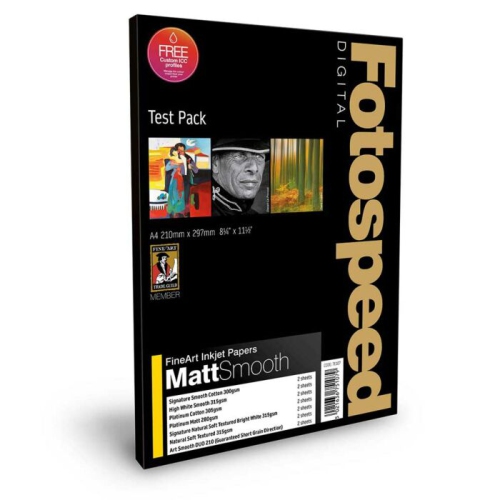
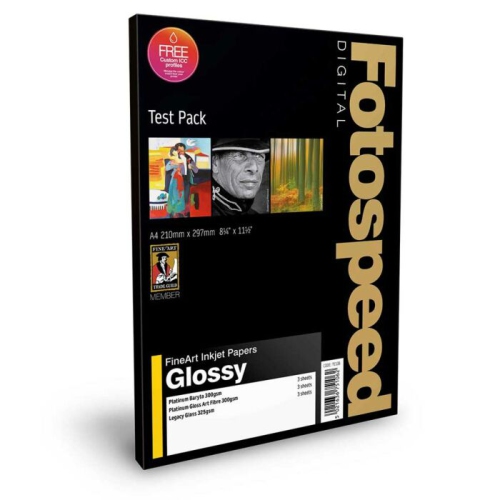


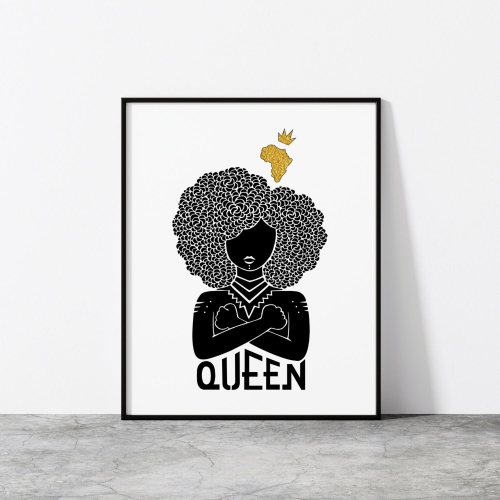
How paper surfaces shape artwork and printed images
Fine art papers are specialist paper surfaces made for drawing, painting, printmaking, and high-quality photographic or art reproduction. Their fibre composition, surface texture, absorbency, and finish influence both the appearance of the artwork and how the sheet responds during use. Many fine art papers are made from cotton fibres or highly purified alpha-cellulose, with acid-free and lignin-free formulations intended to reduce deterioration and yellowing. Cotton papers are valued for their strength and distinctive feel, while purified alpha-cellulose papers can also provide a stable surface for detailed artwork and printing. The term “fine art” alone does not guarantee a particular lifespan: lasting results depend on the paper’s specifications, the inks or pigments applied to it, and how the finished work is stored and displayed. Archival quality is therefore a matter of compatible materials and careful handling, rather than a promise that every sheet will remain unchanged indefinitely. Surface character is equally important. A smooth sheet supports crisp outlines, delicate lettering, and closely observed detail; a more pronounced grain can leave tiny breaks in a pencil stroke or give a wash visible depth. Paper weight, usually expressed in grams per square metre, describes mass rather than thickness alone. Two papers with the same weight may feel different because of their fibres, density, and surface treatment. Heavier sheets generally have more body, but weight by itself does not establish suitability for wet paint or a particular printer. Sizing, a treatment that controls how readily paper absorbs liquid, also affects whether colour sits near the surface or sinks into the fibres. These differences give fine art papers a practical role as well as a visual one: the sheet becomes part of the finished image, from the warmth of its unprinted areas to the way its texture catches light beneath a drawing.
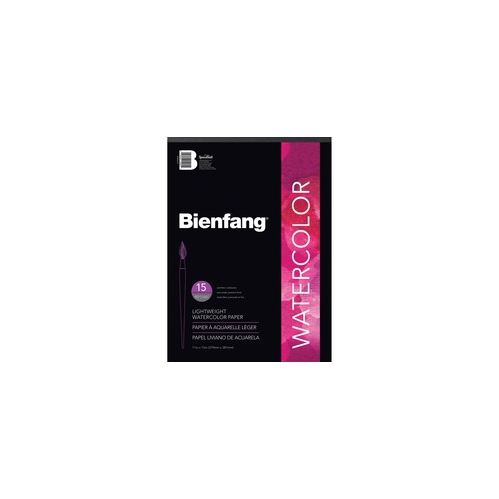
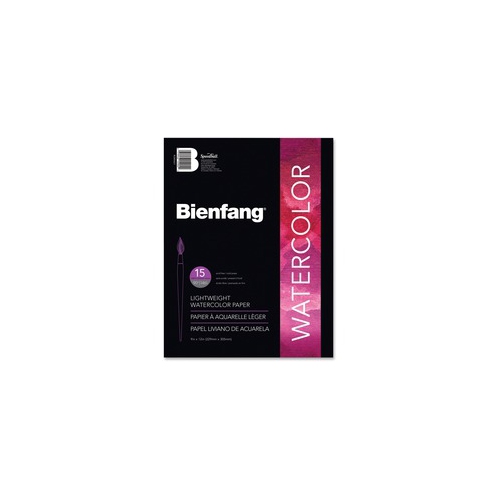
For traditional media, the relationship between paper and mark-making is especially noticeable. Graphite drawings with precise architectural lines often benefit from a relatively smooth surface, while charcoal and soft pastel need enough tooth to hold loose particles. A heavily textured sheet can bring energy to broad shading, although that same texture may interrupt very small details. Coloured pencil work also depends on surface grip: a paper with suitable tooth can accept successive layers, while a smoother finish may suit clean contours and lighter applications. With watercolour, hot-pressed paper offers a smoother surface, cold-pressed paper has a more noticeable texture, and rough paper introduces stronger variations that can break up a brushstroke. These terms describe surface finish, not a universal level of quality. A botanical study with fine stems and carefully defined petals may call for a different surface from a loose landscape built from broad washes. Wet-media performance depends on sizing, fibre structure, and weight together; lighter sheets may buckle under generous washes, and even substantial paper can move as it absorbs water and dries. Repeated lifting, erasing, or scrubbing places additional demands on the surface, making resistance to abrasion relevant for artists who revise extensively. Printmaking brings another set of requirements, including the ability to receive ink evenly and tolerate the pressure or dampening associated with a particular process. Sheets intended for relief printing, intaglio, or other methods are not necessarily interchangeable. Format matters too: a small sheet suits intimate studies and portable work, while larger dimensions leave room for sweeping gestures, borders, or multiple compositions. Finished sheet size also affects framing, scanning, and presentation, especially when a visible paper margin forms part of the artwork. Within the broader category of Art Papers, these differences help distinguish a surface suited to quick exploratory sketches from one intended for a carefully developed finished piece.
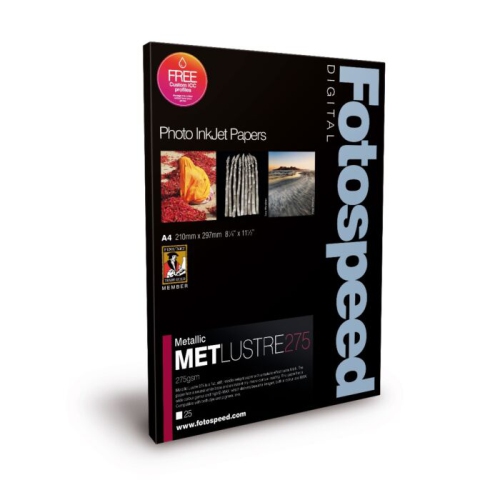
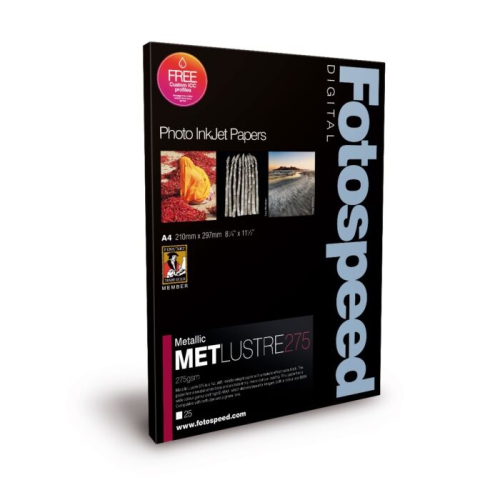
Fine art inkjet papers serve a related but distinct purpose: they provide a specially prepared surface for reproducing photographs, illustrations, and other artwork with compatible printers and inks. A paper made for drawing or watercolour is not automatically suitable for inkjet printing, even when its weight and texture resemble those of a printable sheet. Inkjet coatings help control ink absorption, edge definition, and colour reproduction, and the printable side may differ from the reverse. Matte finishes can give an image a restrained, tactile appearance with little surface glare, while satin or glossier finishes may suit photographs where deeper-looking dark tones and a different viewing sheen are desired. Paper white also changes the result. A warmer base can complement sepia-toned photographs or soft illustrations, whereas a brighter white may alter the perceived contrast and colour balance. Printer compatibility includes supported sheet dimensions, thickness, feed path, and ink type; an appropriate paper profile can further improve the match between the digital file and the print. The word “giclée” is commonly associated with high-quality inkjet art reproduction, but it does not, by itself, establish how long a print will last. Longevity depends on the tested paper-and-ink combination as well as display conditions. Across both original artwork and printed reproductions, clean, dry hands and gentle handling help protect surfaces from oils, dents, and accidental marks. Flat storage, suitable protective folders, and separation from acidic backing materials can help keep unused sheets and completed work in good condition. Display away from direct sunlight and moisture reduces avoidable stress, while a mat or spacer can keep the image surface from touching glazing. Fine art papers can also make a thoughtful gift for an art student, an experienced illustrator, or a photographer developing a print portfolio. Matching the paper to the recipient’s preferred medium makes the gift more useful, whether their work centres on delicate pencil studies, expressive painted passages, or carefully prepared photographic prints.
Top selling and popular products
-
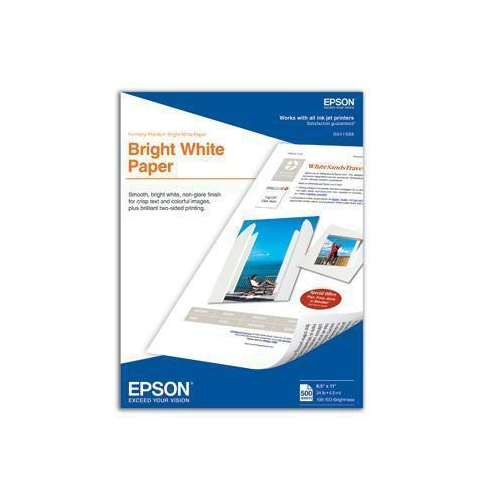 Your price for this item is $33.37
-
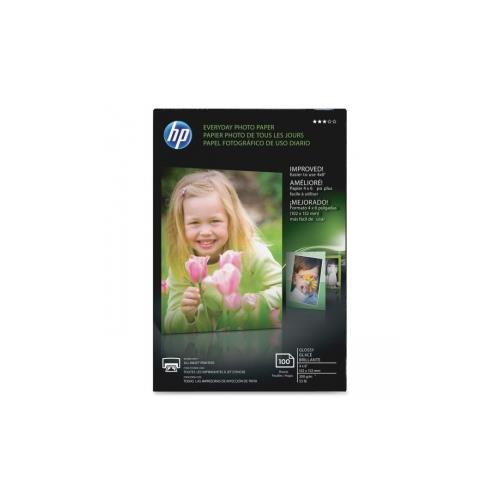 Your price for this item is $24.68
-
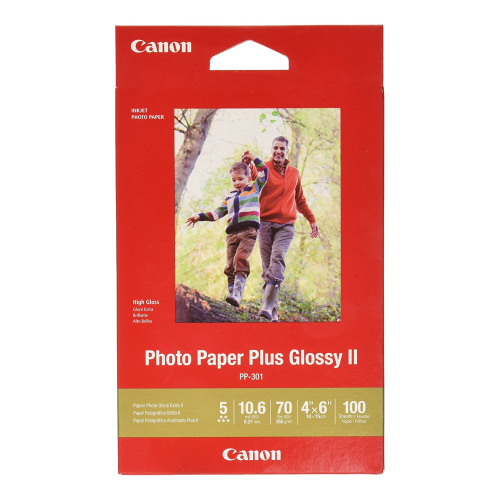 Your price for this item is $43.79
-
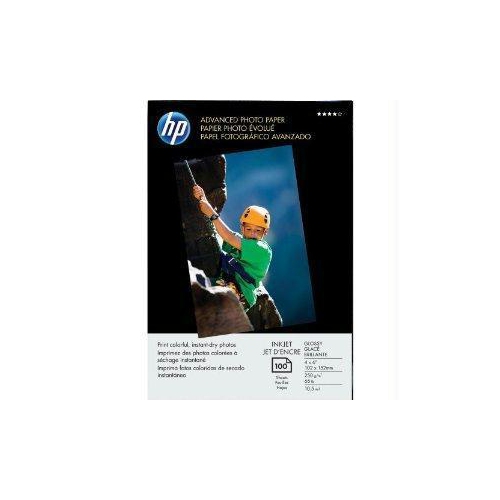 Your price for this item is $31.68
-
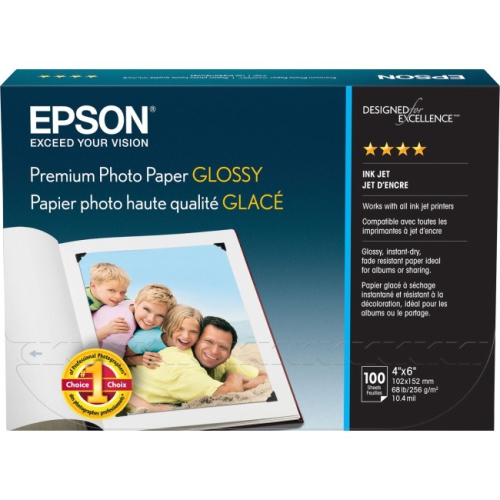 Your price for this item is $24.68
-
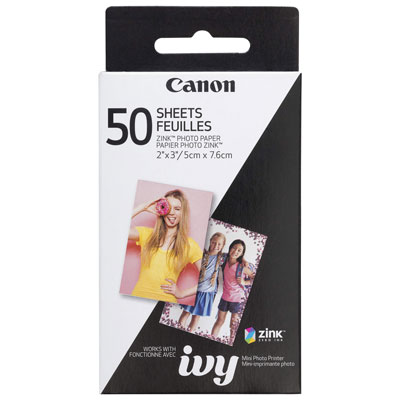 Your price for this item is $39.99
-
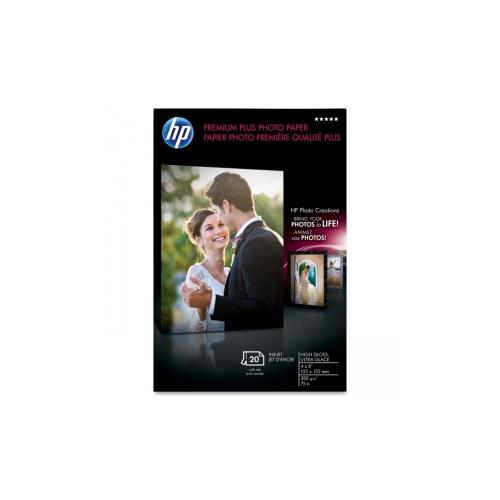 Your price for this item is $28.99
-
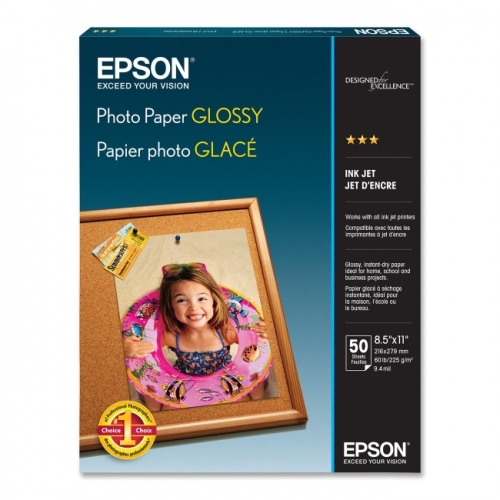 Your price for this item is $65.68
Discover more categories related to Fine Art Papers
Top Collections:
Best Black Friday Deals This Year, Best Black Friday Deals On Electronics, Kindle Devices, Pokemon Centers, Best Black Friday Deals On Apple Products, Best Cameras for Sports Photography, Dyson Airwrap, Pokémon 30th Celebration Cards, Apple iPhone 17 Pro, Canon G7X Cameras
Some products may be subject to Environmental Handling Fees
(EHF) depending on your province.
Learn more about EHFs.