Planning Supplies
Transform your planning routine with an array of top-notch supplies designed to keep you organized and efficient. Whether you're managing a busy household, juggling work projects, or setting personal goals, the right tools can make all the difference. From sleek planners and vibrant calendars to essential accessories that enhance productivity, discover everything you need to stay on track and achieve your objectives. Dive into a world where organization meets style and functionality, ensuring every plan is perfectly executed with ease.
Sort
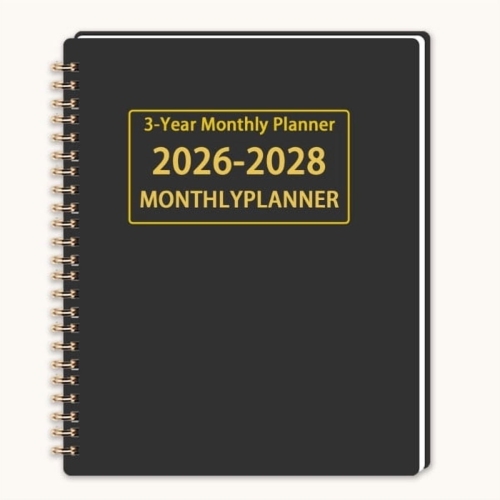
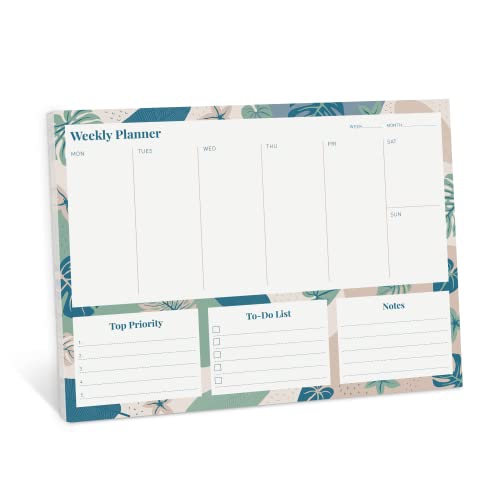
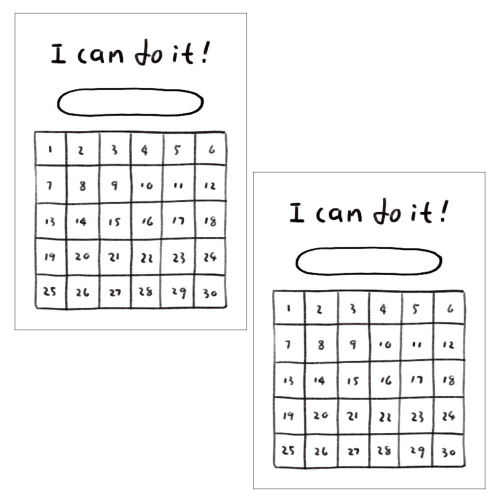
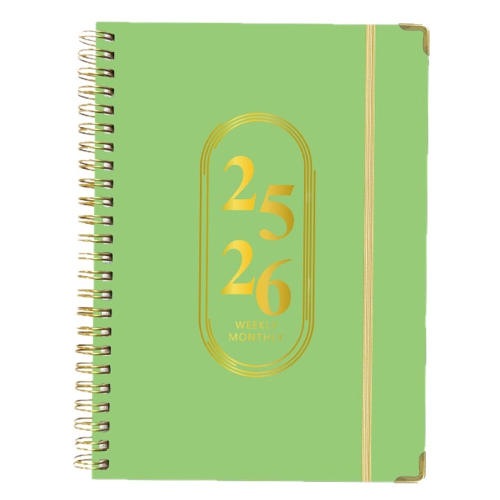
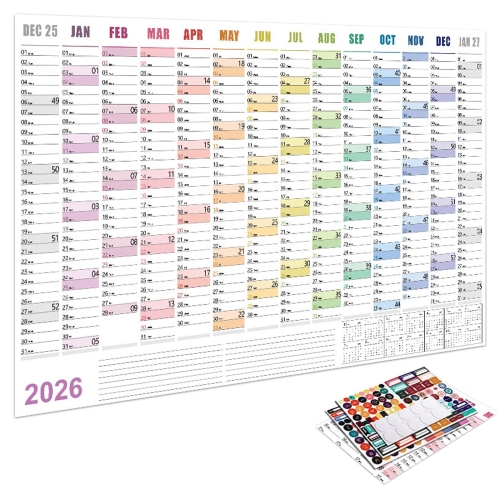
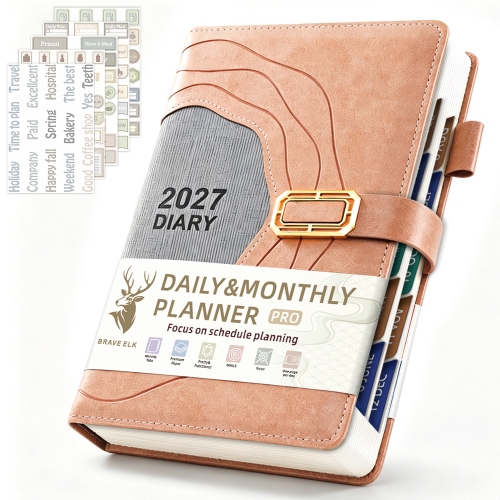
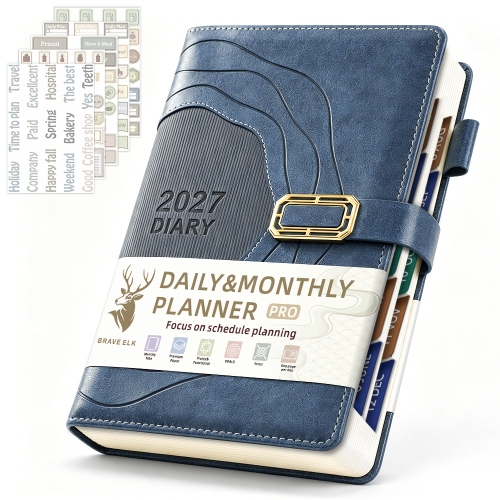
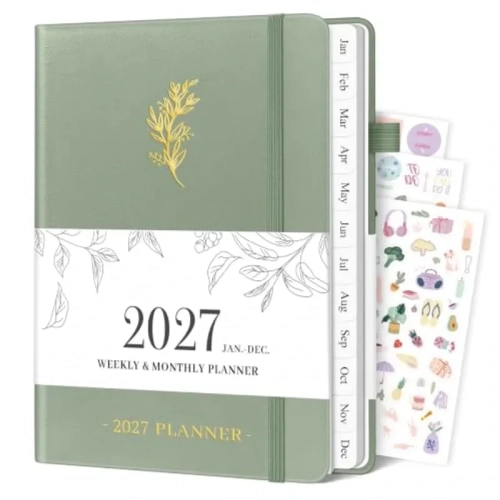
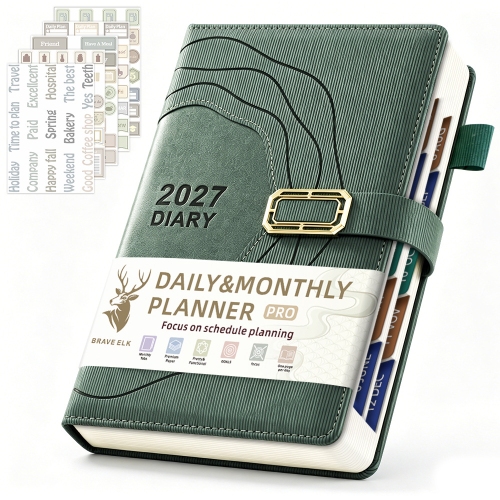
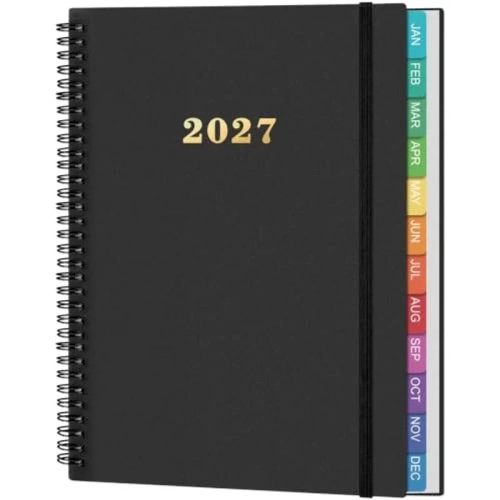
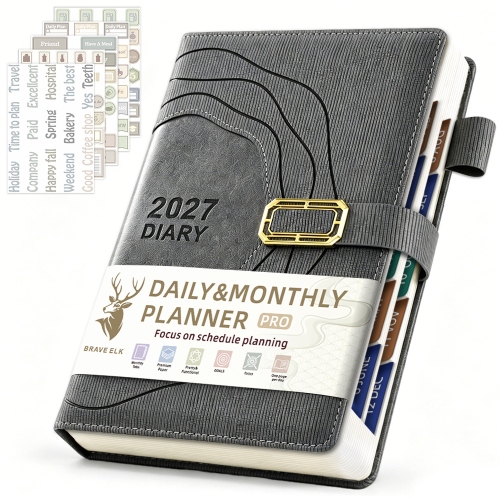
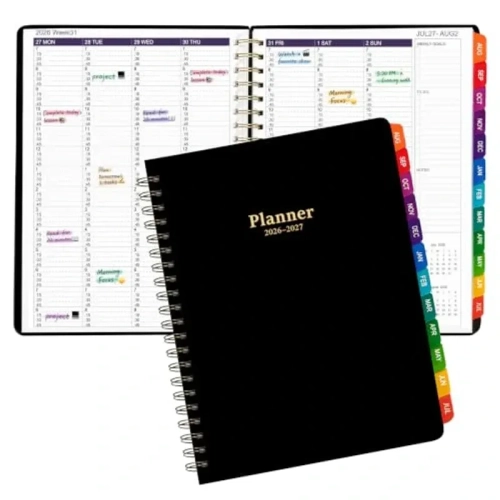
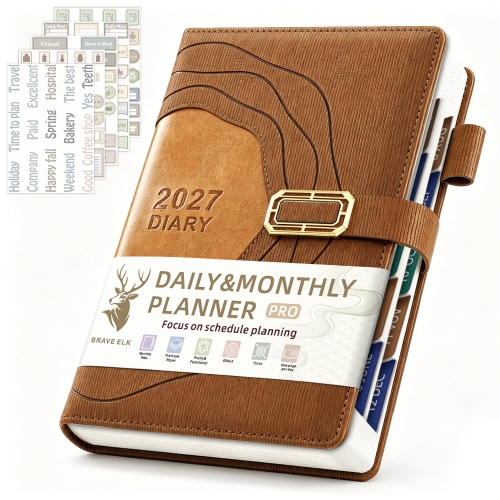
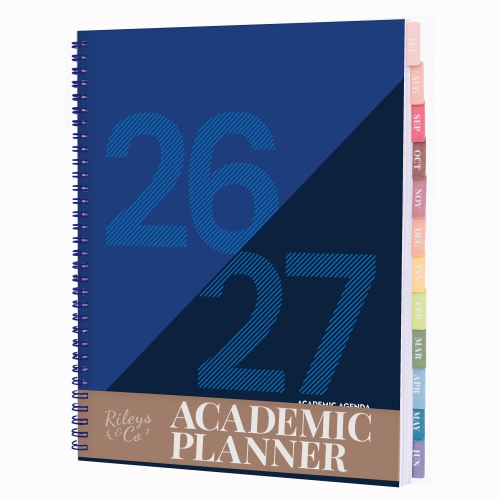


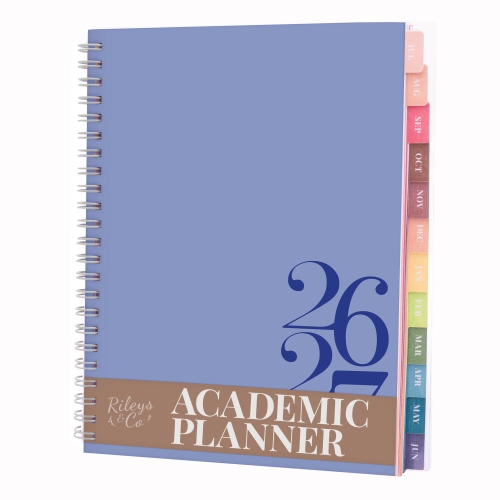
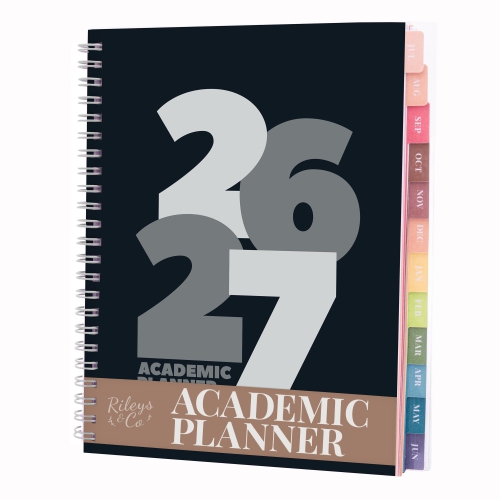


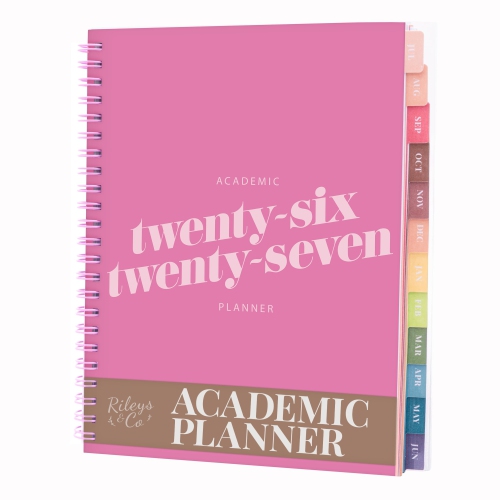
Planner layouts with space for more than appointments
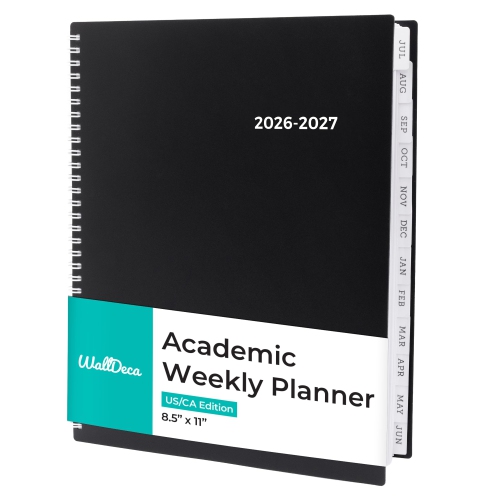
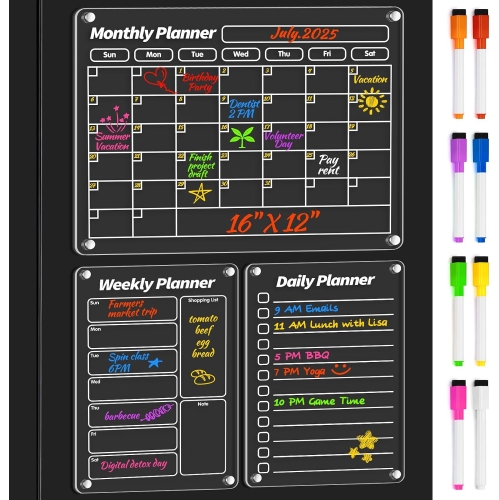
Planning supplies bring schedules, tasks, notes, and reminders together in a format that is easy to consult throughout the day. The category includes planners, appointment books, desk calendars, writing tools, sticky notes, page flags, dividers, and accessories that support everyday organization. Each serves a slightly different purpose: a dated layout gives appointments a fixed place, a movable note keeps an unfinished task visible, and a divider makes a busy section easier to find. For students, that might mean keeping assignment deadlines separate from lecture notes and leaving room for a study schedule. For a working professional, it could mean seeing meetings, project milestones, and follow-up tasks without searching through several notebooks. At home, planning supplies can help coordinate shared appointments, meal ideas, household maintenance, and activities for several people. Layout is often the biggest difference between a setup that feels useful and one that feels crowded. Daily pages leave more room for detailed notes and time blocks, while weekly spreads show the relationship between appointments and the tasks around them. Monthly views make overlapping commitments easier to spot, particularly when several deadlines fall close together. Hourly sections suit appointment-heavy days; open writing areas are more flexible for shifting priorities, sketches, or running lists. Dated formats provide a ready-made sequence, while undated pages allow gaps between entries without leaving unused dates behind. Writing space matters as much as the overall page size: someone with large handwriting may prefer generous boxes, whereas a compact layout can suit brief reminders and a bag-friendly routine. A planner that stays on a desktop can offer a broad view, while one carried between classes or meetings needs to fit comfortably alongside other essentials. The most practical planning supplies leave enough space for real details, such as a room number, a preparation note, or the next small step in a larger project.
Materials and construction affect how planning supplies feel in use and how well they hold up to repeated handling. Paper with sufficient weight and a smooth surface can make handwriting more comfortable, although ink performance depends on both the paper and the writing tool. Gel ink, markers, and highlighters may show through thinner sheets or need extra drying time, so paper compatibility is worth considering when colour-coding is part of the routine. Fine tips can keep small appointment boxes legible, while broader tips make headings and important dates easier to notice at a glance. A limited set of colours can distinguish work, school, and personal commitments without making a page difficult to scan. Covers made from cardstock are generally lightweight, while sturdier board, plastic, fabric, or leather covers offer different textures and levels of structure. Rounded corners and secure closures can be useful for supplies that travel in a backpack or tote. Binding also changes the experience: wire-bound formats can often fold back on themselves, book-style bindings offer a familiar notebook feel, and ring-bound or disc-bound systems allow compatible pages to be rearranged or replaced. Refillable formats are especially useful when notes need to remain alongside changing schedules, but page dimensions, hole spacing, and attachment styles must match the system. The thickness of a filled planner matters, too; extra dividers, pockets, and inserts can make it less comfortable to carry or write in. Everyday care is usually straightforward. Keeping paper away from spills, allowing wet ink to dry before closing pages, and avoiding an overfilled binding can help maintain a tidy, usable setup. Cover cleaning depends on the material and the maker’s care directions, since a method suited to a wipeable surface may not suit fabric or leather. For a frequently handled planner, clear printing, firmly attached covers, and pages that turn easily can matter more than decorative details.
Smaller planning accessories add flexibility when a schedule changes or a page needs more structure. Sticky notes provide temporary space for a task that has not yet earned a fixed date, while narrow page flags mark sections without covering much writing. Removable adhesives can be helpful for moving reminders, though their suitability varies with the paper or surface. Dividers separate subjects, projects, or household responsibilities, and pockets keep loose reference papers close to the notes they support. Rulers and straightedges can help create simple columns on blank or dotted pages; functional stickers and decorative tape can identify recurring activities or distinguish sections. These details work best when they make information easier to recognize rather than filling the space needed for writing. A teacher might use a consistent marker for assessment deadlines, a student might flag the next assignment page, and a caregiver might keep appointment questions beside a weekly schedule. For a broader view of dates alongside detailed task lists, Planning Calendars can complement a portable planner or project notebook. A shared calendar provides a visible reference point, while personal notes hold the details that do not need to be displayed to everyone. Storage helps keep the arrangement manageable: a pencil case contains loose writing tools, a small desktop organizer gives frequently used accessories a home, and a document pocket protects papers that need to travel. Planning supplies can also make a thoughtful gift for someone starting a course, taking on a new role, or enjoying handwritten organization. Preferences are personal, so practical details such as preferred page size, writing style, language, and portability are more useful than assuming everyone wants the same layout. A simple, coordinated selection leaves room for the recipient to customize it. Whether the goal is a clearer workday, fewer misplaced reminders, or a central place for family commitments, planning supplies are most useful when their format fits the way information is written, reviewed, and carried.
Top selling and popular products
-
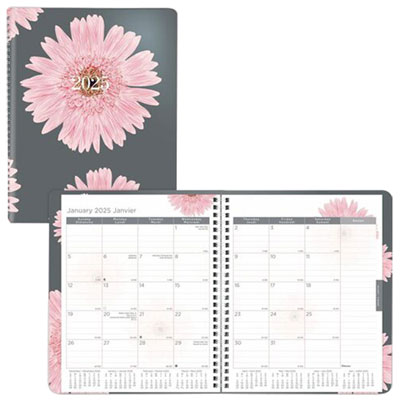 Your price for this item is $29.99
-
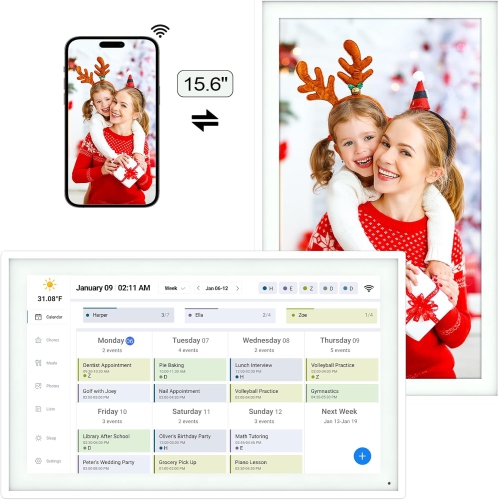 Your price for this item is $349.99
-
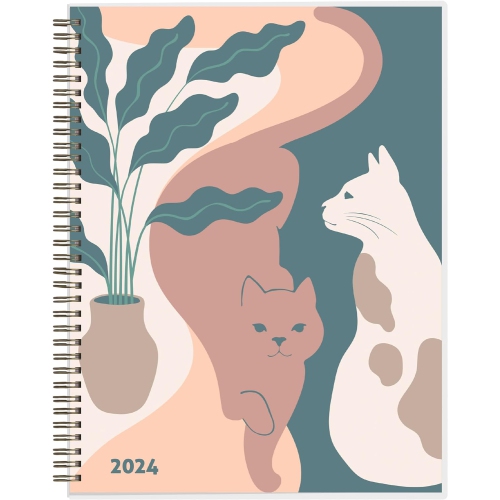 Your price for this item is $19.99
-
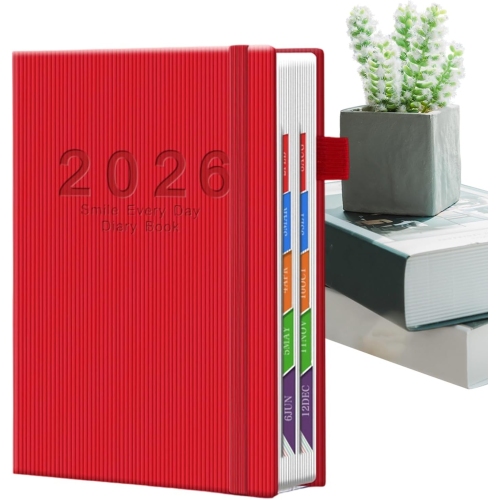 Your price for this item is $25.26
-
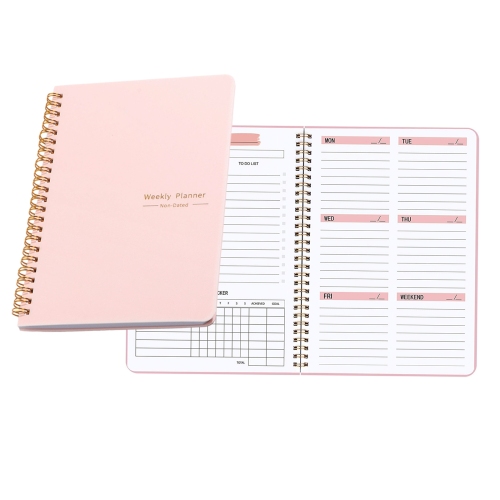 Your price for this item is $20.88
-
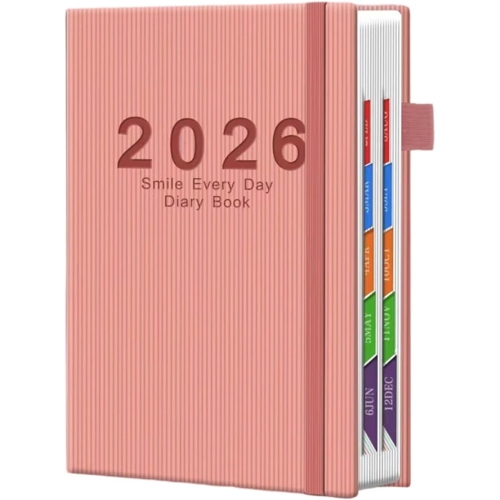 Your price for this item is $23.7
-
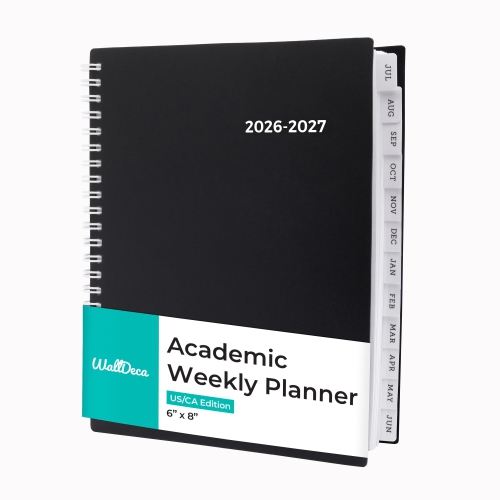 Your price for this item is $99.99
-
 Your price for this item is $153.55
Discover more categories related to Planning Supplies
Top Collections:
Pokemon Centers, Kindle Devices, Best Cameras for Sports Photography, Pokémon 30th Celebration Cards, Canon G7X Cameras, Samsung Galaxy Phones, iPhone 15 Apple, Best Black Friday Deals On Electronics, Jackery Power Stations, Solar Generators for Home
Some products may be subject to Environmental Handling Fees
(EHF) depending on your province.
Learn more about EHFs.