Plastic Caddies
Organize your space efficiently with our selection of plastic caddies, designed to streamline your storage solutions. Versatile and practical, these caddies are perfect for keeping your essentials in one convenient place, whether you're tidying up a workspace, bathroom, kitchen, or crafting area. With various sizes and styles to choose from, finding the perfect caddy to suit your needs has never been easier. Say goodbye to clutter and hello to a more organized lifestyle with our range of plastic caddies.
Sort
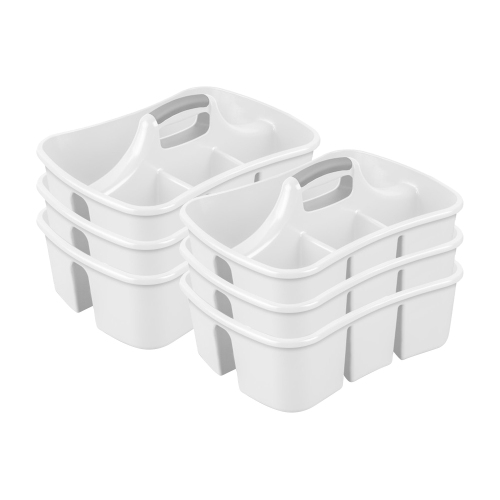
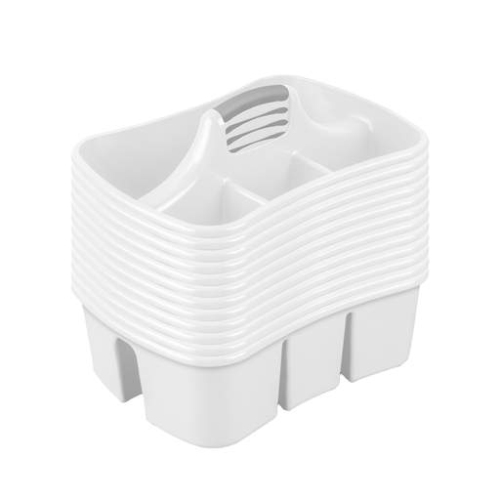

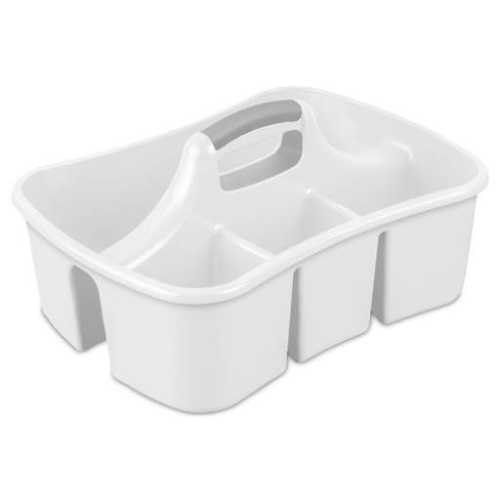
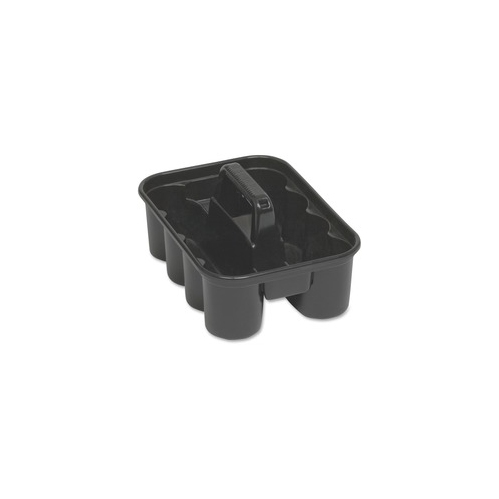
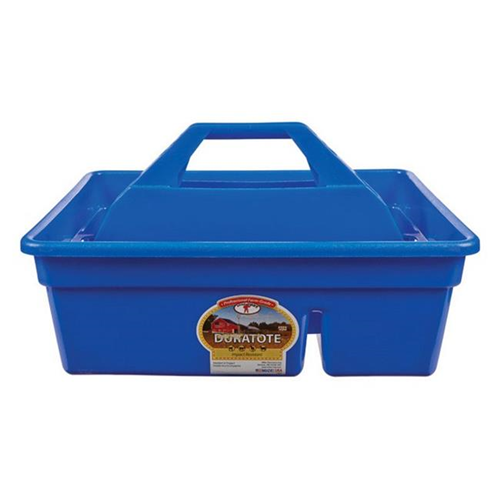
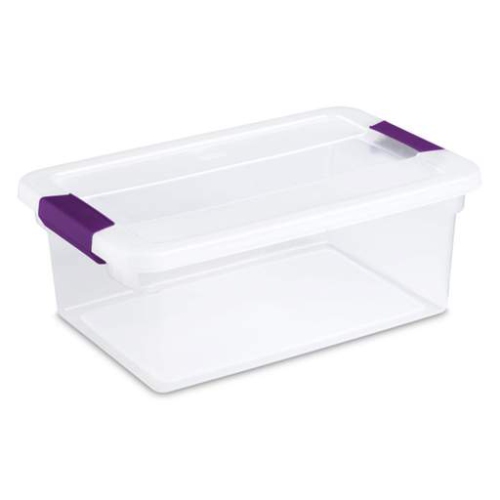
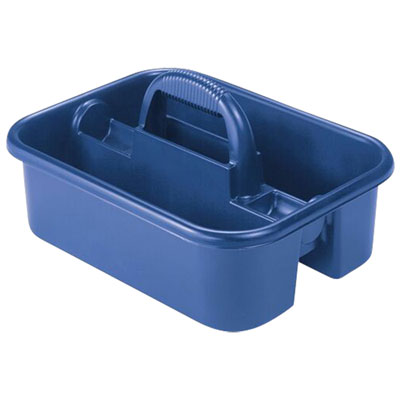
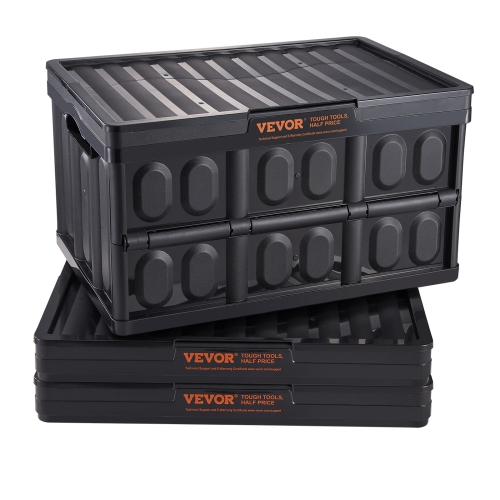
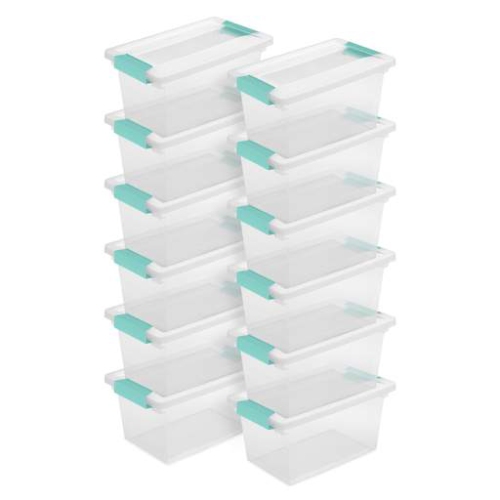
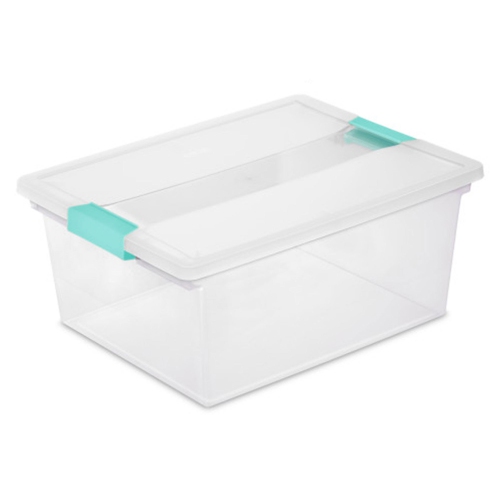
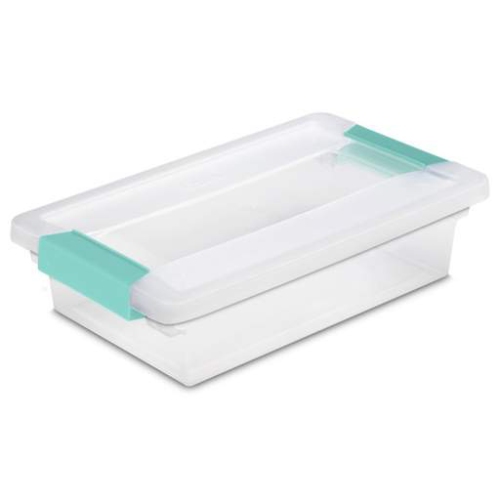
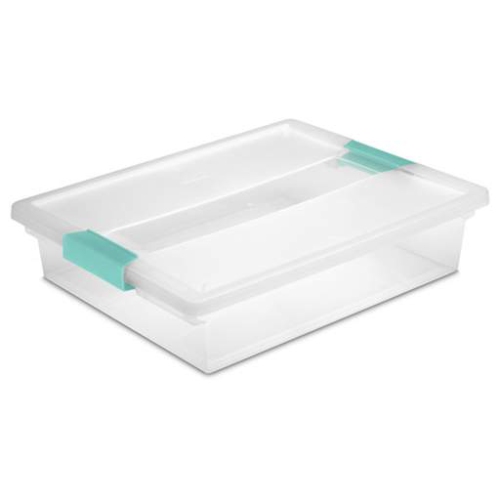
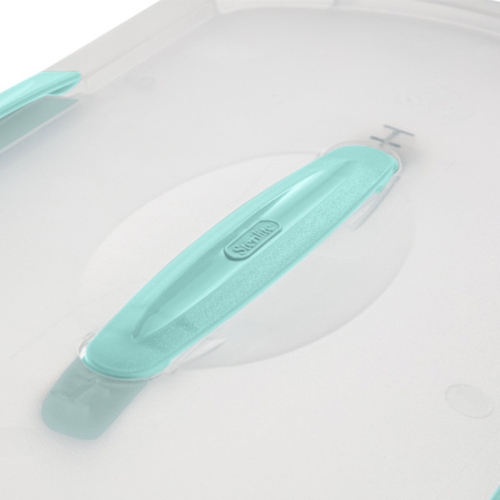
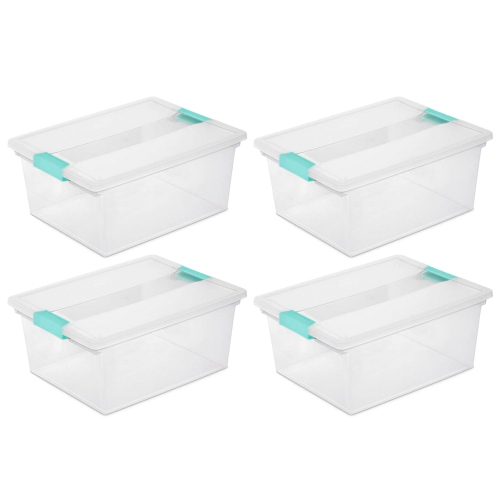
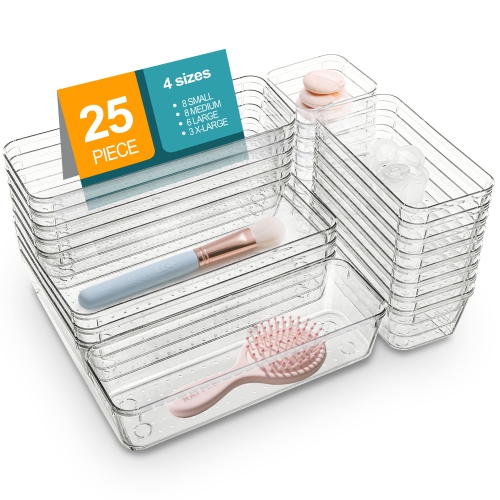
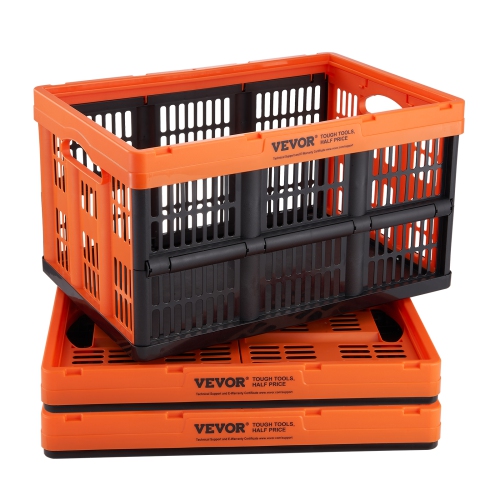
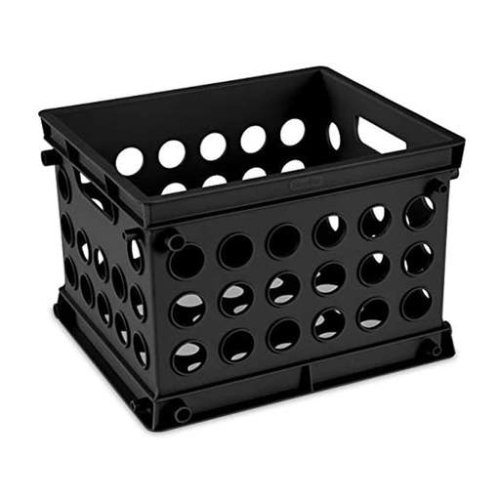
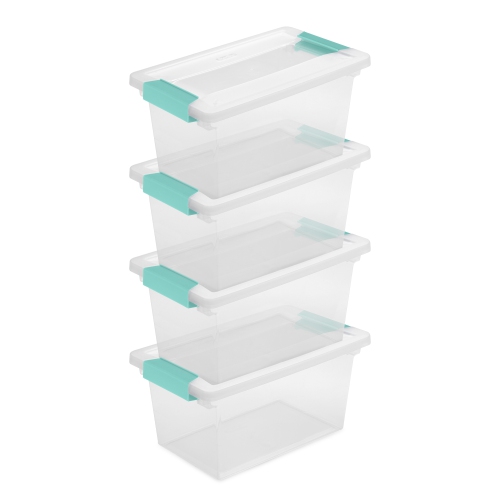
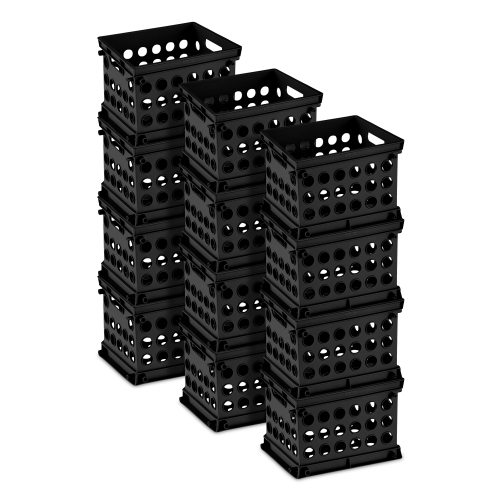
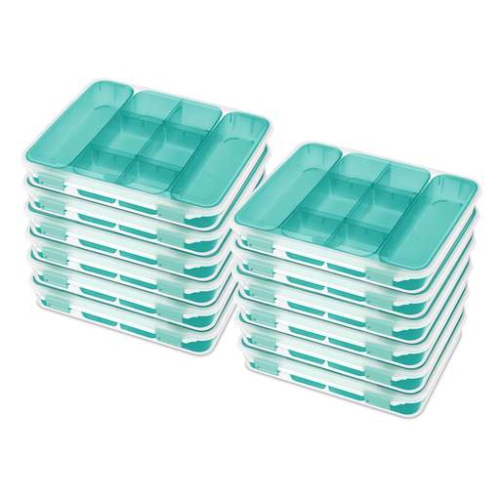
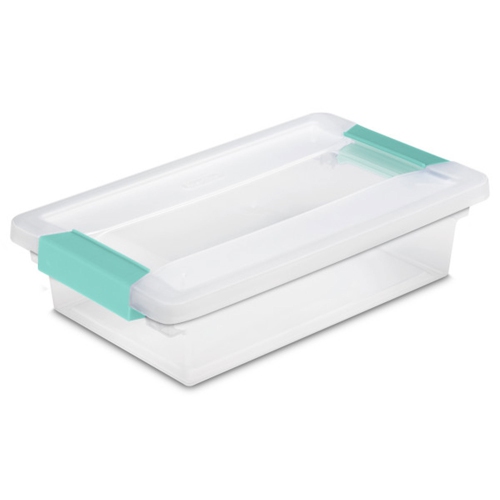
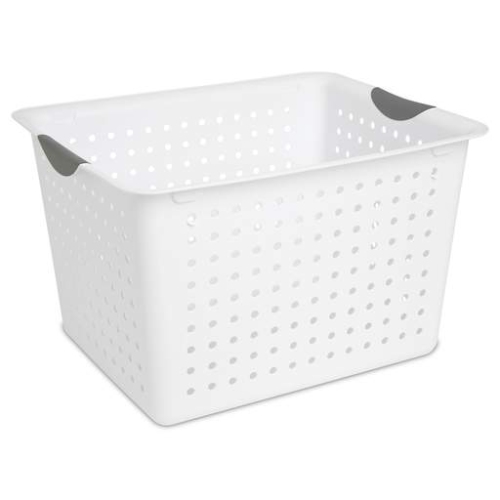
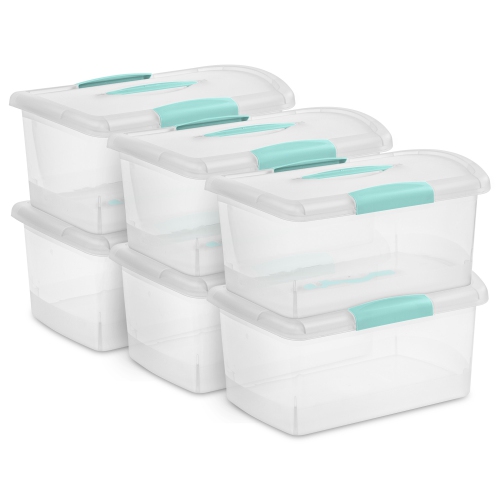
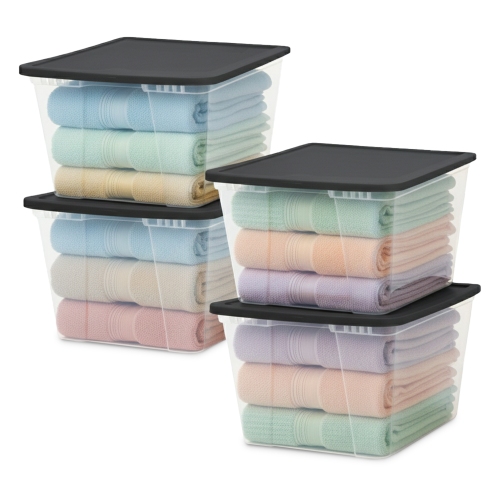
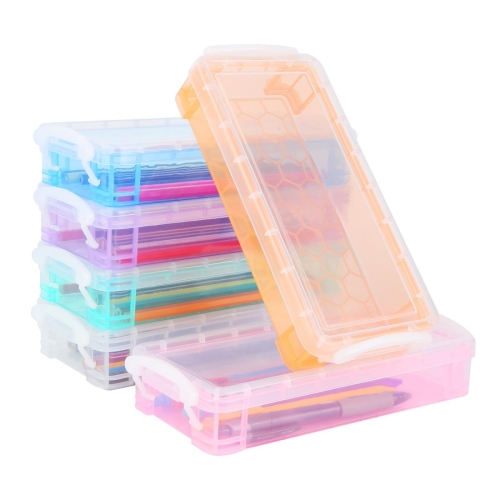
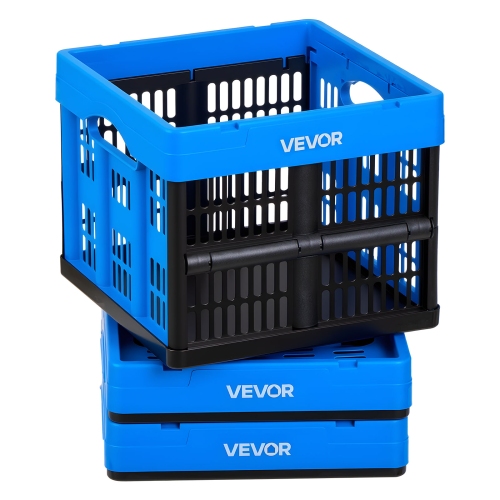
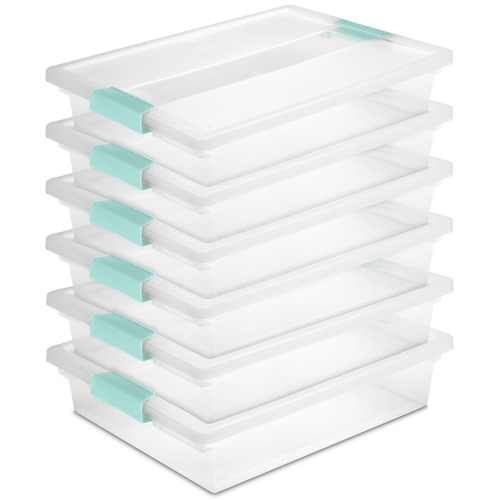
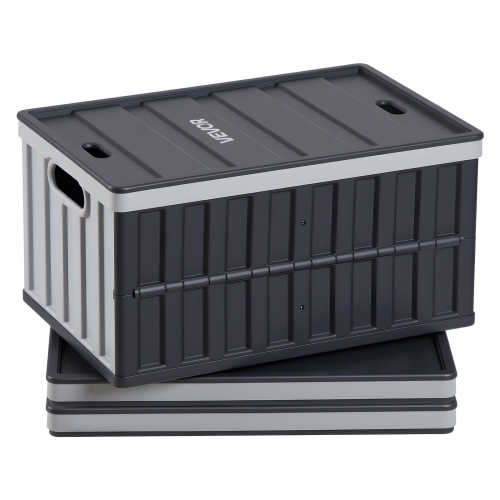
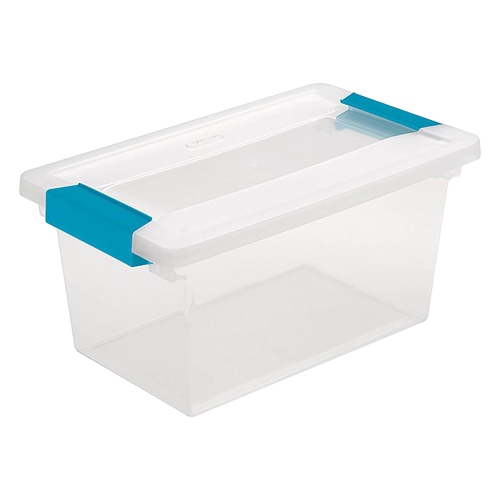
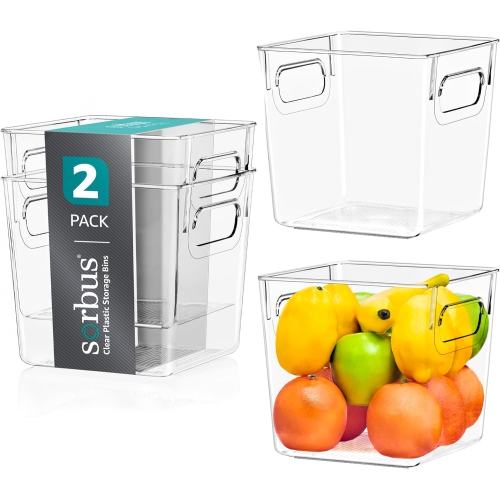
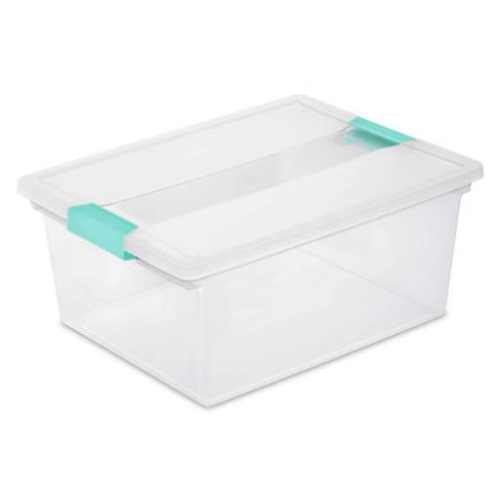
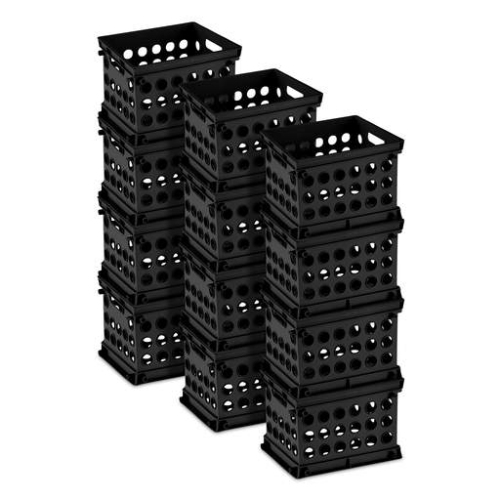
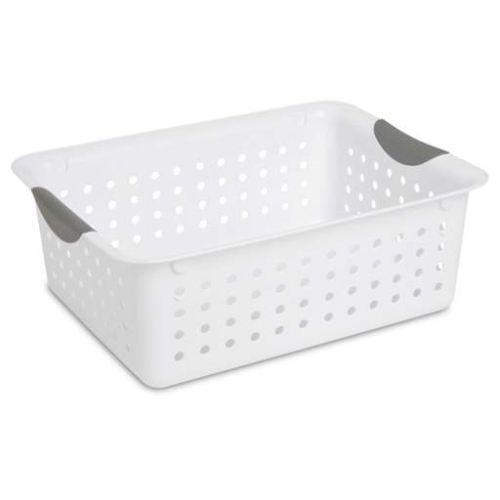
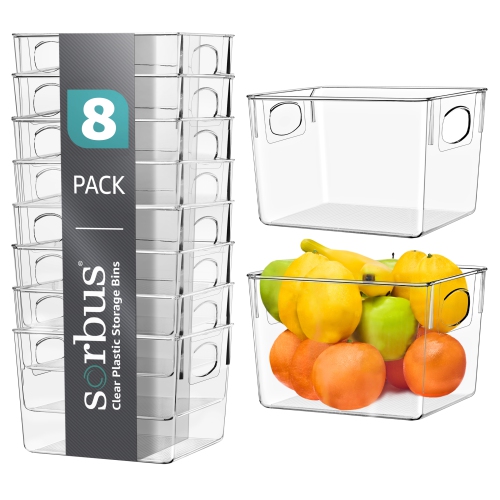
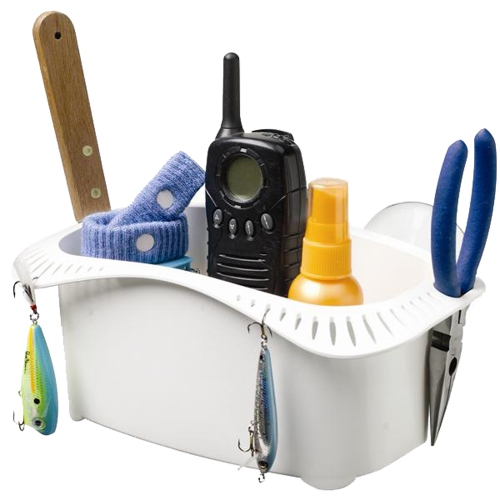
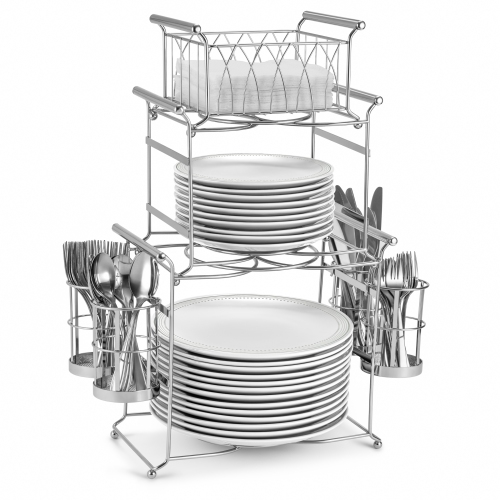
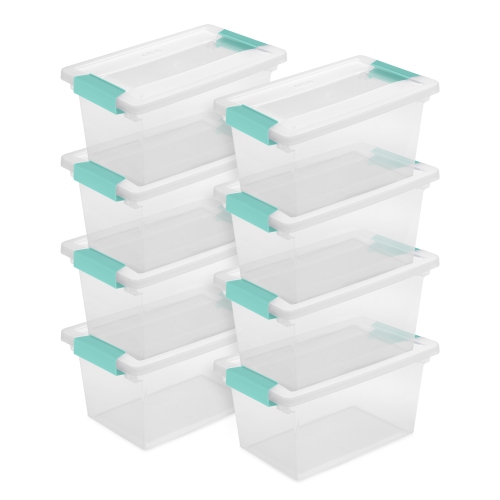
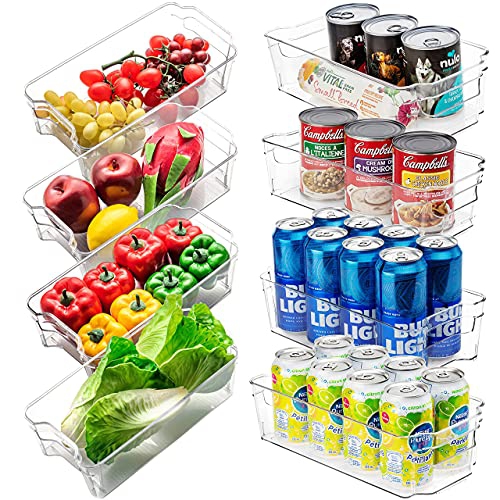
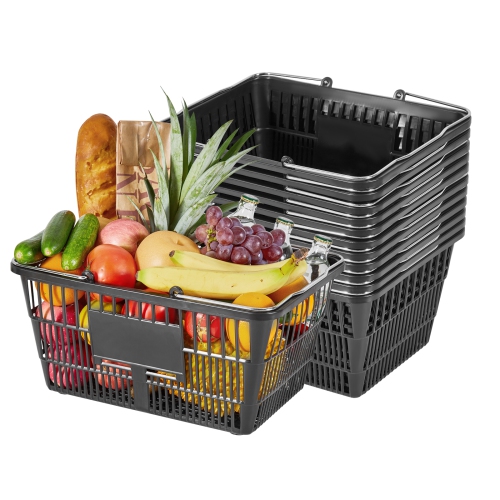
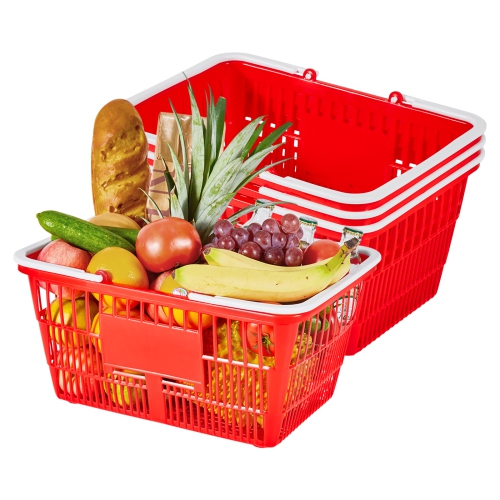
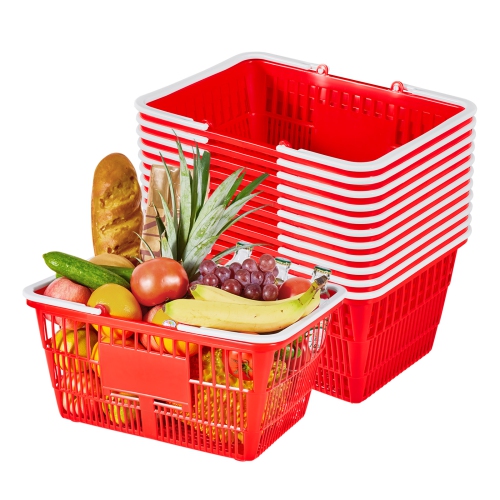
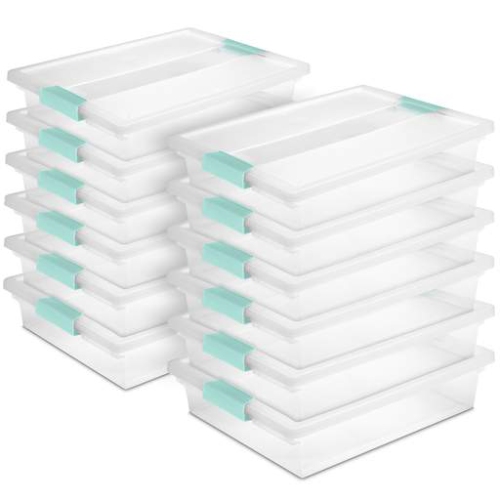
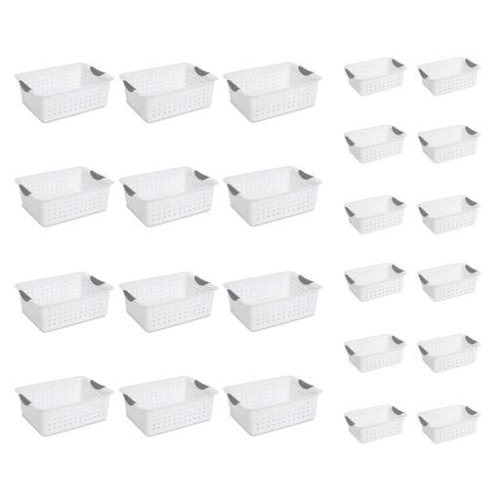
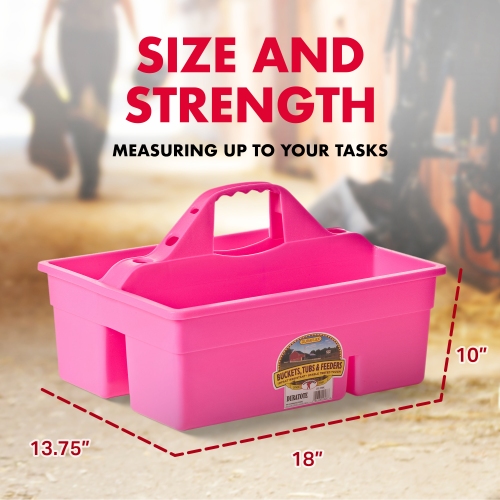
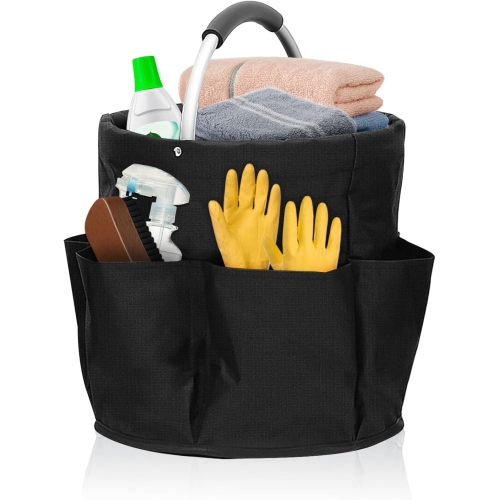
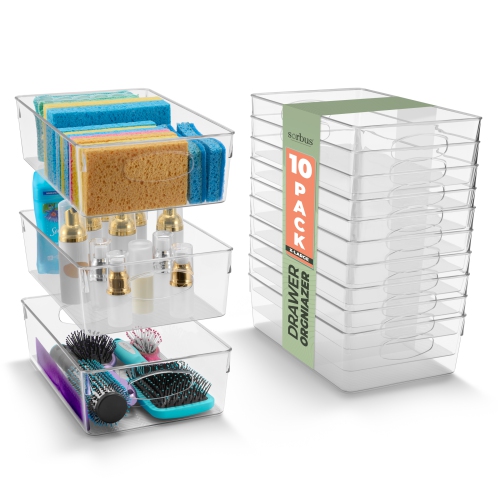
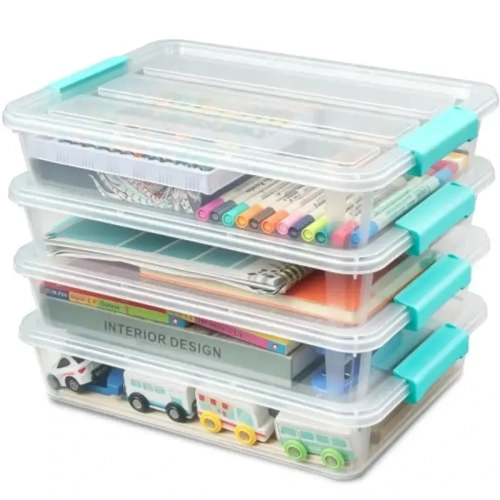
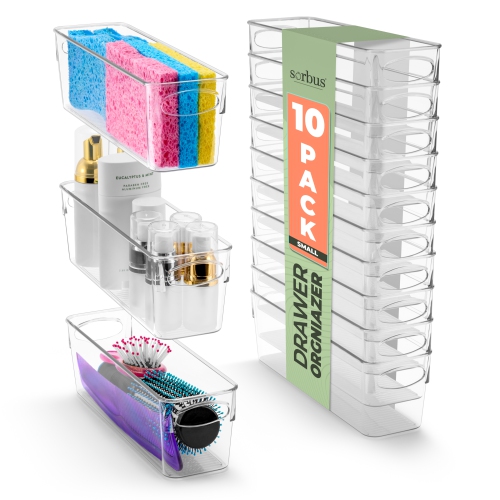
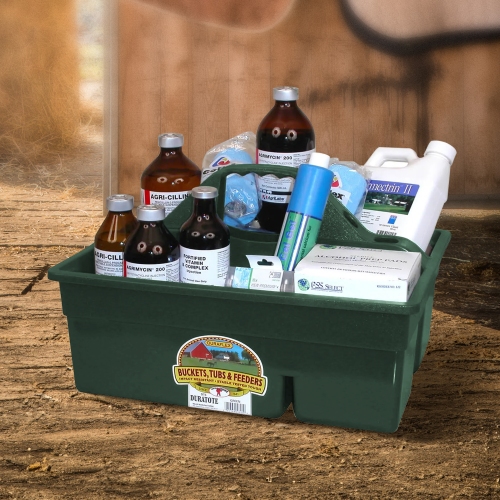
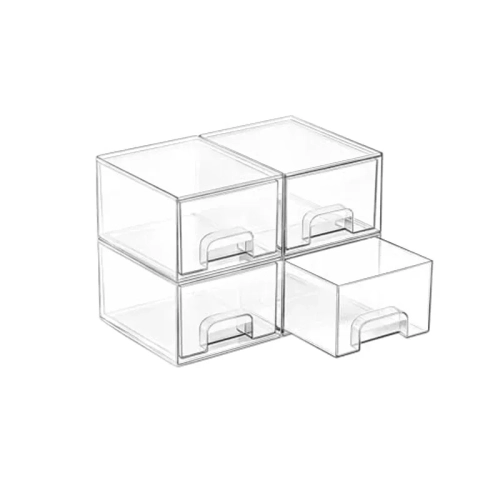
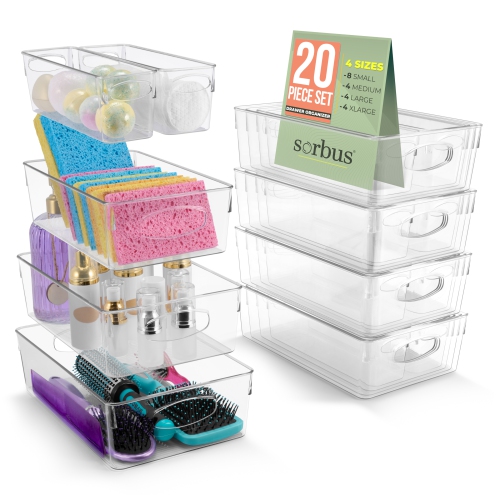
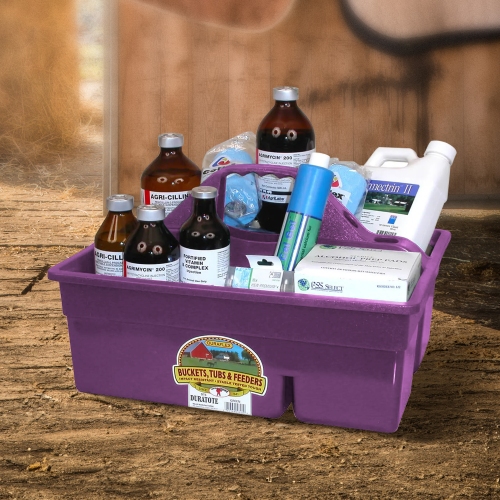
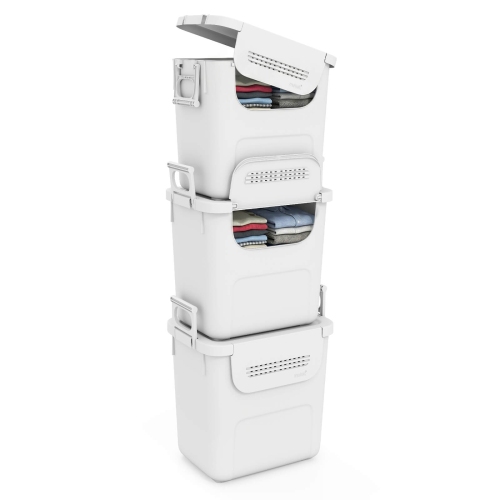
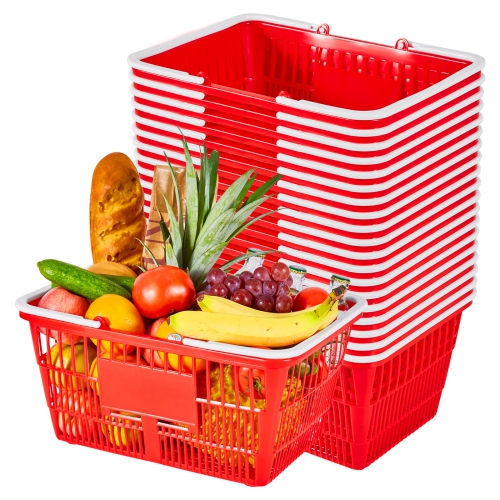
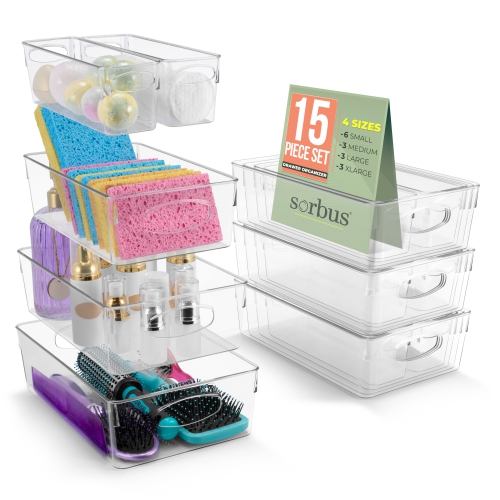
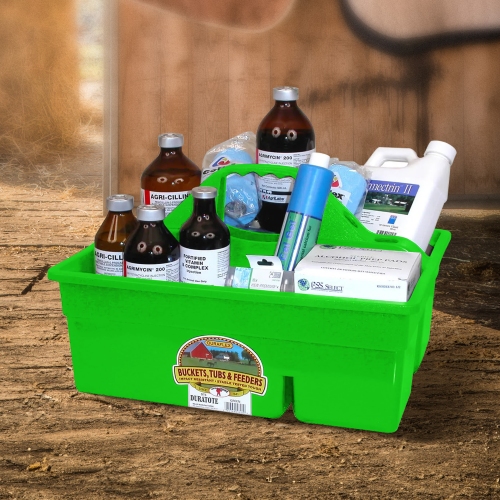
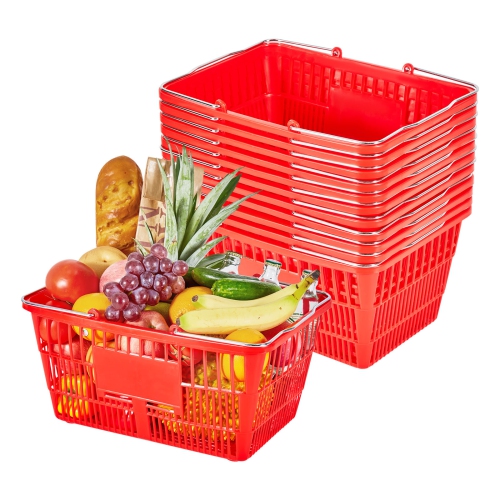
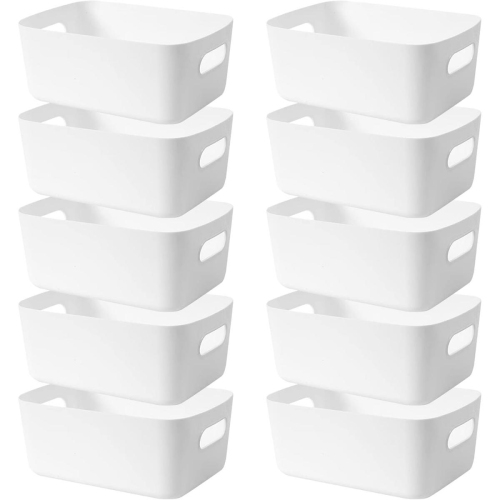
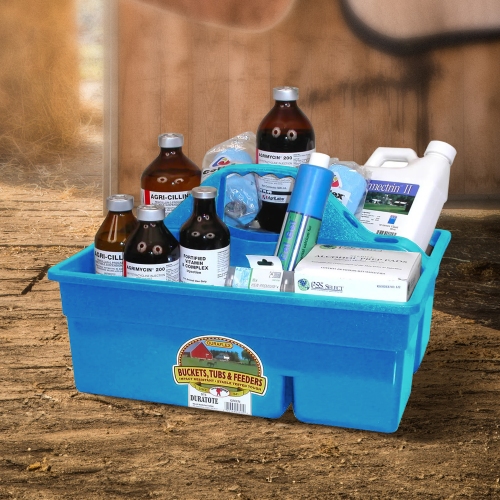

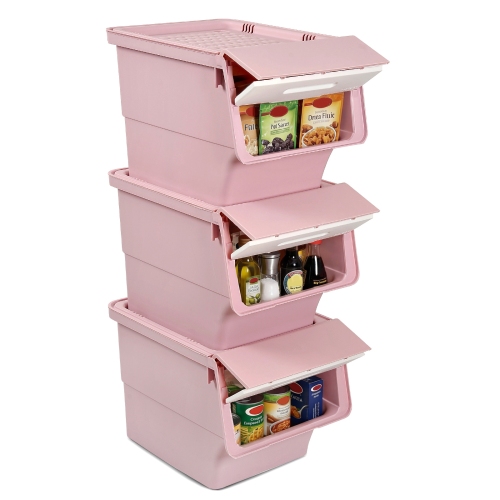
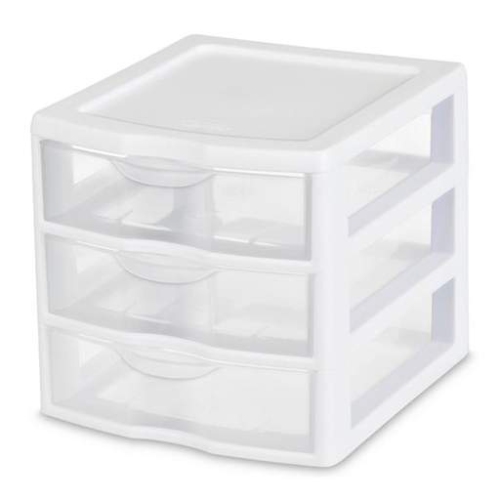
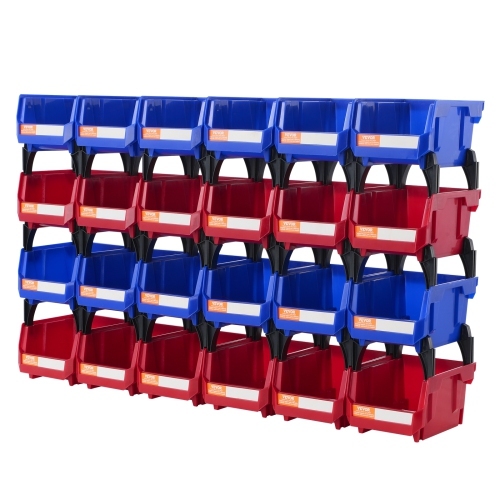
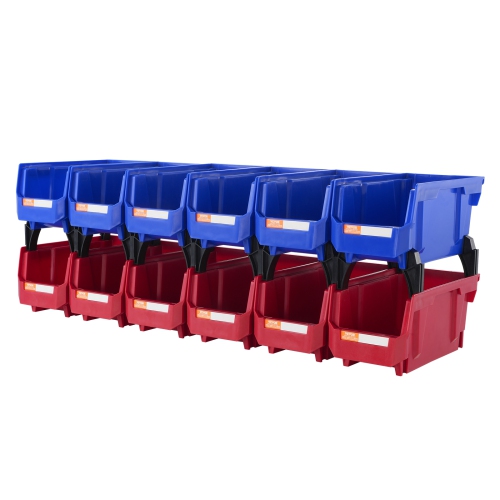
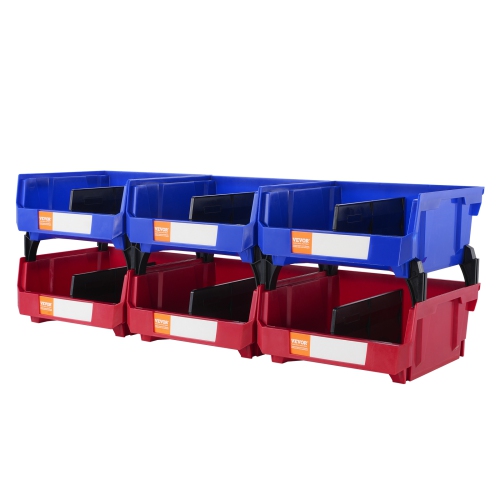
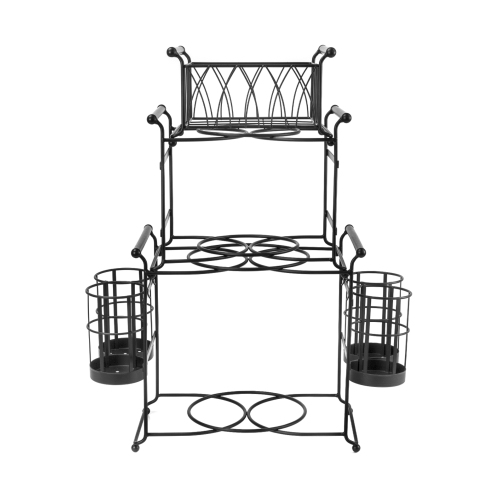
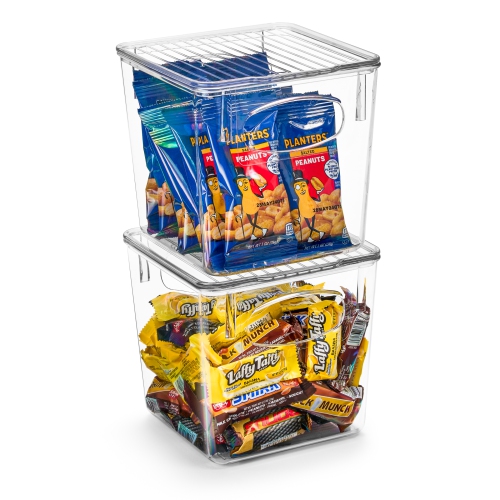
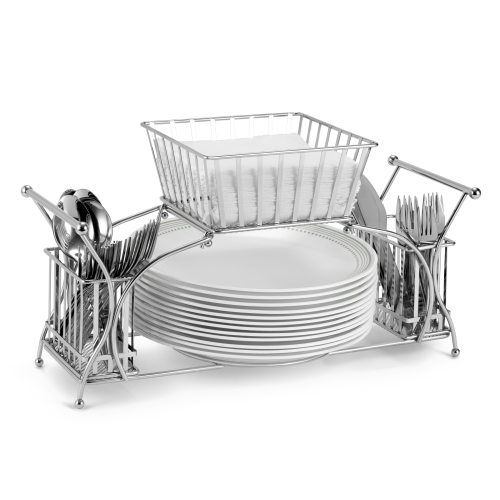
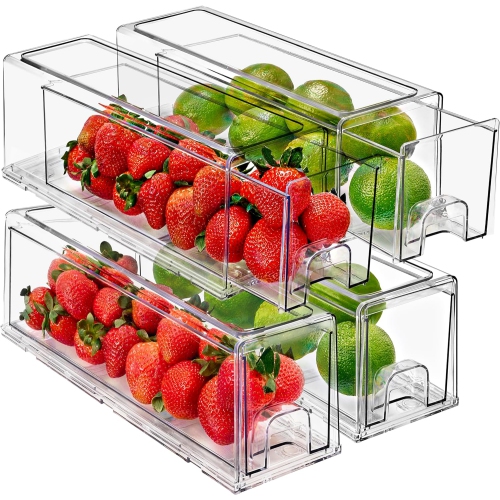

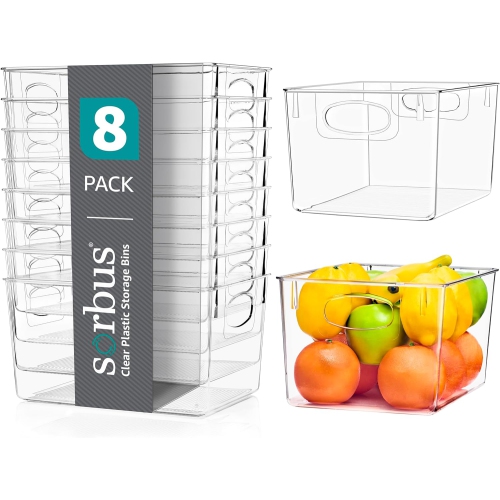
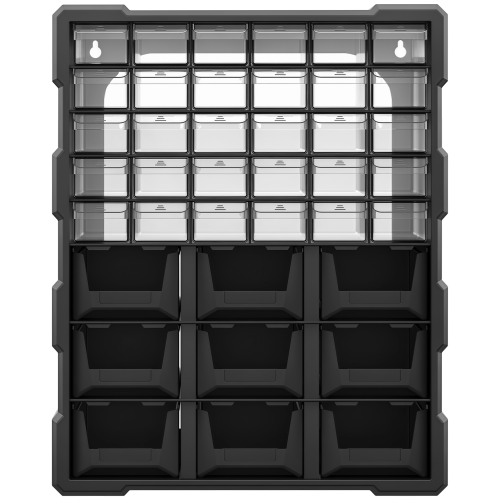
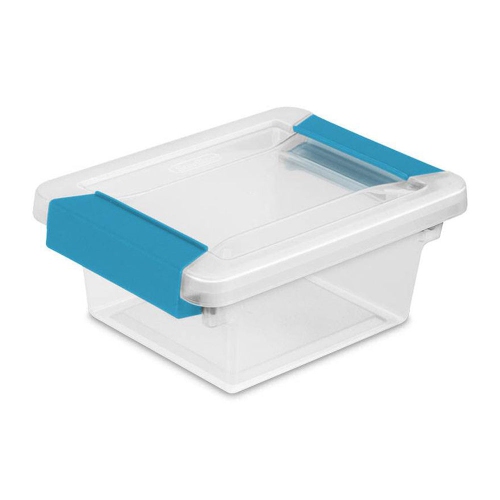
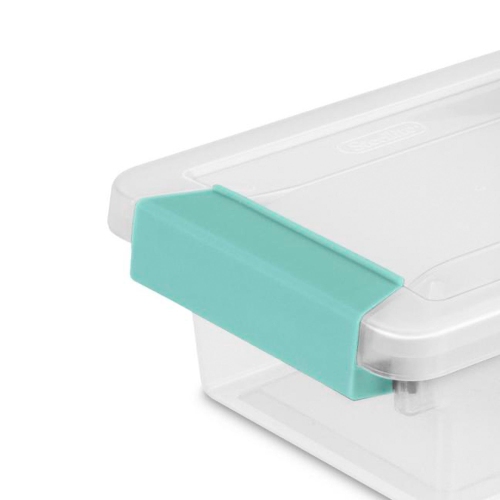
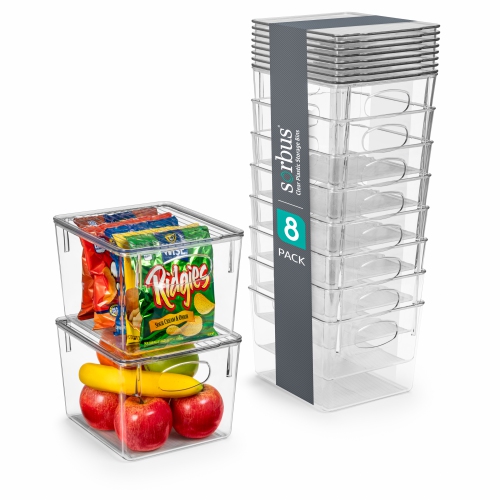
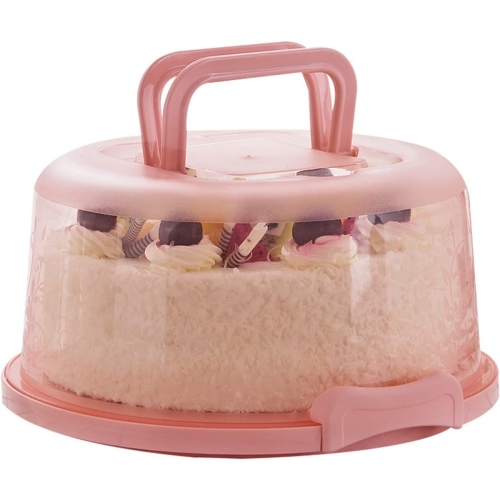
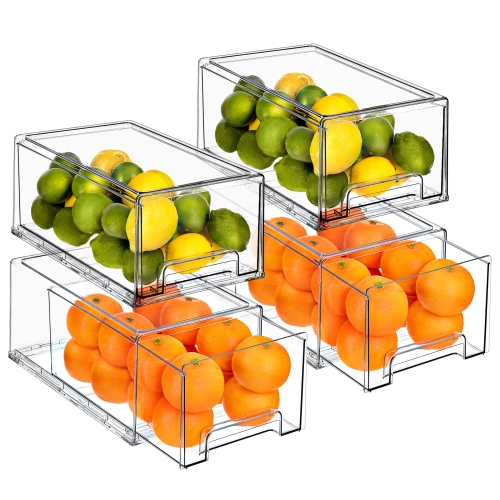

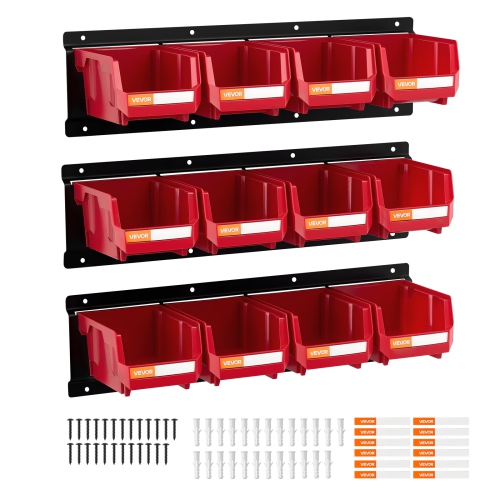
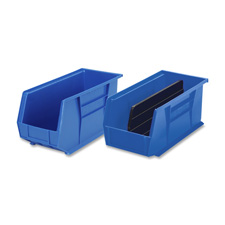
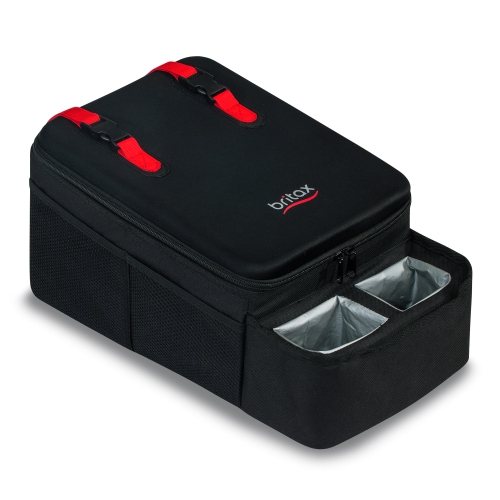
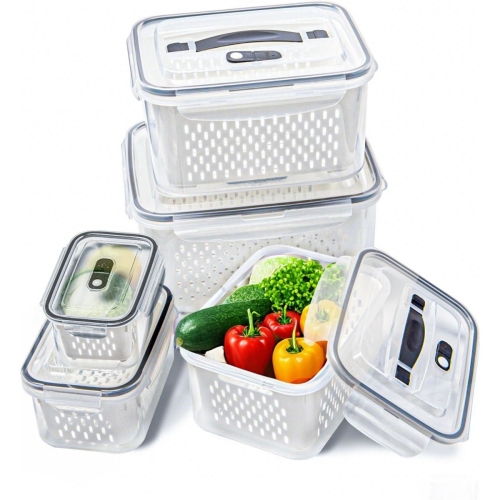
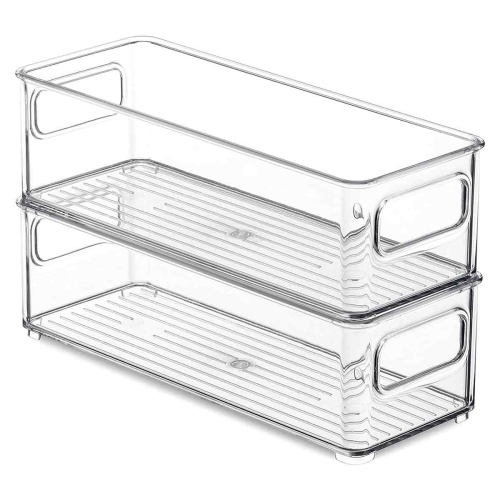
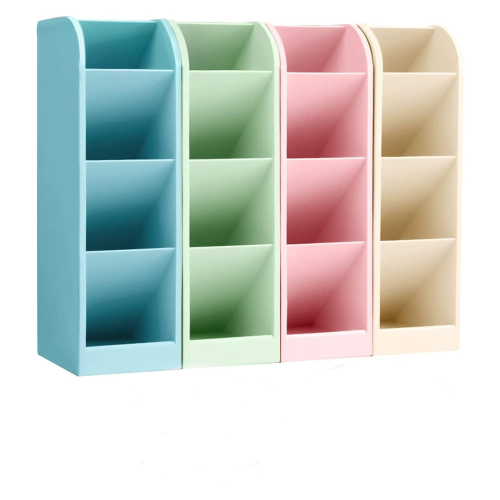
Everyday supplies that travel together from room to room
Plastic caddies are portable storage organizers that keep everyday supplies together in an open container, often with a carrying handle and divided compartments. Common uses include carrying cleaning supplies between rooms, organizing classroom materials, holding toiletries in a shared bathroom, and keeping stationery within reach on a desk. Their appeal is straightforward: instead of gathering several loose objects each time a task begins, a caddy lets the whole set travel together. Designs range from small divided trays for pens and craft supplies to deeper totes that accommodate upright bottles and larger accessories. The most useful layout depends on both the contents and the space where the caddy will rest. Narrow sections help keep brushes, pencils, and similar supplies upright, while a broad compartment leaves room for folded cloths or bulkier containers. Fixed dividers provide a consistent arrangement; removable dividers, where included, offer more flexibility as storage needs change. Exterior measurements matter when fitting a caddy beneath a sink, inside a cupboard, or along a bathroom shelf, but interior dimensions determine whether the intended contents will actually fit. Tapered sides, thick dividers, and a central handle can reduce usable space, even when the overall footprint looks generous. Tall bottles also need sufficient clearance above the rim and beneath any shelf where the filled caddy will be stored. For a caddy that moves frequently, handle shape and balance deserve attention. A smooth grip with room for the fingers is more comfortable to carry than a narrow edge, particularly when bottles add weight. A wide, flat base helps the organizer sit steadily on a counter or floor, while lower compartments make shorter contents easier to see. Stackable or nesting designs may simplify storage, although some nest only when empty. A compact caddy that holds a complete set of supplies can be more practical than a larger one that becomes awkward to lift or difficult to tuck away.
Around the home, plastic cleaning caddies give frequently used supplies a defined place without tying them to a single room. Separate sections can keep cloths away from bottle tops, hold scrub brushes upright, and prevent a small sponge from disappearing beneath taller containers. A deeper tote may suit a collection of cleaning bottles, while a shallow divided style makes smaller supplies easier to spot. Cleaning liquids should remain in their original labelled containers, stored upright and out of reach of children and pets; an open caddy is an organizer, not a secure storage solution or a substitute for following handling directions. Bathroom caddies serve a different routine. A student sharing a residence bathroom, for example, may need to carry shampoo, soap, and a washcloth to the shower, then return everything to a bedroom shelf. Openings in the sides or base allow water to drain, whereas a solid-bottom design keeps drips contained but needs to be emptied and dried after use. Neither arrangement replaces a dry, ventilated storage spot. For desks, study areas, and craft tables, compartment size is often more important than depth. Broad sections accommodate glue sticks and small notepads, while narrower spaces separate pens, markers, and brushes. A low profile keeps supplies visible across a shared table, and a central handle makes it easy to clear the surface for another activity. Teachers and caregivers may find divided caddies useful for setting out supervised activities and returning materials to a cupboard afterwards. Sharp tools and small loose pieces still need storage appropriate to the children using the space. Where supplies mostly stay in one place, Plastic Holders offer another way to group everyday essentials; caddies are especially useful when carrying the whole arrangement is part of the routine. Colour can also help distinguish supplies assigned to different rooms, tasks, or family members. Transparent or translucent walls make contents easier to identify from the side, while opaque walls keep the storage area looking more uniform. Neither finish changes the need for compartments that suit the objects being stored.
Material and construction influence how a plastic caddy feels in everyday use. Common plastics such as polypropylene and polyethylene may be used in these organizers, but the material alone does not establish strength, flexibility, or suitability for a particular task. Wall thickness, the shape of the base, and the connection between the handle and body all contribute to durability. A lightweight caddy may be convenient for stationery or toiletries, while heavier contents call for a design intended to support the load. Smooth edges and rounded interior corners make handling and wiping easier; deep grooves, narrow channels, and closely spaced dividers take more attention to clean. Care is generally straightforward when it follows the manufacturer's directions. Emptying the compartments and washing with mild soap and water can remove everyday residue, followed by thorough drying before refilling. Abrasive pads and harsh solvents may scratch or damage some plastics, and dishwasher cleaning is suitable only when expressly permitted. Prolonged heat or direct sunlight can also affect certain materials, so storage conditions matter even for an organizer used mainly indoors. Cracks around the handle, sharp chips along the rim, or a distorted base are signs that a caddy may no longer be comfortable or dependable to carry. Keeping its contents manageable helps avoid unnecessary strain and makes spills less likely during trips between rooms. For someone setting up a first apartment, a study space, or a shared bathroom, a thoughtfully sized caddy can also be a useful practical gift, particularly when its layout suits an established routine. The strongest match is not necessarily the largest design or the one with the most compartments. It is the caddy that accommodates the intended supplies, rests securely in its storage space, and remains easy to lift, empty, and clean. With those details in place, a simple organizer can turn a scattered collection of daily necessities into a portable set that is easy to put away.
Top selling and popular products
-
 Your price for this item is $557.99
-
 Your price for this item is $886.99
-
 Your price for this item is $1197.99
-
 Your price for this item is $298.99
-
 Your price for this item is $254.99
-
 Your price for this item is $598.99
-
 Your price for this item is $176.99
-
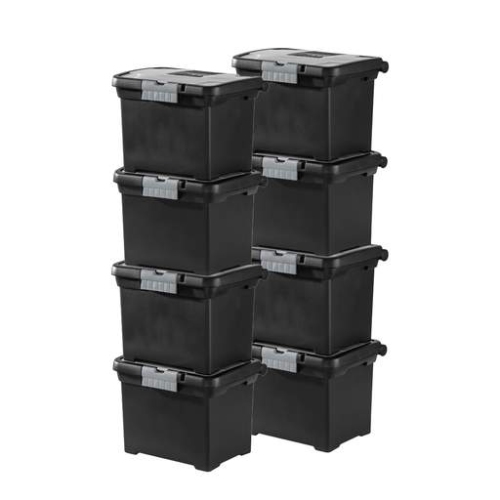 Your price for this item is $278.99
Discover more categories related to Plastic Caddies
Top Collections:
Best Black Friday Deals This Year, Best Black Friday Deals On Electronics, Kindle Devices, Best Black Friday Deals On Apple Products, Best Budget Office Chairs, Best Cameras for Sports Photography, Dyson Airwrap, Canon G7X Cameras, Best Laptops for Writers, Samsung Galaxy Phones
Some products may be subject to Environmental Handling Fees
(EHF) depending on your province.
Learn more about EHFs.