Portfolio Binders
Organizing and presenting your important documents has never been easier than with these portfolio binders. Whether you're a student looking to impress with a polished presentation, a professional needing to keep your work in order, or simply someone who values neatness and efficiency, our range of portfolio binders has got you covered. With various sizes, styles, and features available, you can find the perfect binder to suit your needs and showcase your work with confidence.
Sort


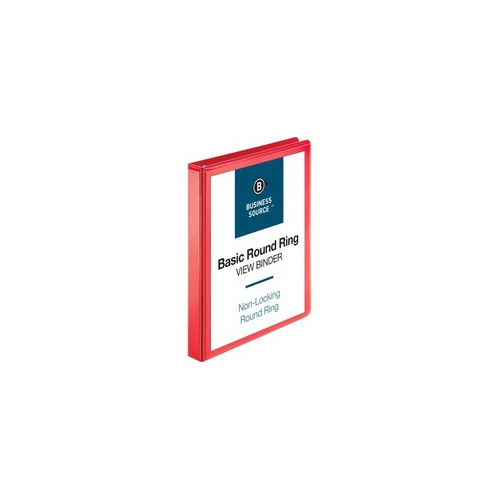
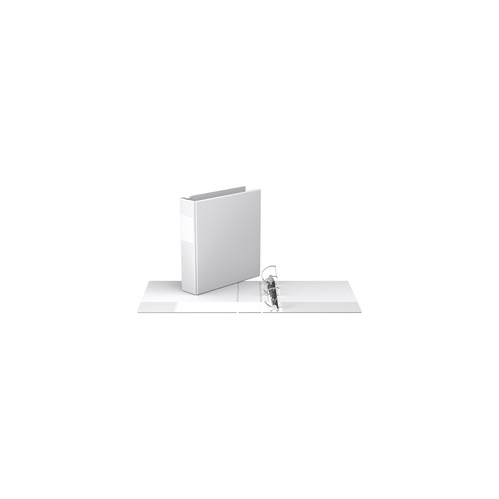
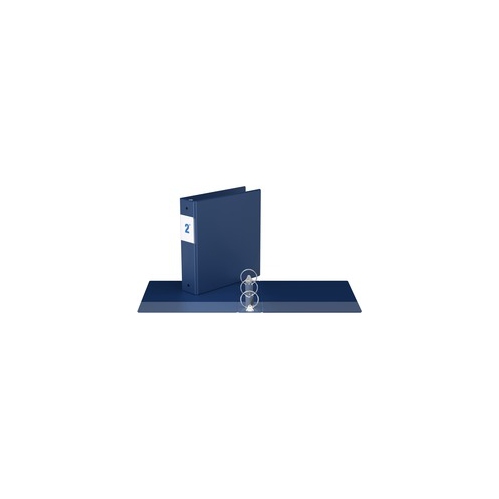
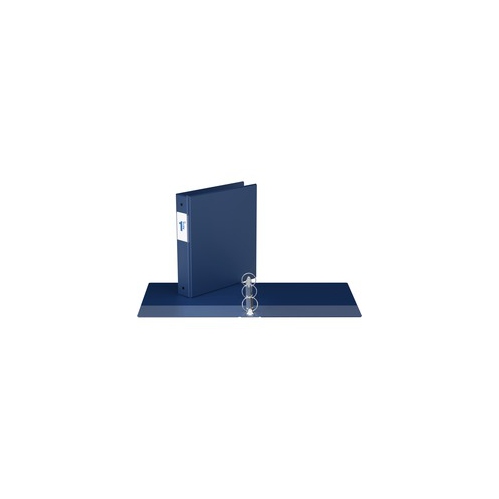


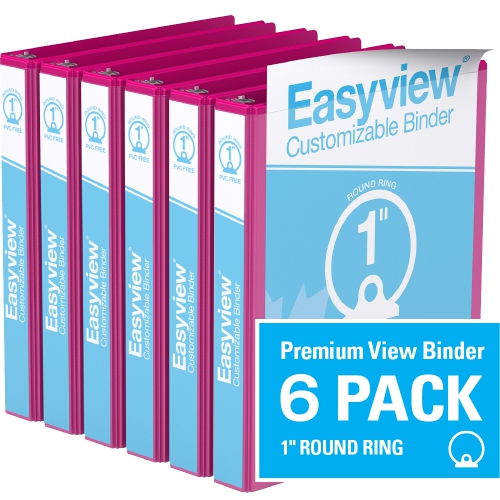
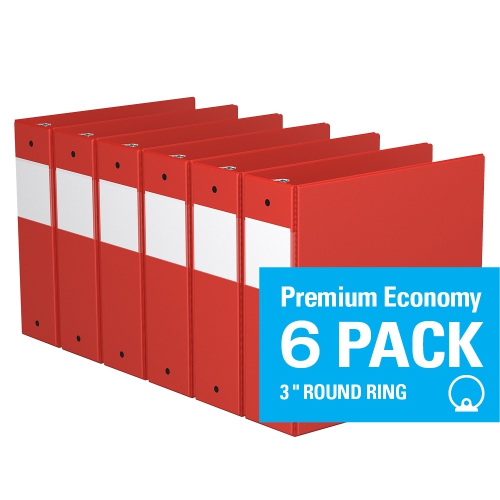
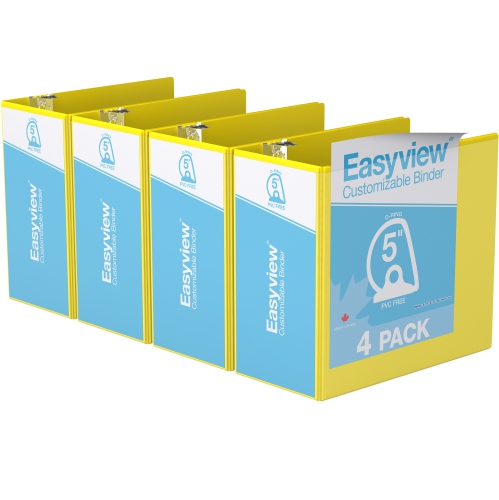

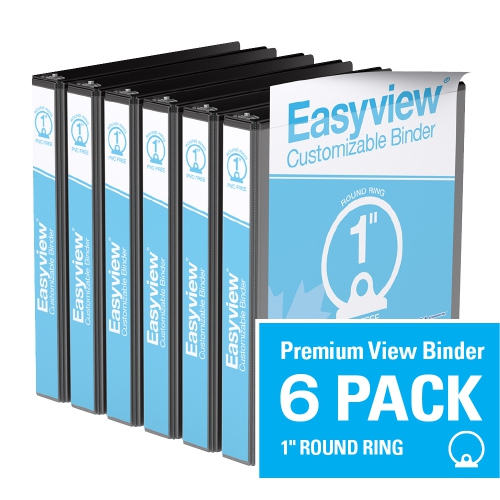
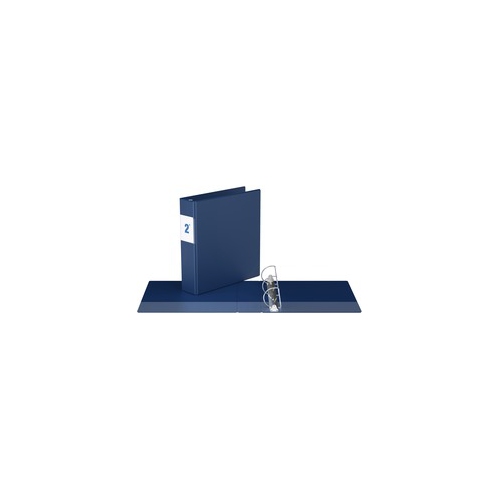
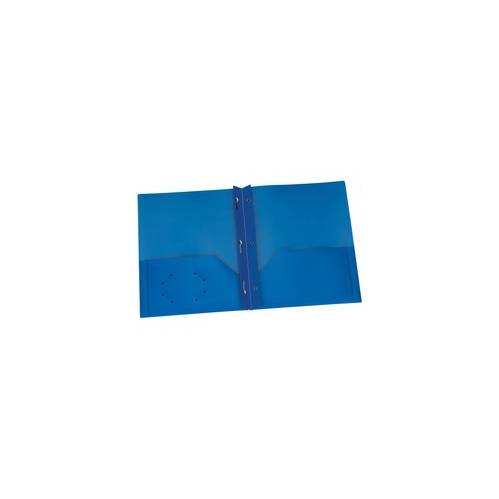
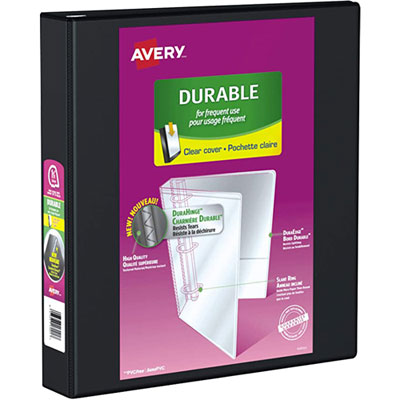
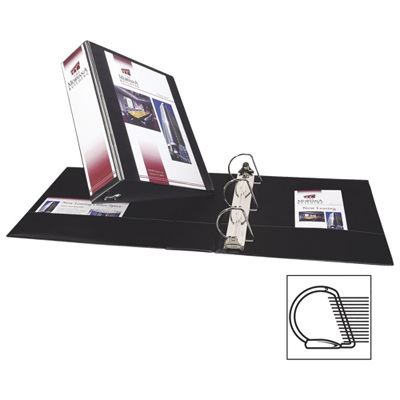



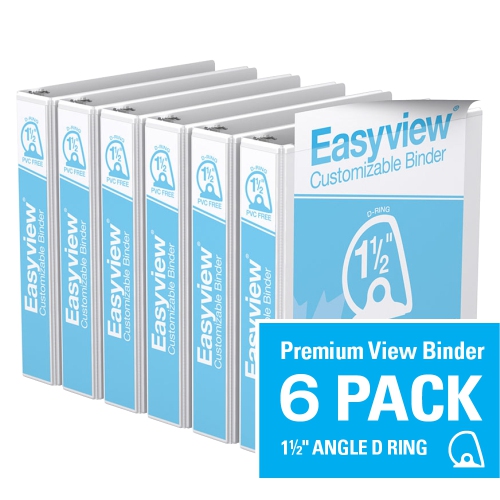
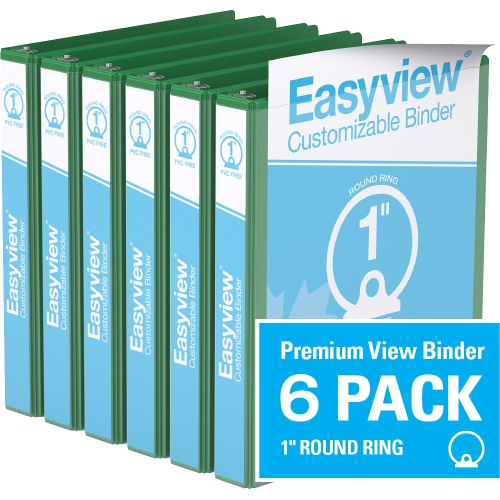
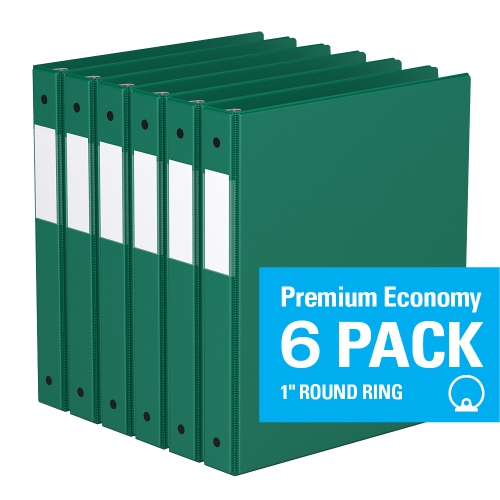
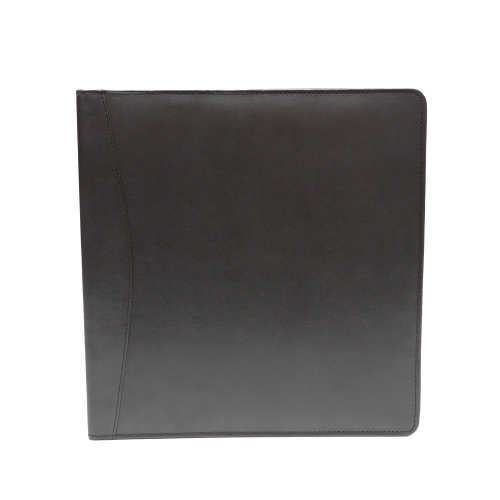

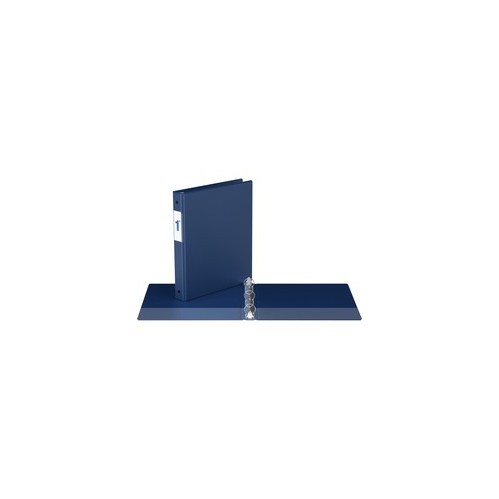
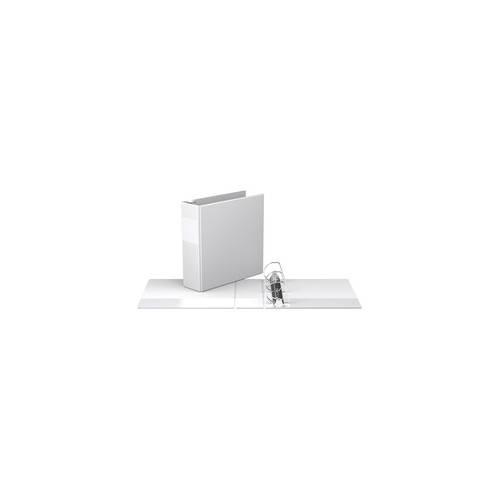
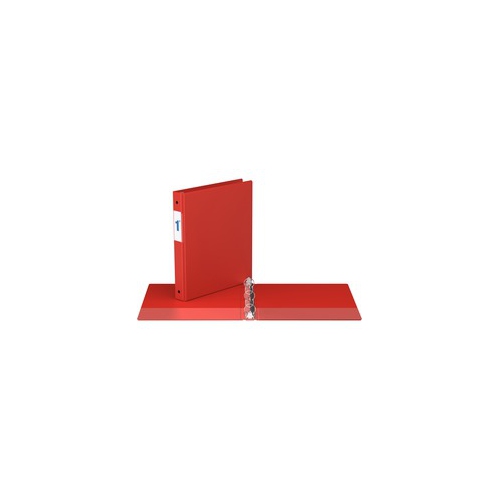
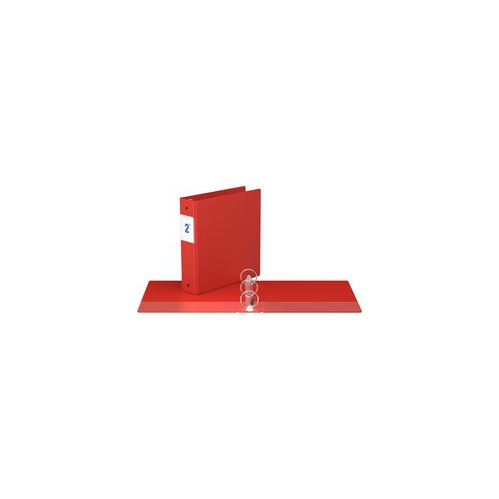
![ULTRA PRO : Eclipse Binder 9 Pocket Portfolio [Hot Pink]](https://multimedia.bbycastatic.ca/multimedia/products/500x500/198/19877/19877246.jpeg)


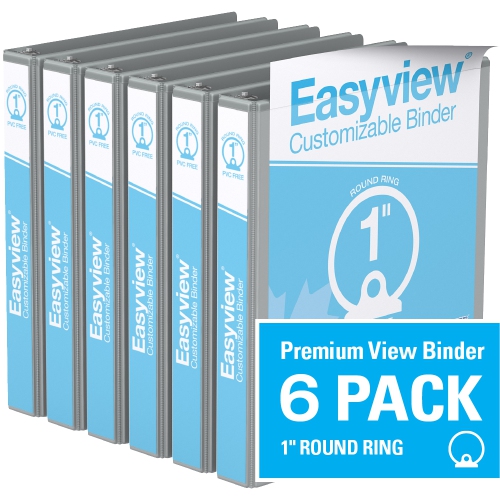
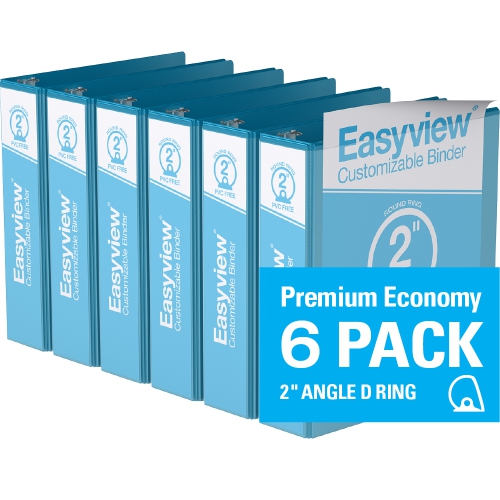
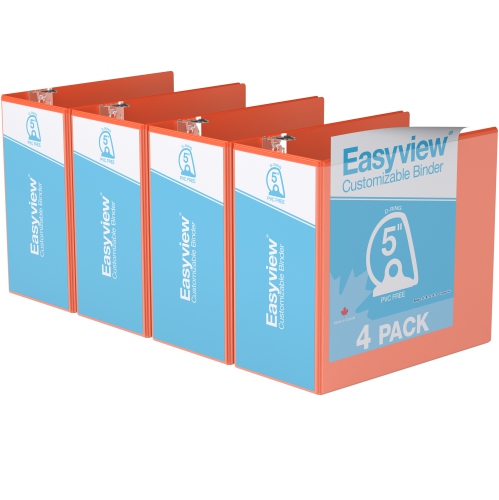
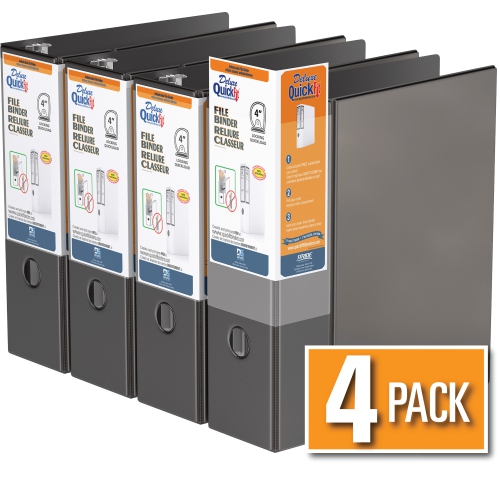

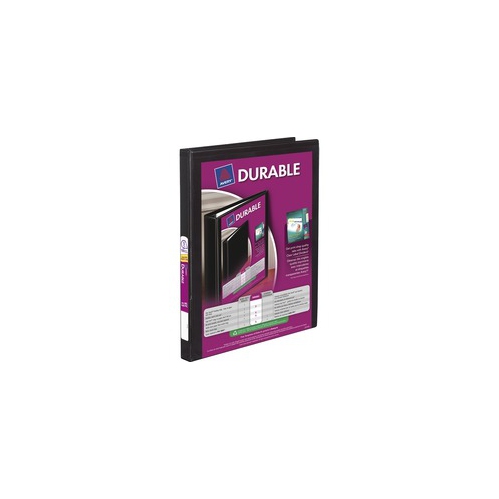
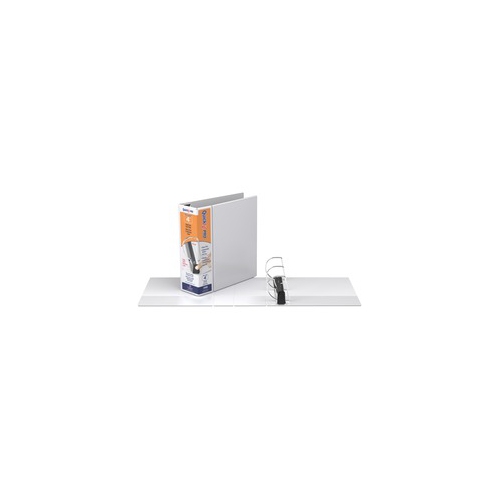
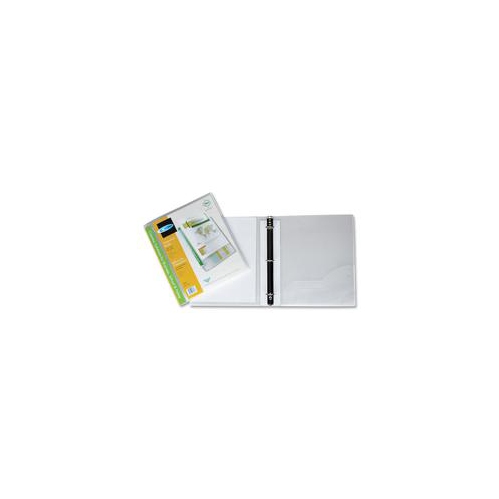
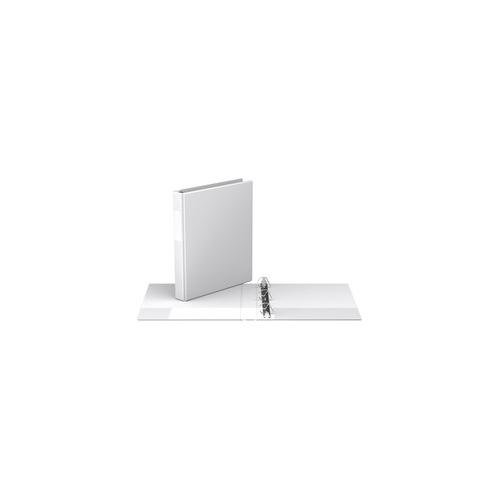

A polished presentation starts with well-organized pages
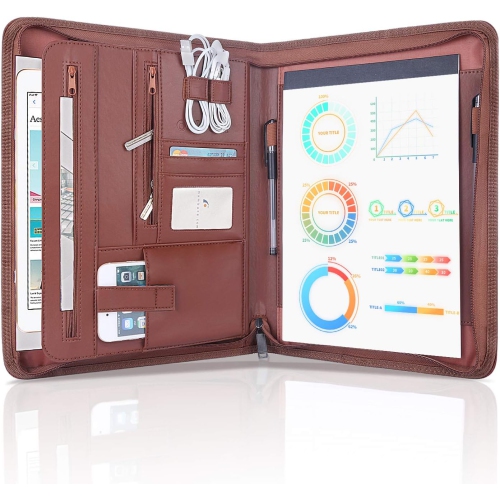
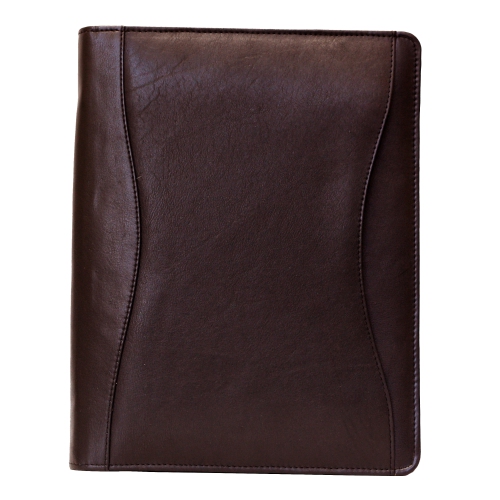
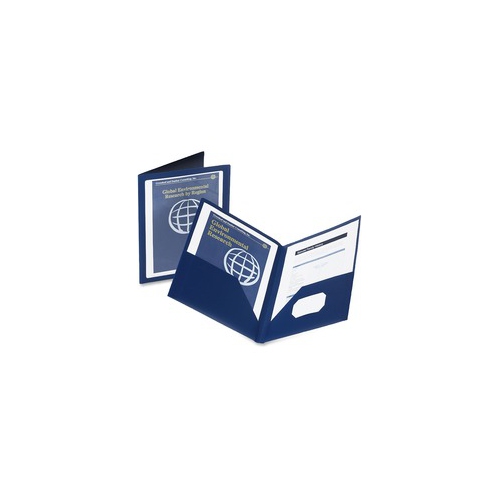
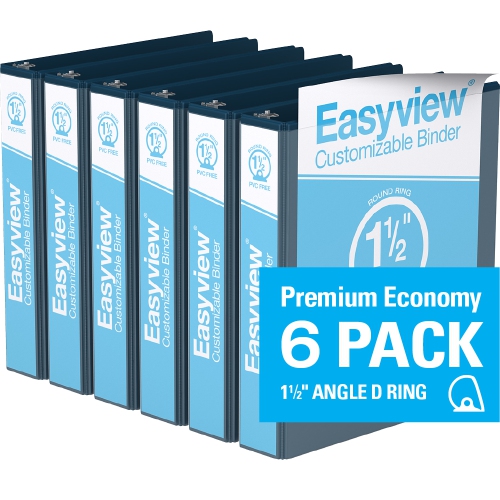
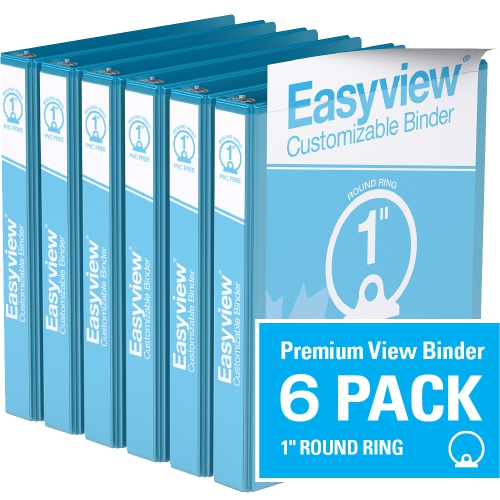
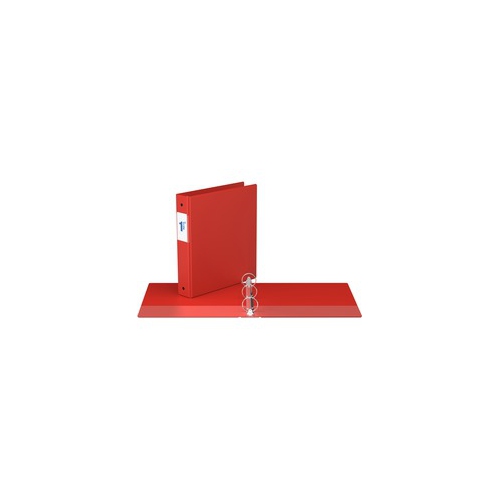
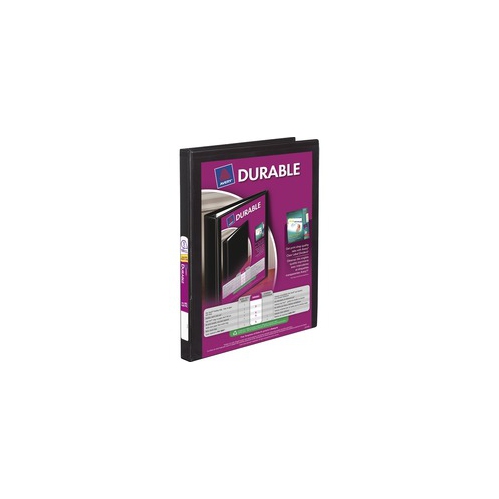
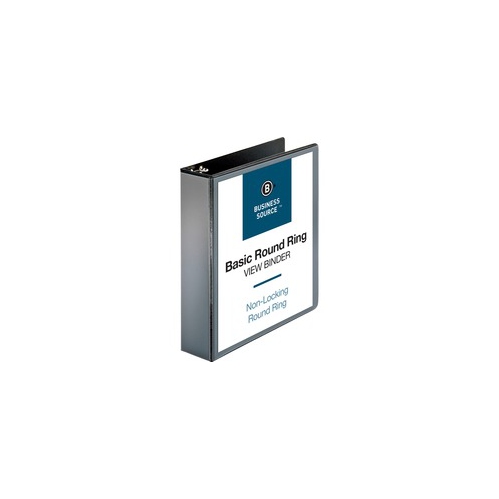
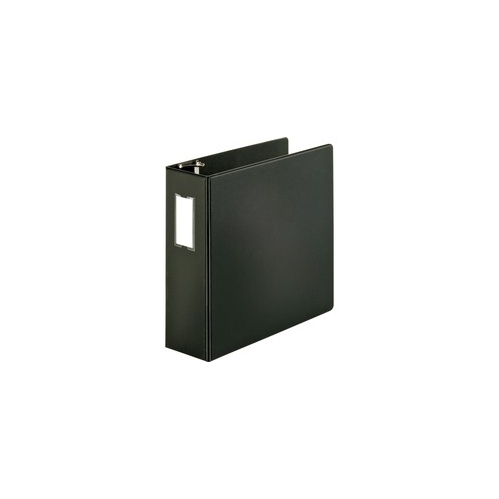
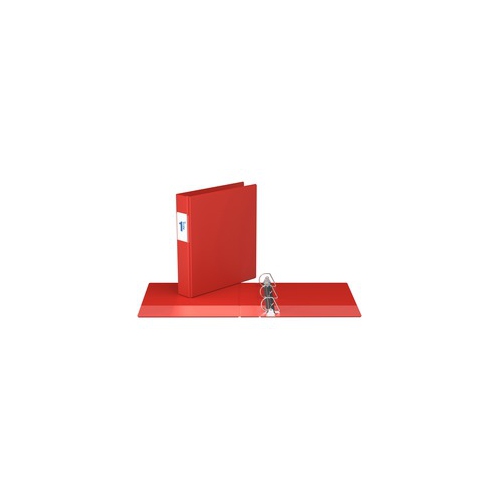
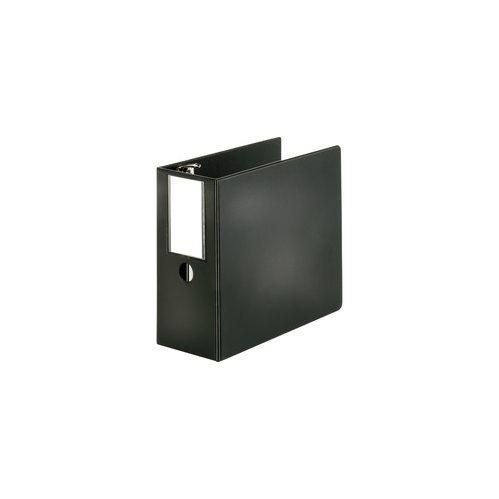
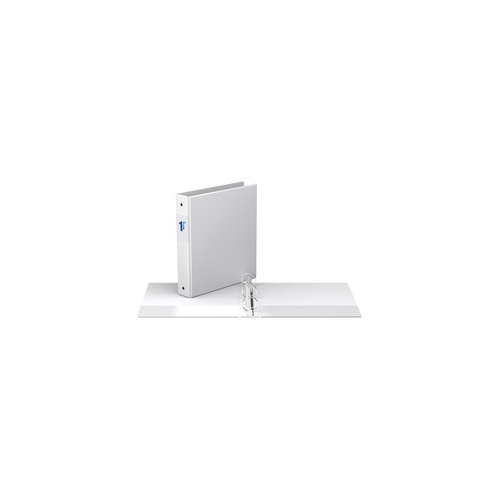
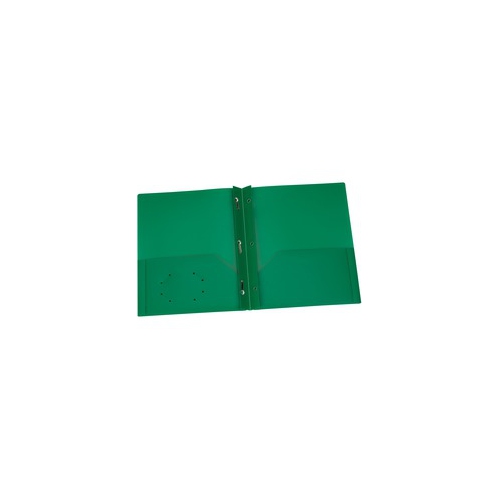
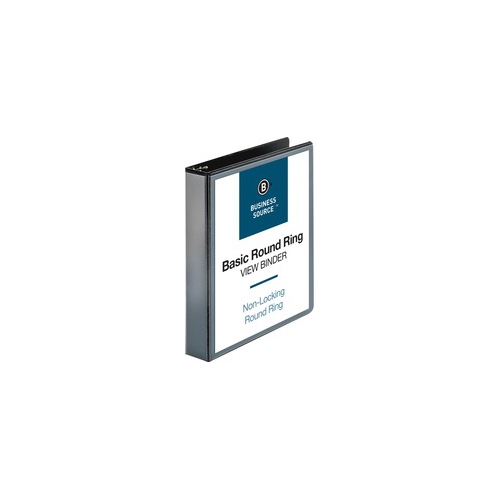
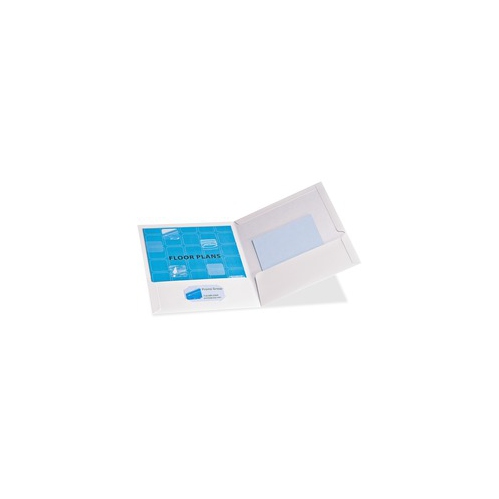
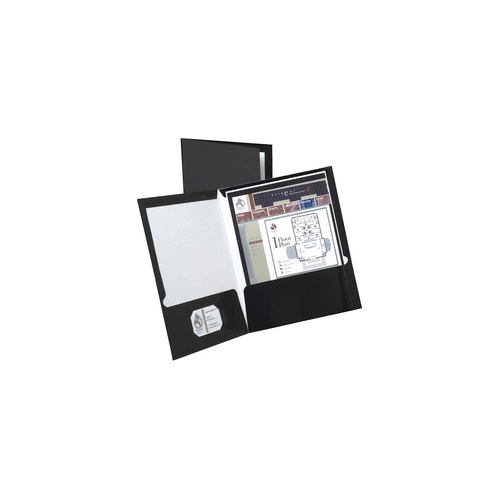
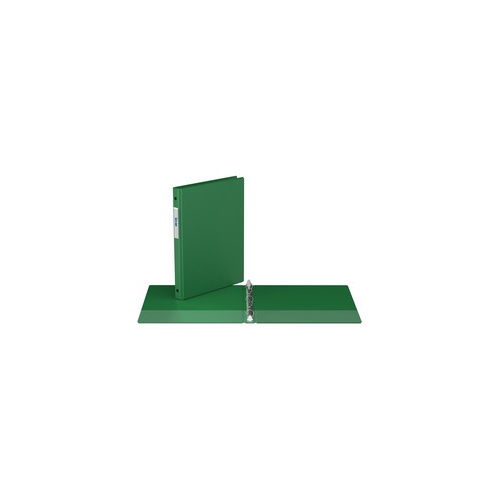
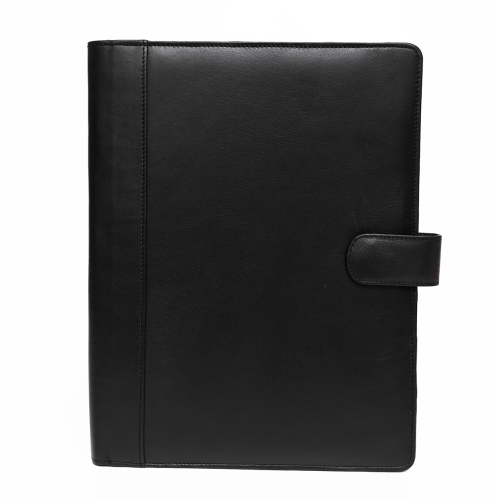
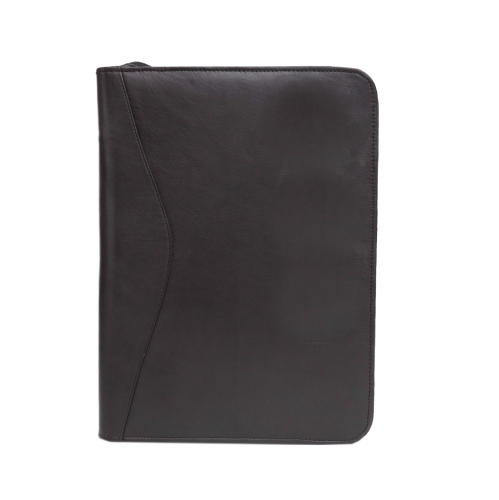
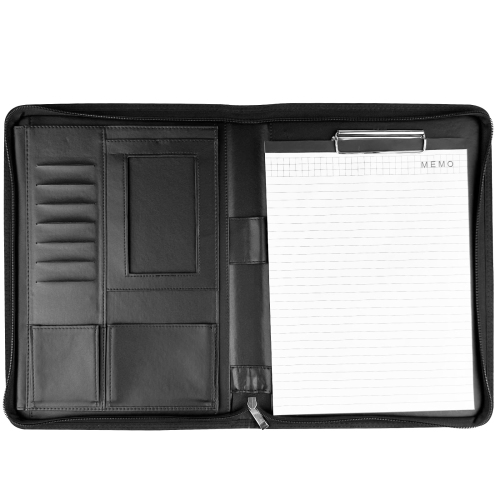
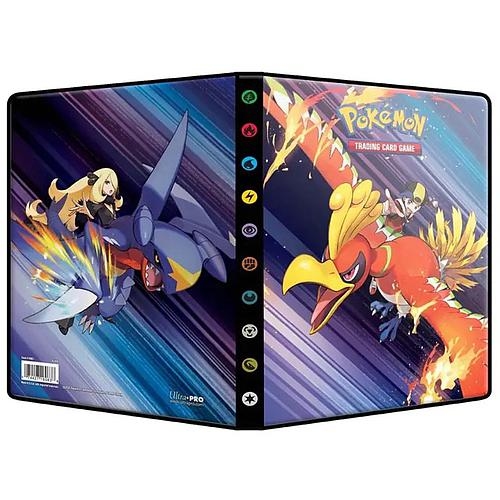
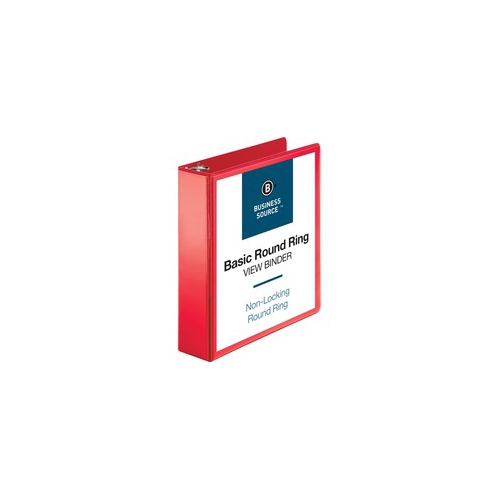
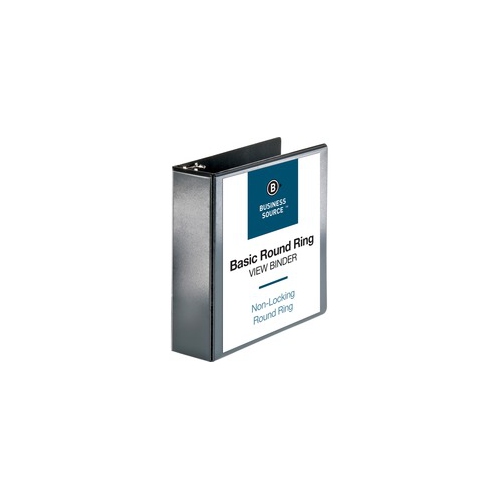
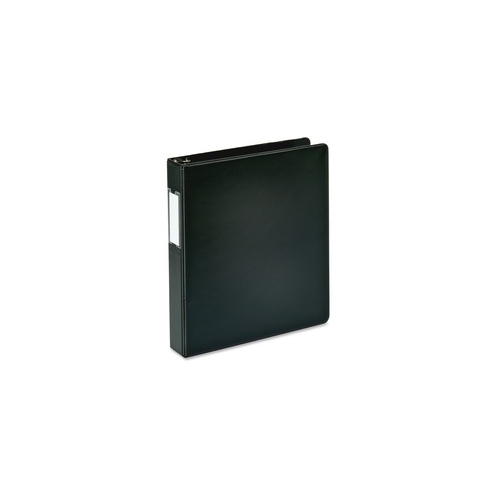
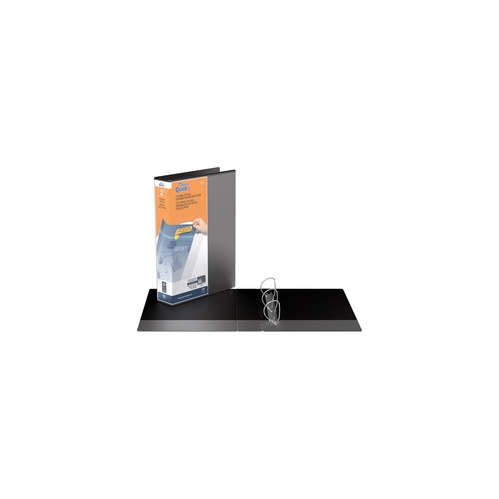
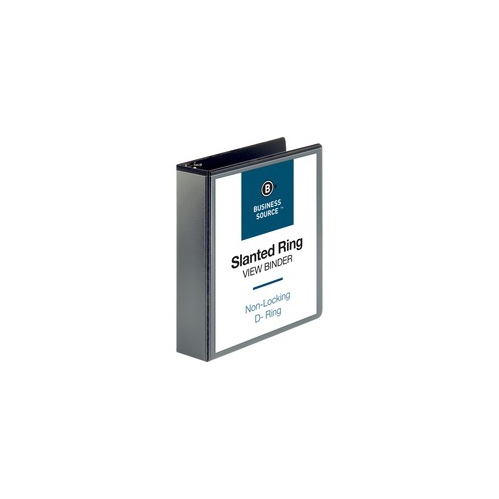
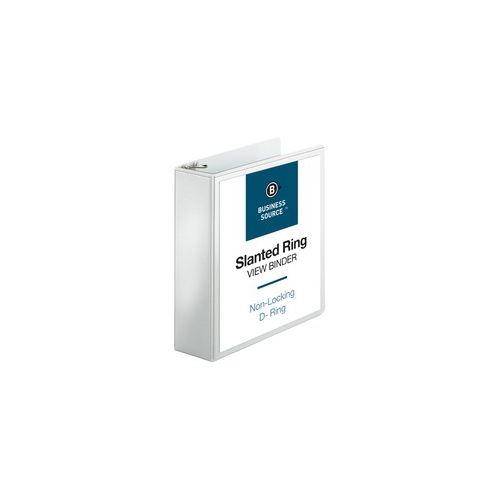
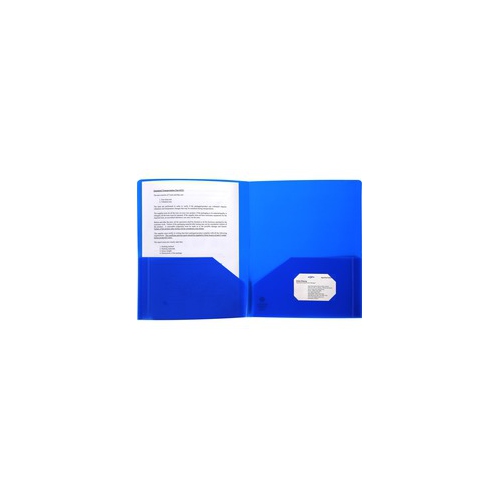
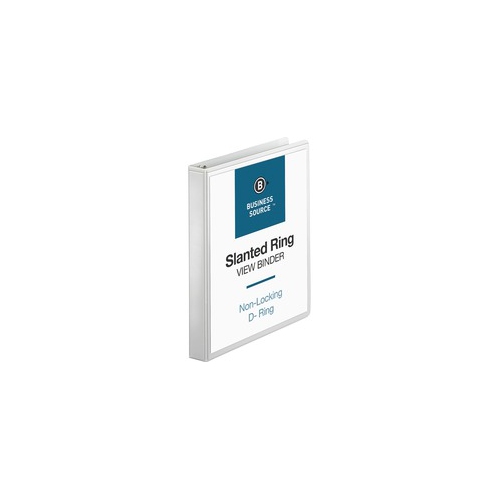
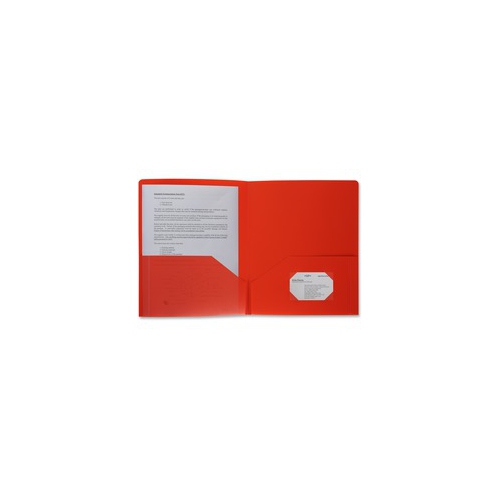
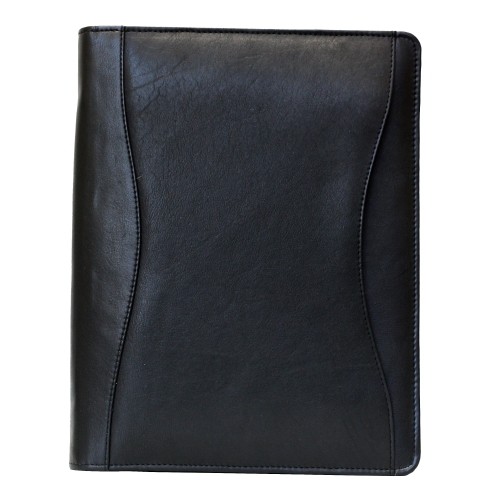
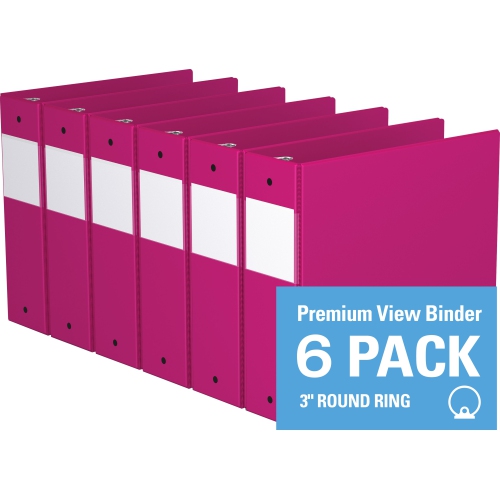
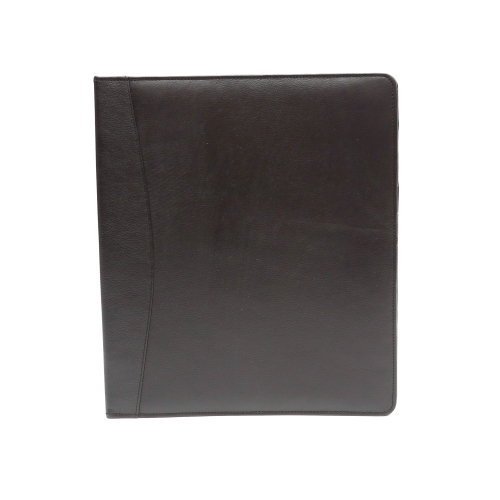
Portfolio binders keep documents, notes, and presentation materials together in a format that is easy to carry, open, and share. They range from business portfolios with writing pads and interior pockets to ring-bound presentation cases and larger binders for artwork or photography. The defining feature is a combination of organization and presentation: papers have a designated place, and the cover helps protect them while creating a tidy backdrop for their contents. A portfolio binder with rings allows pages to be added, removed, or rearranged, while a padfolio generally focuses on a notepad and pockets, sometimes without a ring mechanism. That distinction matters when preparing for different situations. A job applicant may need room for several clean copies of a résumé, reference letters, a pen, and handwritten interview notes. A designer may need sleeves that let a client turn through project samples without touching the printed surfaces. A student attending a placement interview might carry certificates, writing samples, and a course summary in separate sections. For meetings, pockets for business cards and loose handouts can keep small essentials from slipping between larger pages. Some formats also include compartments for a phone, small tablet, or charging cable, although the dimensions and padding determine whether those spaces suit a particular device. A zippered closure helps contain loose contents during travel, while an open or snap-fastened design offers quicker access when moving between a desk and a meeting room. Neither format replaces thoughtful organization inside: frequently used notes work best near the front, with supporting documents grouped behind them. Portfolio binders are particularly useful when a presentation needs to move smoothly from conversation to supporting evidence, whether that means placing a drawing on a table or finding a qualification without shuffling through a bag. For paperwork that belongs in a broader filing system rather than a portable presentation, Organization Binders offer a related way to keep reference material grouped and accessible.
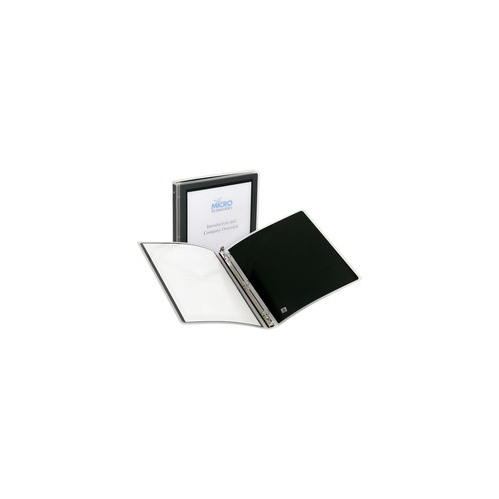
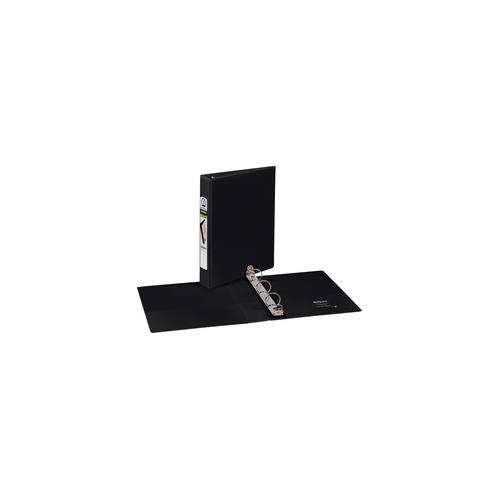
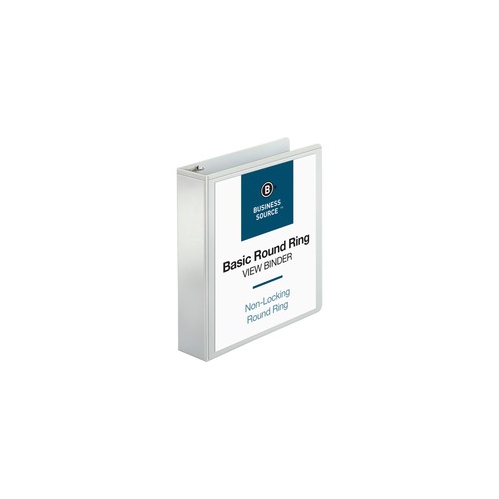
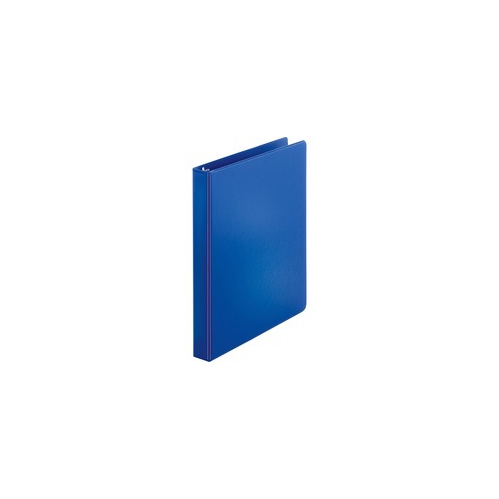
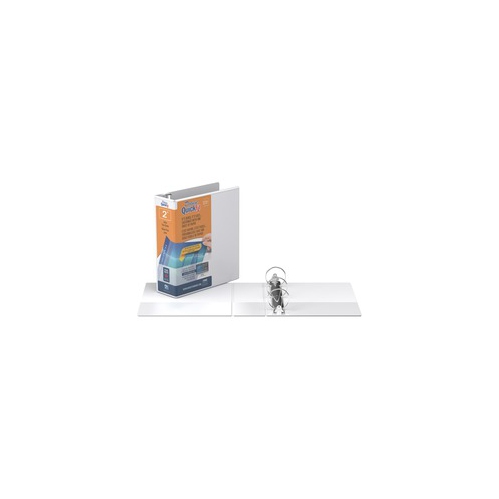
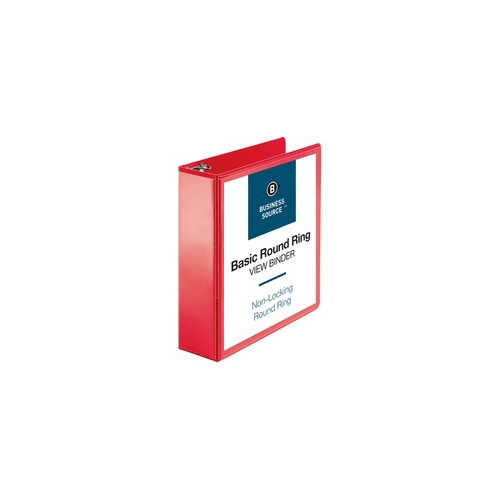
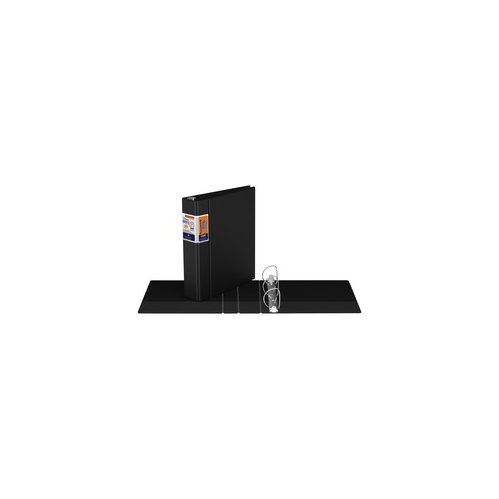
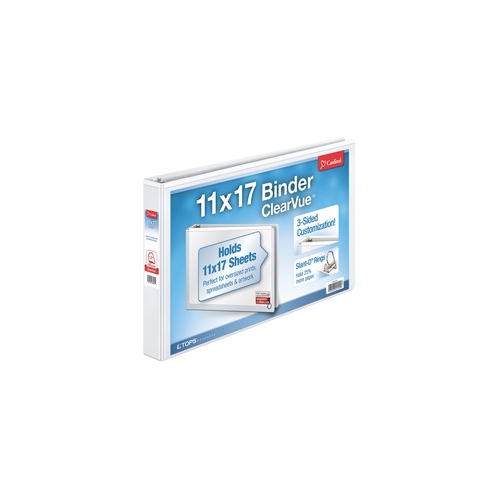
Size and construction shape how a portfolio binder feels in everyday use. Letter-size documents, measuring 8.5 by 11 inches, are common in Canadian offices and classrooms, but the binder’s outer dimensions do not necessarily describe its usable page space. Protective sleeves, tabbed dividers, and pocket inserts extend beyond the paper itself, so adequate clearance keeps their edges from catching in a zipper or bending against the cover. Legal-size paperwork and oversized artwork need a format suited to their dimensions; folding a drawing to fit a smaller case can leave a crease across an important detail. Ring spacing also matters, particularly when adding replacement sleeves or moving pages from another binder. Capacity is about more than the number of sheets a ring mechanism can hold. Thick prints, business card pages, and layered pocket inserts take up space quickly, and an overfilled binder may close poorly or place strain on seams. A little room around the contents makes page turning easier and helps the cover sit properly. Leather covers can develop a varied appearance with handling and may appeal to people who prefer a traditional business finish. Faux leather offers a similar visual style, while fabric covers bring texture and may include flexible compartments. Polypropylene and other plastic covers can provide a lightweight, wipeable surface for frequent trips between home, school, and work. Rigid covers support papers in a crowded bag and can provide a firmer writing surface away from a desk; softer covers may feel less bulky when carried under an arm. Reinforced corners, neat stitching, secure pocket edges, and rings that meet evenly are practical details associated with dependable daily use. A binder that opens flat can make note-taking and viewing easier, especially at a small interview table. For anyone writing with their left hand, the position of the rings, pen loop, and writing pad can also affect comfort. The best fit balances the documents being carried with the way the binder will be held, packed, and used.
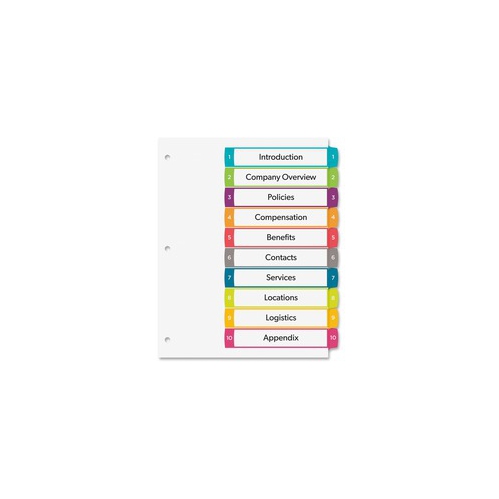
For art and photographic presentations, the pages inside deserve as much attention as the cover. Clear sleeves allow work to be viewed without repeated handling, but their finish changes the viewing experience: glossy surfaces can make colours appear vivid while catching overhead light, whereas a lower-glare finish can reduce reflections but may soften fine detail. Archival suitability depends on the materials in contact with the work, not simply on a clear appearance. Sleeves and backing sheets identified as appropriate for photographs or artwork are important for longer storage, and original pieces may need protection tailored to their medium. Charcoal, pastel, and other delicate surfaces can smudge or transfer when pressed directly against plastic, so a presentation binder is not automatically suitable for every original. Printed copies are often more practical for repeated handling during interviews, classroom reviews, or client discussions. In business use, durable dividers and a restrained page layout help the reader follow a sequence without distraction. An opening summary followed by a few clearly grouped examples is easier to navigate than a tightly packed stack of unrelated papers. Care is usually straightforward, though cleaning methods should match the cover material and its care directions. Loose grit can scratch sleeves and finished surfaces, so empty pockets periodically and remove debris with a soft cloth. Allow a damp cover to dry before closing the binder, and avoid leaving paper-filled cases beside heaters, in direct sunlight, or in a vehicle where temperature and moisture can fluctuate. Leather may require a suitable care treatment, while fabric and faux leather need cleaning methods appropriate to their finishes. Keeping pens capped and storing bulky accessories separately also helps prevent ink marks and pressure dents. As a gift, a portfolio binder can suit a graduate, an apprentice preparing for interviews, a teacher, or a creative professional building a presentation collection. A manageable size, comfortable weight, and adaptable interior make it useful beyond a single occasion, from the first introduction across a desk to the everyday task of keeping important work together.
Size and construction shape how a portfolio binder feels in everyday use. Letter-size documents, measuring 8.5 by 11 inches, are common in Canadian offices and classrooms, but the binder’s outer dimensions do not necessarily describe its usable page space. Protective sleeves, tabbed dividers, and pocket inserts extend beyond the paper itself, so adequate clearance keeps their edges from catching in a zipper or bending against the cover. Legal-size paperwork and oversized artwork need a format suited to their dimensions; folding a drawing to fit a smaller case can leave a crease across an important detail. Ring spacing also matters, particularly when adding replacement sleeves or moving pages from another binder. Capacity is about more than the number of sheets a ring mechanism can hold. Thick prints, business card pages, and layered pocket inserts take up space quickly, and an overfilled binder may close poorly or place strain on seams. A little room around the contents makes page turning easier and helps the cover sit properly. Leather covers can develop a varied appearance with handling and may appeal to people who prefer a traditional business finish. Faux leather offers a similar visual style, while fabric covers bring texture and may include flexible compartments. Polypropylene and other plastic covers can provide a lightweight, wipeable surface for frequent trips between home, school, and work. Rigid covers support papers in a crowded bag and can provide a firmer writing surface away from a desk; softer covers may feel less bulky when carried under an arm. Reinforced corners, neat stitching, secure pocket edges, and rings that meet evenly are practical details associated with dependable daily use. A binder that opens flat can make note-taking and viewing easier, especially at a small interview table. For anyone writing with their left hand, the position of the rings, pen loop, and writing pad can also affect comfort. The best fit balances the documents being carried with the way the binder will be held, packed, and used.
For art and photographic presentations, the pages inside deserve as much attention as the cover. Clear sleeves allow work to be viewed without repeated handling, but their finish changes the viewing experience: glossy surfaces can make colours appear vivid while catching overhead light, whereas a lower-glare finish can reduce reflections but may soften fine detail. Archival suitability depends on the materials in contact with the work, not simply on a clear appearance. Sleeves and backing sheets identified as appropriate for photographs or artwork are important for longer storage, and original pieces may need protection tailored to their medium. Charcoal, pastel, and other delicate surfaces can smudge or transfer when pressed directly against plastic, so a presentation binder is not automatically suitable for every original. Printed copies are often more practical for repeated handling during interviews, classroom reviews, or client discussions. In business use, durable dividers and a restrained page layout help the reader follow a sequence without distraction. An opening summary followed by a few clearly grouped examples is easier to navigate than a tightly packed stack of unrelated papers. Care is usually straightforward, though cleaning methods should match the cover material and its care directions. Loose grit can scratch sleeves and finished surfaces, so empty pockets periodically and remove debris with a soft cloth. Allow a damp cover to dry before closing the binder, and avoid leaving paper-filled cases beside heaters, in direct sunlight, or in a vehicle where temperature and moisture can fluctuate. Leather may require a suitable care treatment, while fabric and faux leather need cleaning methods appropriate to their finishes. Keeping pens capped and storing bulky accessories separately also helps prevent ink marks and pressure dents. As a gift, a portfolio binder can suit a graduate, an apprentice preparing for interviews, a teacher, or a creative professional building a presentation collection. A manageable size, comfortable weight, and adaptable interior make it useful beyond a single occasion, from the first introduction across a desk to the everyday task of keeping important work together.
Top selling and popular products
-
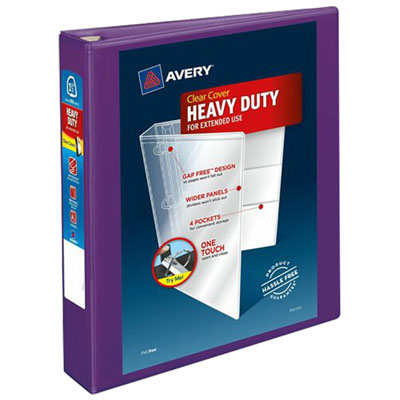 Your price for this item is $11.99
 -
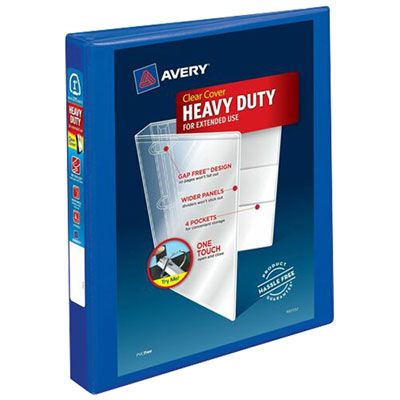 Your price for this item is $17.99
 -
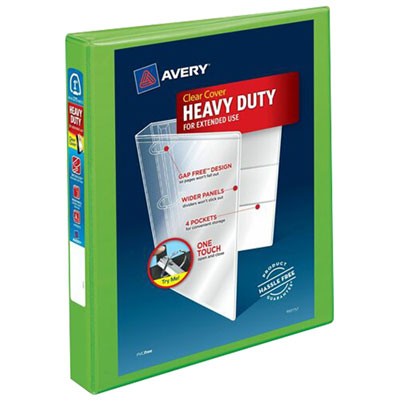 Your price for this item is $9.99
 -
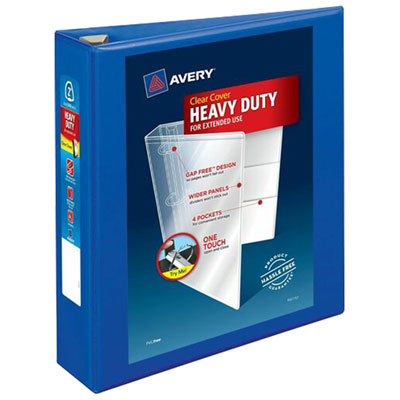 Your price for this item is $13.99
 -
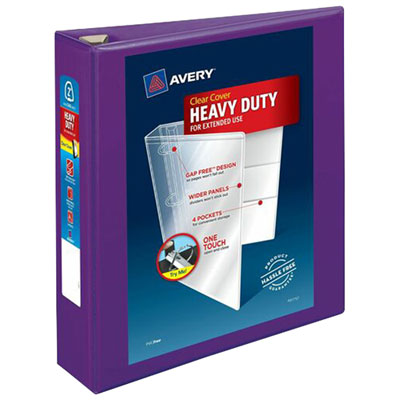 Your price for this item is $14.99
 -
 Your price for this item is $9.99
 -
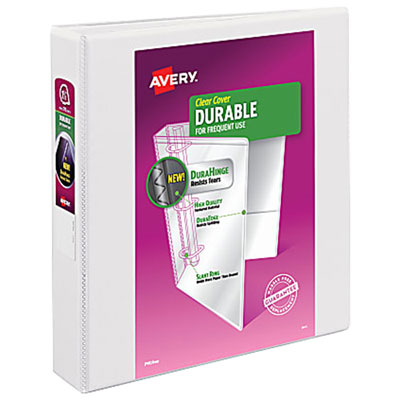 Your price for this item is $12.99
 -
 Your price for this item is $10.99
Discover more categories related to Portfolio Binders
Top Collections:
Pokemon Centers, Kindle Devices, Best Budget Office Chairs, Apple iPhones 16, Best Laptops for Writers, iPhone 15 Apple, Canon G7X Cameras, Refurbished Apple Laptops, Alarm Clock, Motorola Razr Phones
Some products may be subject to Environmental Handling Fees
(EHF) depending on your province.
Learn more about EHFs.