Premium Compatible Toner Cartridges
Premium Compatible Toner Cartridges offer a reliable printing solution for home offices, businesses, and classrooms alike. Designed to fit a wide range of printers, these cartridges deliver consistent print quality for documents, reports, and presentations. With Premium Compatible Toner Cartridges, you can keep your workflow running smoothly while enjoying great value and dependable performance on every page. Explore the selection to find the right toner cartridge for your printing needs.
Sort















Why printer compatibility matters more than premium labels
Premium compatible toner cartridges are third-party replacements designed to work with specified laser or LED printer models. They serve the same basic purpose as original-manufacturer toner supplies: delivering the powder used to create text and images on a printed page. Unlike liquid ink, toner contains fine particles, typically made from polymer resin, pigments, and other additives that help control how the powder behaves during printing. The printer transfers those particles onto paper, then uses heat and pressure to bond them to the surface. For a home office printing correspondence, a small business preparing invoices, or a student producing research papers, a suitable cartridge supports readable text, clean lines, and consistent output across everyday documents. Colour toner also supports presentations, charts, and other materials where distinctions between shades carry important information. The word premium is not a universal performance standard, so the most useful details are documented compatibility, rated page yield, testing information, and the construction of the cartridge itself. Depending on the design, the housing may contain seals, gears, rollers, and other working parts that need to function together throughout its service life. Some cartridges include a photosensitive drum, while other printers use a separate drum unit. Manufacturing controls and performance testing can provide useful context when evaluating these supplies. ISO 9001 relates to quality-management processes, while STMC certification concerns the use of standardized methods to evaluate toner cartridge performance. Neither designation, on its own, proves that a cartridge fits a particular printer or guarantees identical results for every print job. Page-yield testing may reference standards such as ISO/IEC 19752 for monochrome toner or ISO/IEC 19798 for colour toner. These measurements help make stated yields more comparable, but they represent controlled testing rather than a promise about the number of pages every household or office will print. A page of brief meeting notes uses toner differently from a densely shaded report, even when both occupy a single sheet.
Compatibility is the central consideration because cartridges that look similar can have different dimensions, fittings, electronic chips, or toner formulations. The full printer model number matters, including any suffix that distinguishes one version from another. A shared printer series name is not always enough to confirm a match, and a cartridge intended for one regional version may not suit another. Clear compatibility information should identify the supported models and any relevant limitations. In printers that use cartridge chips, recognition also depends on the interaction between the cartridge electronics and the printer. Firmware changes can affect how third-party supplies are recognized, making up-to-date compatibility documentation particularly useful. Compatible and remanufactured describe different aspects of a replacement supply: compatible refers to its intended fit with a printer, while remanufactured generally refers to an existing cartridge that has been processed, refilled, and had components replaced as needed. A remanufactured cartridge may therefore also be marketed as compatible. Neither description alone establishes print quality or service life. Capacity is another distinction. Standard-yield and high-yield versions can be intended for the same printer, but their rated output differs; the larger-capacity designation should still be checked against the exact model. High-yield toner can suit an office that regularly prints contracts or a household with frequent school assignments, while standard-yield toner may be sufficient for occasional forms and letters. Actual consumption depends on page coverage, graphics, print settings, and the mix of jobs. Colour printers also require attention to the individual black, cyan, magenta, and yellow supplies specified for the machine, rather than assuming that every cartridge is interchangeable. A low-toner message does not necessarily mean the drum requires replacement, and a drum alert does not necessarily mean the toner is empty. Keeping those components distinct helps avoid replacing the wrong supply. Physical fit is equally important: a correctly matched cartridge should seat as described in the printer instructions without forcing the latch or housing. Protective seals, shipping inserts, and handling points vary by design, so the supplied installation directions remain the best reference for that cartridge.
The right premium compatible toner cartridge should suit the way a printer is actually used, not just the model listed on its casing. In an administrative office, crisp small text and even black coverage matter on forms that will be copied, scanned, or filed. For teaching materials, legible diagrams and consistent shading can make worksheets easier to follow. A colour presentation places more emphasis on balanced output across all four toner colours, while a shipping station needs sharp addresses and barcodes on media approved for laser printing. Paper also influences results. Its weight, finish, and suitability for the printer affect how toner adheres, and the correct media setting helps the machine handle the sheet appropriately. Toner cannot compensate for unsuitable paper, a worn drum, or a printer that needs maintenance. Faint areas, repeated marks, and uneven coverage can have several causes, so those symptoms are not conclusive evidence that the cartridge itself is faulty. Consistent care helps both the supply and the printer perform as intended. Unused cartridges are best kept in their protective packaging, away from moisture and direct sunlight, and positioned as directed by the manufacturer. During handling, avoiding contact with exposed drum surfaces or sensitive electrical contacts helps prevent damage and marks on later prints. A cartridge should not be shaken vigorously or opened to inspect the powder inside. If toner escapes, the printer or cartridge manufacturer's cleanup instructions are the appropriate reference; compressed air can spread fine powder into places where it is difficult to remove. Routine cleaning should likewise follow the printer's instructions rather than improvised methods. Compatibility, suitable capacity, and documented performance remain useful comparison points across the broader category of Premium Toner Cartridges. For shared printers in particular, keeping the exact model and replacement requirements recorded makes future replacements more straightforward. A well-matched supply supports the everyday work behind the pages: a clearly printed application, a readable set of meeting handouts, or a neatly finished report ready to share.
Top selling and popular products
-
 Your price for this item is $39.5
-
 Your price for this item is $62.99
-
 Your price for this item is $104.68
-
 Your price for this item is $39.99
-
 Your price for this item is $35
-
 Your price for this item is $79
-
 Your price for this item is $48
-
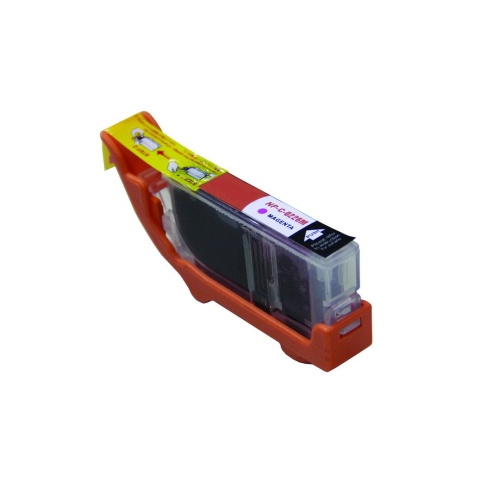 Your price for this item is $3.2
Discover more categories related to Premium Compatible Toner Cartridges

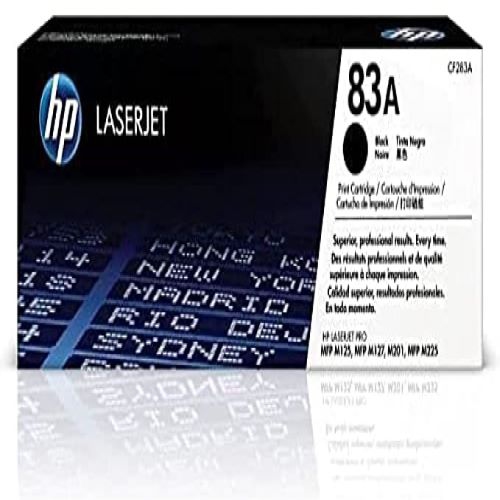
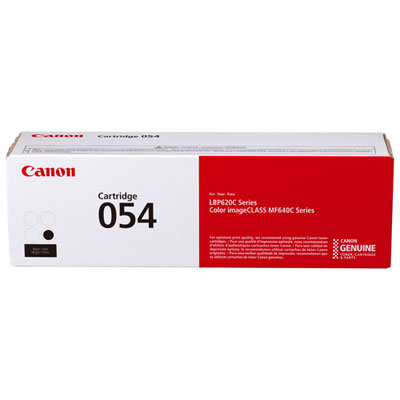
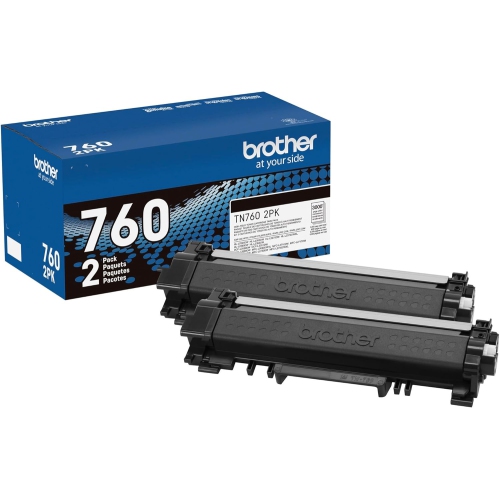
Top Collections:
Pokemon Centers, Kindle Devices, Best Budget Office Chairs, Canon G7X Cameras, Apple iPhones 16, Samsung Galaxy Phones, Refurbished Apple Laptops, Laptops for Students, iPhone 15 Apple, Budget Smartphones
Some products may be subject to Environmental Handling Fees
(EHF) depending on your province.
Learn more about EHFs.