Printer Cartridge Staples
Looking to keep your printer running smoothly? Look no further than our wide selection of printer cartridge staples. These essential office supplies are the lifeblood of any printing operation, ensuring crisp and vibrant documents every time. Whether you're in need of black ink cartridges, color ink cartridges, or both, we've got you covered with a range of options to suit your specific printer model. With our high-quality printer cartridge staples, you can say goodbye to faded prints and hello to professional-looking documents in no time. Explore our collection today and never worry about running out of ink again!
Sort
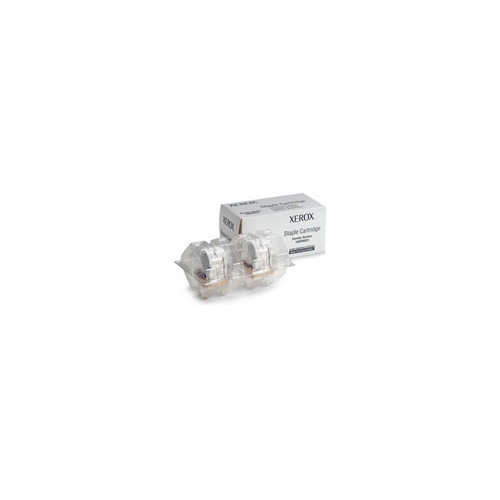

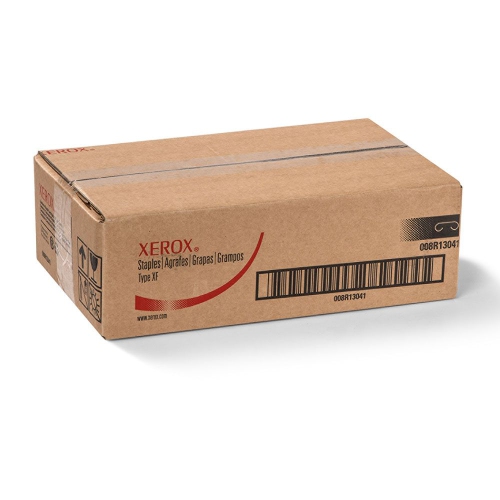


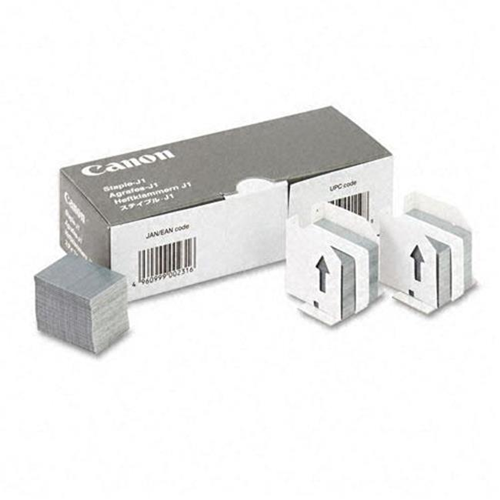

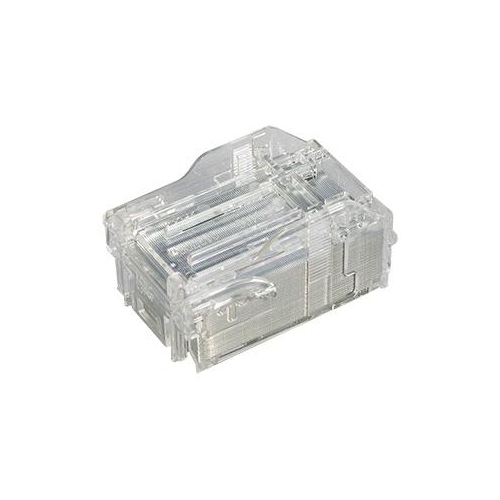
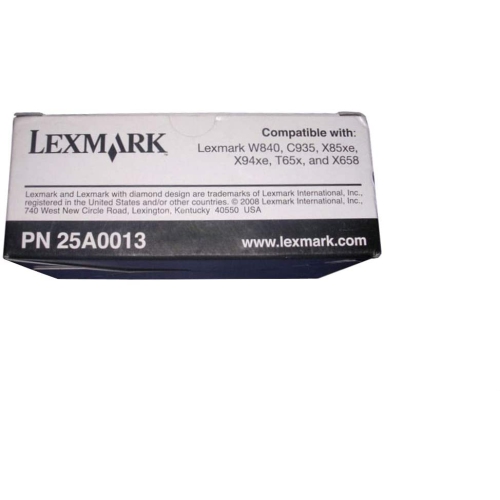


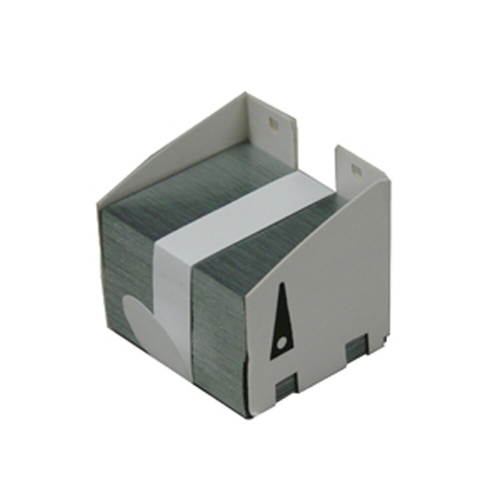

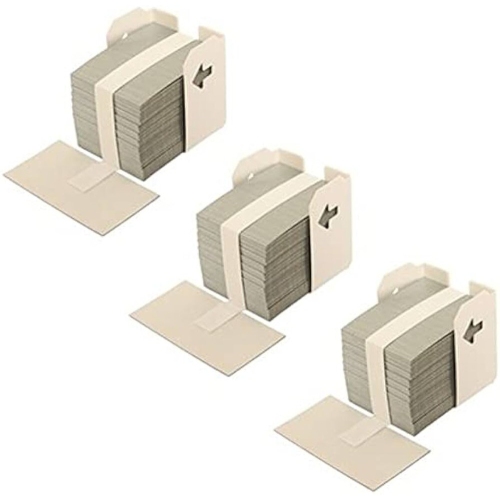
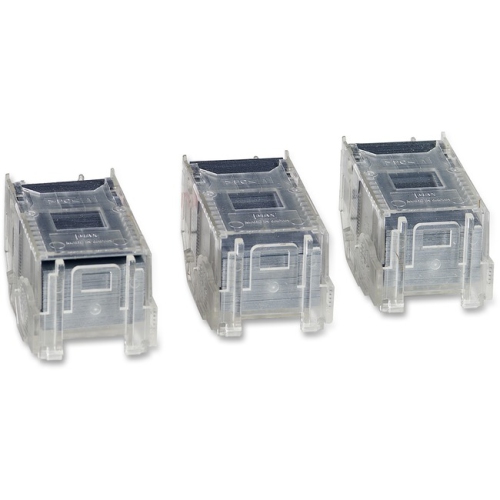
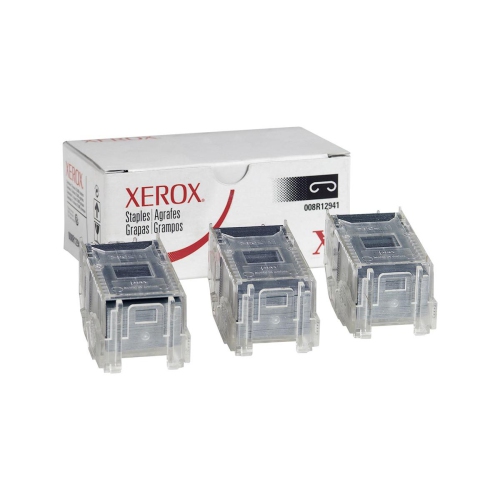






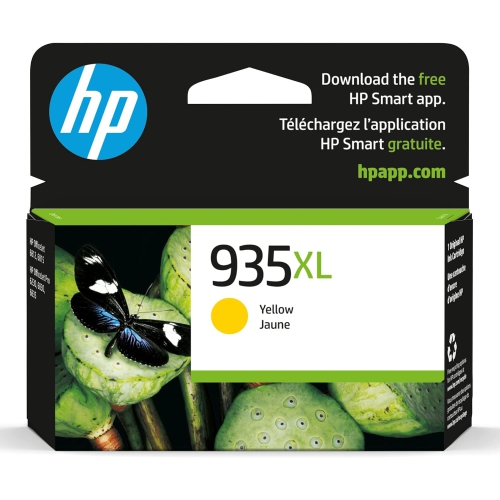
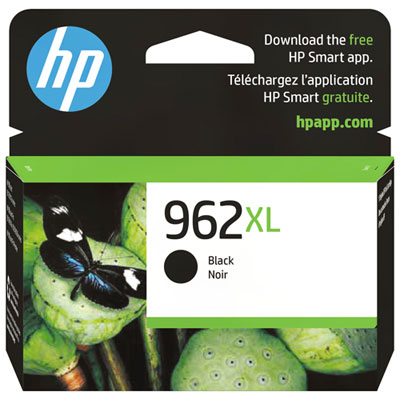

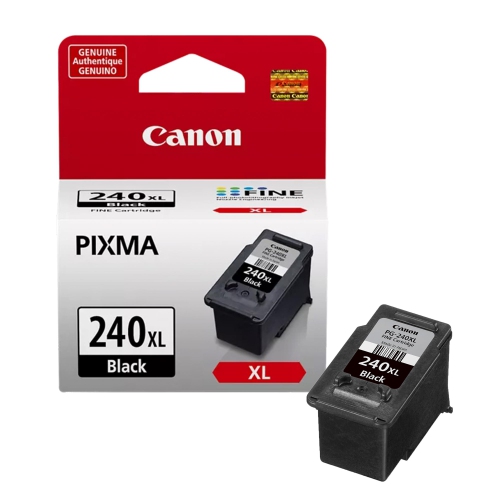

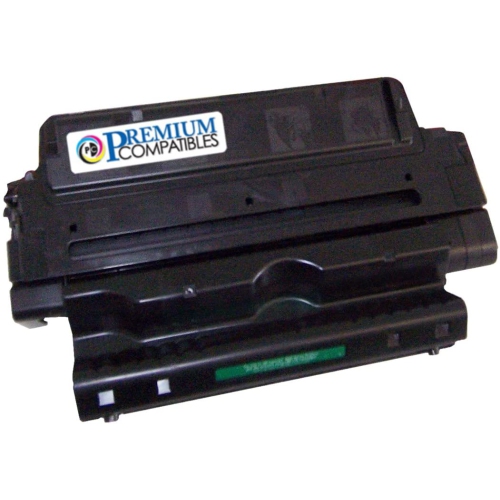
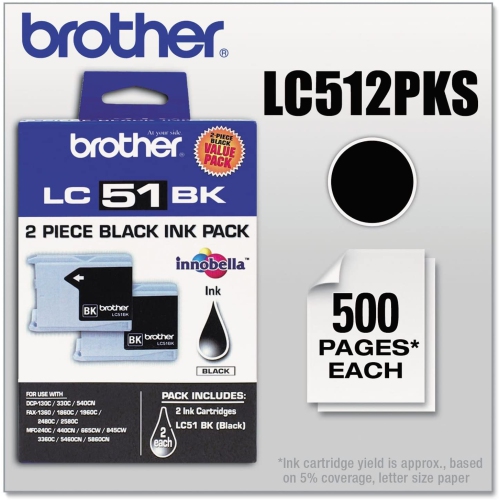

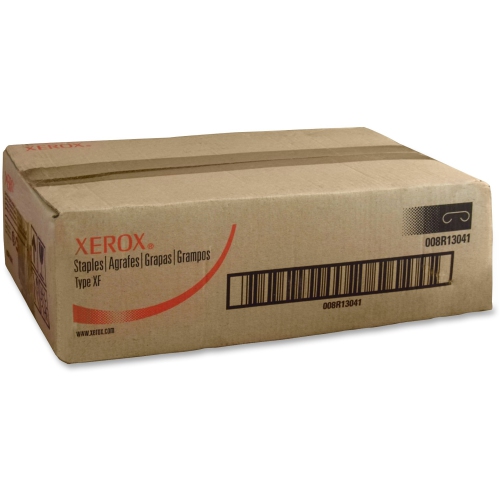
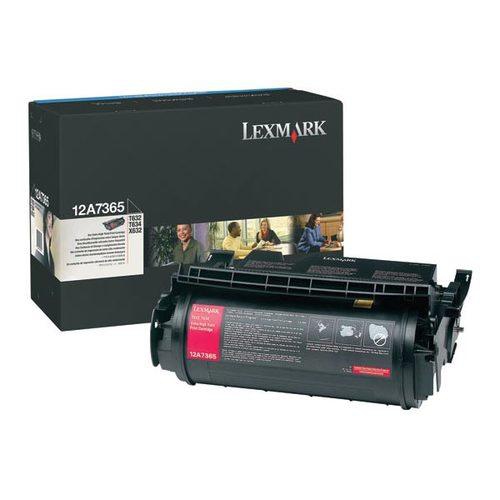
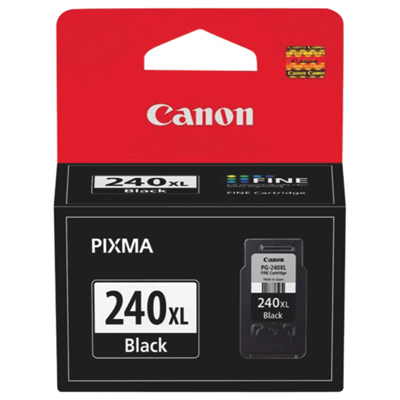
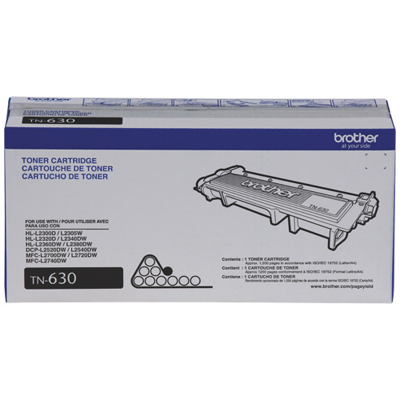



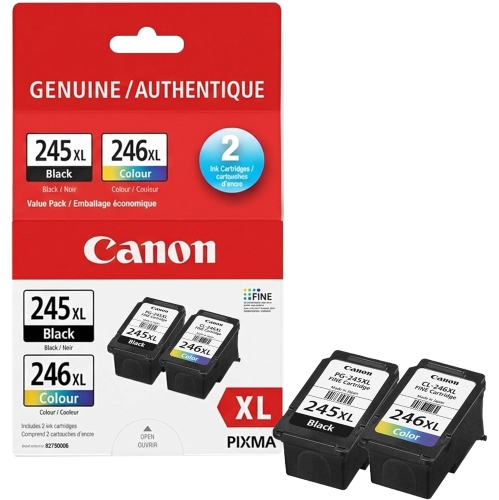









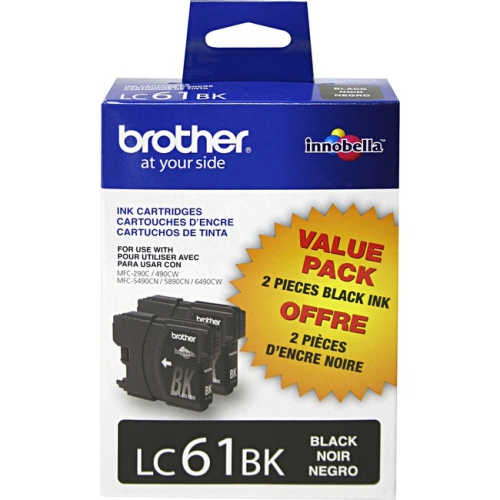
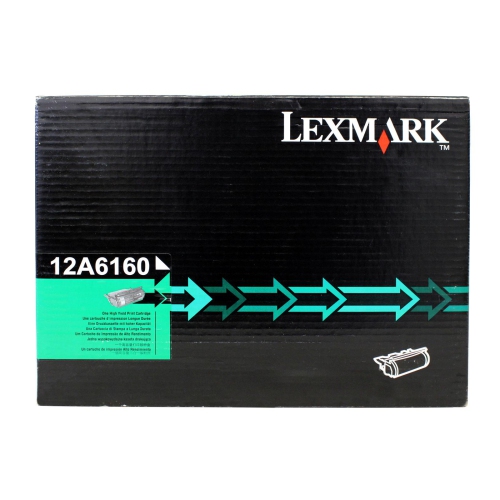







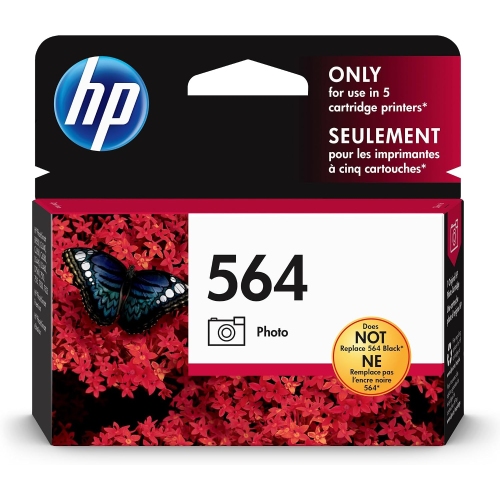













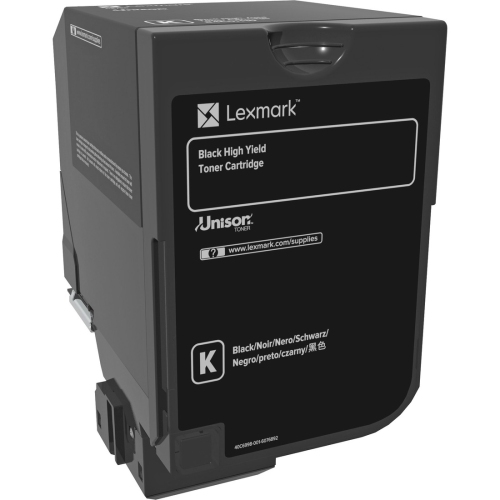

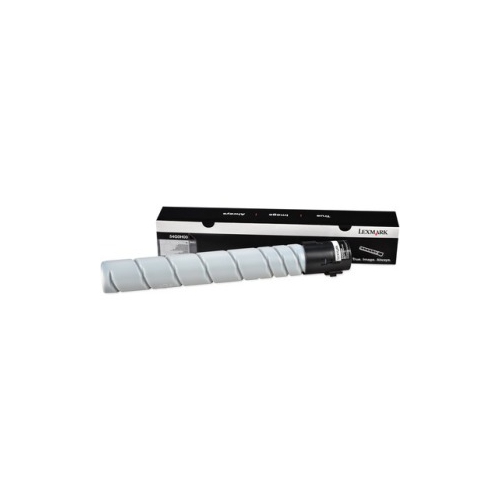
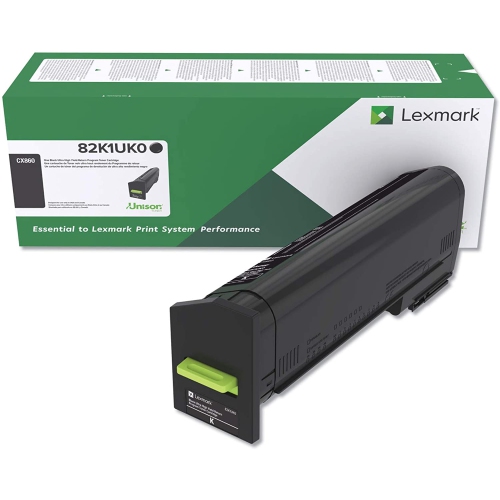
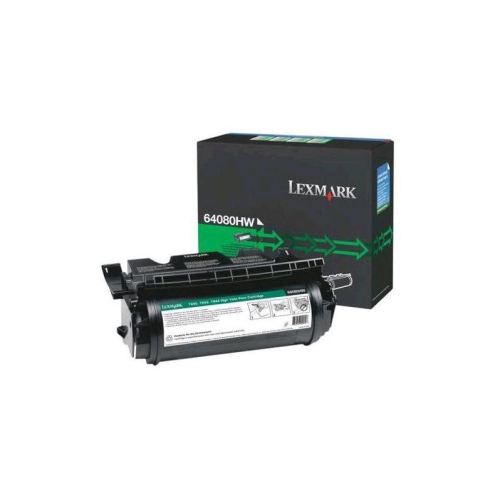



Why your printer model matters when replacing cartridges
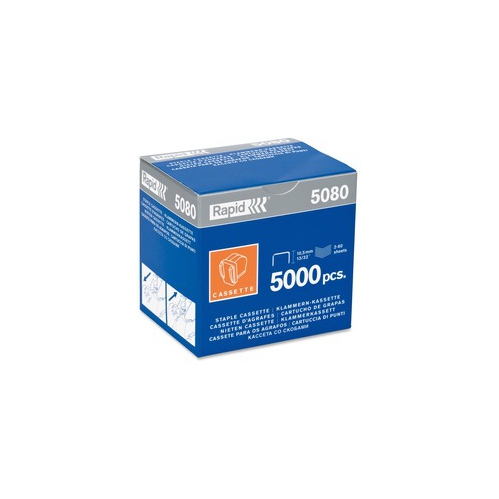
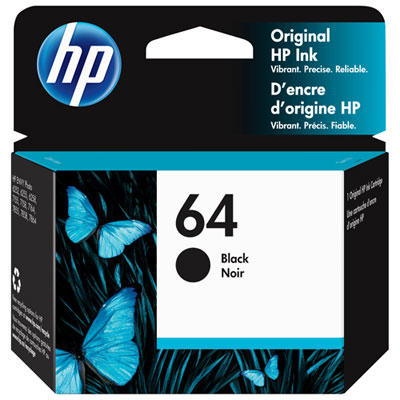
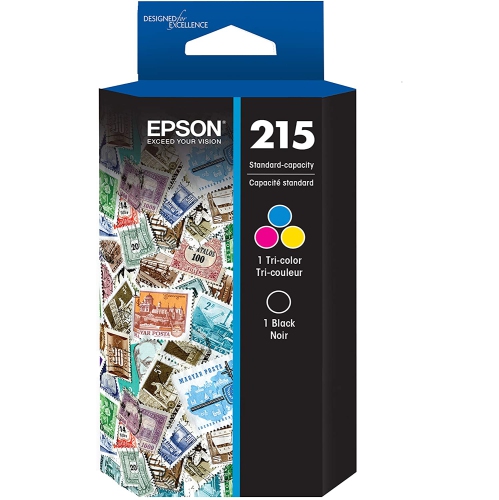
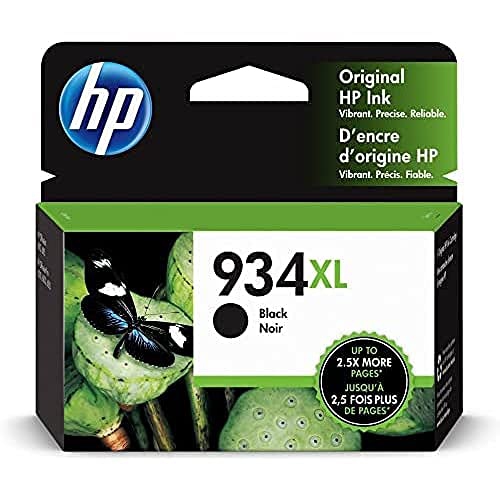
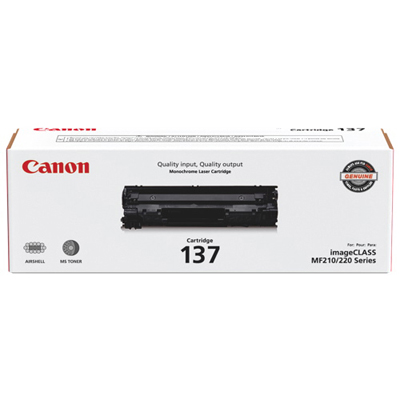
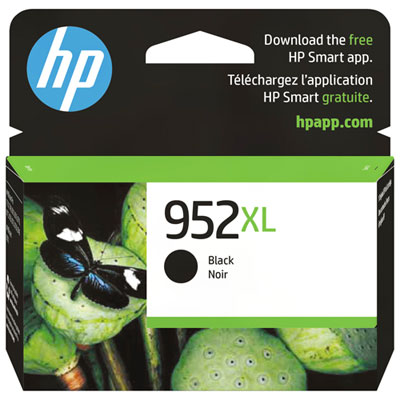
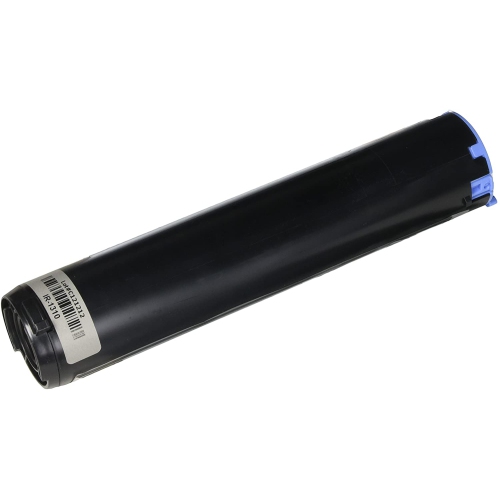
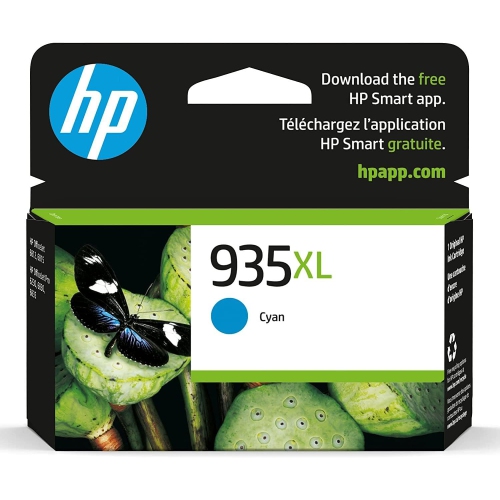
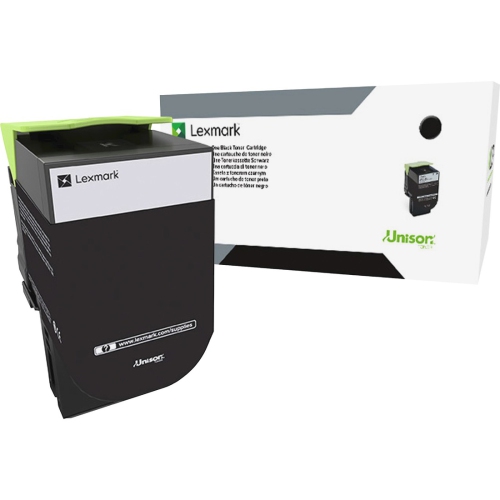
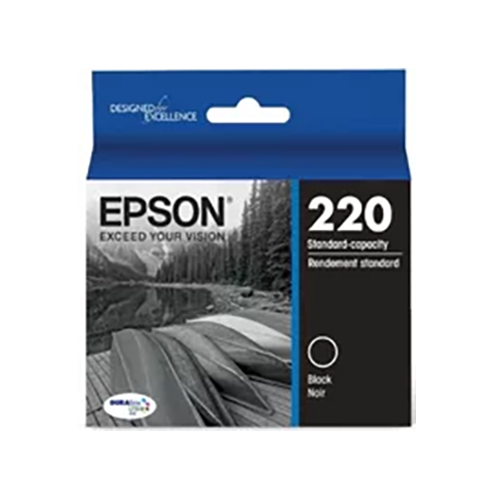
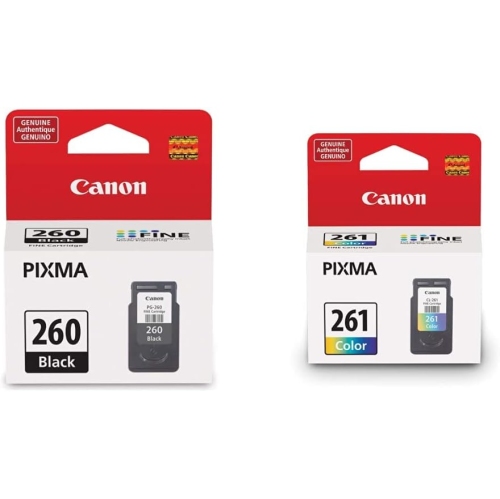
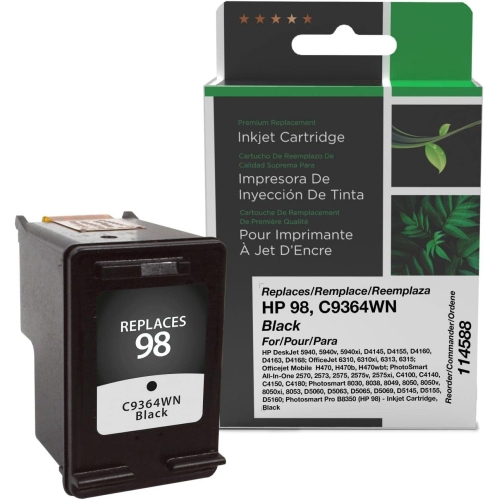
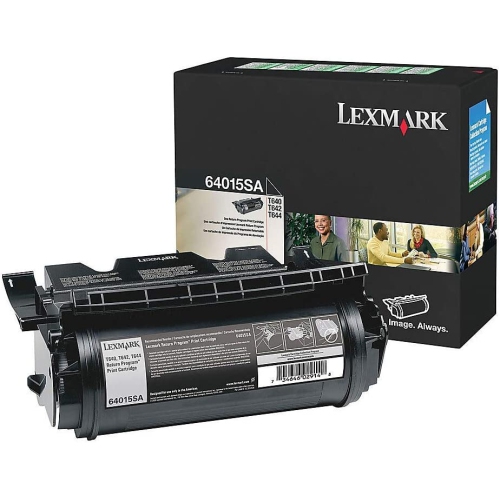
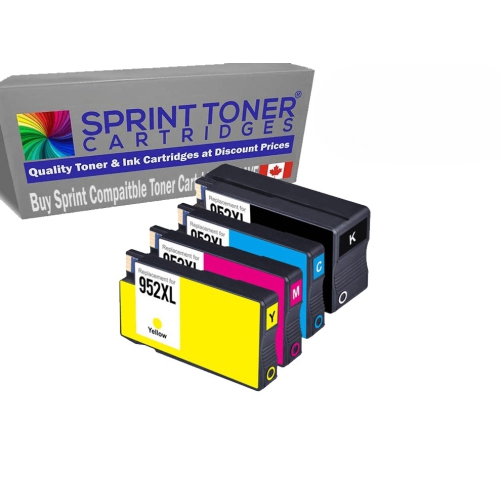
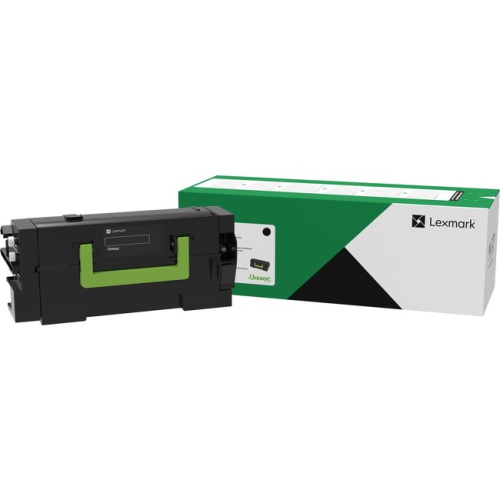
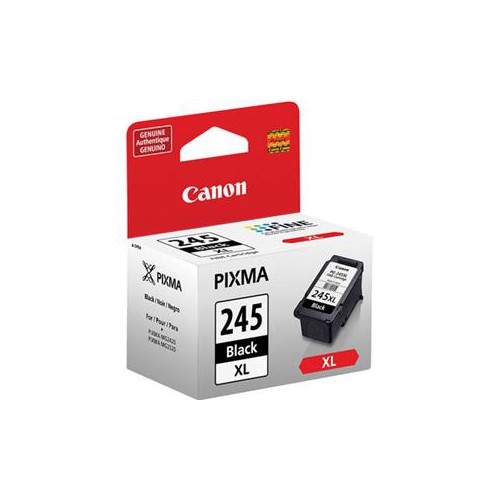
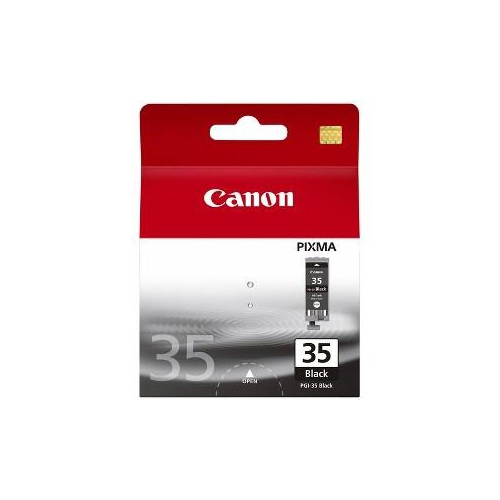
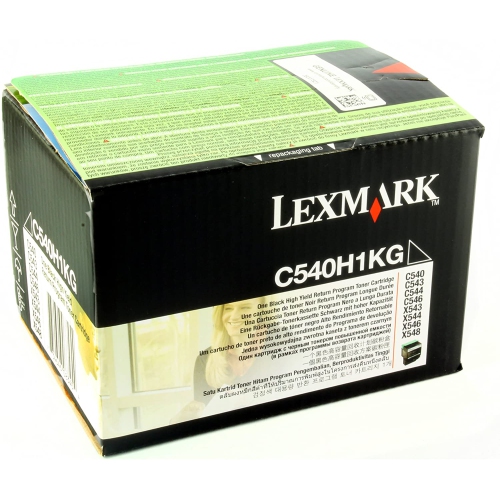
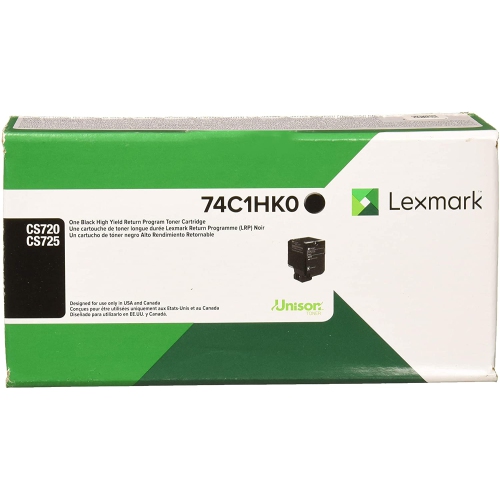
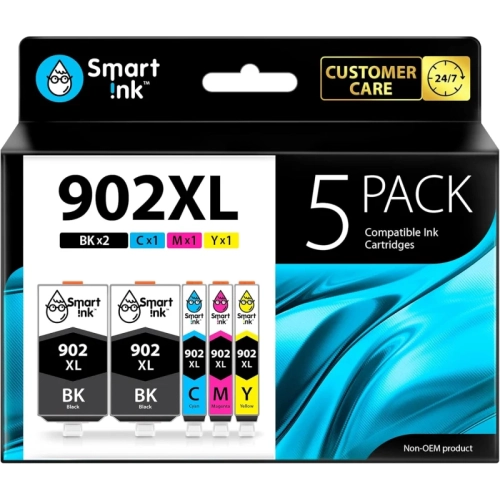
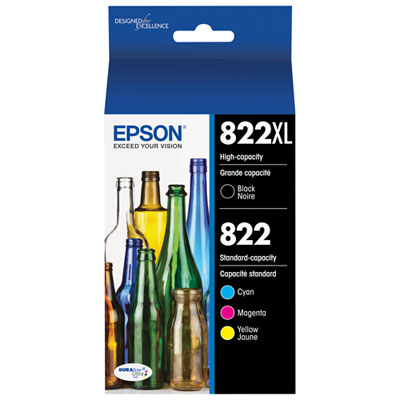
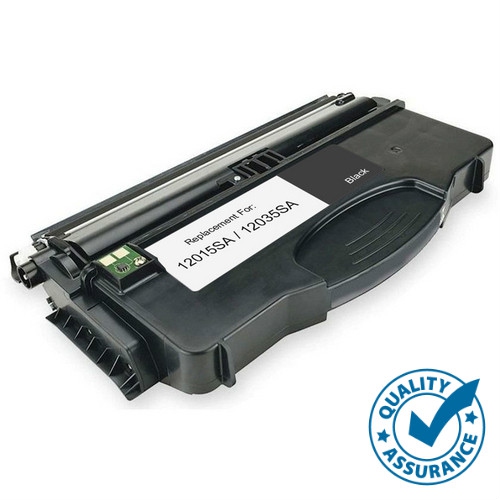
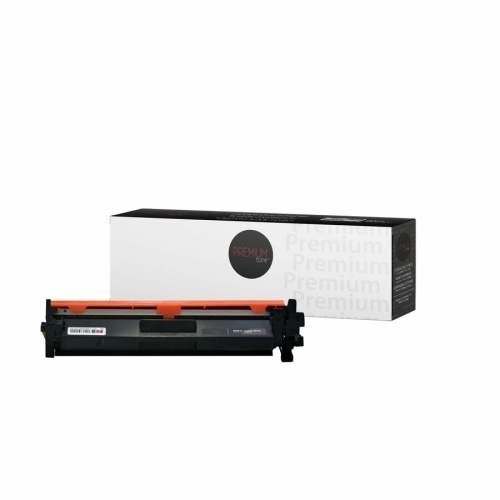
Printer ink and toner cartridges are replacement printing supplies for compatible inkjet and laser printers. Inkjet cartridges contain liquid ink, while laser cartridges contain fine toner powder, and the two types are not interchangeable. The right cartridge depends on the printer’s exact model and the cartridge number specified for that machine, not simply whether the printer produces black-and-white or colour pages. Printers that look almost identical can require different supplies, so a matching cartridge family is more useful than a similar shape or package description. Cartridge housings, electrical contacts, recognition chips, and ink or toner delivery components all contribute to fit and operation. A cartridge must seat correctly in its designated position and communicate with the printer where electronic recognition is required. Some inkjet systems combine several colours in one cartridge, while others use separate cartridges for individual colours. Separate colours allow each depleted colour to be replaced independently; a combined colour cartridge keeps several inks together in one unit. Some designs also include the printhead, while others supply ink to a printhead that remains inside the printer. Laser printing systems vary as well: the toner cartridge and imaging drum may be combined or may be separate replacement components. These distinctions matter in everyday use, whether a household printer handles school permission forms or a shared office machine produces lengthy reports. Replacement ink and toner serve different printing routines, but both are intended to restore the supply of colourant the printer needs to produce readable text and images. Compatibility information is therefore central to choosing a replacement, alongside whether the machine requires black ink, individual colour inks, a combined colour cartridge, or toner. For households with more than one printer, keeping each machine’s model details associated with its supplies helps prevent mix-ups between cartridges that appear similar but serve different systems.
Printing habits help explain the differences between cartridge formats and capacities. Standard-yield and high-yield options describe the amount of printing a cartridge is designed to support under specified test conditions, although those designations do not make cartridges universally compatible. Page-yield figures are useful points of comparison, but actual results depend on page coverage, document settings, maintenance cycles, and the mix of text and images. A page containing a short delivery label uses a different amount of ink or toner from a full-page presentation with solid colour backgrounds. Likewise, a student printing mostly essays has different needs from someone preparing illustrated classroom materials or photo-heavy project sheets. For frequent document printing, black text clarity and a capacity suited to the workload may be the main considerations. Colour printing places more emphasis on balanced tones, readable charts, and the way ink interacts with the chosen paper. Pigment-based and dye-based inks have different characteristics: pigment formulations are often used for defined text, while dye formulations are commonly associated with vivid colour output on suitable papers. Performance varies by printer, ink formulation, and paper, so neither description alone guarantees a particular result. Toner is fused to the page using heat, making laser printing a practical fit for many document-focused tasks. Colour laser output can suit graphs, diagrams, and presentation handouts, while monochrome printing centres on black text and greyscale images. Related categories such as Staples Laser Printers provide context for pairing a laser machine with its required toner type. The document itself also matters: a contract with small type needs clean edges, a seating chart needs clearly distinguishable labels, and a family photograph depends on smooth colour transitions. Matching cartridge type, printer capability, and paper helps each of these tasks produce a more appropriate result. Even a colour printer may use colour ink during certain maintenance operations or greyscale settings, depending on its design, so black-only printing behaviour is worth understanding for the particular machine.
Care and handling affect how reliably a cartridge performs from installation through its working life. Protective packaging helps keep ink cartridges sealed and shields sensitive toner components before use; leaving that packaging intact until installation reduces unnecessary exposure and handling. A dry cupboard away from direct sunlight is a practical storage location, with cartridges positioned as directed on their packaging and kept clear of children and pets. Printed storage and use-by guidance, where provided, is more relevant than assuming an unopened cartridge will perform indefinitely. During installation, protective tabs, clips, or seals need to be removed only as directed, while electrical contacts, ink outlets, and exposed imaging surfaces should remain untouched. Forcing a cartridge into place can damage the cartridge or printer, whereas the correct replacement is designed to fit its assigned compartment and locking mechanism. Once installed, inkjet cartridges generally perform best when the printer is used with reasonable regularity and allowed to complete its normal maintenance routines. Repeated cleaning cycles consume ink, so streaks or missing colours are better assessed through the printer’s own diagnostic process rather than repeated cleaning without checking the result. With laser printers, faded output or marks on a page can involve toner, the drum, paper, or other components; replacing toner alone does not resolve every print-quality issue. The durability of a finished print also depends on the ink or toner formulation, paper, handling, and exposure to moisture or light. For records that need to remain legible over time, suitable materials and sensible document storage matter alongside cartridge selection. These supplies support ordinary but important moments: a clear return label, a readable study packet, a client proposal, or a form ready for a signature. A well-matched cartridge keeps attention on those tasks, with the correct fit, appropriate capacity, and printing characteristics for the work the machine is expected to do.
Top selling and popular products
-
 Your price for this item is $40.99
-
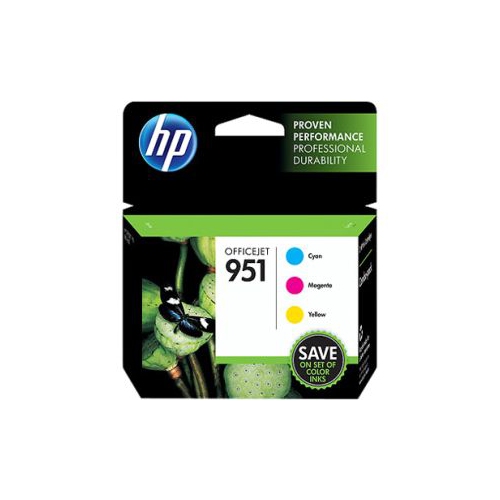 Your price for this item is $128.99
-
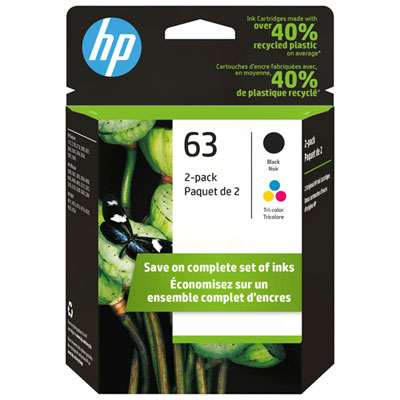 Your price for this item is $109.99
-
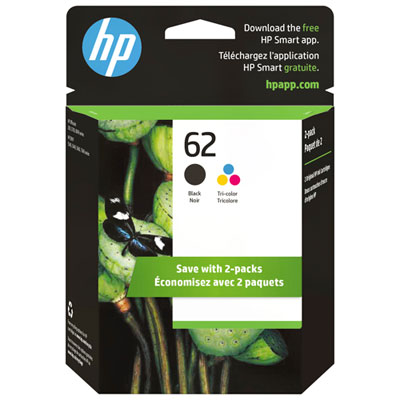 Your price for this item is $89.99
-
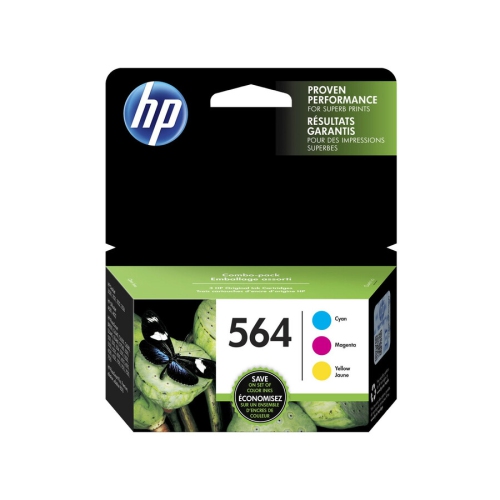 Your price for this item is $89.99
-
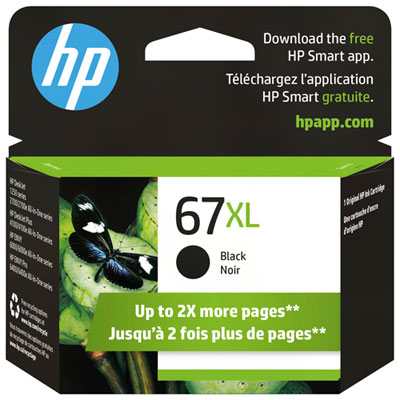 Your price for this item is $52.99
-
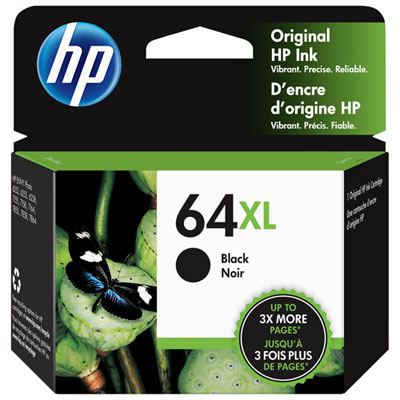 Your price for this item is $101.99
-
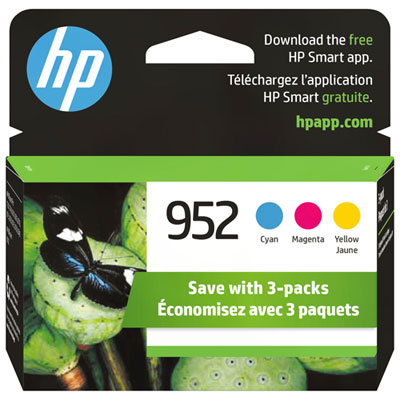 Your price for this item is $153.99
Discover more categories related to Printer Cartridge Staples
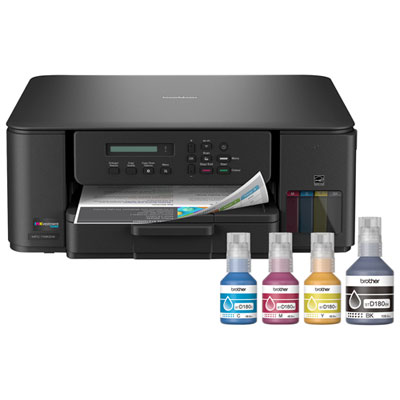
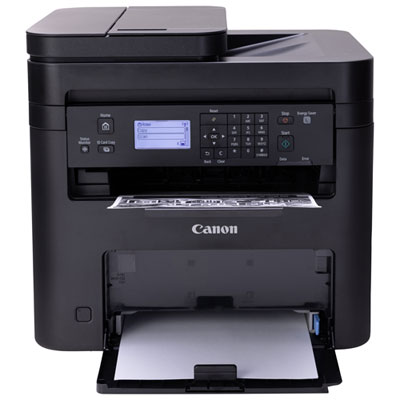
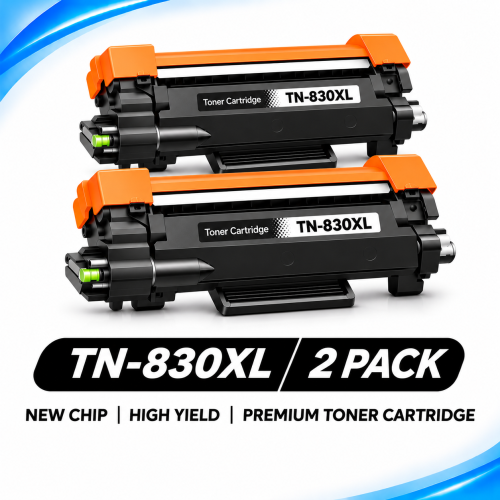
Top Collections:
Best Black Friday Deals This Year, Best Black Friday Deals On Electronics, Kindle Devices, Pokemon Centers, Best Black Friday Deals On Apple Products, Best Cameras for Sports Photography, Dyson Airwrap, Pokémon 30th Celebration Cards, Apple iPhone 17 Pro, Canon G7X Cameras
Some products may be subject to Environmental Handling Fees
(EHF) depending on your province.
Learn more about EHFs.