Professional Label Makers
Label makers are an essential tool for professionals who strive for organization and efficiency. Whether you need to label files, folders, shelves, or even cables, a professional label maker can streamline your workflow and help you stay on top of your game. With a wide range of features and options available, finding the perfect label maker to suit your needs has never been easier. From portable handheld models to desktop units with advanced printing capabilities, our selection of professional label makers offers the versatility and functionality that professionals demand. Explore our collection now and take the first step towards a more organized and productive workspace.
Sort
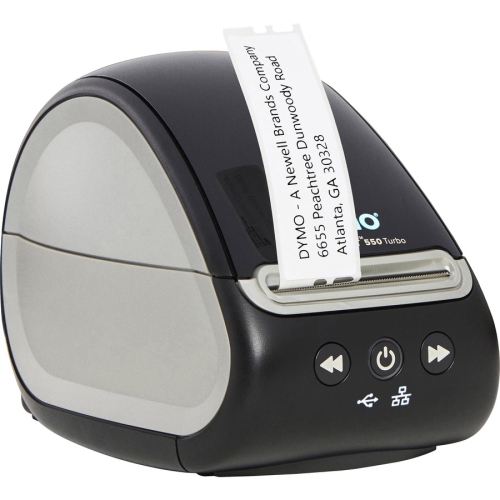
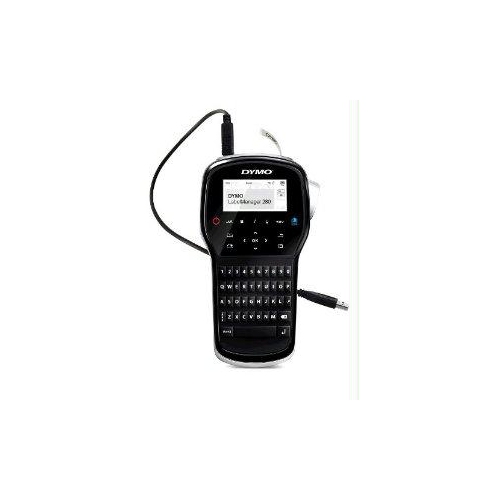
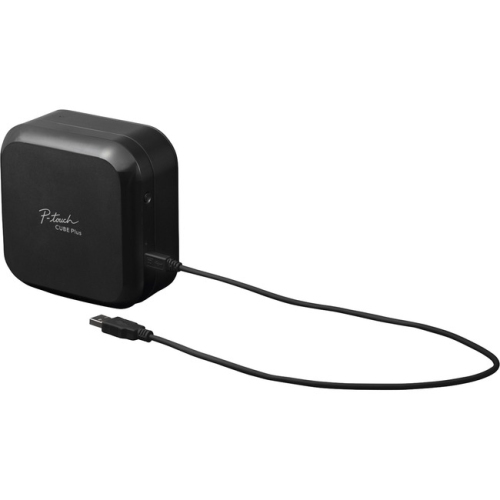
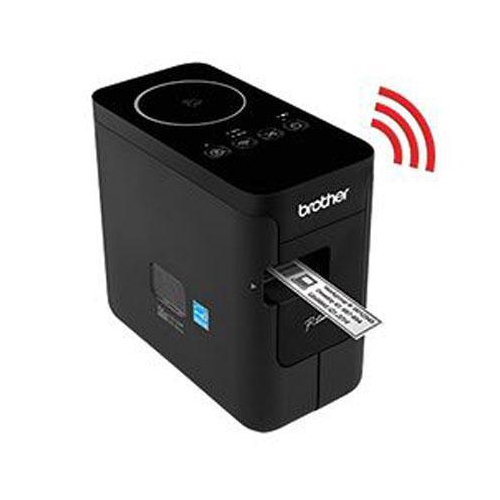
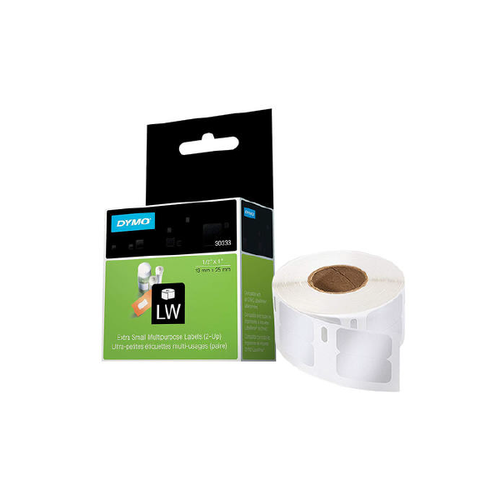
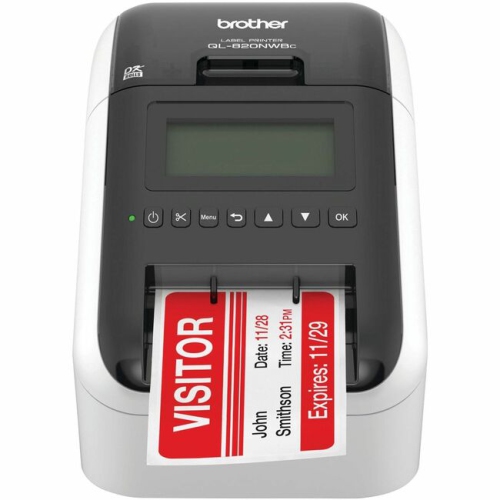
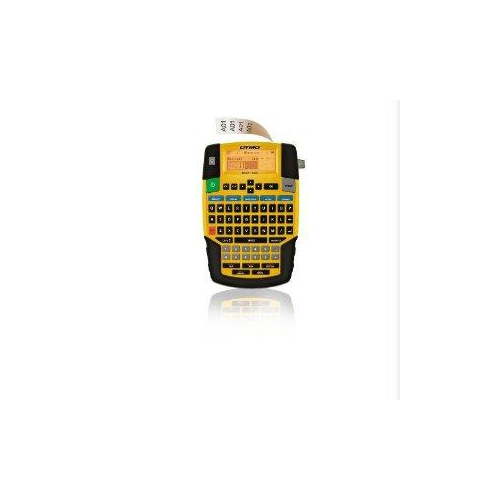
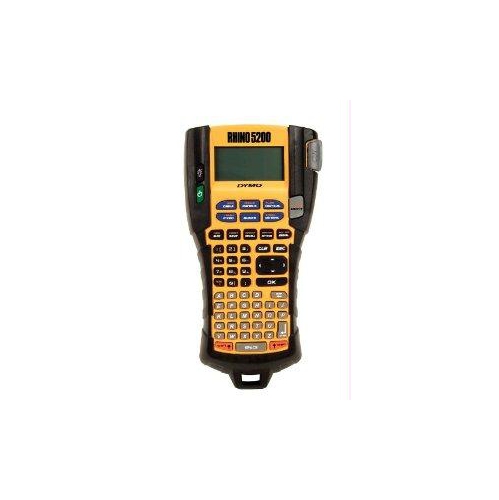
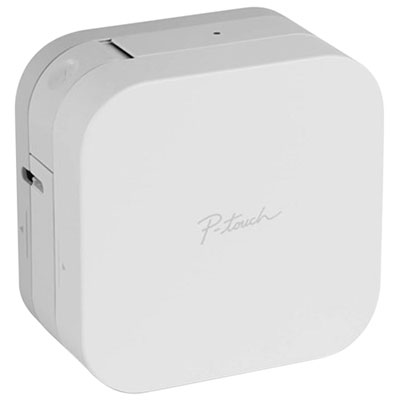
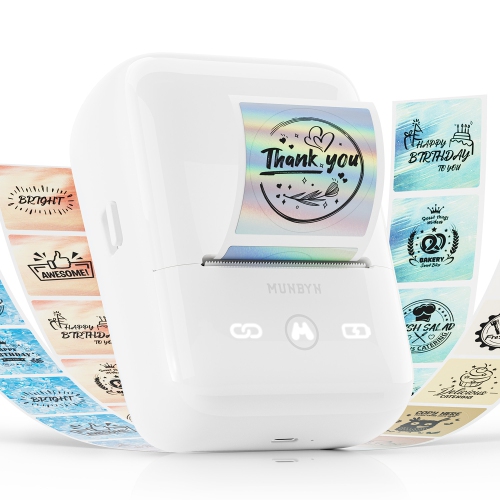
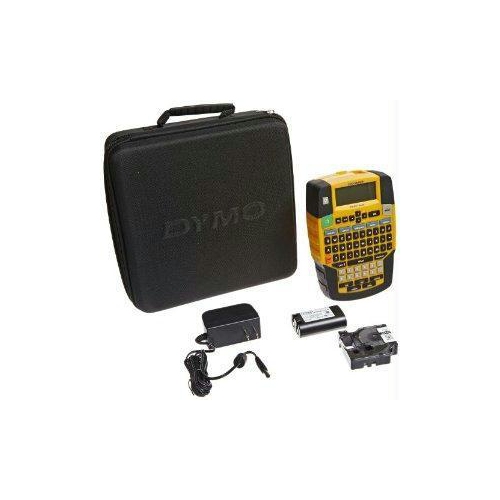
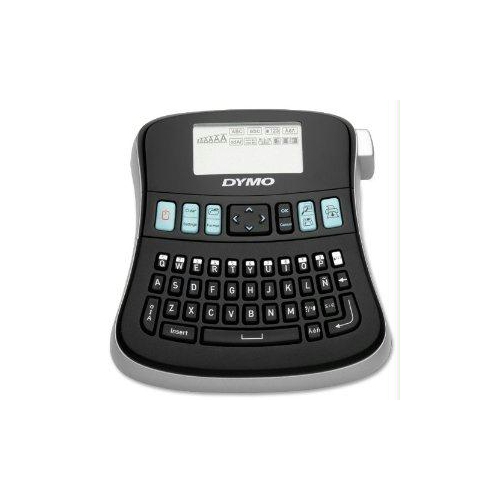
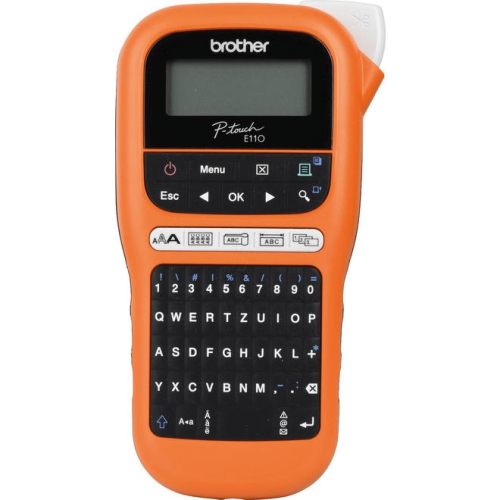
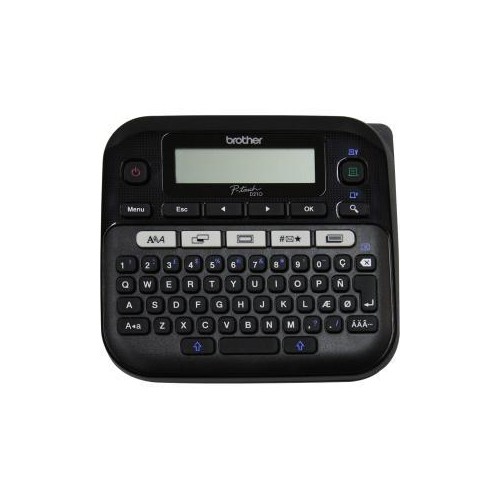
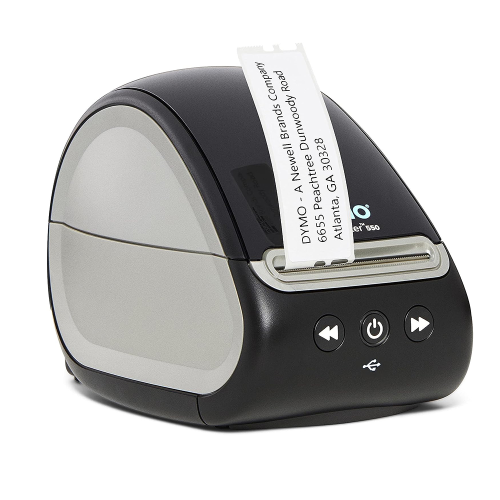
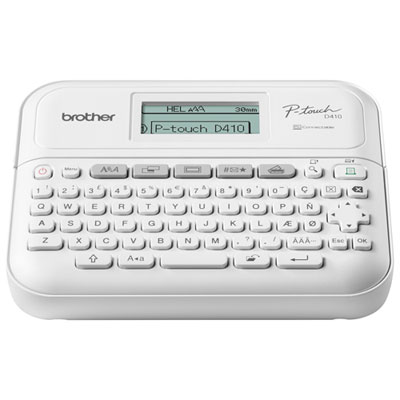
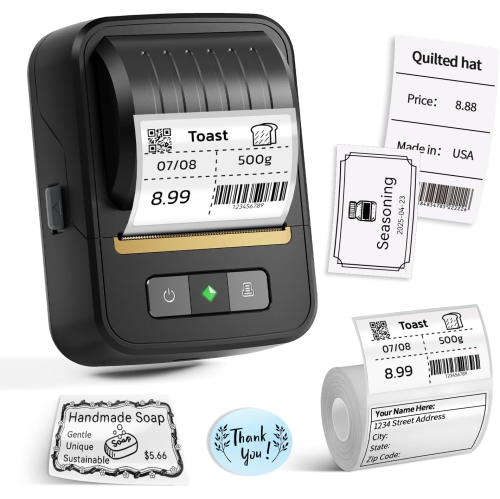
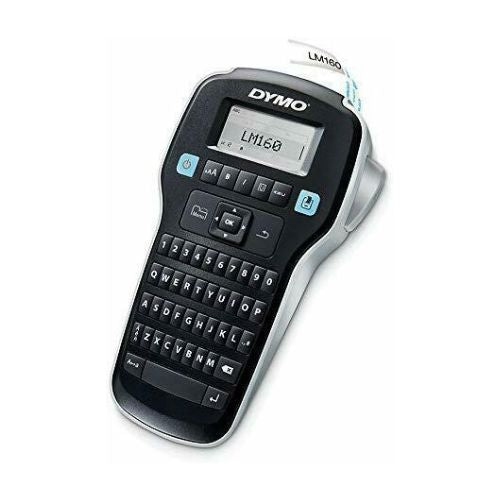
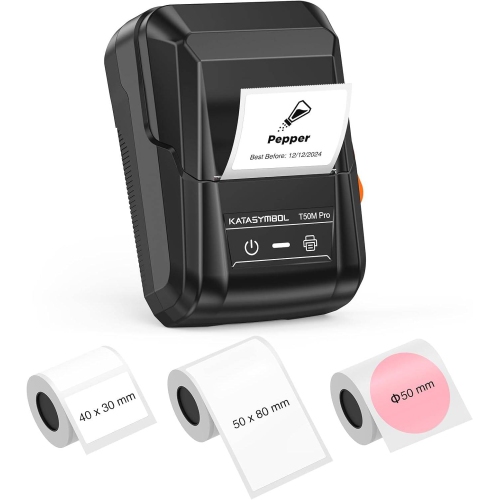
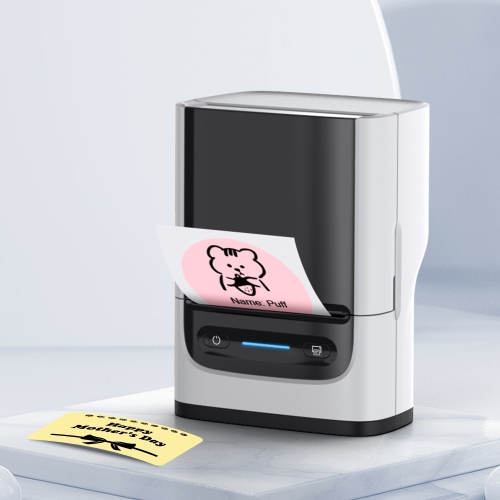
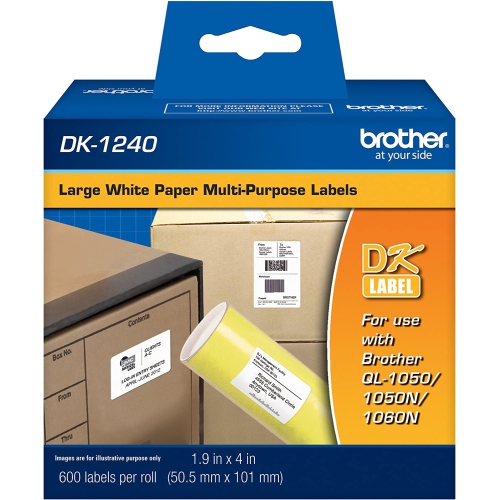
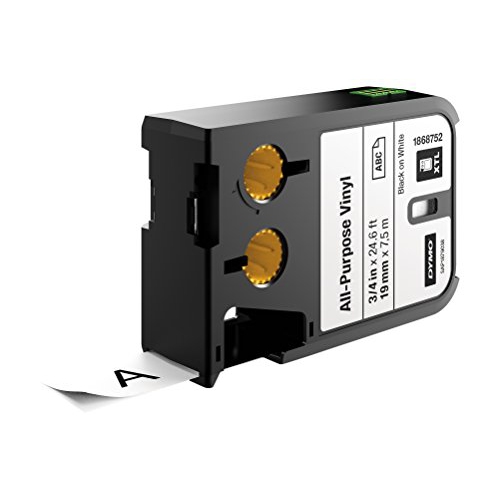
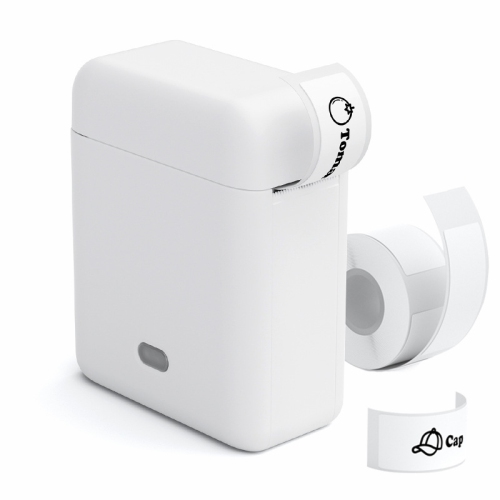
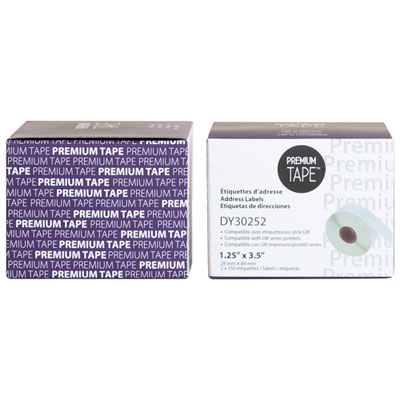
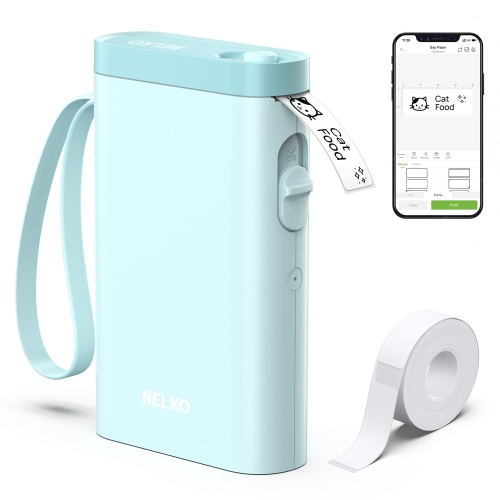
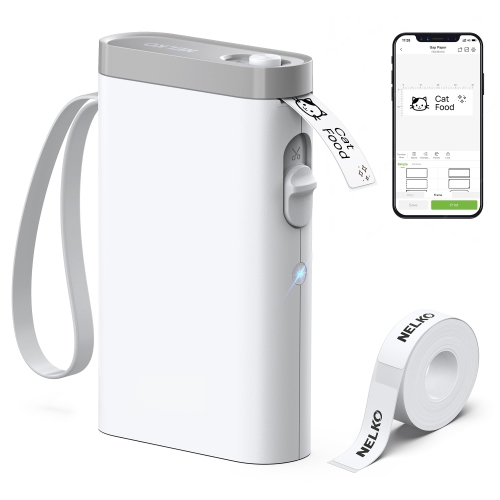
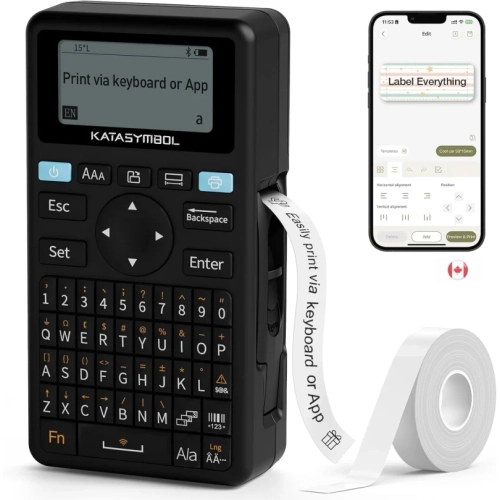
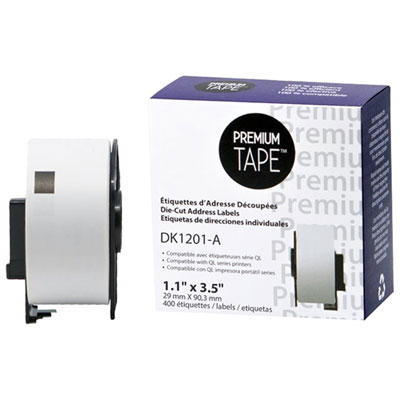
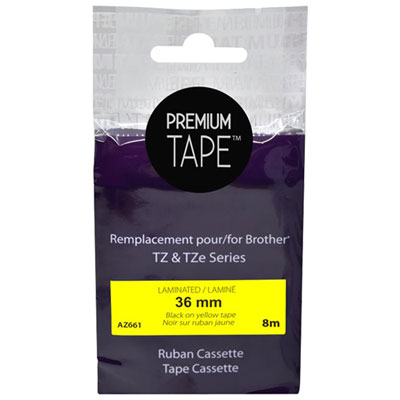
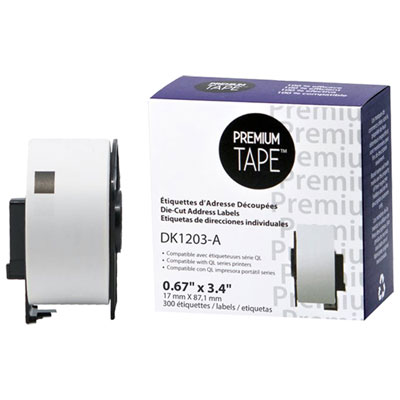
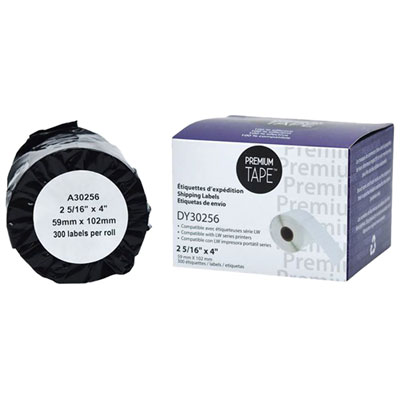
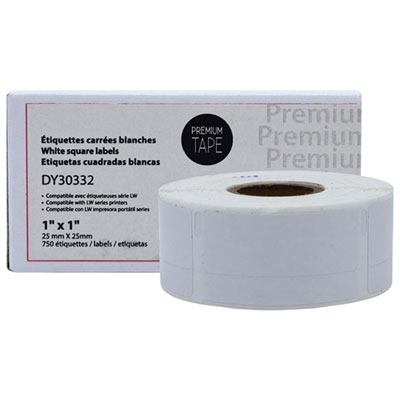
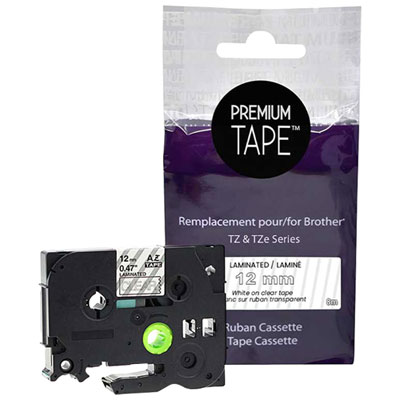

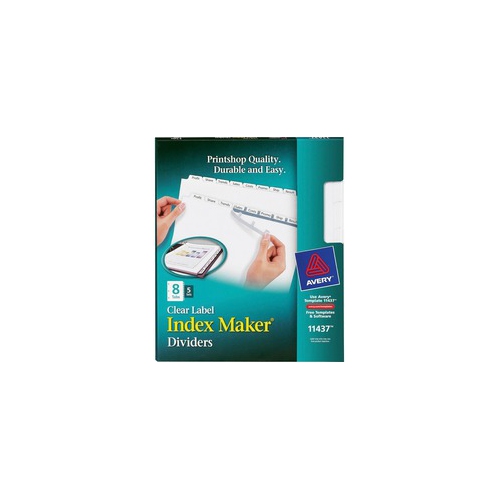
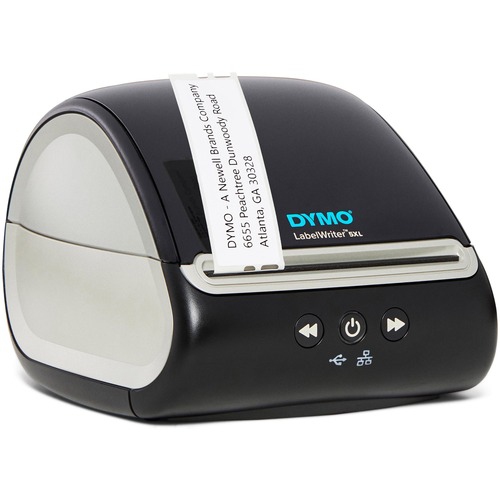
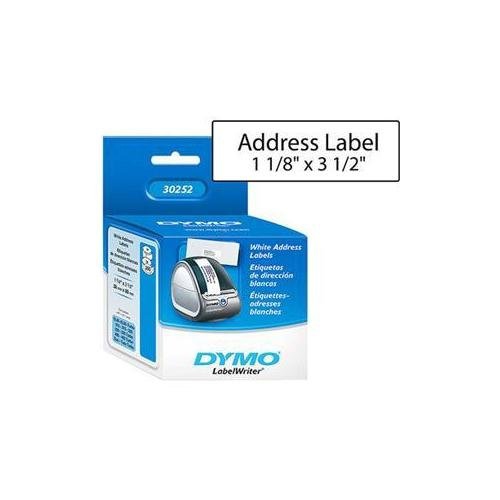

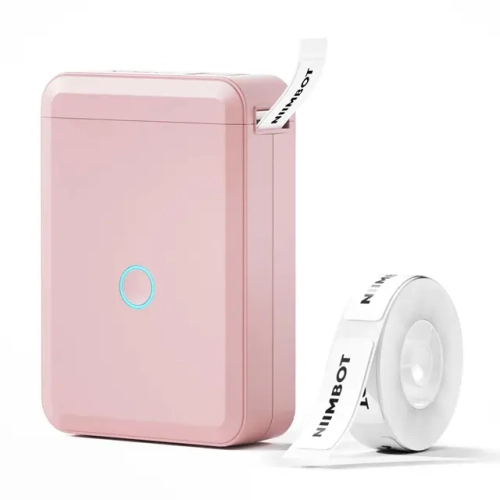
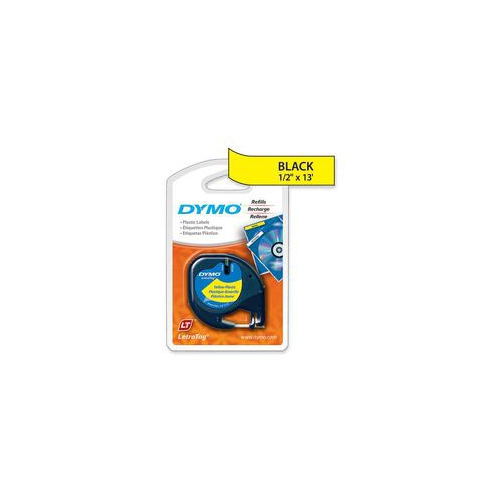
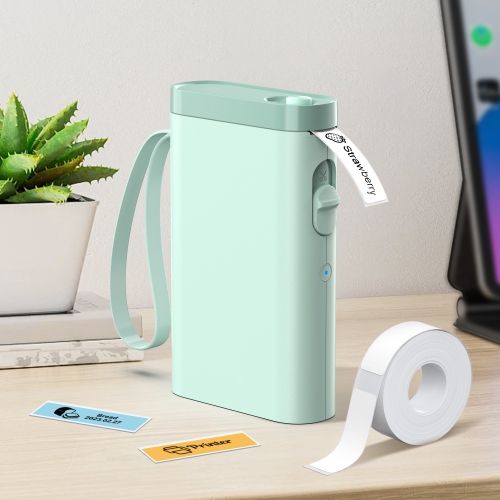
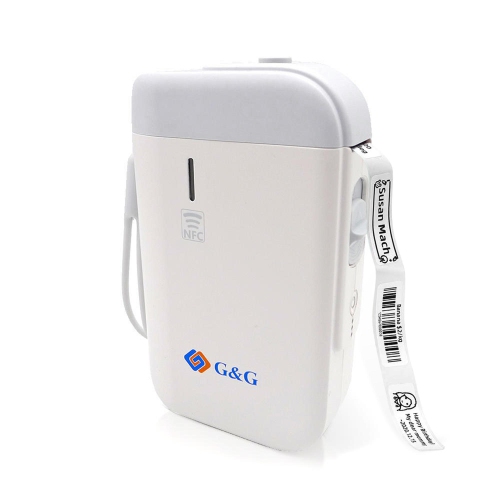
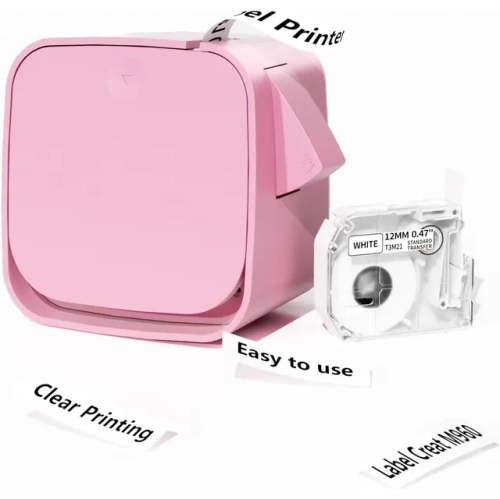
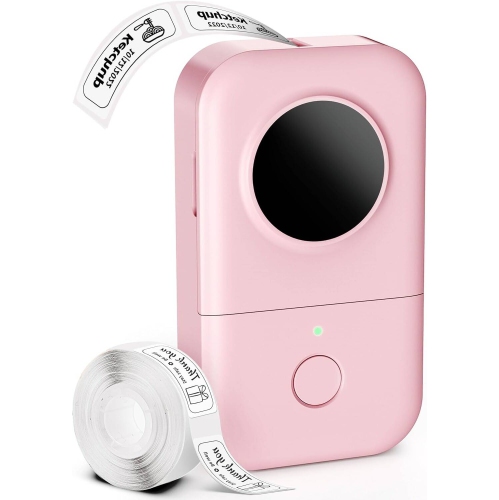
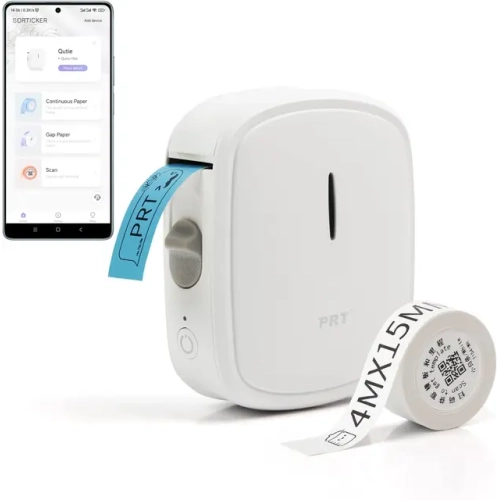
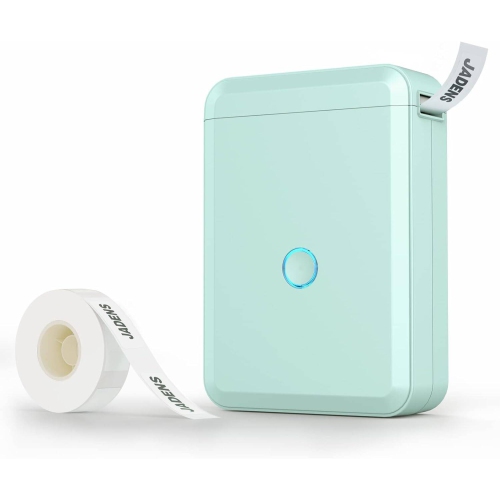
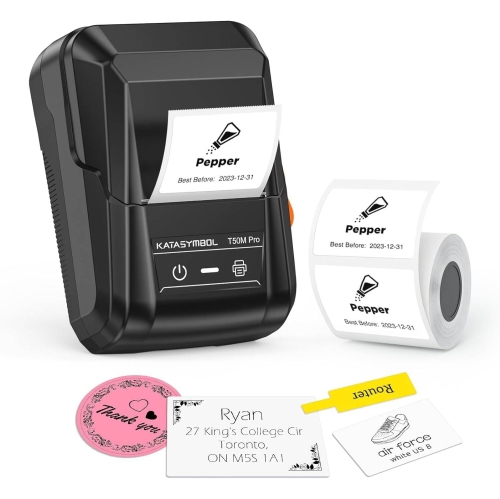
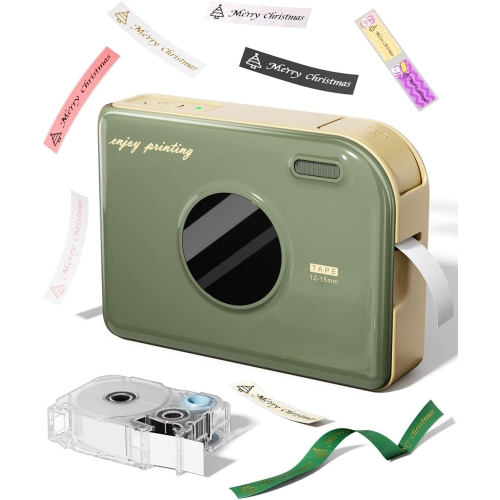
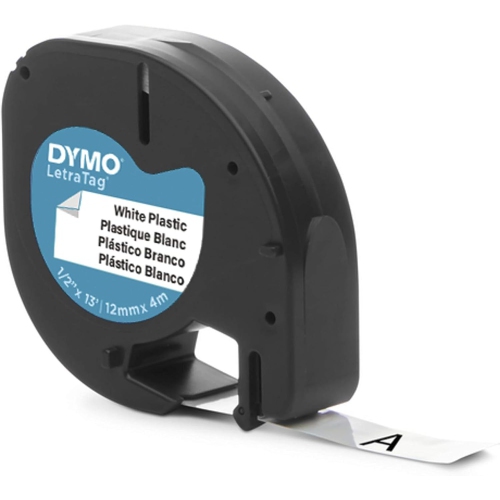
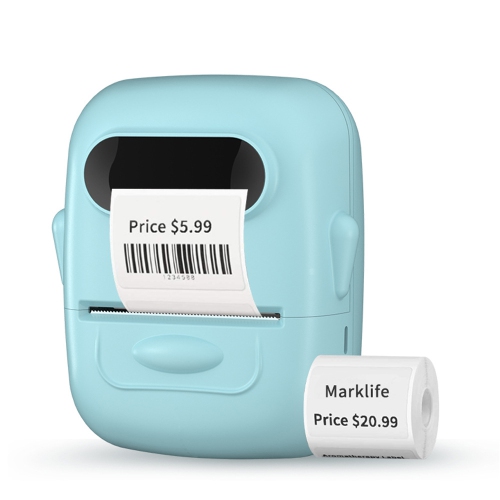
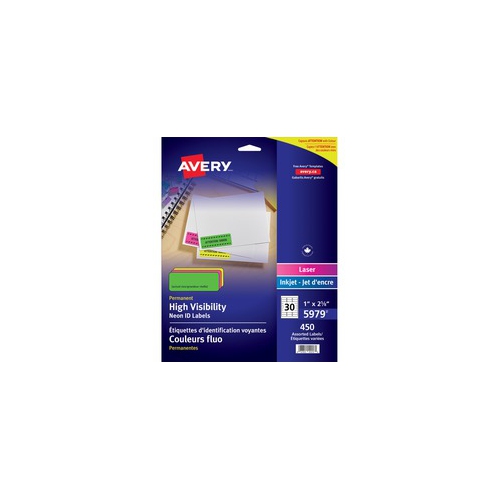
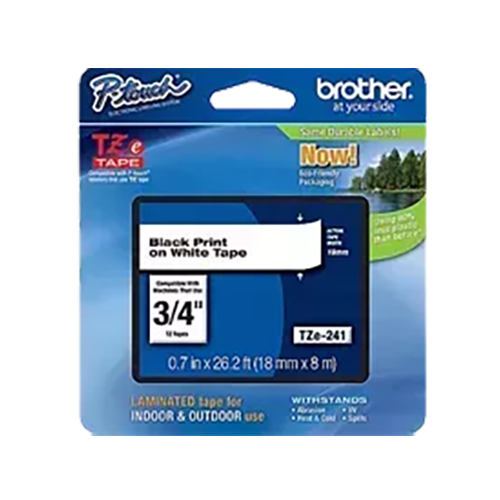
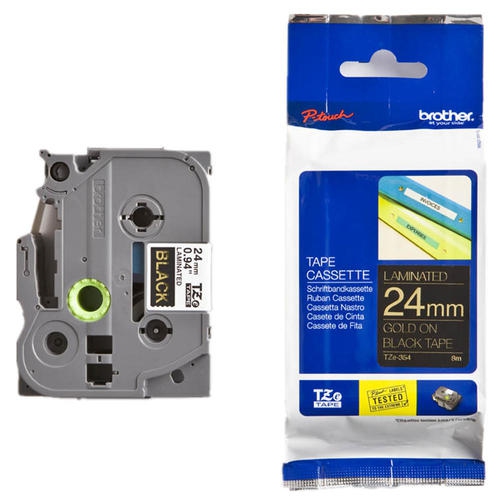
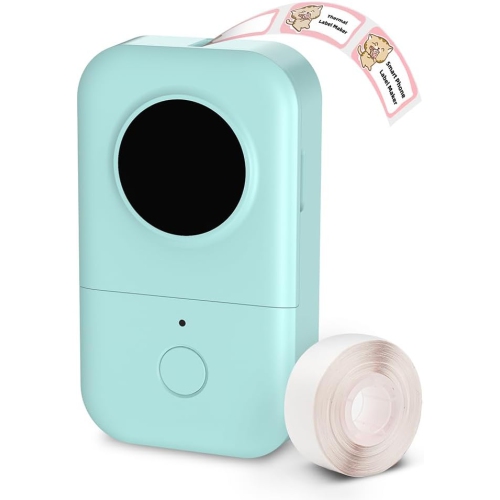
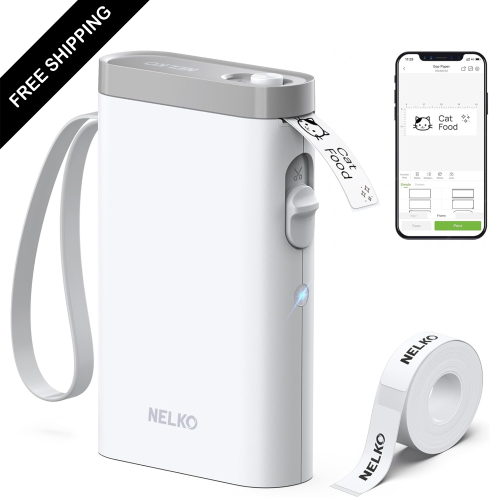
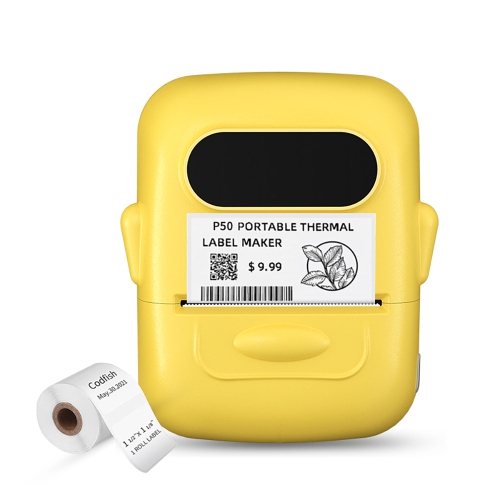
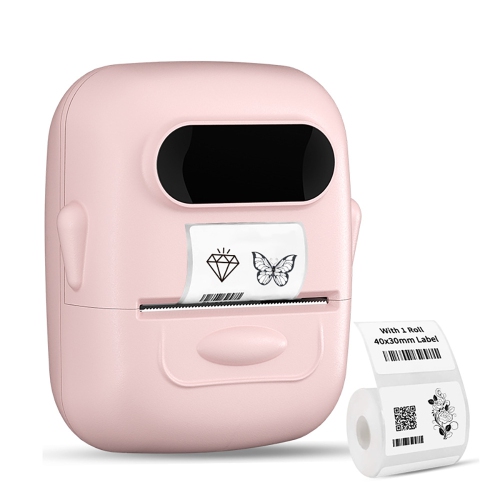
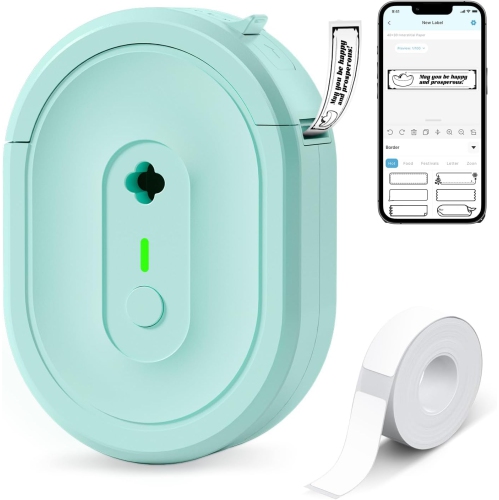
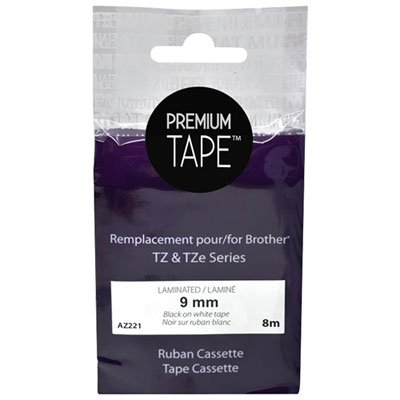
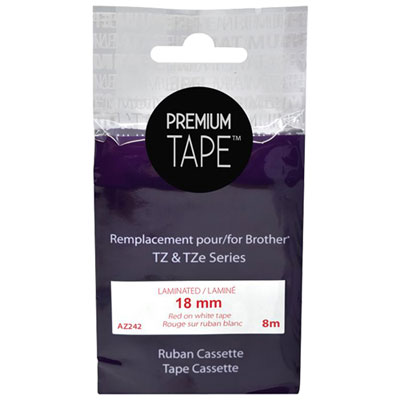
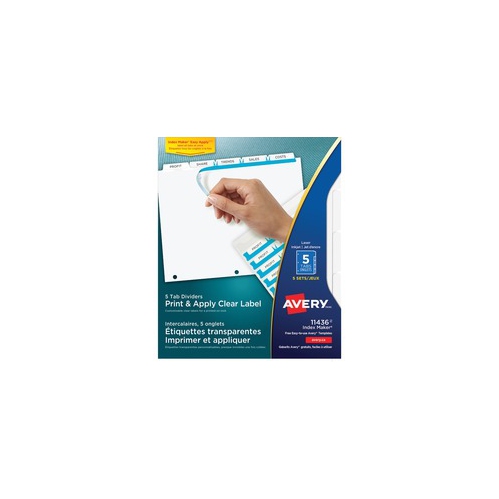
Clear labels take the guesswork out of shared workspaces
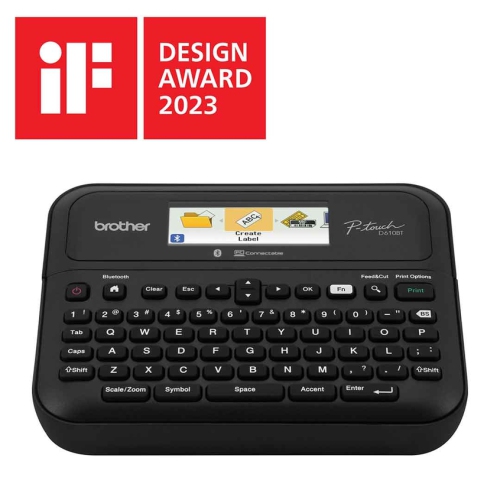
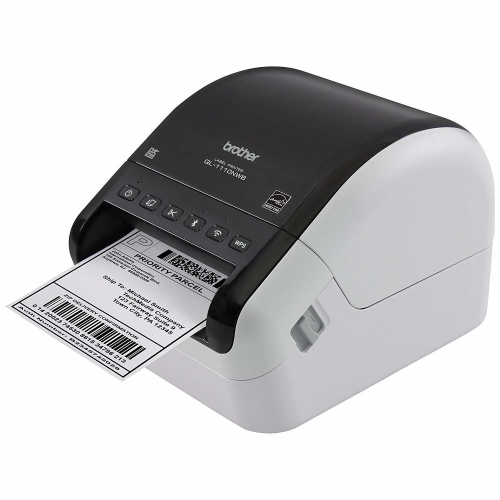
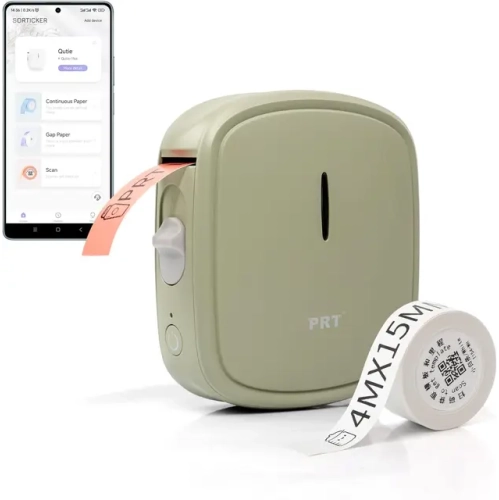
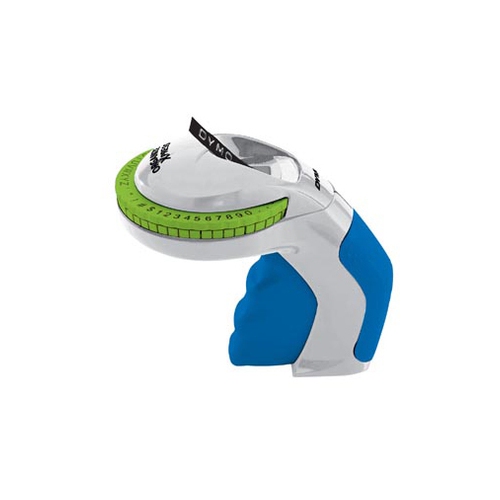
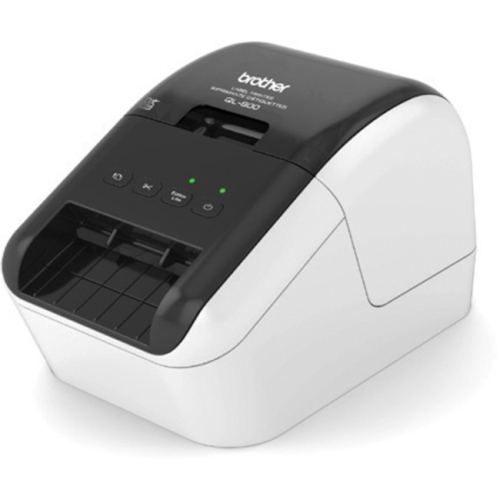
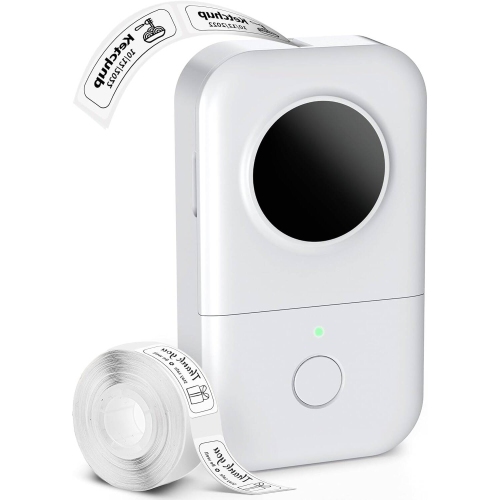
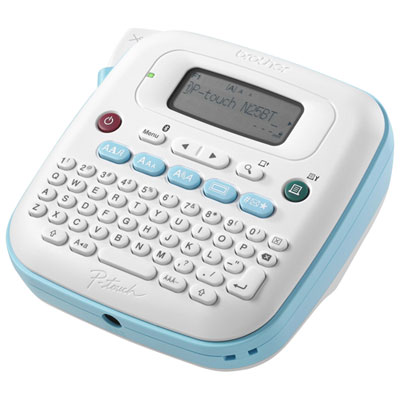
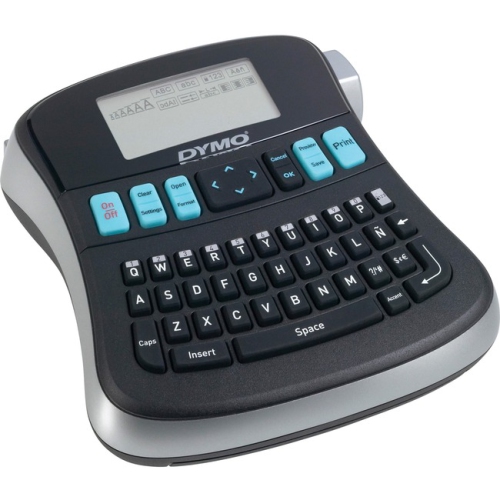
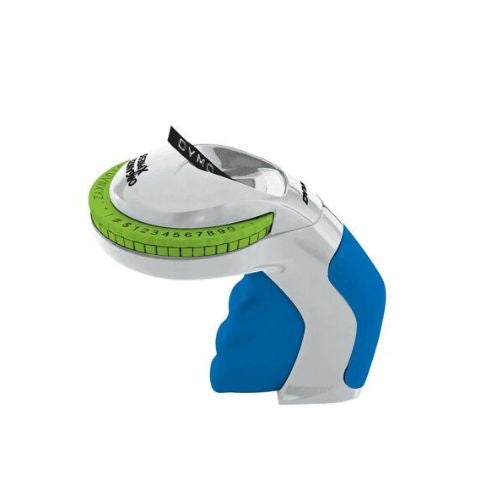
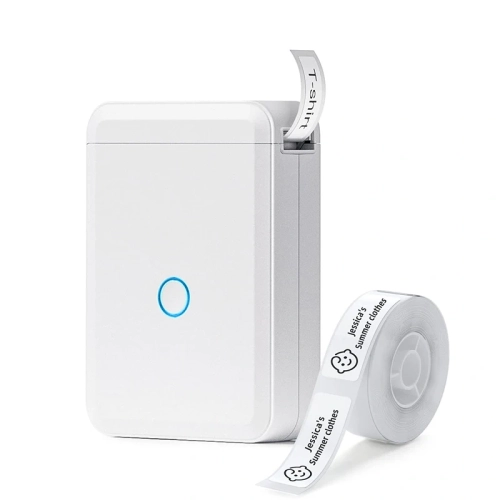
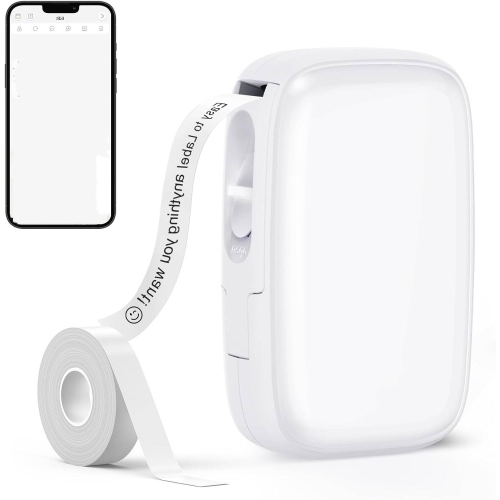
Professional label makers produce clear, consistent labels for workplaces where identification needs to be easy to read and built to last. From neatly marked filing drawers to cable flags behind a server rack, they help turn a collection of similar-looking objects into an orderly, usable system. Office administrators, electricians, IT technicians, warehouse teams, property managers, and small business owners all have different labelling needs, but the goal is much the same: make the right information visible exactly where it is needed. A folder spine might need only a name and date, while an equipment label may call for an asset number, barcode, and department name. Professional labelling machines can offer features such as adjustable text sizes, multiple lines, industry-specific symbols, saved layouts, and sequential numbering, depending on the model. That flexibility matters when a job grows from marking a handful of storage bins to identifying an entire room of equipment. Picture a supply cupboard with matching labels on every shelf: the printer paper has a clear home, spare cables are separated by type, and the person restocking it does not have to guess where anything belongs. In a workshop, readable drawer labels make small parts easier to find without pulling open every compartment. In shared offices, consistent labels can make onboarding and everyday handovers less dependent on someone remembering where things were put. Print quality is especially important for small lettering, detailed symbols, and scannable codes; a higher print resolution can help keep fine details legible, although label size and layout also affect readability. Durability depends on the label material and adhesive as well as the printer itself. For professional use, the useful distinction is not simply how many formatting options a machine offers, but whether it can produce the right label for the surface, handling, and conditions involved. A well-matched label maker supports repeatable work, whether it stays beside a reception desk or travels between maintenance calls.
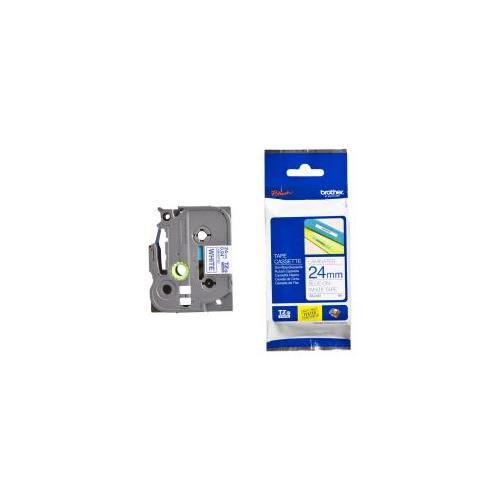
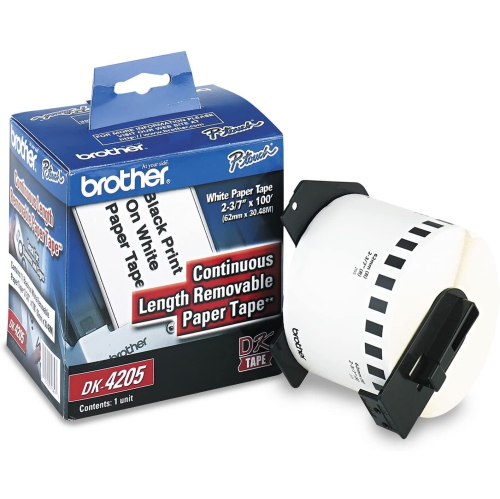
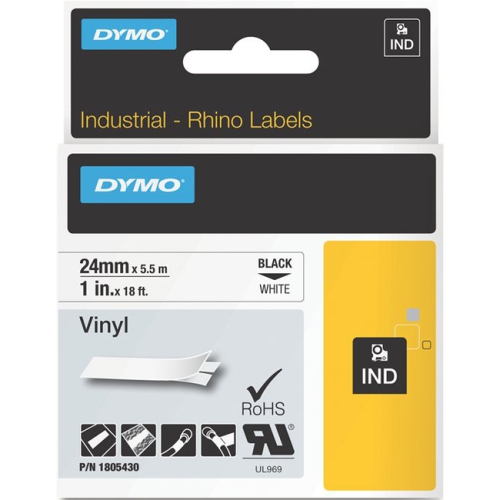
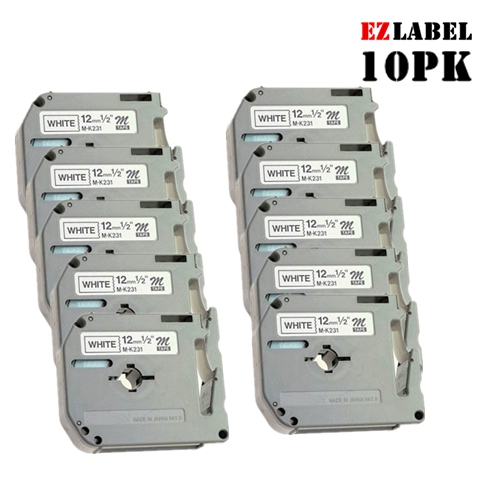
The biggest purchase consideration is often the label material a machine accepts. Laminated tape can help protect printed text against abrasion, moisture, and certain chemicals, but resistance varies by tape and should be checked against the intended application. General-purpose adhesive may work well on clean, smooth storage containers, while textured surfaces, curved cables, and frequently handled tools may require a more specialised option. Removable labels suit temporary assignments and changing storage layouts; stronger adhesives are better suited to identification meant to stay in place. Cable wraps and flag labels keep information visible around wiring, while compatible heat-shrink tubing can provide a close-fitting identifier on cables when properly sized and installed. Not every professional label maker supports these materials, so checking compatibility before purchasing is essential. Maximum label width is another practical detail. Narrow tape fits slim folder tabs and small components, whereas wider tape leaves room for larger lettering, multiple lines, or a barcode with readable text beneath it. For barcode applications, allow enough space around the code and test it with the scanner that will actually be used. Colour choices can help distinguish departments, storage zones, or equipment groups, although coloured tape does not necessarily mean a machine prints in full colour. Thermal-transfer systems use a ribbon to transfer the printed image onto compatible media; direct-thermal systems use heat-sensitive media and may be less suitable for labels exposed to prolonged heat or light. The right choice depends on how long the label must remain readable. It also helps to separate equipment and cable labelling from parcel labelling: a compact tape-based machine is not automatically suitable for standard shipping labels. For adhesive labels, start with a clean, dry surface and follow the media instructions for application temperature and handling. A label placed on a dusty tool case or a damp container may lift early, even when the material is otherwise suitable. Replacement tape availability, cartridge capacity, ribbon requirements, and the amount of blank material used between labels all contribute to ongoing costs.
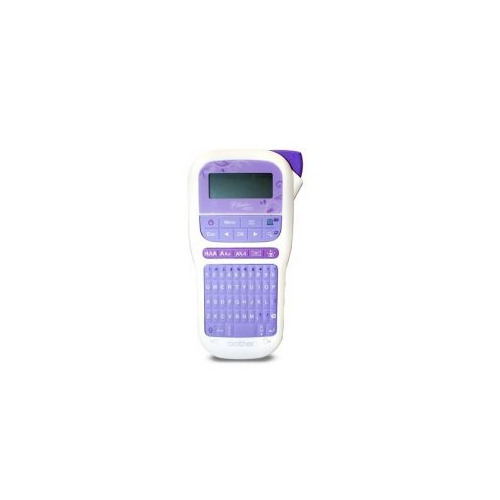
Day-to-day comfort and workflow deserve just as much attention as print specifications. A handheld professional label maker with a physical keyboard and readable display is useful when labels need to be created beside the work rather than at a computer. A print preview can help catch a clipped word or an awkward line break before tape is used, while dedicated formatting keys can make repeated cable or panel labels faster to prepare. For larger batches, a desktop label maker with compatible software may offer more room to build templates, import lists, or manage sequential identifiers. USB, Bluetooth, and Wi-Fi connections are available on different models, but each connection should be checked alongside supported operating systems, mobile devices, and software functions. Wireless connectivity alone does not guarantee that every layout or data-import feature is available from a phone. An automatic cutter can simplify repetitive jobs, and a half-cut function, where supported, can leave labels attached to a backing strip for easier handling before application. Battery operation helps with mobile work; an AC adapter suits a fixed workstation. Teams carrying equipment between sites may also value a protective case, a secure grip, and clearly stated drop-resistance specifications. For lighter tasks that move between desks, cupboards, and storage areas, Portable Label Makers for Organization offer a related option worth considering alongside more specialised professional machines. The best fit is not always the model with the longest feature list. Someone labelling office files may get more value from a comfortable keyboard and easy-peel tape than from advanced electrical symbols, while a technician working through dozens of cable identifiers may appreciate saved templates and repeat-print functions every day. A professional label maker can also be a thoughtful, practical gift for someone opening a small business, setting up a workshop, or taking responsibility for a shared workspace, especially when paired with compatible supplies suited to their work. Whether the task is tidying stock shelves or identifying essential equipment, clear labels make the next visit to that drawer, cupboard, or cable bundle a little more straightforward.
The biggest purchase consideration is often the label material a machine accepts. Laminated tape can help protect printed text against abrasion, moisture, and certain chemicals, but resistance varies by tape and should be checked against the intended application. General-purpose adhesive may work well on clean, smooth storage containers, while textured surfaces, curved cables, and frequently handled tools may require a more specialised option. Removable labels suit temporary assignments and changing storage layouts; stronger adhesives are better suited to identification meant to stay in place. Cable wraps and flag labels keep information visible around wiring, while compatible heat-shrink tubing can provide a close-fitting identifier on cables when properly sized and installed. Not every professional label maker supports these materials, so checking compatibility before purchasing is essential. Maximum label width is another practical detail. Narrow tape fits slim folder tabs and small components, whereas wider tape leaves room for larger lettering, multiple lines, or a barcode with readable text beneath it. For barcode applications, allow enough space around the code and test it with the scanner that will actually be used. Colour choices can help distinguish departments, storage zones, or equipment groups, although coloured tape does not necessarily mean a machine prints in full colour. Thermal-transfer systems use a ribbon to transfer the printed image onto compatible media; direct-thermal systems use heat-sensitive media and may be less suitable for labels exposed to prolonged heat or light. The right choice depends on how long the label must remain readable. It also helps to separate equipment and cable labelling from parcel labelling: a compact tape-based machine is not automatically suitable for standard shipping labels. For adhesive labels, start with a clean, dry surface and follow the media instructions for application temperature and handling. A label placed on a dusty tool case or a damp container may lift early, even when the material is otherwise suitable. Replacement tape availability, cartridge capacity, ribbon requirements, and the amount of blank material used between labels all contribute to ongoing costs.
Day-to-day comfort and workflow deserve just as much attention as print specifications. A handheld professional label maker with a physical keyboard and readable display is useful when labels need to be created beside the work rather than at a computer. A print preview can help catch a clipped word or an awkward line break before tape is used, while dedicated formatting keys can make repeated cable or panel labels faster to prepare. For larger batches, a desktop label maker with compatible software may offer more room to build templates, import lists, or manage sequential identifiers. USB, Bluetooth, and Wi-Fi connections are available on different models, but each connection should be checked alongside supported operating systems, mobile devices, and software functions. Wireless connectivity alone does not guarantee that every layout or data-import feature is available from a phone. An automatic cutter can simplify repetitive jobs, and a half-cut function, where supported, can leave labels attached to a backing strip for easier handling before application. Battery operation helps with mobile work; an AC adapter suits a fixed workstation. Teams carrying equipment between sites may also value a protective case, a secure grip, and clearly stated drop-resistance specifications. For lighter tasks that move between desks, cupboards, and storage areas, Portable Label Makers for Organization offer a related option worth considering alongside more specialised professional machines. The best fit is not always the model with the longest feature list. Someone labelling office files may get more value from a comfortable keyboard and easy-peel tape than from advanced electrical symbols, while a technician working through dozens of cable identifiers may appreciate saved templates and repeat-print functions every day. A professional label maker can also be a thoughtful, practical gift for someone opening a small business, setting up a workshop, or taking responsibility for a shared workspace, especially when paired with compatible supplies suited to their work. Whether the task is tidying stock shelves or identifying essential equipment, clear labels make the next visit to that drawer, cupboard, or cable bundle a little more straightforward.
Top selling and popular products
-
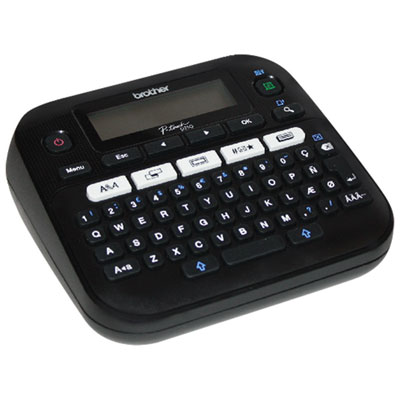 Your price for this item is $44.99
 -
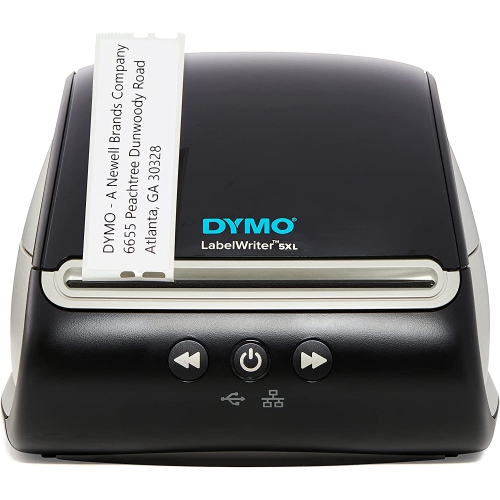 Your price for this item is $370.68
 -
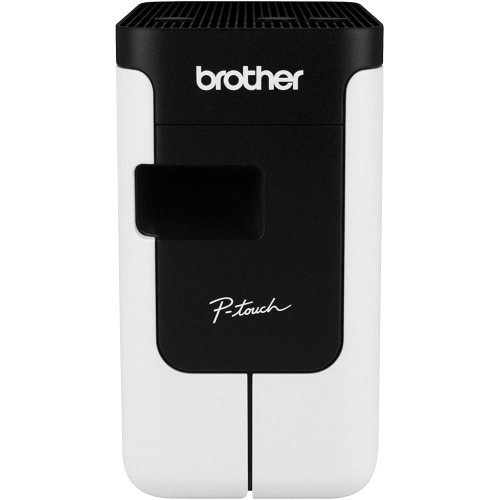 Your price for this item is $149.99
 -
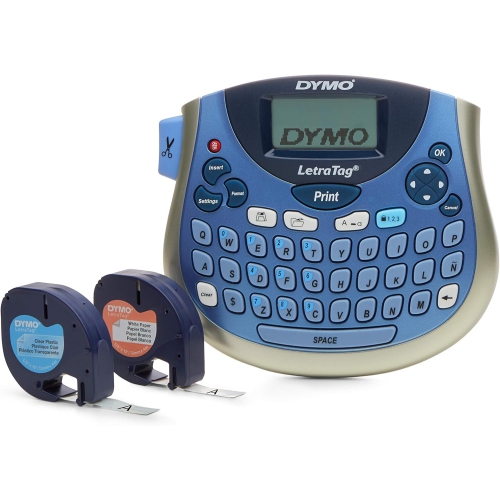 Your price for this item is $69.9
 -
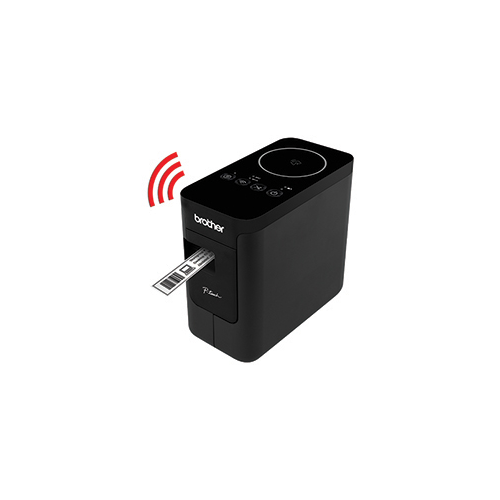 Your price for this item is $158.99
 -
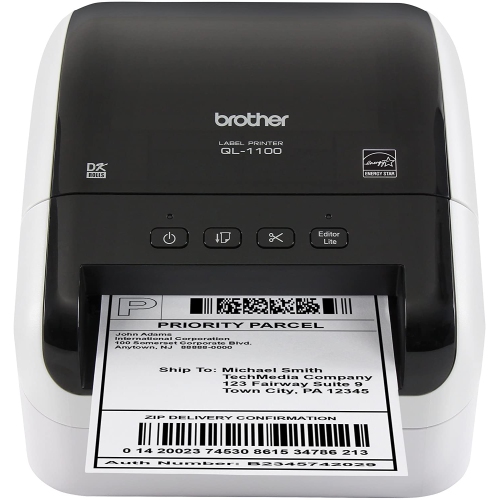 Your price for this item is $395
 -
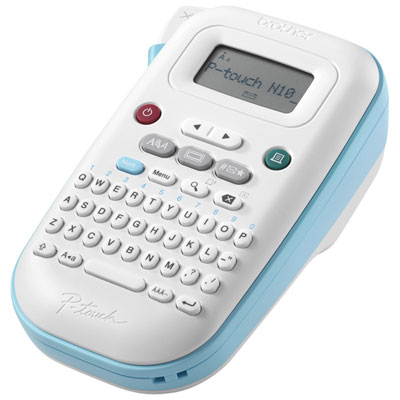 Your price for this item is $39.99
 -
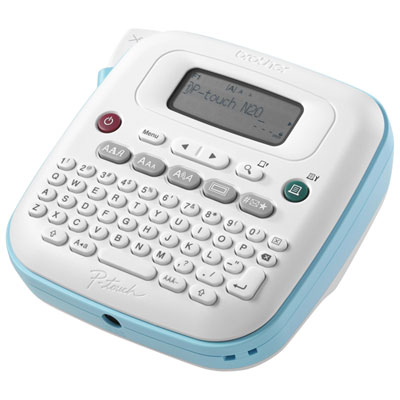 Your price for this item is $27.99
Discover more categories related to Professional Label Makers
Top Collections:
Pokemon Centers, Kindle Devices, Best Budget Office Chairs, Apple iPhones 16, Best Laptops for Writers, iPhone 15 Apple, Canon G7X Cameras, Refurbished Apple Laptops, Alarm Clock, Motorola Razr Phones
Some products may be subject to Environmental Handling Fees
(EHF) depending on your province.
Learn more about EHFs.