Quick Charging Stations
Looking for a convenient solution to keep all your devices powered up and ready to go? Look no further than our selection of quick charging stations. Whether you're at home, in the office, or on the go, these charging stations are designed to deliver fast and efficient charging for your smartphones, tablets, smartwatches, and more.
Sort







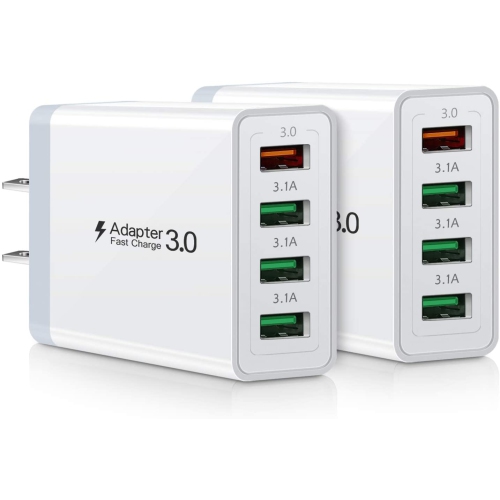
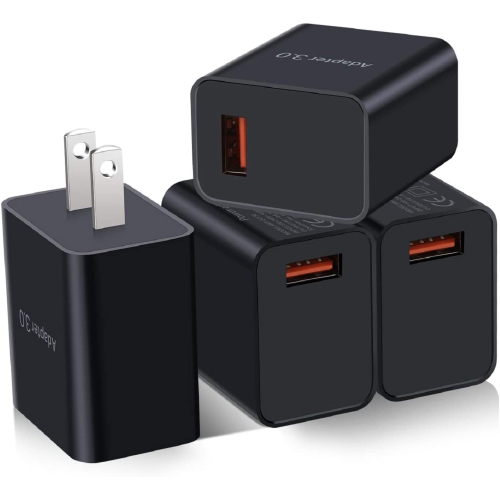
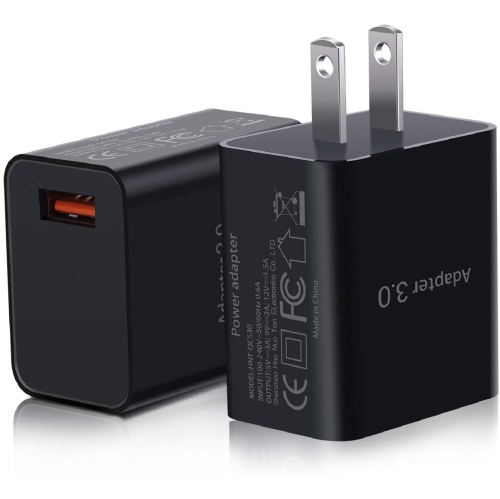
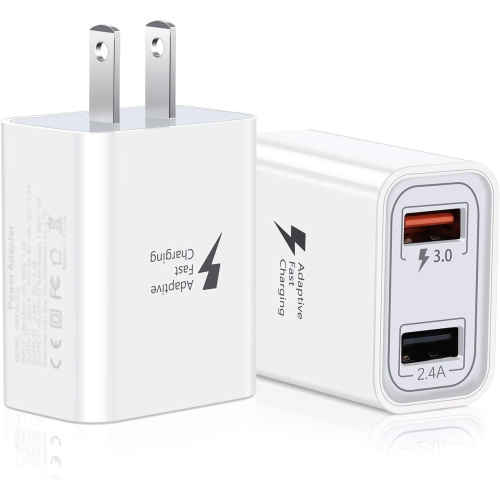
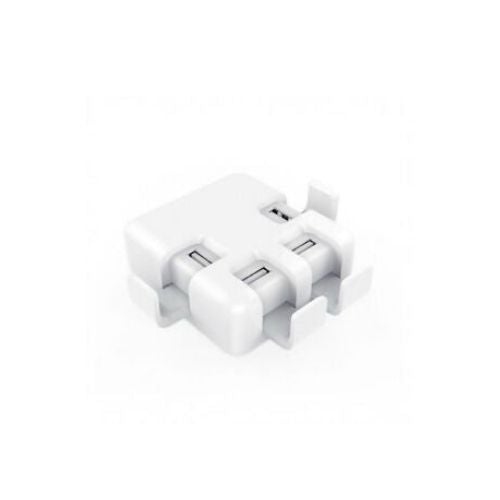
![ALBERTATECH Quick Charge 3.0, [4-Pack] Quick Charge 3.0 Wall Charger, 18W Qc USB Wall Charger Adapter 3.0 Fast Charging](https://multimedia.bbycastatic.ca/multimedia/products/500x500/160/16089/16089220.jpeg)
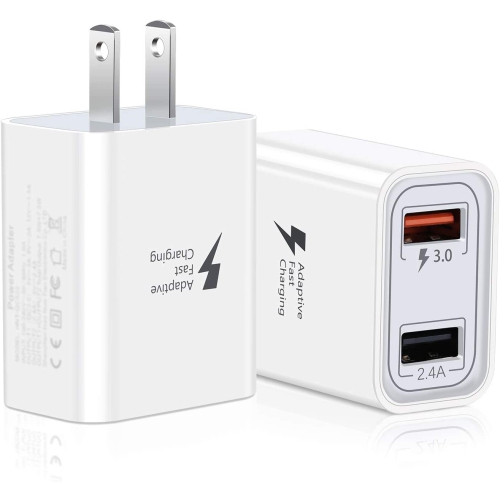
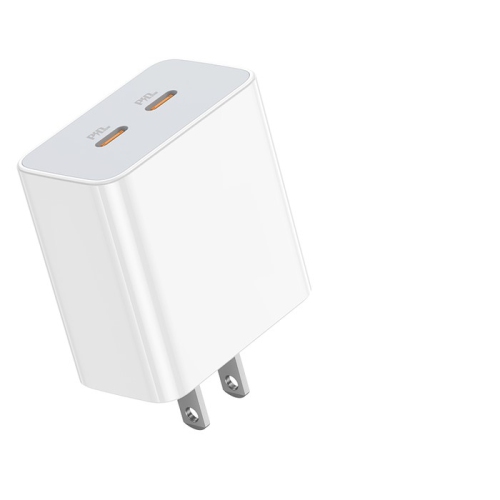



![LINKE Q135 [Qualcomm Certified] Quick Charge 2.0 Ac Home Wall Travel Foldable USB Charger](https://multimedia.bbycastatic.ca/multimedia/products/500x500/105/10543/10543316.jpeg)





What to know about device and EV charging
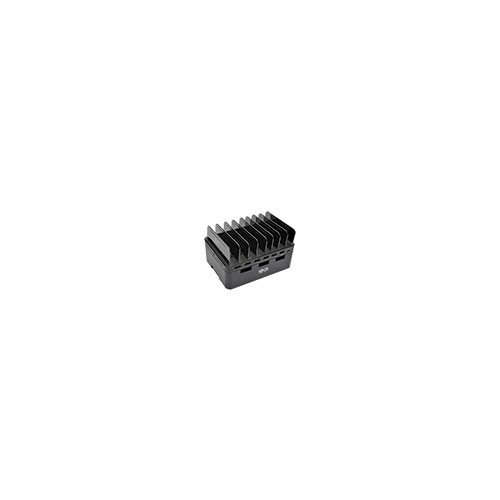
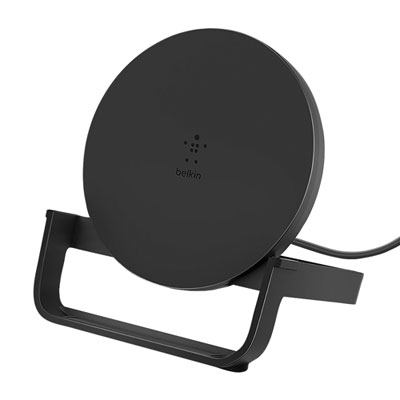
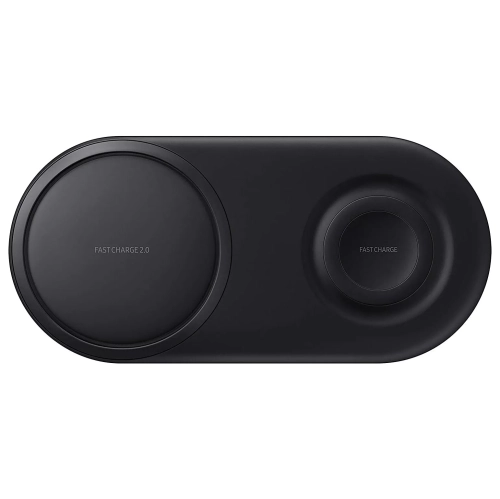
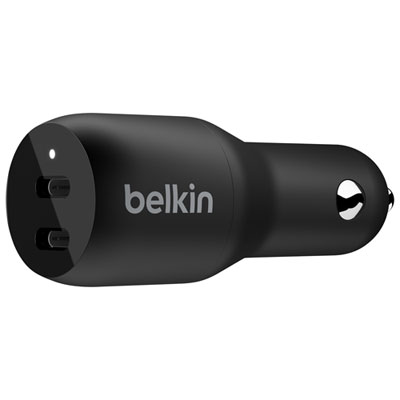
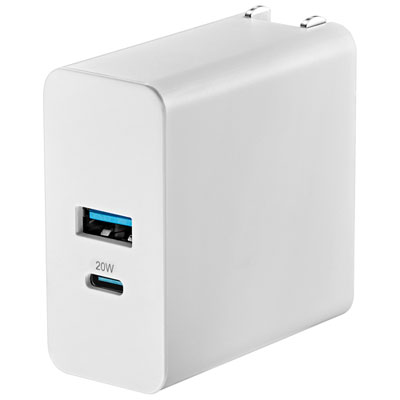
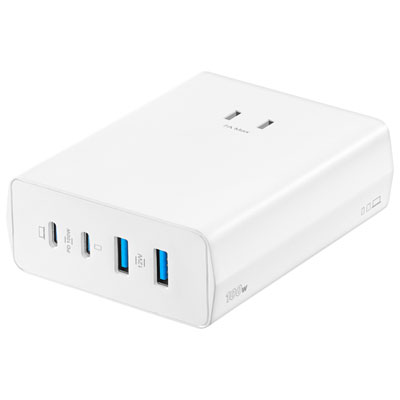
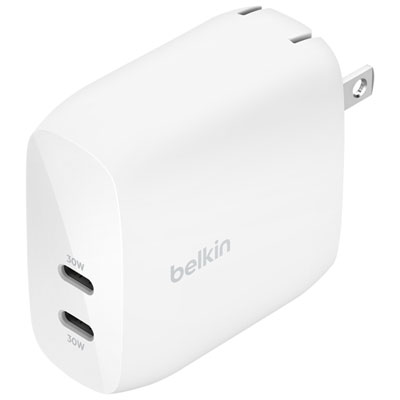
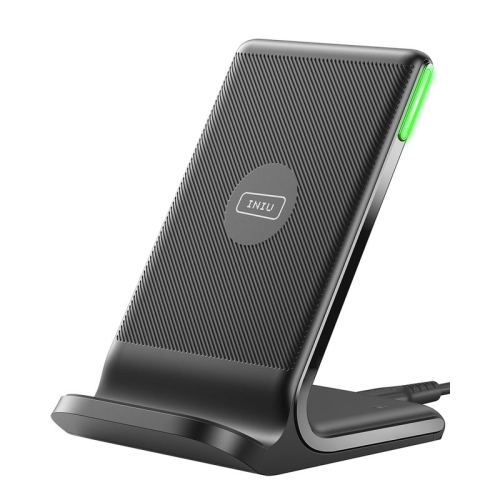
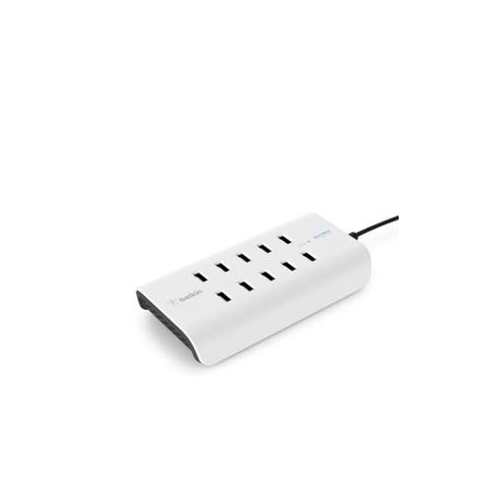
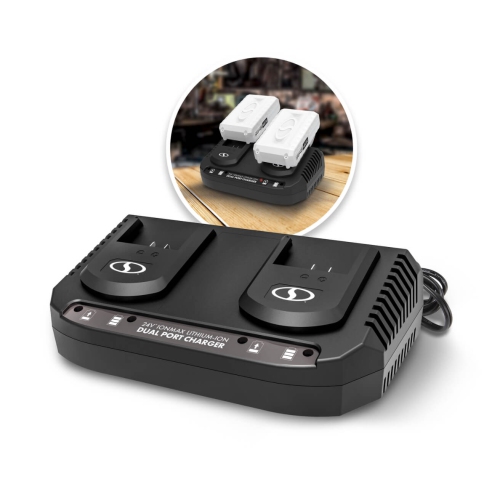
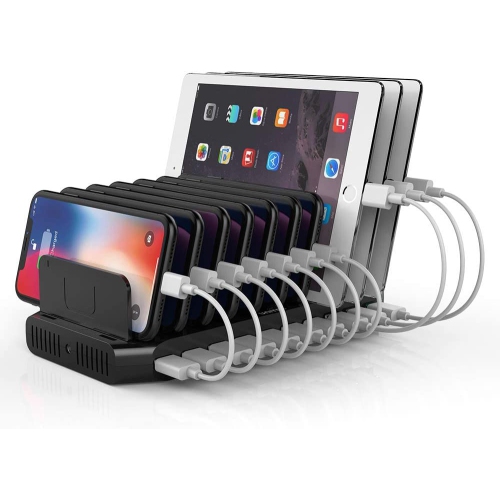
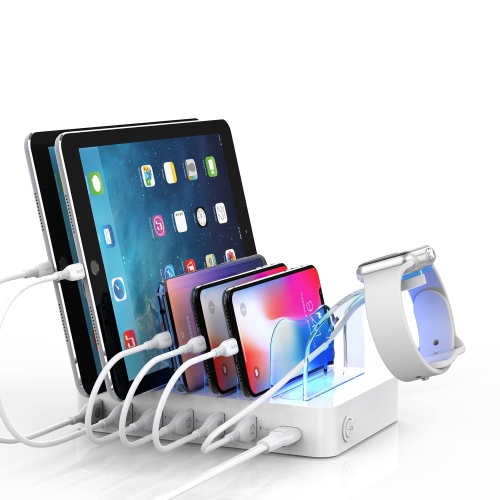
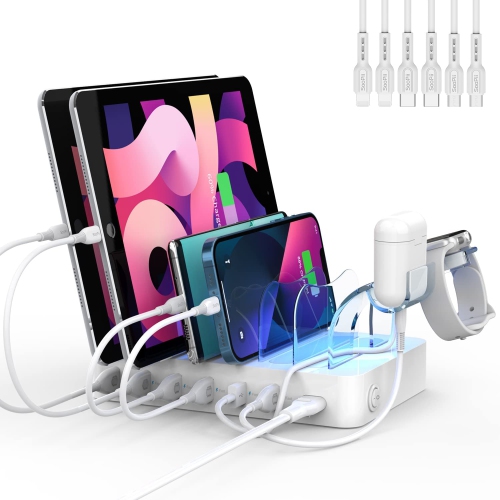
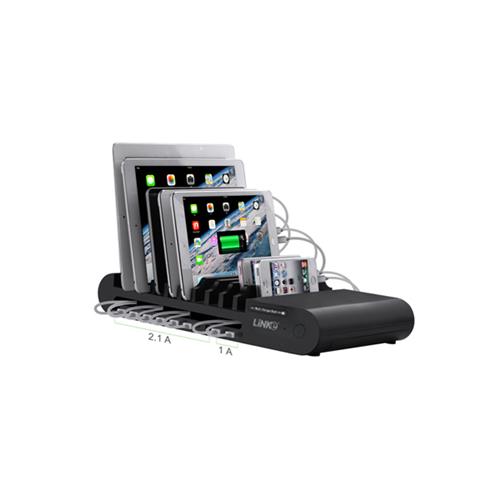
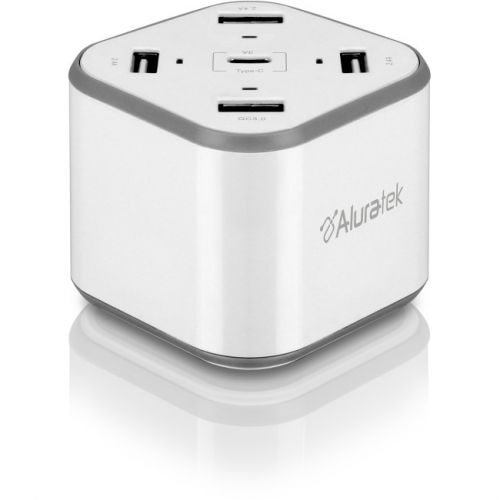
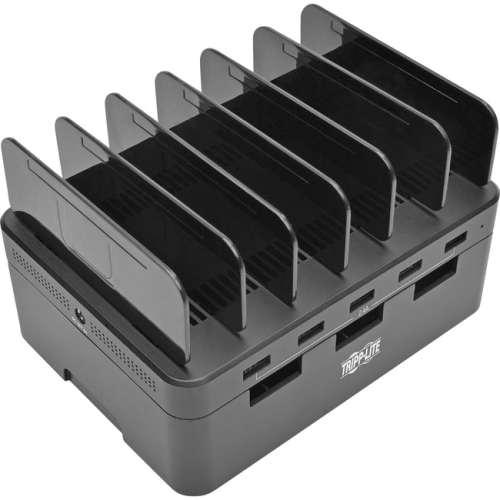
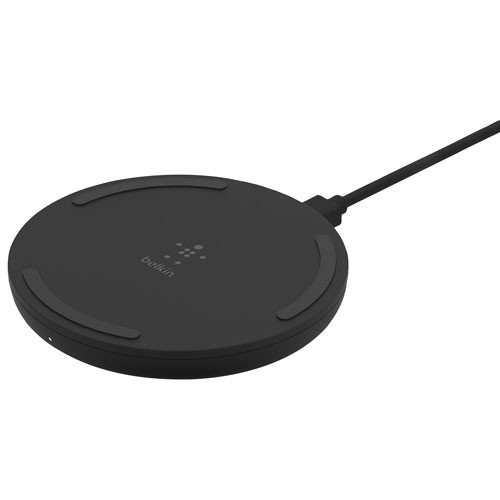
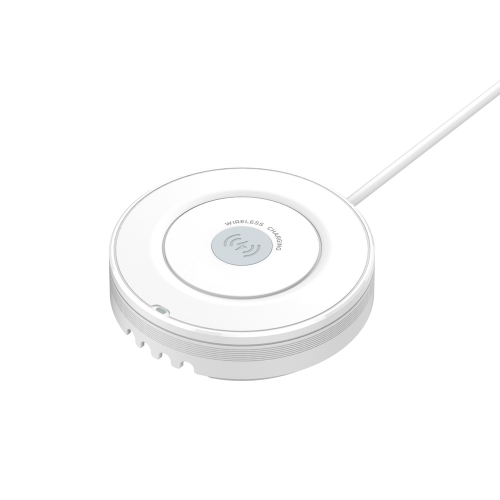
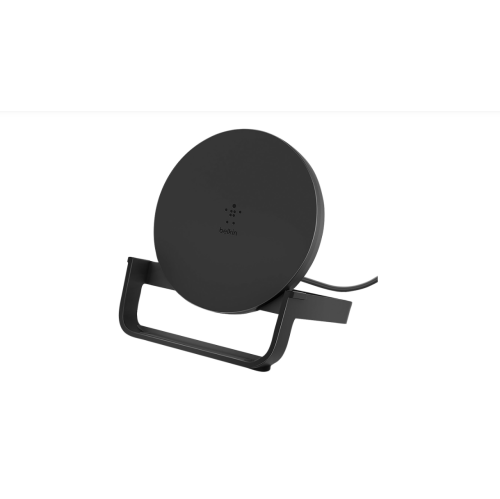
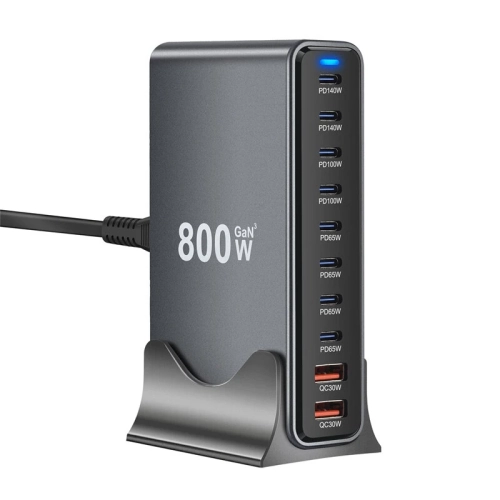
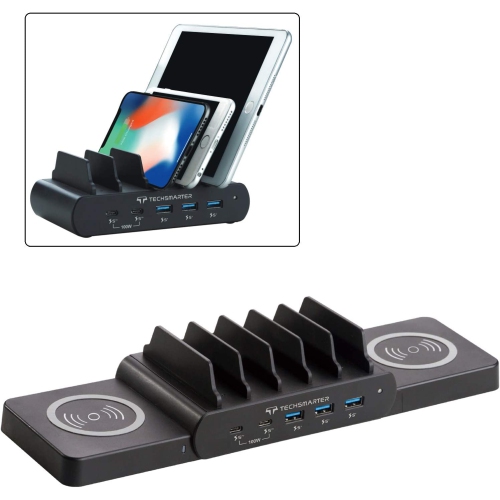
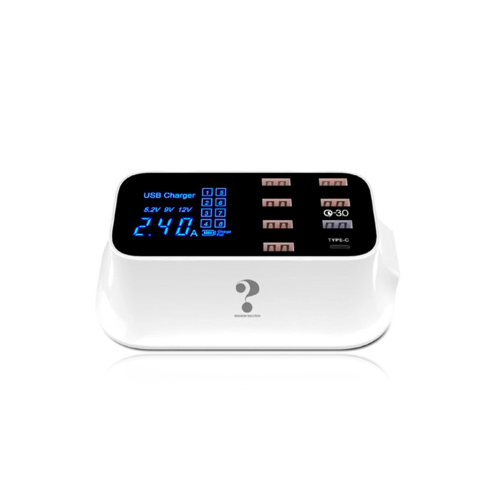
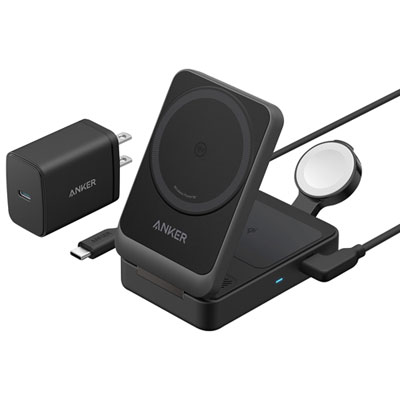
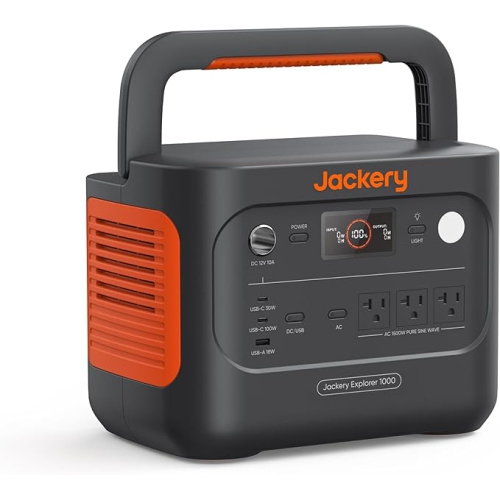
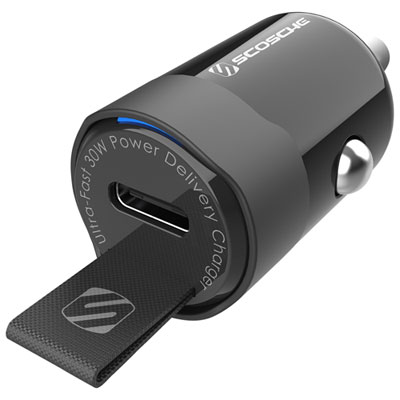
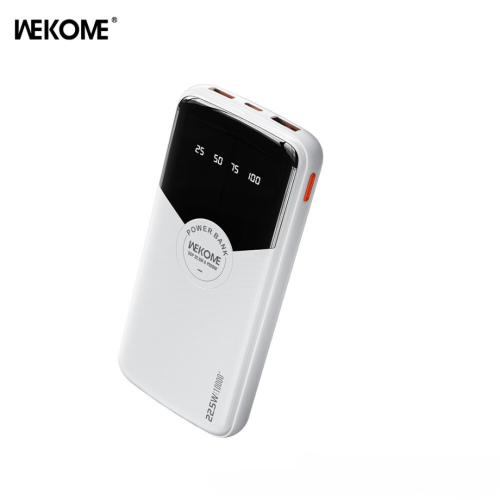
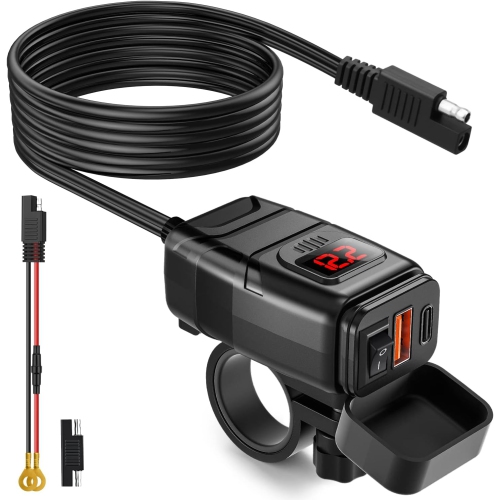
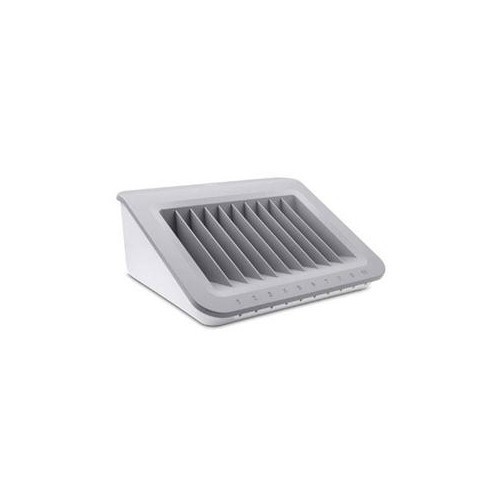
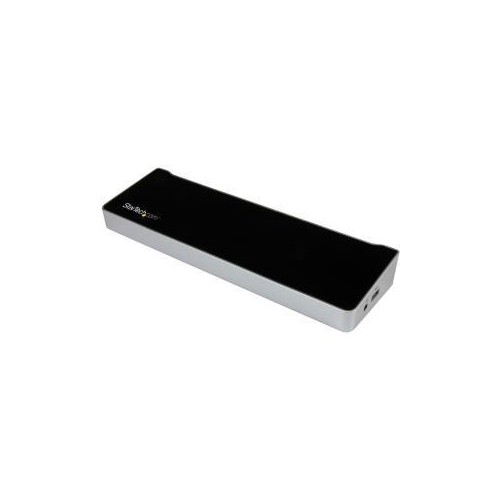
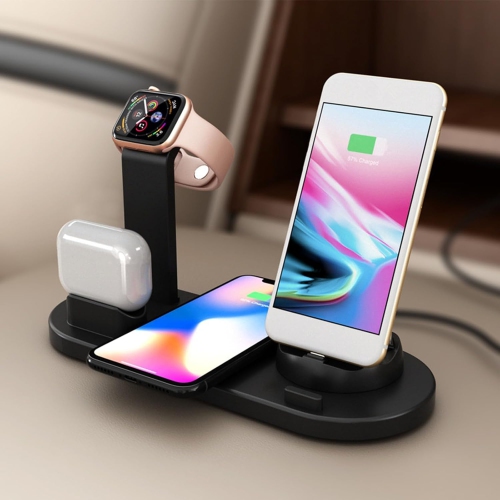
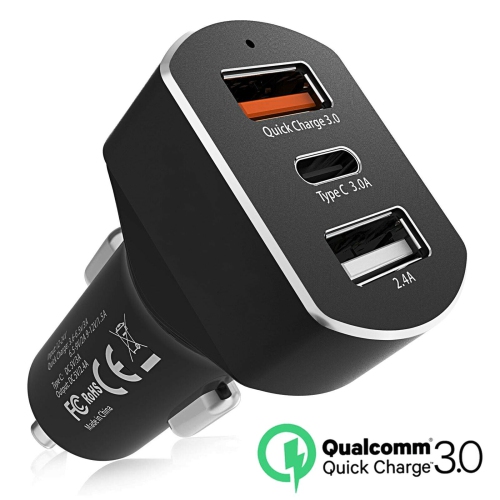
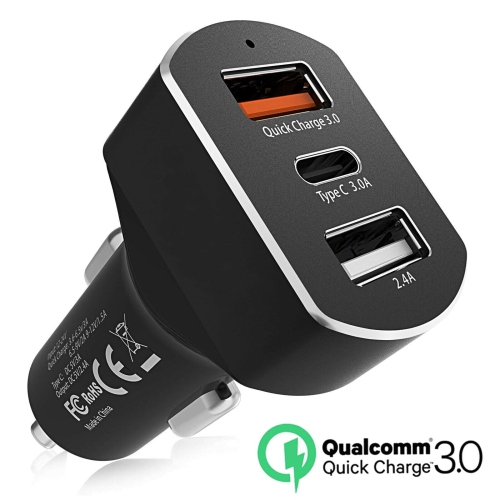
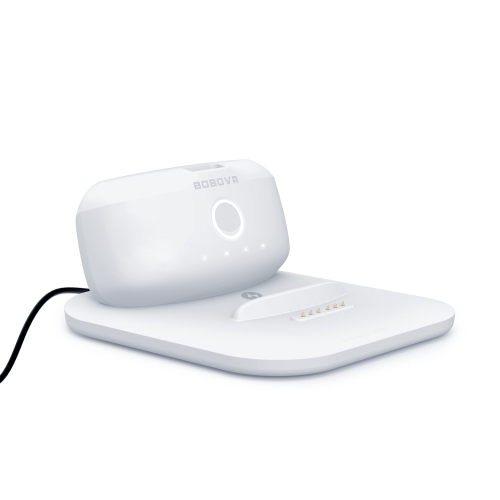
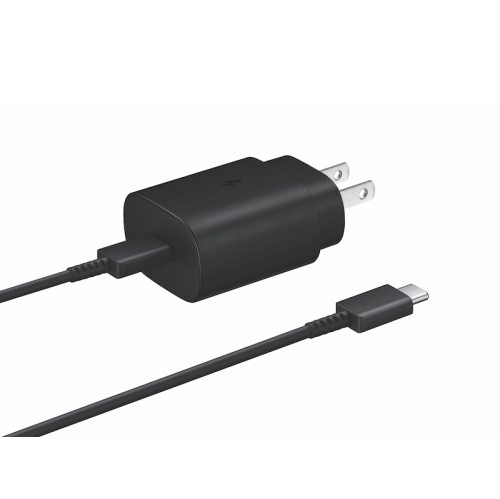
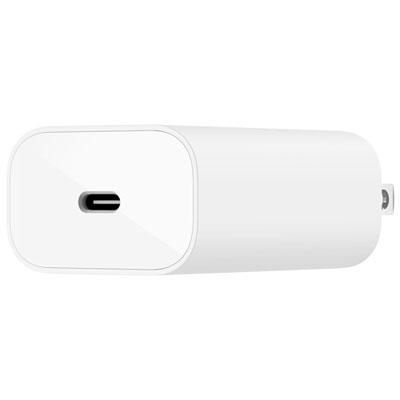
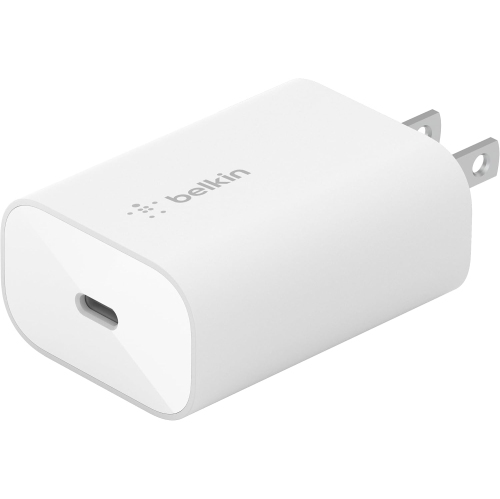
Quick charging stations are designed to make everyday charging faster, tidier, and easier to manage, whether you are powering personal devices at home or looking for a convenient way to recharge while travelling. In a home office, family room, bedroom, or gaming area, a multi-device charging station can bring several charging connections into one organised location instead of leaving cables scattered across desks, counters, and bedside tables. Depending on the design, charging stations may include a combination of USB-C and USB-A ports, with enough total power to charge smartphones, tablets, headphones, handheld gaming systems, smartwatches, cameras, and compatible laptops at the same time. USB-C Power Delivery is especially useful for newer devices because it can provide higher output than older USB connections, helping compatible phones and computers reach a useful charge in less time. When comparing options, check the total wattage as well as the maximum output available from each port. A station with a high total output may still distribute power differently when several devices are connected, so it is worth considering how many devices are normally charged together. A compact station can be a practical choice for a nightstand or shared family space, while a larger model with more ports may be better suited to a busy household, home office, classroom, or gaming setup. Look for a stable base, clearly arranged ports, sufficient cable length, and a layout that leaves enough room to connect devices without blocking neighbouring ports. Built-in safeguards such as over-current, over-voltage, short-circuit, and temperature protection can also add reassurance during regular use. A well-planned charging station makes it easier to develop a simple routine: place devices in one spot when you arrive home, connect them before bed, and start the day with the essentials ready to go. For additional charging options, browse Battery Charging Stations to find solutions suited to rechargeable batteries and everyday electronics.
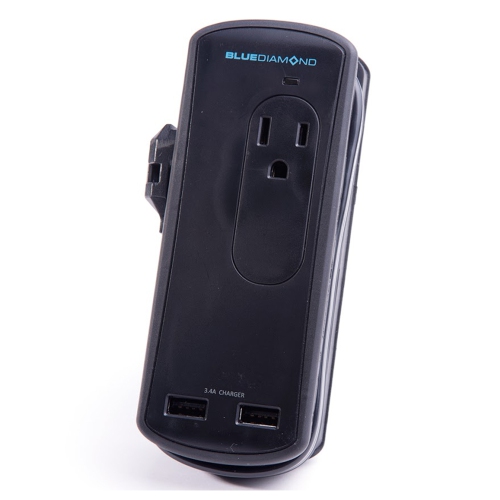
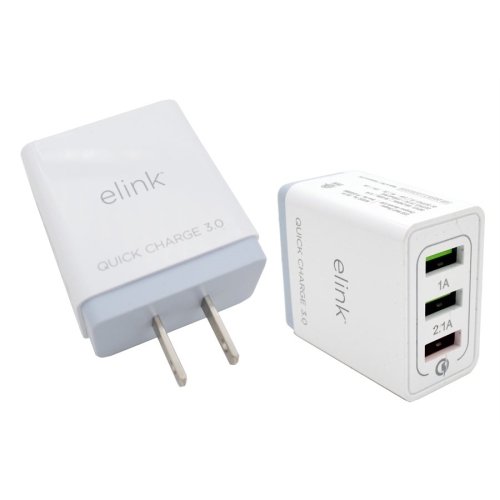
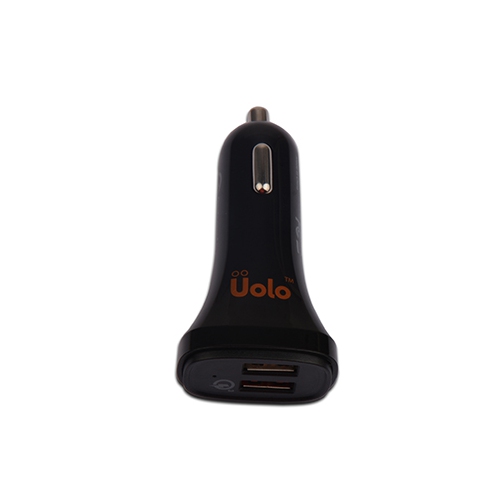
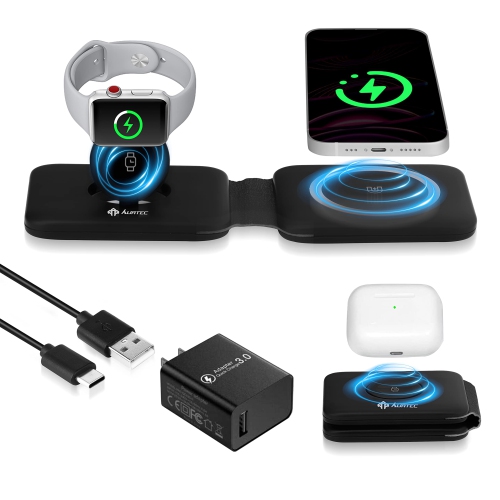
Quick charging stations can also be useful for people who spend much of their time away from a traditional wall outlet. Students moving between classes, commuters working from cafés, families staying in hotels, and travellers packing several personal devices can all benefit from having one central charging solution. A compact station can reduce the number of separate power adapters needed in a bag, while a model with foldable or travel-friendly features can be easier to store between trips. At home, these products make thoughtful gifts for students heading into residence, new homeowners organising a workspace, frequent travellers, photographers, gamers, and anyone who seems to have a low-battery notification on more than one device. They can also help shared households avoid the familiar scramble for an available outlet during the morning rush. Before choosing one, make a list of the devices that need charging and note which connectors they use. Newer smartphones, tablets, and laptops often rely on USB-C, while older accessories may still use USB-A cables. Some products include cables, but many require you to use the cables already supplied with your devices, so confirm compatibility and length before purchasing. Consider the available counter space, the direction of the ports, and whether the station will remain in one location or move between rooms. A vertical design can save space and keep screens visible, while a horizontal design may work better beneath a monitor or on a bedside table. Charging speed also depends on the device, cable, battery condition, and software settings, so a high-output station will not necessarily make every device charge at the same rate. Look for specifications that clearly identify supported charging standards and per-port output rather than relying only on broad claims about speed. Keeping a station in a familiar place can be particularly helpful during the cooler months, when heavier coats, gloves, and bags tend to collect near the entrance and it becomes even easier to misplace a charging cable beneath the clutter.
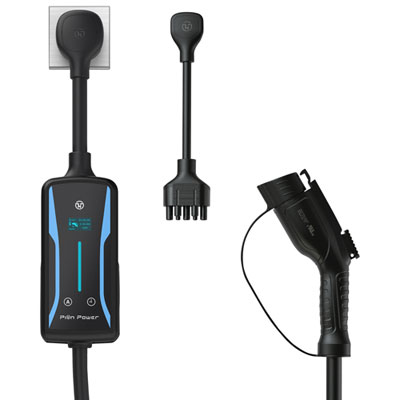
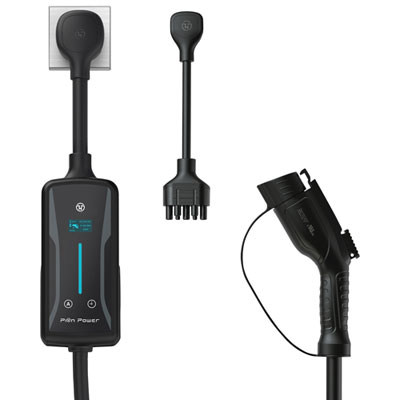
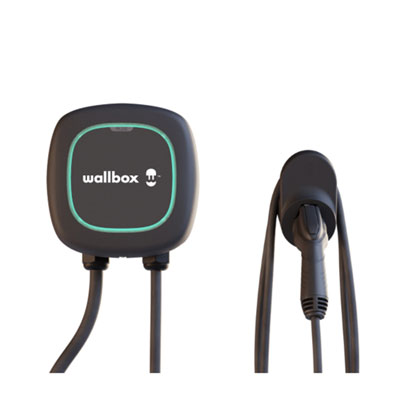
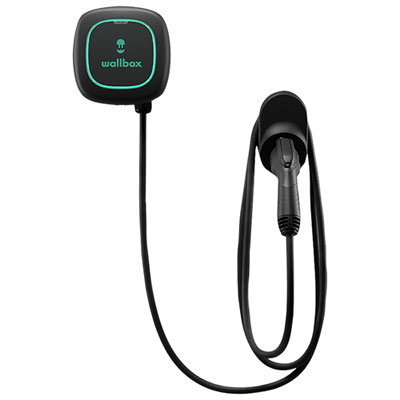
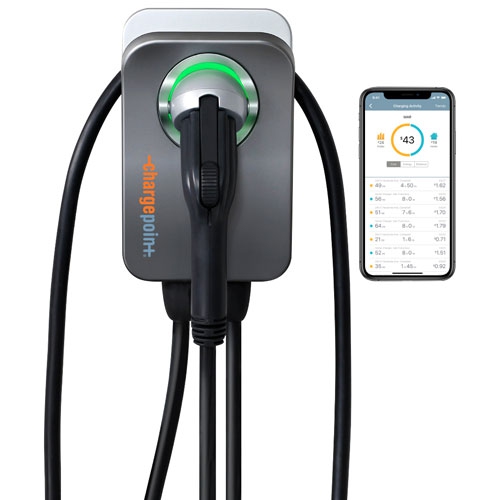
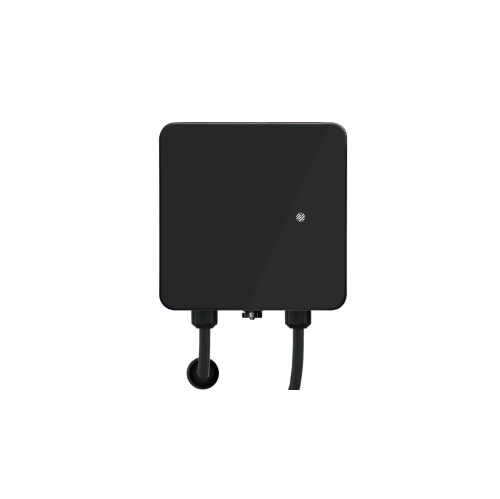
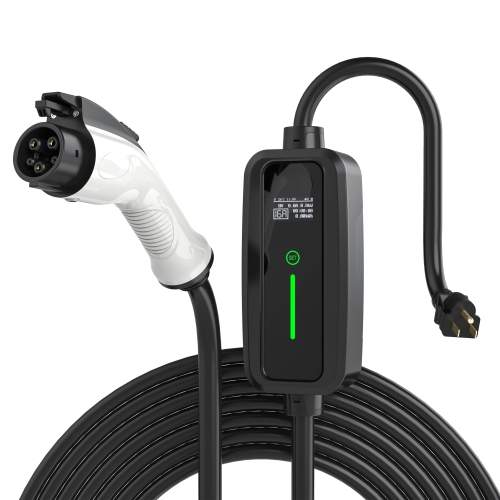
The phrase quick charging stations may also refer to public DC fast-charging equipment for electric vehicles. These stations deliver substantially more power than standard home charging equipment and can often bring a compatible EV from a low battery level to approximately 80% in about 30 to 45 minutes, although the exact time varies according to the vehicle, battery size, temperature, charger output, and the station’s availability. Drivers planning longer trips should check the connector required by their vehicle, such as CCS, CHAdeMO, or NACS, and confirm that the charging network supports it before setting out. Station-locator tools can help identify nearby locations, connector types, operating status, and real-time availability, while route planning should allow extra time for busy periods, payment steps, and possible changes in charging speed as the battery fills. Public fast chargers are most useful when a driver needs to add meaningful range during a journey, errands, or a stop between destinations. They are not the same as compact USB charging hubs for phones and computers, even though both product types are described as quick charging stations. For home electronics, focus on port type, output, device compatibility, and everyday organisation; for EV charging, focus on vehicle compatibility, connector standards, charging capacity, network access, and location. Understanding these differences helps shoppers choose a station that matches the devices or vehicle they actually need to charge, whether that means keeping a family’s electronics ready for the day, preparing a travel bag for a road trip, or creating a dedicated place for charging at home.
Quick charging stations can also be useful for people who spend much of their time away from a traditional wall outlet. Students moving between classes, commuters working from cafés, families staying in hotels, and travellers packing several personal devices can all benefit from having one central charging solution. A compact station can reduce the number of separate power adapters needed in a bag, while a model with foldable or travel-friendly features can be easier to store between trips. At home, these products make thoughtful gifts for students heading into residence, new homeowners organising a workspace, frequent travellers, photographers, gamers, and anyone who seems to have a low-battery notification on more than one device. They can also help shared households avoid the familiar scramble for an available outlet during the morning rush. Before choosing one, make a list of the devices that need charging and note which connectors they use. Newer smartphones, tablets, and laptops often rely on USB-C, while older accessories may still use USB-A cables. Some products include cables, but many require you to use the cables already supplied with your devices, so confirm compatibility and length before purchasing. Consider the available counter space, the direction of the ports, and whether the station will remain in one location or move between rooms. A vertical design can save space and keep screens visible, while a horizontal design may work better beneath a monitor or on a bedside table. Charging speed also depends on the device, cable, battery condition, and software settings, so a high-output station will not necessarily make every device charge at the same rate. Look for specifications that clearly identify supported charging standards and per-port output rather than relying only on broad claims about speed. Keeping a station in a familiar place can be particularly helpful during the cooler months, when heavier coats, gloves, and bags tend to collect near the entrance and it becomes even easier to misplace a charging cable beneath the clutter.
The phrase quick charging stations may also refer to public DC fast-charging equipment for electric vehicles. These stations deliver substantially more power than standard home charging equipment and can often bring a compatible EV from a low battery level to approximately 80% in about 30 to 45 minutes, although the exact time varies according to the vehicle, battery size, temperature, charger output, and the station’s availability. Drivers planning longer trips should check the connector required by their vehicle, such as CCS, CHAdeMO, or NACS, and confirm that the charging network supports it before setting out. Station-locator tools can help identify nearby locations, connector types, operating status, and real-time availability, while route planning should allow extra time for busy periods, payment steps, and possible changes in charging speed as the battery fills. Public fast chargers are most useful when a driver needs to add meaningful range during a journey, errands, or a stop between destinations. They are not the same as compact USB charging hubs for phones and computers, even though both product types are described as quick charging stations. For home electronics, focus on port type, output, device compatibility, and everyday organisation; for EV charging, focus on vehicle compatibility, connector standards, charging capacity, network access, and location. Understanding these differences helps shoppers choose a station that matches the devices or vehicle they actually need to charge, whether that means keeping a family’s electronics ready for the day, preparing a travel bag for a road trip, or creating a dedicated place for charging at home.
Top selling and popular products
-
 Your price for this item is $27.99
 -
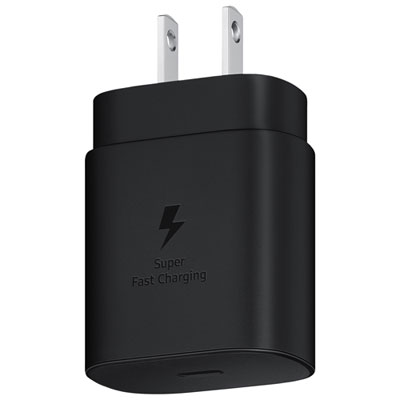 Your price for this item is $24.99
 -
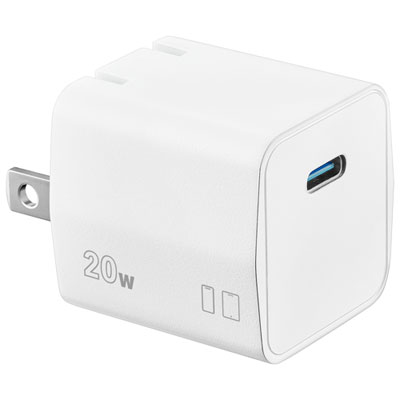 Your price for this item is $16.99
 -
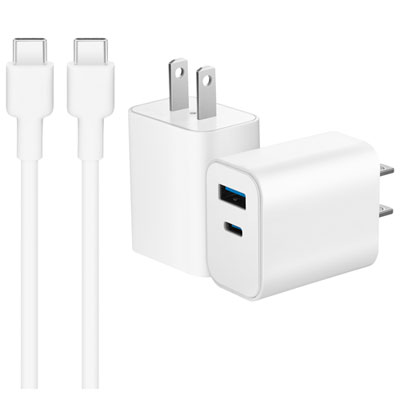 Your price for this item is $24.99
 -
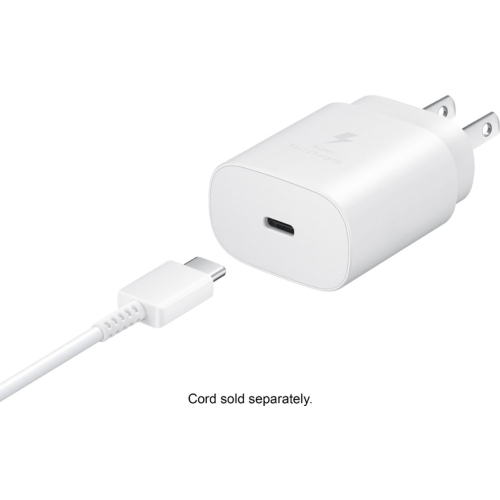 Your price for this item is $25
 -
 Your price for this item is $14.96
 -
 Your price for this item is $19.99
 -
 Your price for this item is $61
Discover more categories related to Quick Charging Stations
Top Collections:
Pokemon Centers, Kindle Devices, Best Budget Office Chairs, Apple iPhones 16, Best Laptops for Writers, iPhone 15 Apple, Canon G7X Cameras, Refurbished Apple Laptops, Alarm Clock, Motorola Razr Phones
Some products may be subject to Environmental Handling Fees
(EHF) depending on your province.
Learn more about EHFs.