Retro Telephone
Retro Telephone designs bring a touch of vintage charm to any space, blending classic aesthetics with modern convenience. Whether you're looking to enhance your home décor or searching for a unique gift, Retro Telephone options offer timeless appeal that stands out in today's digital world. Explore a variety of styles and colors to find the perfect addition to your living room, office, or bedroom. Add character and nostalgia to your communication experience with these eye-catching Retro Telephone selections.
Sort
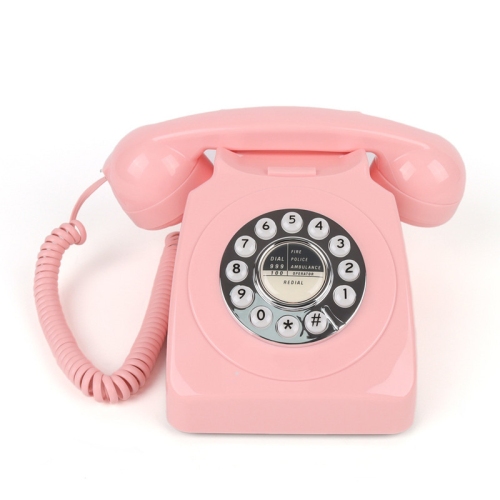
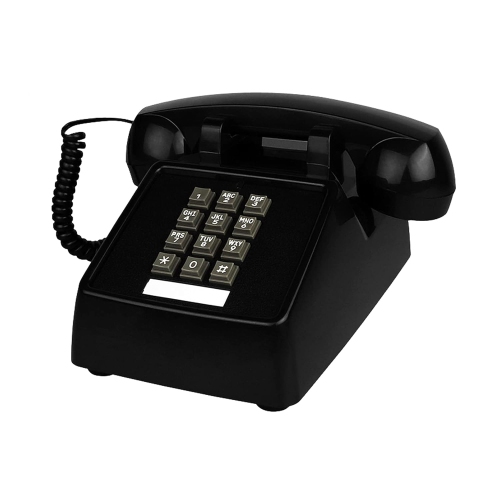
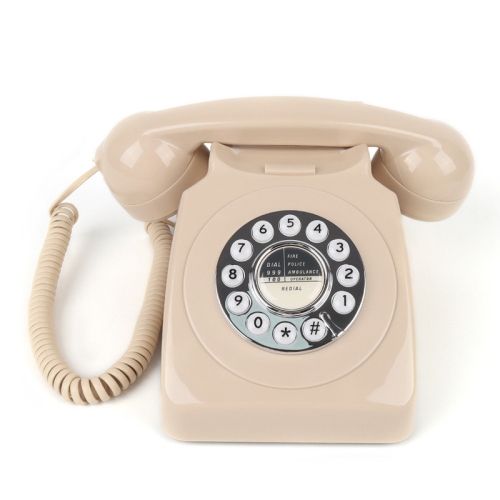
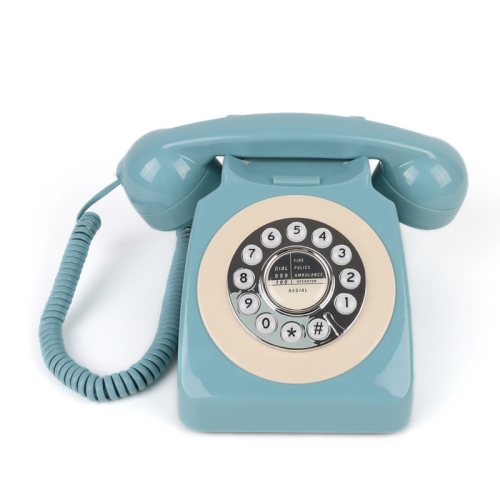


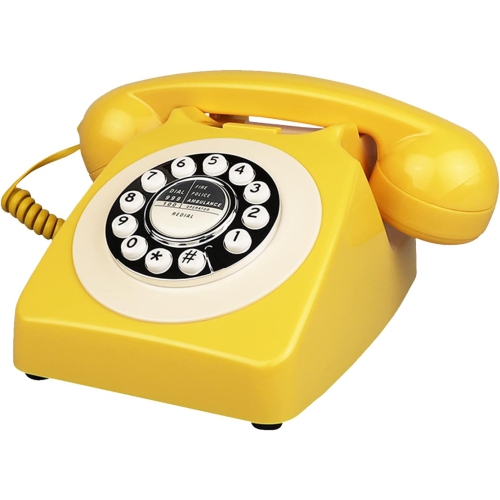
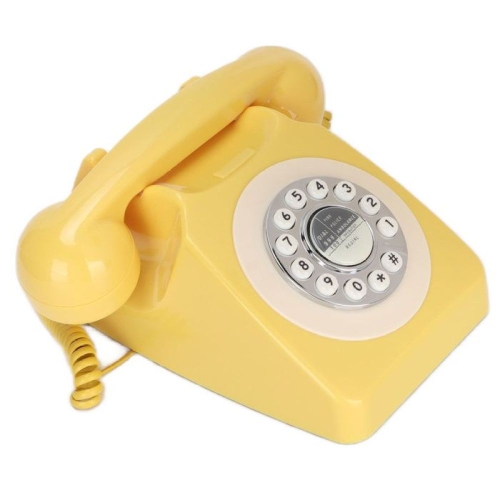
Vintage charm is only part of the conversation
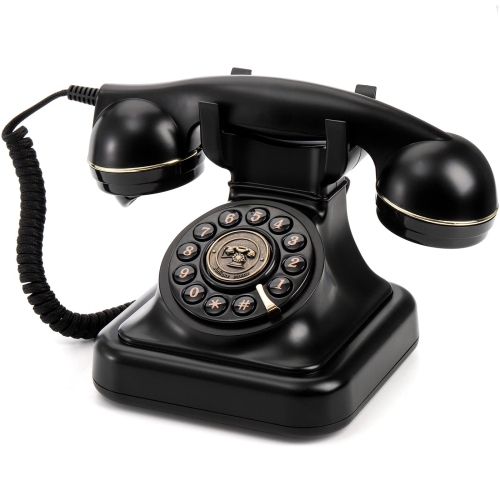
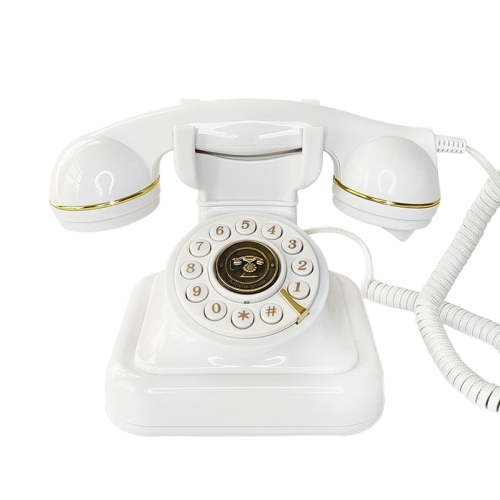
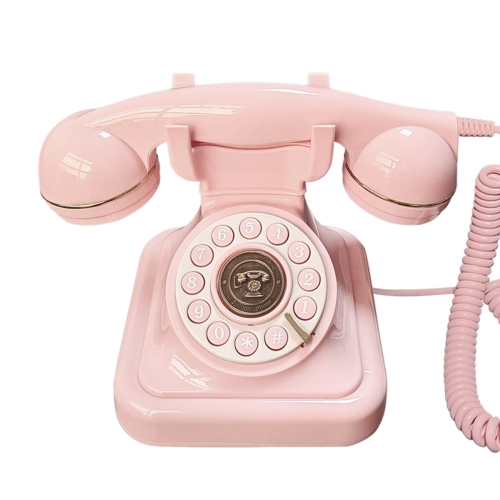
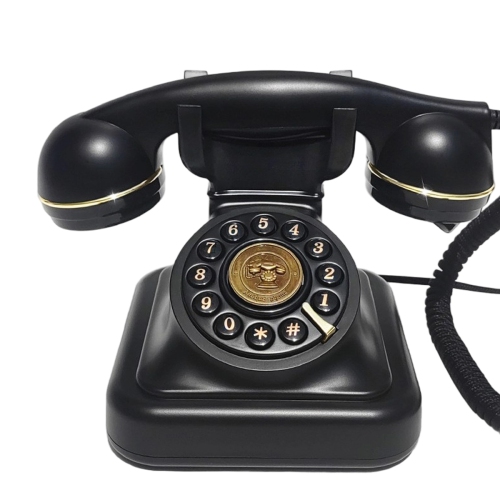
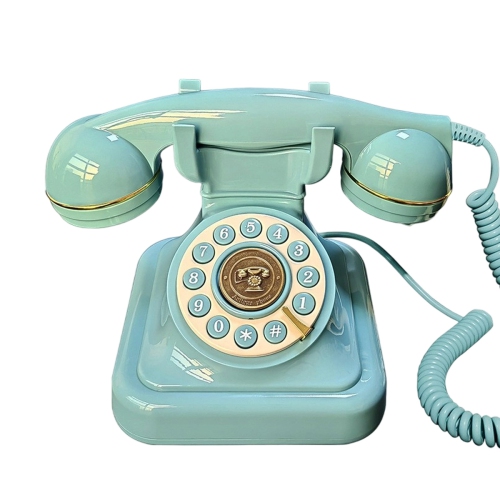
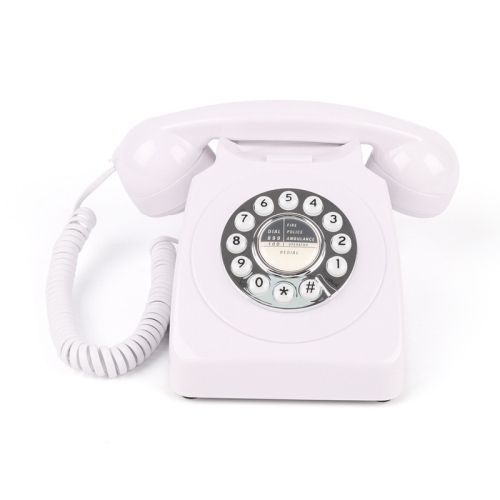
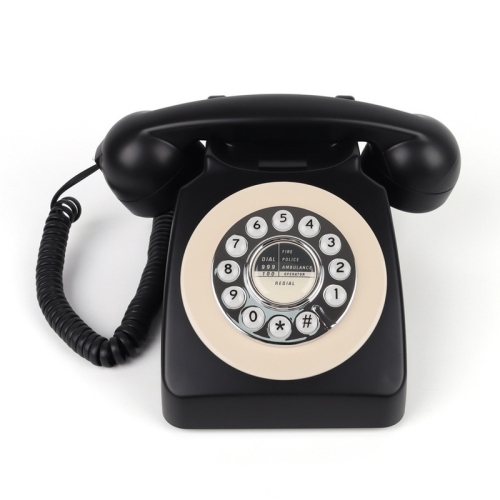
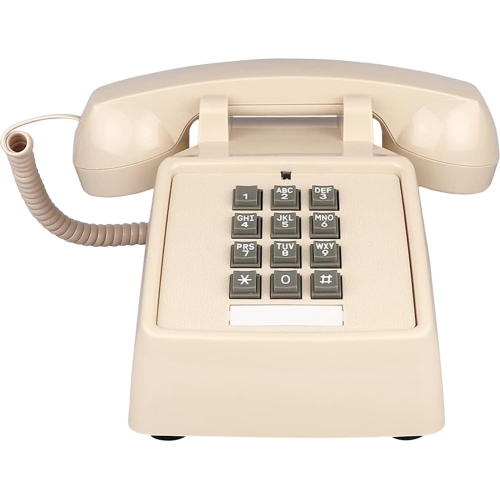
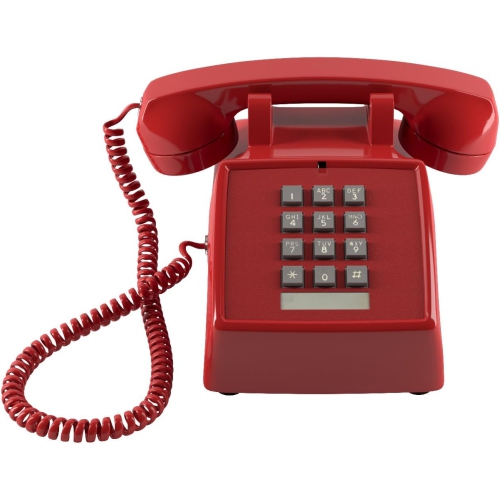
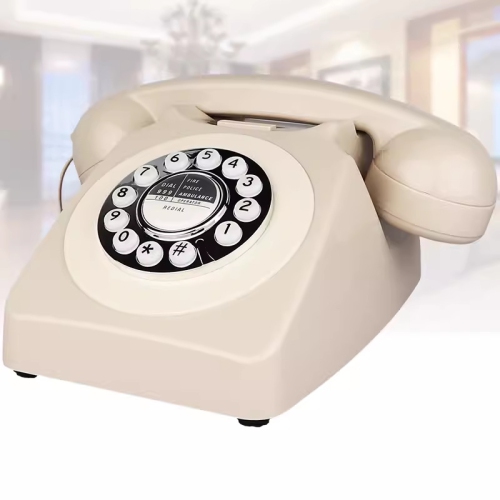
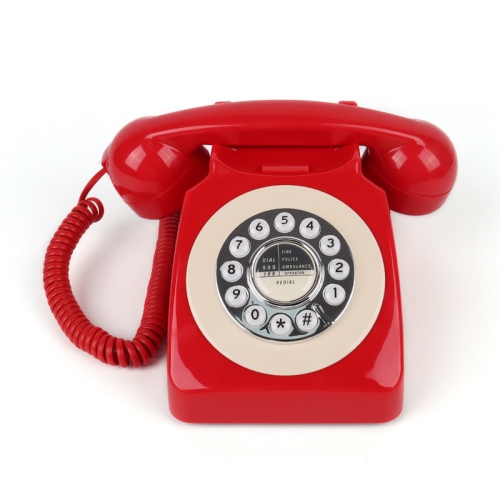
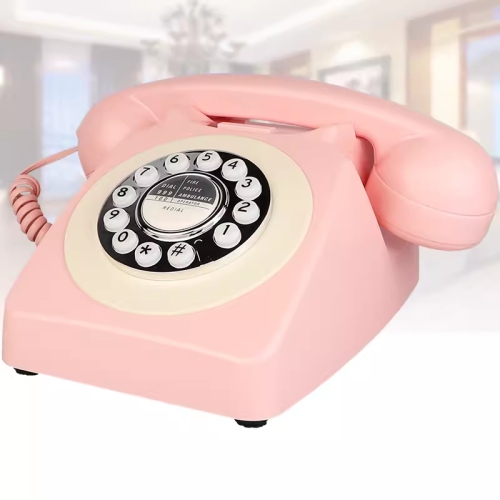
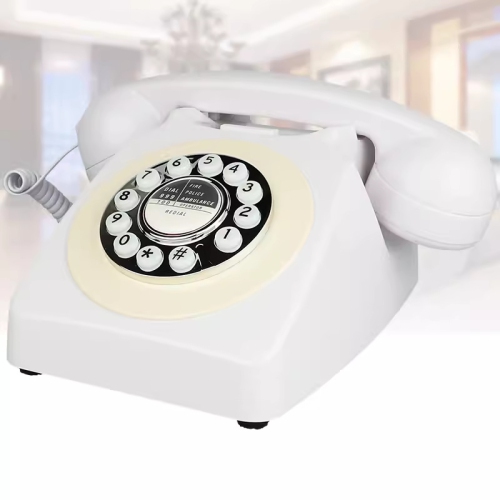
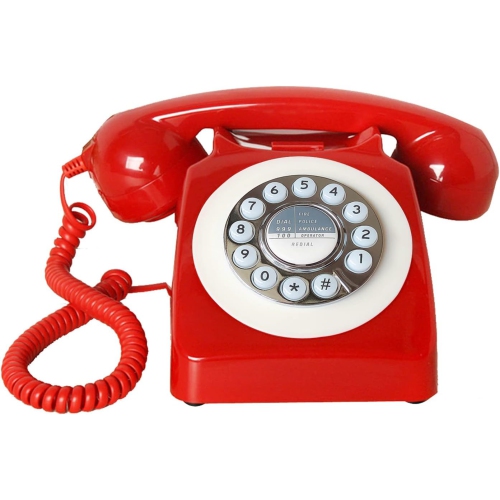
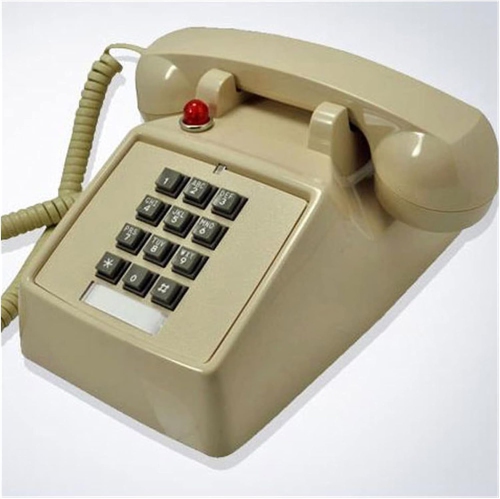
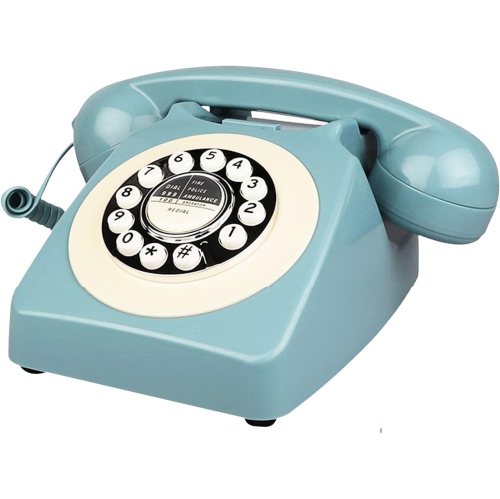
A retro telephone is a phone with vintage-inspired styling, often pairing a curved handset, a substantial base, and a coiled cord with features such as push-button dialling. Depending on its design, it may connect to a home telephone line, an internet-based phone adapter, or a compatible smartphone. Its appeal comes from the balance between a familiar object and a distinctive decorative presence: a rounded handset resting on a cradle can give an entryway console, writing desk, or bedside table an unmistakable character. Designs draw on different periods, from upright silhouettes and ornate metal details to streamlined desk phones with circular dials and softly rounded corners. Colour changes the effect considerably. A black or cream finish can blend into a traditional study, while a bright colour makes the telephone a focal point against a simple shelf or neutral wall. The appeal of Retro Phones also extends beyond appearance. Lifting a handset, hearing a ring from another room, and having a fixed place for conversations offer a different experience from taking every call on a mobile device. Materials influence both that experience and the phone’s upkeep. Moulded plastic can provide a smooth finish and manageable weight, while metal components may add heft and decorative detail. A metallic finish does not necessarily mean that the entire housing is metal, and extra weight alone does not establish build quality. A stable base, securely fitted handset cradle, smooth buttons, and a cord that moves freely are more useful details to consider for everyday use. Some designs emphasize historical accuracy; others borrow a vintage silhouette while making the controls easier to use. That distinction matters when the telephone will be used for regular conversations rather than mainly contributing to the look of a room. A comfortable receiver and readable dial can make a familiar shape feel practical as well as nostalgic.
The most important functional distinction is between the phone’s appearance and its connection requirements. A circular dial may be a true rotary mechanism that sends pulse signals, or it may contain push buttons arranged to resemble an older dial. True rotary dialling is not supported by every telephone service or adapter, so a period-style appearance should never be taken as proof of compatibility. Push-button designs generally use tone dialling, which is useful for navigating automated menus, entering extensions, and accessing voicemail. Even then, the phone needs a suitable service connection; a telephone wall socket by itself does not confirm that an active line is present. For internet-based home phone service, an analogue telephone adapter or a compatible telephone port on the service provider’s equipment may be required. A phone cannot be connected directly to an Ethernet socket simply because the plugs look similar. Smartphone use is a separate capability that requires an expressly supported connection, such as built-in Bluetooth, rather than a standard telephone cord. Checking these distinctions helps establish whether a retro telephone can serve as a daily household phone, an additional extension, or a handset for mobile calls. Calling features deserve the same attention. Caller ID, redial, adjustable ringer volume, speakerphone operation, and hearing aid compatibility vary by design and should not be assumed from the exterior. A traditional bell-style ring can be part of the charm, but volume control becomes especially valuable beside a bed or in a shared workspace. Clearly marked buttons and a receiver that rests comfortably against the ear can matter more than decorative detailing during a long conversation. Power requirements also differ. Some corded telephones can operate from an active traditional telephone line without a separate power adapter, while other features need electricity or batteries. Internet-based calling generally depends on powered network equipment, so a corded handset alone does not guarantee calling during a power outage. Emergency calling arrangements and any backup power requirements depend on the connected service.
Placement and care help a retro telephone remain useful rather than becoming an awkward ornament. On a narrow hall table, the base needs enough room to sit securely without the handset or cord hanging over an edge. On a working desk, leave space to lift the receiver without catching a monitor stand, lamp, or stack of papers. The coiled handset cord and the cable running to the wall serve different purposes, and both need a clear route that avoids walkways, chair wheels, and tightly closed drawers. A wall-mounted design can free up a surface, provided the mounting method suits the wall and the phone’s weight. Handset shape is another practical consideration: a broad receiver may look striking but feel different in the hand from a slimmer one, particularly during extended calls. For regular cleaning, follow the manufacturer’s directions and disconnect the phone from its telephone line and any external power source before wiping it down. A soft cloth, lightly dampened when permitted, can remove fingerprints from the housing; moisture should stay out of the dial, buttons, sockets, and receiver openings. Abrasive cleaners can dull glossy finishes, and unsuitable cleaning products may damage painted details or lettering. Positioning the phone away from strong direct sunlight and sources of moisture can also help preserve its appearance. For gifting, a retro telephone can suit someone who enjoys vintage interiors, collects design-inspired household objects, or appreciates a dedicated place to make calls. A housewarming gift feels more thoughtful when its colour and scale suit the recipient’s space, and a nostalgic gift is more useful when its connection requirements match the recipient’s telephone service. In a home office, it can add personality without taking over the desk; in a sitting room, it can echo the curves or finishes of nearby furniture. The strongest match brings together a distinctive silhouette, comfortable handling, suitable calling features, and a connection that works with the household’s service.
Top selling and popular products
-
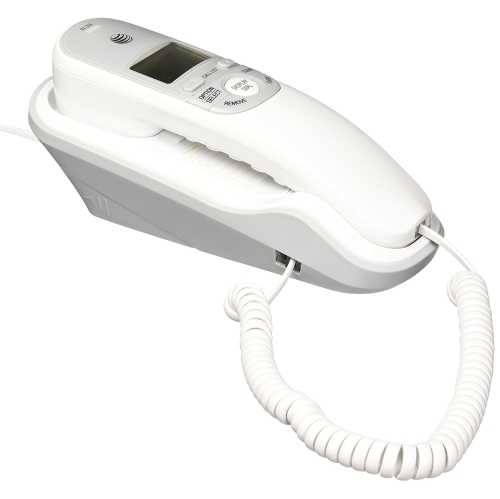 Your price for this item is $45.99
-
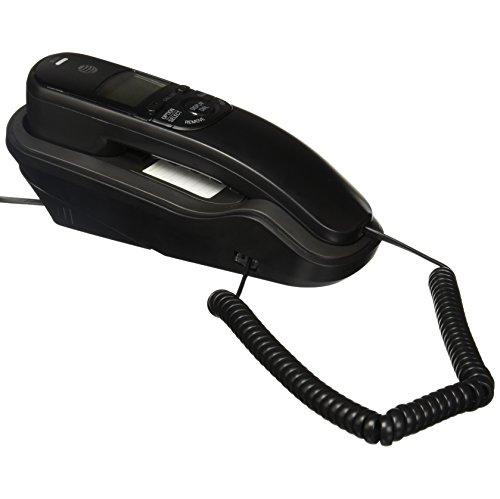 Your price for this item is $34.99
-
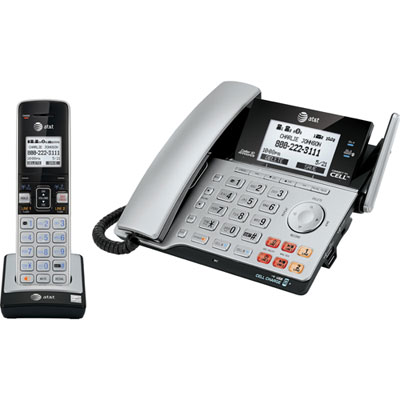 Your price for this item is $199.99
-
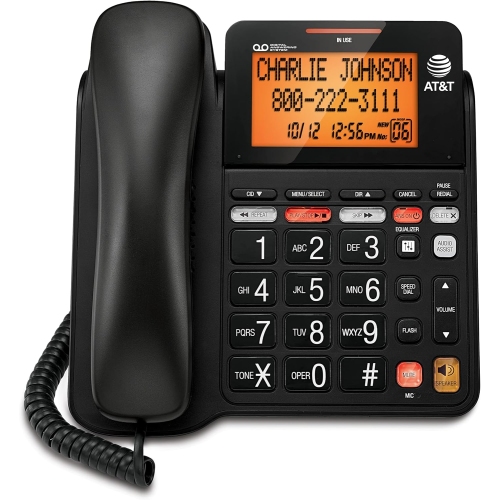 Your price for this item is $99.99
-
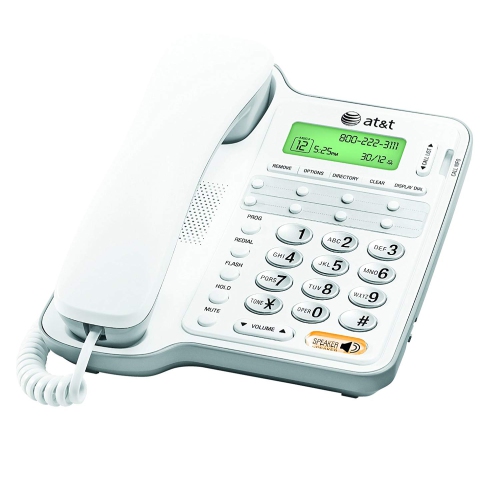 Your price for this item is $199.99
-
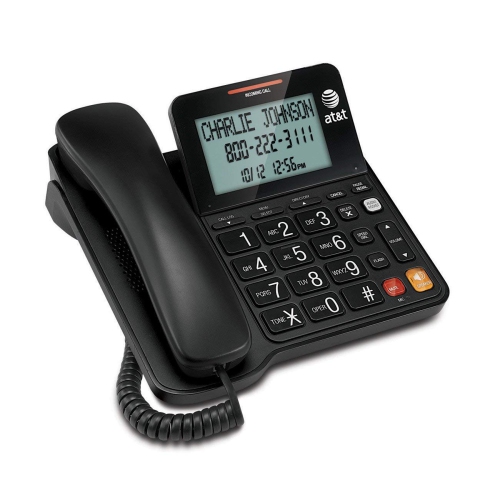 Your price for this item is $99.99
-
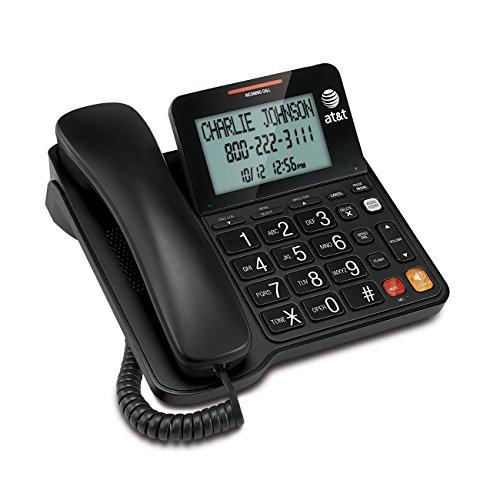 Your price for this item is $99.99
-
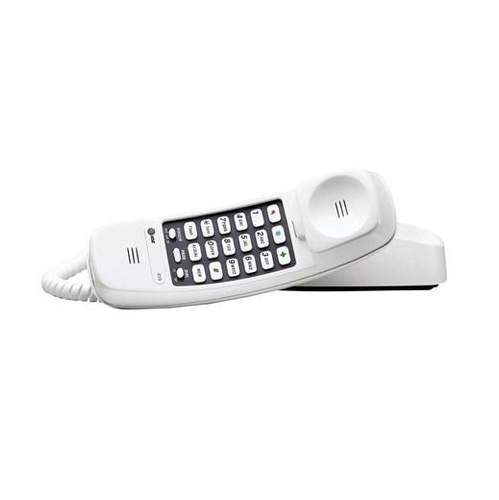 Your price for this item is $99.99
Discover more categories related to Retro Telephone

Top Collections:
Pokemon Centers, Kindle Devices, Best Cameras for Sports Photography, Pokémon 30th Celebration Cards, Apple iPhones 16, Canon G7X Cameras, iPhone 15 Apple, Flip Phones, Samsung Galaxy Phones, Alarm Clock
Some products may be subject to Environmental Handling Fees
(EHF) depending on your province.
Learn more about EHFs.