Vintage Telephone
Add a touch of timeless charm to your space with a vintage telephone. Perfect for collectors, enthusiasts, or anyone looking to elevate their home décor, these classic phones capture the elegance of days gone by. Whether displayed as a statement piece or used as a functional accessory, a vintage telephone brings character and nostalgia into any room. Explore a range of options that blend retro style with unique appeal, making it easy to find the ideal addition to your collection or living area.
Sort


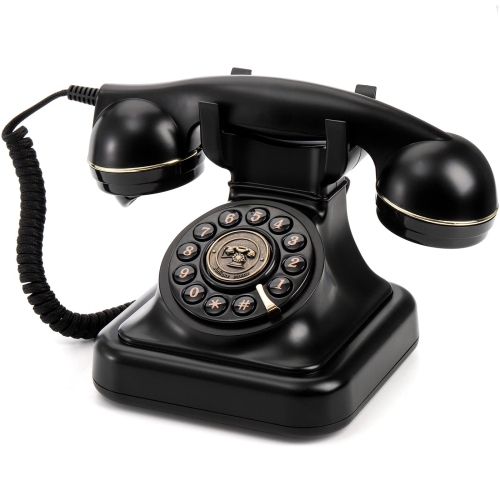
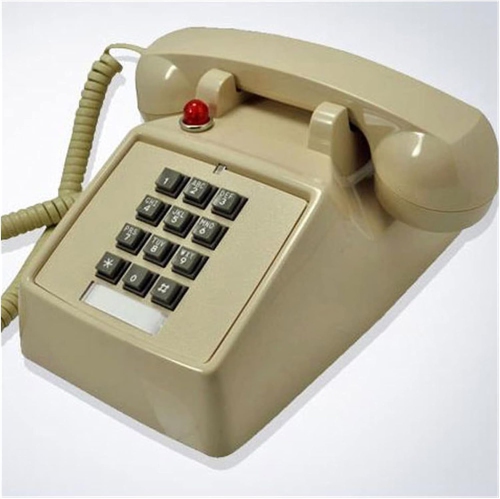
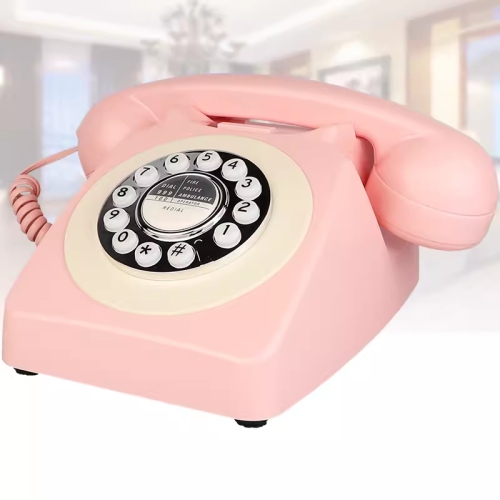

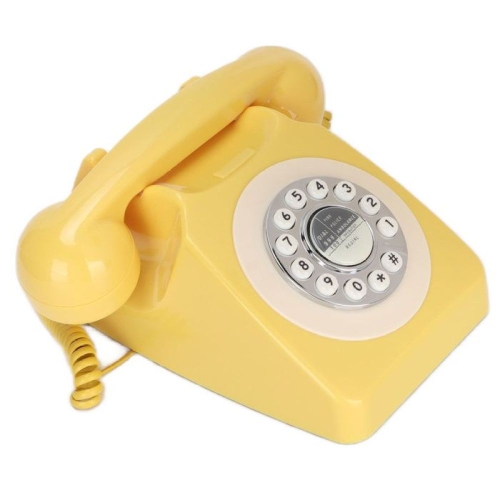
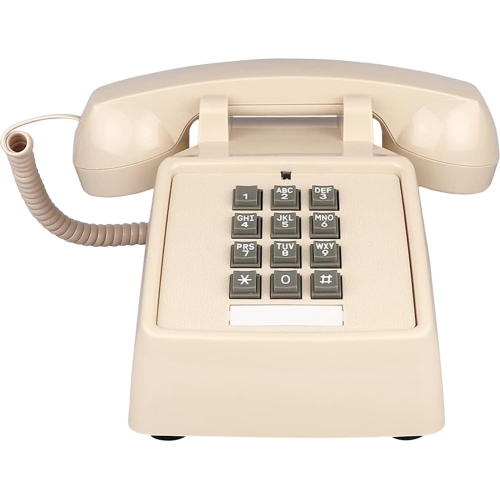
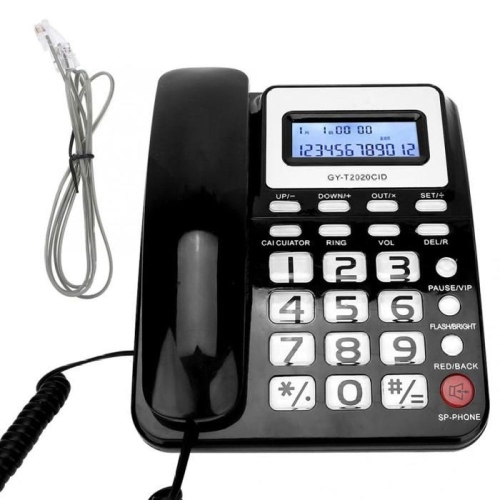
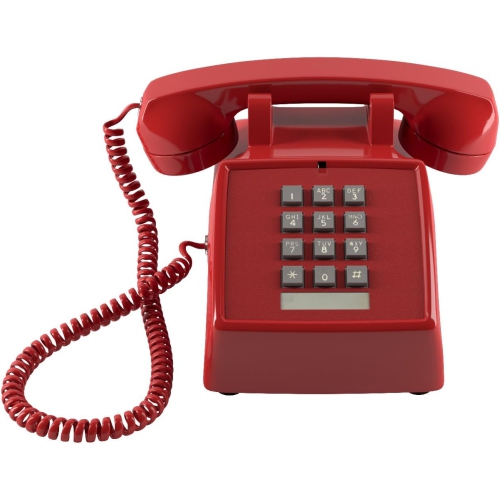
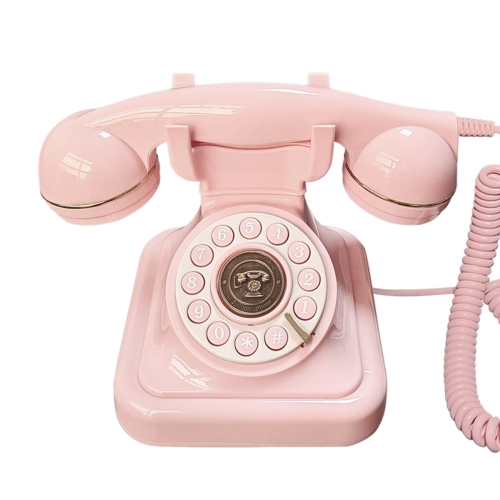

Classic phone looks tell only part of the story
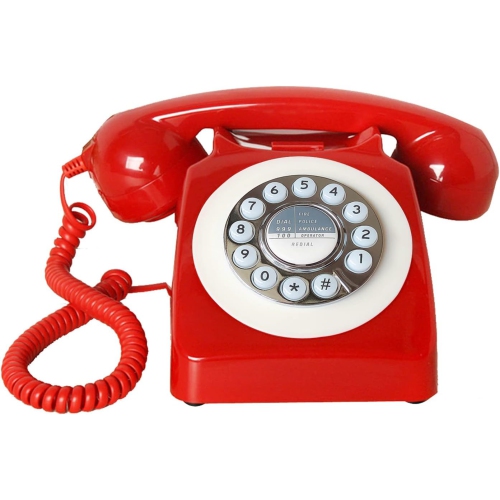
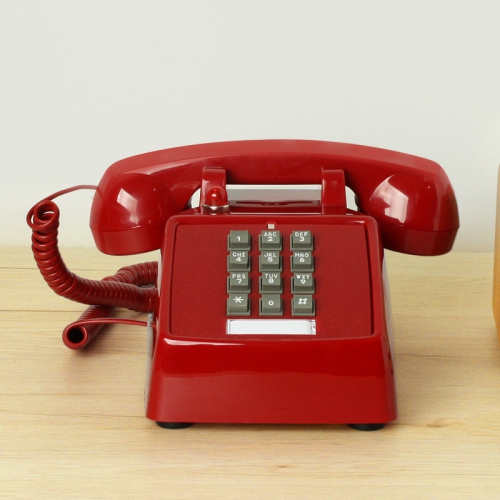
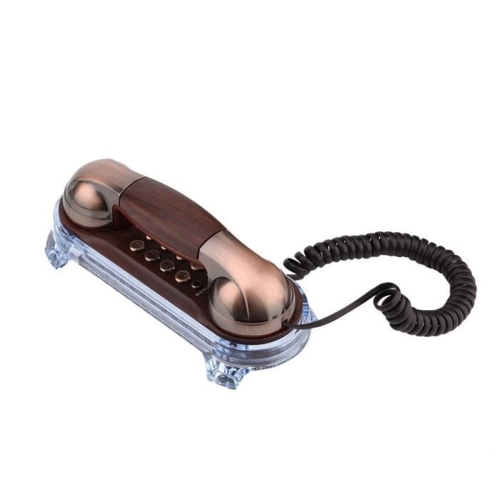
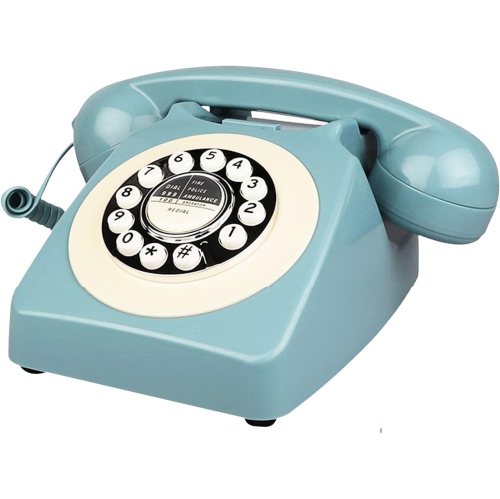
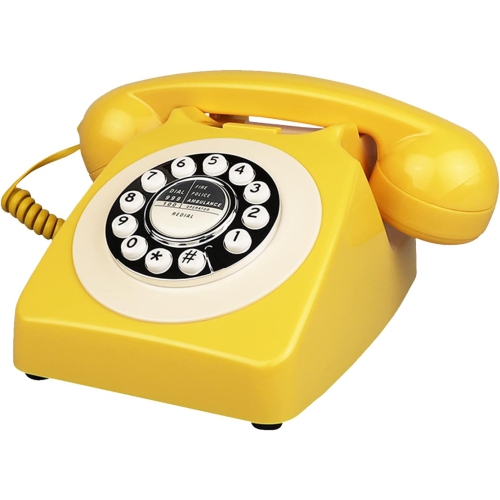
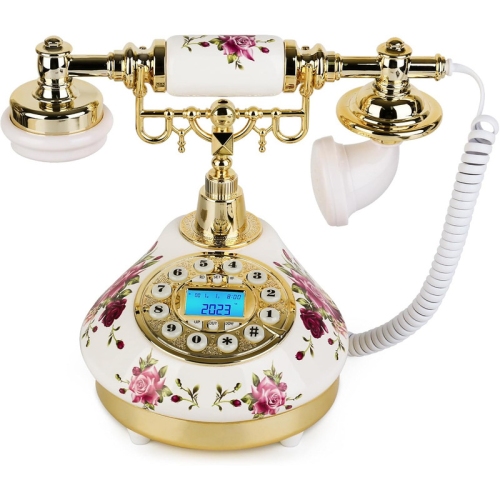
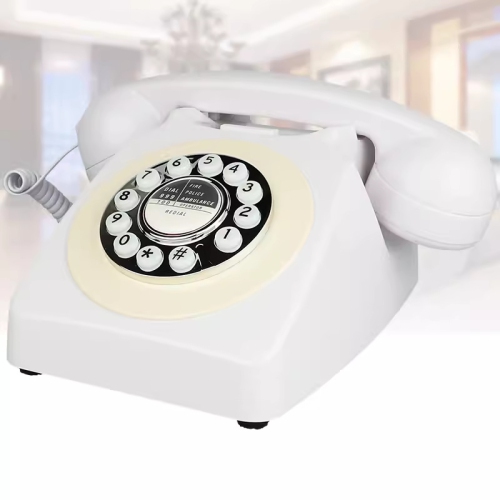
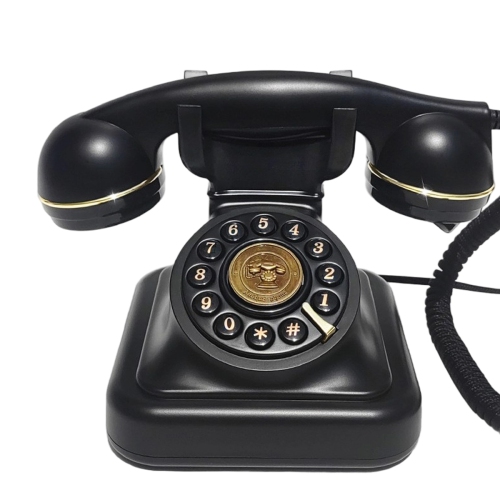
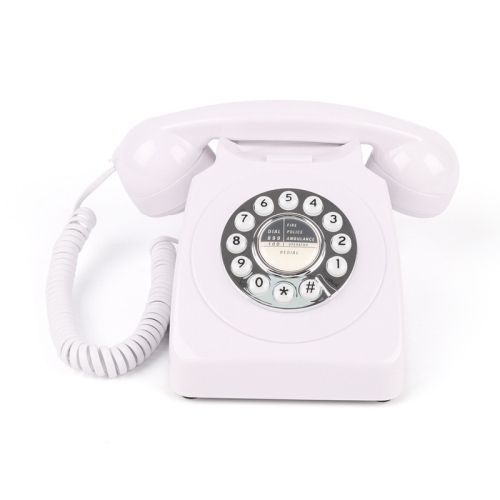
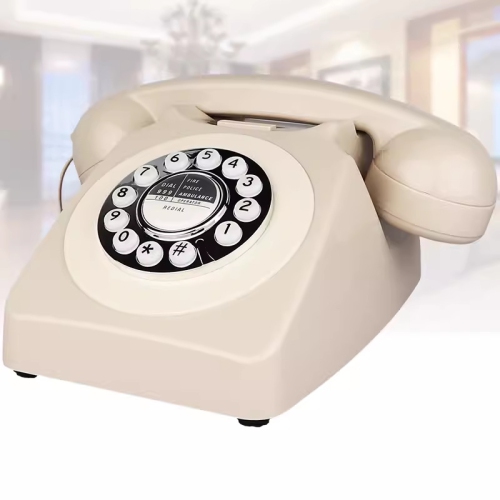
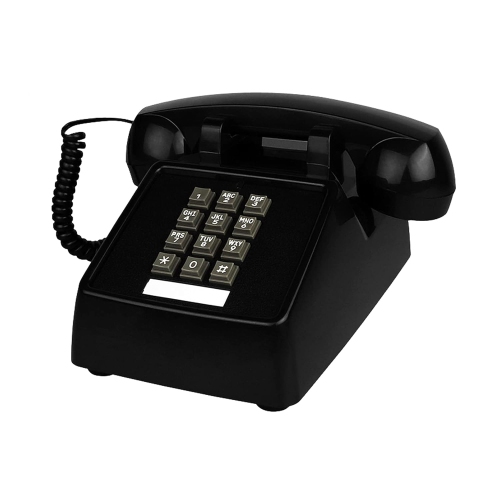
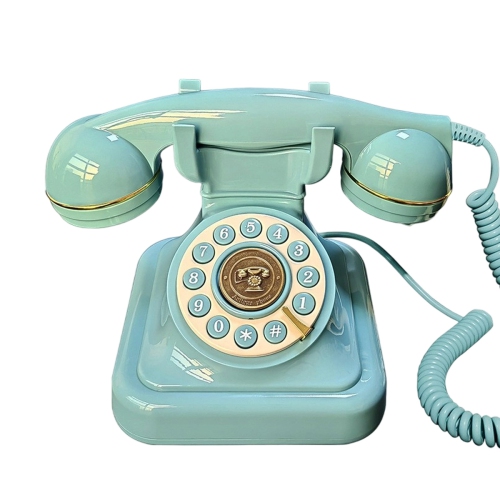
Vintage telephones bring the familiar shape of a traditional home phone into a room, whether as working communication devices, display pieces, or reminders of an earlier era. The category includes original period telephones and newly made phones that reproduce older designs, an important distinction when considering construction, condition, and everyday use. Original examples may have rotary dials, substantial handsets, mechanical bells, and housings made from metal or early moulded plastics. Reproductions often borrow those details while using more recent internal components, sometimes placing push buttons inside a circular dial layout. A rotary appearance does not necessarily mean a phone uses rotary dialling. Desktop designs with curved handsets and broad bases have a different presence from upright candlestick styles or wall-mounted phones, so the overall silhouette matters as much as the finish. Black, cream, and muted colours can sit comfortably beside a writing desk or on a hallway table, while metallic accents and wood details create a more ornate impression. A brass-coloured finish may be a coating rather than solid brass, and a wood-look surface may not be solid timber; material descriptions help establish what to expect from the weight, texture, and upkeep. For original phones, faded lettering, light surface marks, or a gently worn handset can be part of their character, but cracks, loose fittings, and damaged cords are separate condition concerns. Collectors may value documented age, original components, and details associated with a particular period, while someone furnishing a home office may care more about a comfortable receiver and straightforward calling. Vintage telephones share their nostalgic appeal with Retro Phones, though an original telephone and a modern reproduction can offer quite different experiences. The distinction is especially noticeable in the dial: the measured return of a genuine rotary mechanism is part of its charm, whereas a button-operated design can provide a similar look with a more familiar way to enter numbers. Both approaches can suit a room inspired by earlier decades without requiring every furnishing to match the same period.
For a vintage telephone intended for regular calls, the connection and dialling method are more important than its appearance alone. Many traditional corded phones connect through a modular telephone jack, but having a matching plug does not establish that every function will work with a particular service. Original rotary phones generally send pulse signals, while many modern telephone services and automated menus expect touch tones. Some services support pulse dialling, and others may require a suitable converter or may not support it at all. An adapter that changes the physical connection is not necessarily a pulse-to-tone converter, so those functions should not be treated as interchangeable. Internet-based home phone service can introduce additional compatibility considerations, including whether the equipment can operate an older mechanical ringer. Likewise, a corded handset does not by itself guarantee calling during a power interruption if the service relies on powered network equipment. These practical differences matter when a phone will be used to contact family, answer business calls, or navigate an automated appointment system. A reproduction may include conveniences such as redial, adjustable ringer volume, or tone dialling, but those features depend on the design rather than the vintage styling. Caller identification, speakerphone operation, and answering functions should never be assumed from the shape of the housing. Handset comfort also becomes noticeable during longer conversations: a substantial receiver can feel reassuring in the hand, yet its weight may be less comfortable for someone who prefers a lighter grip. Clearly marked numbers, an easy-to-reach cradle, and accessible volume controls can make a meaningful difference for frequent use. A coiled cord needs enough reach for the intended seat without stretching across a walkway or pulling the base towards the edge of a table. Original electrical components, brittle wiring, or uncertain repairs deserve assessment by a qualified repair specialist before the phone is connected. A telephone intended solely for display has different requirements, but its non-working status should be clear to anyone who might otherwise expect to make a call.
Placement, care, and the reason for bringing a vintage telephone home all help determine which style makes sense. A broad desktop base needs a stable surface with room for the handset to lift cleanly, while a wall-mounted design needs appropriate fixings and clearance for the receiver and cord. On a narrow console, the footprint can matter more than the phone’s height; beside a desk, cord routing and access to the connection are often the deciding details. Protective pads beneath a heavy base can help prevent marks on finished furniture, provided they do not interfere with ventilation openings or moving parts. Care should suit the actual materials rather than the apparent age of the design. A soft, dry cloth is a sensible starting point for routine dusting, with any further cleaning guided by the manufacturer’s directions or a specialist’s advice for an older piece. Abrasive cleaners, strong solvents, and enthusiastic polishing can damage plastic, remove printed dial markings, or wear through plated finishes. Moisture should be kept away from openings and internal components, and an aged cord should not be pulled to reposition the phone. In a reading nook or home office, a vintage telephone can serve as a useful focal point without needing an elaborate themed setting. For a theatre production or photography set, the dial style, handset shape, and visible cord can help establish a period, even when calling functions are unnecessary. As a housewarming or birthday gift, a phone may appeal to someone who enjoys design history, collects older household objects, or appreciates a dedicated place for conversations. A display-focused recipient may welcome an original piece with visible age, while someone hoping to make daily calls may prefer a compatible reproduction with clearly described features. The most satisfying fit is one whose purpose is understood: a working telephone should meet the household’s calling needs, while a decorative piece can be appreciated for its proportions, materials, and distinctive presence.
Top selling and popular products
-
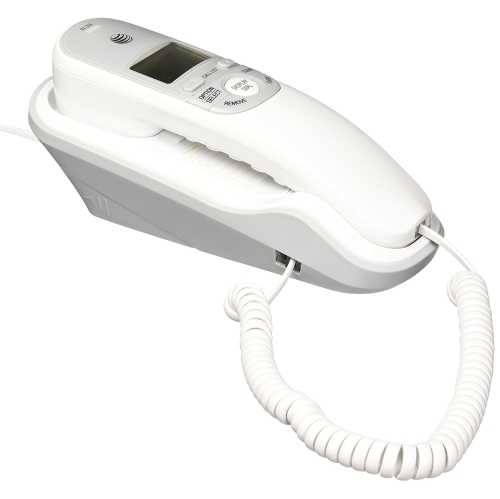 Your price for this item is $45.99
-
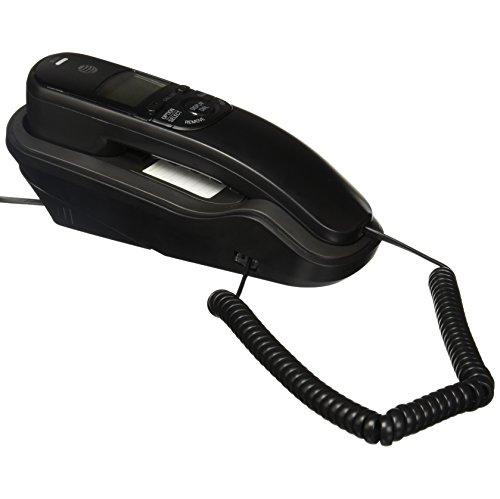 Your price for this item is $34.99
-
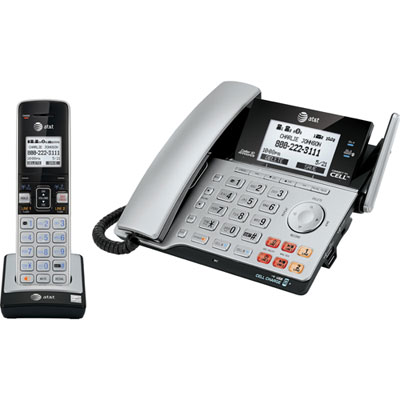 Your price for this item is $199.99
-
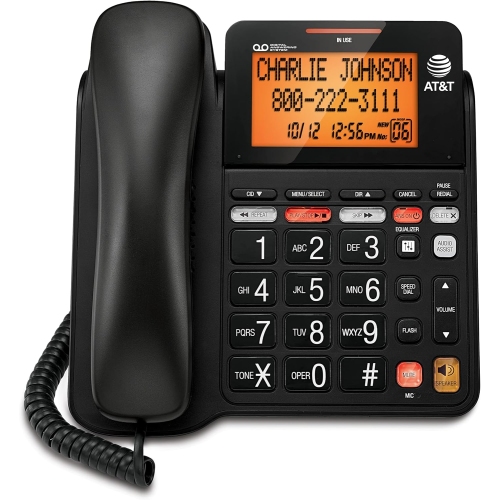 Your price for this item is $99.99
-
 Your price for this item is $199.99
-
 Your price for this item is $99.99
-
 Your price for this item is $99.99
-
 Your price for this item is $99.99
Discover more categories related to Vintage Telephone
Top Collections:
Pokemon Centers, Kindle Devices, Best Cameras for Sports Photography, Pokémon 30th Celebration Cards, Apple iPhones 16, Canon G7X Cameras, iPhone 15 Apple, Flip Phones, Samsung Galaxy Phones, Alarm Clock
Some products may be subject to Environmental Handling Fees
(EHF) depending on your province.
Learn more about EHFs.