Selphy Ink
Selphy Ink is designed to help you achieve vibrant, high-quality prints at home or in the office. Whether you're printing cherished photos or important documents, finding the right ink ensures your images look their best every time. Explore a variety of Selphy Ink options to keep your printer running smoothly and your prints looking sharp. Discover the perfect match for your printing needs and enjoy consistent, reliable results with every project.
Sort
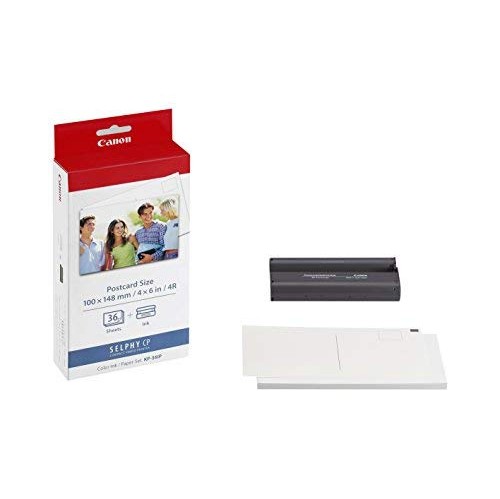
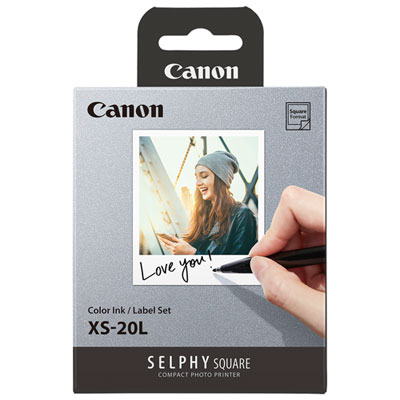

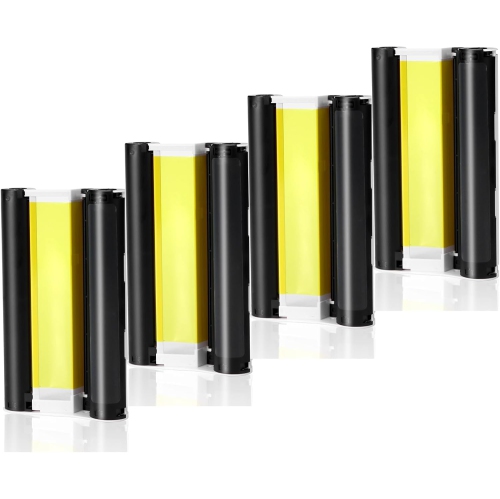
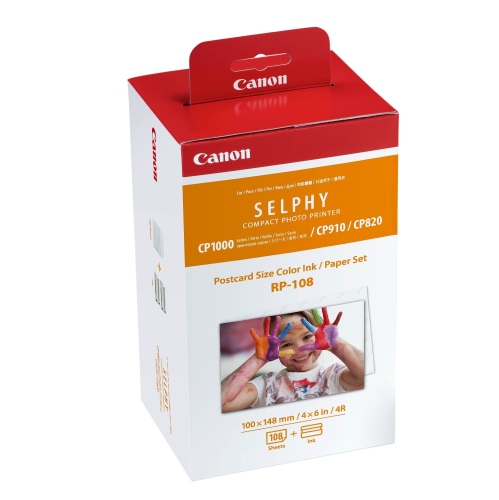

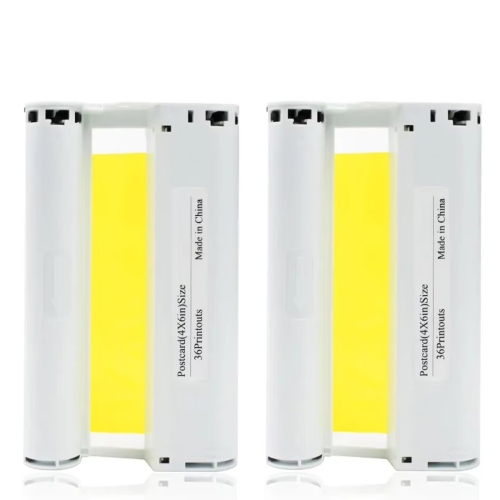
How dye ribbons and photo paper work together
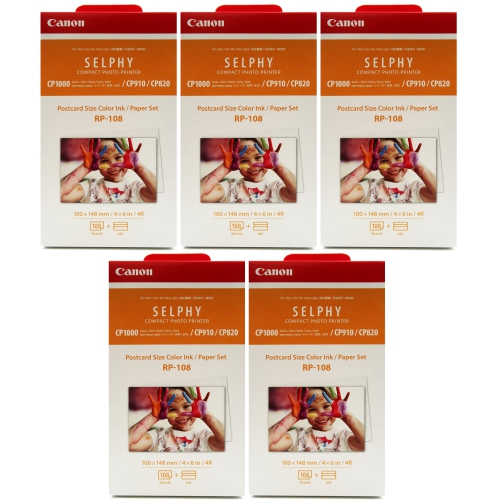
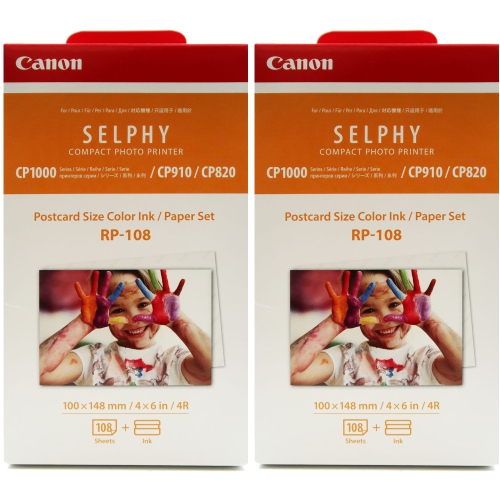
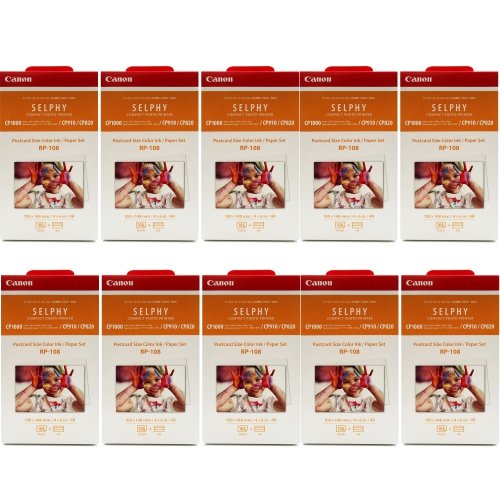
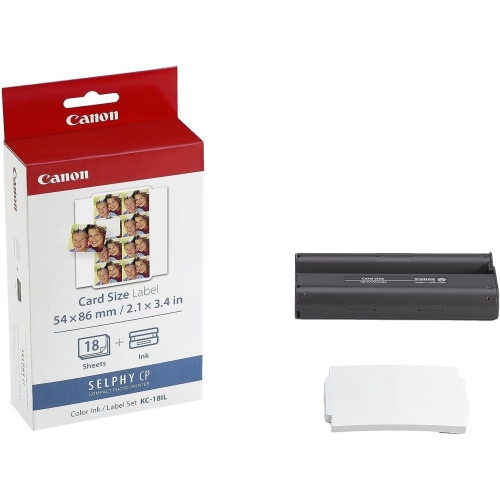
Compact dye-sublimation photo printers use a dye ribbon inside an ink cassette rather than the liquid ink cartridges found in conventional inkjet printers. Replacement supplies commonly pair the cassette with compatible photo paper, providing the materials needed for a stated number of prints. During printing, controlled heat transfers yellow, magenta, and cyan dye onto the paper in successive passes; many systems then apply a clear protective coating. This process produces smooth colour transitions suited to portraits, family photographs, and images with subtle shading. The ink and paper are designed to work together, so ordinary office paper and general-purpose inkjet photo paper are not interchangeable with dedicated dye-sublimation media. Compatibility depends on the exact printer model, supported paper format, and, in some cases, the paper cassette fitted to the machine. The paper cassette holds the sheets, while the ink cassette contains the ribbon; they are separate components with different roles. A common postcard format is 4 × 6 inches, while credit-card formats measure approximately 2.1 × 3.4 inches. These dimensions describe different printing formats, not sizes that every compact photo printer supports. Larger prints suit photo albums and small frames, while compact formats can work well for keepsakes and creative layouts. Some formats require a different paper cassette or adapter, and an ink-and-paper refill does not necessarily include that hardware. Pack contents also matter: the number of sheets, number of ink cassettes, and supported print size together establish what a refill is intended to produce. Cassette counts alone do not indicate total capacity because ribbon capacities can differ. The stated sheet count and compatible printer information provide a more useful basis for matching supplies to a printing session. A refill intended for one printer family should not be assumed to fit another simply because the photographs have similar dimensions.
The paper surface is as important to the finished photograph as the dye ribbon. Dedicated dye-sublimation sheets have a receiving layer that accepts the transferred colour, helping faces, fabric textures, and gradual changes in light appear smooth rather than visibly dotted. A glossy finish can give colours a bright, polished appearance, while some compatible printers offer textured or less reflective finishes through their print settings. That option depends on the printer and media system rather than a general promise attached to all refill packs. Depending on the supported format, media may be intended for albums, postcards, or adhesive-backed projects; those uses are not interchangeable. For framed photographs, the usable image dimensions matter more than the overall sheet dimensions, particularly when paper includes detachable handling tabs. Any perforated edges are intended to be removed only where the media design allows. The protective top layer used by many dye-sublimation systems helps resist fingerprints, minor splashes, and everyday handling, but it does not make every print waterproof or immune to fading. An album, sleeve, or suitable frame provides additional protection from rubbing and repeated contact. Keeping unused paper in its original packaging helps protect its surface from dust, oils, and accidental bending. Clean, dry hands and handling by the edges help preserve the coating before printing, while touching or pulling the exposed ribbon can damage the ink cassette. Supplies also benefit from storage away from direct sunlight and household spills. For households printing only occasionally, retaining the packaging and compatibility details makes it easier to identify the correct refill later. The practical value of a matched set lies in predictable results: the paper coating, dye ribbon, and printer settings are intended to work as a system. Correct loading and an unobstructed paper path support that consistency, especially with printers that move a sheet back and forth during the colour-transfer process.
Ink-and-paper refills suit people who want photographs to leave the phone screen and become something tangible: a grandparent’s album, a child’s milestone book, a travel journal, or a small arrangement of favourite pictures above a desk. A dedicated photo-printing setup can also be useful for hobby photographers making quick keepsakes, families sharing copies after a gathering, and crafters adding personal images to cards or memory pages. The intended use helps determine the most practical format. A postcard-size photograph gives a group portrait more room, while a smaller print can fit a journal layout without dominating the page. Adhesive-backed media, where supported, offers a different use from conventional photo paper and should be matched to both the printer and the project surface. Image preparation affects the result as well: a sharp original photograph generally prints more clearly than a compressed screenshot, and a borderless layout may crop parts of the image to fit the paper’s proportions. Faces near the edge of a picture and fine lettering deserve particular attention because a small crop or reduction can remove important detail. Print previews and compatible layout settings help make the available image area clear before a sheet is used. For gifting, a refill can be a thoughtful companion to an existing photo printer, provided the recipient’s exact model and preferred format are known. It supports an activity rather than adding an unrelated accessory, whether the recipient enjoys organizing family photographs or making personalized keepsakes. Households with both a photo printer and a document printer may also browse Best Printer Ink when matching separate supplies to each machine. Those devices can use very different printing technologies, even when both produce colour images. For dedicated compact photo printing, the strongest match remains a compatible dye-sublimation cassette and its specified paper, in a format suited to the photographs and projects that matter most.
Top selling and popular products
-
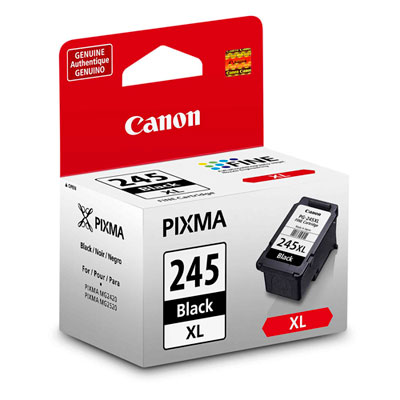 Your price for this item is $82.99
-
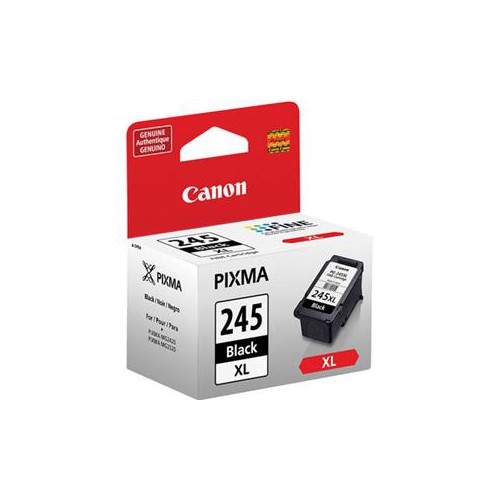 Your price for this item is $62.56
-
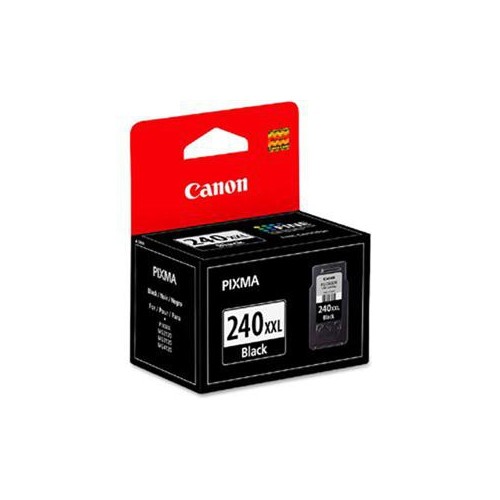 Your price for this item is $67.96
-
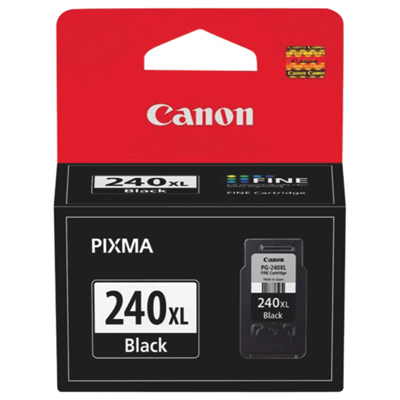 Your price for this item is $44.99
-
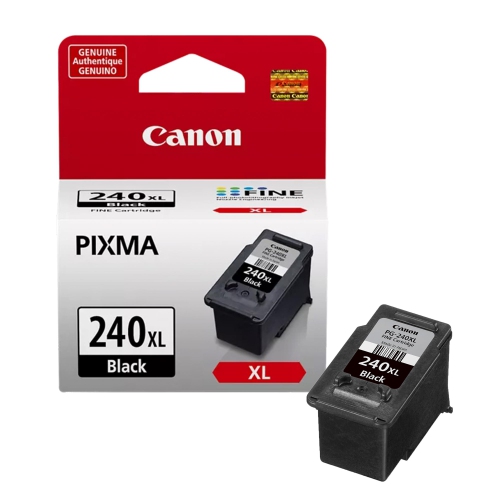 Your price for this item is $53.98
-
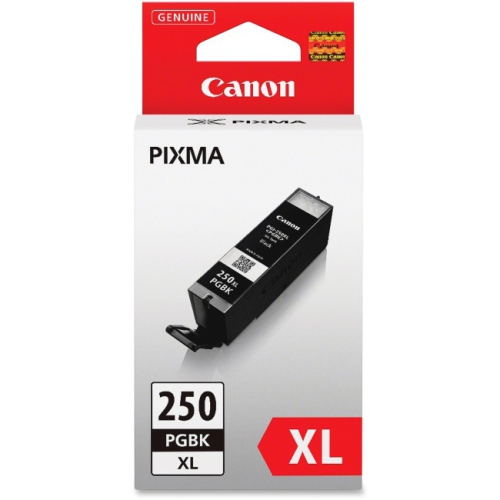 Your price for this item is $60.37
-
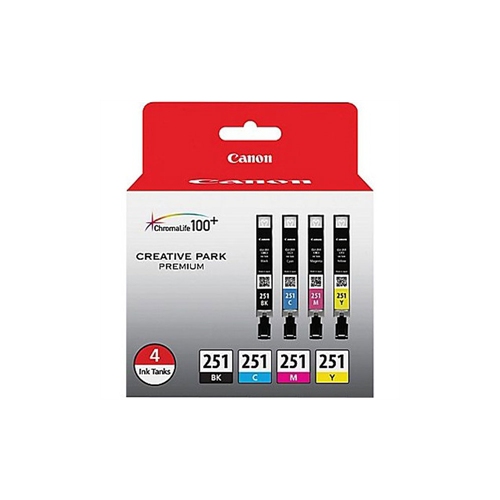 Your price for this item is $149.97
-
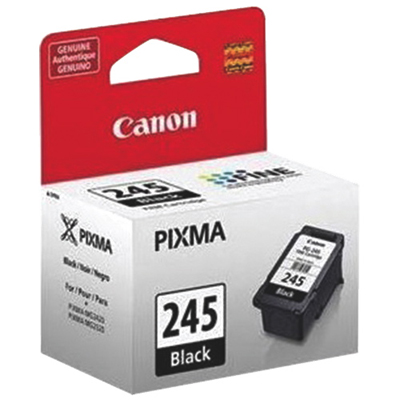 Your price for this item is $34.99
Discover more categories related to Selphy Ink
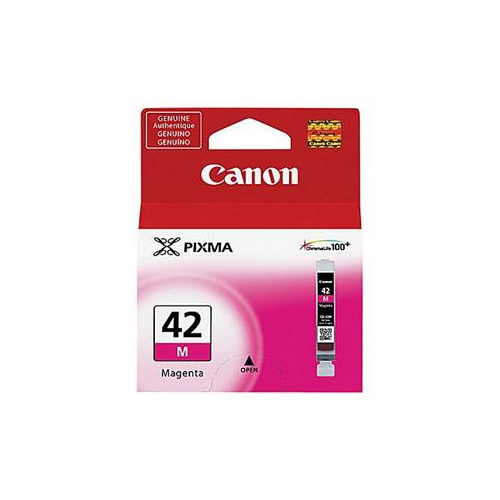
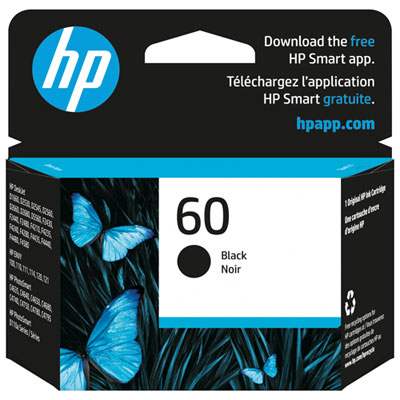
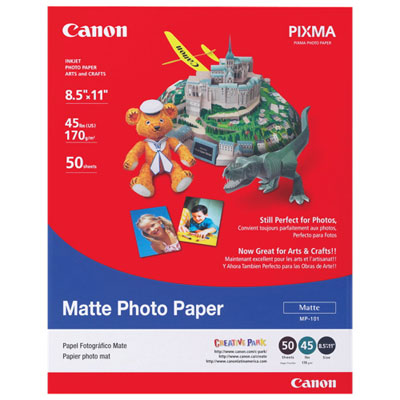
Top Collections:
Best Black Friday Deals This Year, Best Black Friday Deals On Electronics, Kindle Devices, Pokemon Centers, Best Black Friday Deals On Apple Products, Best Cameras for Sports Photography, Dyson Airwrap, Pokémon 30th Celebration Cards, Apple iPhone 17 Pro, Canon G7X Cameras
Some products may be subject to Environmental Handling Fees
(EHF) depending on your province.
Learn more about EHFs.