Canon Selphy Papers
Canon Selphy Paper is designed to help you get the most out of your photo printing experience. Perfect for capturing memories at home or on the go, this selection is compatible with a variety of compact printers. Whether you’re creating albums, sharing snapshots with friends, or adding personal touches to gifts, Canon Selphy Paper provides an easy solution for high-quality prints. Explore options that suit your needs and enjoy vivid photos every time you print.
Sort


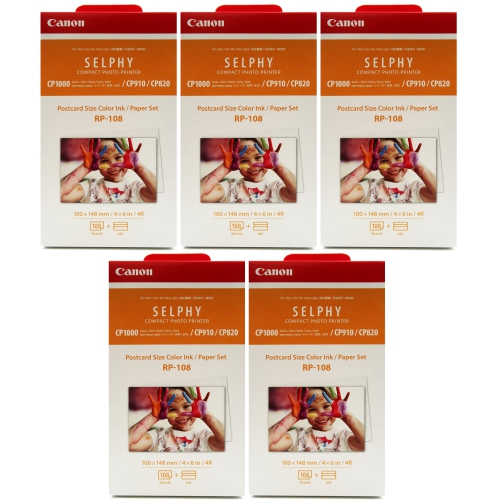
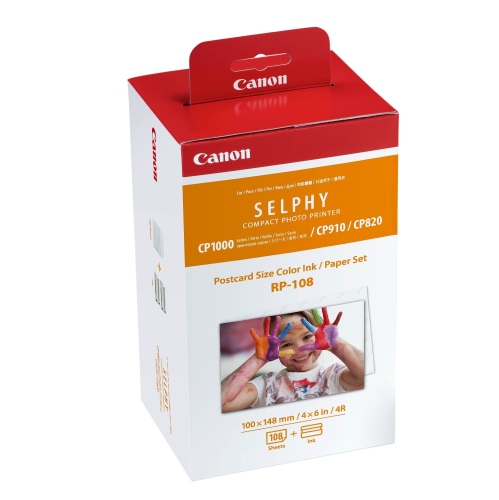
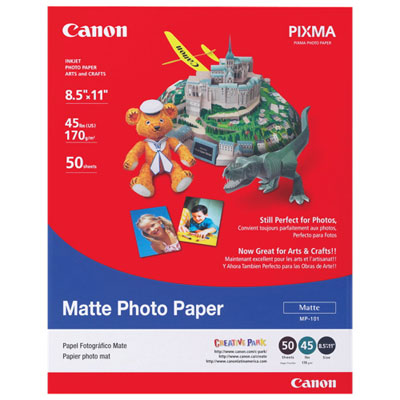
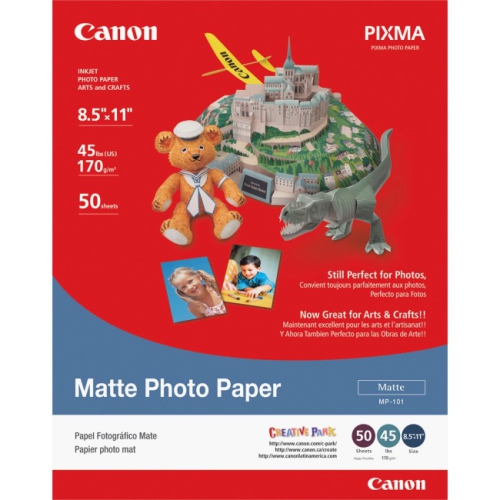
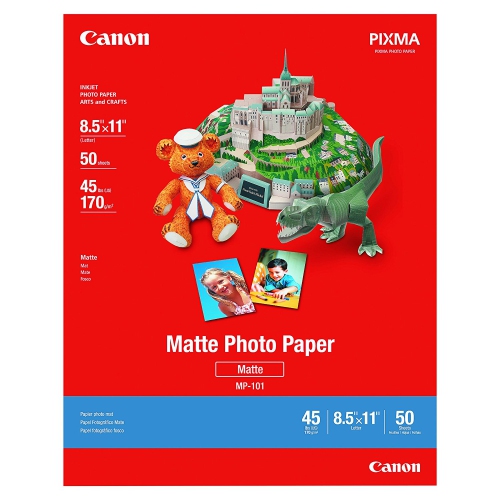

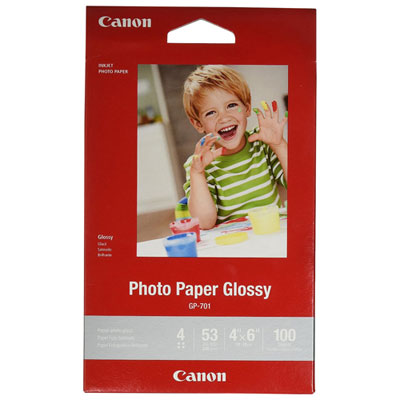
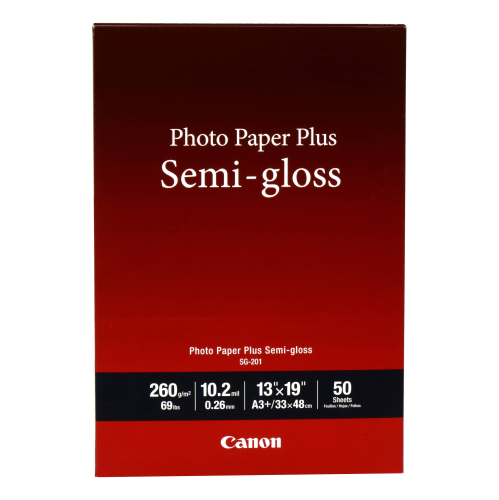
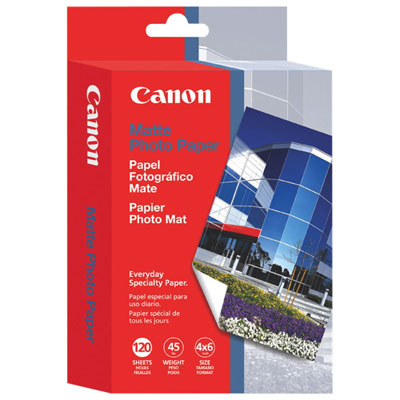
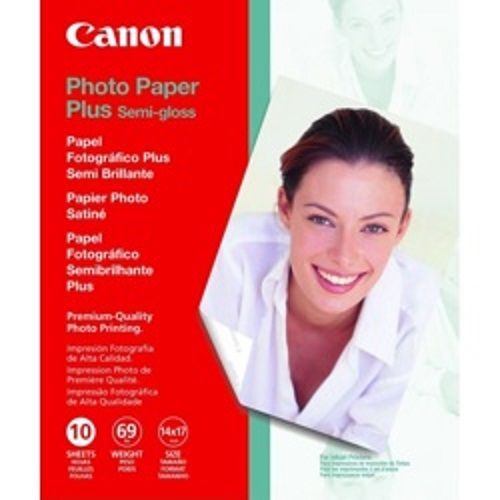

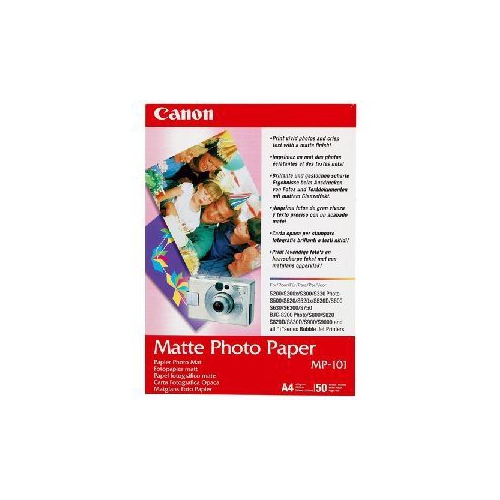
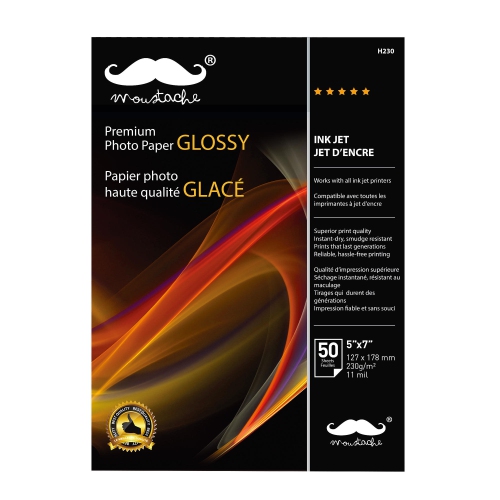
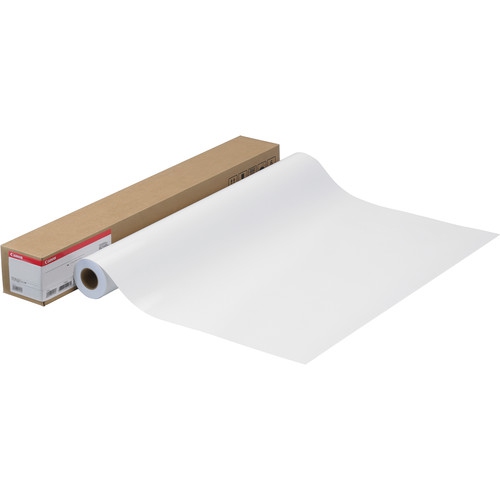
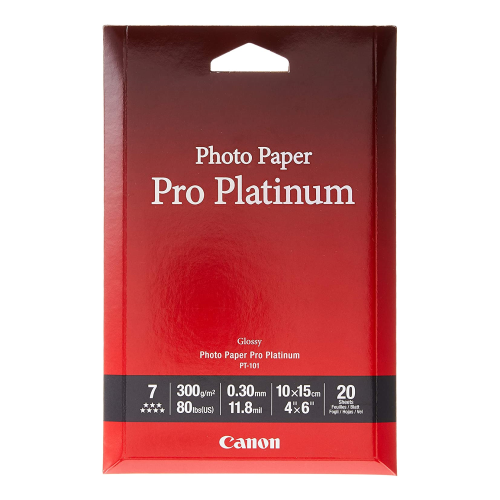
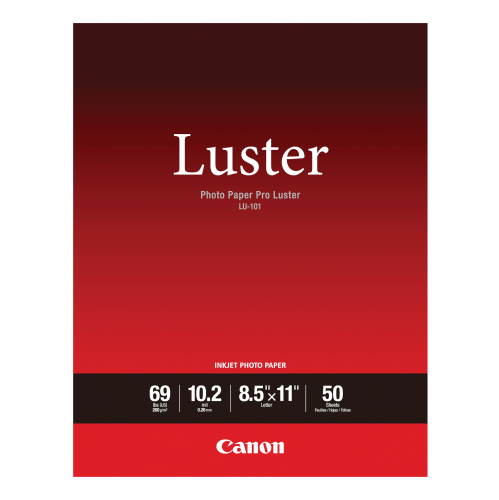
Why photo paper compatibility goes beyond sheet size
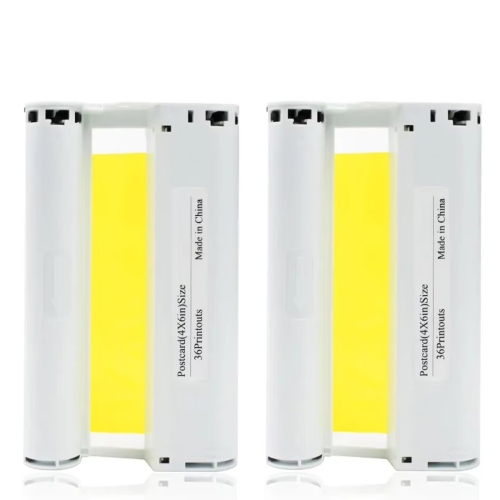
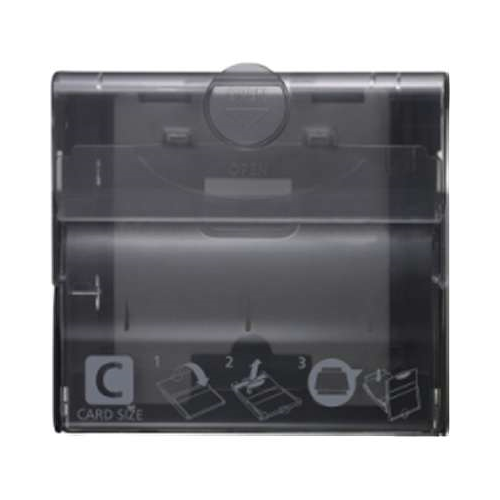
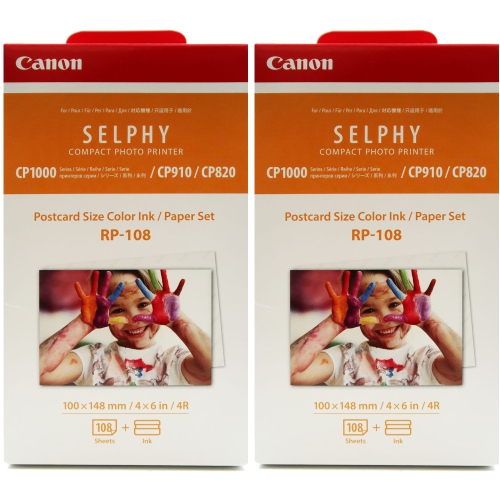
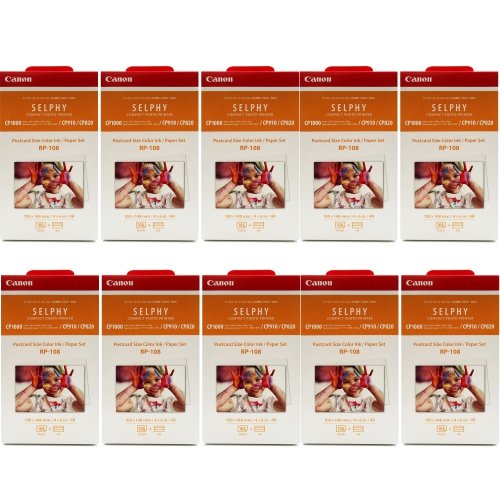
Paper for compact dye-sublimation photo printers is designed to work with a matched ink ribbon, rather than the liquid ink used by many desktop photo printers. During printing, heat transfers colour from the ribbon onto a specially coated sheet, building a photograph through successive colour passes. This makes paper compatibility more specific than simply choosing a sheet that fits inside a tray. The printer model, supported paper format, cartridge type, and required paper cassette all help determine which supplies will work together. Even printers with a similar appearance may use different media, so the compatibility information on the packaging is more useful than the size or shape of the box. Many supplies come as matched paper and ink sets, with a stated number of sheets and enough ribbon for a corresponding number of prints. Other formats may have different packaging arrangements, making the contents worth checking before choosing a refill. Within compact photo-printing systems, common formats include postcard-style photographs, square prints, and card-sized images, although each printer supports only particular options. Some formats require a dedicated cassette or adapter, and not every printer can switch between them. A larger paper pack does not expand a printer’s supported sizes, just as a physically similar cartridge does not guarantee compatibility. For someone printing family portraits or snapshots for an album, the familiar proportions of a postcard-style photograph may be the main consideration. Someone making a small photo journal may place more importance on square dimensions or adhesive backing. Browsing Canon Photo Papers can provide a broader view of photo-printing media, but ordinary inkjet photo paper should not be treated as a substitute for paper made for a matched dye-sublimation system. The right combination depends on the printer and the intended print format, not simply on whether the packaging describes the paper as glossy or suitable for photographs.
The coating, backing, and dimensions of photo paper influence how a finished print looks and where it can be used. Dye-sublimation media has a surface made to receive transferred colour, helping render details such as strands of hair, lettering on a birthday cake, or the soft shades in a close-up portrait. Surface appearance also depends on the printer: some systems offer different finish settings without requiring a different type of paper. A protective layer may be applied during printing to help resist fingerprints and minor splashes, although that does not make every print waterproof or suitable for prolonged outdoor display. Traditional photo-backed sheets suit albums, frames, and keepsake boxes, while supported adhesive-backed formats can be useful for journals, message boards, and personalized cards. Adhesive performance varies with the paper and the surface beneath it; a smooth journal page presents different conditions from a textured cover or painted wall. Permanent and removable applications should not be assumed to behave alike. Dimensions matter just as much as the surface. A photograph intended for a frame needs to fit the opening or mat, while a print for an album needs to sit comfortably inside its sleeve. Some media includes handling tabs or perforated edges, so the dimensions of the unused sheet may differ from those of the finished photograph. Borderless printing can also crop the edges of an image, depending on the printer and layout settings. A group portrait with faces close to the edge may need more breathing room than a picture of a single person against an open background. For journal pages or small displays, a border can provide space for a date or handwritten caption. Print quantity is another practical consideration: occasional snapshots and a full album project involve different amounts of paper. Comparing the sheet count, supported format, and matched ribbon capacity helps make the contents of a pack easier to understand without assuming that all refill sets contain the same supplies.
Compact photo papers are useful wherever a digital picture becomes more meaningful as something that can be held, displayed, or shared. Parents may print a few favourite family moments for relatives, students may add photographs to a journal, and hobbyists may arrange small prints alongside ticket stubs and handwritten notes. A picture tucked into a thank-you card has a different purpose from one placed in a frame, and the most suitable format reflects that destination. Larger rectangular prints can give a group photograph room to breathe, while smaller formats suit pocket albums and compact keepsakes. For someone who already enjoys instant photo projects, compatible paper and ink supplies can also make a thoughtful gift, provided the exact printer model and preferred format are known. A refill that looks similar but belongs to another printing system will not serve the same purpose. Care before and after printing helps protect both the paper and the finished photograph. Unused sheets are best kept in their original packaging, away from moisture, dust, and direct sunlight, with the printing surface handled as little as possible. Clean, dry hands and holding sheets by their edges help avoid marks that may affect the printed image. Loading orientation and pack capacity remain printer-specific, and paper that has already passed through a printer should not be treated as a fresh sheet. During printing, many compact dye-sublimation models move the paper in and out several times, making clear space around the printer important. Finished photos benefit from gentle handling and storage away from prolonged sunlight or damp conditions. For longer-term keepsakes, photo-safe albums, sleeves, and mounting materials help separate prints from unsuitable adhesives and rough surfaces. A simple album with room for captions can turn a collection of individual snapshots into a record of people, places, and everyday moments. Choosing paper around the printer’s requirements and the photograph’s eventual home supports that purpose, whether the result is a single gift enclosure or a carefully organized set of family memories.
Top selling and popular products
-
 Your price for this item is $33.37
-
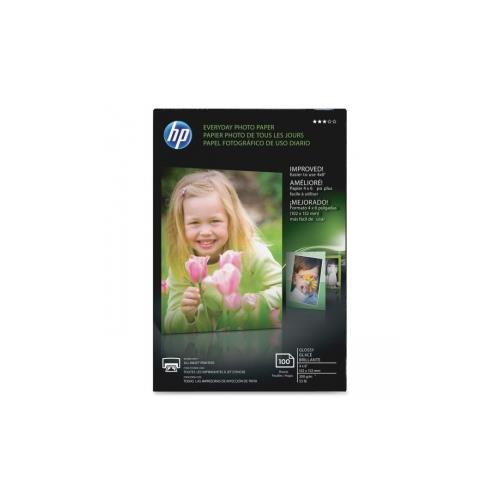 Your price for this item is $24.68
-
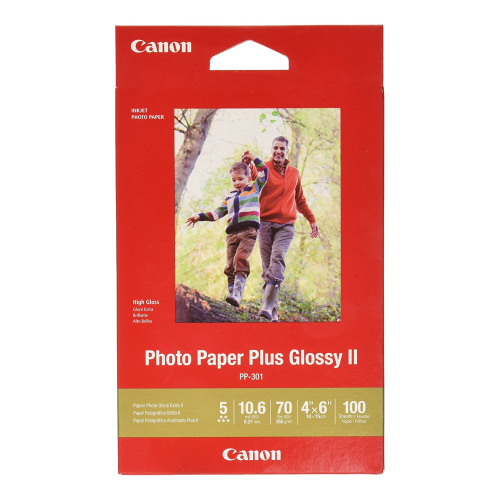 Your price for this item is $43.79
-
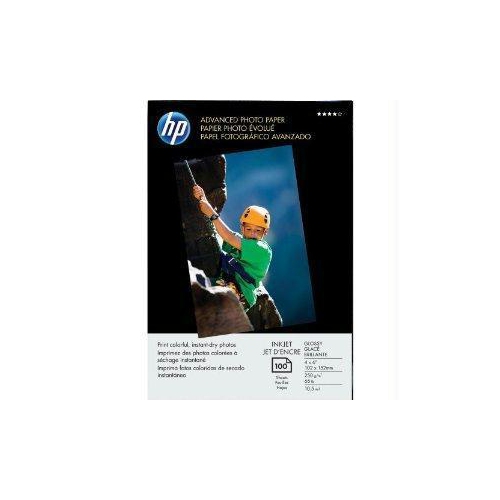 Your price for this item is $31.68
-
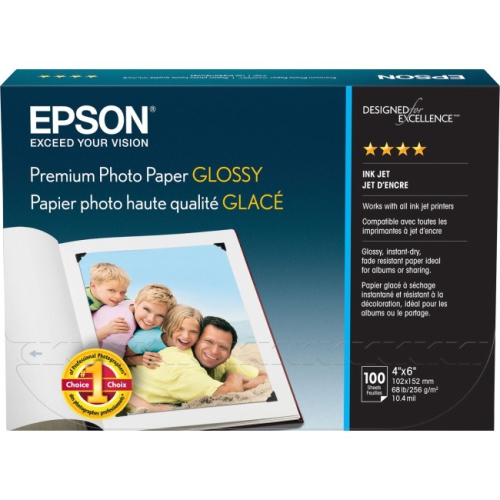 Your price for this item is $24.68
-
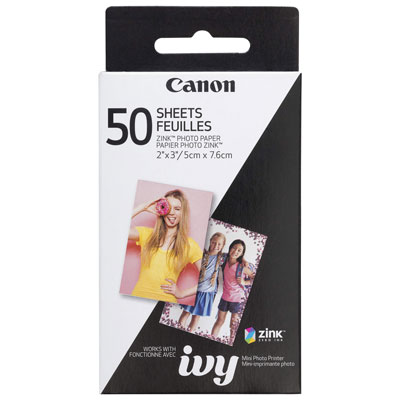 Your price for this item is $39.99
-
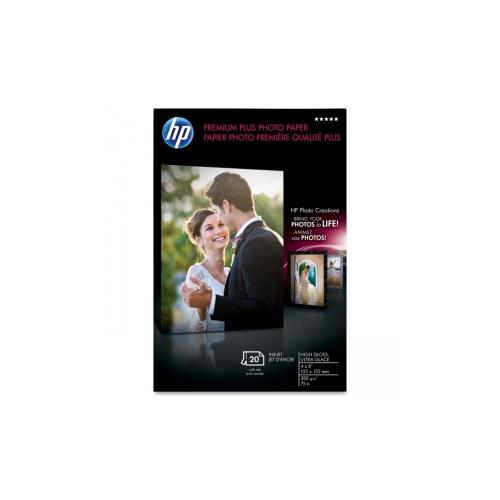 Your price for this item is $28.99
-
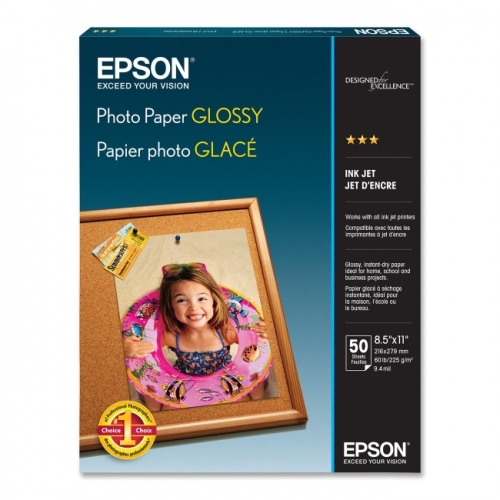 Your price for this item is $65.68
Discover more categories related to Canon Selphy Papers
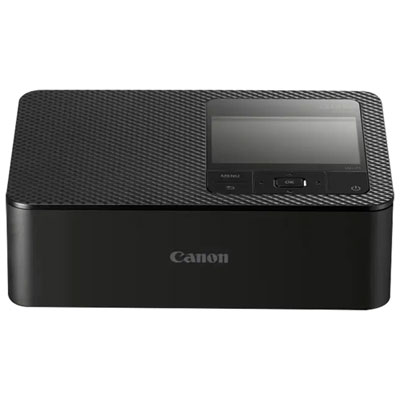
Top Collections:
Best Black Friday Deals This Year, Best Black Friday Deals On Electronics, Kindle Devices, Pokemon Centers, Best Black Friday Deals On Apple Products, Best Cameras for Sports Photography, Dyson Airwrap, Pokémon 30th Celebration Cards, Apple iPhone 17 Pro, Canon G7X Cameras
Some products may be subject to Environmental Handling Fees
(EHF) depending on your province.
Learn more about EHFs.