Sharpie Markers
When it comes to unleashing your creativity and adding a pop of color to your projects, markers are an essential tool for artists, students, professionals, and DIY enthusiasts alike. Whether you're sketching out designs, labeling items for organization, or creating vibrant artwork, markers offer precision and versatility that can bring your ideas to life. Explore our wide selection of markers in various tip sizes, colors, and styles to find the perfect match for your next project.
Sort
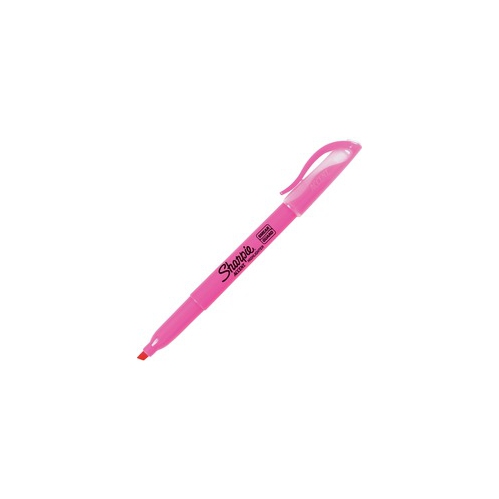
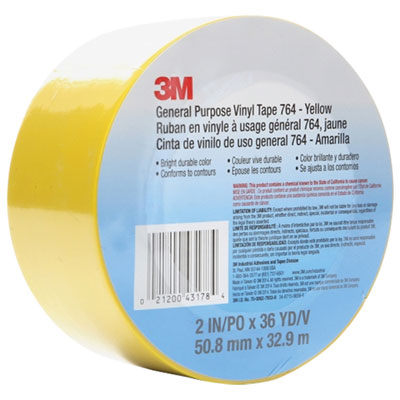
Bold labels depend on more than ink colour
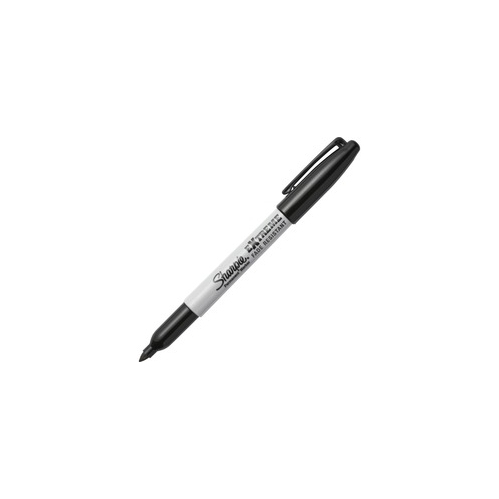
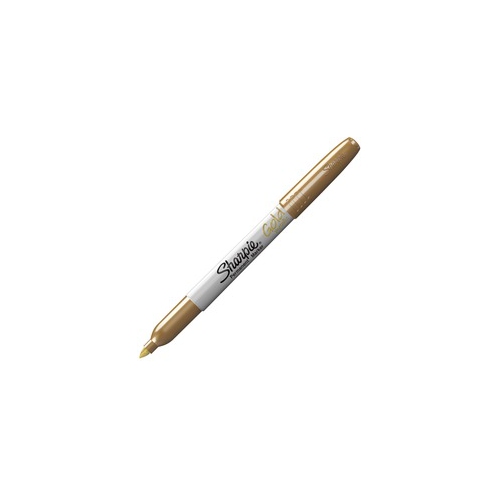
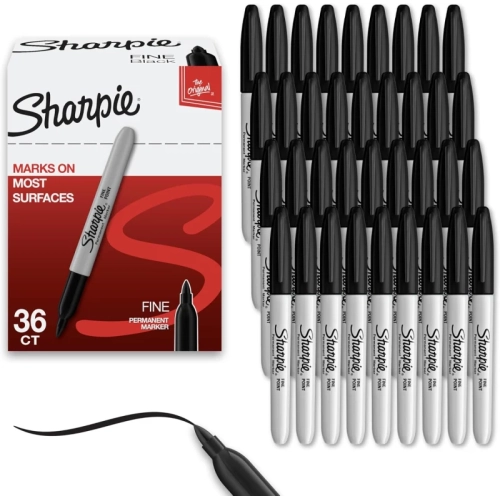
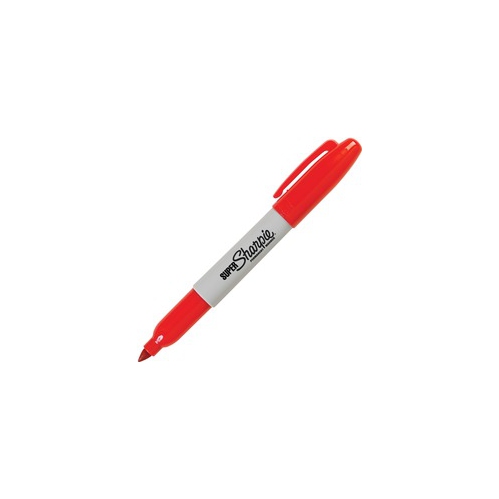
Permanent markers bring bold, lasting colour to everyday labelling, drawing, and organization. Their ink is designed to leave marks that resist ordinary rubbing and handling on suitable surfaces, making them useful for everything from identifying a storage bin to outlining a handmade sign. Many permanent marker inks dry quickly and work on paper, cardboard, plastic, and metal, although adhesion and drying time depend on the ink formula and the surface finish. A smooth plastic lid behaves differently from an absorbent cardboard box: ink may sit on the first surface while soaking into the second. That distinction matters when clean edges, quick handling, or long-term legibility are priorities. Black ink creates strong contrast on light backgrounds and suits address labels, file tabs, and workshop notes. Assorted colours add another layer of organization, helping separate moving boxes by room, distinguish shared supplies, or make a project timeline easier to scan. For drawing and lettering, a range of shades supports bold outlines, filled shapes, and small accents without switching to a different writing medium. Opaque metallic inks can stand out on dark paper, but their finish and surface compatibility vary by formula. A marker described as permanent is not necessarily suitable for every material or exposure; water resistance, resistance to fading, and resistance to abrasion are separate qualities. Marks on frequently handled objects may wear differently from writing tucked inside a folder. Permanent markers are also distinct from dry-erase markers, whose ink is formulated to wipe away from compatible boards. Using permanent ink on a reusable writing board can leave unwanted marks. For households, offices, classrooms, and shared workspaces, the appeal lies in a straightforward tool that makes names, notes, and visual details easier to see. A clearly marked cable tag or storage label can save repeated checking, while a strong outline can give a simple paper project a crisp, finished appearance.
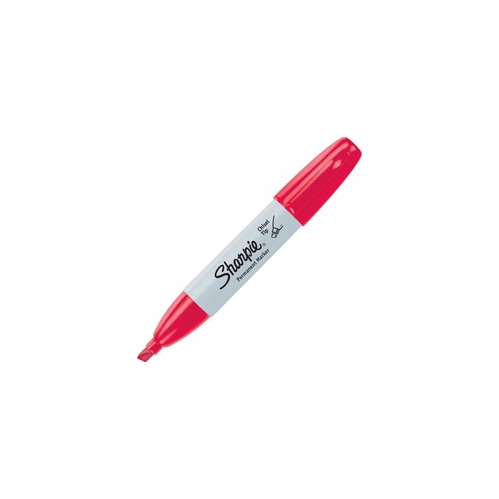
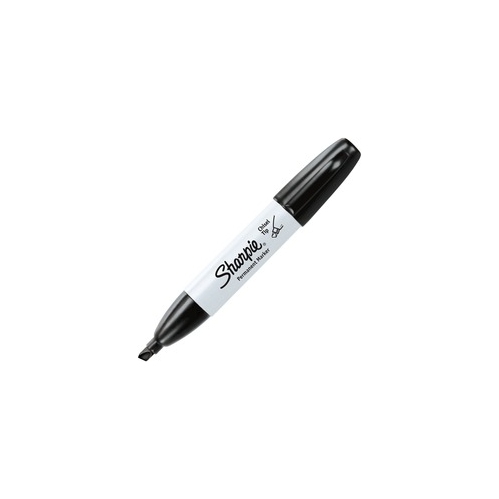
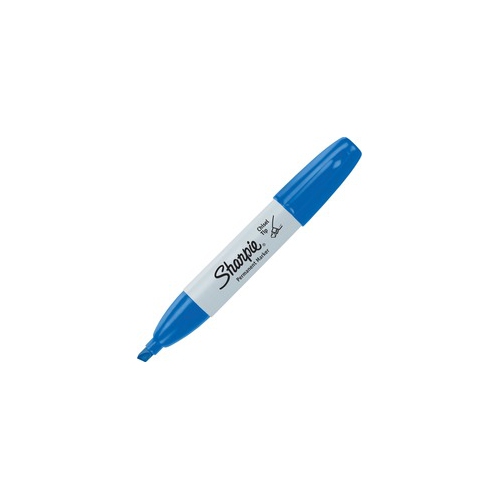
Tip shape has a noticeable effect on how a marker feels and what its marks look like. Fine tips balance readable handwriting with enough ink coverage for labels, headings, and everyday drawing. Ultra-fine tips suit tighter spaces, including small tags, detailed outlines, and compact notes where a heavier line could fill the gaps between letters. Chisel tips offer different widths depending on the angle of the nib: the broad edge covers a larger area, while the narrow edge makes slimmer strokes. That flexibility is useful for signs and lettering that need to remain legible from a distance. Brush-style tips, where offered, respond to pressure and angle, allowing flowing lines with more variation in thickness. The right fit depends as much on the size of the writing area as on the intended effect. A broad nib may feel efficient on a large sheet of card but cumbersome on a narrow folder tab. Barrel shape and thickness also affect comfort, particularly during repeated labelling or longer drawing sessions. A grip that feels easy to control helps maintain steady lettering without excessive pressure, which can damage a nib or cause it to spread. Felt and fibre tips gradually change with use, and rough cardboard or unfinished surfaces can wear them faster than smooth paper. Gentle, consistent strokes generally preserve the tip better than pressing hard to force a darker line. Paper choice matters, too: permanent ink can feather along loose fibres or bleed through thin sheets, so a protective sheet underneath helps keep the work surface clean. On coated paper, ink may remain wet longer or adhere unevenly. Anyone comparing tools for writing and illustration can also explore Pen Markers for related formats suited to different line styles and tasks. Across these formats, line width, ink behaviour, and comfort are more useful distinctions than appearance alone, especially when the same tool will move between handwriting, drawing, and practical labels.
Daily care helps permanent markers stay ready for the next task. A securely fitted cap limits air exposure that can dry out the nib, while storage according to the packaging helps maintain reliable ink flow. Some formulas have specific storage or preparation requirements, so a single routine will not suit every marker type. A small test mark on scrap material can reveal the line width, opacity, and drying behaviour before work begins on a finished piece. For plastic, metal, or glass, a clean, dry surface free from grease usually gives the ink a better chance to adhere, but even a neat initial mark may rub off a slick finish over time. Permanent marking does not automatically mean dishwasher-safe, suitable for food-contact surfaces, or appropriate for skin. Fabric use also needs care: ordinary permanent ink can spread through fibres or change with washing, whereas markers expressly labelled for textiles have instructions for that purpose. In shared spaces, clear labels on removable tags can identify belongings without applying ink directly to a valuable or delicate surface. A name on a lunch-bag tag, an arrow on a packing carton, and a bold label on a parts drawer each call for a slightly different balance of precision and visibility. At a desk, darker ink and a controlled tip support tidy filing; at a craft table, varied colours and broader strokes give posters and handmade cards more visual range. Marker sets can make practical gifts for students, illustrators, hobbyists, teachers, and people who enjoy keeping supplies organized, with the format best matched to the recipient’s habits. Children’s use should follow the age guidance and safety information on the packaging, and any ventilation directions should be observed. Thoughtful choices around tip size, surface compatibility, and ink colour make these everyday tools useful well beyond a single project, whether the goal is a readable label, a confident sketch, or a carefully lettered sign.
Tip shape has a noticeable effect on how a marker feels and what its marks look like. Fine tips balance readable handwriting with enough ink coverage for labels, headings, and everyday drawing. Ultra-fine tips suit tighter spaces, including small tags, detailed outlines, and compact notes where a heavier line could fill the gaps between letters. Chisel tips offer different widths depending on the angle of the nib: the broad edge covers a larger area, while the narrow edge makes slimmer strokes. That flexibility is useful for signs and lettering that need to remain legible from a distance. Brush-style tips, where offered, respond to pressure and angle, allowing flowing lines with more variation in thickness. The right fit depends as much on the size of the writing area as on the intended effect. A broad nib may feel efficient on a large sheet of card but cumbersome on a narrow folder tab. Barrel shape and thickness also affect comfort, particularly during repeated labelling or longer drawing sessions. A grip that feels easy to control helps maintain steady lettering without excessive pressure, which can damage a nib or cause it to spread. Felt and fibre tips gradually change with use, and rough cardboard or unfinished surfaces can wear them faster than smooth paper. Gentle, consistent strokes generally preserve the tip better than pressing hard to force a darker line. Paper choice matters, too: permanent ink can feather along loose fibres or bleed through thin sheets, so a protective sheet underneath helps keep the work surface clean. On coated paper, ink may remain wet longer or adhere unevenly. Anyone comparing tools for writing and illustration can also explore Pen Markers for related formats suited to different line styles and tasks. Across these formats, line width, ink behaviour, and comfort are more useful distinctions than appearance alone, especially when the same tool will move between handwriting, drawing, and practical labels.
Daily care helps permanent markers stay ready for the next task. A securely fitted cap limits air exposure that can dry out the nib, while storage according to the packaging helps maintain reliable ink flow. Some formulas have specific storage or preparation requirements, so a single routine will not suit every marker type. A small test mark on scrap material can reveal the line width, opacity, and drying behaviour before work begins on a finished piece. For plastic, metal, or glass, a clean, dry surface free from grease usually gives the ink a better chance to adhere, but even a neat initial mark may rub off a slick finish over time. Permanent marking does not automatically mean dishwasher-safe, suitable for food-contact surfaces, or appropriate for skin. Fabric use also needs care: ordinary permanent ink can spread through fibres or change with washing, whereas markers expressly labelled for textiles have instructions for that purpose. In shared spaces, clear labels on removable tags can identify belongings without applying ink directly to a valuable or delicate surface. A name on a lunch-bag tag, an arrow on a packing carton, and a bold label on a parts drawer each call for a slightly different balance of precision and visibility. At a desk, darker ink and a controlled tip support tidy filing; at a craft table, varied colours and broader strokes give posters and handmade cards more visual range. Marker sets can make practical gifts for students, illustrators, hobbyists, teachers, and people who enjoy keeping supplies organized, with the format best matched to the recipient’s habits. Children’s use should follow the age guidance and safety information on the packaging, and any ventilation directions should be observed. Thoughtful choices around tip size, surface compatibility, and ink colour make these everyday tools useful well beyond a single project, whether the goal is a readable label, a confident sketch, or a carefully lettered sign.
Top selling and popular products
-
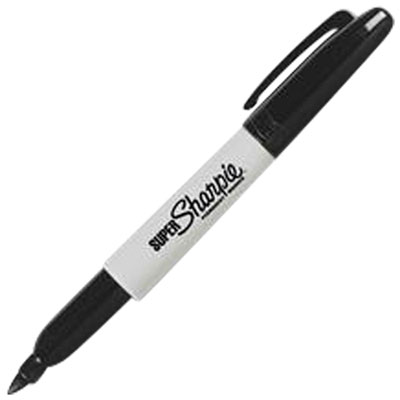 Your price for this item is $3.99
 -
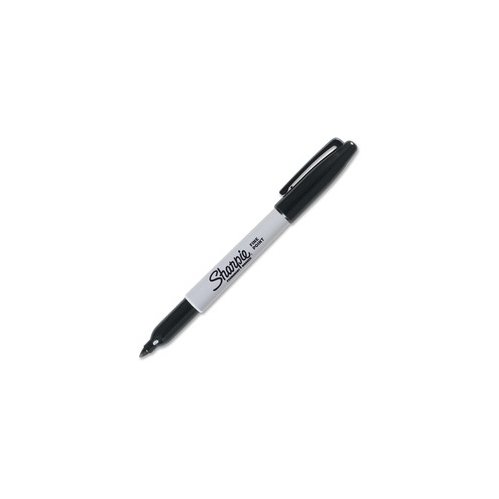 Your price for this item is $44.99
 -
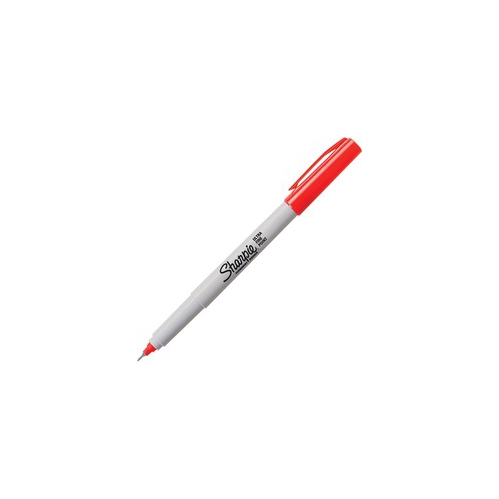 Your price for this item is $3.99
 -
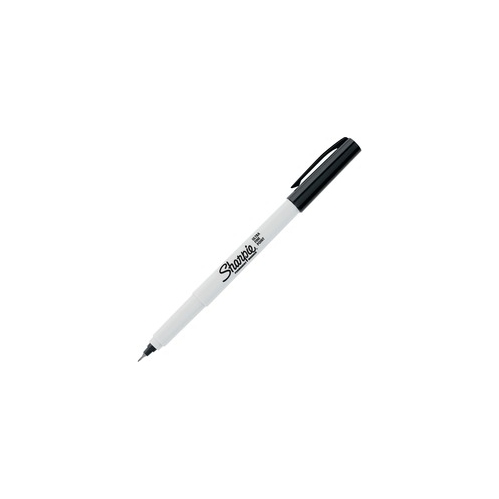 Your price for this item is $15.99
 -
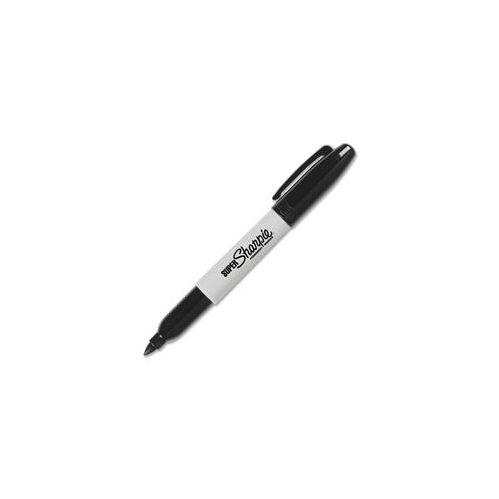 Your price for this item is $1.99
 -
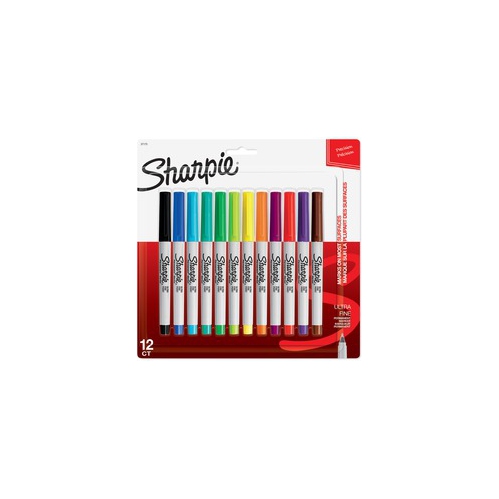 Your price for this item is $15.99
 -
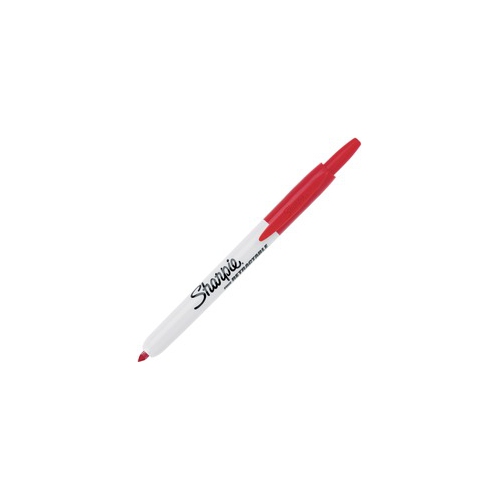 Your price for this item is $2.99
 -
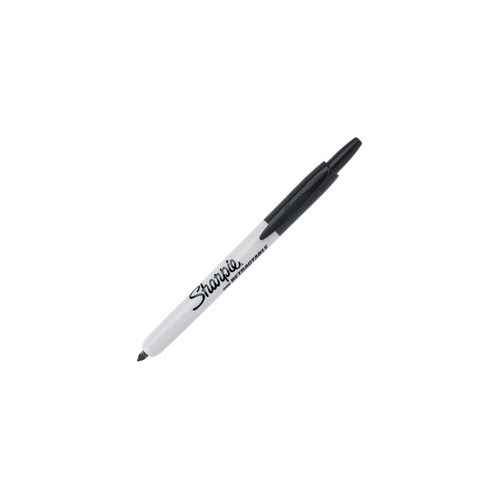 Your price for this item is $2.99
Discover more categories related to Sharpie Markers
Top Collections:
Pokemon Centers, Kindle Devices, Best Budget Office Chairs, Apple iPhones 16, Best Laptops for Writers, iPhone 15 Apple, Canon G7X Cameras, Refurbished Apple Laptops, Alarm Clock, Motorola Razr Phones
Some products may be subject to Environmental Handling Fees
(EHF) depending on your province.
Learn more about EHFs.