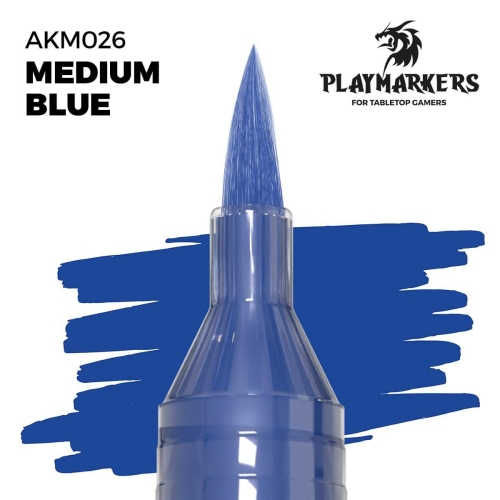
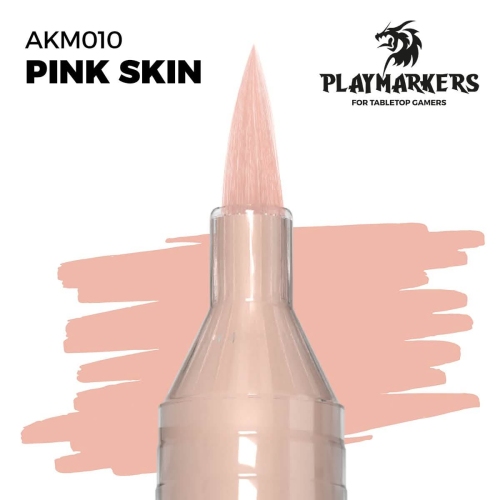
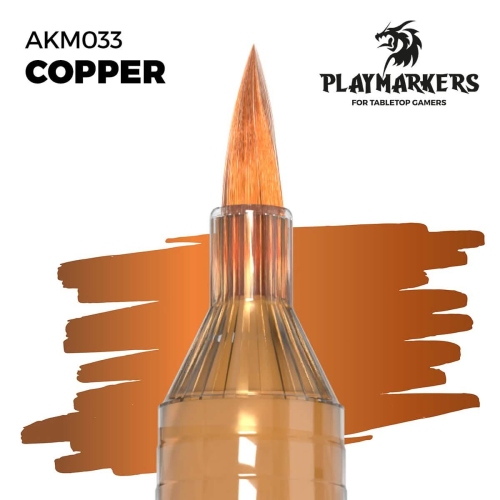
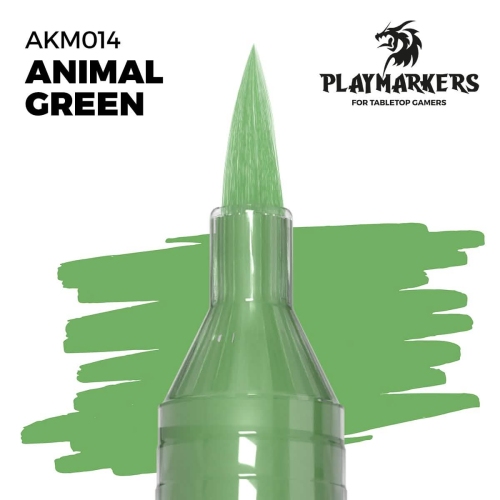
Magic Markers

Find magic markers for writing, drawing, and colouring, whether you’re labelling items or adding detail to a creative project. Compare colour options, tip styles, and ink types, and check the recommended surfaces to choose markers suited to your task.

Sort

How marker tips and inks shape your artwork

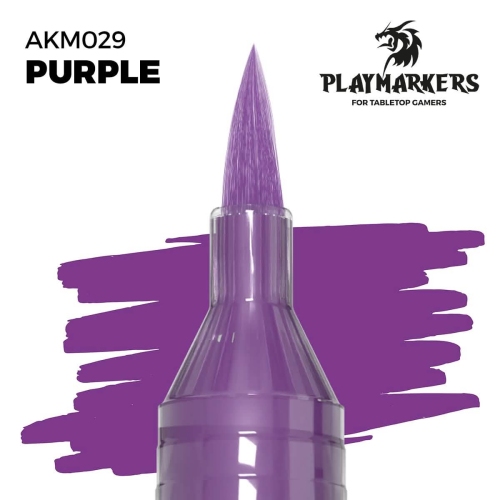
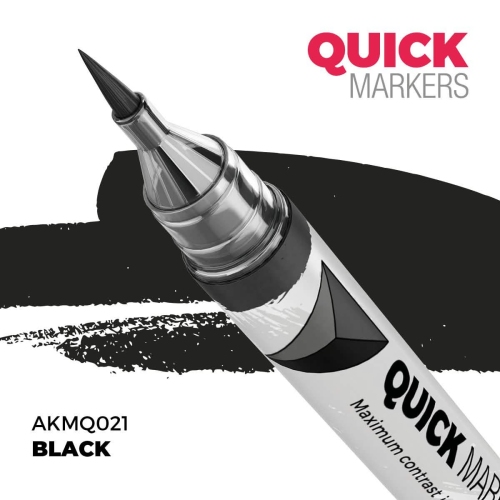
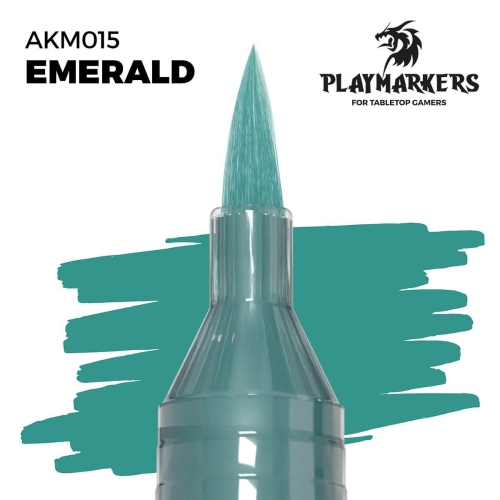
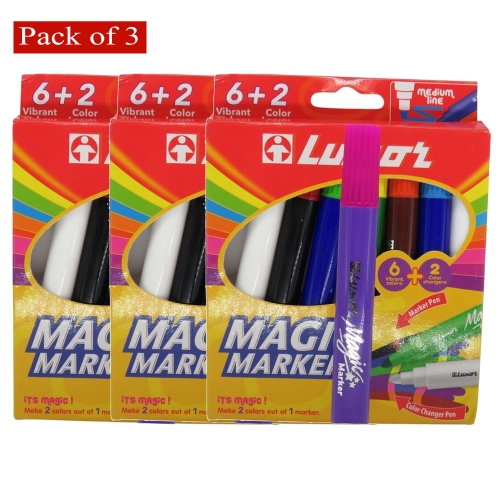
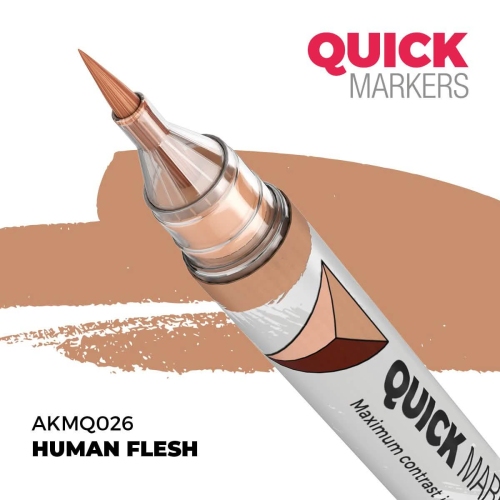
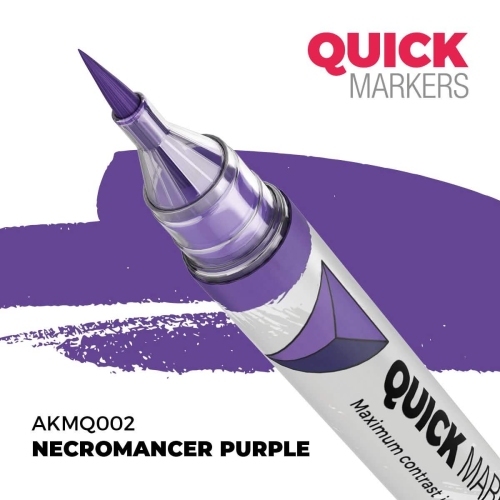
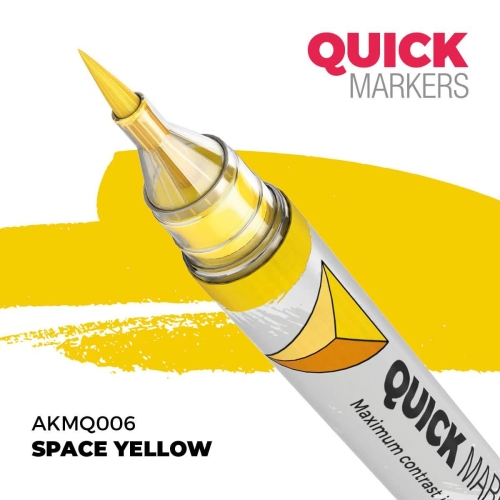
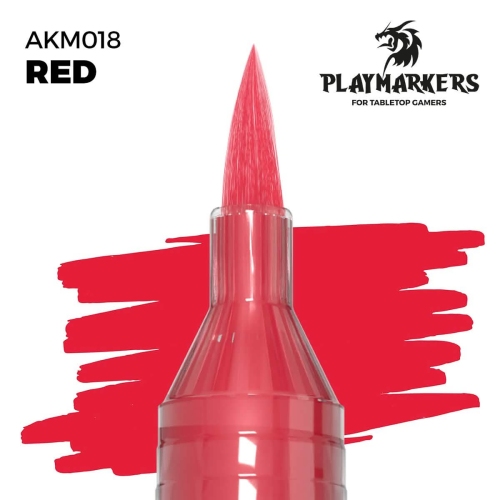
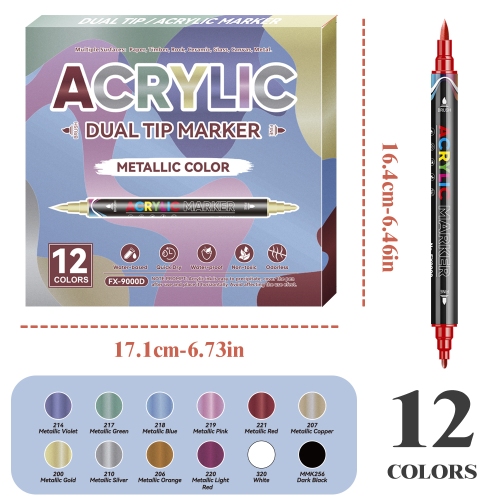
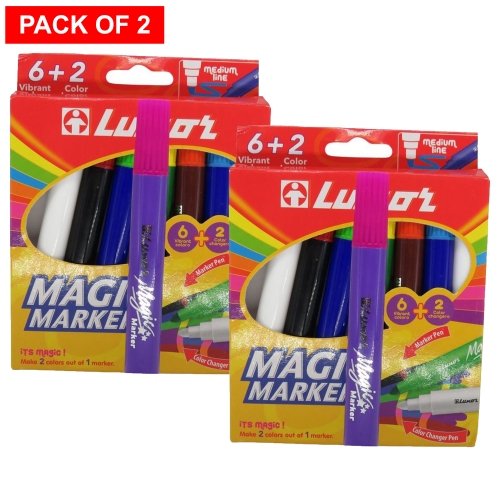
Magic markers are porous-tipped pens used for colouring, drawing, writing, and labelling. The name commonly describes felt-tip art markers, although it can also refer to colour-changing marker sets. Pens designed for magic tricks are a separate type of product, intended for performances rather than everyday artwork. For creative projects, the familiar appeal of a marker is its ready-to-use colour: ink flows from an internal reservoir through a felt or other fibre tip, leaving a line without a separate brush, water cup, or palette. The shape of that tip makes a noticeable difference on the page. A broad, rounded tip suits large shapes and bold lettering, while a fine tip gives small illustrations, calendar entries, and handwritten labels more definition. Chisel tips create wide strokes on their flat side and narrower lines along the edge, making them useful for poster lettering and headings. Flexible brush tips respond to changes in pressure, producing flowing lines for hand lettering and expressive sketches. Dual-ended designs combine two tip styles in one barrel, which can be convenient when a drawing includes both tiny details and larger areas of colour. Barrel shape and grip also influence how a marker feels during use. Chunkier barrels may be easier for small hands to hold, while slimmer barrels can feel more familiar to someone accustomed to writing with a pen. A tip that feels firm supports controlled outlines; a softer tip offers more variation but may take practice to handle gently. Colour selection matters as much as tip shape. A compact range of clearly different shades can suit simple colouring activities, whereas closely spaced tones are useful for shading faces, drawing flowers, or adding depth to illustrated lettering. Cap colours provide a quick reference, but the ink may look different once it reaches the paper. A small colour swatch on the same material as the finished project gives a more useful impression of the shade and how it changes as it dries.

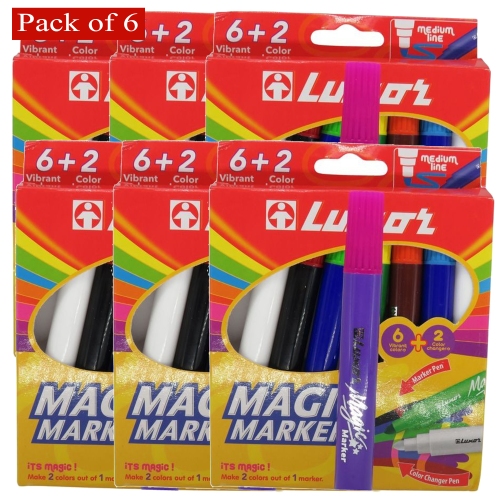
Ink type helps determine where magic markers work best and how the finished marks behave. Water-based markers are common for paper crafts, schoolwork, and casual colouring, but water-based does not automatically mean washable. Washability is a separate claim, and removal can depend on the fabric, surface, and time before cleaning. Permanent markers are designed to leave more lasting marks, although adhesion and resistance to rubbing still vary by material. Alcohol-based art markers are often used for smooth colour transitions and layered shading; they can also bleed through ordinary paper. Thin notebook sheets may show ink on the reverse side or allow it to reach the next sheet, so a protective backing is useful beneath drawings. Heavier paper can reduce some problems, but thickness alone does not guarantee that a sheet will resist bleed-through. Paper intended for the particular ink type generally gives more predictable results. Surface texture affects the experience, too: rough paper can produce a broken, textured line and put more wear on a soft tip, while smoother paper allows the nib to move with less resistance. On glossy card, plastic, or glass, an ink that behaves well on paper may smear, bead, or wipe away. For projects that need more opaque colour on materials such as wood, metal, or glass, Paint Markers are a related option when labelled for the intended surface. Adhesion, preparation, drying time, and any sealing requirements depend on the formula. Colour-changing magic markers offer a different effect: some sets pair coloured inks with a compatible activator pen that changes the appearance of a line or coloured area. This can add contrasting patterns, hidden details, or a second colour to a simple drawing. The effect relies on the inks working together, so unrelated markers and activators are not necessarily interchangeable. A test on a spare piece of the project material helps establish the colour, drying behaviour, and effect before work begins on a finished piece.

Magic markers fit a wide range of everyday creative routines, from a child filling a page with bright animals to an adult adding illustrated headings to a journal. At a kitchen table, a modest set of washable colouring markers can support drawing sessions with fewer separate materials to manage. In a classroom or study space, distinct colours can separate subjects, highlight parts of a diagram, or make a hand-drawn map easier to follow. Hobby artists may value a broader shade range and consistent ink flow for comic-style drawings, character sketches, or decorative lettering. Someone making birthday cards might prefer fine outlines and brush lettering, while a person preparing a large sign may get more use from broad tips and strong, readable colour. As a gift, a marker set feels more personal when its tip styles and ink suit the recipient’s interests and experience. Younger users need age-appropriate materials, and small caps require care around children who still put objects in their mouths. A non-toxic label does not mean that ink is intended for skin, face painting, or ingestion; those activities call for materials specifically made for that purpose. For any age, following the stated use and ventilation directions is important, particularly with solvent-based inks. Day-to-day care also makes a difference to how long markers remain pleasant to use. Caps need a secure fit between sessions because exposed tips can dry out, and pressing hard can flatten fibres or push a nib into the barrel. Light pressure usually produces a cleaner line and preserves the tip’s shape. Storage orientation varies by marker design, especially with dual-ended styles, so the maker’s directions are the best reference. A case or divided container keeps shades easy to identify and prevents loose markers from rolling off a desk. Keeping tips away from dust, glue, and wet paint helps prevent contamination that can interrupt ink flow. With suitable paper, careful handling, and a little space to work, magic markers make it easy to turn an ordinary blank page into a colourful drawing, a clear label, or a card with a distinctly personal touch.

FAQ

Some products may be subject to Environmental Handling Fees (EHF) depending on your province. Learn more about EHFs.