Shipping Scales
Whether you're a small business owner shipping products daily or an individual sending packages occasionally, having an accurate and reliable shipping scale is essential for ensuring you get the correct postage every time. Our selection of shipping scales offers a variety of options to suit your needs, from compact scales perfect for home use to heavy-duty scales designed for high-volume shipping operations. With features such as precision weighing, easy-to-read displays, and durable construction, our shipping scales make it easier than ever to weigh your packages accurately and efficiently.
Sort


![GREEN SCENIC Precision Multi-Function Scale - G/oz Converter, Lcd Display, for Home And Postal Use; USB Rechargeable Model [10 Kg/1 G]](https://multimedia.bbycastatic.ca/multimedia/products/500x500/193/19308/19308088.jpeg)
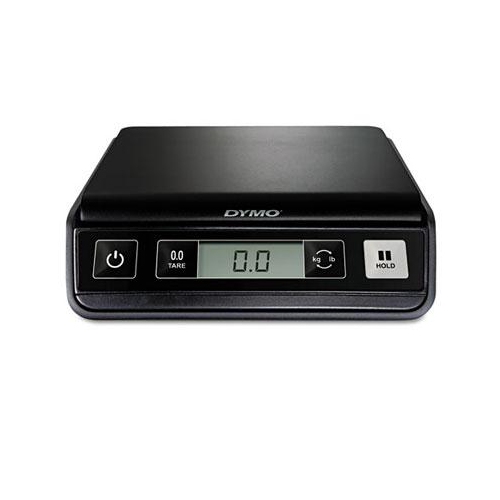
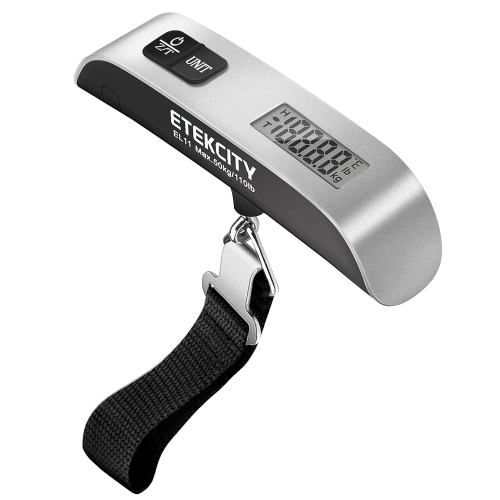
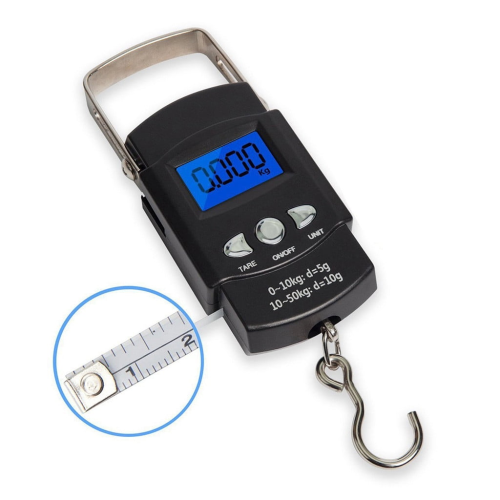
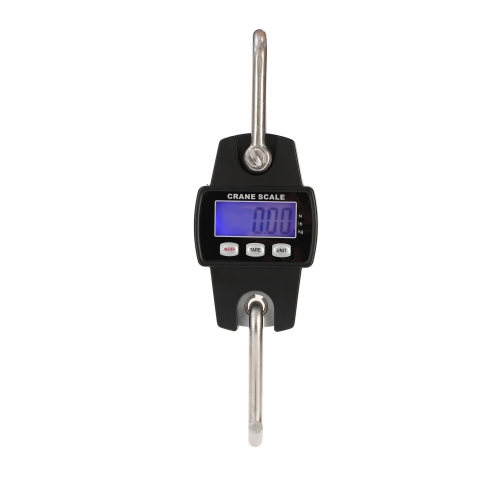
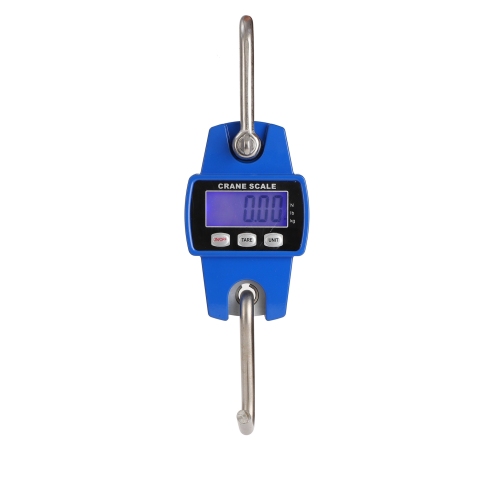
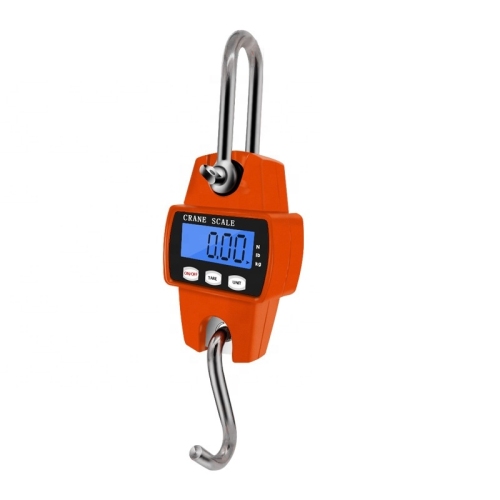
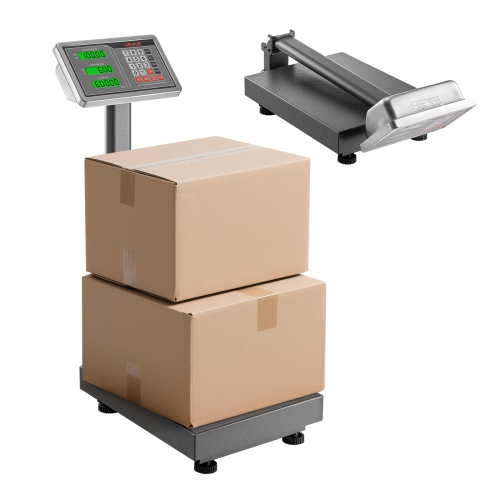
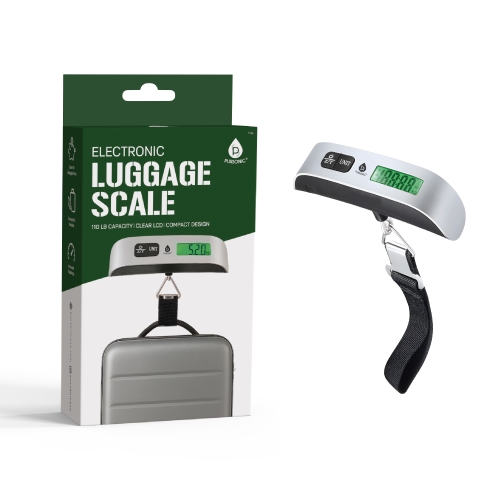
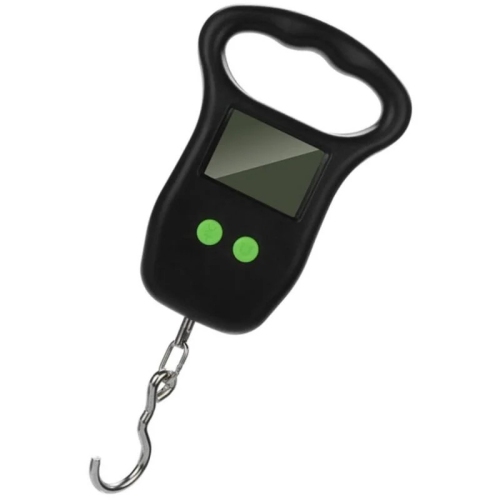
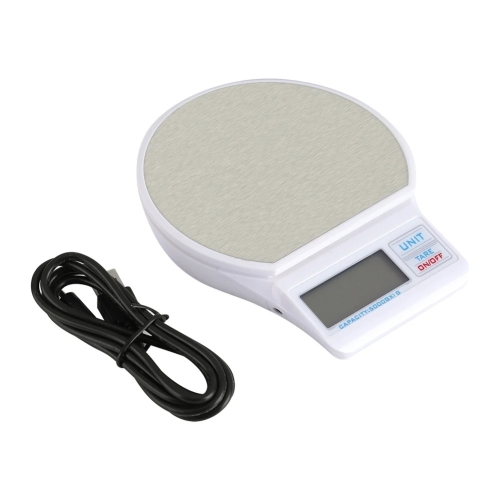

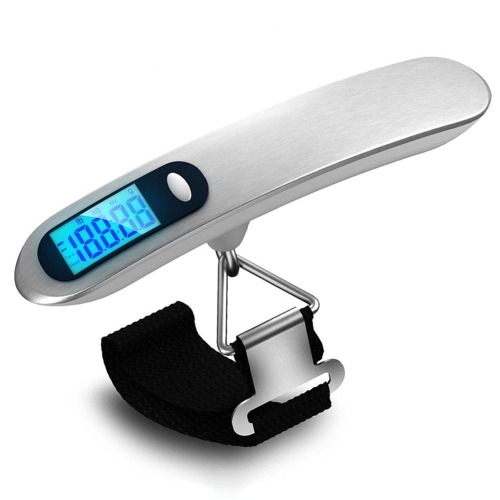
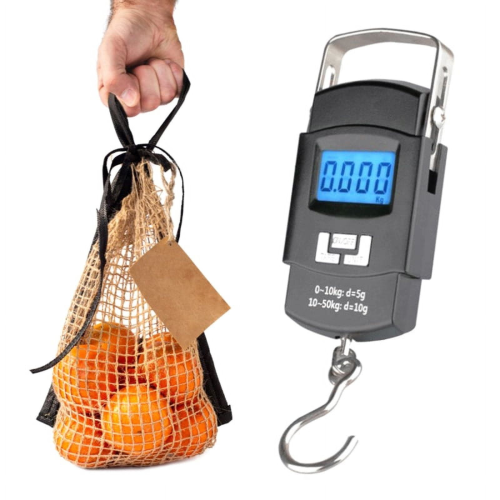

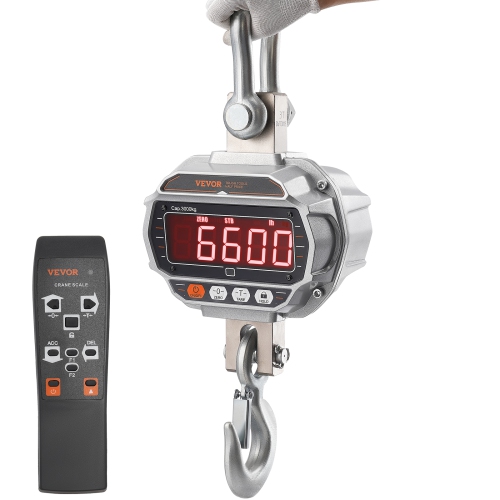
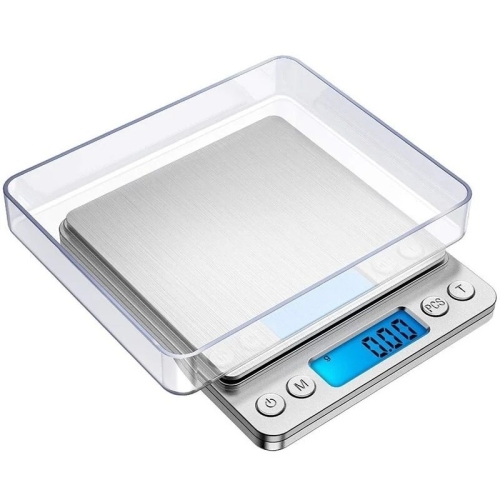

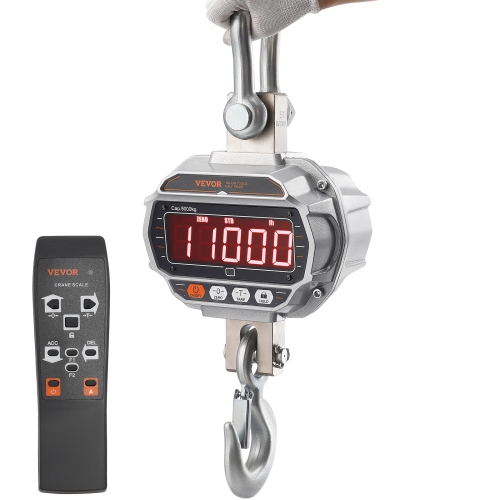
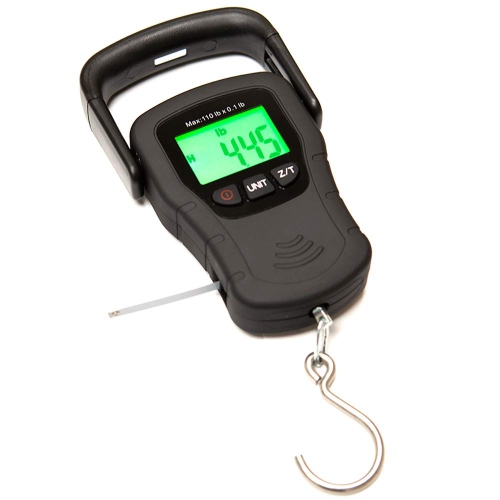
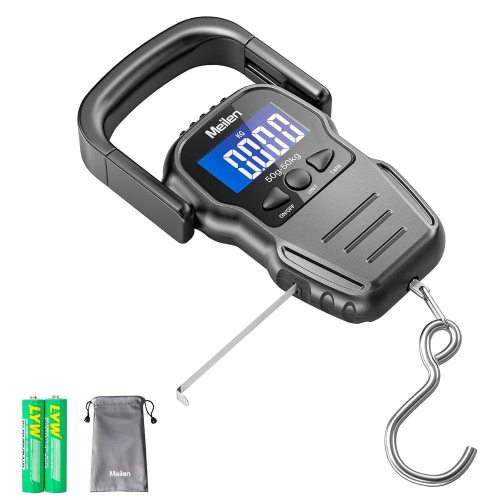
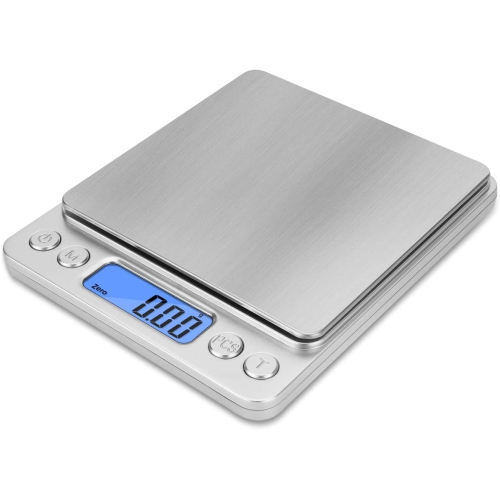
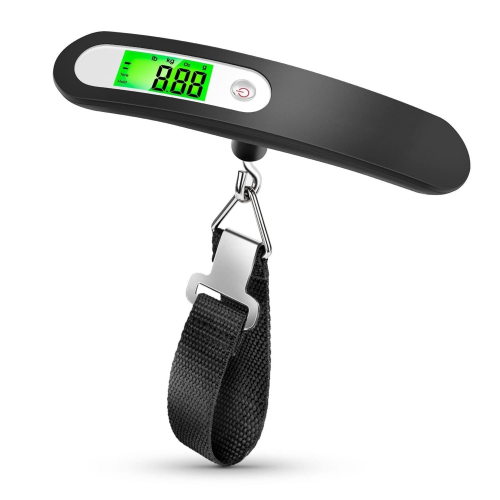
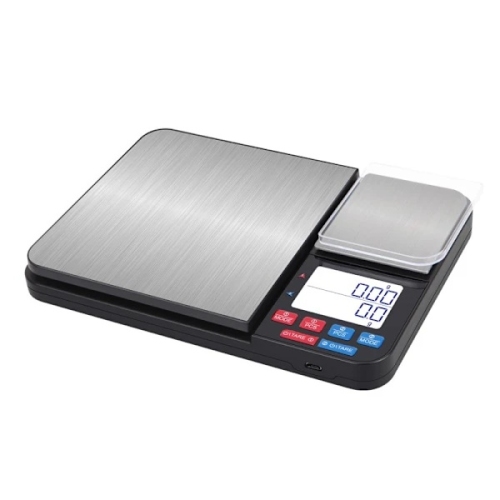
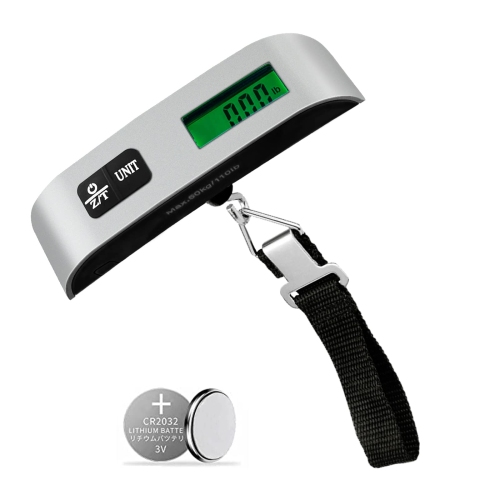
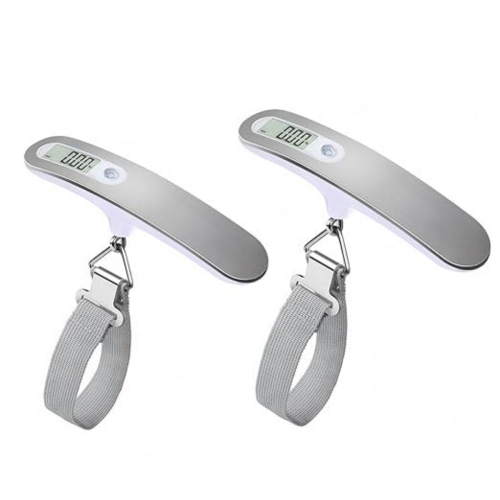
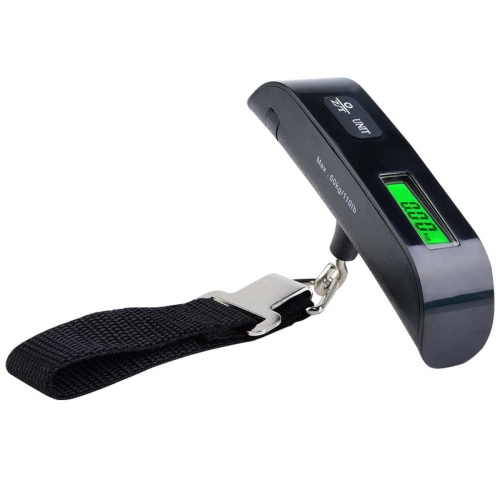
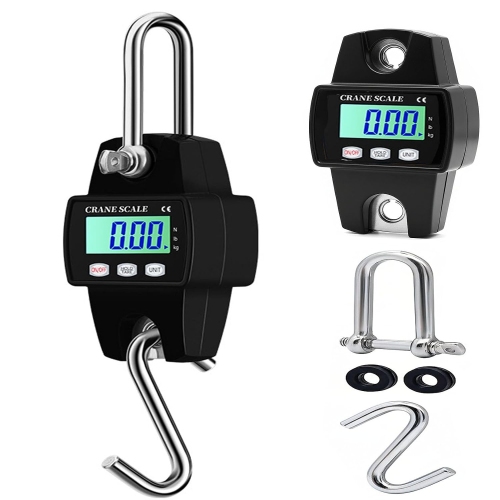
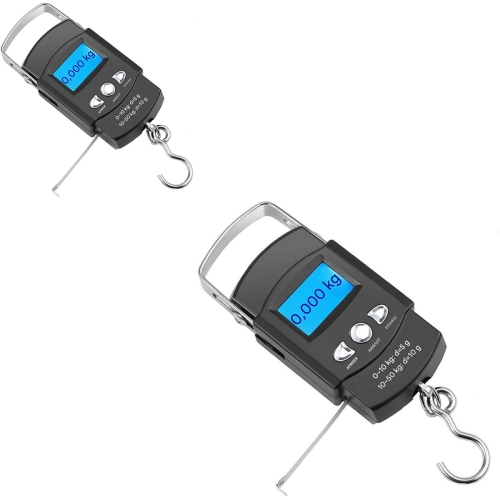
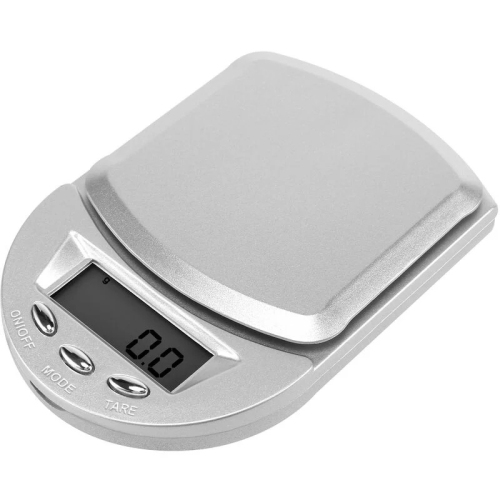
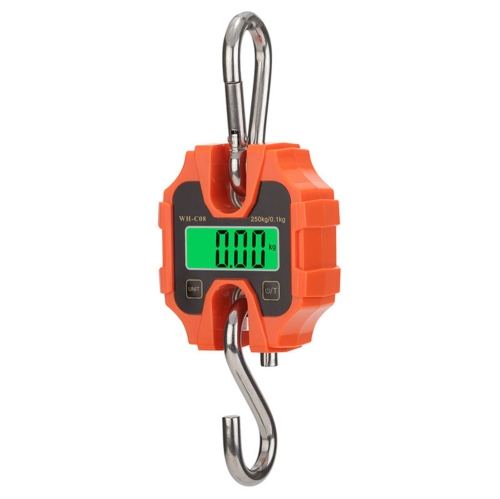
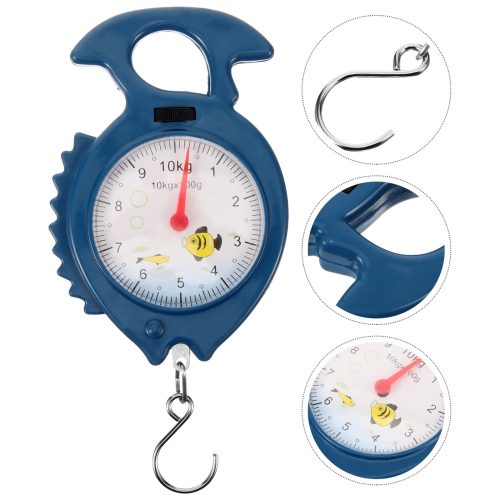
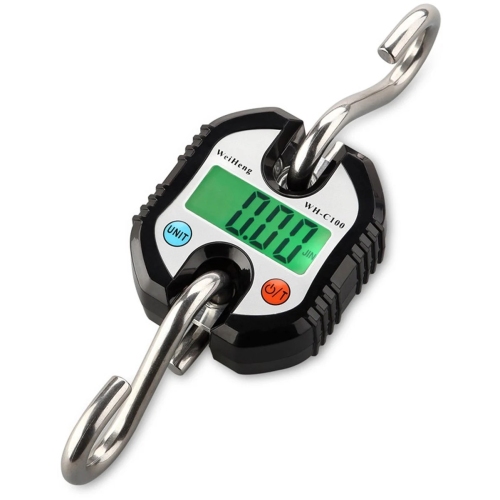
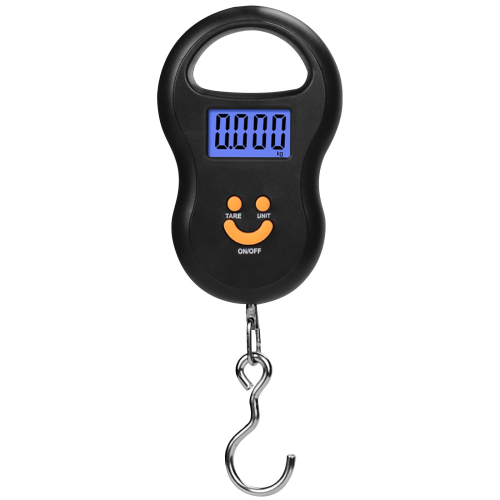
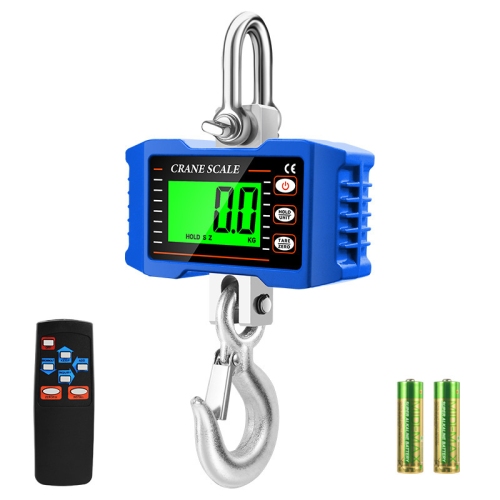
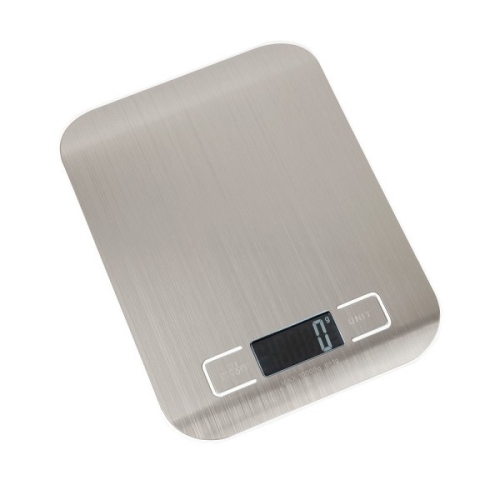
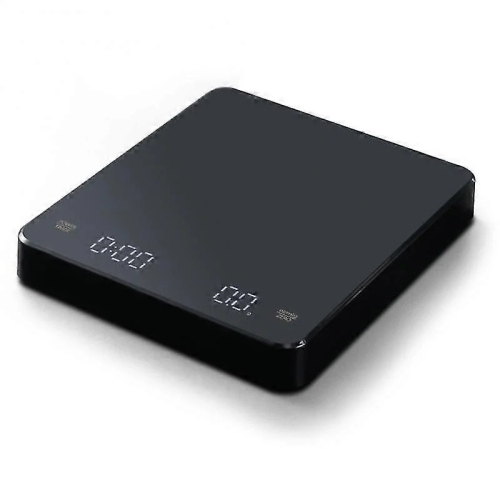
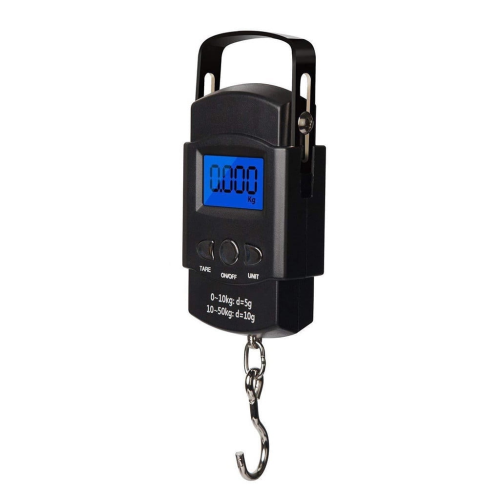
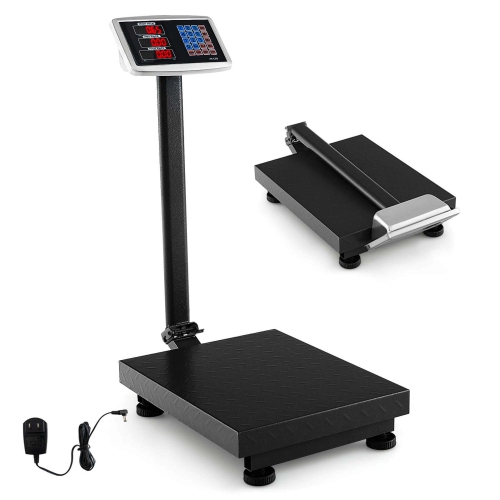
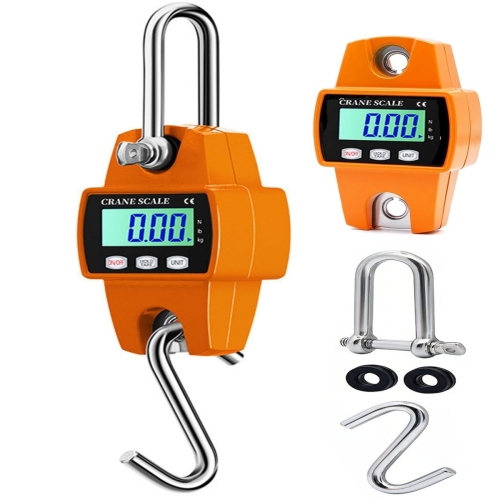
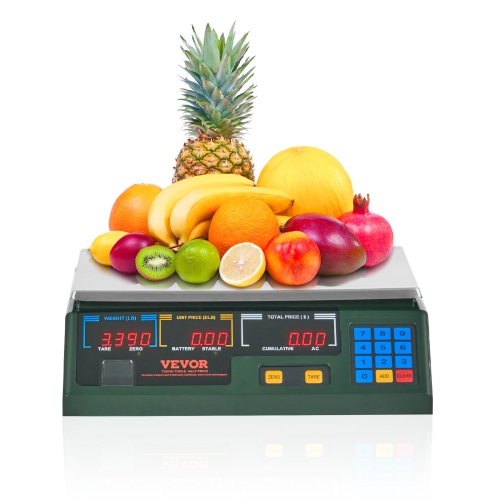
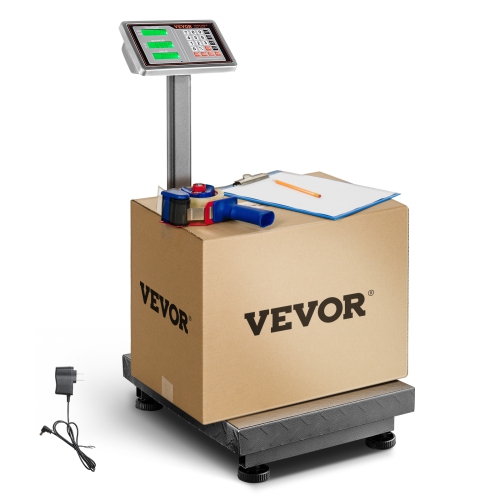
Accurate parcel weighing supports smoother packing and postage decisions
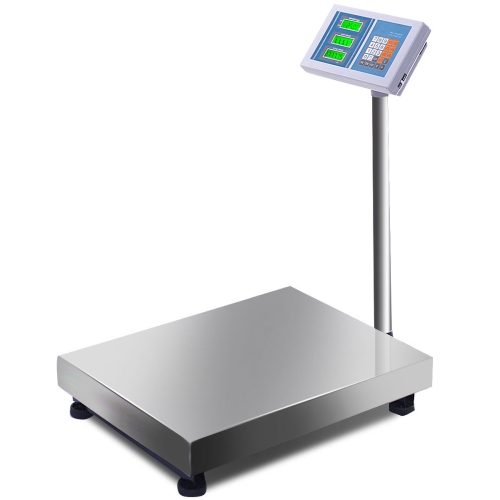
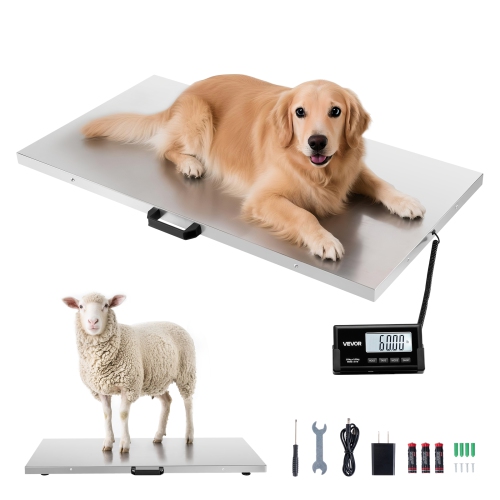
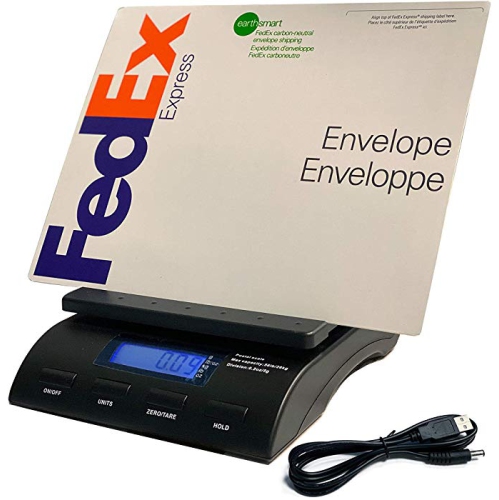
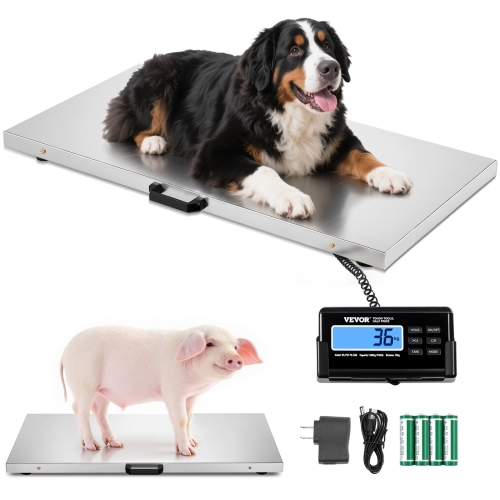
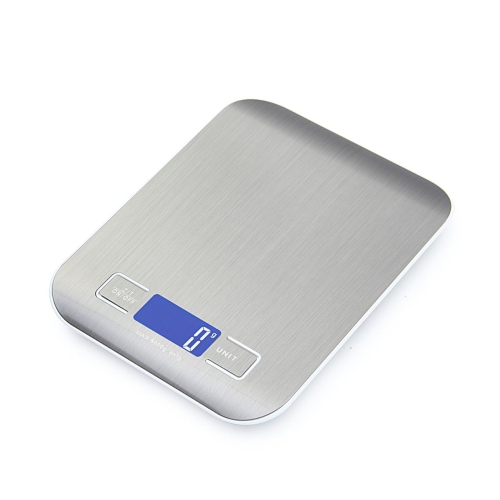
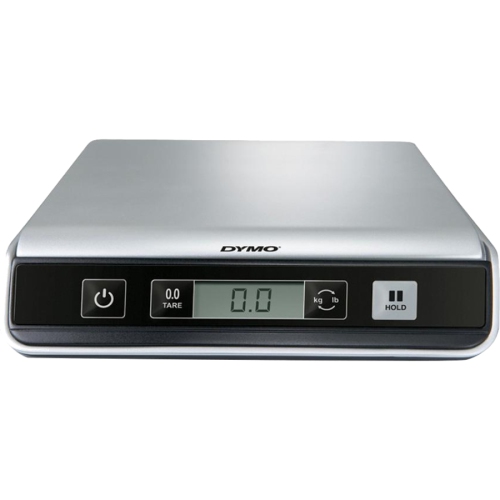
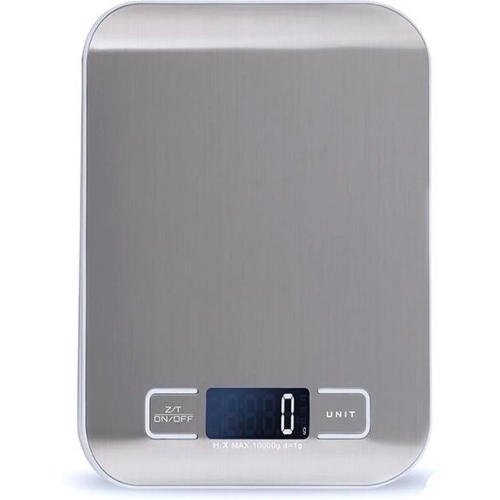
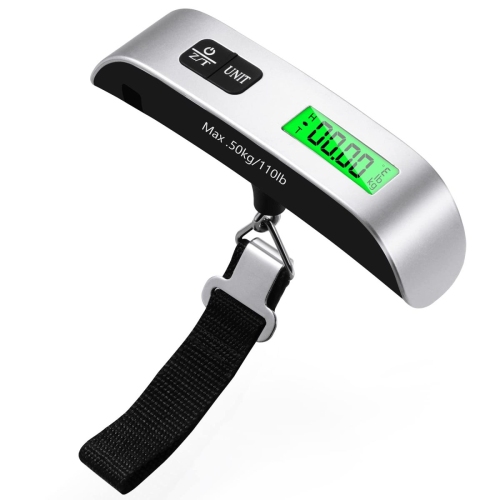
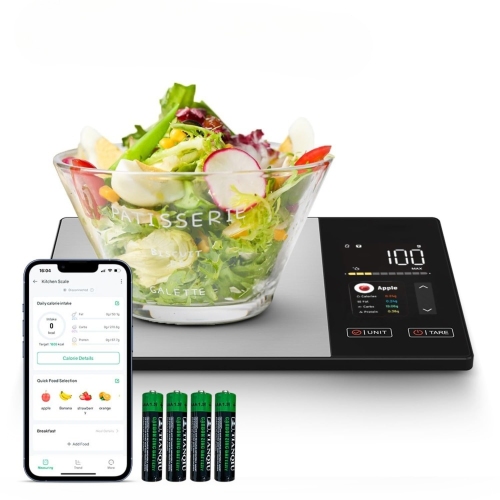
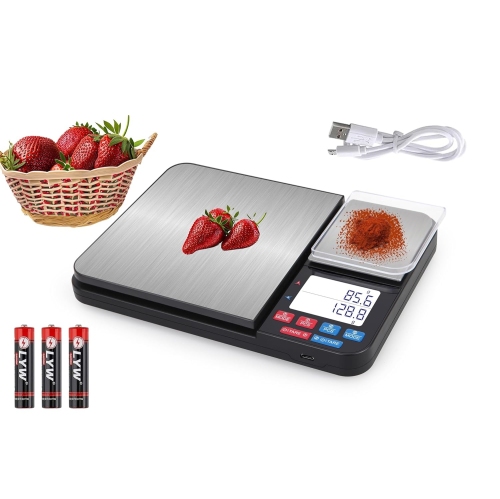
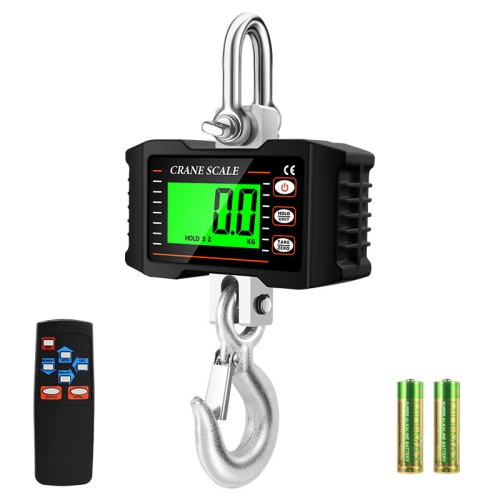
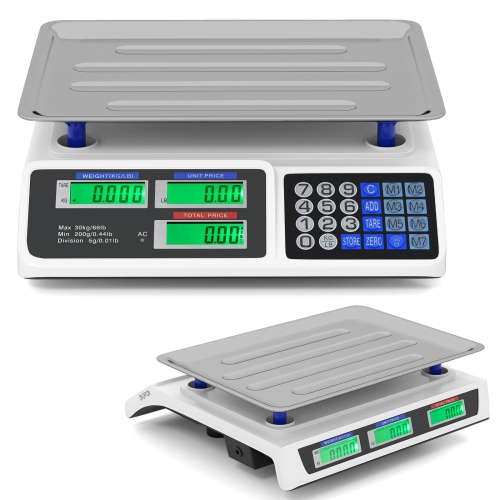
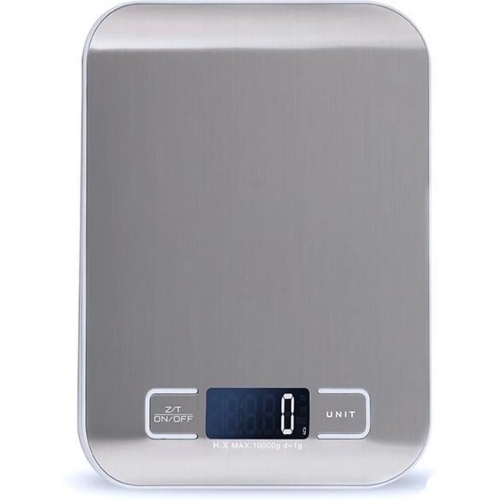
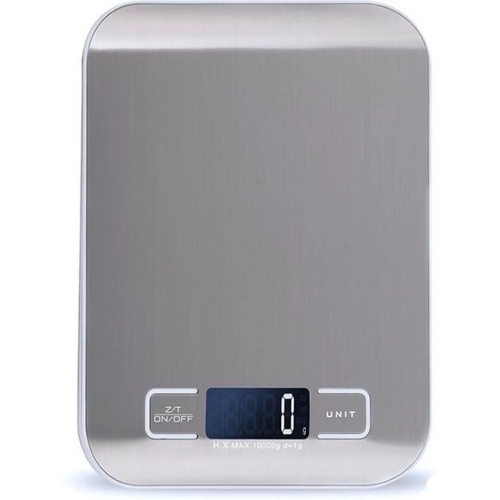
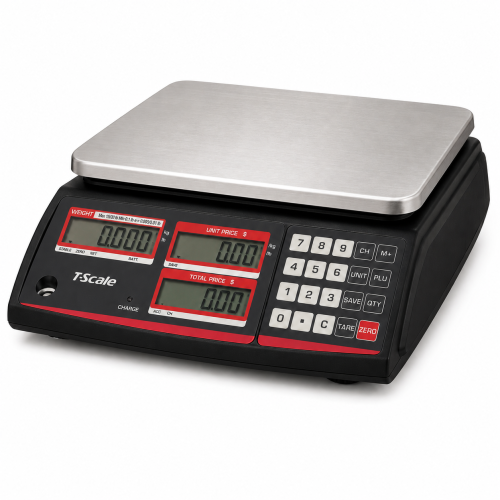
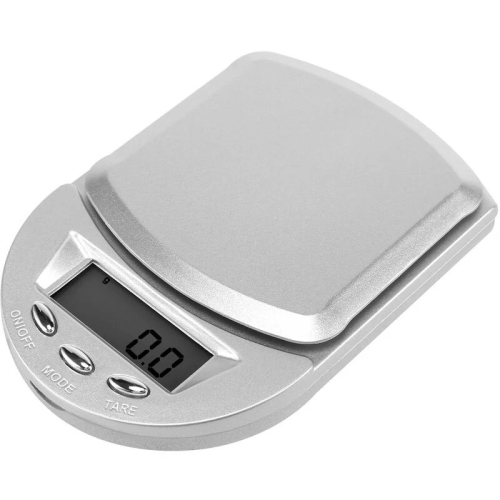
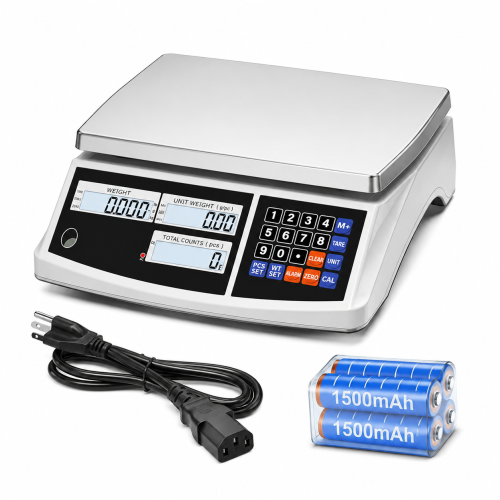
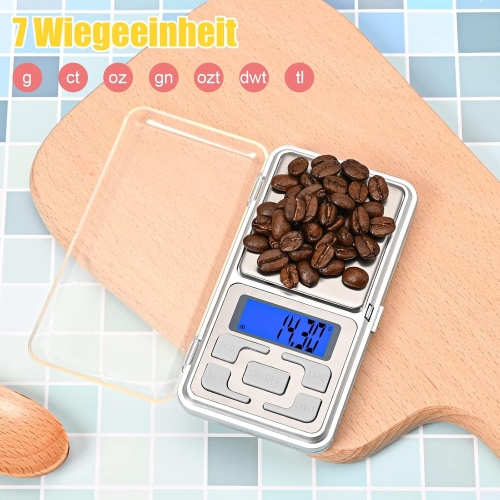
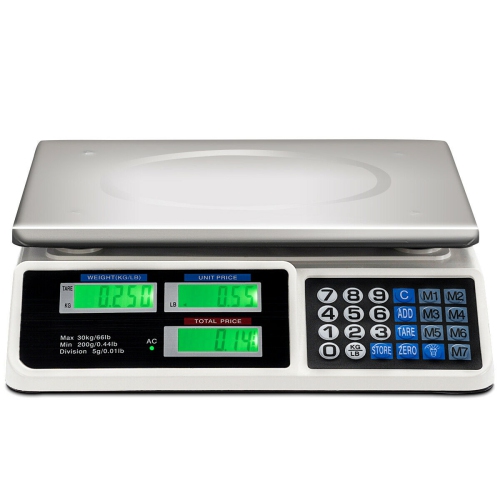
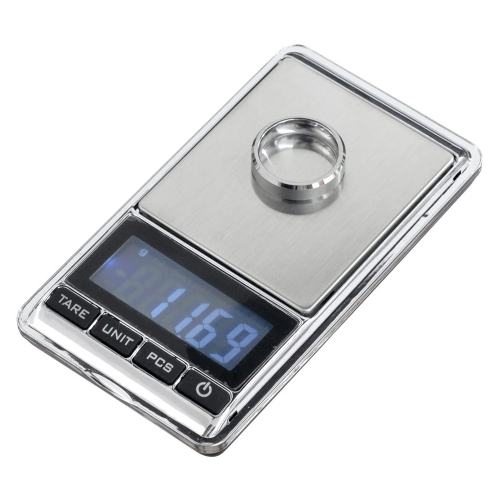
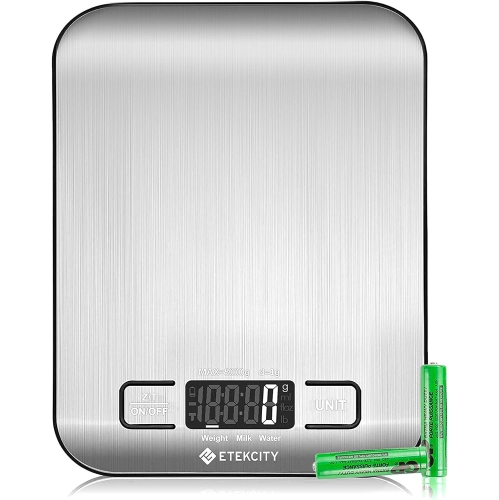
Shipping scales make it easier to weigh parcels accurately before they leave your home, office, studio, warehouse or retail counter. Even a small difference in weight can affect postage, especially when a box is close to a carrier’s next pricing bracket, so a dependable reading helps you choose the right shipping service and prepare labels with greater confidence. These scales are useful for online sellers, small businesses, makers, collectors, offices, community groups and households that send parcels regularly. They can also be helpful during the cooler months, when holiday shopping, returns and care packages often add more trips to the post office or courier depot. Instead of balancing a parcel on a bathroom scale or estimating its weight by hand, a shipping scale provides a stable platform designed for packages. Place an envelope, padded mailer, carton or shipping box on the platform, allow the display to settle, and use the reading to confirm that the parcel is ready for its next step. A compact postal scale may be well suited to letters and small lightweight parcels, while a bench or portable scale offers a broader platform and a higher capacity for larger cartons. For inventory rooms, workshops and shipping areas that handle substantial freight, heavy-duty floor scales can support large containers, equipment and palletized goods. Matching the type of scale to the parcels you handle most often is the best starting point: a small platform can save counter space for occasional shipments, while a wide, sturdy surface can make daily packing faster and more comfortable when boxes vary in size.
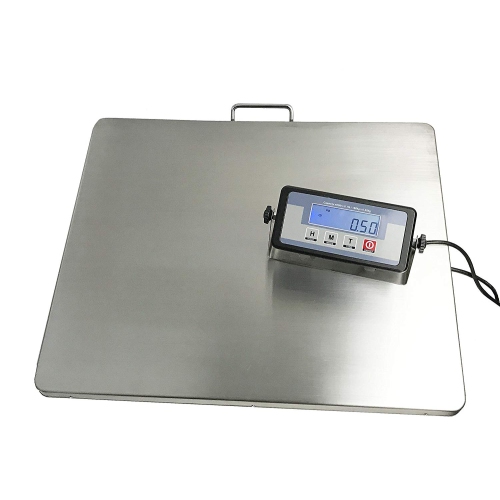
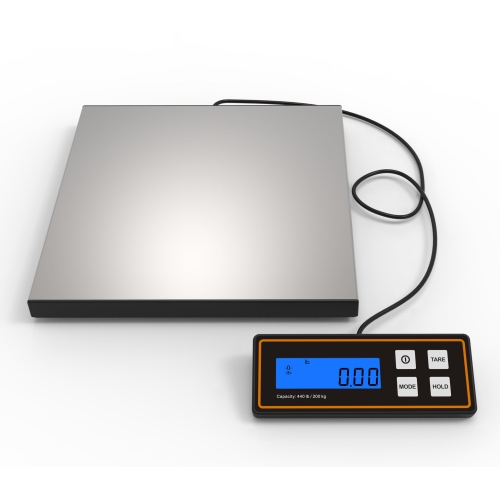
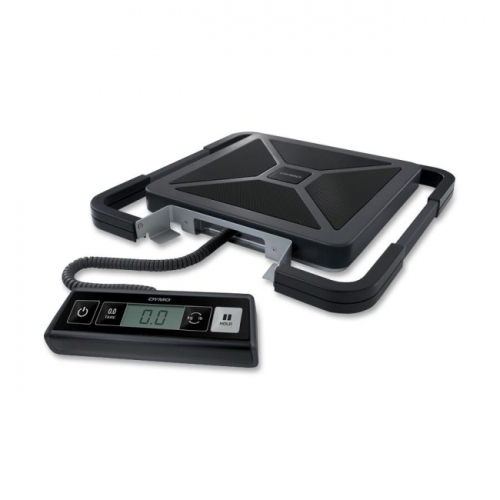
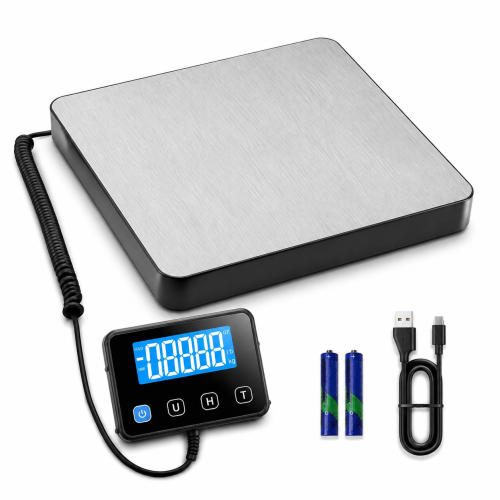
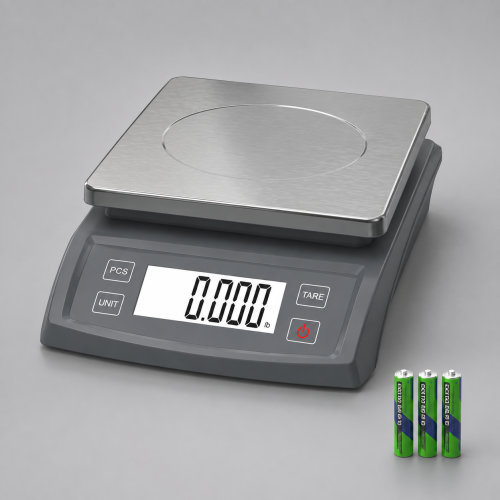
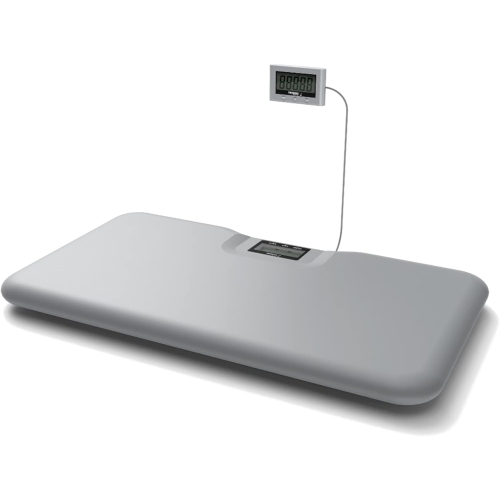
Capacity and precision are two of the most important specifications to compare when selecting shipping scales. Capacity indicates the maximum weight the scale is designed to measure, so consider your heaviest typical parcel and leave some room above that figure rather than choosing a model that will operate at its limit. Readability describes the smallest weight change the scale can show, such as 0.1 lb or 0.5 oz increments. Finer readability can be valuable for letters, small parcels and postage calculations, while a higher-capacity scale may be more useful for bulky cartons where convenience and stability take priority. A tare function is particularly practical because it lets you place an empty box, mailer, tote or other container on the platform and reset the display to zero before adding the contents. This makes it easier to determine the item’s net weight and prevents packaging materials from complicating the calculation. A hold function can also be helpful when a tall or oversized parcel blocks the built-in display: the scale captures the reading so it remains visible after the package is moved. Some bench and portable scales include a remote LCD display that can be positioned on a wall, counter or nearby surface, giving you a clear view while weighing wide boxes. A broad platform, non-slip surface and easy-to-read controls can make a noticeable difference when you are packing several orders in succession, particularly if cartons are awkward to lift or need to be handled carefully. For occasional use, a straightforward design may be all that is needed; for a busy shipping station, features that reduce repeated lifting and improve visibility can save time throughout the day.
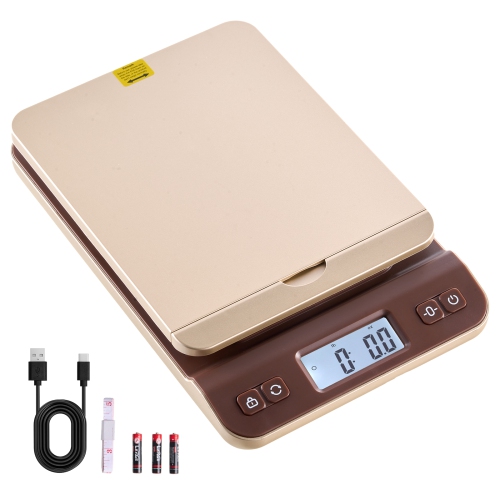
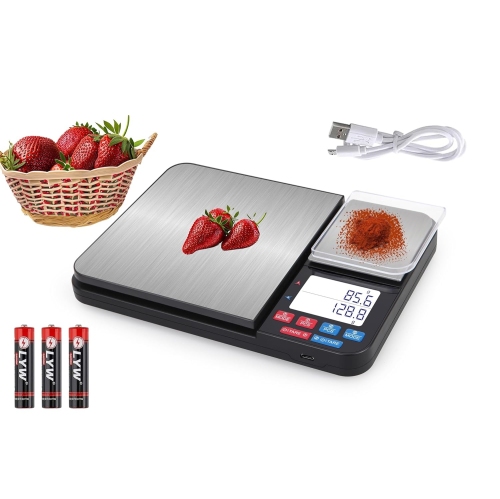
Power options are another practical consideration. Models that run from AC power are convenient for a permanent packing station, while battery operation or USB connectivity can provide flexibility when the scale needs to be moved between counters, storage areas and worktables. Dual AC/DC operation can help keep weighing tasks moving if the usual power source is unavailable. Before choosing a scale, consider where it will be used, how much counter or floor space is available, and whether it can be stored easily between shipping days. Check the platform dimensions as well as the weight limit, since a parcel may be light enough for the scale but too large to sit securely without covering the display. A portable scale can suit mobile sellers, craft fair vendors and people who prepare parcels in different rooms, while a floor model may be a better fit for warehouses or receiving areas. Shipping scales can be a thoughtful practical gift for someone starting an online shop, selling handmade goods, managing a home-based business or sending frequent parcels to family and friends. They are also useful alongside packing tape, mailers, boxes and label-printing equipment as part of a more organized shipping setup. Travellers who mainly need to check suitcase weight before heading to the airport may prefer dedicated Luggage Weight Scales, while shipping scales are built around parcels and the wider range of cartons, envelopes and containers used for delivery. With the right capacity, readable increments, tare and hold functions, suitable power options and a platform that fits your usual packages, a shipping scale can bring a simple, repeatable step to packing—turning a guess into a clear measurement before every parcel is sent.
Capacity and precision are two of the most important specifications to compare when selecting shipping scales. Capacity indicates the maximum weight the scale is designed to measure, so consider your heaviest typical parcel and leave some room above that figure rather than choosing a model that will operate at its limit. Readability describes the smallest weight change the scale can show, such as 0.1 lb or 0.5 oz increments. Finer readability can be valuable for letters, small parcels and postage calculations, while a higher-capacity scale may be more useful for bulky cartons where convenience and stability take priority. A tare function is particularly practical because it lets you place an empty box, mailer, tote or other container on the platform and reset the display to zero before adding the contents. This makes it easier to determine the item’s net weight and prevents packaging materials from complicating the calculation. A hold function can also be helpful when a tall or oversized parcel blocks the built-in display: the scale captures the reading so it remains visible after the package is moved. Some bench and portable scales include a remote LCD display that can be positioned on a wall, counter or nearby surface, giving you a clear view while weighing wide boxes. A broad platform, non-slip surface and easy-to-read controls can make a noticeable difference when you are packing several orders in succession, particularly if cartons are awkward to lift or need to be handled carefully. For occasional use, a straightforward design may be all that is needed; for a busy shipping station, features that reduce repeated lifting and improve visibility can save time throughout the day.
Power options are another practical consideration. Models that run from AC power are convenient for a permanent packing station, while battery operation or USB connectivity can provide flexibility when the scale needs to be moved between counters, storage areas and worktables. Dual AC/DC operation can help keep weighing tasks moving if the usual power source is unavailable. Before choosing a scale, consider where it will be used, how much counter or floor space is available, and whether it can be stored easily between shipping days. Check the platform dimensions as well as the weight limit, since a parcel may be light enough for the scale but too large to sit securely without covering the display. A portable scale can suit mobile sellers, craft fair vendors and people who prepare parcels in different rooms, while a floor model may be a better fit for warehouses or receiving areas. Shipping scales can be a thoughtful practical gift for someone starting an online shop, selling handmade goods, managing a home-based business or sending frequent parcels to family and friends. They are also useful alongside packing tape, mailers, boxes and label-printing equipment as part of a more organized shipping setup. Travellers who mainly need to check suitcase weight before heading to the airport may prefer dedicated Luggage Weight Scales, while shipping scales are built around parcels and the wider range of cartons, envelopes and containers used for delivery. With the right capacity, readable increments, tare and hold functions, suitable power options and a platform that fits your usual packages, a shipping scale can bring a simple, repeatable step to packing—turning a guess into a clear measurement before every parcel is sent.
Top selling and popular products
-
 Your price for this item is $219.99
 -
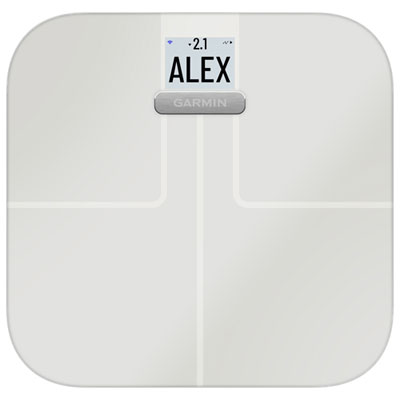 Your price for this item is $219.99
 -
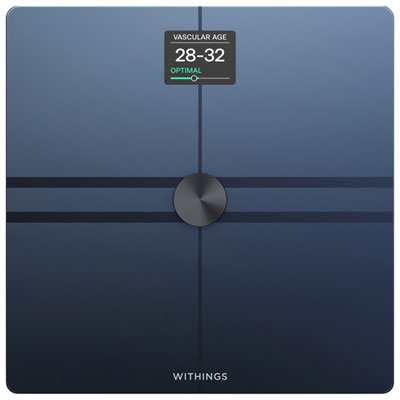 Your price for this item is $249.99
 -
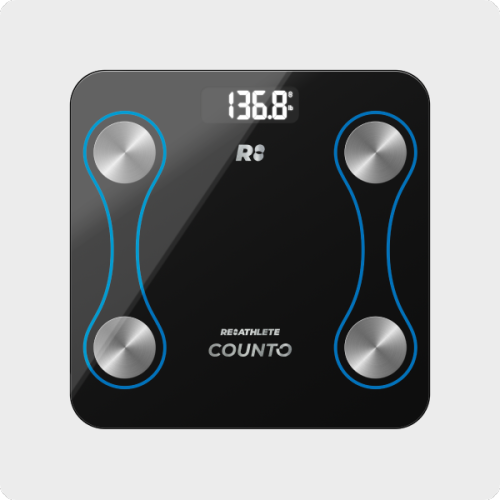 Your price for this item is $64.99
 -
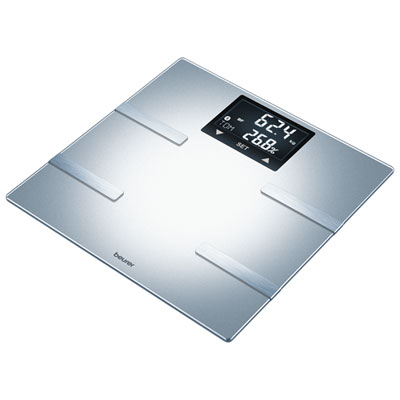 Your price for this item is $59.99
 -
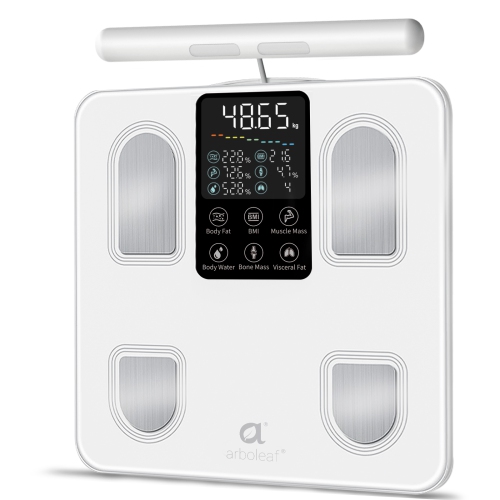 Your price for this item is $129.99
 -
 Your price for this item is $39.99
 -
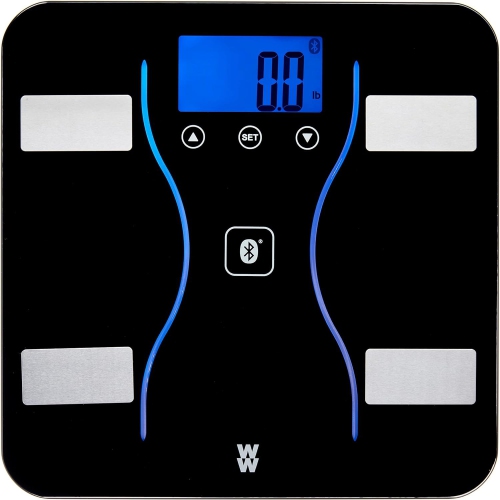 Your price for this item is $128.97
Discover more categories related to Shipping Scales
Top Collections:
Pokemon Centers, Best Cameras for Sports Photography, Kindle Devices, Samsung Galaxy Phones, Canon G7X Cameras, Pokémon 30th Celebration Cards, Refurbished Apple Laptops, iPhone 15 Apple, Laptops for Students, Budget Smartphones
Some products may be subject to Environmental Handling Fees
(EHF) depending on your province.
Learn more about EHFs.