Sketching Pads
Whether you're a seasoned artist or just starting out, a quality sketching pad is an essential tool for bringing your creative ideas to life. With the right paper weight, texture, and size, you can unleash your imagination and capture every detail with precision. Explore our selection of sketching pads designed to meet the needs of artists of all levels, so you can sketch, draw, and doodle with confidence.
Sort
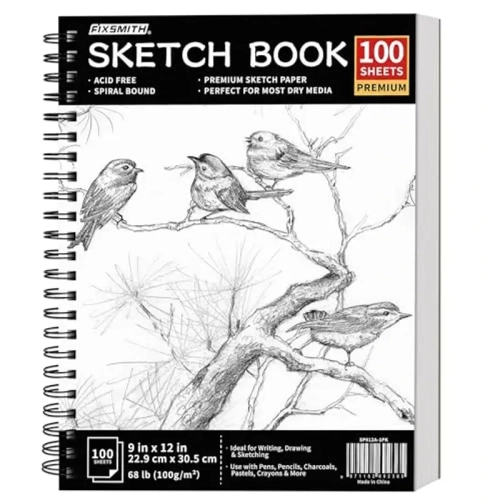
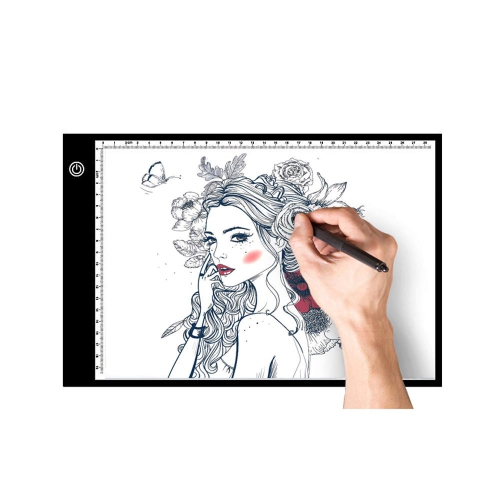








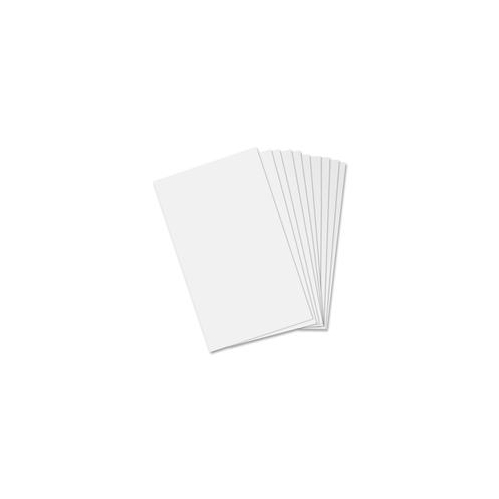


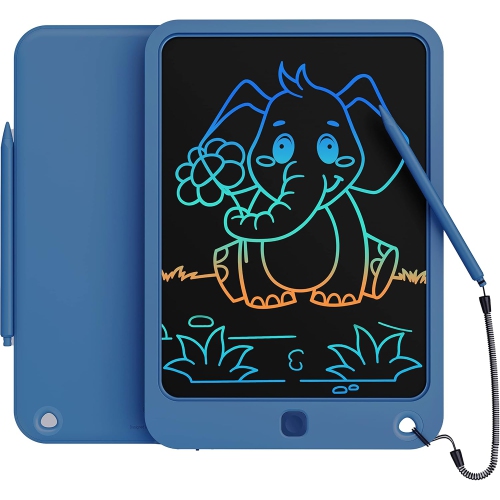

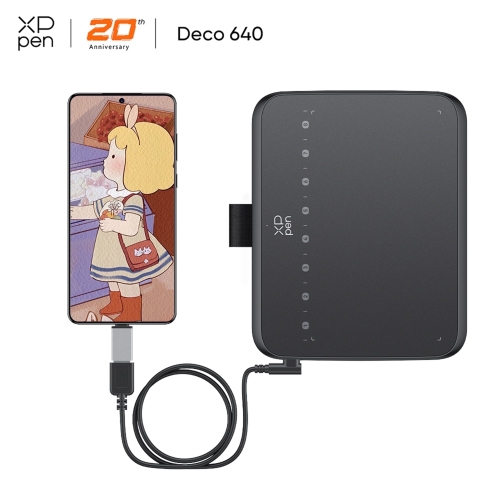
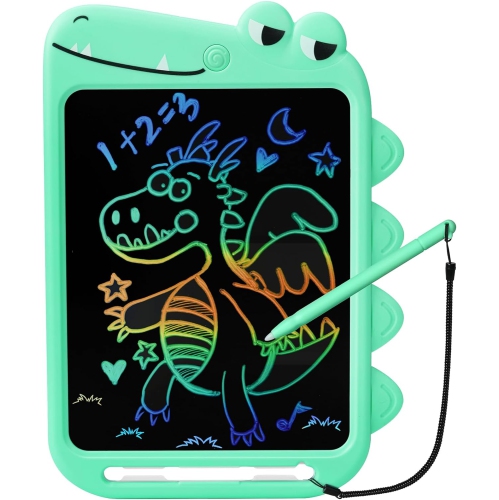








How paper texture changes the look of a sketch
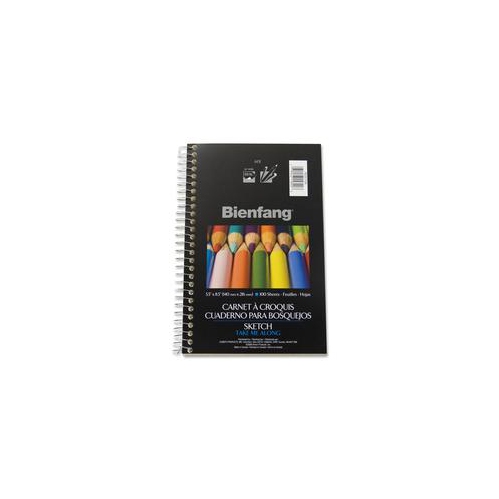
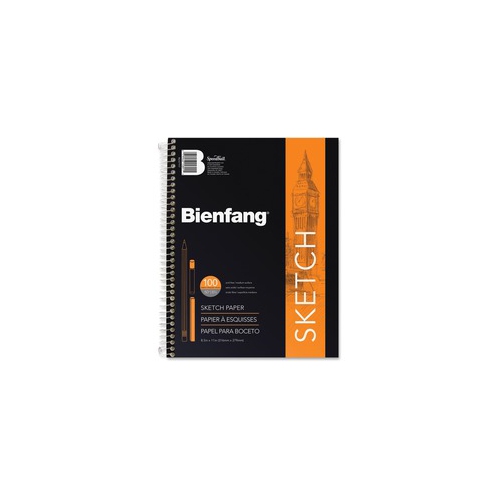
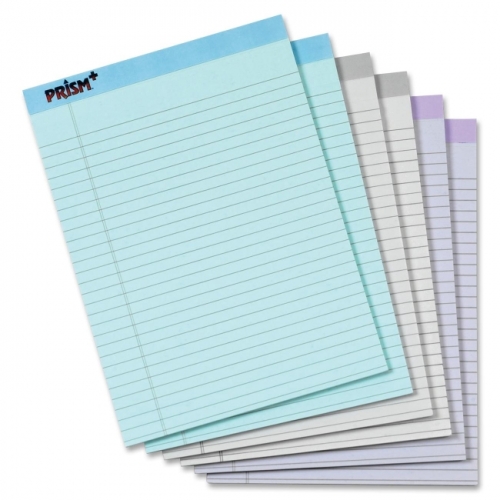
Sketching pads are paper pads designed for drawing practice, rough compositions, visual notes, and studies with dry media such as graphite, coloured pencil, and charcoal. Their paper is often lighter than paper intended for finished drawings, with a surface texture that helps catch and hold marks. A pad can be a place to work out the proportions of a face, capture the shape of a building, or try several arrangements before starting a larger piece. For students, illustrators, designers, and casual artists, that flexibility makes sketch paper useful for both focused exercises and spontaneous ideas. Paper weight is one of the clearest distinctions between different types of pads. Many everyday sketch papers are around 90 gsm, although weights vary; gsm means grams per square metre and provides a consistent way to compare paper weight. Lighter sheets suit quick pencil sketches and classroom exercises, while heavier sheets generally tolerate more layering and repeated erasing. Weight alone does not determine performance, however: the paper’s fibres, surface treatment, and texture also affect how it handles a particular medium. The slight texture known as tooth gives graphite and charcoal something to grip, making it easier to build shadows and vary the intensity of a line. Smoother paper supports crisp outlines and small details, while a more noticeable grain can bring texture to loose figure studies or expressive shading. White paper provides a bright background for line work, while cream paper creates a softer contrast. Toned sketch paper offers a middle value between light and dark, allowing pale highlights and deeper shadows to stand out together. These differences influence the appearance of a sketch before much detail is added. A simple pencil study of a ceramic mug, for example, can look sharply defined on a smooth white sheet or softer and more textured on a cream sheet with greater tooth.
The intended medium matters as much as the look of the paper. Graphite is well suited to most sketching pads, from faint construction lines made with a hard pencil to broad, dark shading made with a softer grade. Coloured pencils benefit from enough tooth to accept successive layers, although very rough surfaces may leave visible gaps in lightly applied colour. Charcoal and soft drawing sticks usually need a surface with more grip; on very smooth sheets, loose particles can move easily and make controlled shading more difficult. Ordinary sketch paper is not automatically suitable for every drawing tool. Liquid ink may feather or show through thin sheets, alcohol-based markers can bleed through, and watercolour washes may cause lightweight paper to buckle. Drawing paper is generally heavier and intended for more developed work, while mixed-media paper is designed to accommodate a broader range of techniques. Neither label guarantees suitability for every wet medium, so the stated paper specifications remain important. A small test near the back of a pad can reveal how a pen flows, whether an eraser lifts graphite cleanly, and how much pressure the surface can tolerate. Paper made primarily from wood pulp is common for everyday practice, while cotton-containing drawing papers may offer greater strength and resilience, depending on their construction. Acid-free paper helps limit yellowing associated with acidic paper, though handling and storage still affect how well drawings last. Surface durability is particularly noticeable when refining a sketch: repeated hard rubbing can roughen fibres, and deep pencil pressure can leave grooves that remain visible beneath later shading. Gentle erasing and gradual layers help preserve the sheet. For artists building a drawing setup, Sketching Supplies can complement a paper pad with tools for outlining, blending, adding colour, and making corrections. Matching those tools to the paper makes daily practice more predictable, whether the task is a five-minute gesture drawing or a carefully shaded still life.
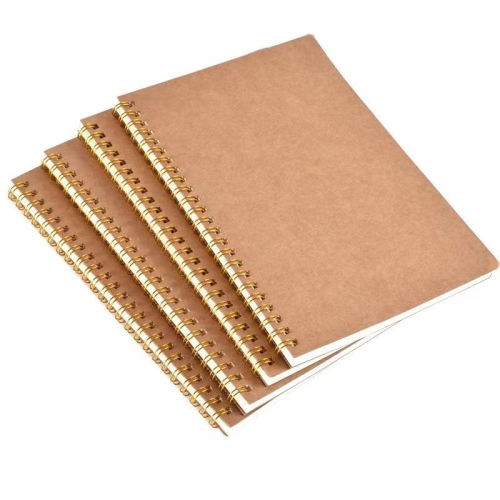
Size, binding, and backing determine how a sketching pad fits into everyday use. A compact pad slips into a bag for drawing during a commute or recording a detail noticed between appointments. A medium format provides room for studies without taking over a desk, while larger sheets allow broader arm movements, more spacious compositions, and several views of the same subject. Page dimensions describe the working space more precisely than labels such as small or large, especially when a pad needs to fit a school bag, drawer, or document case. Portrait and landscape formats can also suit different habits: a tall page leaves room for a standing figure, while a wide page accommodates a streetscape or an extended row of thumbnail compositions. Spiral bindings usually allow pages to turn fully back, keeping the footprint manageable on a crowded table. A side spiral may sit beneath the drawing hand on some pages, making top-bound formats comfortable for artists who prefer an unobstructed edge. Glue-bound pads generally allow sheets to detach along the bound edge, while perforated spiral pads provide a tear line for removing work. Where dimensions matter for presentation, it is worth distinguishing the full sheet size from the usable area inside a perforation. A firm backing board supports sketching away from a desk, and a sturdy cover helps protect corners and surfaces during transport. Sheet count affects bulk as well as how much practice a pad can hold; a thick pad offers plenty of working space but adds weight to a bag. To keep unused paper flat and clean, pads are best stored dry, away from spills and prolonged direct sunlight. Loose charcoal and soft graphite drawings need protection from rubbing, and a suitable interleaving sheet can help limit transfer between pages. For someone who enjoys drawing, a sketching pad can make a thoughtful gift when its format and paper suit their preferred tools. It is equally useful for a beginner learning observation, a student developing a portfolio, or an experienced artist who wants a separate place for experiments rather than finished work.
Top selling and popular products
-
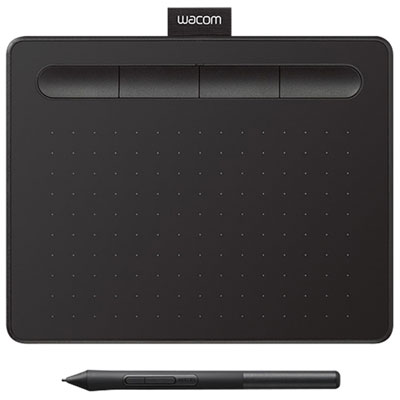 Your price for this item is $89.99
-
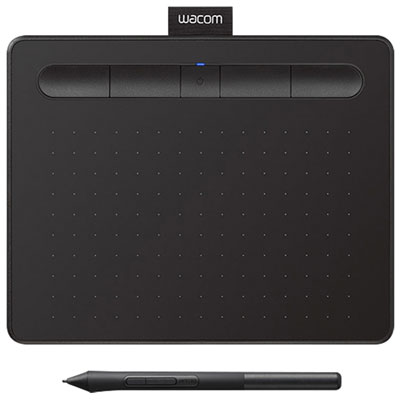 Your price for this item is $115.98
-
 Your price for this item is $319.99
-
 Your price for this item is $699.99
-
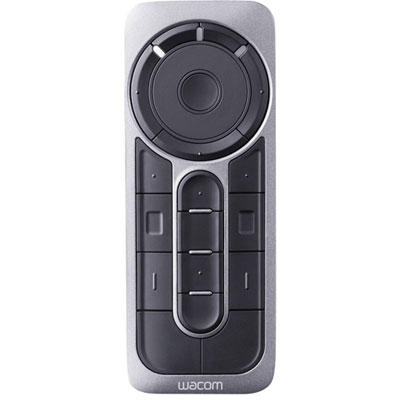 Your price for this item is $139.99
-
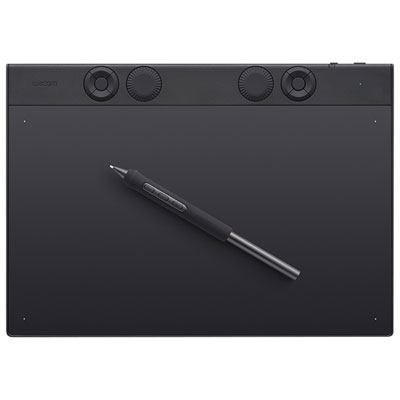 Your price for this item is $489.98
-
 Your price for this item is $74.83
-
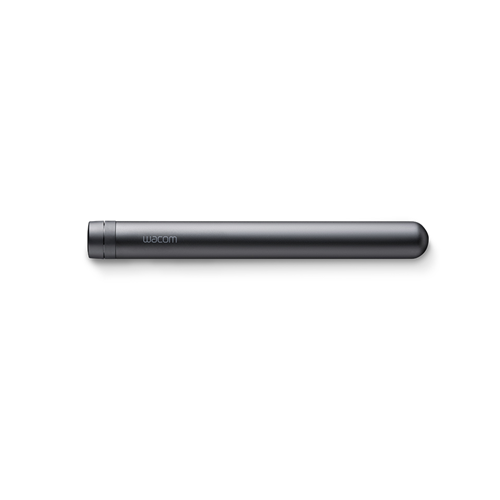 Your price for this item is $120
Discover more categories related to Sketching Pads

Top Collections:
Pokemon Centers, Kindle Devices, Best Cameras for Sports Photography, Pokémon 30th Celebration Cards, Apple iPhones 16, Canon G7X Cameras, iPhone 15 Apple, Flip Phones, Samsung Galaxy Phones, Alarm Clock
Some products may be subject to Environmental Handling Fees
(EHF) depending on your province.
Learn more about EHFs.