Small Business Packaging Supplies
Small business packaging supplies are essential for streamlining your shipping, storage, and presentation needs. Whether you’re preparing orders for customers or organizing inventory, the right packaging materials help keep your products secure and professional. Explore a wide range of options designed to support small businesses with efficient and reliable solutions for every stage of the packing process. Find everything you need to ensure your business runs smoothly and leaves a lasting impression with quality packaging supplies tailored for small businesses.
Sort


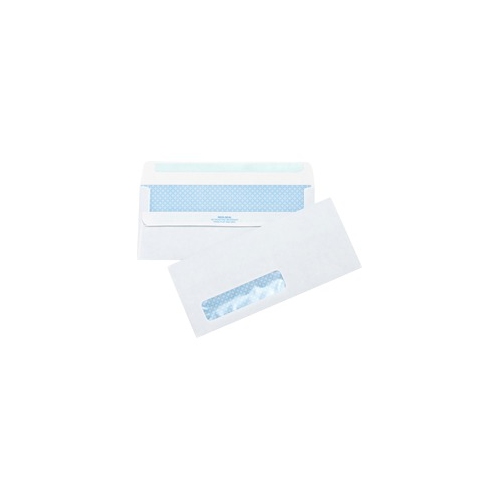
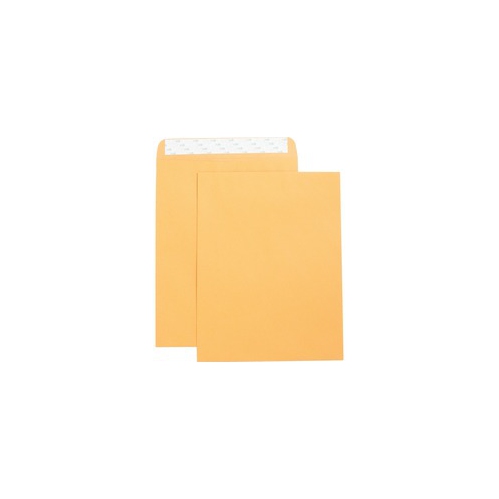

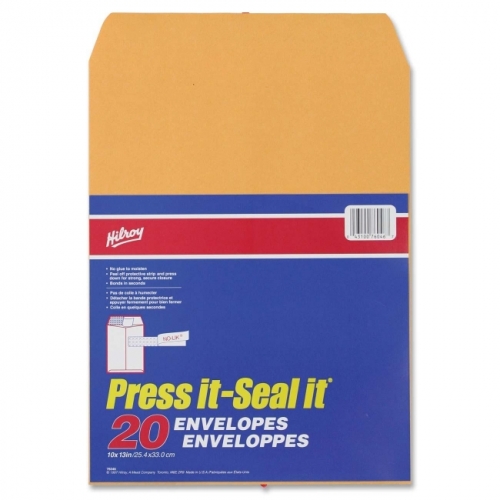

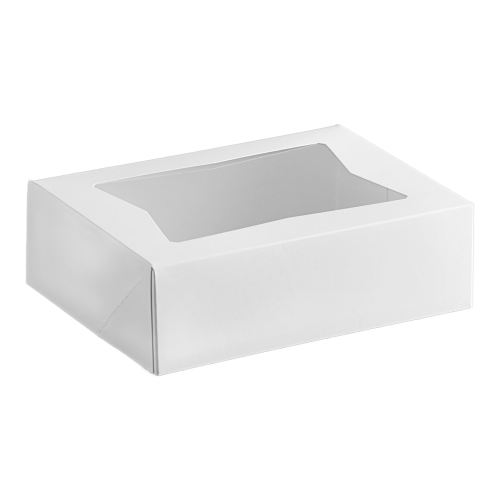
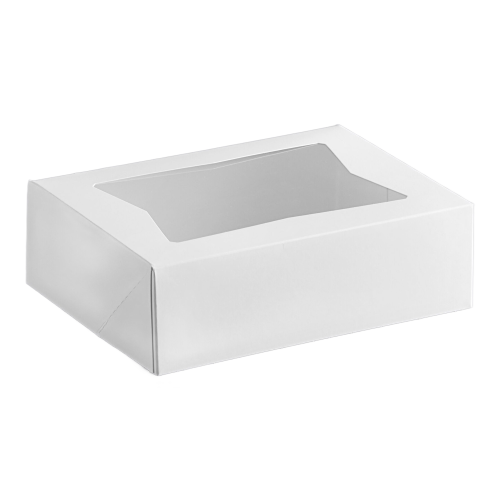
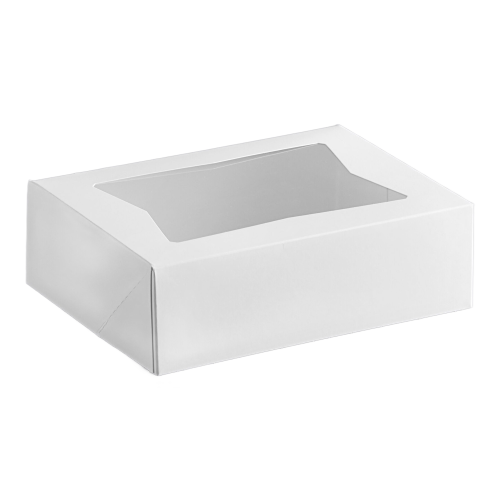
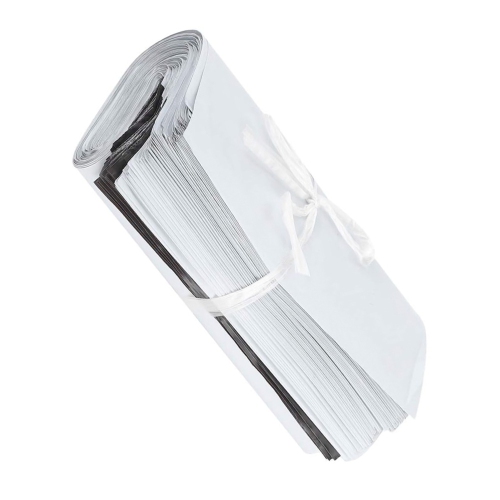
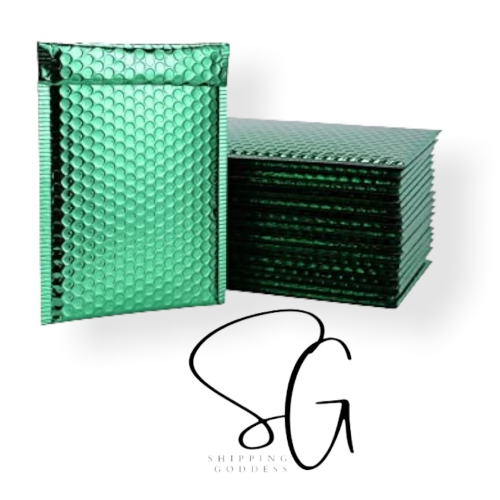
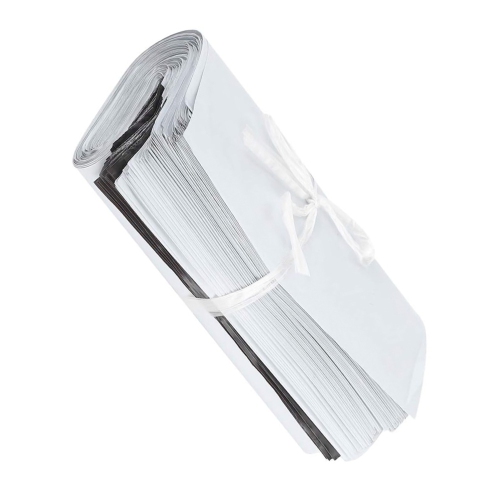

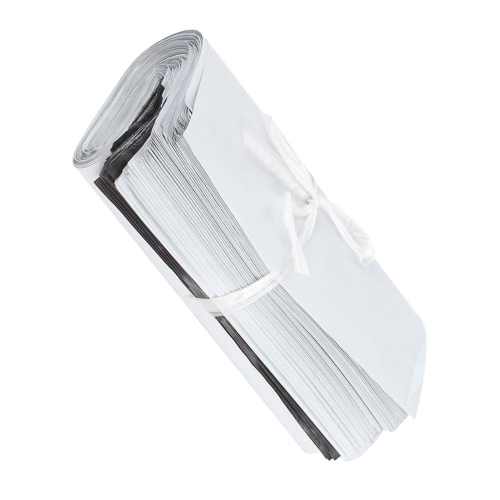


Well-fitted packaging protects orders and adds a polished finish
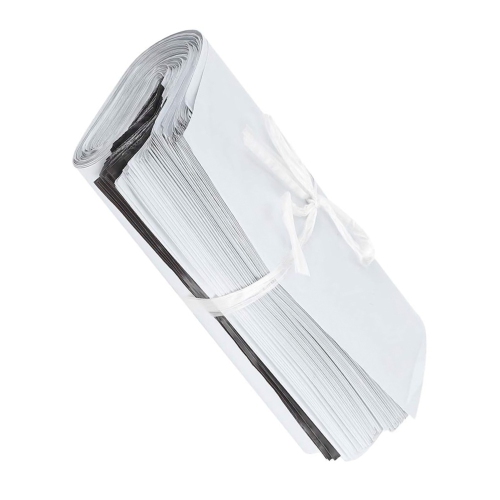
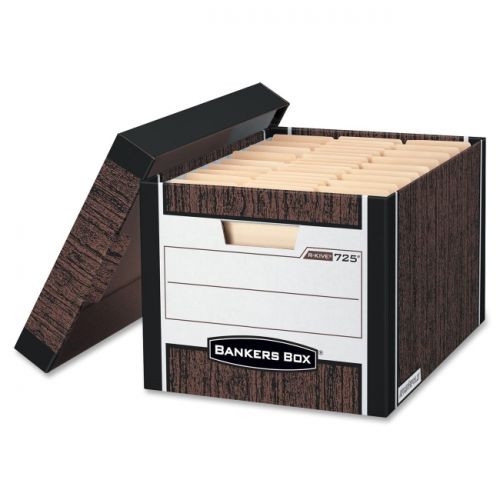
Small business packaging supplies protect goods, keep orders organized, and give each parcel a finished appearance. They include outer packaging such as corrugated boxes, mailing bags, and padded envelopes; cushioning materials such as bubble wrap, packing paper, and paper fill; and finishing essentials such as packing tape, labels, tissue paper, and stickers. Each serves a different purpose, whether a business is sending online orders, preparing local pickups, or handing purchases across a retail counter. Corrugated cardboard combines a relatively light structure with rigidity, making it useful for goods that need an outer shell to resist compression during handling. Flexible poly mailers suit soft, non-fragile merchandise that does not need a rigid container, while padded envelopes add a cushioning layer around smaller shipments. Rigid mailers help printed materials retain their shape, although their suitability depends on the thickness and sensitivity of the contents. Fit matters as much as material: packaging should leave enough room for appropriate cushioning without allowing the contents to slide freely from side to side. An oversized box creates empty space that needs filling, while an overly tight fit can leave corners, edges, and surfaces exposed to pressure. Bubble cushioning helps buffer impacts, and packing paper can wrap surfaces or fill gaps around an order. Tissue paper provides light separation and presentation rather than substantial impact protection. Crinkle paper adds texture and helps nest lightweight contents, but delicate or heavier goods may need firmer support. For orders containing multiple pieces, individual wrapping and dividers can prevent surfaces from rubbing together or striking one another. The strength of the outer packaging also needs to suit the total packed weight, not just the dimensions of the order. A neatly fitted parcel with supported edges and limited internal movement is better prepared for routine handling than one that relies on a loose layer of filler. This balance of structure, cushioning, and fit is relevant to home-based sellers, independent retailers, makers, and businesses managing their own order fulfilment.
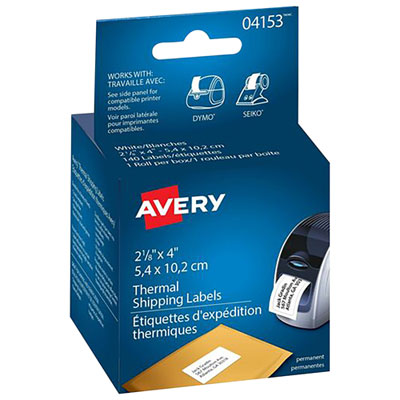
Sealing and identification supplies help turn a filled package into a parcel that is ready for handling. Packing tape needs to adhere securely to the chosen surface, whether that is corrugated cardboard, smooth plastic, or a paper mailing envelope. Tape width, backing strength, adhesive type, and dispenser compatibility all affect how easily a business can produce consistent closures. Ordinary office tape is not a substitute for tape intended to secure shipping cartons, particularly when a parcel has weight pressing against its seams. Reinforced tape provides additional backing strength where required, while tamper-evident closures can make opening more noticeable. Resealable mailing bags offer a different benefit: an additional closure strip can support a return shipment when the packaging remains intact and suitable for reuse. Stretch wrap helps hold grouped cartons or bundled goods together, but it does not replace cushioning or a protective outer container. Pairing protective packaging with Shipping Labels for Small Businesses helps keep parcels identifiable from dispatch through delivery. A clear label needs a smooth, secure position where the address and barcode remain legible, rather than folding around an edge or disappearing beneath overlapping tape. Label dimensions and printing methods also need to match the printer and carrier format being used. Separate handling labels can communicate useful information, although a fragile marking cannot compensate for inadequate protection inside the box. For businesses packing repeated orders, supplies that work comfortably together make the process less awkward: a dispenser that fits the tape roll, labels suited to the printer, and cartons that leave room for both the contents and their protective wrapping. A compact packing area benefits from clear separation between wrapping materials, sealing supplies, and completed parcels. Keeping cutting tools away from finished goods and label faces also helps prevent accidental damage during busy packing sessions. These practical details matter whether orders are prepared at a dedicated dispatch bench, in a shared office, or at a home workspace that needs to be cleared after packing.
Presentation adds another dimension to small business packaging, especially when an order is intended as a gift or represents a customer’s first purchase from an independent seller. Tissue paper, paper bags, gift boxes, ribbon, hang tags, and branded stickers can create a coordinated finish without making a package difficult to open. A consistent colour palette and neatly folded wrapping often communicate more clearly than several competing decorative elements. Logo stickers can secure a tissue fold, while a simple insert can carry care information, assembly details, or a short message relevant to the purchase. Presentation materials work best when they suit the goods: delicate surfaces may need a soft separating layer, flat merchandise benefits from support that prevents bending, and heavier contents need a base that holds its shape. Packaging intended to touch food directly must be suitable for that use; general-purpose wrapping should not be assumed to provide the necessary contact protection. Likewise, moisture-resistant outer packaging does not automatically make its contents waterproof, and a padded envelope is not necessarily enough for something easily crushed. Durability also depends on how supplies are stored and handled before use. Flat cartons retain their shape more reliably when kept dry and supported, while paper wrapping stays neater when protected from dust, spills, and crushed edges. Tape and adhesive labels benefit from remaining in their original packaging until needed, with storage and application requirements checked against the manufacturer’s directions. Clean, undamaged materials make a noticeable difference to the finished parcel, particularly where folds, seams, and exposed edges are visible. For businesses with a varied order mix, a manageable range of packaging sizes can accommodate different needs without making the workspace difficult to organize. The most suitable combination is one that protects the contents, fits the way orders are prepared, and presents the business consistently. Whether a parcel is collected in person or passes through several stages of delivery, thoughtful packaging helps it arrive looking orderly, secure, and ready to open.
Top selling and popular products
-
 Your price for this item is $28.99
-
 Your price for this item is $6.99
-
 Your price for this item is $3.99
-
 Your price for this item is $35.99
-
 Your price for this item is $26.99
-
 Your price for this item is $38.99
-
 Your price for this item is $94.99
-
 Your price for this item is $8.95
Discover more categories related to Small Business Packaging Supplies

Top Collections:
Pokemon Centers, Best Black Friday Deals This Year, Best Black Friday Deals On Electronics, Kindle Devices, Best Budget Office Chairs, Best Black Friday Deals On Apple Products, Best Cameras for Sports Photography, Pokémon 30th Celebration Cards, Dyson Airwrap, Canon G7X Cameras
Some products may be subject to Environmental Handling Fees
(EHF) depending on your province.
Learn more about EHFs.