Small Zip Ties
Small zip ties are the unsung heroes of organization and efficiency, offering versatile solutions for a myriad of tasks around your home or workspace. Whether you're managing unruly cables, securing garden plants, or tackling DIY projects, these compact yet mighty tools are indispensable. Designed for convenience and durability, small zip ties provide a reliable grip that helps streamline your environment with ease. Explore our selection to find the perfect fit for your needs and discover how these simple tools can make a big difference in maintaining order and tidiness in any setting.
Sort
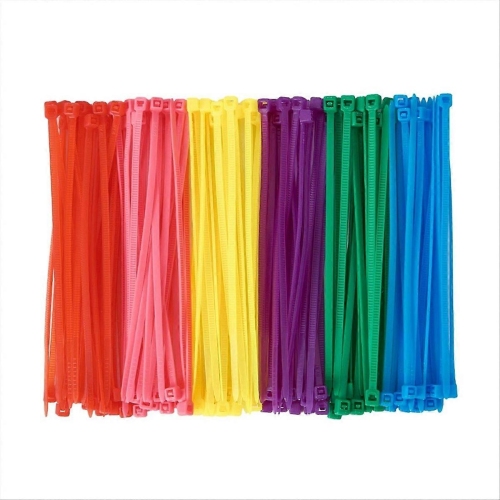
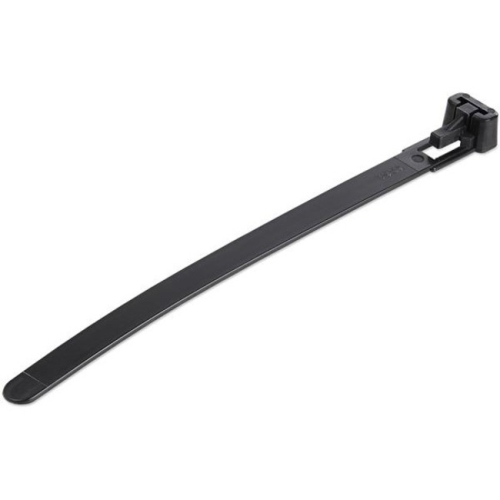
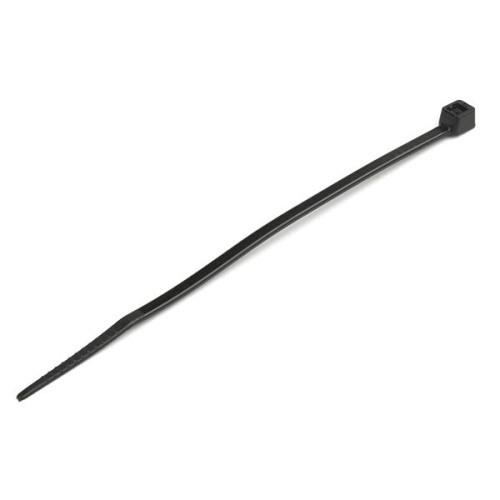
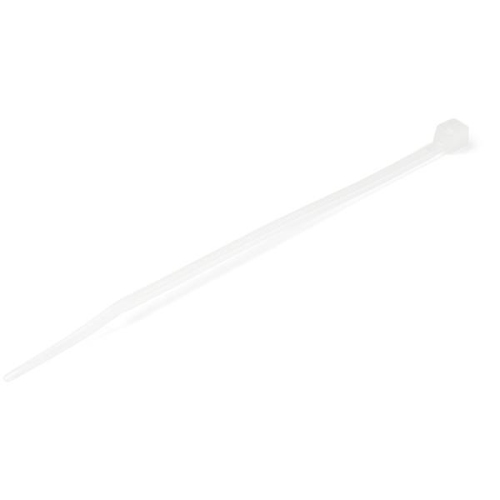
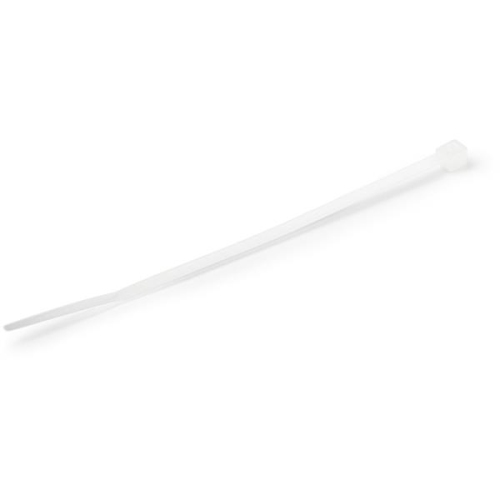
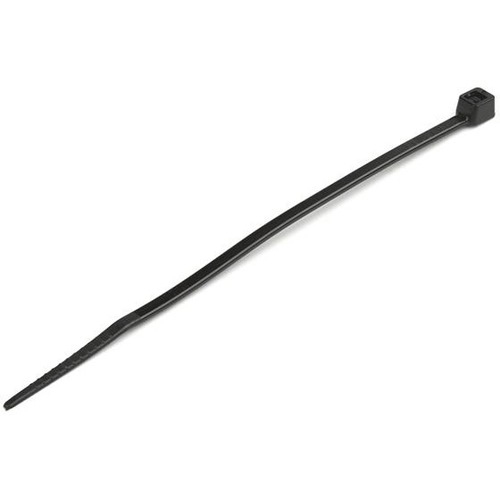
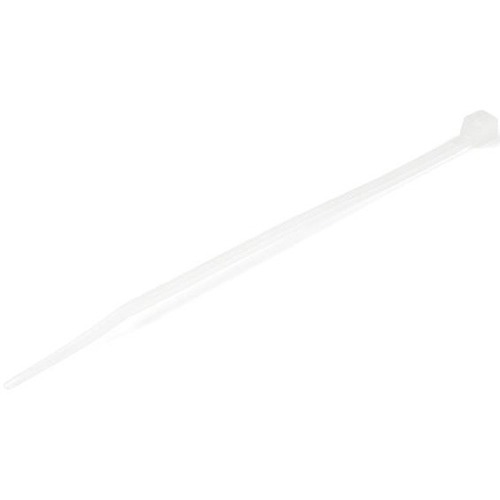
Less cable clutter without the bulk of larger fasteners
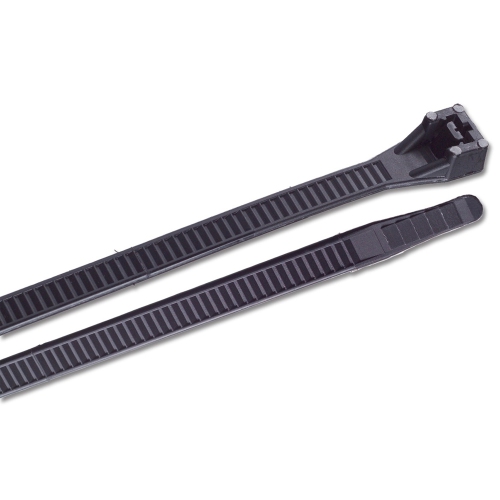
Small zip ties bring order to the little clusters of cables, loose parts, and project materials that can make a workspace feel cluttered. Their narrow straps and compact locking heads suit jobs where a larger fastener would add unnecessary bulk, whether that means gathering peripheral cables behind a desk, keeping a short audio lead neatly looped in a drawer, or attaching a lightweight label to a storage basket. The appeal is straightforward: a flexible strip wraps around the materials, passes through its locking head, and holds the bundle together without a knot. Small zip ties are especially useful in home offices, entertainment centres, workshops, craft spaces, and equipment drawers, where tidy arrangements make individual connections easier to identify. Size, however, involves more than the overall length of the strap. The usable loop must accommodate the full circumference of the bundle, with enough tail left to pass through the head and tighten comfortably. A tie that fits two thin charging cables may not reach around a thicker collection of leads, even when both tasks seem small. Strap width and locking-head size also affect how neatly a tie sits in a confined space. A low-profile fastening can be helpful behind a monitor stand or along the underside of a shelf, provided it does not interfere with a moving part or press against a connector. For cable management, a secure fit means holding the bundle in place without squeezing the protective jackets or forcing sharp bends. Leaving a little movement near plugs makes it easier to disconnect equipment and reduces unnecessary pulling on ports. Where cables branch off towards different devices, several modest bundles often create a cleaner arrangement than one tightly cinched cluster. The result is not simply a tidier surface: it can also be easier to trace a cable from end to end when a keyboard, speaker, or other accessory needs attention.
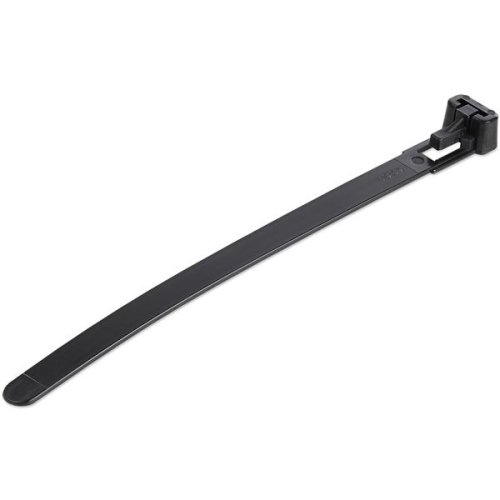
Material and fastening design make a noticeable difference in how small zip ties handle everyday tasks. Nylon is commonly used because it combines flexibility with the strength needed for many light-duty bundling applications, although performance varies by construction and specification. A slender strap may bend easily around a small loop, while a wider one can distribute pressure across a larger contact area. Neither appearance nor size alone establishes how much force a tie can withstand; the stated loop tensile strength is a more useful reference when that information is provided. That rating describes a particular type of performance and should not be treated as permission to suspend valuable equipment or secure something overhead. For ordinary organization, the locking mechanism also matters. A traditional one-way head engages the ridges along the strap and is generally intended to stay closed until the tie is cut away. Releasable designs use a different mechanism that can allow the loop to open again, making the distinction relevant for cables that are rearranged frequently. Smooth edges, an intact locking head, and a strap free from cracks or damaged teeth all contribute to dependable fastening. Small ties are practical for keeping things together, but they are not substitutes for electrical insulation, proper cable supports, or equipment-specific mounting hardware. Delicate leads, soft tubing, and easily marked surfaces require particular care because a narrow strap concentrates pressure over a small area. Once a fastening is in place, a neatly trimmed tail reduces clutter, though the cut end should not leave a sharp point where hands may brush against it. When removing a tie from a cable bundle, keeping the cutting edge clear of the cable jacket helps prevent accidental damage. For basic care, wiping away dust with a soft cloth is usually sufficient; cleaning products should be compatible with the material. Ties with visible wear, a slipping lock, or damaged straps are better replaced than relied on for another job.
Beyond the desk, small zip ties suit plenty of modest organizing and fastening tasks around the home. They can hold a lightweight tag on a wire shelf, keep related craft components together, or gather the loose ends of a display so that the finished arrangement looks deliberate rather than improvised. Hobbyists may find them useful for managing leads in a project enclosure, provided the ties and their placement suit the equipment requirements. Photographers, musicians, and people who regularly transport accessories can also appreciate a clearly arranged kit, although cables that need frequent uncoiling benefit from a fastening designed to release without cutting. Colour can serve a practical purpose as well as an aesthetic one. Matching a tie to the surrounding surface helps it blend into a visible setup, while contrasting colours can distinguish groups of cables or make a fastening easier to spot. For pale shelving, light-coloured desk accessories, or a discreet finish against a white cable jacket, White Zip Ties offer a related option. Colour alone does not establish strength, material properties, or suitability for a particular application, so those details remain separate considerations. In shared workspaces, a small label attached beside a bundle can be more informative than colour alone, especially when several people need to identify the same connection. Thoughtful placement matters just as much as appearance: fastening points should leave access to switches, ventilation openings, adjustable supports, and any components that require routine attention. Keeping unused ties in a divided drawer or a closed container prevents narrow straps from scattering among tools and makes different lengths easier to distinguish. For households with children or pets, both unused ties and trimmed offcuts belong out of reach. Whether the task is a tidy entertainment centre, a better-arranged accessory drawer, or a carefully finished craft project, small zip ties work best when their size, closure, and placement match the job.
Top selling and popular products
-
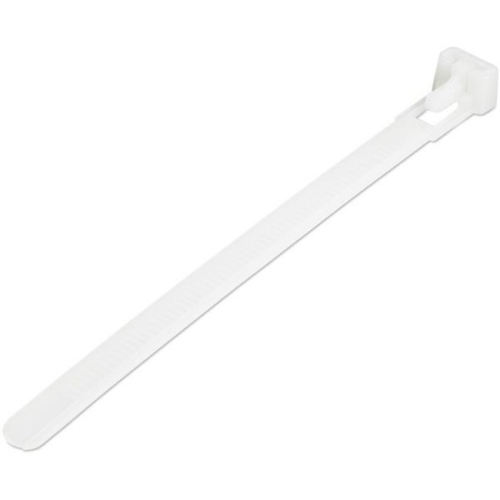 Your price for this item is $64.68
-
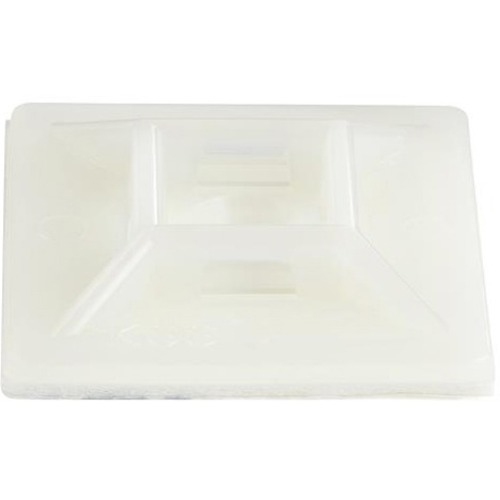 Your price for this item is $39.37
-
 Your price for this item is $31.37
-
 Your price for this item is $35.37
-
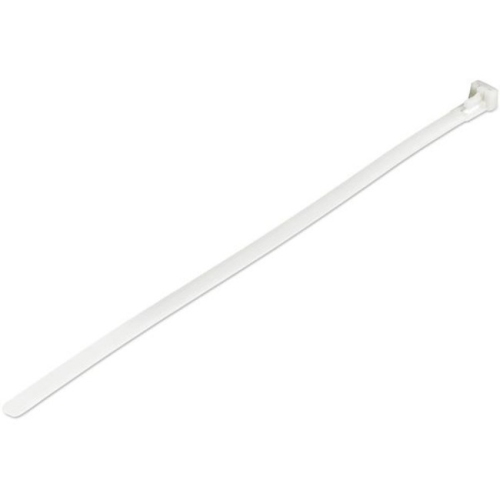 Your price for this item is $46.07
-
 Your price for this item is $6.99
-
 Your price for this item is $33.99
-
 Your price for this item is $6.99
Discover more categories related to Small Zip Ties


Top Collections:
Pokemon Centers, Best Cameras for Sports Photography, Kindle Devices, Samsung Galaxy Phones, Canon G7X Cameras, Pokémon 30th Celebration Cards, Refurbished Apple Laptops, iPhone 15 Apple, Laptops for Students, Budget Smartphones
Some products may be subject to Environmental Handling Fees
(EHF) depending on your province.
Learn more about EHFs.