Sublimation Papers
Sublimation papers are essential tools for anyone interested in transferring vibrant, high-quality images onto various surfaces. Whether you're a hobbyist exploring creative projects or a professional seeking to produce stunning prints, sublimation papers can elevate your work with remarkable precision. These specialized papers are designed to hold ink effectively and release it seamlessly during the heat transfer process, ensuring your designs come to life with brilliant colors and sharp details. Ideal for use on fabrics, ceramics, and more, sublimation papers open up a world of possibilities for crafting personalized items or enhancing product offerings. Explore our selection to find the perfect match for your creative endeavors.
Sort




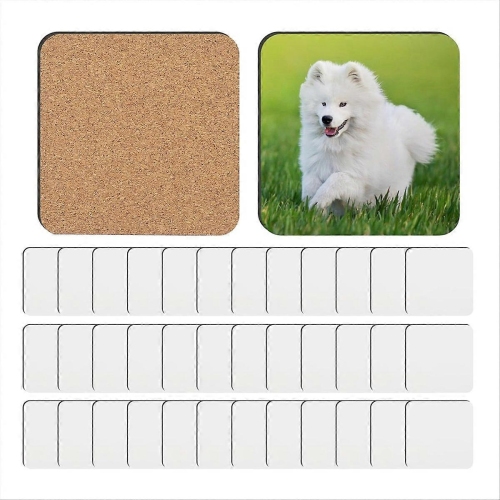
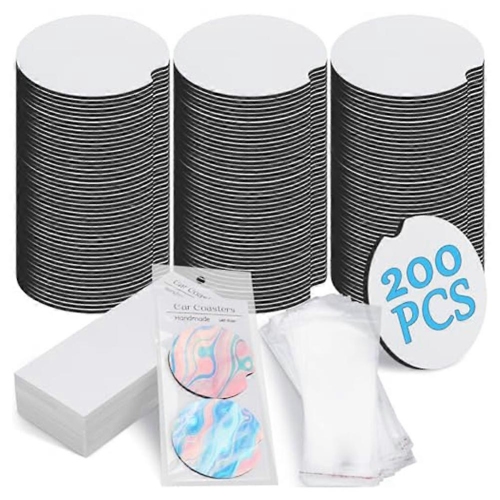
How heat transfer turns artwork into personalized finished pieces
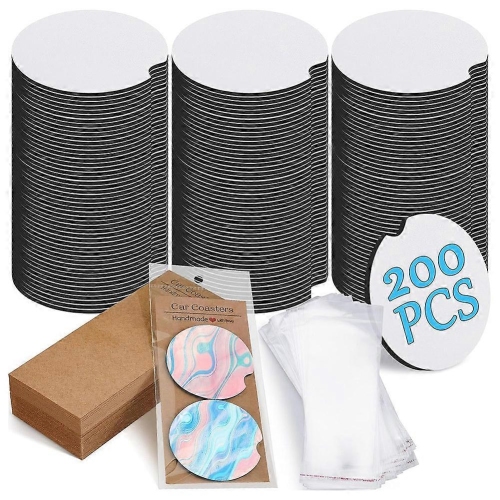
Sublimation papers are specialized transfer sheets designed for creating colourful, detailed designs on polyester fabric and specially coated hard surfaces. Unlike ordinary printer paper, sublimation paper has a coating that helps hold dye-sublimation ink in place, keeping fine lines, small lettering, and separate colour areas crisp during printing. When the printed sheet is positioned against a compatible blank and exposed to high heat, the ink changes from a solid into a gas and bonds with the polyester fibres or polymer coating. The result is a design that becomes part of the finished surface rather than sitting as a separate layer on top. This makes sublimation papers useful for custom apparel, drinkware, signs, ornaments, coasters, mouse pads, cushions, puzzles, and other creative projects made with suitable blanks. They are popular with home crafters, small businesses, makers, teachers, clubs, sports teams, and anyone who enjoys turning original artwork into personalized gifts. A family name on a travel mug, a team graphic on a shirt, or a colourful illustration on a keepsake can all begin with the right transfer sheet. Sublimation paper is not intended for standard office printing, and it requires a compatible sublimation printer and sublimation ink; ordinary inkjet or laser printer ink will not produce the same gas-transfer process. If you are building a complete setup, browse Sublimation Printers alongside your paper selection to help ensure that the printer, ink, paper, and heat-transfer equipment are designed to work together.
Choosing sublimation paper starts with the project, the blank, and the equipment you already have. Check the printer’s supported paper dimensions before ordering, since common sheet sizes are convenient for shirts and larger flat projects, while narrower or smaller sheets can reduce trimming for mugs, tumblers, labels, and compact decorations. The sheet size should leave enough room for the full design without forcing artwork to the edge, particularly when a heat press or mug press needs a little space for secure placement. Paper weight, coating, drying time, and ink compatibility can also affect the finished result. A well-matched sheet should accept ink cleanly without excessive puddling, smearing, or feathering, and it should release the colour efficiently when heat is applied. For apparel and other fabric projects, remember that sublimation works best on light-coloured polyester or polyester-rich materials; it does not add an opaque white layer, so the colour of the blank becomes part of the final appearance. Hard goods generally need a purpose-made poly coating that can tolerate the required heat. Before making a larger batch, it is sensible to test one printed sheet on the intended blank. This can reveal whether the colours appear as expected, whether the image needs to be mirrored, and whether the paper and press settings suit the surface. Many sublimation designs need to be printed as a mirror image so text and directional artwork read correctly after transfer, although the correct procedure depends on the project and equipment. Handle the coated sheets with clean, dry hands, keep the printable surface free from fingerprints and dust, and allow freshly printed transfers to dry according to the paper and ink requirements. Storing paper flat in a dry area helps protect it from moisture, curling, and accidental damage.
Heat is central to the sublimation process, so the paper should be selected and used with the recommended temperature, pressure, and pressing time for the specific blank. A typical sublimation range is approximately 385–400°F (196–204°C), but the ideal setting can vary with the material, press, artwork, and transfer method. Too little heat or pressure may leave pale, uneven areas, while excessive heat can affect colour, blur details, or damage a blank. Secure alignment is equally important: heat-resistant tape can help keep a transfer from shifting, and a clean protective sheet can reduce the chance of ink reaching the press surface. When working with shirts, bags, or other fabric items, remove lint and make sure seams, zippers, and folds do not interfere with even pressure. For mugs and other curved objects, use paper that fits the transfer area and press it firmly against the coated surface. Sublimation papers can be a thoughtful choice for people who enjoy hands-on creativity, whether they are preparing personalized presents during the cooler months, making matching accessories for a club, or producing small batches for a craft table or online shop. They are also practical for makers who want to keep a supply of standard sheets on hand while experimenting with new artwork and blanks. Consider the quantity in each pack, the dimensions you use most often, and whether the paper suits the finish you want before choosing. With compatible equipment, careful handling, and a paper coating matched to the job, sublimation transfers can turn digital artwork into vivid, personalized pieces for everyday use and special occasions.
Top selling and popular products
-
 Your price for this item is $911.05
-
 Your price for this item is $238.44
-
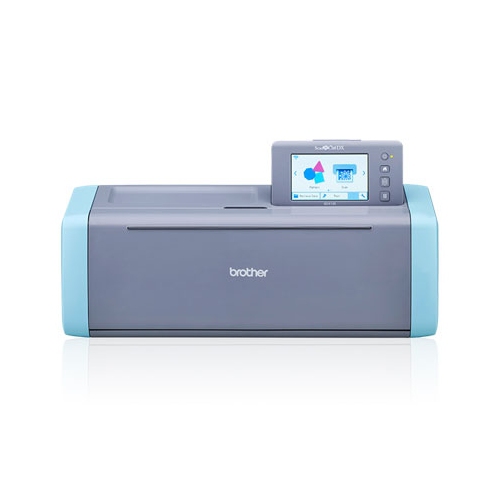 Your price for this item is $685.99
-
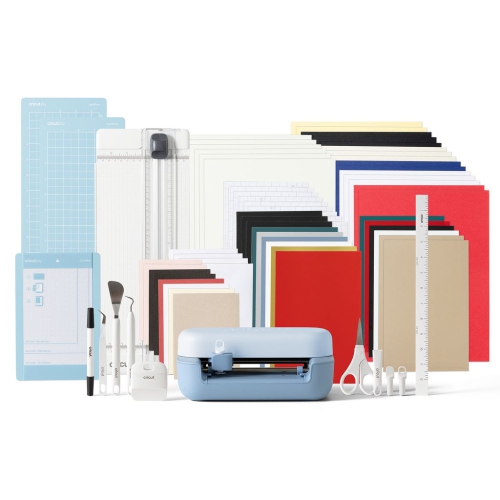 Your price for this item is $229
-
 Your price for this item is $109
-
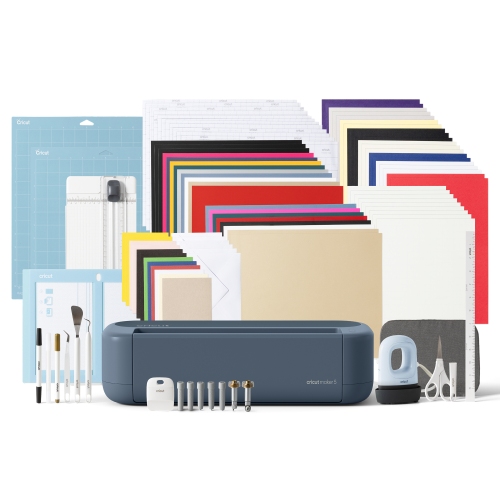 Your price for this item is $679
-
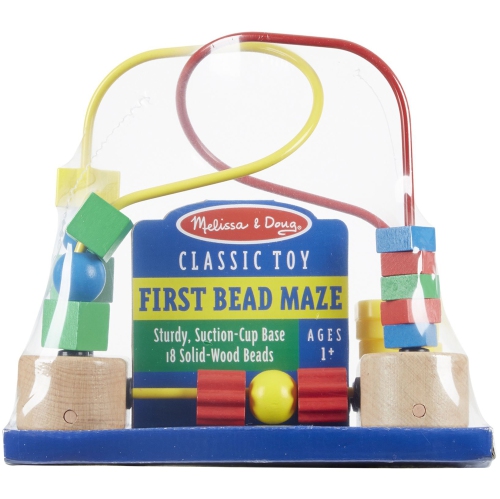 Your price for this item is $39.99
-
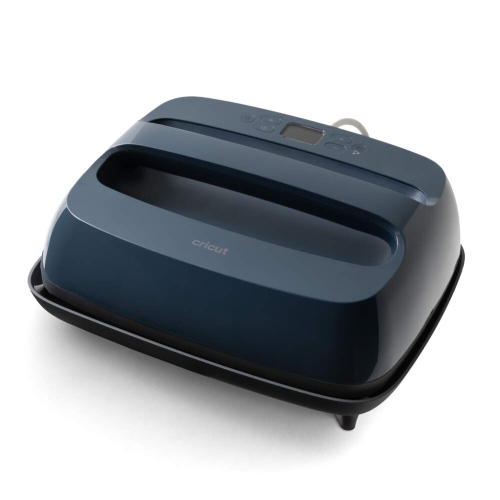 Your price for this item is $139
Discover more categories related to Sublimation Papers
Top Collections:
Pokemon Centers, Best Cameras for Sports Photography, Kindle Devices, Samsung Galaxy Phones, Canon G7X Cameras, Pokémon 30th Celebration Cards, Refurbished Apple Laptops, iPhone 15 Apple, Laptops for Students, Budget Smartphones
Some products may be subject to Environmental Handling Fees
(EHF) depending on your province.
Learn more about EHFs.