Tabletop Organizers
Organize your space with style and functionality using our collection of tabletop organizers. From sleek designs to versatile storage solutions, these tabletop organizers are perfect for decluttering your workspace, living room, or any area in need of tidying up. Whether you're looking to neatly store stationery, tech accessories, or small items, our tabletop organizers offer a chic and practical way to keep your essentials within reach while adding a touch of sophistication to your decor.
Sort
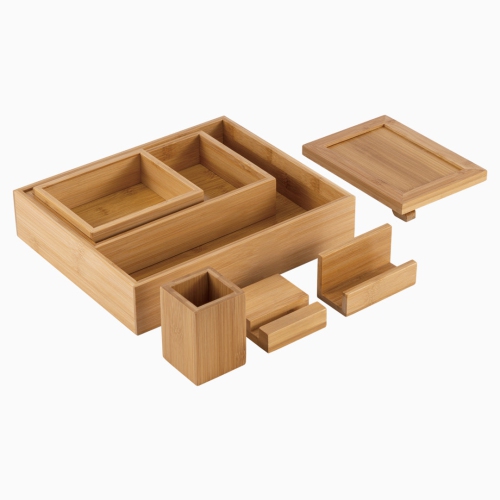
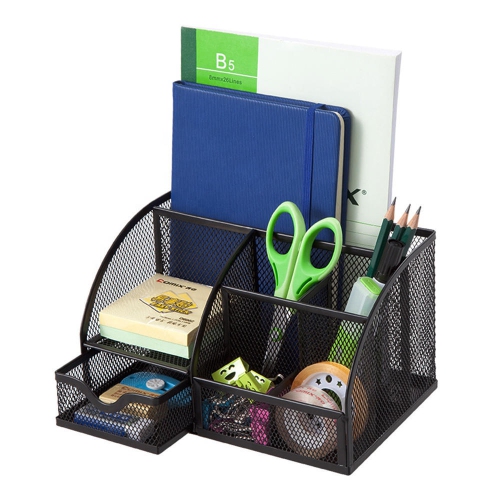
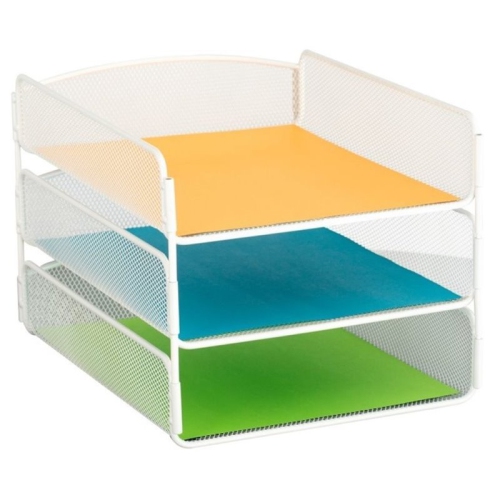
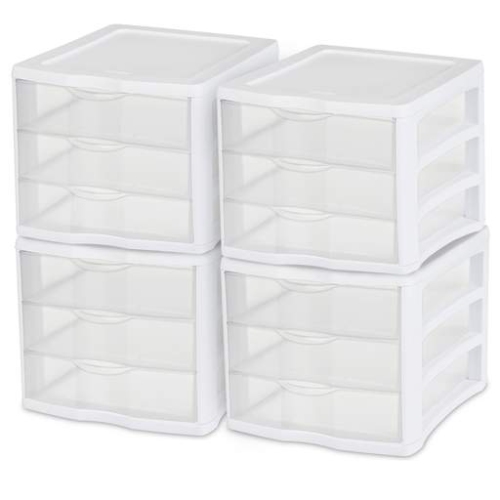
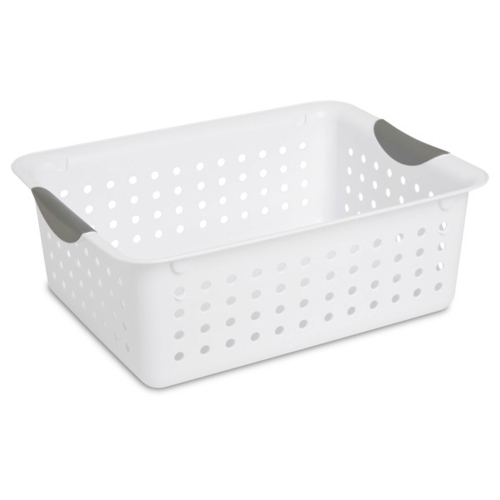
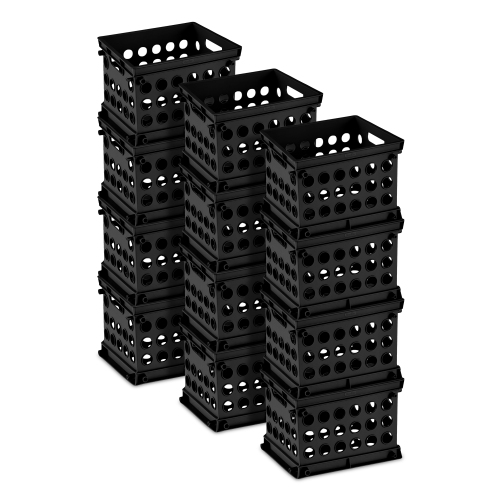
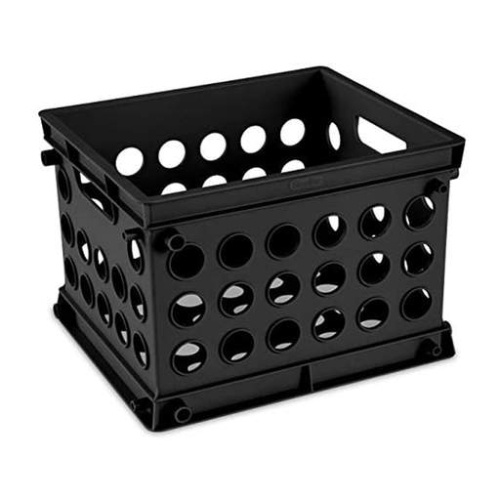

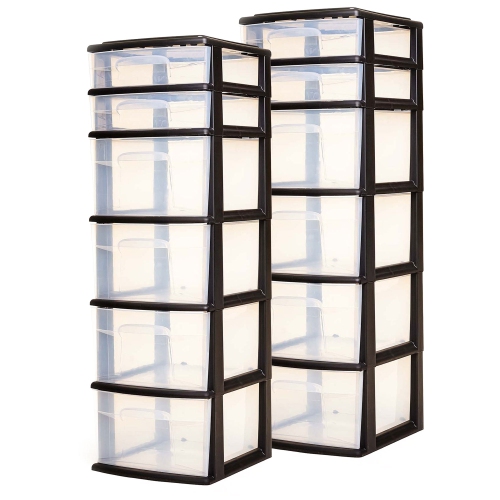
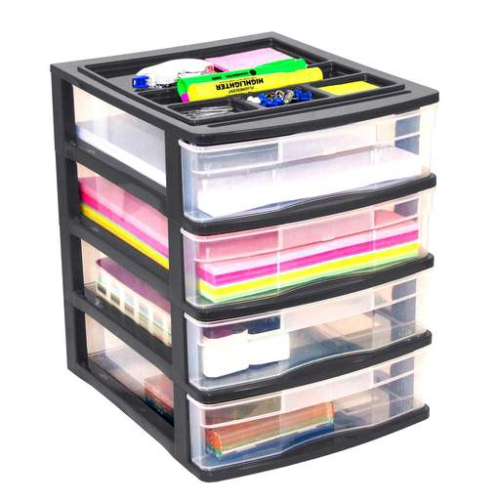
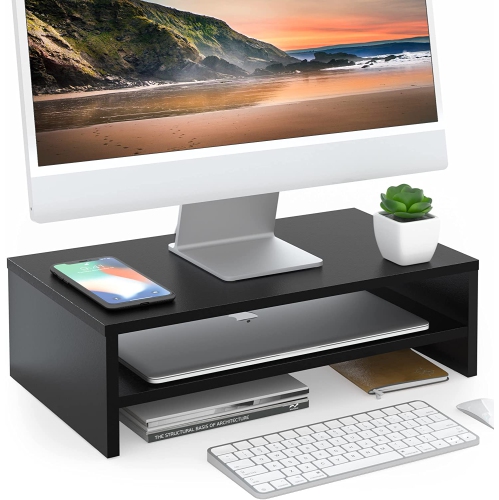
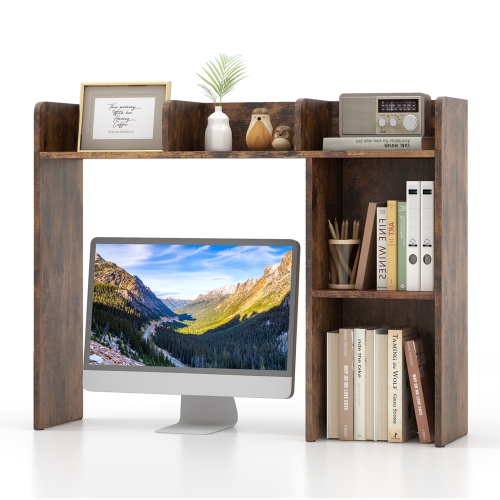
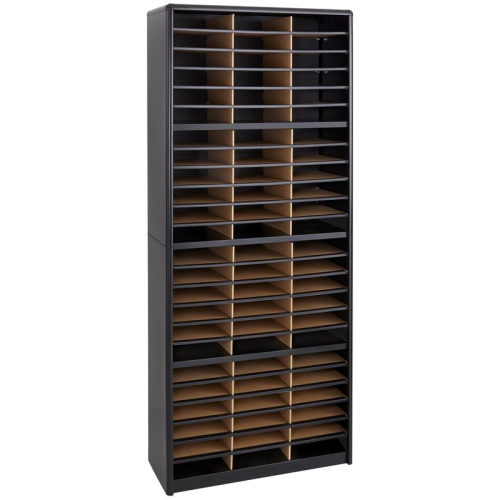
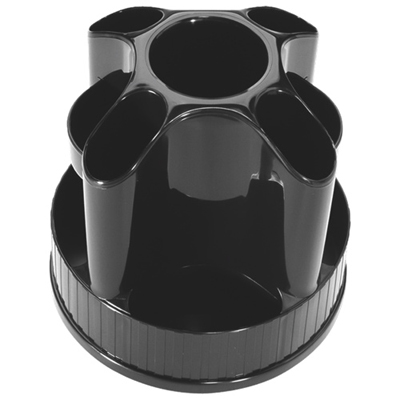
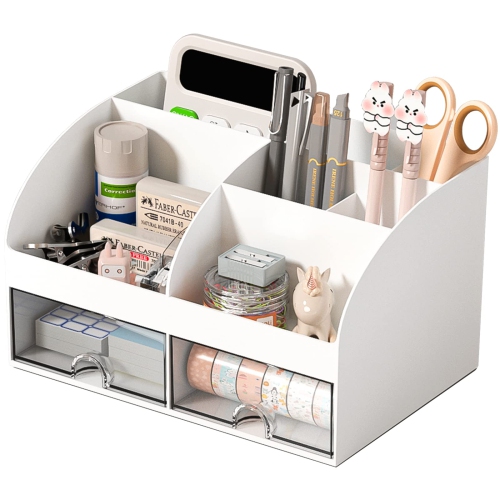
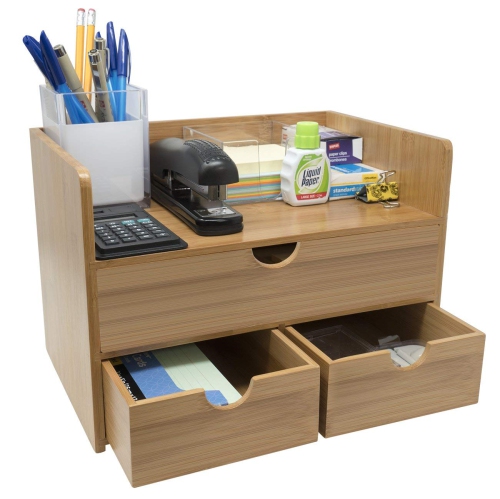
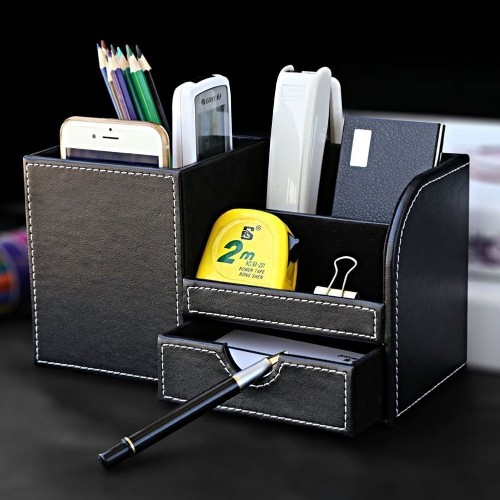
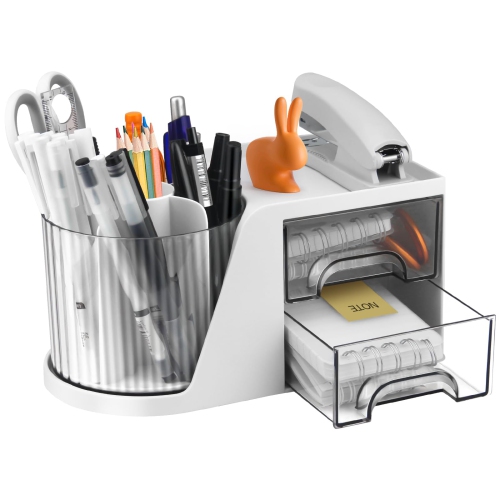
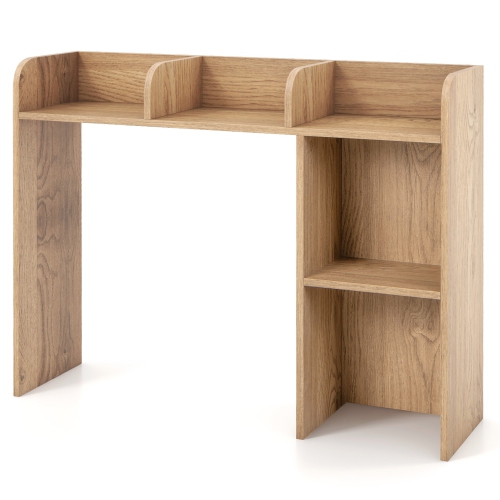
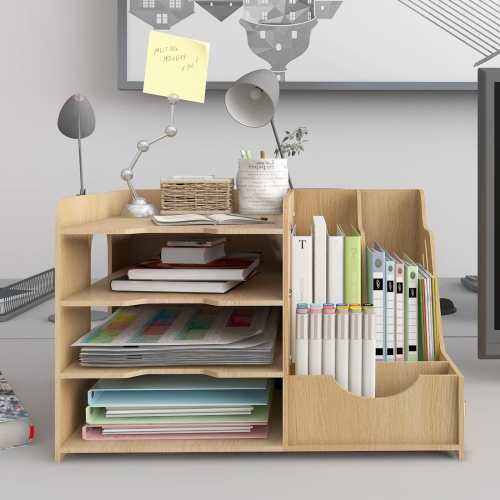
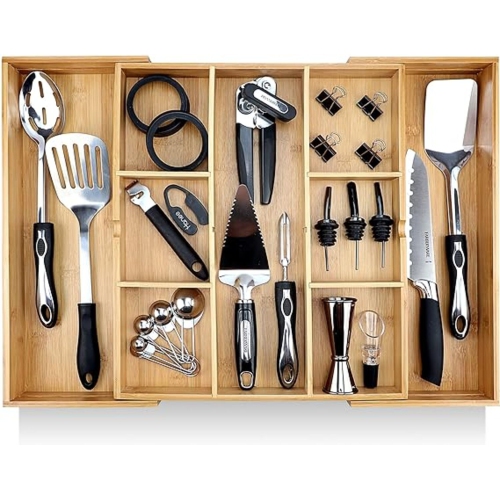
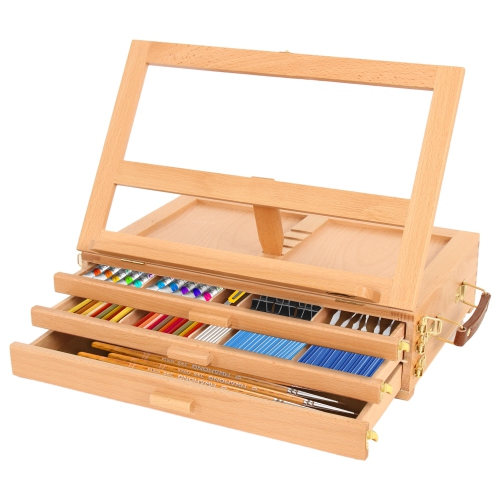
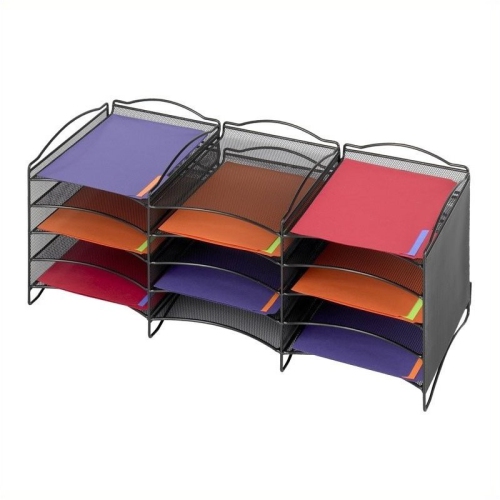
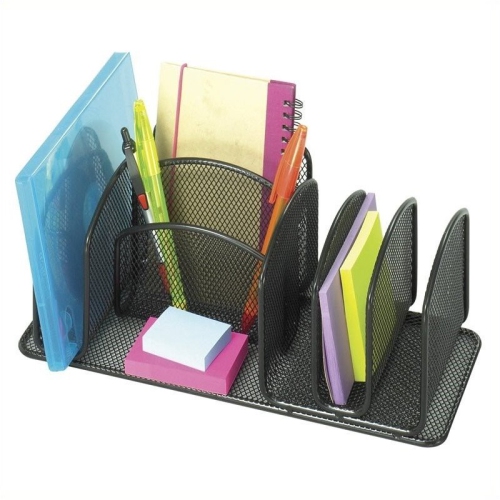
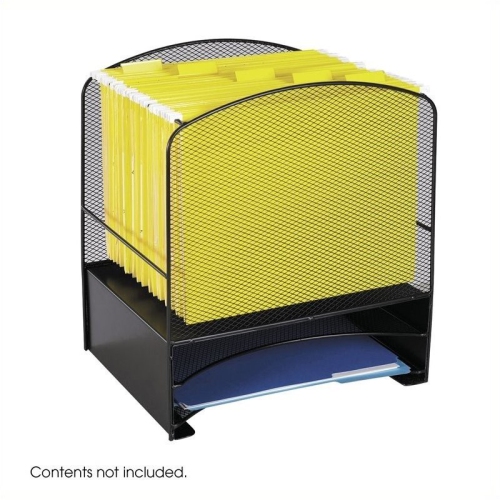
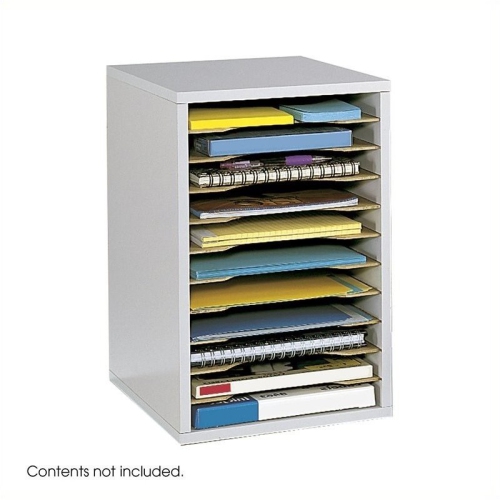

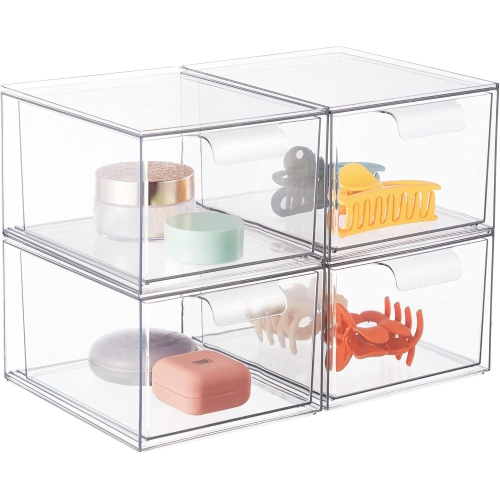
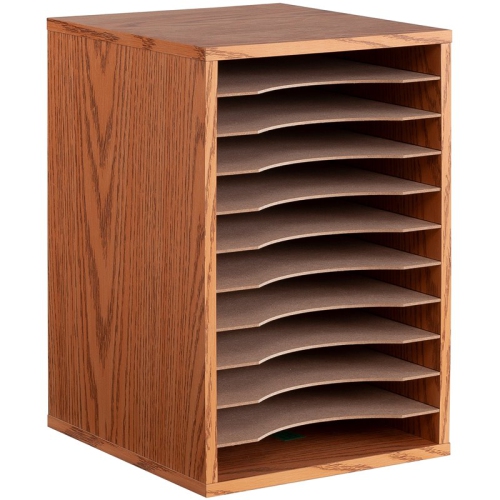
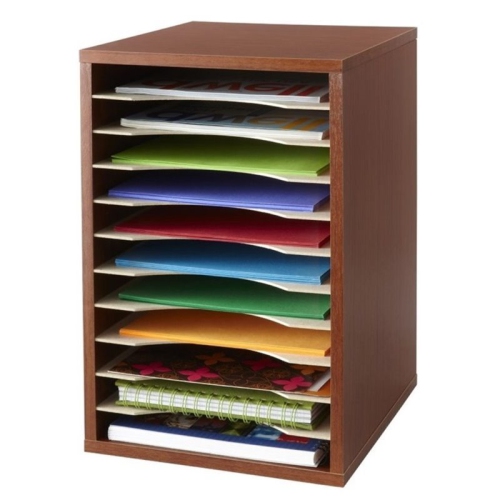
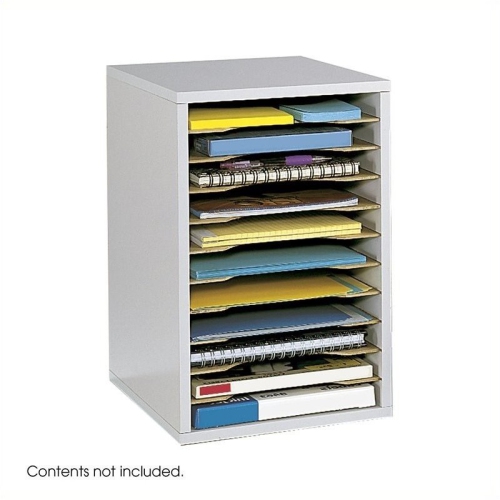

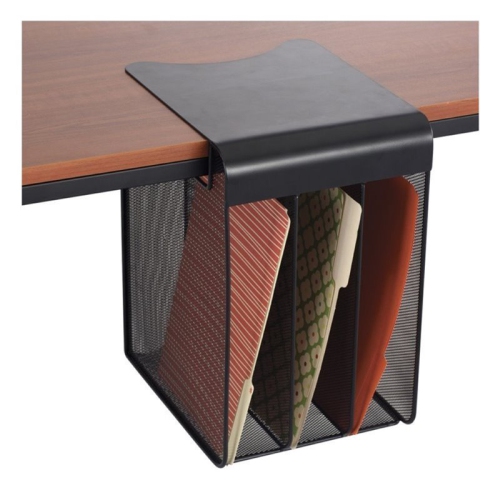
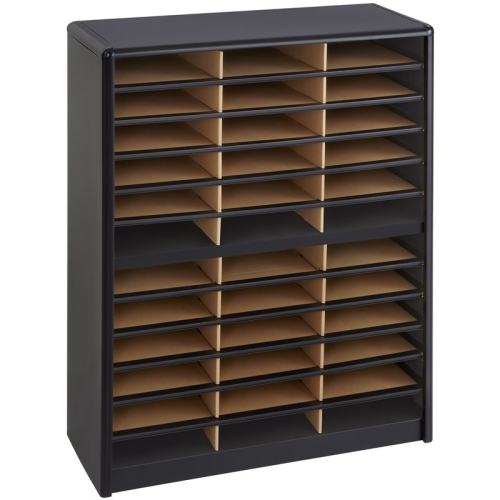
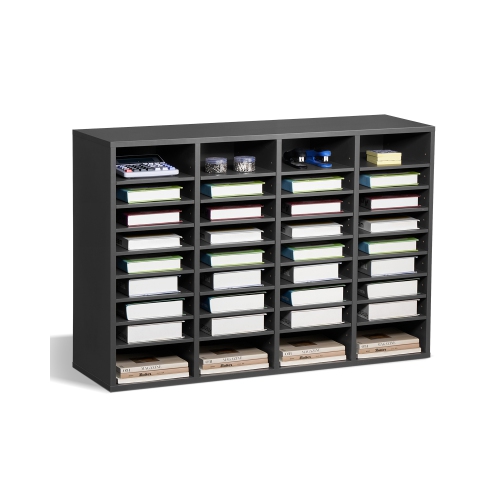
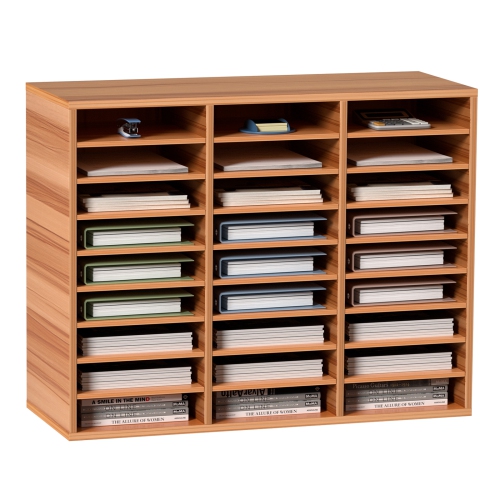
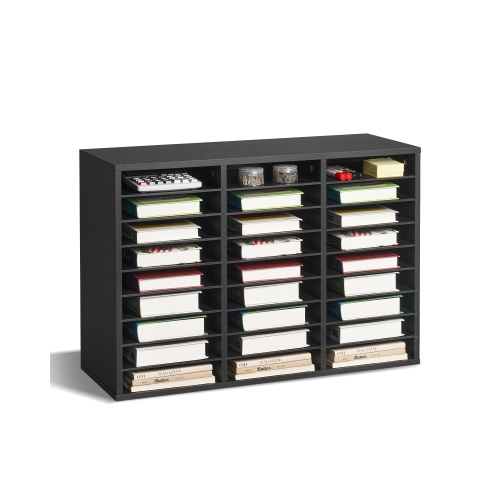
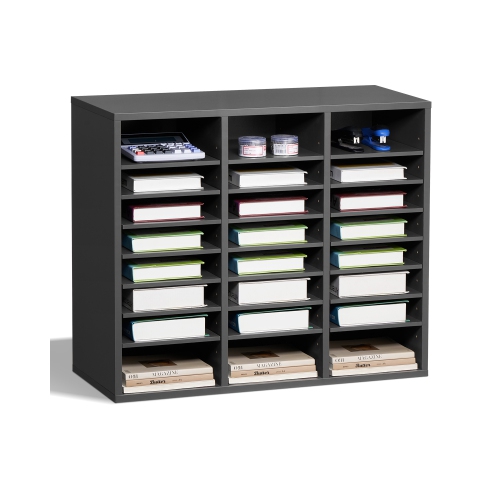
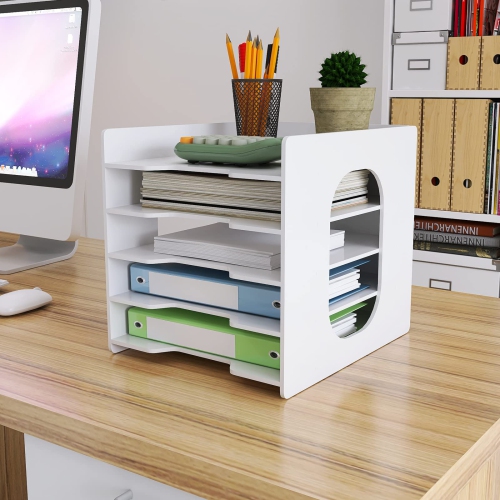
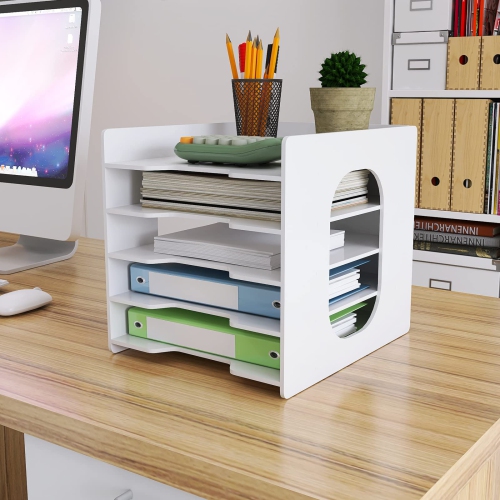
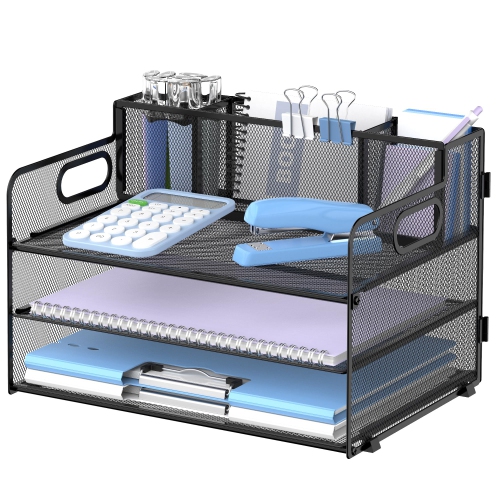

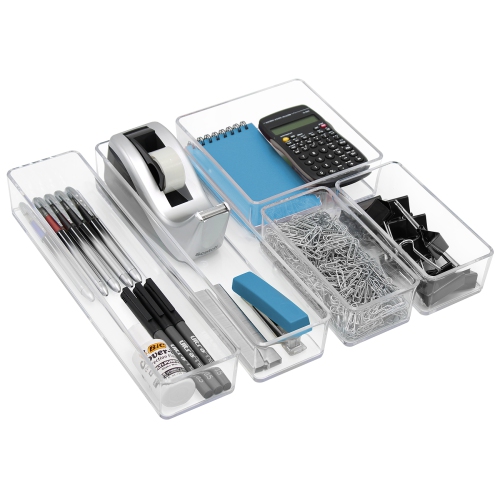
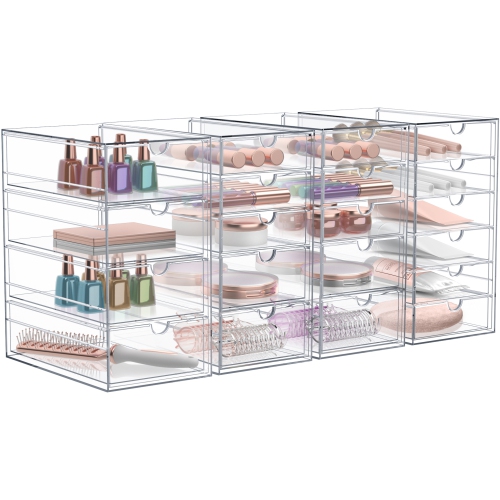
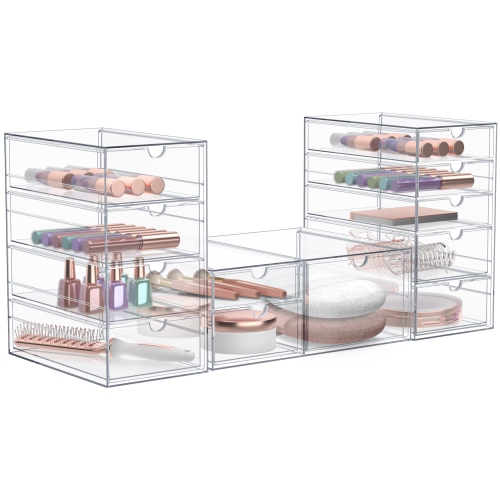
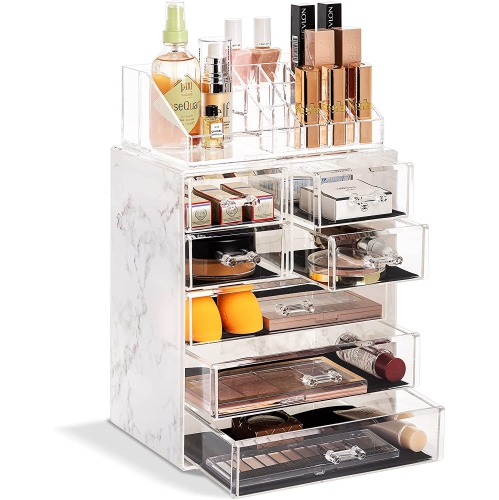
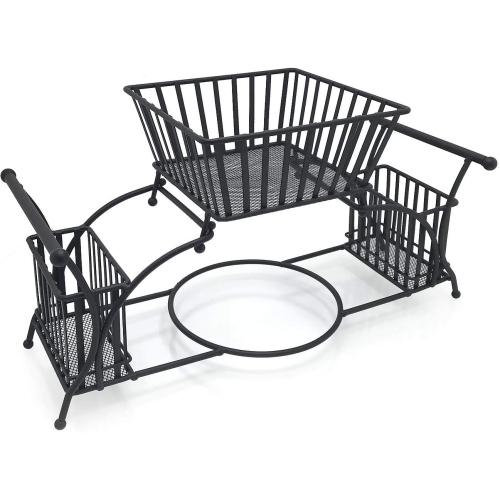
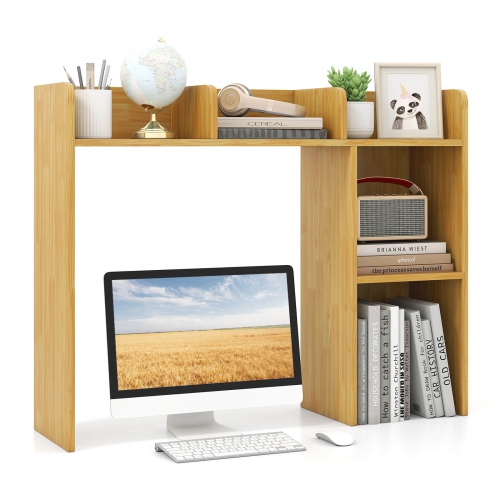
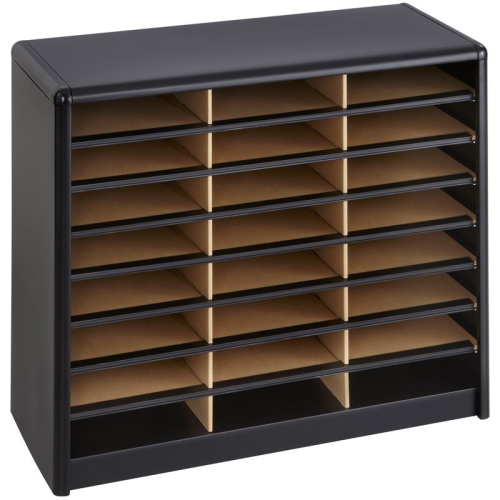
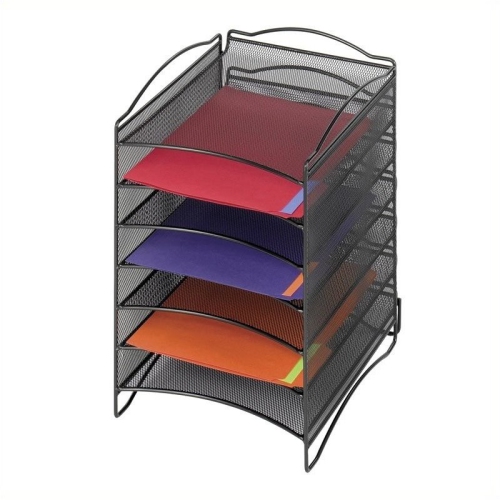
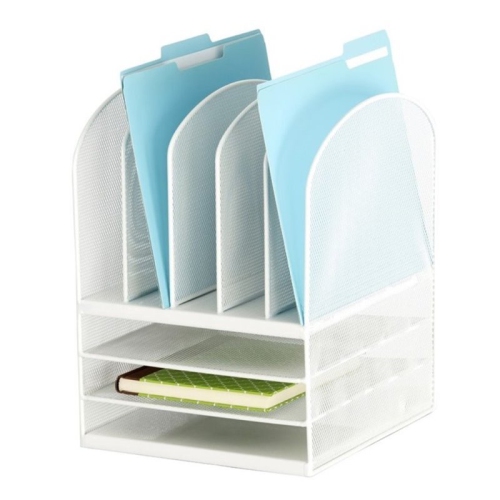
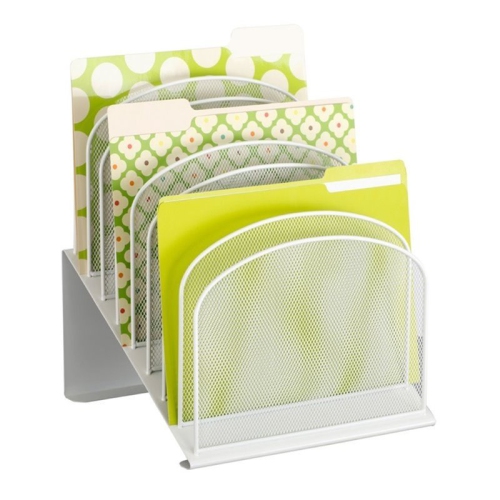
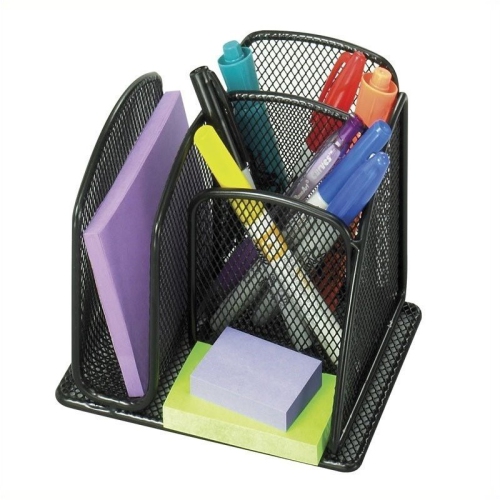
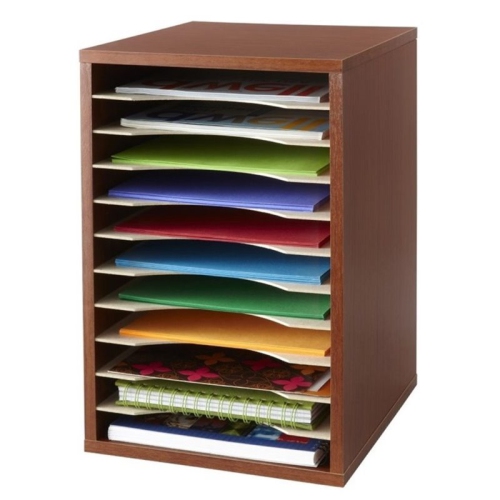
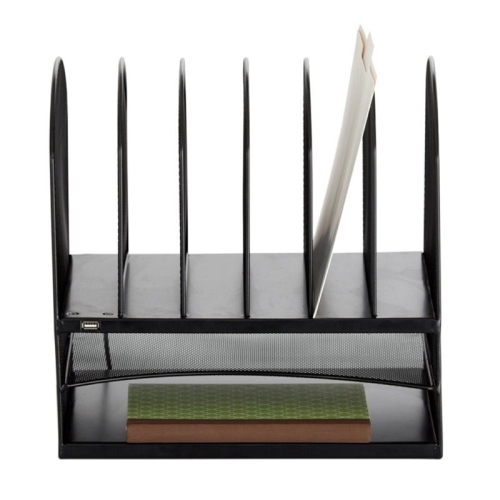
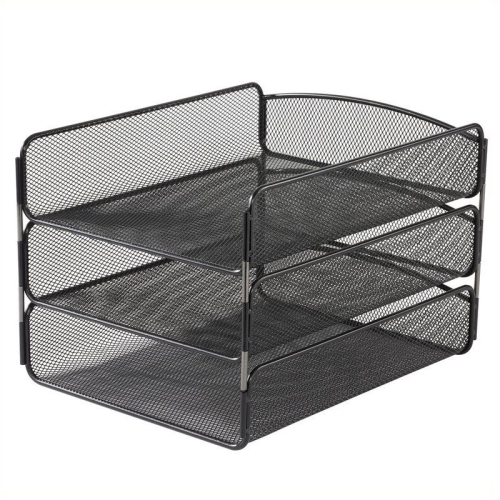
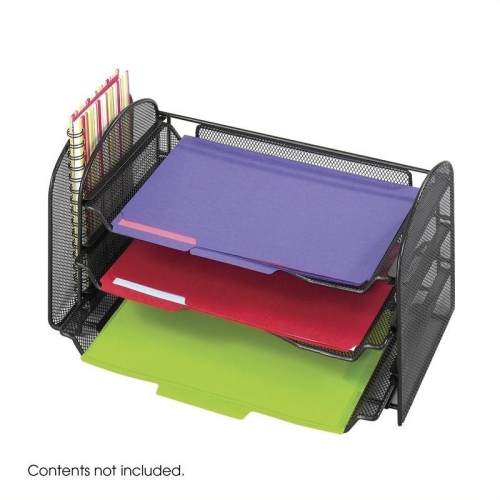
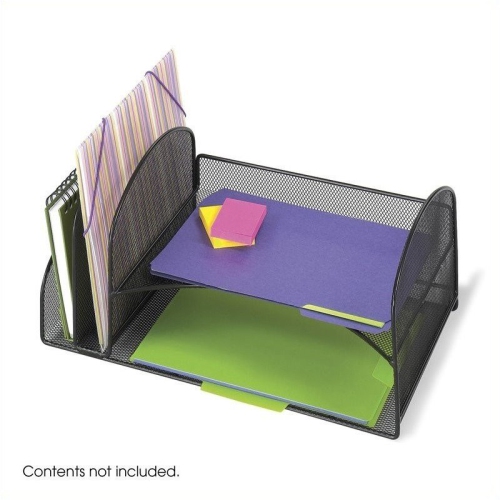
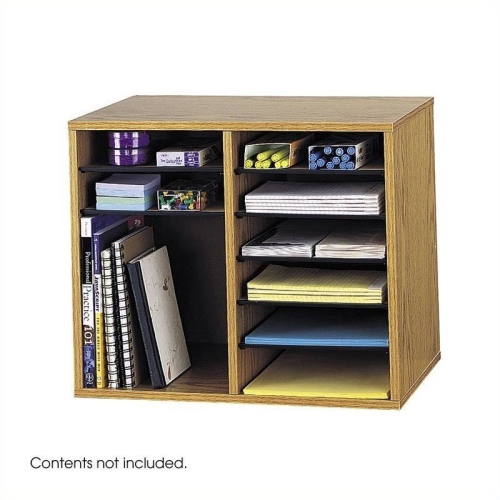
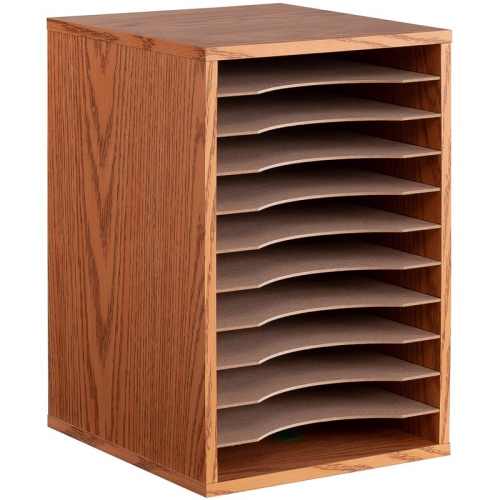
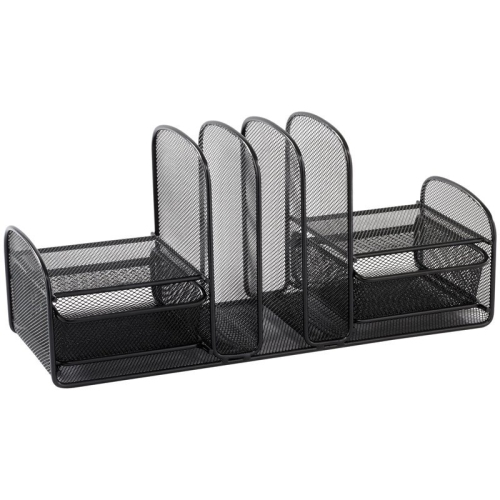
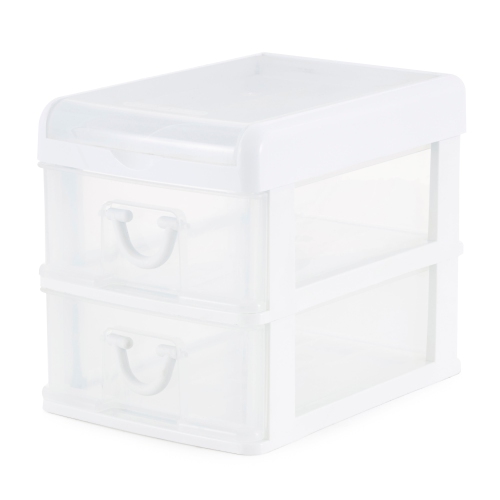
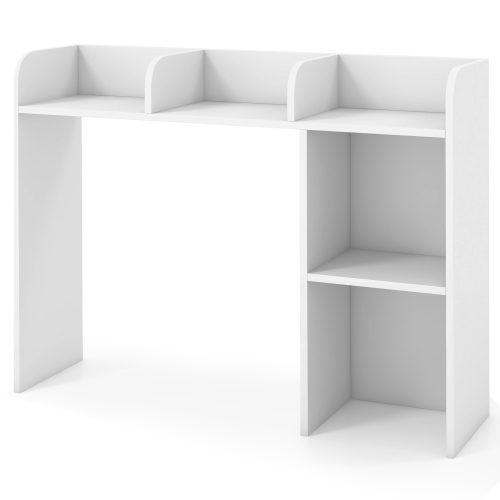
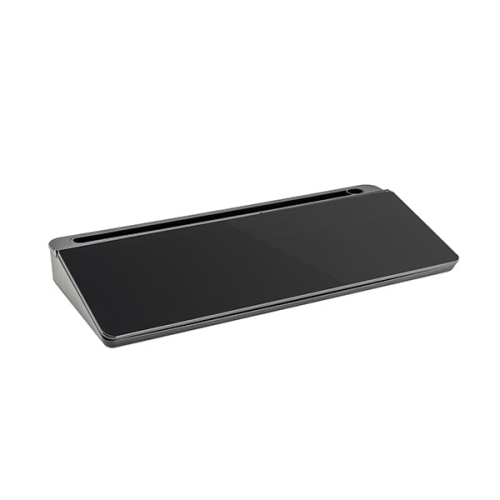
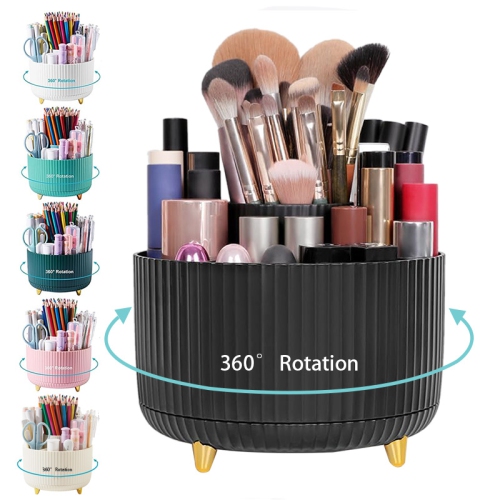

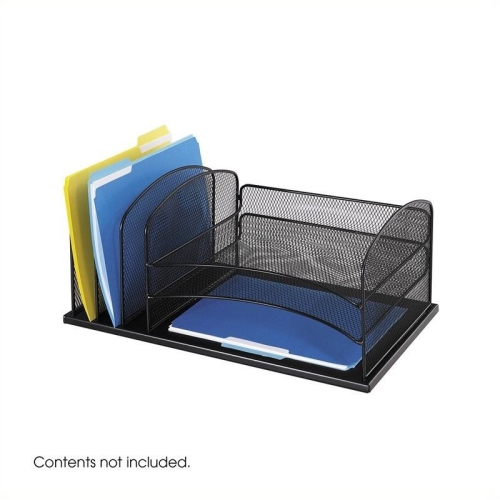
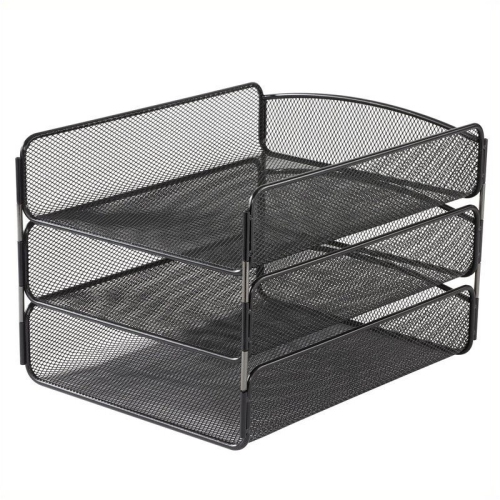
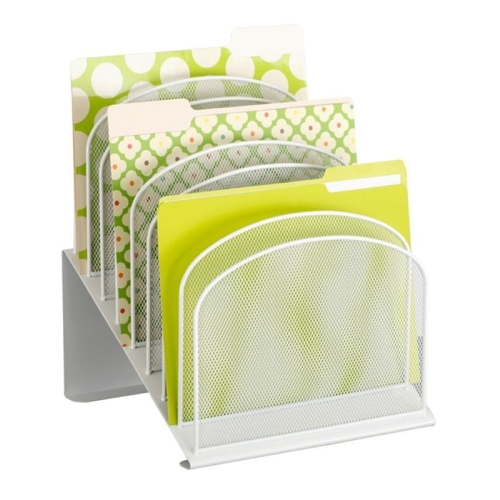

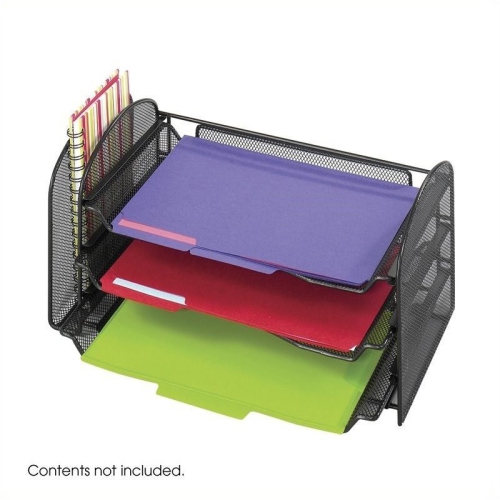
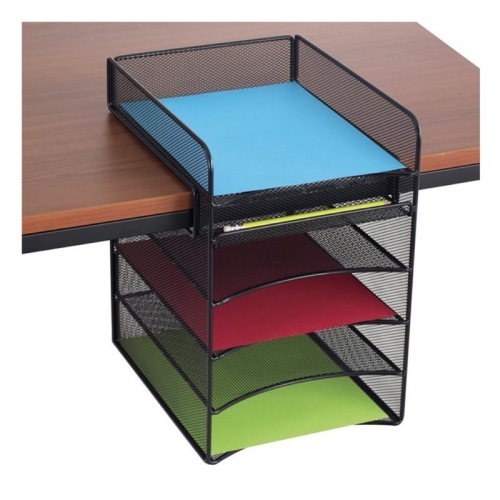
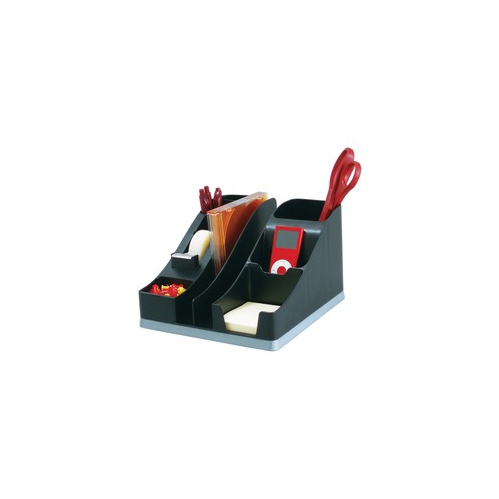

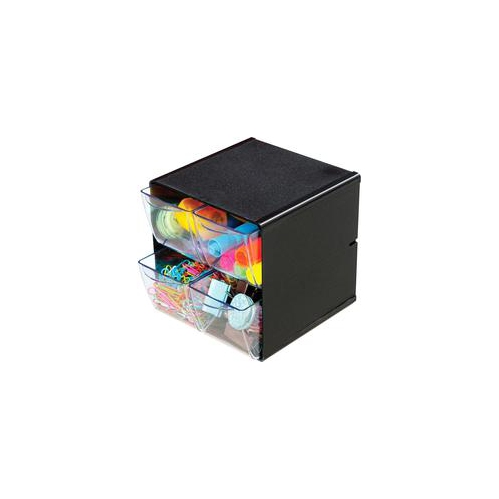
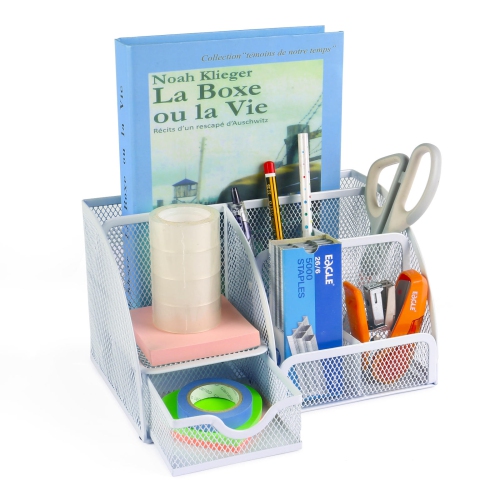
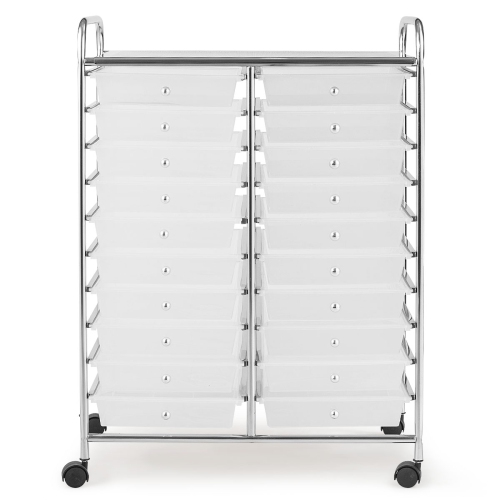
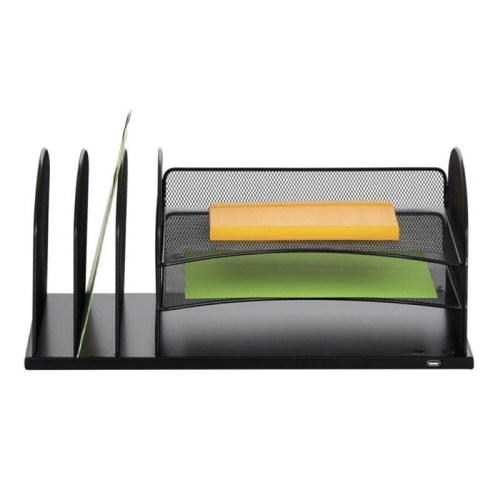
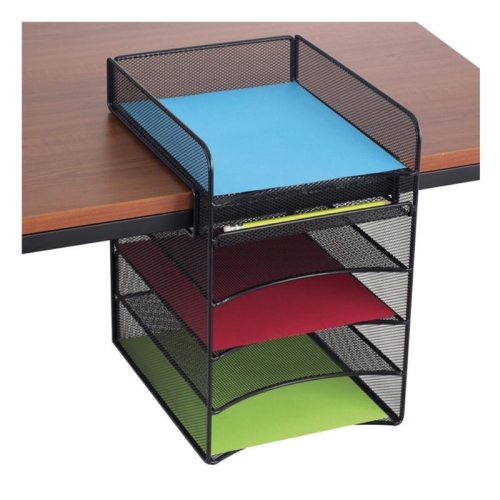
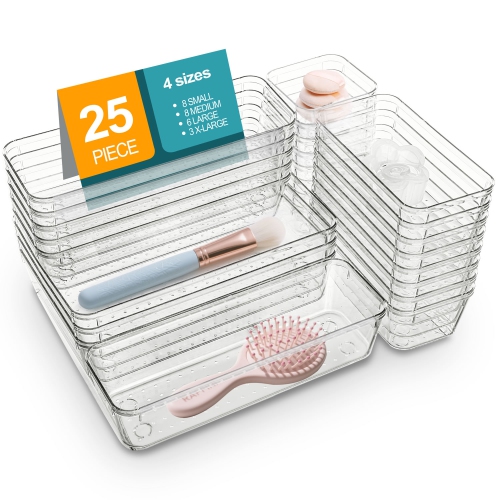
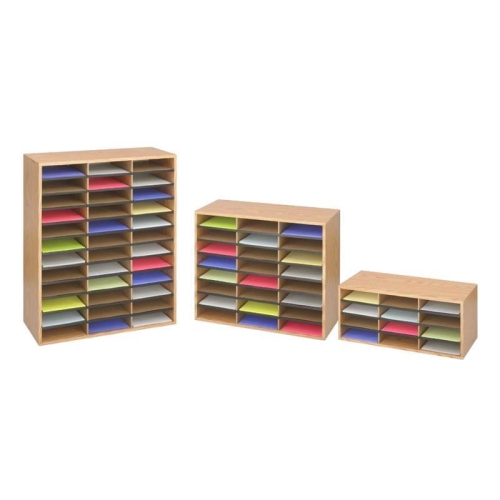
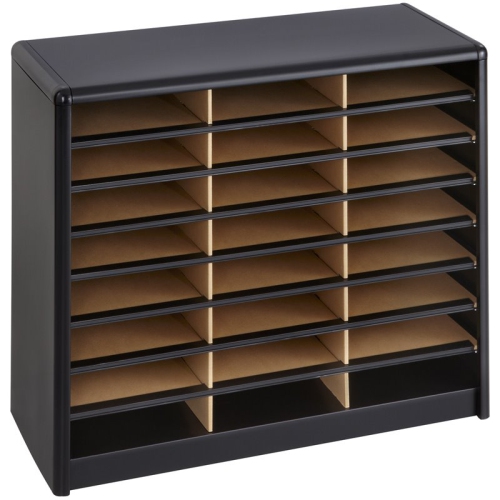
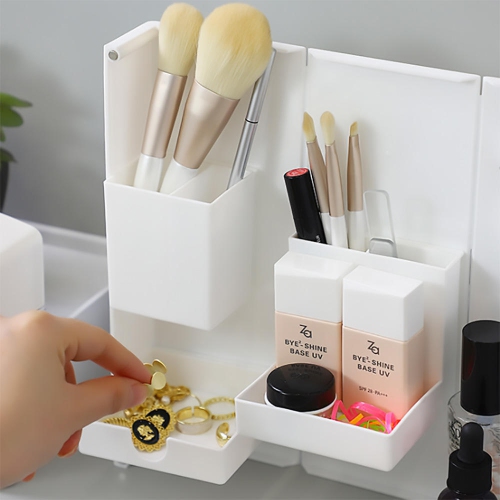
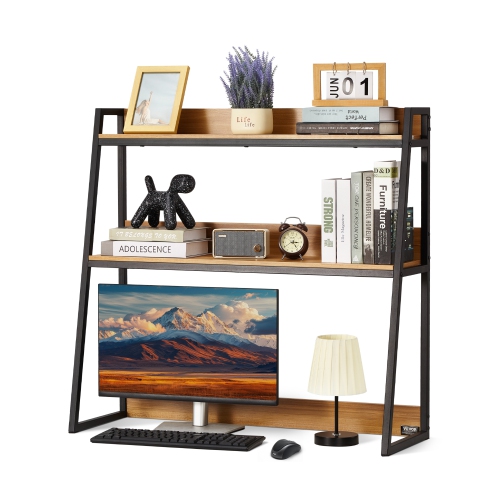
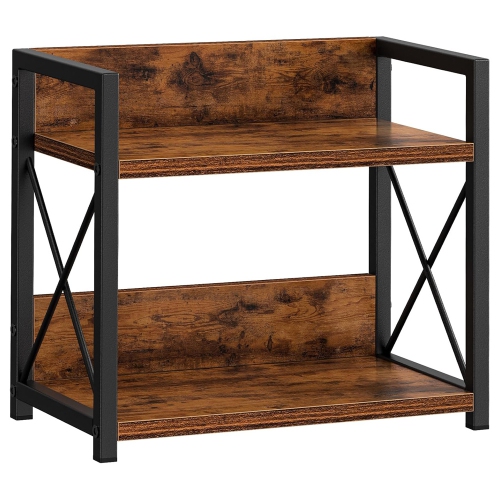
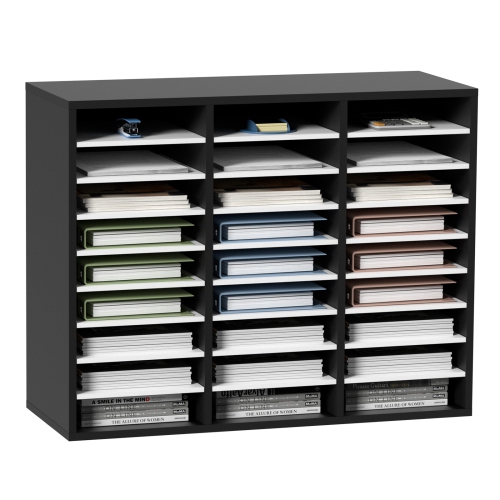
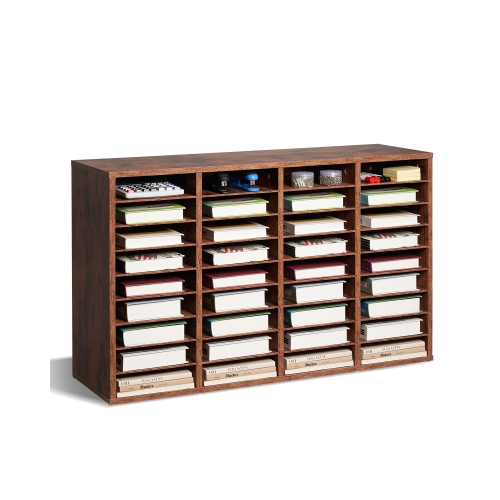
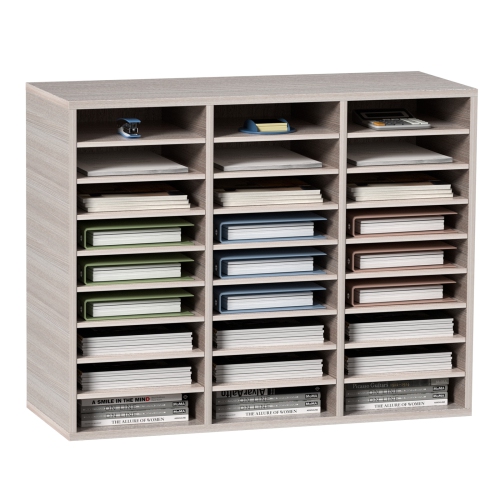
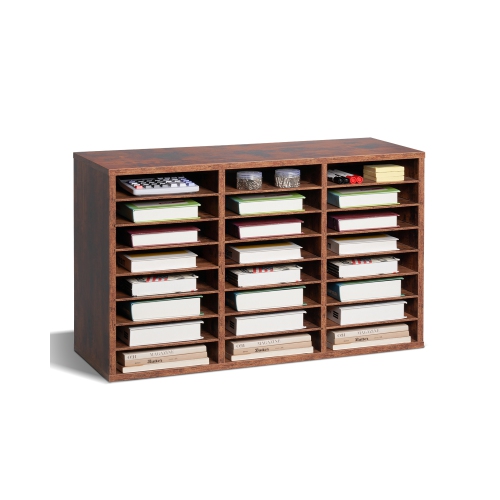
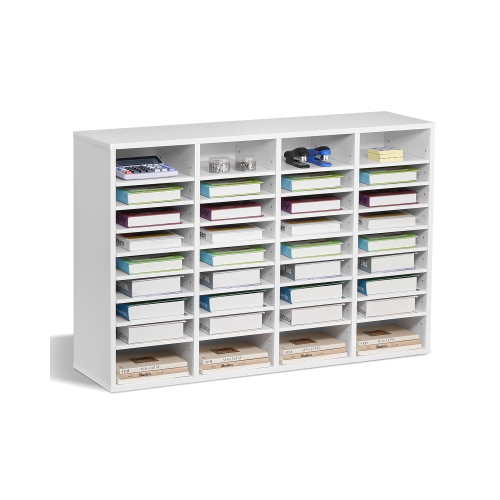
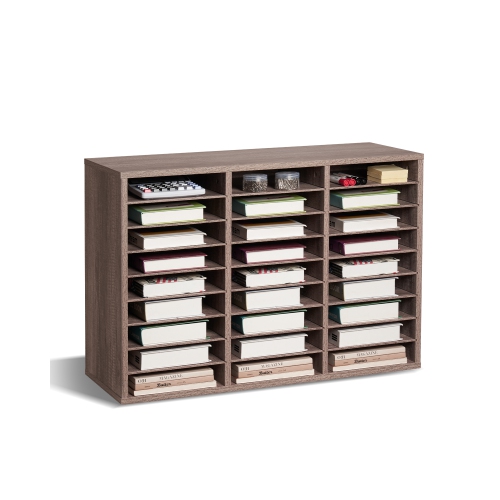
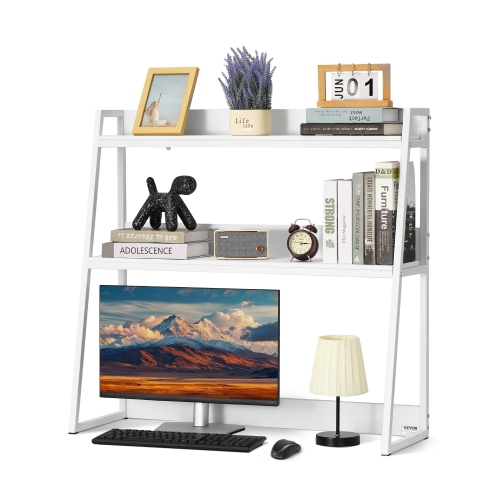
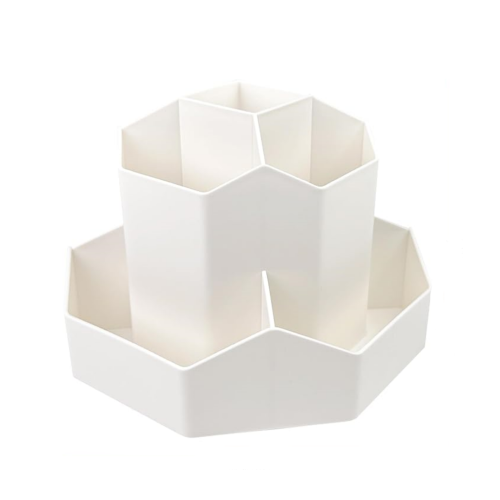
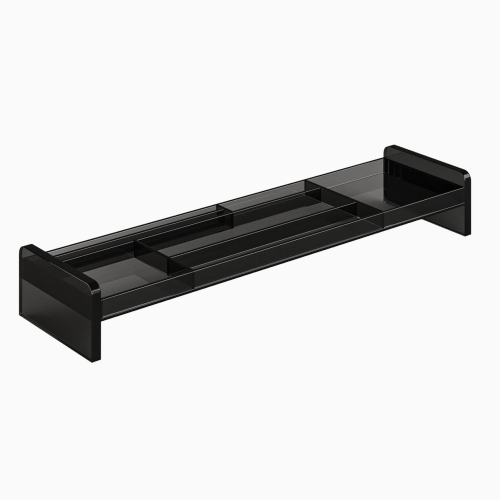
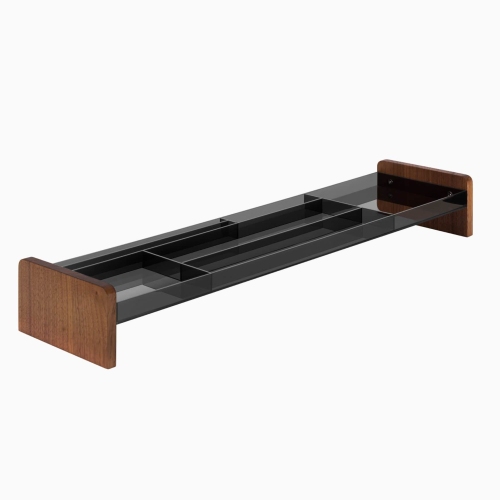
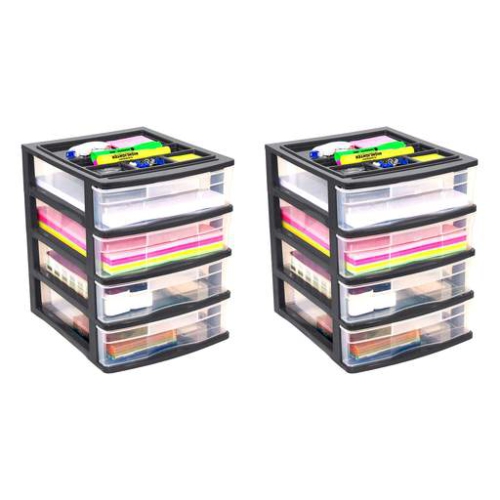
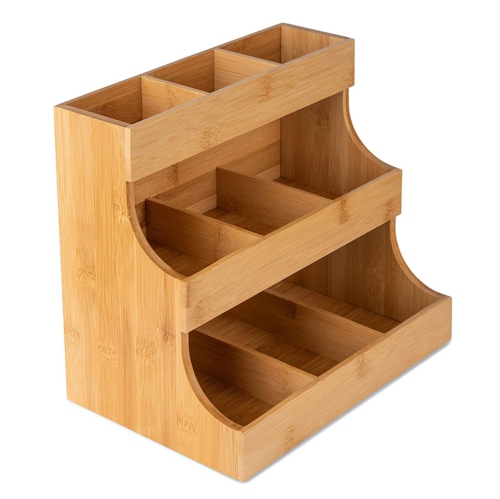
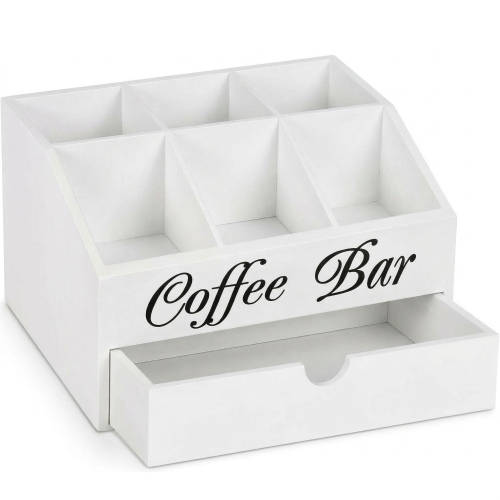
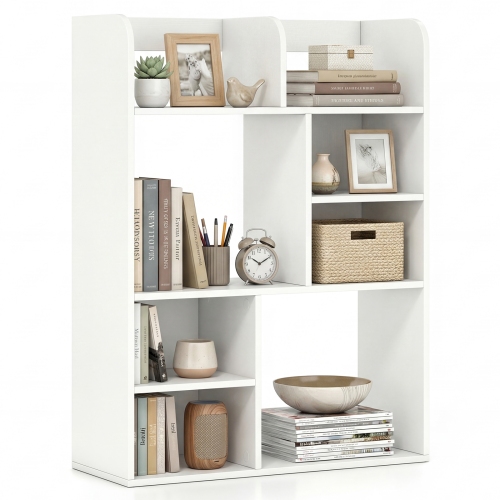
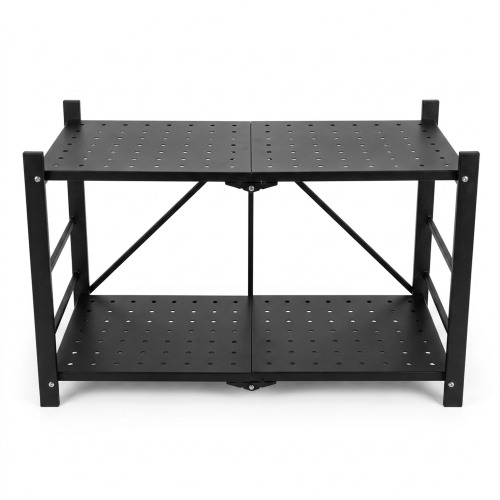
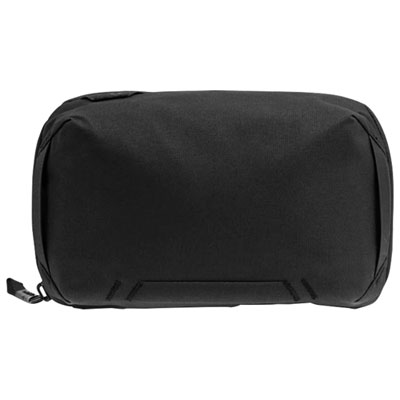
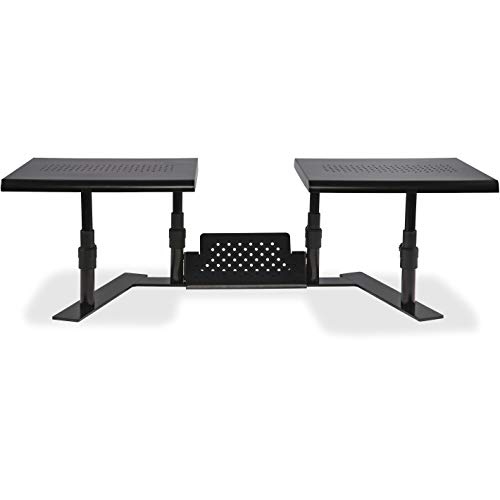
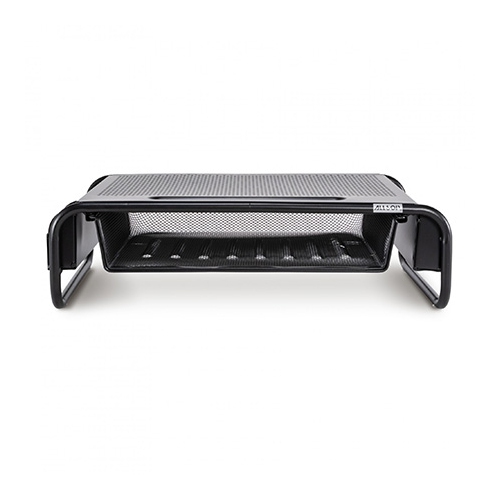
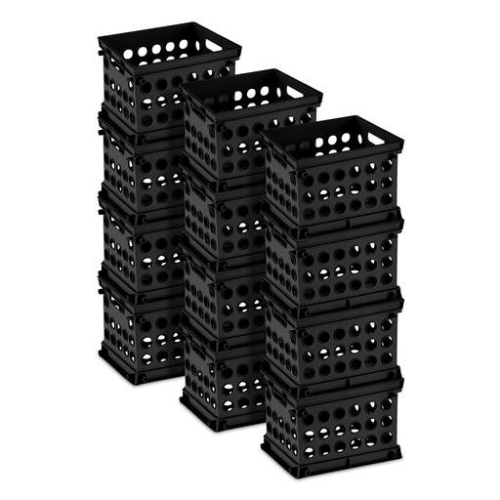
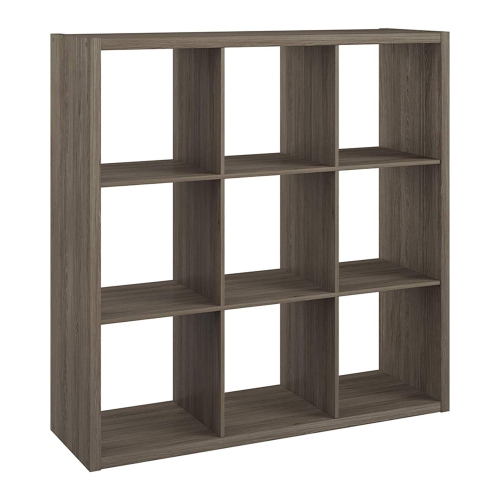
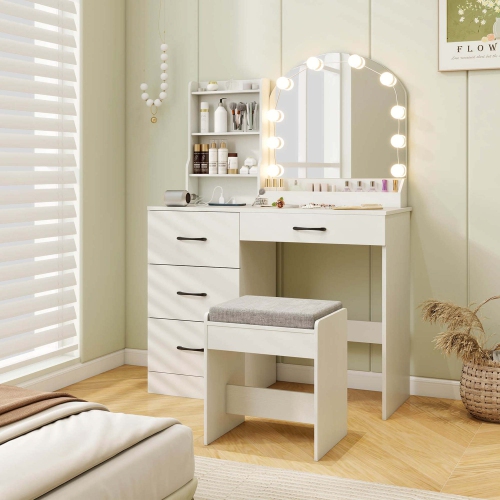
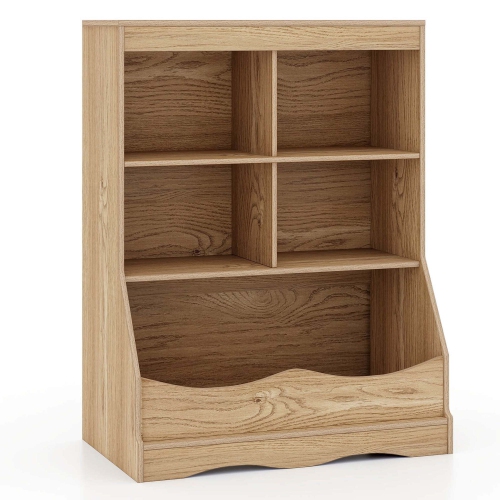
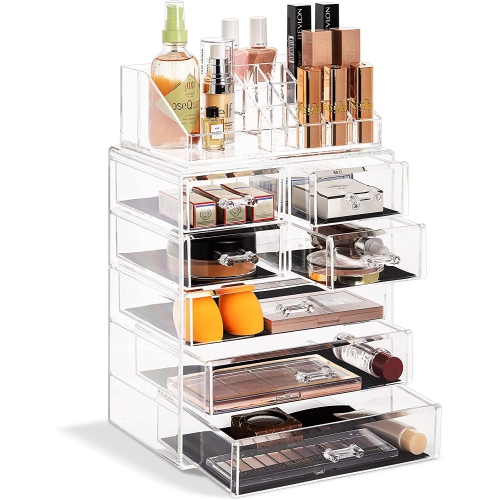
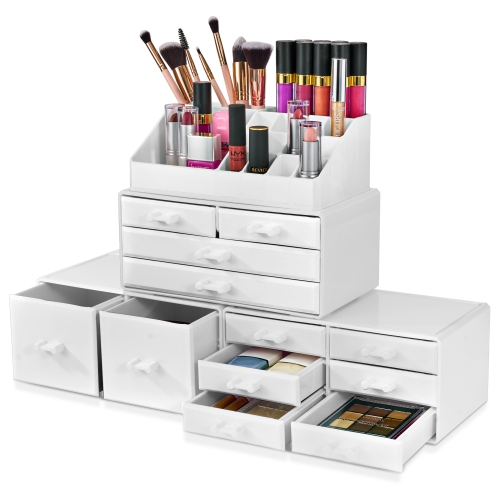

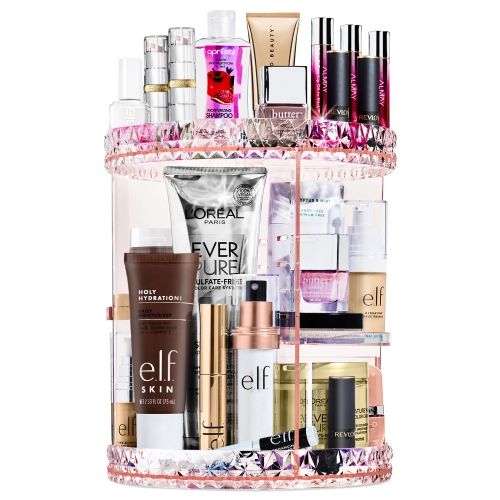
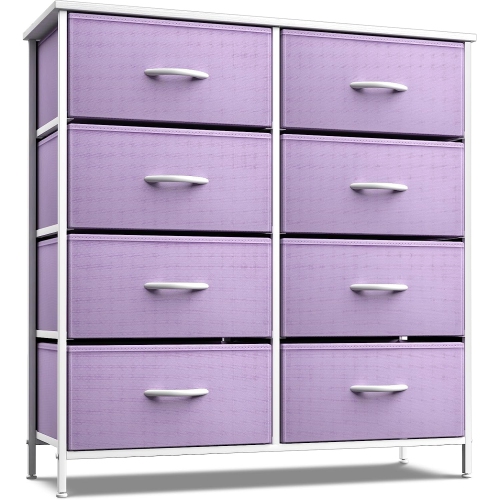
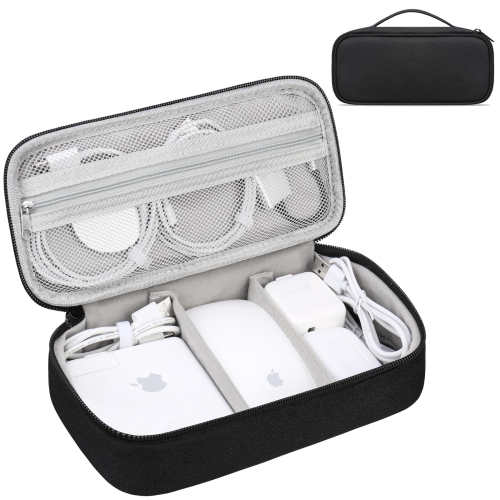
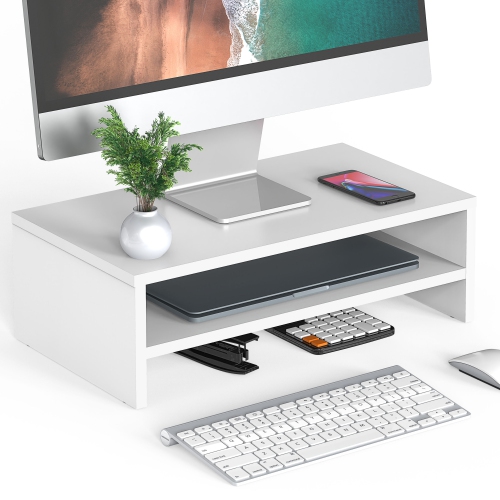
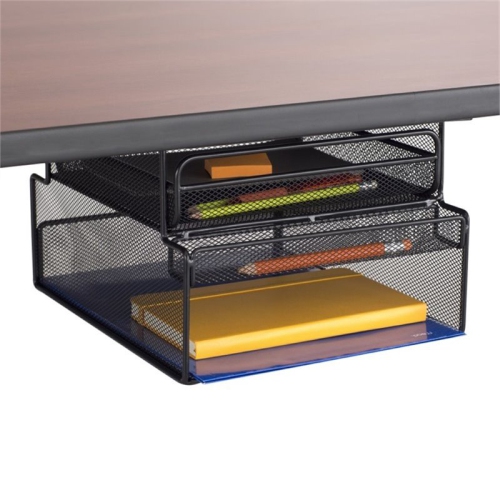

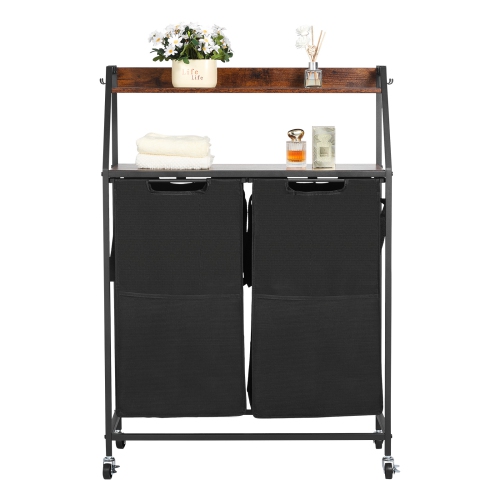
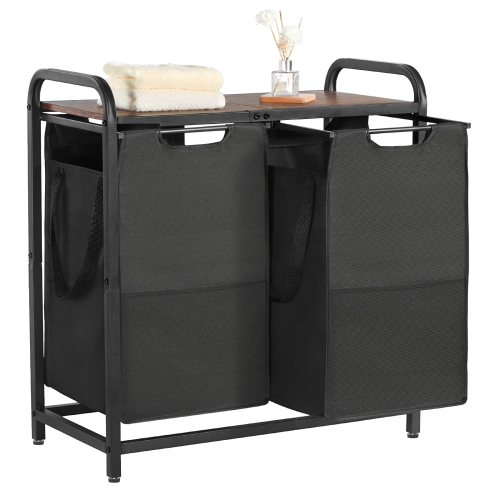
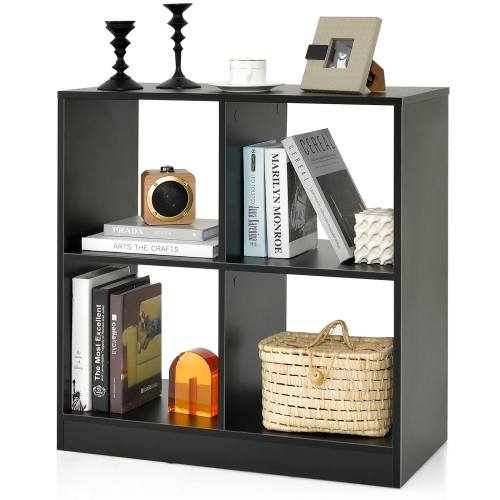
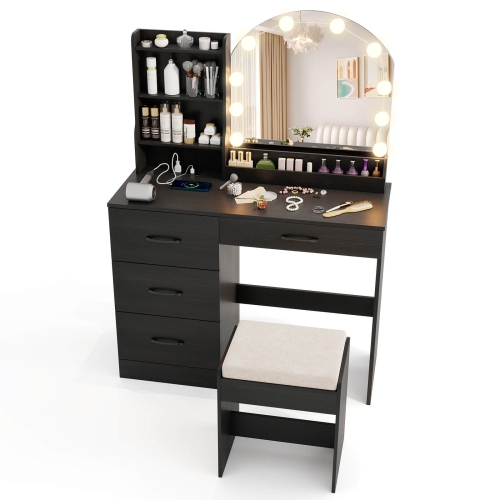
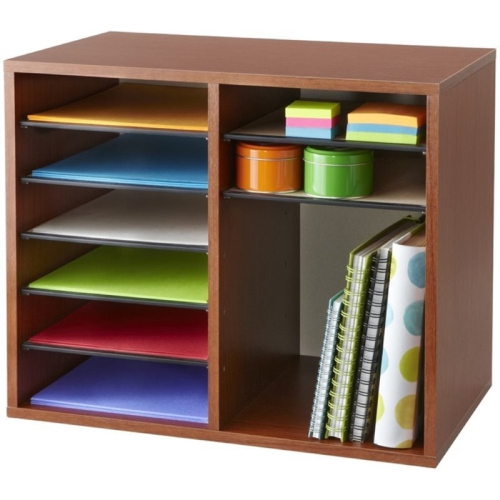
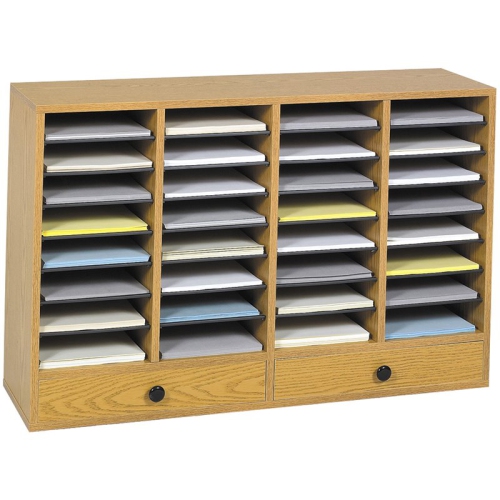
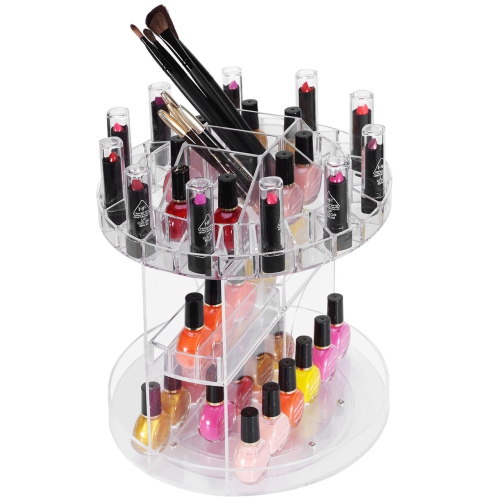
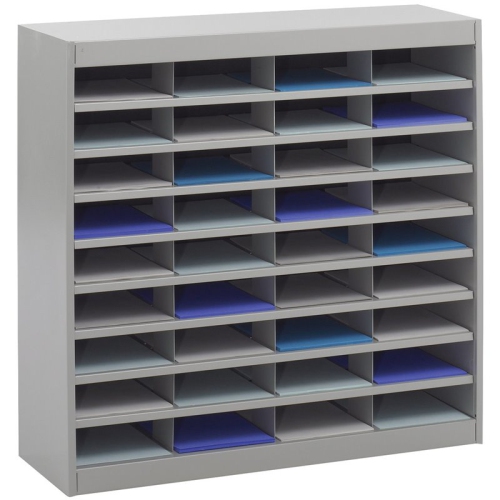
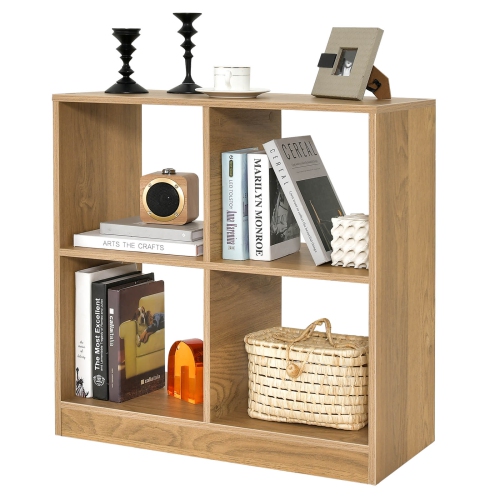
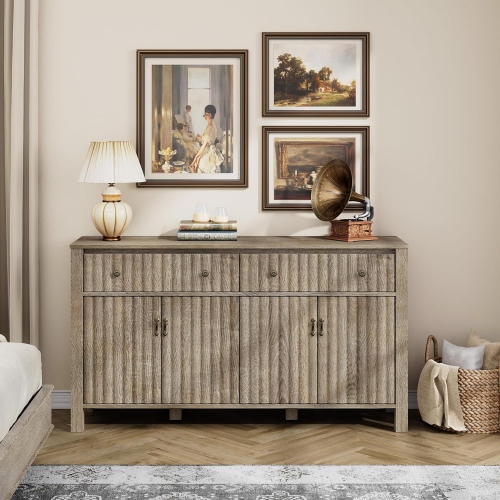
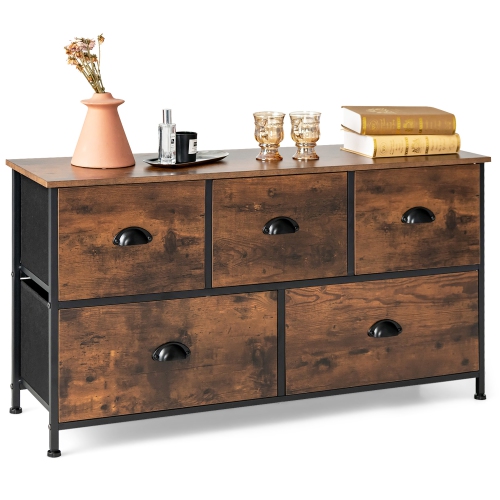
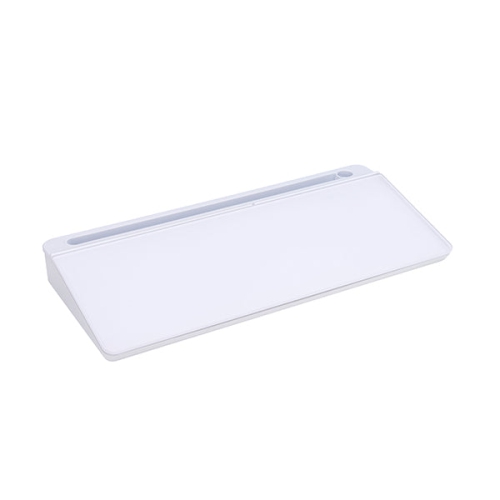
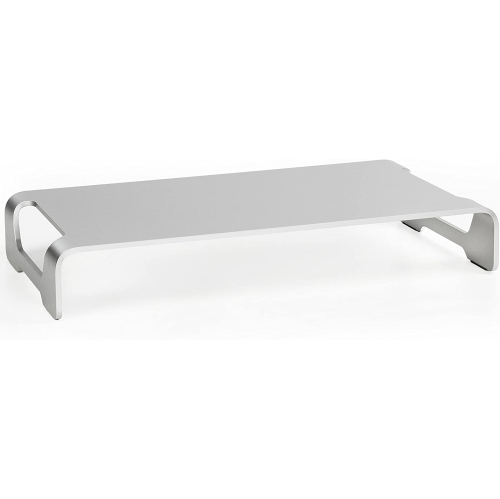
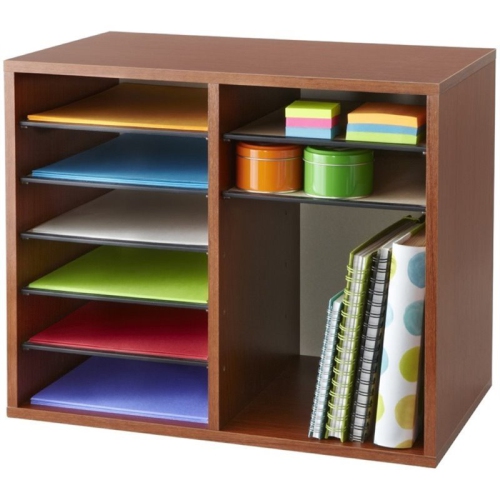
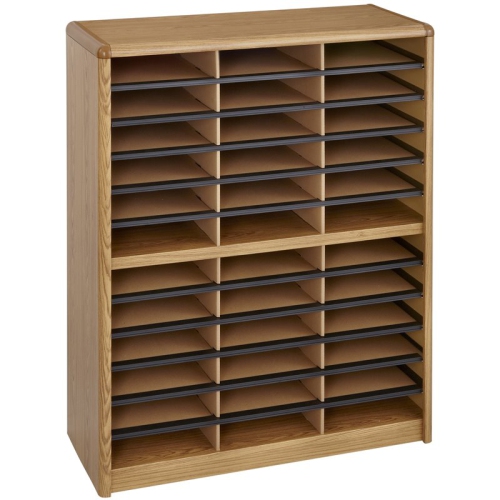
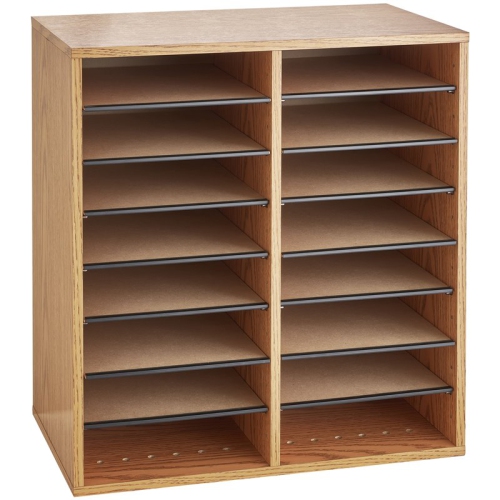
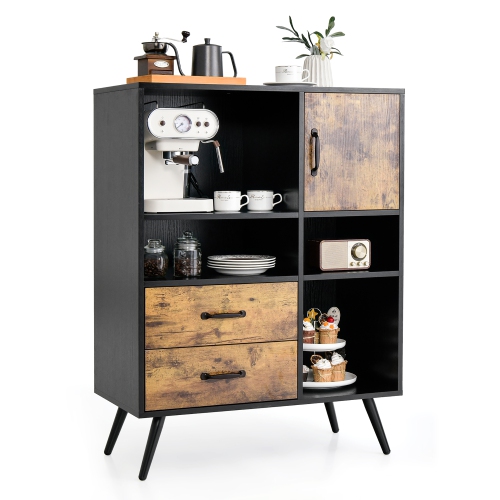
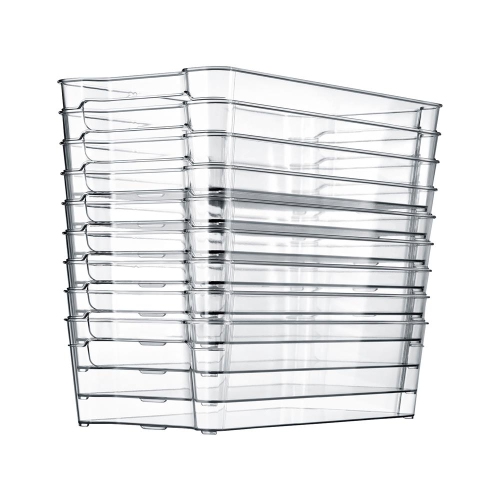
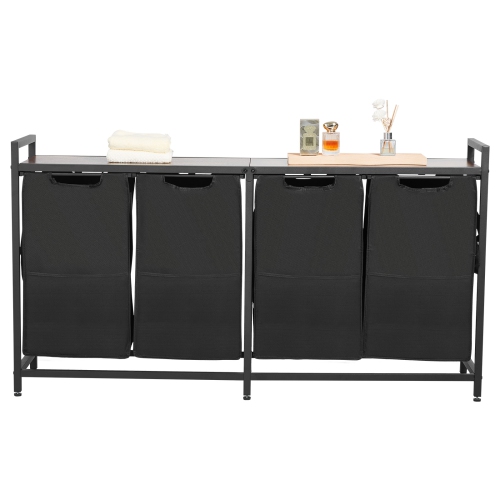
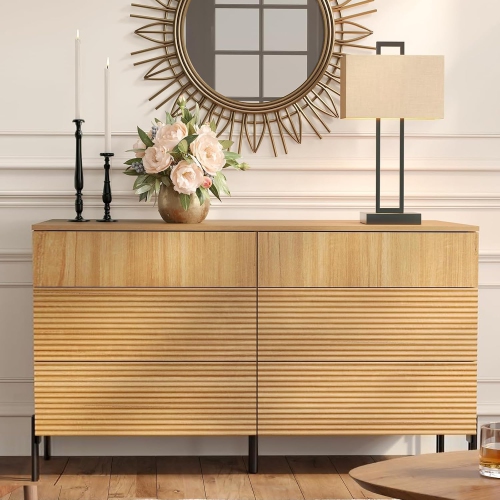
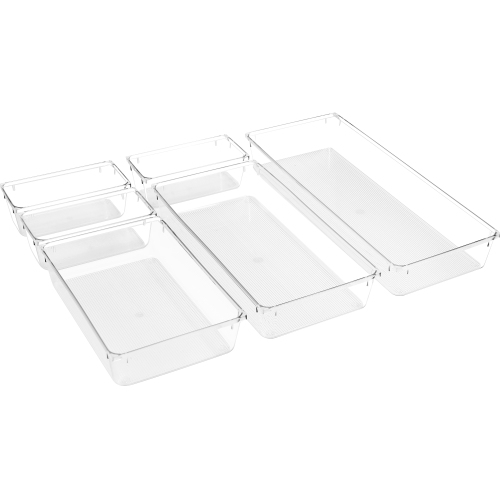
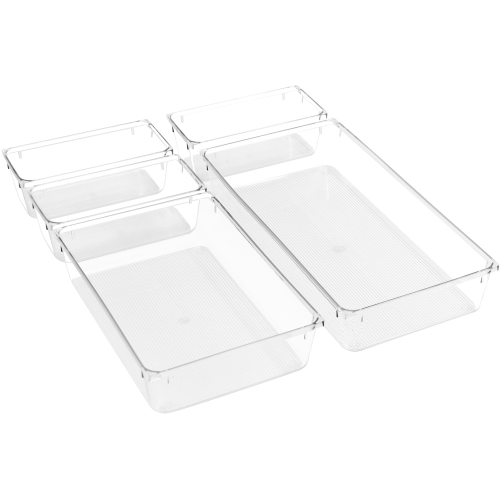
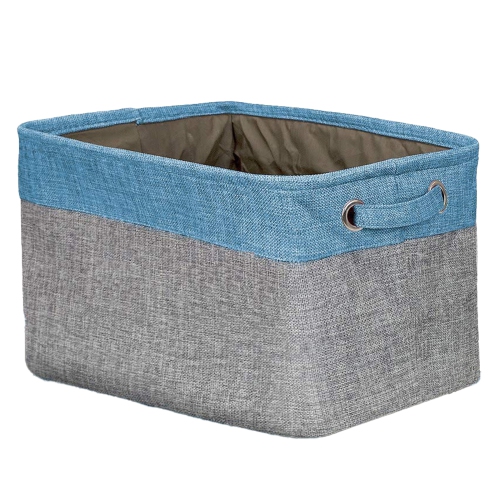
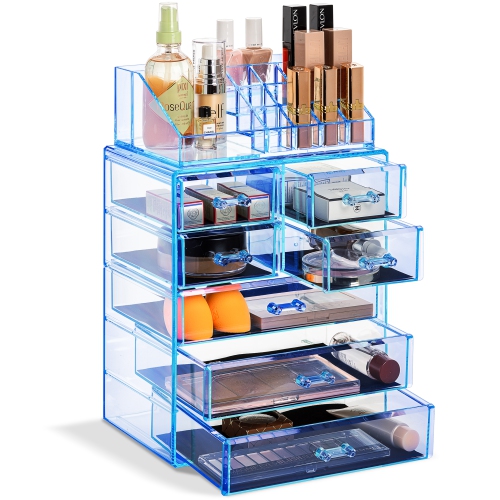
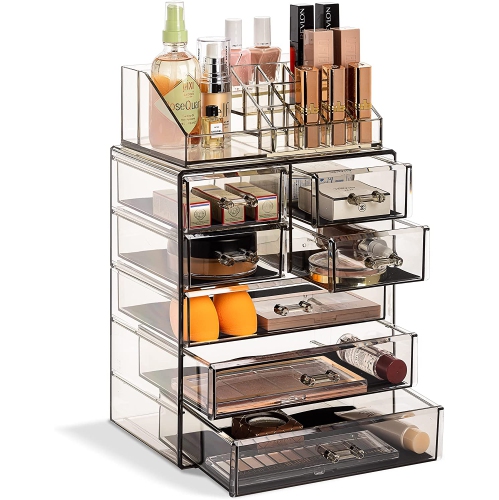
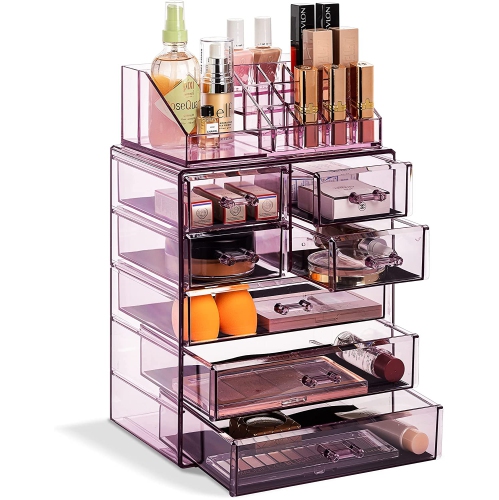
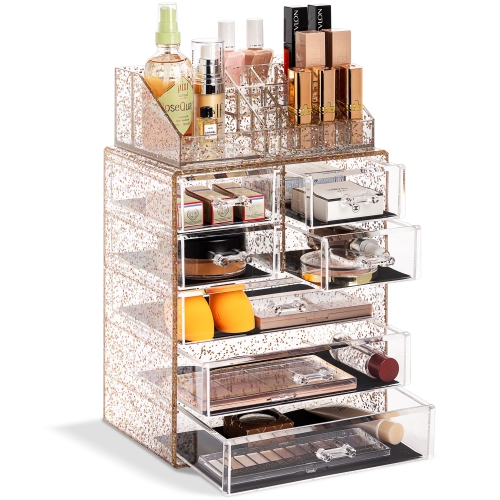
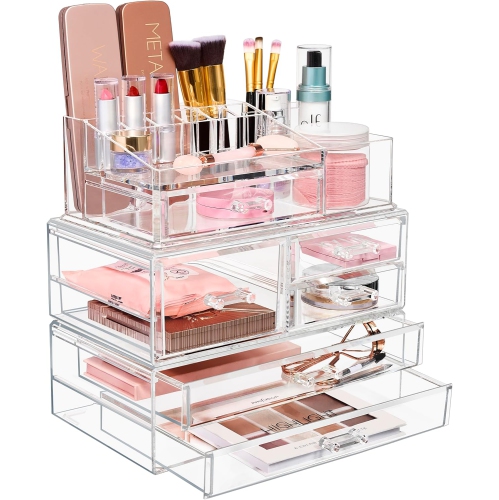
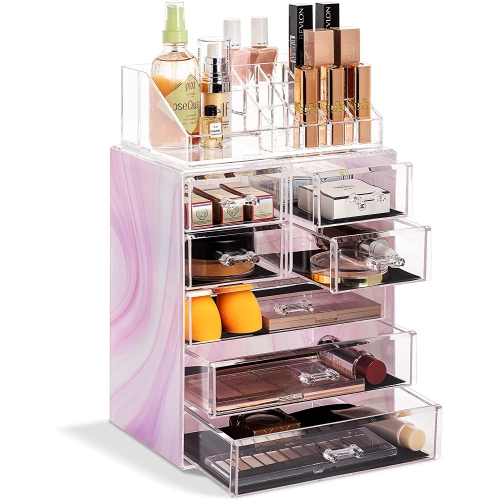
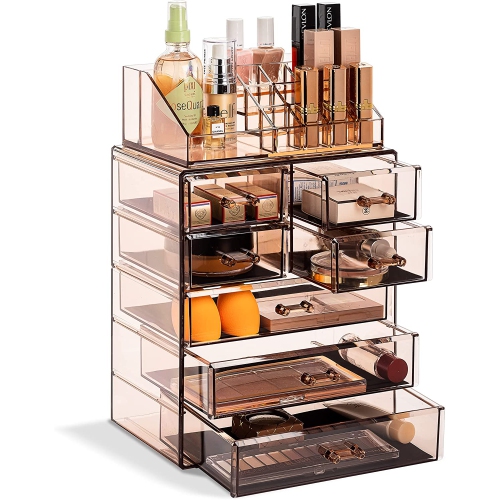
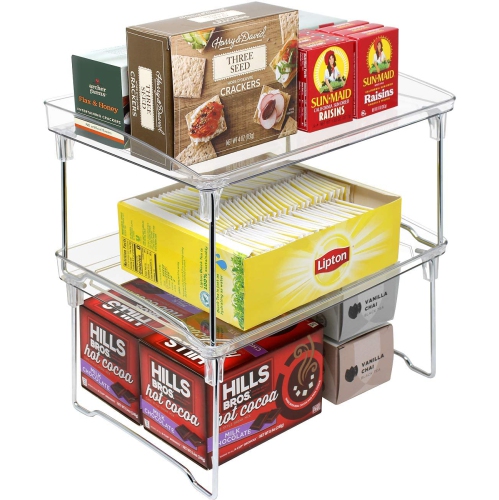
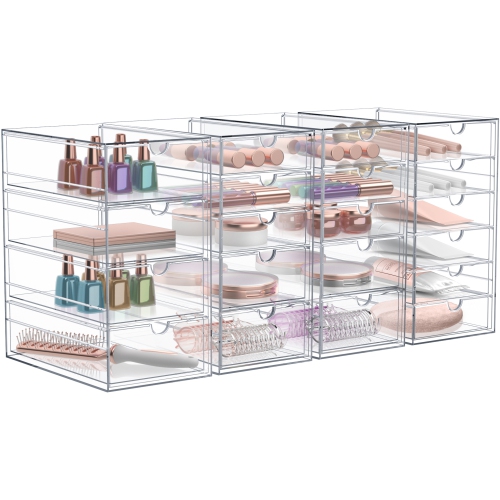
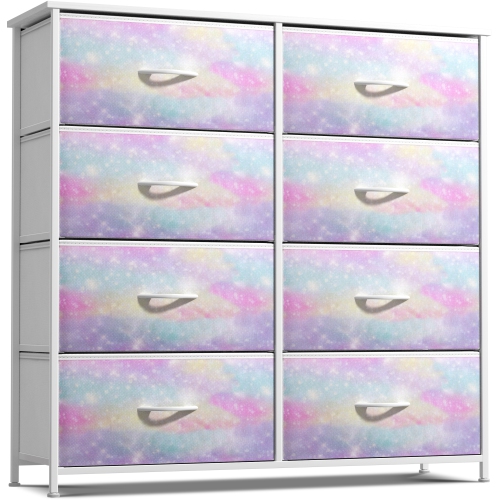
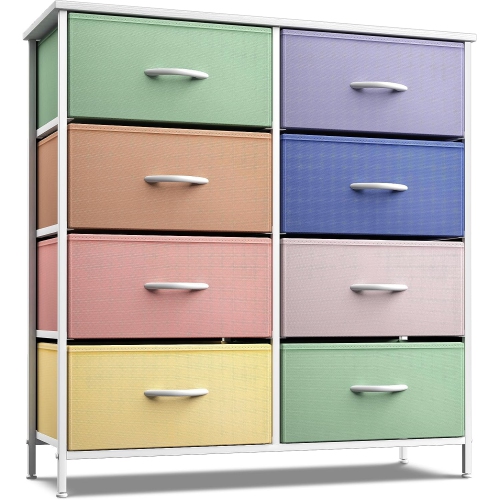
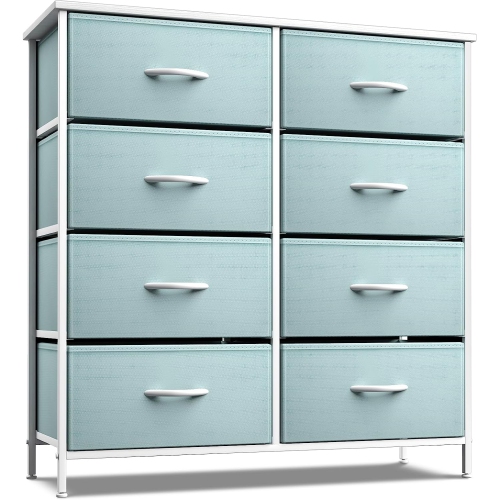
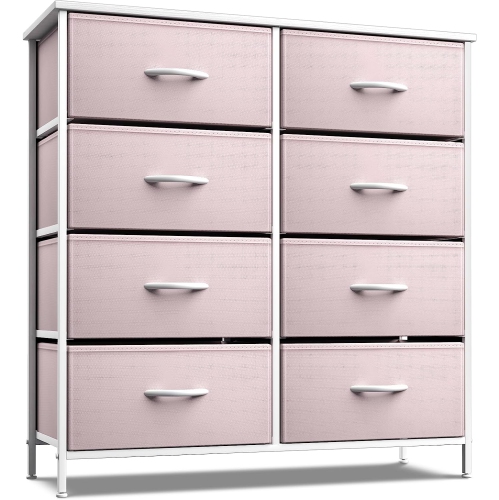
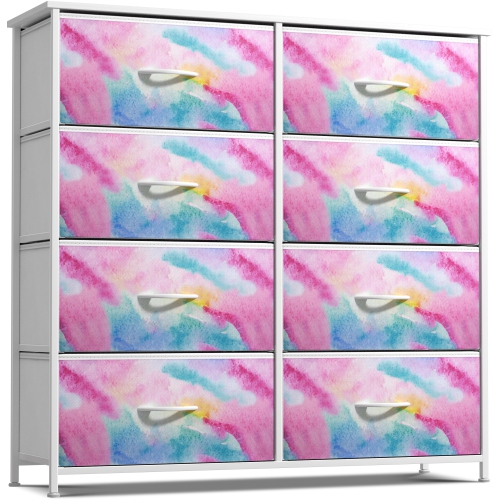
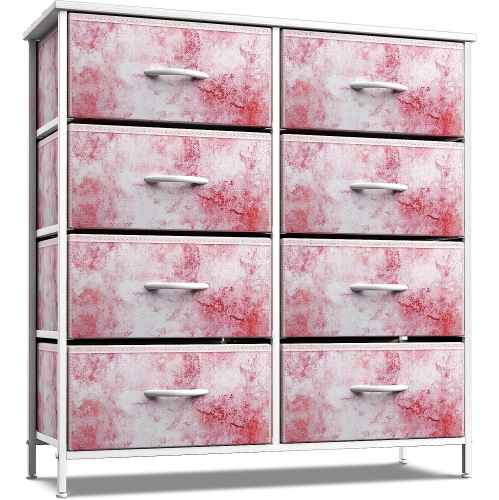
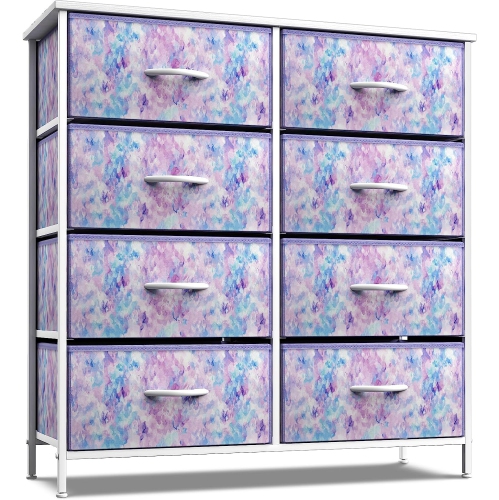
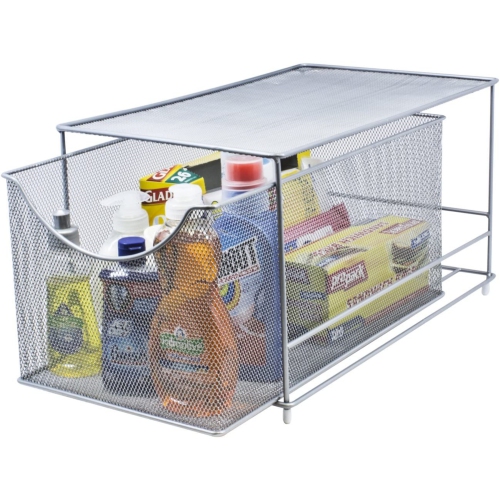
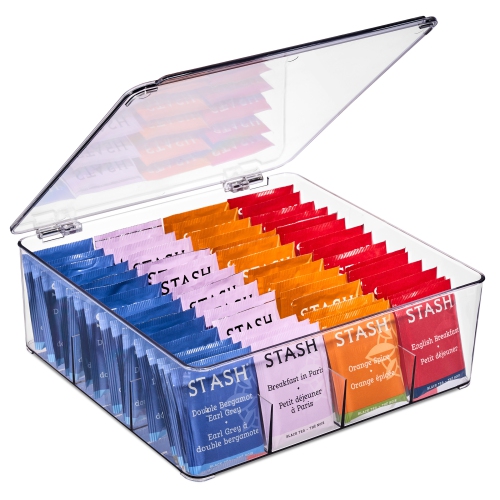
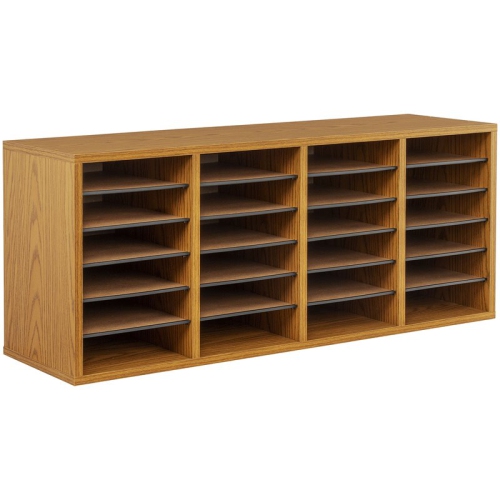
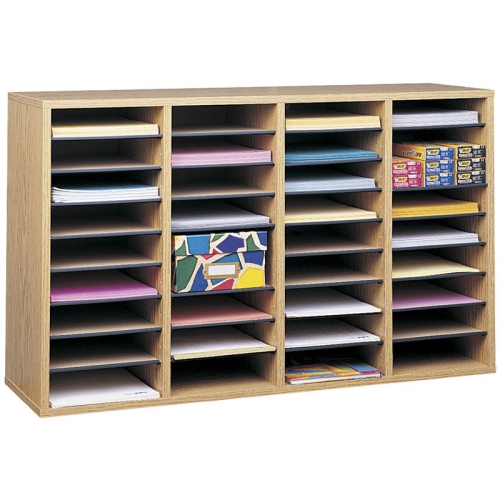
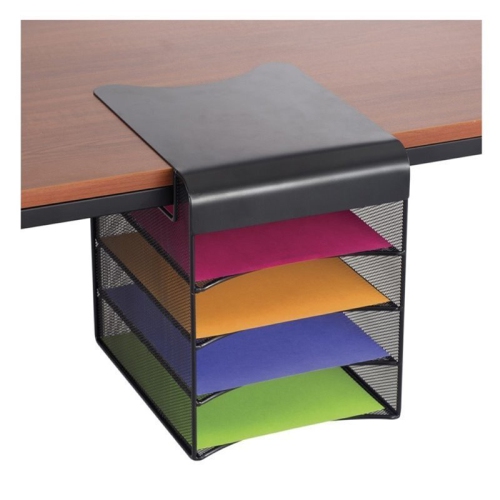
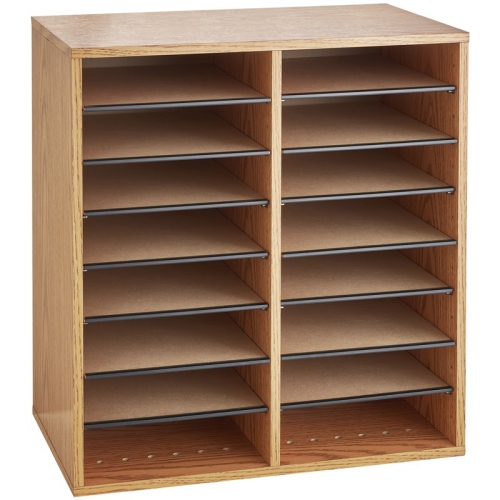
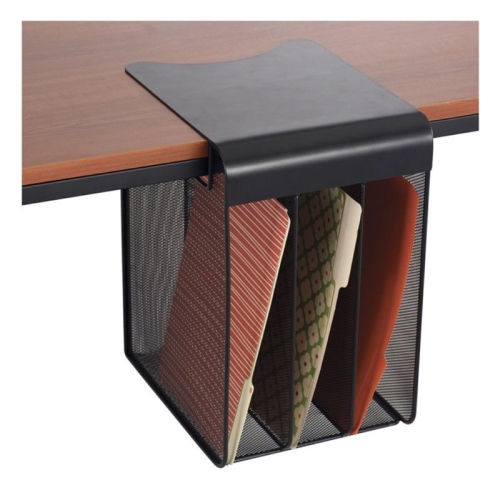
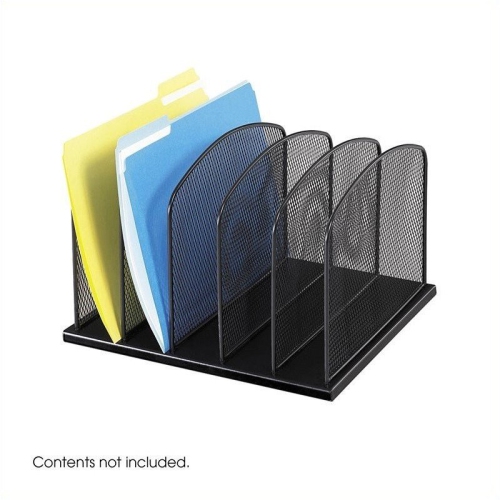
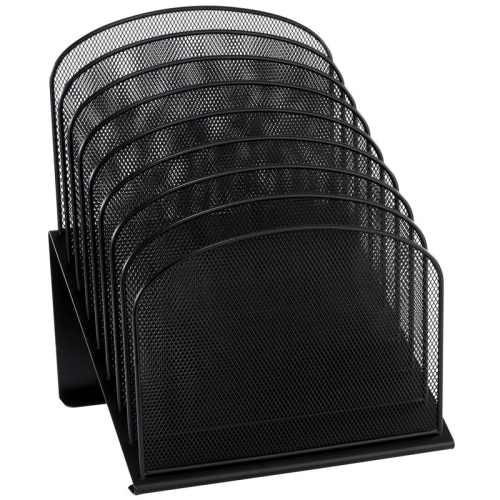
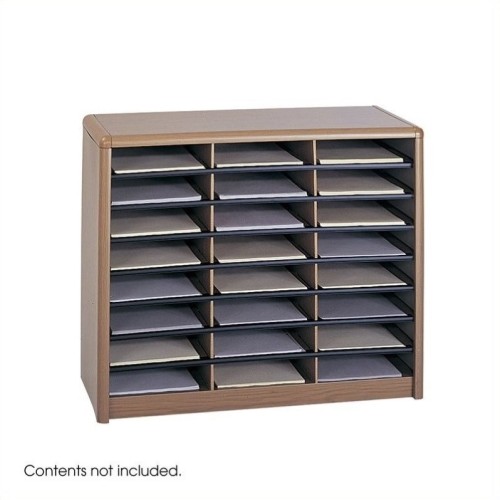
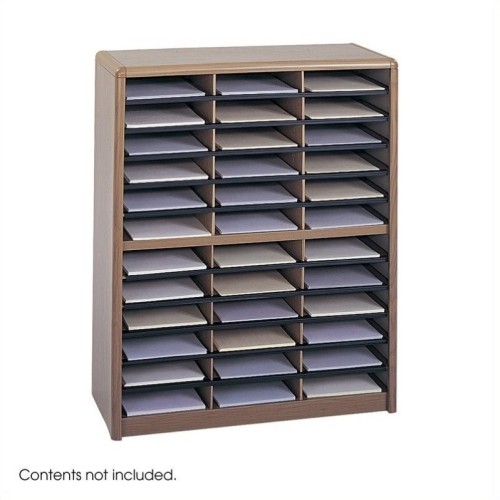
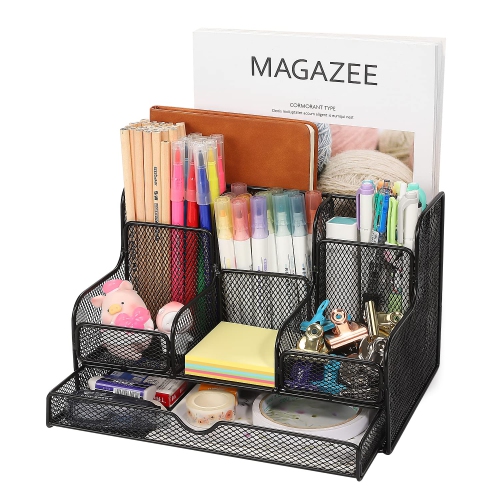
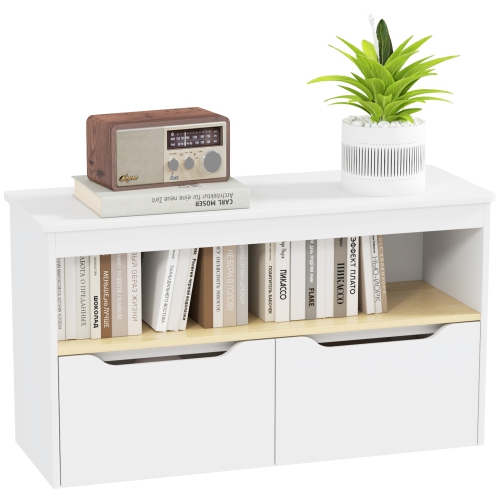
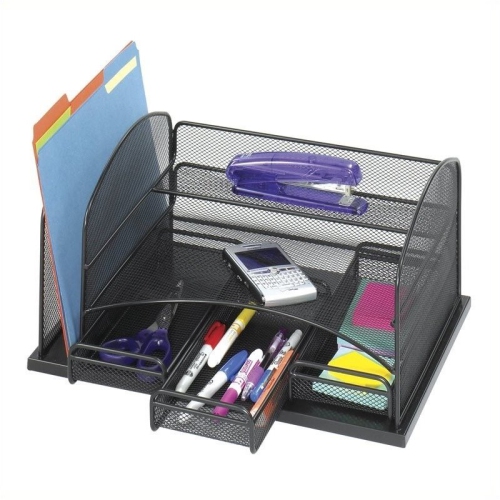
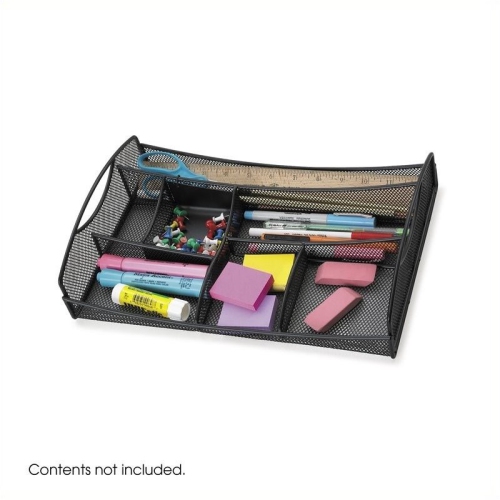
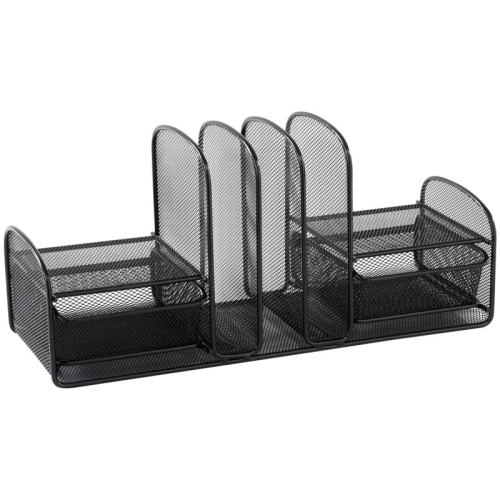
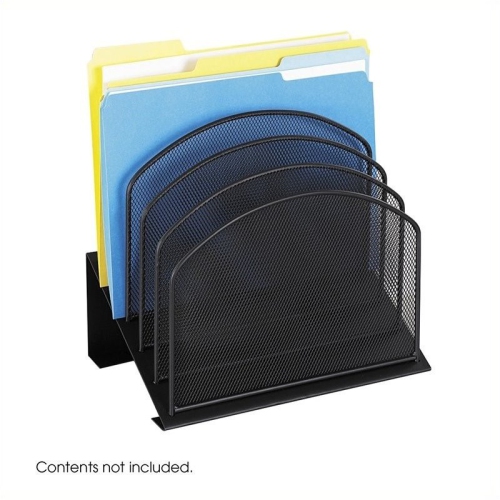
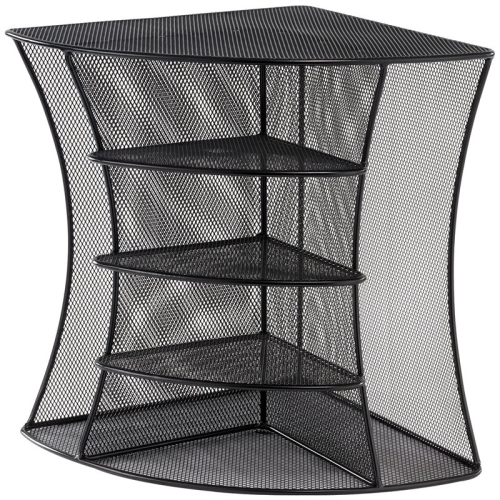
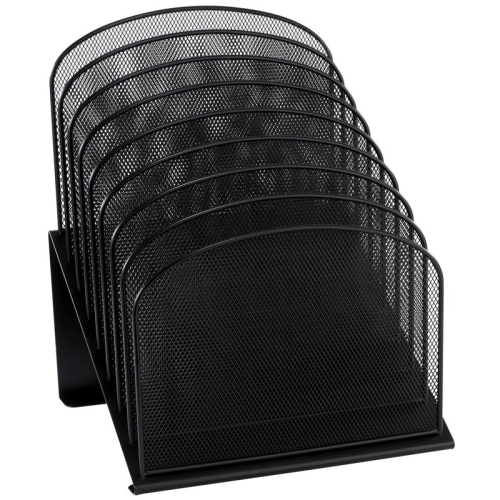
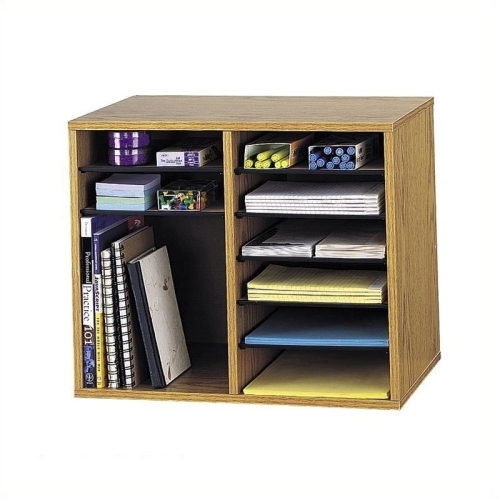
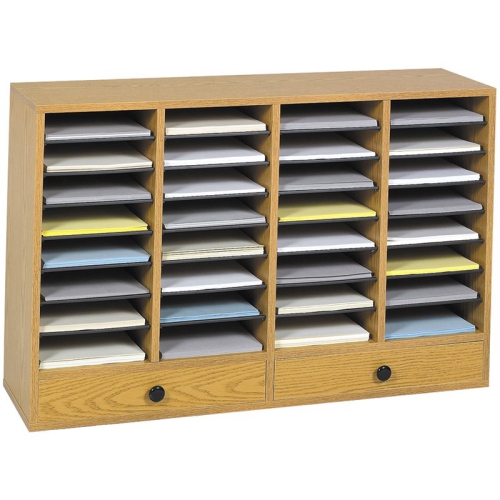
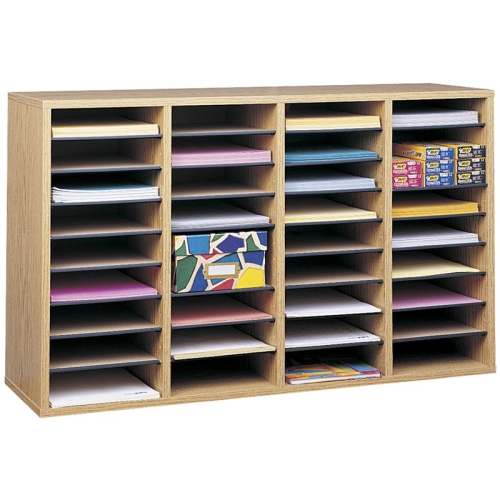
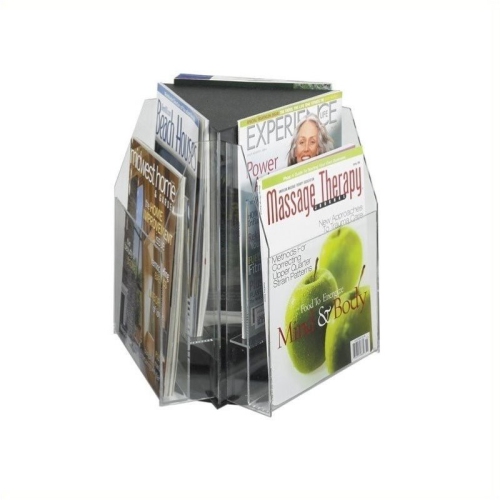
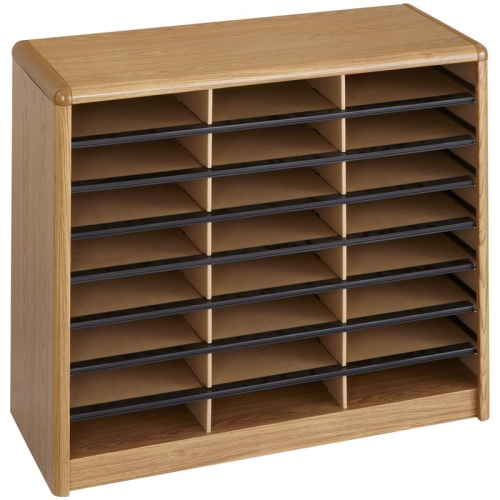
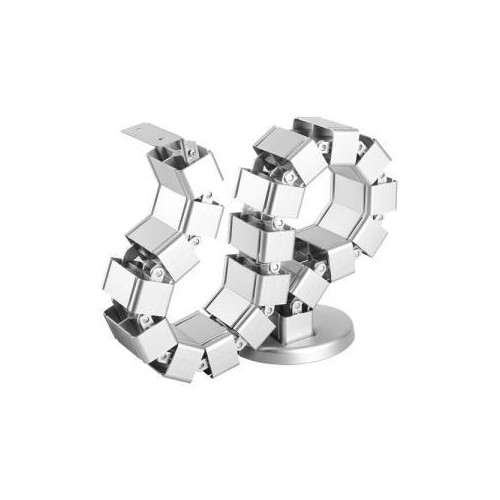
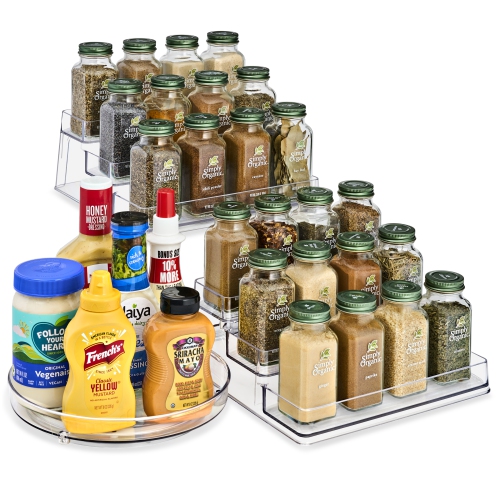

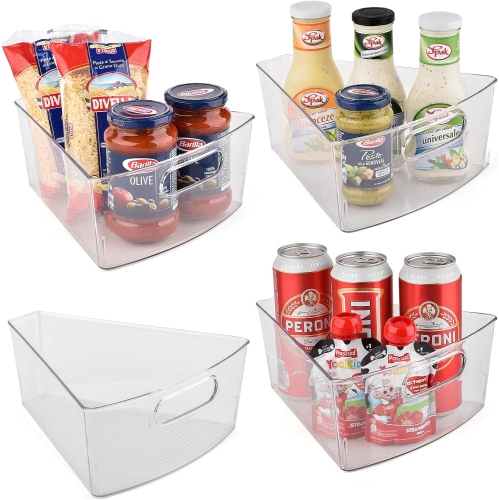
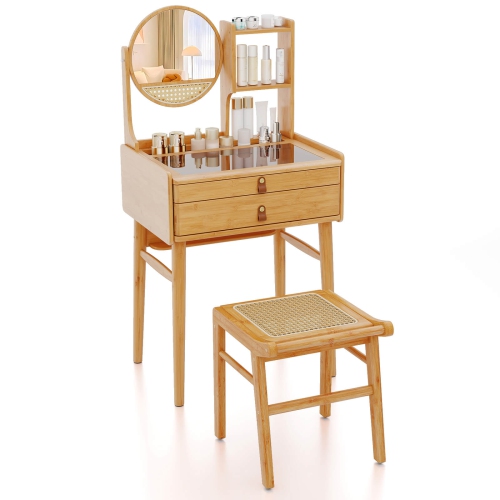
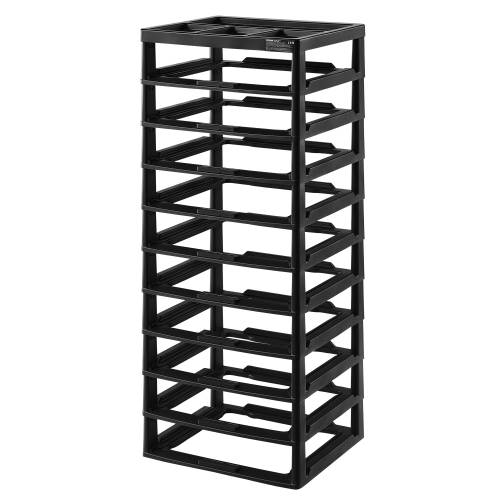
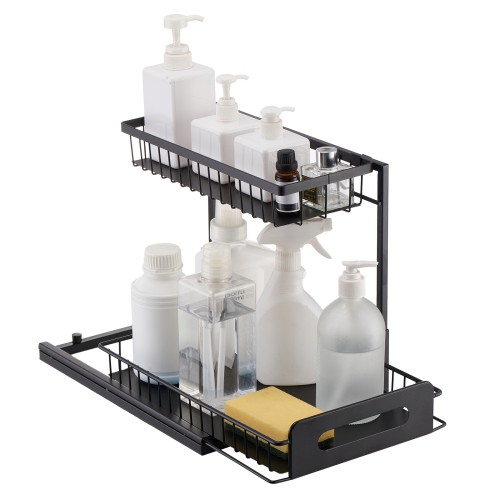
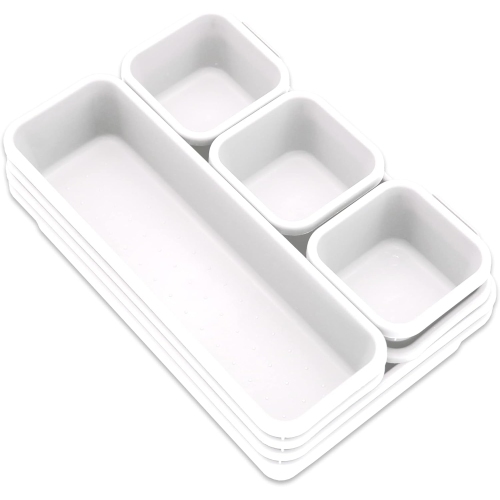
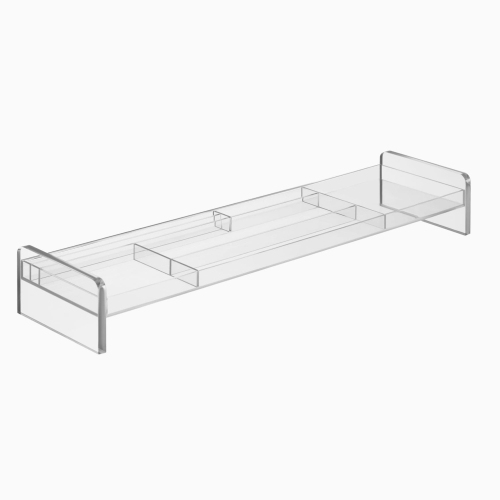
Everyday essentials within reach without crowding the surface
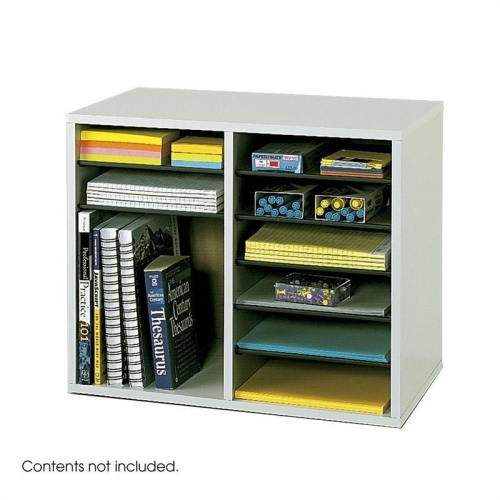
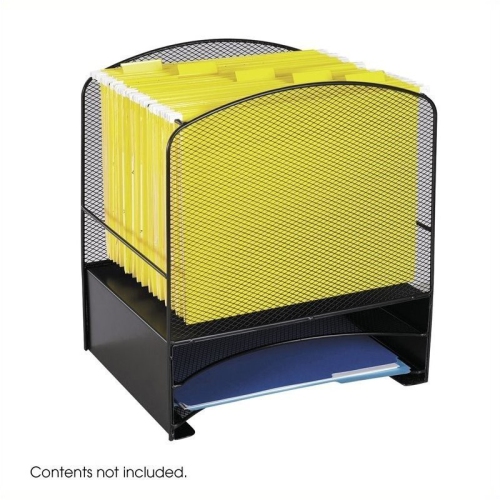
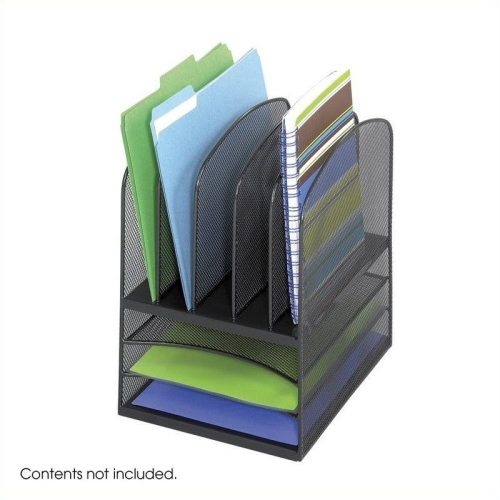
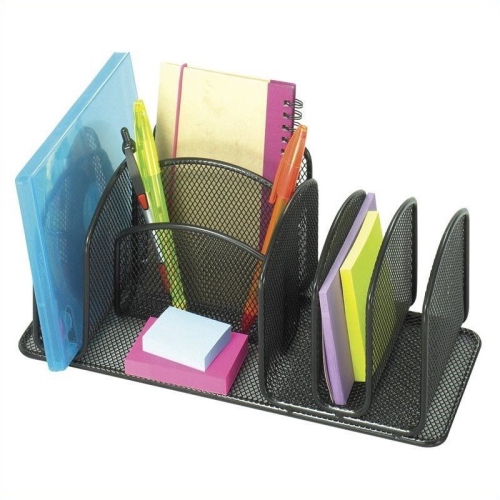
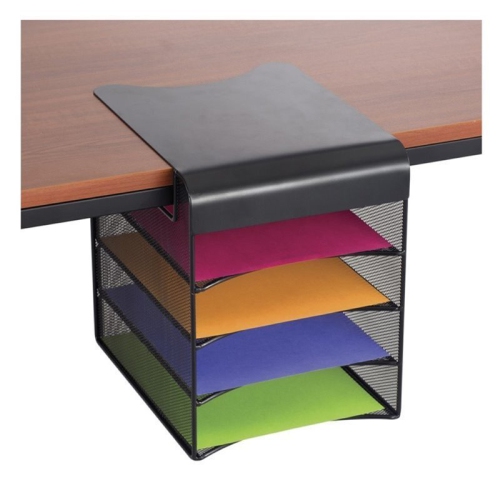
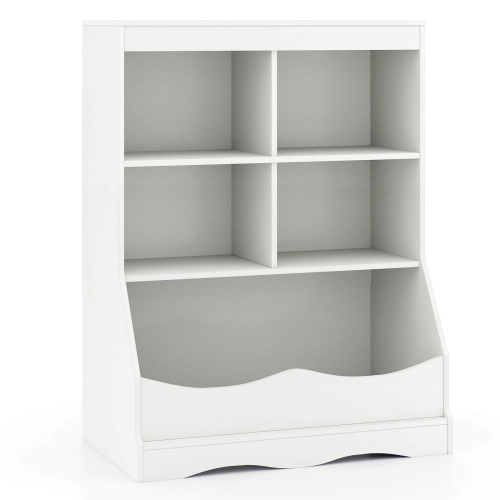
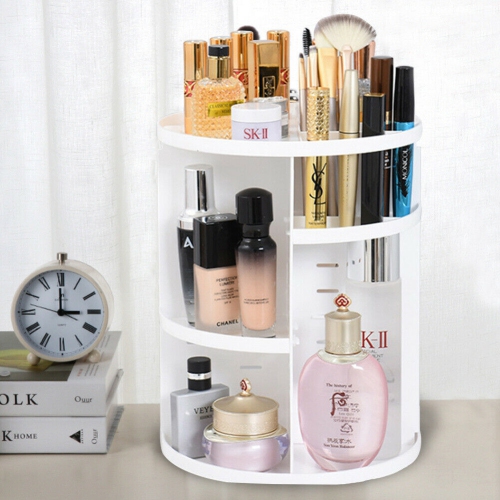
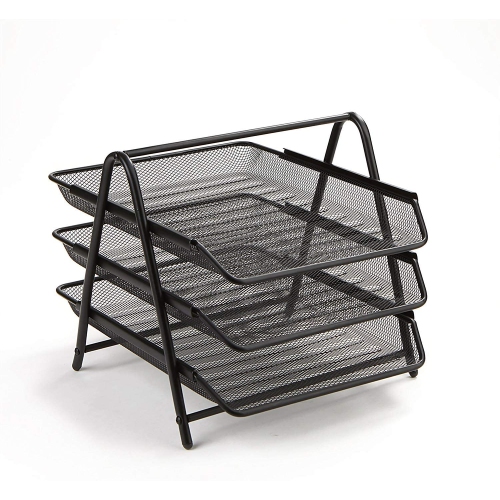
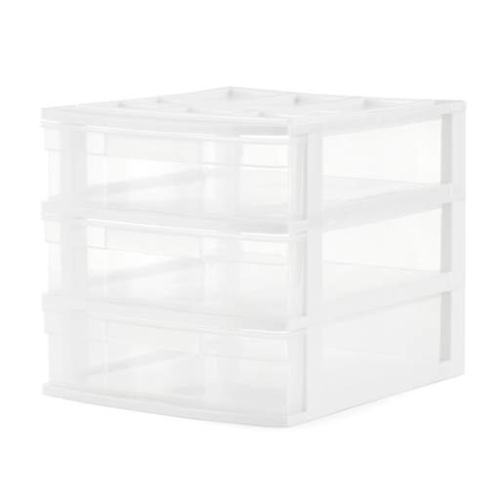
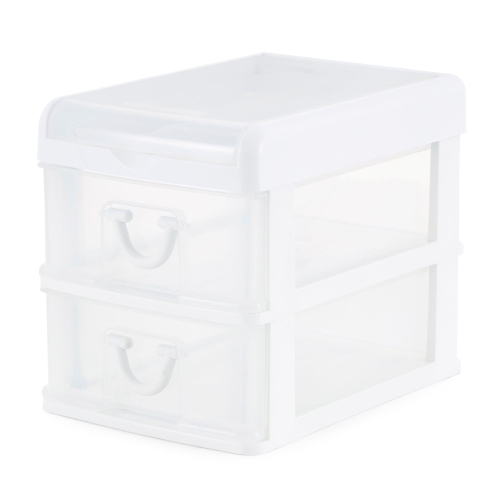
Tabletop organizers keep everyday essentials grouped, visible, and within reach on desks, counters, consoles, and other flat surfaces. They range from shallow trays and divided caddies to tiered racks, small drawer units, and upright file holders. Each format makes use of space differently: a tray gives loose belongings a defined home, a caddy separates objects by purpose, and a tiered design adds storage above the tabletop rather than spreading it across the surface. In a home office, that can mean keeping writing supplies beside a notebook without crowding the keyboard. On an entryway console, separate compartments can hold keys, mail, and other things that tend to disappear just before leaving the house. A craft table may benefit from removable sections that bring frequently used supplies closer to the work area, while a shared household station can keep each person’s belongings distinct. The most useful layout usually follows the way the surface is already used. Open compartments suit essentials reached for several times a day; drawers provide a place for smaller loose contents that look untidy when left exposed. Upright sections help separate papers and notebooks without turning them into a pile, while shallow compartments make small objects easier to spot. Compartment depth matters as much as the number of sections. A deep cup supports longer tools, but it can hide short objects at the bottom; a low tray offers visibility but less support for anything tall. For a workspace centred on paperwork and office supplies, Desk Storage Organizers offer a more focused category to explore. Tabletop storage also works well beyond a dedicated office, particularly where a dining table doubles as a homework spot or a compact console serves as the household’s landing place. A portable organizer can gather the essentials for a task and move aside when the surface needs to serve another purpose. Keeping a clear area beside it leaves room to write, sort mail, or set down a bag without rearranging everything first.
Size, construction, and materials determine how comfortably a tabletop organizer fits into daily use. Overall width and depth show how much surface it occupies, but usable compartment dimensions reveal what it can actually hold. Paper storage needs enough room for the intended sheet size, and divided sections should accommodate their contents without forcing them into a tight fit. Height deserves attention beneath shelves or cabinets, especially when long objects will extend above the organizer. Drawers need clearance to open, and rotating designs need free space around their full turning radius. On a narrow desk, vertical storage can preserve working room, provided it does not block a monitor, task light, or frequently used outlet. Materials affect appearance, weight, and upkeep. Wood and bamboo can bring warm tones and visible grain to a tabletop, though their finishes and tolerance for moisture vary. Metal mesh provides ventilation and a clear view of the contents, while solid metal creates a more enclosed look. Depending on its coating, metal may need prompt drying after cleaning to help prevent corrosion. Plastic can be lightweight and easy to move, and clear acrylic makes it possible to see contents through the sides. Transparent surfaces may show fingerprints, dust, or fine scratches more readily, so gentle cleaning is important. Fabric-covered designs soften the appearance of a shelf or console but can require more careful spot cleaning than a smooth, wipeable surface. Durability also depends on details such as secure joints, smooth edges, firmly attached handles, and drawers that slide without catching. A broad base can improve stability when compartments hold taller objects, while non-slip feet may help limit movement during use. Protective pads can reduce direct contact with a finished tabletop, although the surface and pad material should still be compatible. In shared spaces, a finish that is easy to wipe and a layout with accessible corners can make routine care simpler than an intricate design with narrow crevices.
Intended use helps narrow the choice between a fixed organizer, a portable caddy, and a modular arrangement. A fixed layout suits a predictable routine, such as keeping correspondence in one section and writing supplies in another. Removable dividers offer flexibility when the contents change, while separate modules let storage follow the shape of a desk or counter. Stackable components can add capacity, but they should be designed to fit together securely and remain within the manufacturer’s load limits. Heavier contents belong lower down to help maintain balance, and frequently used compartments should remain accessible without lifting off another section. A handle is useful when supplies travel between a cupboard and a table, though its attachment and carrying capacity matter more than appearance alone. For students, defined sections can separate homework essentials from loose papers. People working from home may prefer an understated organizer that keeps practical supplies close without dominating the room, especially when the desk sits in a bedroom or living area. Hobbyists may value adjustable compartments that accommodate supplies of different shapes, while someone furnishing a first apartment might appreciate a simple tray or caddy that can move between rooms as routines develop. Tabletop organizers can also make practical gifts for a new workspace or study area when their size and style reflect the recipient’s habits. Neutral colours are easy to coordinate, but a familiar wood tone or a brighter accent may feel more personal. Long-term care is generally straightforward when it follows the material’s requirements. Emptying compartments before cleaning removes dust that collects beneath the contents, and a soft cloth or brush can reach corners without scraping the finish. Avoid soaking wood, using abrasive cleaners on clear surfaces, or returning contents before the organizer is fully dry. For kitchen counters, distinguish between storage meant to hold packaged goods or utensils and materials explicitly suitable for direct food contact. With a suitable footprint, accessible sections, and construction matched to the task, tabletop storage creates a dependable place for everyday belongings while leaving the surrounding surface ready to use.
Size, construction, and materials determine how comfortably a tabletop organizer fits into daily use. Overall width and depth show how much surface it occupies, but usable compartment dimensions reveal what it can actually hold. Paper storage needs enough room for the intended sheet size, and divided sections should accommodate their contents without forcing them into a tight fit. Height deserves attention beneath shelves or cabinets, especially when long objects will extend above the organizer. Drawers need clearance to open, and rotating designs need free space around their full turning radius. On a narrow desk, vertical storage can preserve working room, provided it does not block a monitor, task light, or frequently used outlet. Materials affect appearance, weight, and upkeep. Wood and bamboo can bring warm tones and visible grain to a tabletop, though their finishes and tolerance for moisture vary. Metal mesh provides ventilation and a clear view of the contents, while solid metal creates a more enclosed look. Depending on its coating, metal may need prompt drying after cleaning to help prevent corrosion. Plastic can be lightweight and easy to move, and clear acrylic makes it possible to see contents through the sides. Transparent surfaces may show fingerprints, dust, or fine scratches more readily, so gentle cleaning is important. Fabric-covered designs soften the appearance of a shelf or console but can require more careful spot cleaning than a smooth, wipeable surface. Durability also depends on details such as secure joints, smooth edges, firmly attached handles, and drawers that slide without catching. A broad base can improve stability when compartments hold taller objects, while non-slip feet may help limit movement during use. Protective pads can reduce direct contact with a finished tabletop, although the surface and pad material should still be compatible. In shared spaces, a finish that is easy to wipe and a layout with accessible corners can make routine care simpler than an intricate design with narrow crevices.
Intended use helps narrow the choice between a fixed organizer, a portable caddy, and a modular arrangement. A fixed layout suits a predictable routine, such as keeping correspondence in one section and writing supplies in another. Removable dividers offer flexibility when the contents change, while separate modules let storage follow the shape of a desk or counter. Stackable components can add capacity, but they should be designed to fit together securely and remain within the manufacturer’s load limits. Heavier contents belong lower down to help maintain balance, and frequently used compartments should remain accessible without lifting off another section. A handle is useful when supplies travel between a cupboard and a table, though its attachment and carrying capacity matter more than appearance alone. For students, defined sections can separate homework essentials from loose papers. People working from home may prefer an understated organizer that keeps practical supplies close without dominating the room, especially when the desk sits in a bedroom or living area. Hobbyists may value adjustable compartments that accommodate supplies of different shapes, while someone furnishing a first apartment might appreciate a simple tray or caddy that can move between rooms as routines develop. Tabletop organizers can also make practical gifts for a new workspace or study area when their size and style reflect the recipient’s habits. Neutral colours are easy to coordinate, but a familiar wood tone or a brighter accent may feel more personal. Long-term care is generally straightforward when it follows the material’s requirements. Emptying compartments before cleaning removes dust that collects beneath the contents, and a soft cloth or brush can reach corners without scraping the finish. Avoid soaking wood, using abrasive cleaners on clear surfaces, or returning contents before the organizer is fully dry. For kitchen counters, distinguish between storage meant to hold packaged goods or utensils and materials explicitly suitable for direct food contact. With a suitable footprint, accessible sections, and construction matched to the task, tabletop storage creates a dependable place for everyday belongings while leaving the surrounding surface ready to use.
Top selling and popular products
-
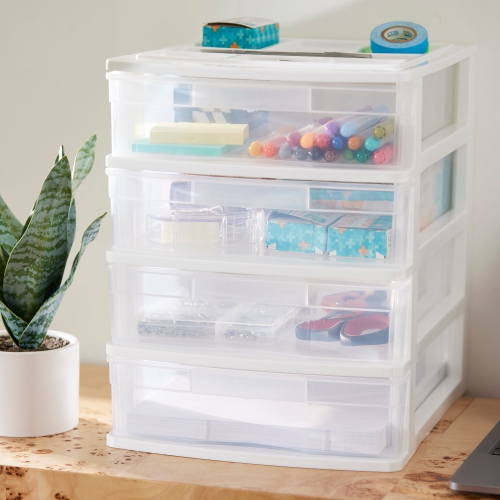 Your price for this item is $162.99
 -
 Your price for this item is $71.99
 -
 Your price for this item is $65.99
 -
 Your price for this item is $299.99
 -
 Your price for this item is $249.99
 -
 Your price for this item is $19.99
 -
 Your price for this item is $745
 -
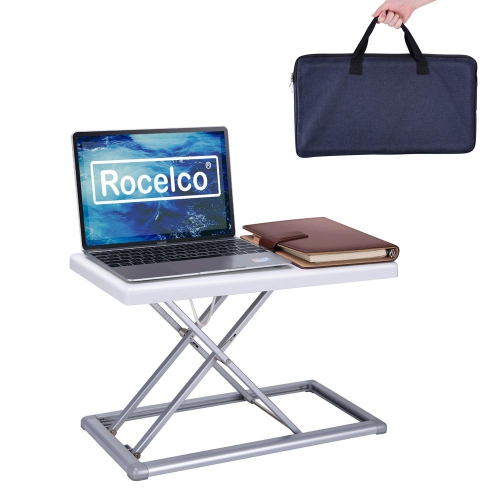 Your price for this item is $129.99
Discover more categories related to Tabletop Organizers
Top Collections:
Pokemon Centers, Kindle Devices, Best Budget Office Chairs, Apple iPhones 16, Canon G7X Cameras, iPhone 15 Apple, Alarm Clock, Refurbished Apple Laptops, Flip Phones, Best Laptops for Writers
Some products may be subject to Environmental Handling Fees
(EHF) depending on your province.
Learn more about EHFs.