Tempera Paints
Get ready to unleash your creativity with our wide selection of tempera paints. Whether you're an aspiring artist, a teacher looking for supplies, or a parent wanting to nurture your child's artistic talents, our collection of vibrant and versatile tempera paints has got you covered. With a range of rich and bold colors, these paints are perfect for various art projects, from canvas paintings to school assignments.
Sort
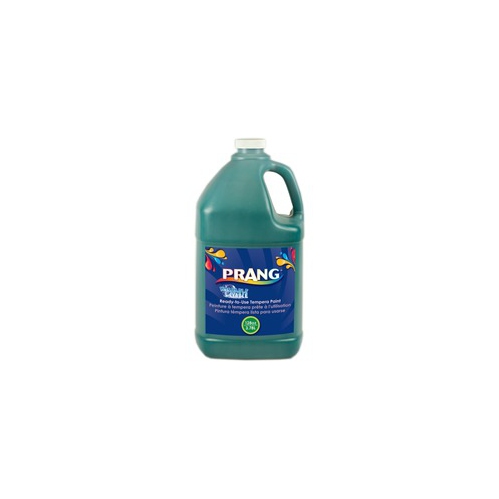
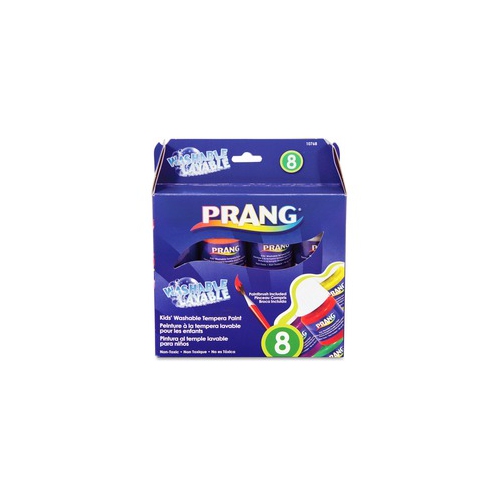
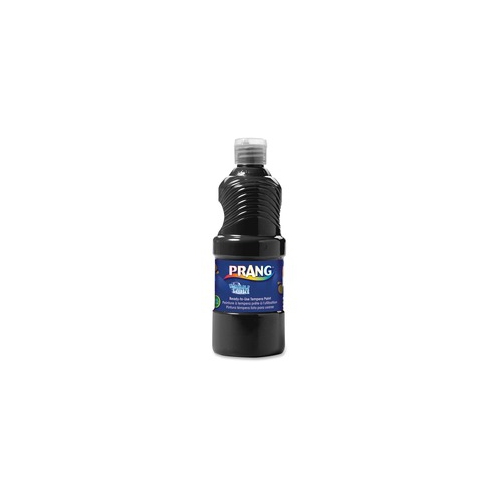
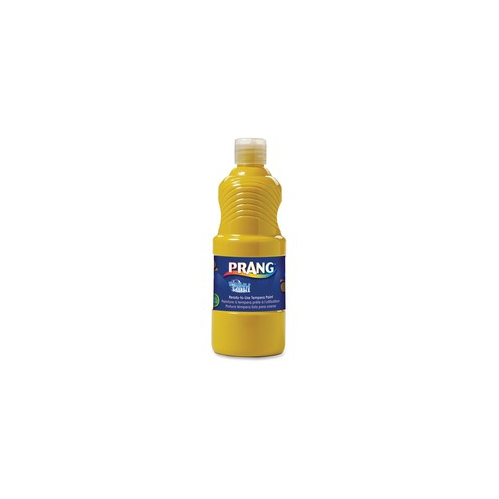
![CRAYOLA Washable Kids Paint Classic Colors 10-Count - 59Ml / 2 Fl OZ [Toys, Ages 3+]](https://multimedia.bbycastatic.ca/multimedia/products/500x500/153/15332/15332313.jpeg)
Fast-drying colour for creative projects at home or school
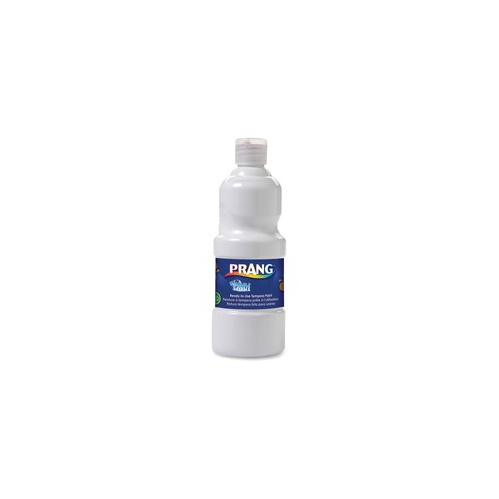
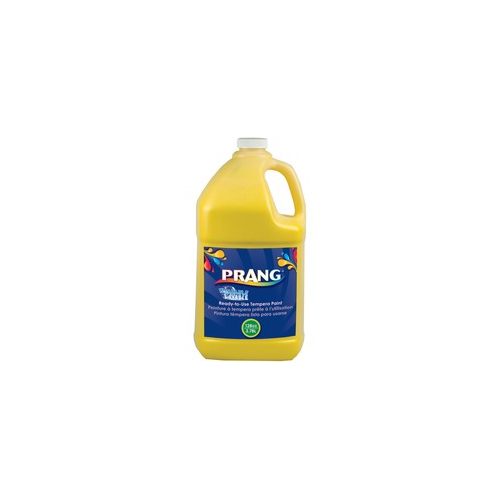
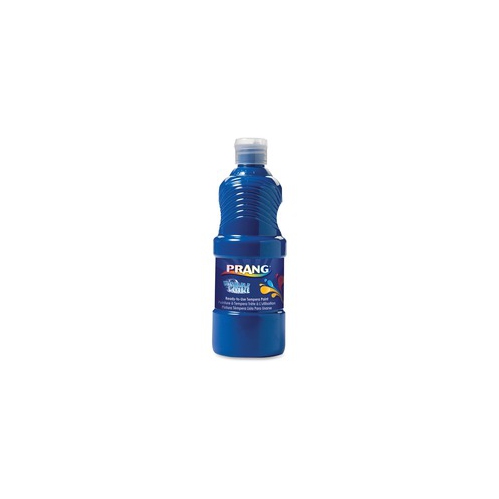
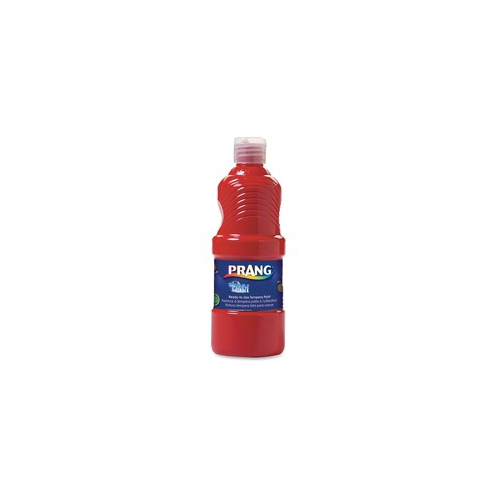
Tempera paints are a versatile choice for children, students, hobby artists, teachers, and anyone who enjoys colourful hands-on projects. Modern liquid tempera is a fast-drying, water-soluble paint made from coloured pigments and a binding agent, typically a starch, gum, or synthetic adhesive rather than the egg yolk used in traditional egg tempera. It usually dries to a smooth, opaque, matte finish and is ready to use straight from the container, making it convenient for classrooms, craft tables, art studios, and rainy-day activities at home. Tempera works especially well on paper, cardboard, poster board, kraft paper, and papier-mâché, where its bold colour and quick drying time can bring everything from painted signs to imaginative creatures to life. A child can brush a bright sun across a sheet of paper, add a row of fingerprint flowers, and move on to the next section without waiting long between layers. Older children and adults may use it for lettering, scenery, collage backgrounds, school presentations, decorative boxes, or expressive paintings that benefit from a flat, graphic appearance. When browsing tempera paints, consider the size and format that best suits the project. Small containers can be practical for occasional crafts or gift baskets, while larger bottles are useful for classrooms, families, clubs, and frequent painting sessions. Sets with several colours encourage experimentation and help artists explore colour mixing, while individual shades can be helpful when a project calls for a particular hue. Look for containers that are easy to open and close securely, especially when the paint will be shared among young artists, and check the product information for age guidance, intended surfaces, and any safety certifications that are important for your household or classroom.
The right tools and working surface can make tempera painting feel much more relaxed. Use brushes with different widths for broad backgrounds, fine outlines, borders, and small details; foam brushes and sponges can create soft textures, stamped shapes, and interesting patterns. A palette, washable tray, or spare piece of cardboard gives painters somewhere to blend colours without covering the table, while a cup of clean water can be used to rinse brushes between shades. Tempera is generally applied directly from the container, although a small amount of water may help loosen paint for a lighter wash or smoother coverage, depending on the formula. Too much water can make the colour run or reduce its opacity, so adding it gradually is best. For strong, even coverage, begin with a clean, dry surface and allow each layer to dry before adding fine details. This is particularly helpful when painting dark outlines over a pale background or building a scene with several overlapping shapes. On paper, place a protective sheet underneath to reduce curling and keep paint away from the work area. Brushes and hands can usually be cleaned with soap and water before the paint dries, and a damp cloth can help lift small spills from suitable washable surfaces. Even with easy cleanup, covering clothing and furniture is a sensible habit. For projects that call for a similar easy-to-clean medium, explore Water Based Paints alongside tempera options. It is also worth remembering that tempera is not intended for every surface: smooth, non-porous materials may not hold the paint as well as paper or cardboard, and painted pieces may need a protective finish if they will be handled often. Always follow the care and use information supplied with the paint, particularly when planning activities for younger children.
Tempera paints can become part of an inviting creative routine during the cooler months, when indoor art projects offer a welcome change of pace after school, on weekends, or during family get-togethers. They are also a thoughtful gift for a budding artist, a child who enjoys making things with their hands, a teacher assembling classroom supplies, or an adult who appreciates colourful craft materials without the complexity of a specialised medium. Pairing paint with sketchbooks, heavyweight paper, brushes, palettes, aprons, or craft storage can create a useful gift for a birthday, back-to-school activity, a creative workspace, or a family art afternoon. For a group project, tempera makes it easy for each person to contribute: one painter can fill the background, another can add shapes and patterns, and a third can finish the details. It suits collaborative murals, handmade cards, seasonal decorations, painted paper ornaments, dioramas, and posters for school or community activities. Artists who prefer a more controlled approach can sketch lightly in pencil first, then fill in the design with opaque colour; those who enjoy spontaneity can work with loose brushstrokes, sponge prints, finger painting, or layered geometric shapes. To keep colours looking fresh, close containers after use and avoid leaving brushes standing in water, which can damage their shape. Store paint in a cool, dry place and keep it away from direct heat. Whether it is used for a child’s first painting, a classroom display, a handmade present, or a relaxed evening project at the kitchen table, tempera offers a straightforward way to explore colour, texture, and personal expression with supplies that are approachable for beginners and flexible enough for many creative ideas.
The right tools and working surface can make tempera painting feel much more relaxed. Use brushes with different widths for broad backgrounds, fine outlines, borders, and small details; foam brushes and sponges can create soft textures, stamped shapes, and interesting patterns. A palette, washable tray, or spare piece of cardboard gives painters somewhere to blend colours without covering the table, while a cup of clean water can be used to rinse brushes between shades. Tempera is generally applied directly from the container, although a small amount of water may help loosen paint for a lighter wash or smoother coverage, depending on the formula. Too much water can make the colour run or reduce its opacity, so adding it gradually is best. For strong, even coverage, begin with a clean, dry surface and allow each layer to dry before adding fine details. This is particularly helpful when painting dark outlines over a pale background or building a scene with several overlapping shapes. On paper, place a protective sheet underneath to reduce curling and keep paint away from the work area. Brushes and hands can usually be cleaned with soap and water before the paint dries, and a damp cloth can help lift small spills from suitable washable surfaces. Even with easy cleanup, covering clothing and furniture is a sensible habit. For projects that call for a similar easy-to-clean medium, explore Water Based Paints alongside tempera options. It is also worth remembering that tempera is not intended for every surface: smooth, non-porous materials may not hold the paint as well as paper or cardboard, and painted pieces may need a protective finish if they will be handled often. Always follow the care and use information supplied with the paint, particularly when planning activities for younger children.
Tempera paints can become part of an inviting creative routine during the cooler months, when indoor art projects offer a welcome change of pace after school, on weekends, or during family get-togethers. They are also a thoughtful gift for a budding artist, a child who enjoys making things with their hands, a teacher assembling classroom supplies, or an adult who appreciates colourful craft materials without the complexity of a specialised medium. Pairing paint with sketchbooks, heavyweight paper, brushes, palettes, aprons, or craft storage can create a useful gift for a birthday, back-to-school activity, a creative workspace, or a family art afternoon. For a group project, tempera makes it easy for each person to contribute: one painter can fill the background, another can add shapes and patterns, and a third can finish the details. It suits collaborative murals, handmade cards, seasonal decorations, painted paper ornaments, dioramas, and posters for school or community activities. Artists who prefer a more controlled approach can sketch lightly in pencil first, then fill in the design with opaque colour; those who enjoy spontaneity can work with loose brushstrokes, sponge prints, finger painting, or layered geometric shapes. To keep colours looking fresh, close containers after use and avoid leaving brushes standing in water, which can damage their shape. Store paint in a cool, dry place and keep it away from direct heat. Whether it is used for a child’s first painting, a classroom display, a handmade present, or a relaxed evening project at the kitchen table, tempera offers a straightforward way to explore colour, texture, and personal expression with supplies that are approachable for beginners and flexible enough for many creative ideas.
Top selling and popular products
-
 Your price for this item is $40.99
 -
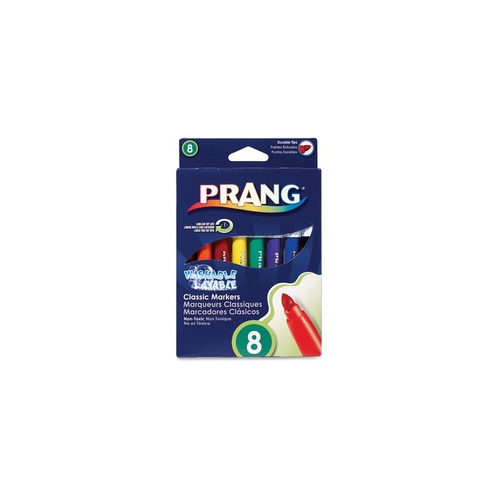 Your price for this item is $4.99
 -
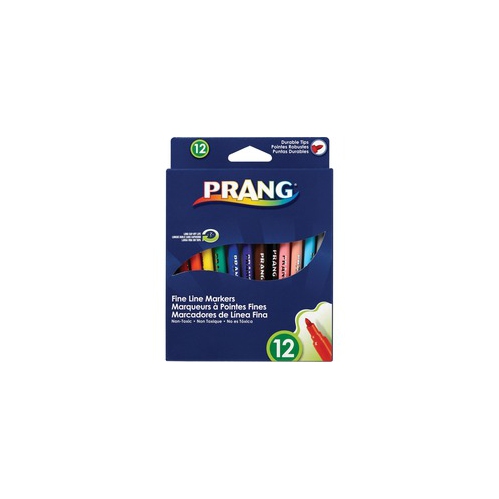 Your price for this item is $2.99
 -
 Your price for this item is $5.99
 -
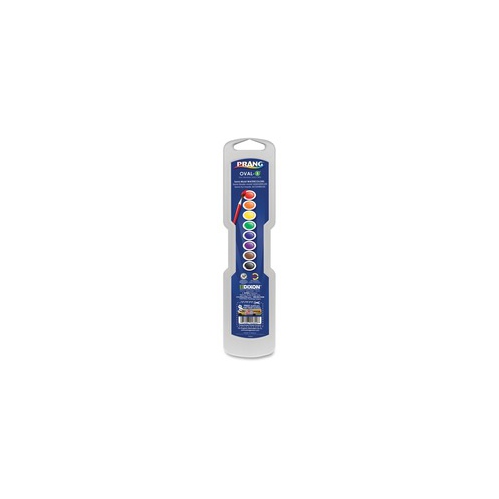 Your price for this item is $4.99
 -
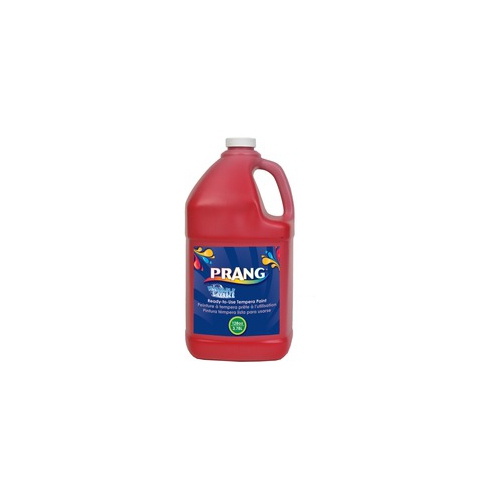 Your price for this item is $17.99
 -
 Your price for this item is $4.99
 -
 Your price for this item is $4.99
Discover more categories related to Tempera Paints
Top Collections:
Best Laptops for Video Editing, Pokemon Centers, Samsung Z Fold, Kindle Devices, Best Cell Phones Under $300, Best Laptops for Writers, Best Budget Office Chairs, Best Cell Phones Under $500, Best Laptop Computers for Students, iPhone 15 Apple
Some products may be subject to Environmental Handling Fees
(EHF) depending on your province.
Learn more about EHFs.