Two Hole Punches
Looking to keep your documents organized and neat? Look no further than our selection of two-hole punches. Perfect for punching holes in paper for easy filing in binders, these handy tools are essential for any office or home workspace. With durable construction and precise punching capabilities, our two-hole punches make it simple to create clean, professional-looking documents with ease. Browse our range of options to find the perfect two-hole punch to suit your needs and streamline your paperwork process today.
Sort






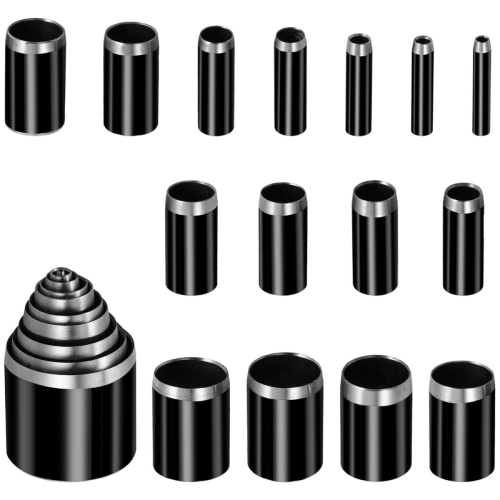
Why hole spacing matters for neatly filed paperwork
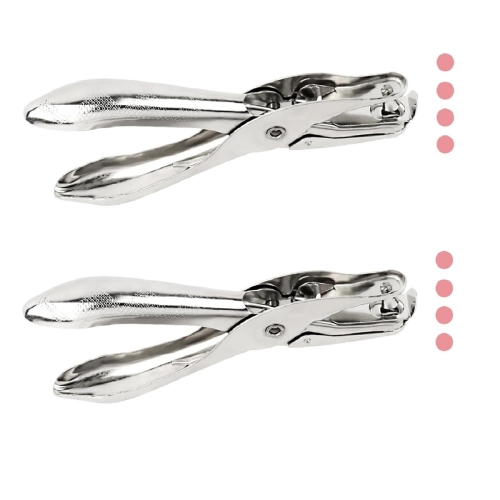
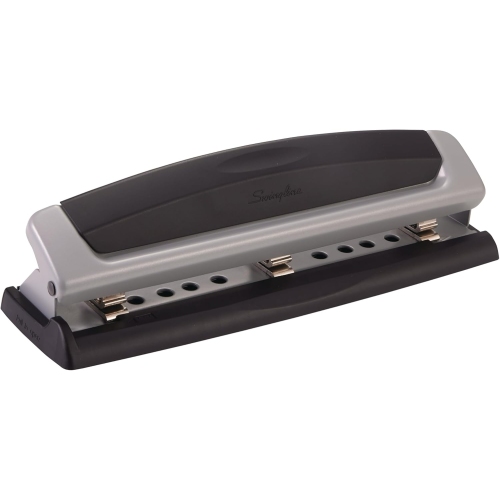
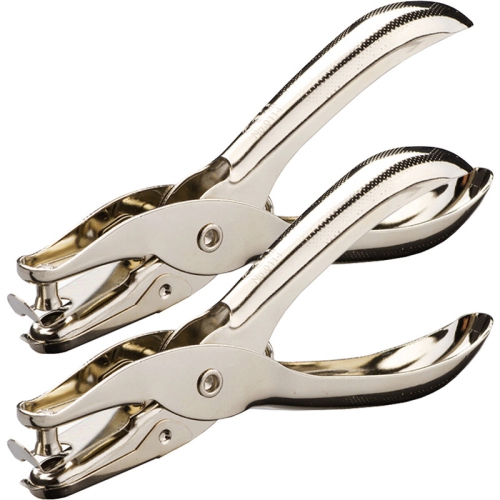
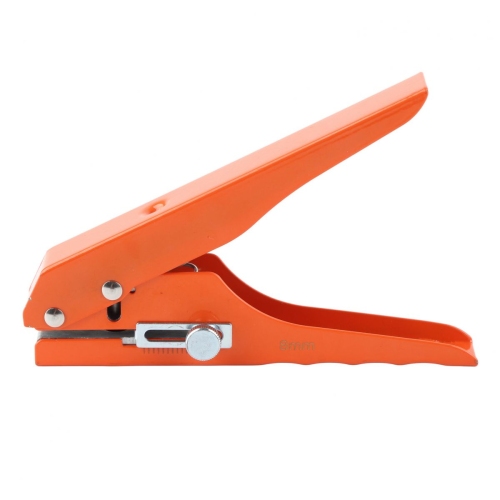
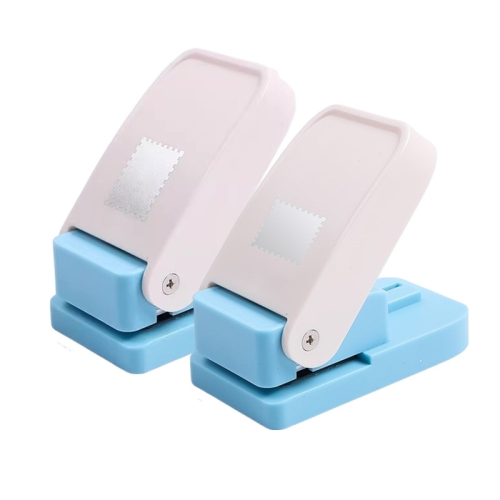
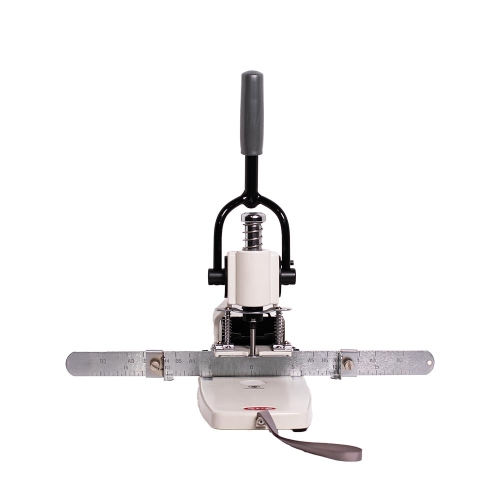
Two-hole punches create a matched pair of openings along the edge of a sheet, making it easier to file paperwork in compatible two-ring binders, folders and fastening systems. They are useful wherever loose pages need to become an organized record: invoices grouped by supplier, meeting notes kept with an agenda, worksheets arranged by subject, or household documents filed for later reference. Unlike a three-hole punch, a two-hole design is intended for a different fastening layout, so the spacing of the openings matters as much as the number of holes. Many standard two-hole filing systems use centres spaced 80 mm apart, but the correct fit depends on the binder or fastener being used. Fixed-spacing punches offer a consistent layout, while adjustable designs can accommodate different arrangements within their specified range. A paper guide helps position sheets so that holes line up from one batch to the next. That consistency makes a noticeable difference when a folder contains documents added over several weeks: the edges sit together neatly, and pages turn without pulling awkwardly against the rings. Sheet capacity is another important distinction. Smaller punches may be suited to around 10 sheets at a time, while larger desktop designs may be rated for 20, 30 or more sheets. These ratings depend on the paper weight stated for the tool; thicker sheets reduce the number that can be punched comfortably in one pass. A stack of ordinary printer paper behaves differently from the same number of cover sheets or heavyweight forms. For occasional filing, a compact design can be a practical match for modest batches. For repeated administrative work, a higher-capacity punch can reduce the number of separate passes needed. Cleanly cut holes, accurate positioning and a suitable margin between each opening and the paper edge all contribute to a document that stays securely attached. Enough clearance from printed text is particularly helpful for forms, reports and worksheets with information close to the left-hand side.
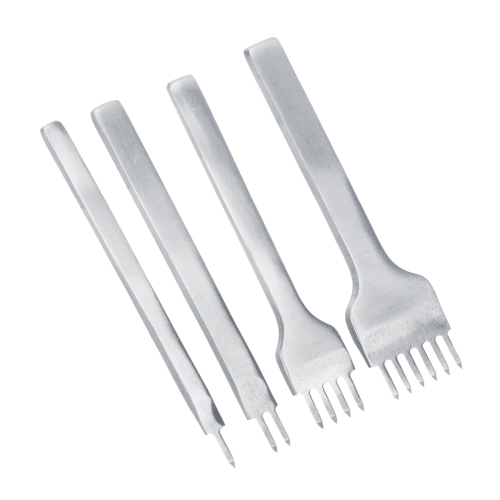
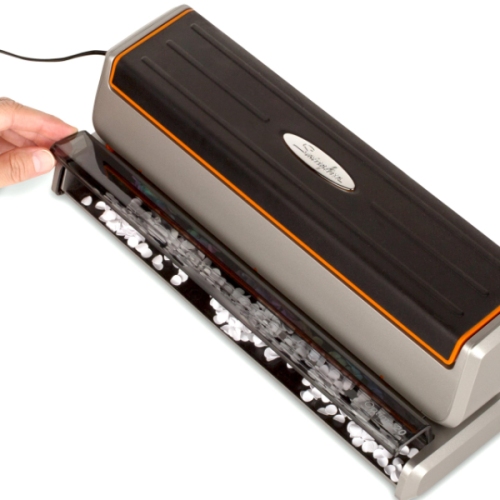
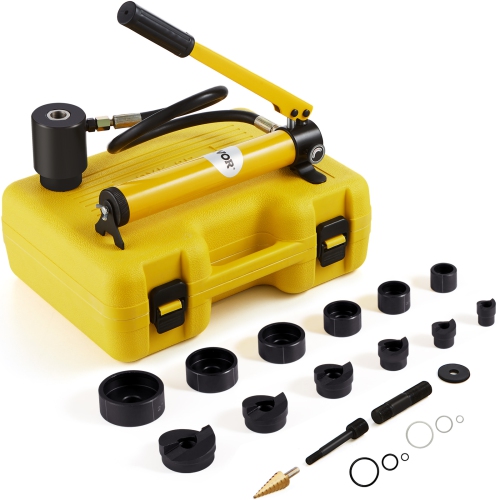
The construction of a two-hole punch affects how it feels on the desk and how well it stands up to repeated use. Metal cutting components provide the firm, precise action needed to pass through paper, while the body may combine steel, aluminium or moulded plastic according to the design. A substantial metal base can help a desktop punch stay steady during regular filing sessions; a lighter body is easier to move between a workstation, a classroom cupboard and a home office drawer. Protective base pads can limit slipping and help keep the underside from marking a work surface. Handle shape matters, too. A broad pressing surface gives the hand more room, and a cushioned grip can feel more comfortable during repetitive tasks. Lever-assisted or reduced-effort designs use mechanical leverage to make punching easier, although the force required still depends on stack thickness and paper type. For shared workspaces, an easy-to-read alignment guide and a clearly marked capacity make the tool more straightforward for different people to use consistently. The paper opening should accommodate the intended stack without forcing it into place, and the guide should hold its position rather than shifting as sheets are inserted. Some punches have a handle lock that keeps the tool closed for storage, which can be useful when drawer space is limited. A removable or hinged waste tray collects the small paper discs left after each use, helping keep a desk tidy. Its fit is worth considering: a tray that stays securely attached during handling is less likely to spill when the punch is moved. Ordinary paper is the most common intended material, but card, coated sheets and other thicker materials should only be used where the tool is designed for them. Punching a laminated reference sheet, for example, places different demands on the cutting mechanism than punching a few pages of meeting notes. For layouts beyond a standard two-hole arrangement, Hole Punch Tools provides a broader category for different paper-punching needs.
A well-matched two-hole punch can become a dependable part of an everyday filing routine rather than an accessory that takes up space without earning its place. In a small business office, it may be used to prepare purchase records, signed forms and supporting paperwork for folders with compatible fasteners. At a reception desk, consistent hole placement can help keep frequently referenced documents together without uneven edges obscuring labels or making pages difficult to turn. Teachers and students may use two-hole punches for materials stored in matching binders, while home users may find them useful for instruction sheets, household records and personal projects. The format is especially helpful when the filing system is already established; matching the punch to that system avoids pages that cannot attach properly. Occasional users often benefit most from a compact footprint and simple controls, whereas frequent users may value a stable base, comfortable handle and larger paper capacity. A punch can also be a thoughtful addition to a practical stationery gift for someone setting up a workspace, provided it matches the recipient’s folders or binders. Straightforward care helps preserve reliable operation. Emptying the paper tray before it becomes packed keeps loose discs from spilling into drawers or gathering around the mechanism. Wiping the exterior with a soft cloth removes dust and fingerprints, while dry storage helps protect metal parts from moisture. Cutting components should be maintained only as directed by the manufacturer, rather than treated with unapproved lubricants or dismantled unnecessarily. Overloading the punch can produce ragged openings, leave the lower sheets incompletely cut or place excess strain on the handle. Smaller, evenly aligned batches are often more effective than pressing harder on an oversized stack. Documents with staples, clips or adhesive layers need particular attention, since those additions can interfere with normal operation. With appropriate paper, compatible spacing and a manageable workload, a two-hole punch supports tidy filing in a simple, repeatable way: pages sit where they belong, records remain together, and the next document can be added without rearranging the whole folder.
Top selling and popular products
-
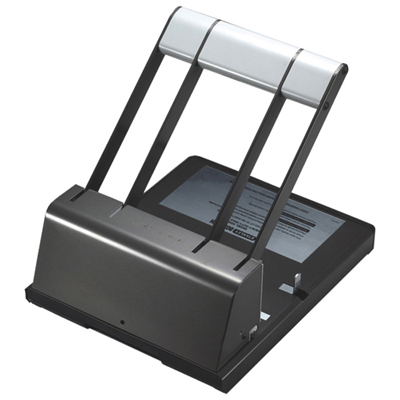 Your price for this item is $348.99
-
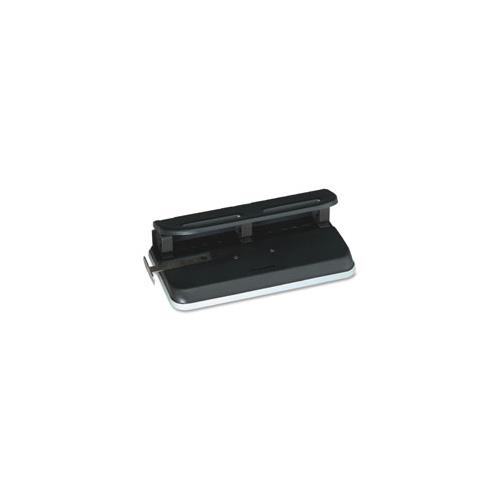 Your price for this item is $17.95
-
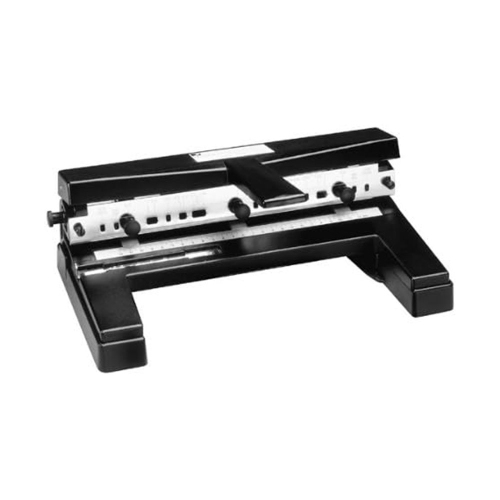 Your price for this item is $217.55
-
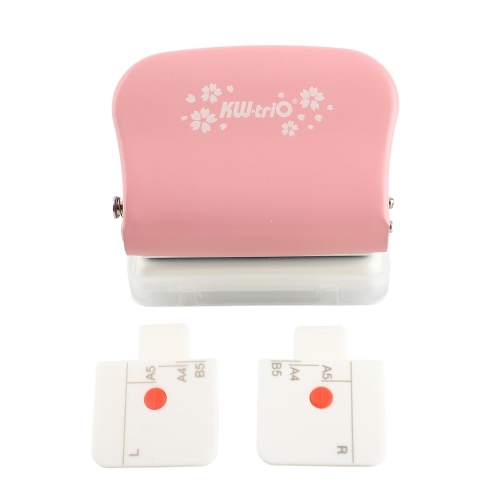 Your price for this item is $127.99
-
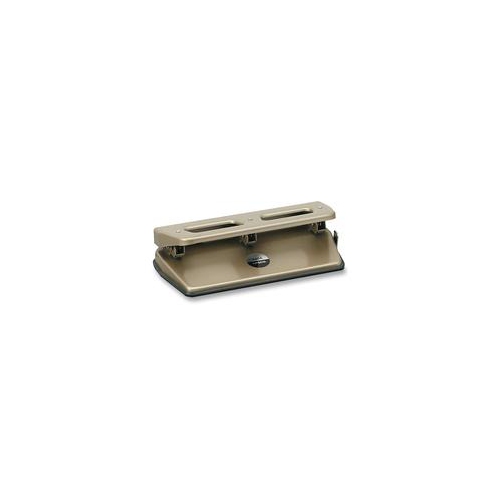 Your price for this item is $70.99
-
 Your price for this item is $22.99
-
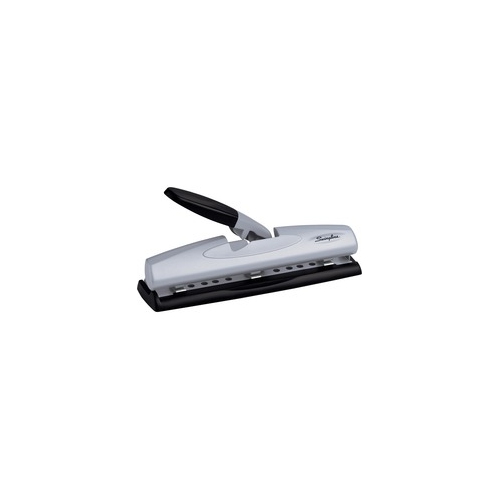 Your price for this item is $33.99
-
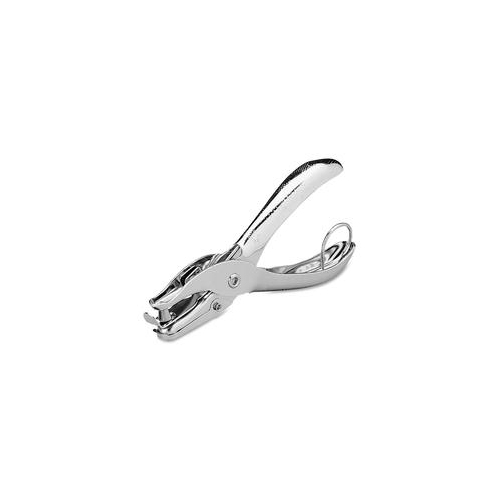 Your price for this item is $2.99
Discover more categories related to Two Hole Punches
Top Collections:
Best Black Friday Deals This Year, Best Black Friday Deals On Electronics, Kindle Devices, Pokemon Centers, Best Black Friday Deals On Apple Products, Best Cameras for Sports Photography, Dyson Airwrap, Pokémon 30th Celebration Cards, Apple iPhone 17 Pro, Canon G7X Cameras
Some products may be subject to Environmental Handling Fees
(EHF) depending on your province.
Learn more about EHFs.