Heavy Duty Hole Punches
Looking to punch through thick stacks of paper effortlessly? Look no further than our selection of heavy-duty hole punches. These robust tools are designed to handle even the toughest punching tasks with ease, making them a must-have for offices, schools, and businesses that deal with large volumes of paperwork. Whether you need to create neatly organized binders or prepare documents for filing, our range of heavy-duty hole punches will help you get the job done quickly and efficiently. Explore our collection of Office Essentials today and discover the perfect hole punch to meet your needs.
Sort
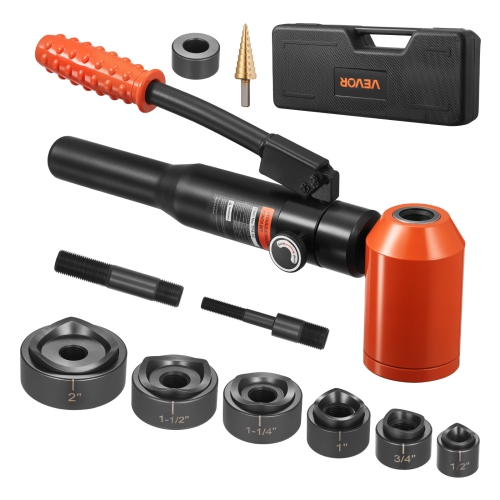
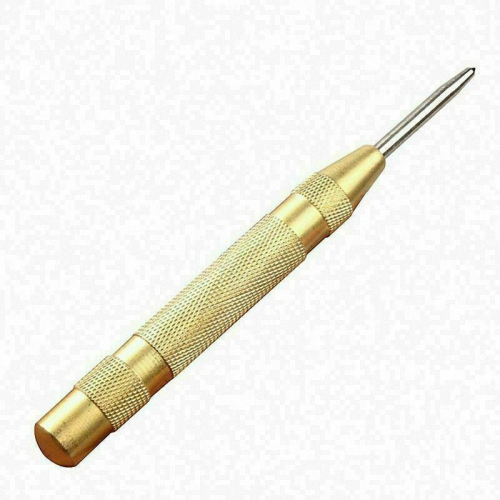

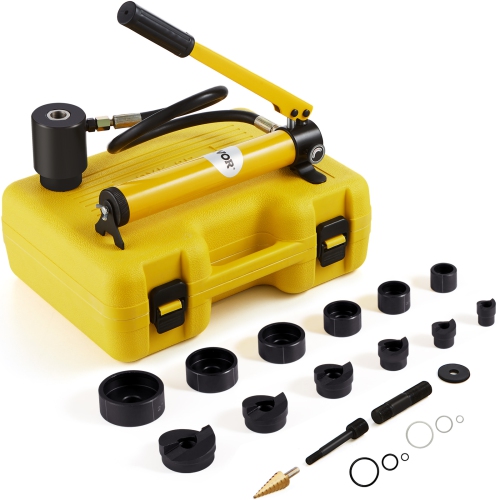
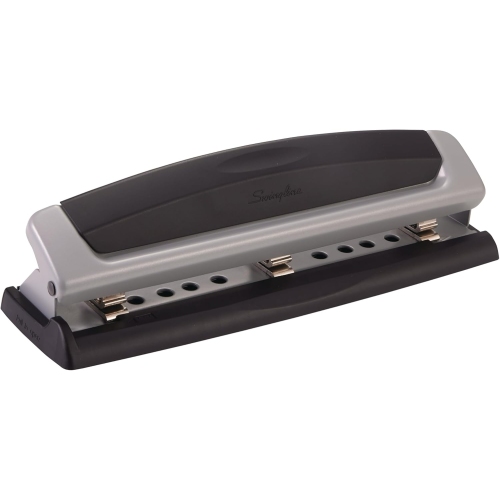
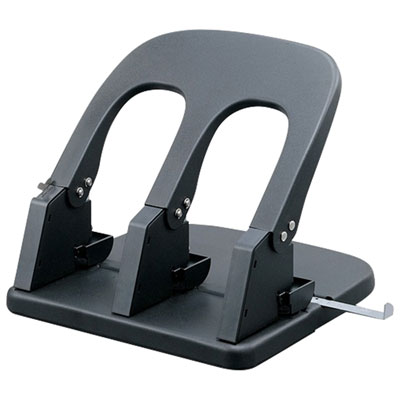

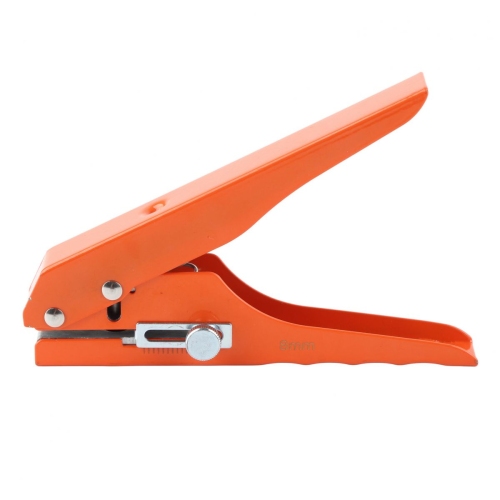
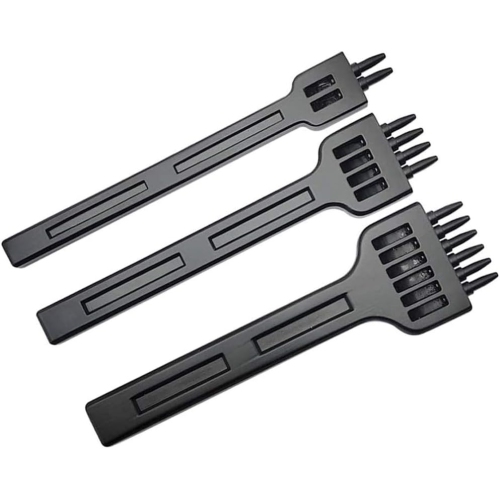
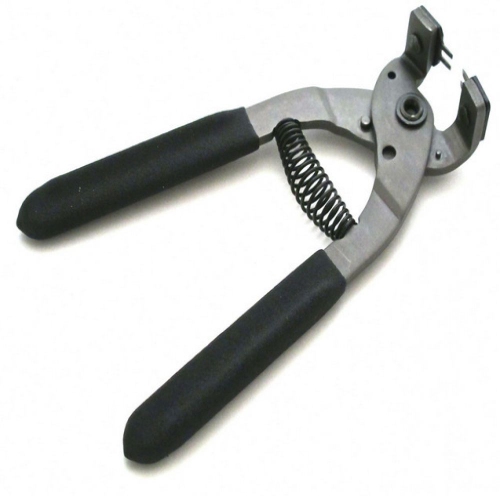


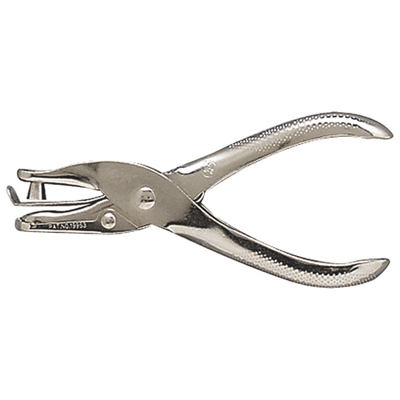
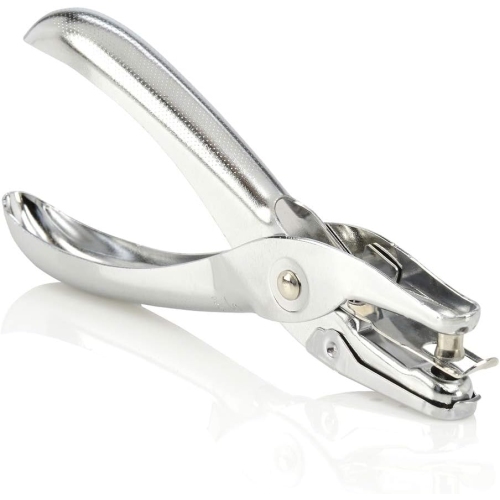
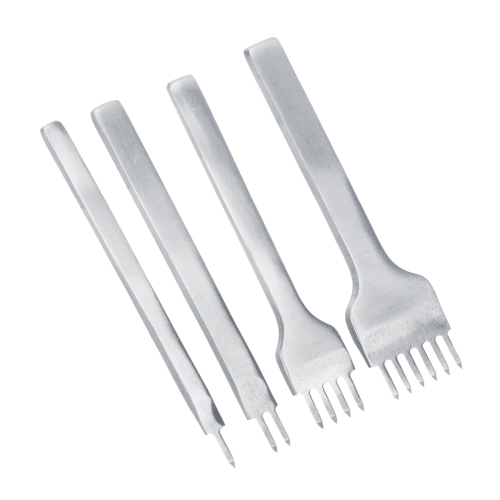
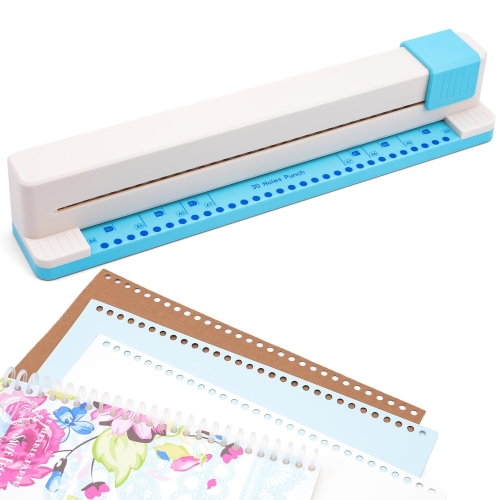
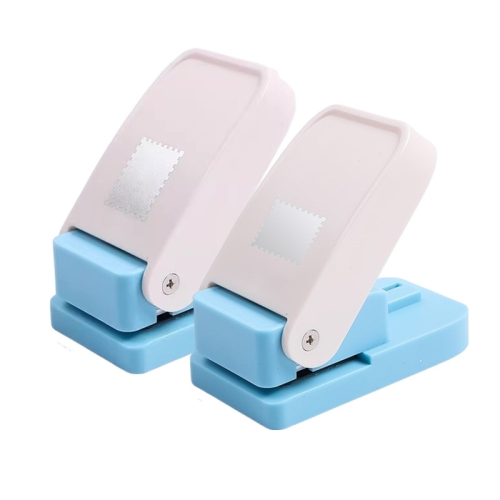
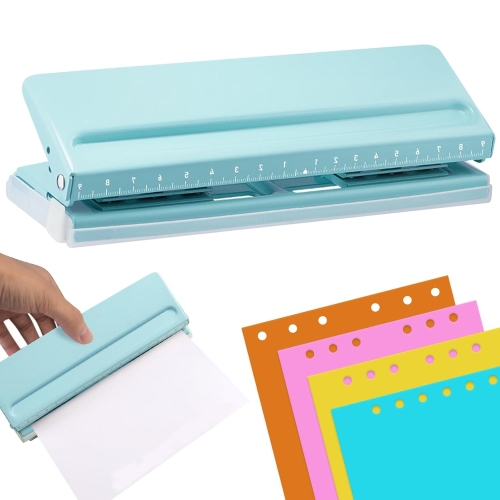
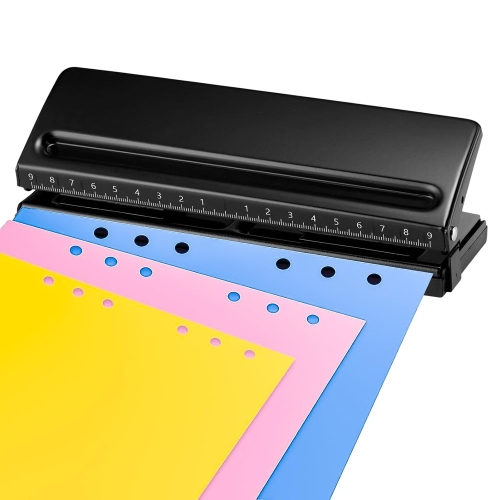
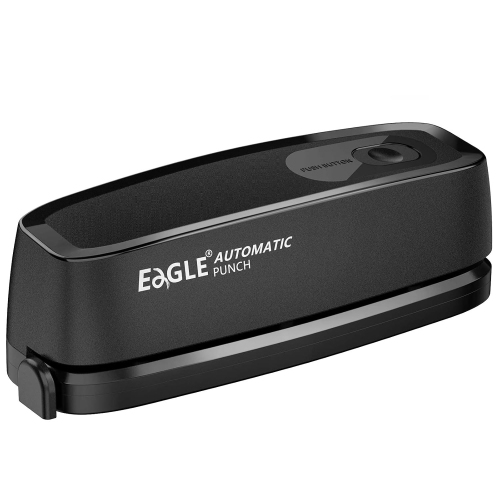


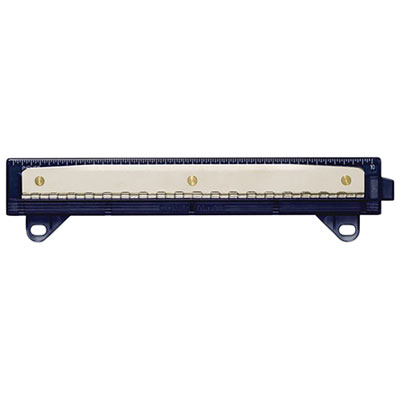
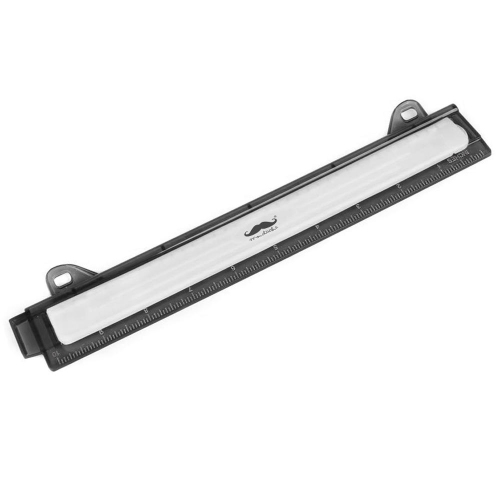
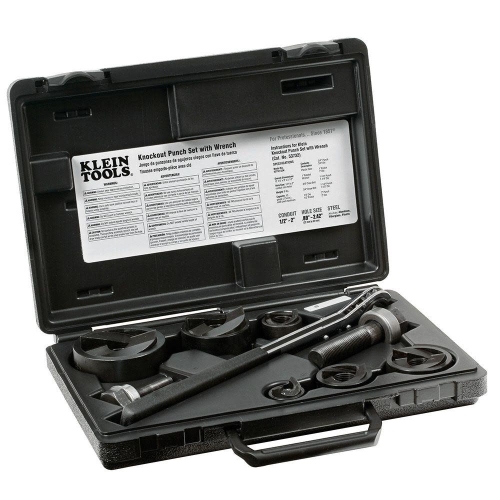
Thick paper stacks need more than punching power
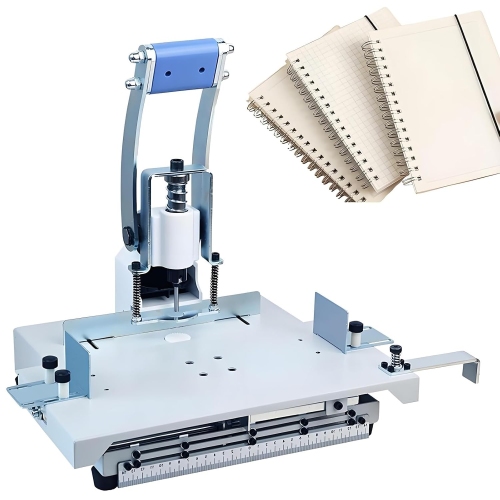
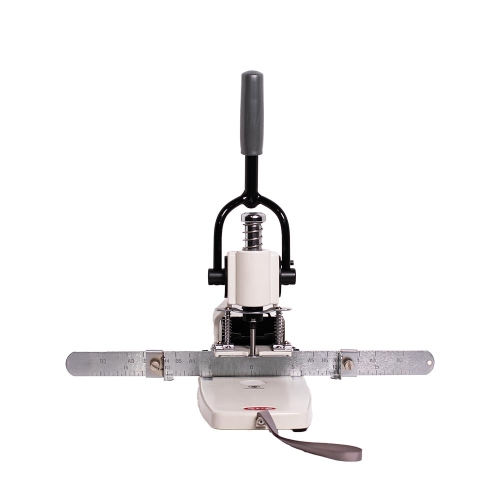
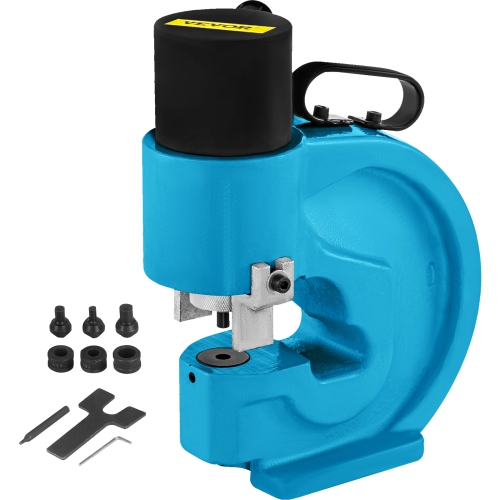
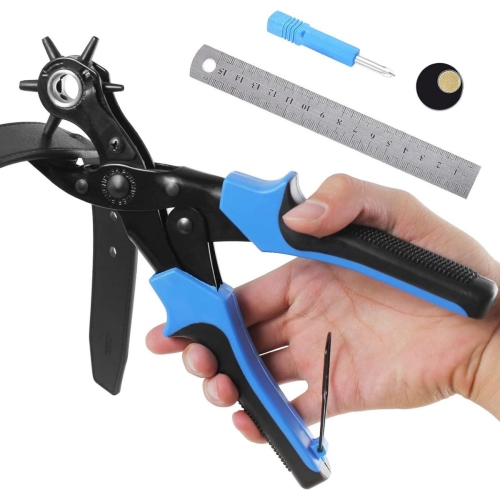
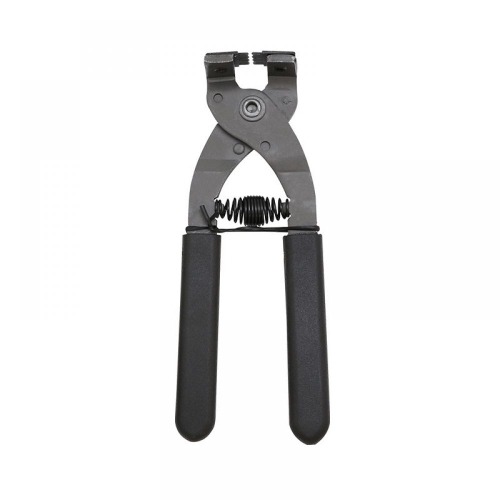
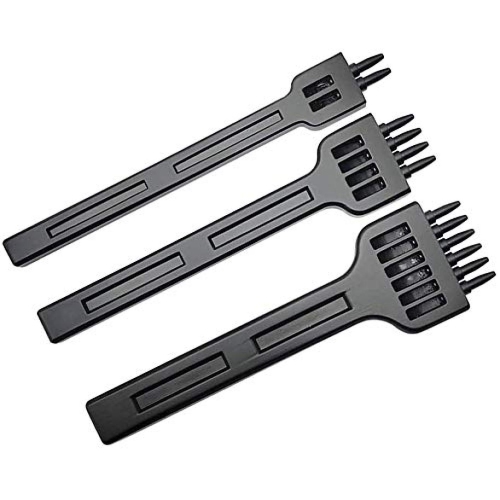
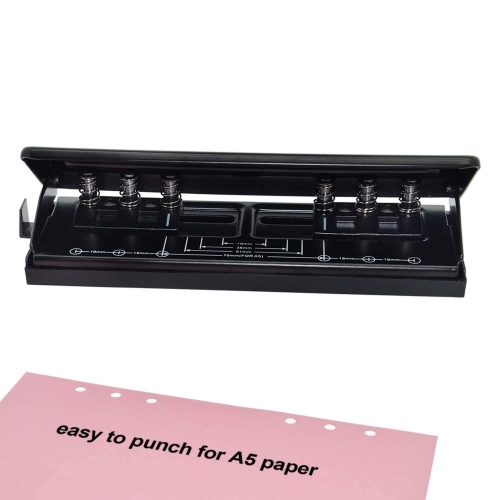
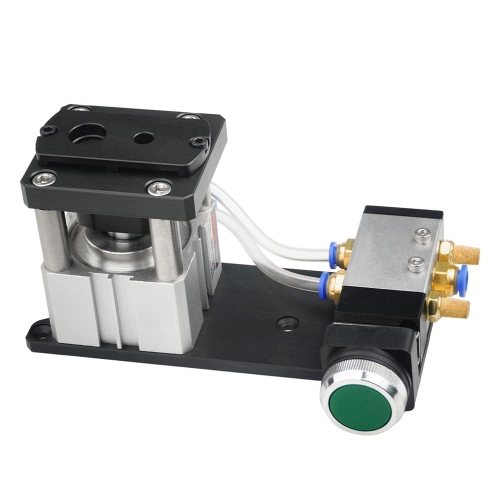
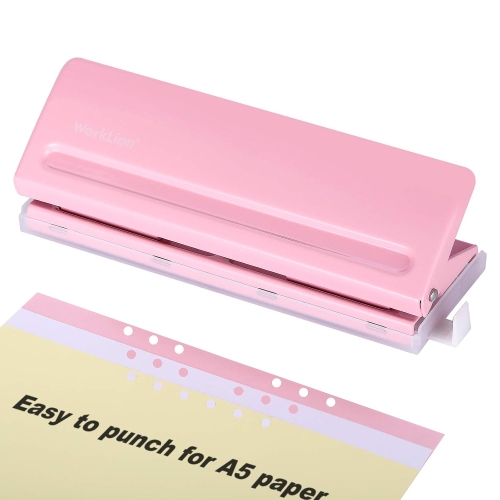
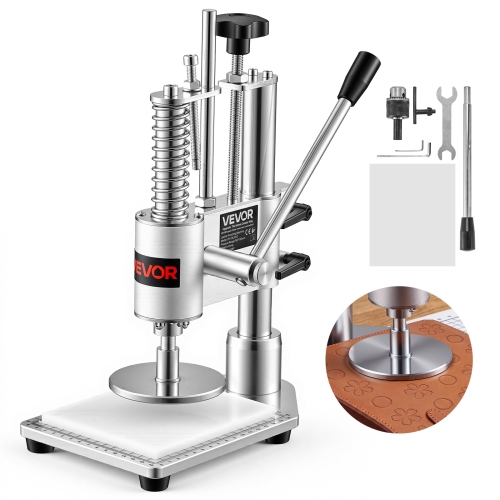
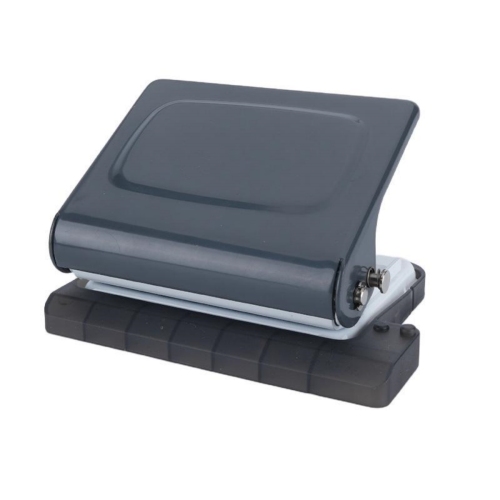
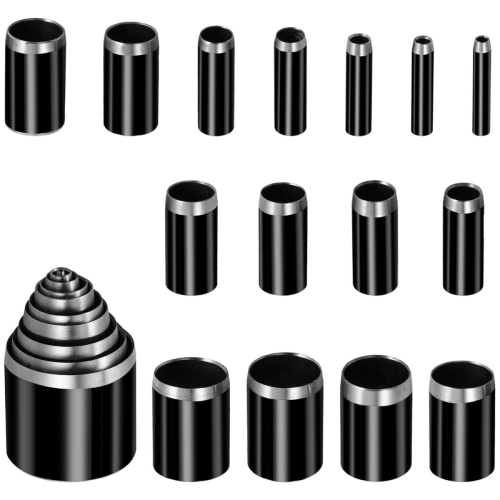
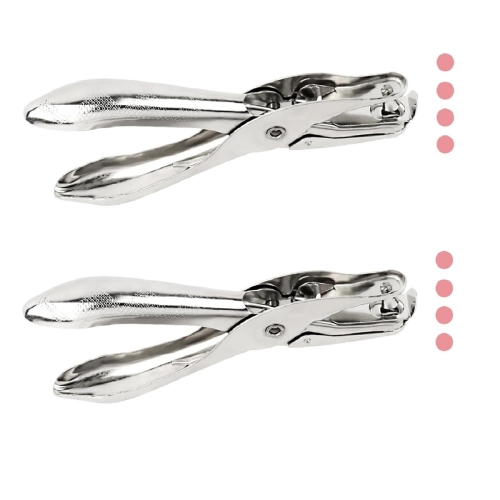
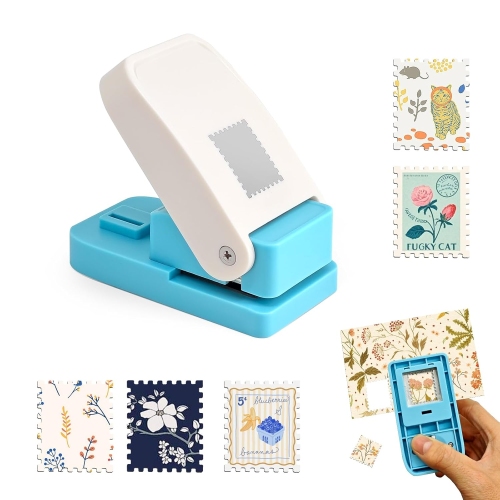
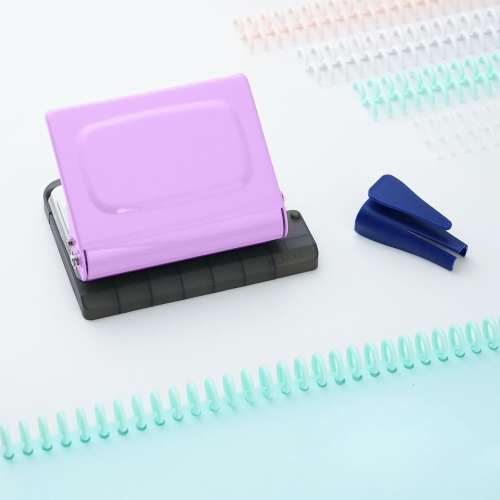
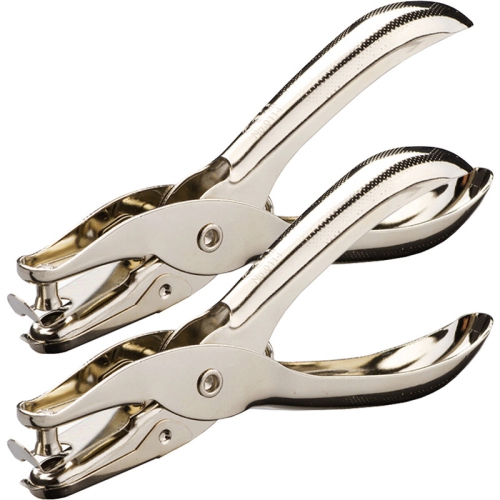
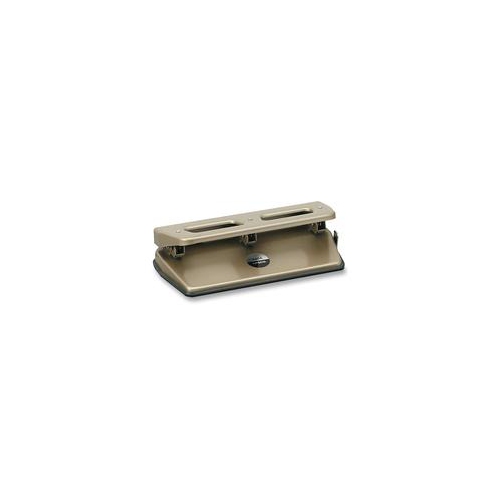
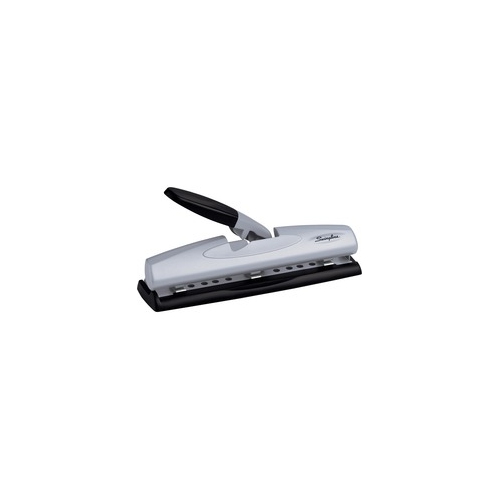
Heavy-duty hole punches are designed to create clean, consistently positioned holes in thicker stacks of paper or other materials specified by the manufacturer. In an office, that usually means a high-capacity paper punch with a sturdy base, a longer handle, and cutting heads built for repeated use. The term also applies to specialist punches for materials such as leather, gaskets, and sheet metal, but those tools have different cutting systems and should not be confused with office paper punches. The material being punched matters as much as the thickness: a machine rated for a stack of ordinary printer paper is not automatically suitable for plastic covers, laminated sheets, or metal. For document preparation, sheet capacity provides a useful starting point, although that rating depends on the paper weight used in testing. Heavier paper, folded sheets, and mixed document packs can reduce the number of sheets that fit comfortably within the stated limit. A thick training manual, for example, may combine standard pages with heavier dividers that need separate handling. Hole pattern is another defining feature. Three-hole formats suit many familiar ring binders, while two-hole formats support compatible folders and filing systems. For documents organized around a paired-hole layout, Two Hole Punches offer a more specific category to consider. Adjustable punching heads can support different spacing arrangements where that feature is included, while fixed heads keep a repeated pattern consistent. Hole diameter, spacing, and distance from the paper edge all affect how pages sit in a binder and how easily they turn. A clearly marked paper guide helps keep letter-size documents aligned, and support for legal-size or other formats depends on the design. Consistent positioning becomes especially noticeable when adding new pages to an existing file: evenly aligned holes help the whole document sit neatly rather than leaving individual sheets projecting beyond the rest. These details make heavy-duty paper punches useful for recurring document assembly, not simply for handling an occasional thick stack.
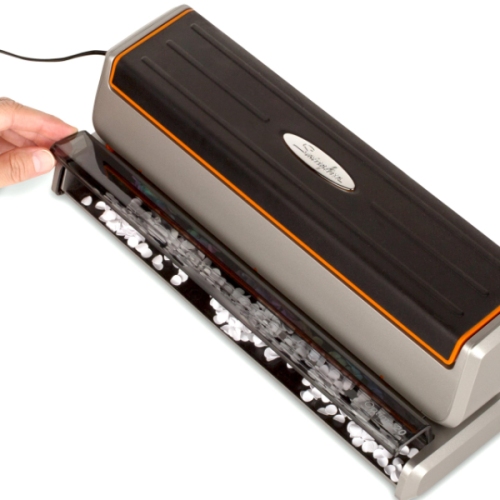
The construction of a heavy-duty hole punch influences both its working life and how it feels during everyday use. Metal bases and reinforced frames help provide a stable platform, while hardened cutting components are intended to withstand repeated contact with suitable materials. A metal body alone does not establish cutting capacity; the leverage system, head design, and manufacturer’s specifications remain important. Long handles and compound mechanisms can reduce the effort needed to complete a punch, which is valuable when preparing several binders rather than a handful of loose pages. Padded or shaped grips may improve comfort, although every manual design still requires appropriate hand placement and controlled pressure. Some high-capacity models use a lever that rises above the base, making overhead clearance a practical consideration beneath shelves or inside a workstation. Others have a handle lock that reduces their height for storage. The footprint matters, too: a broad base may offer reassuring stability but occupy more of a shared desk. Non-slip feet help limit movement on a suitable flat surface, and a paper support can make a large stack easier to position without the edges sagging. Alignment guides, readable markings, and positive stops help reduce guesswork when several people use the same machine. The waste tray deserves attention because a high-capacity punch can generate a substantial amount of paper confetti during a large filing job. An enclosed compartment keeps those small discs contained, while a removable tray can make emptying more manageable. Visibility into the collection area is useful where the design provides it. Replaceable cutting heads and punching pads can also extend the service life of models built with serviceable parts, provided replacements are compatible. Together, these features shape the experience at the desk: a stack rests squarely against the guide, the handle moves through its intended travel, and the finished pages are ready for filing without repeated repositioning. A well-matched design supports that routine without demanding unnecessary space or effort.
Heavy-duty hole punches have a place wherever loose paperwork regularly becomes a working reference. School offices may assemble student records and classroom resources, administrative teams may prepare policy binders, and training coordinators may organize course materials for a group. Accounting and legal offices often need orderly paper records, while a busy home office may keep contracts, household documents, or project notes in binders. In each setting, the benefit comes from matching the punch to the actual workload and filing format. A large stated capacity is useful for thick batches, but consistent alignment, manageable operating force, and a suitable hole pattern can matter more for frequent smaller jobs. Pages that will be handled repeatedly also need enough material between the holes and the edge to resist tearing; an adjustable margin setting can help where supported. Cardstock dividers, binder pockets, and protective covers require particular care because their thickness and composition differ from ordinary paper. Compatibility should be confirmed rather than assumed, especially for coated or laminated materials. Staples, paper clips, and other fasteners need to be removed before paper is punched unless the equipment is expressly designed otherwise. Ongoing care is generally straightforward: paper scraps should not be allowed to build up around the cutting area, the waste compartment needs regular emptying, and the exterior can be wiped according to the manufacturer’s directions. Fingers should stay clear of the cutting heads and moving linkages, and maintenance should follow the supplied safety instructions. A change in cutting quality, such as ragged edges or incomplete holes, may indicate trapped debris, an overloaded stack, or a component that needs attention. For serviceable designs, compatible replacement parts can be more practical than continuing to force a worn mechanism. Stored securely and used within its rated limits, a sturdy paper punch can remain a dependable part of a document workstation. The right fit is ultimately a balance of material compatibility, page capacity, filing requirements, physical size, and the demands of repeated use.
Top selling and popular products
-
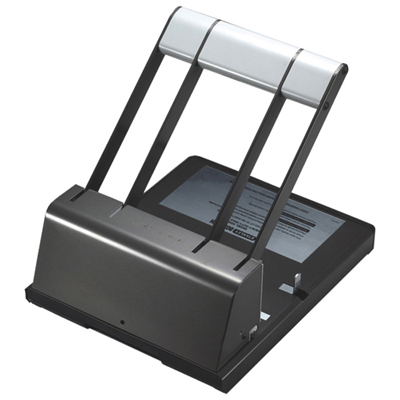 Your price for this item is $348.99
-
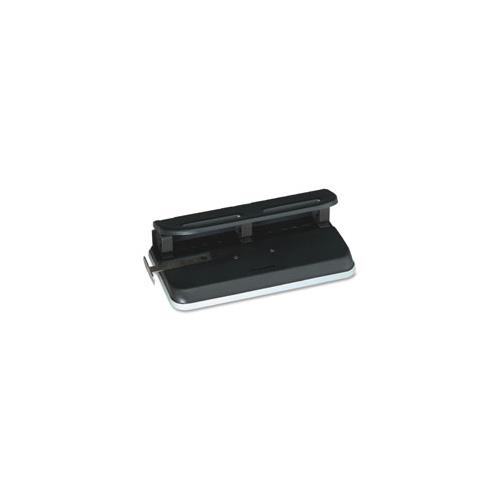 Your price for this item is $17.95
-
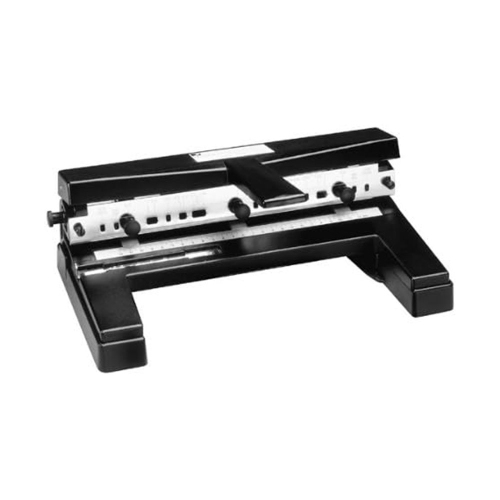 Your price for this item is $217.55
-
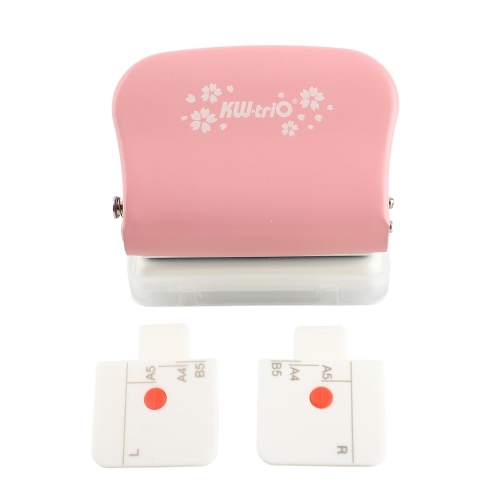 Your price for this item is $127.99
-
 Your price for this item is $70.99
-
 Your price for this item is $22.99
-
 Your price for this item is $33.99
-
 Your price for this item is $2.99
Discover more categories related to Heavy Duty Hole Punches
Top Collections:
Best Black Friday Deals This Year, Best Black Friday Deals On Electronics, Kindle Devices, Pokemon Centers, Best Black Friday Deals On Apple Products, Best Cameras for Sports Photography, Dyson Airwrap, Pokémon 30th Celebration Cards, Apple iPhone 17 Pro, Canon G7X Cameras
Some products may be subject to Environmental Handling Fees
(EHF) depending on your province.
Learn more about EHFs.