Under Table Drawers
If you're looking to maximize the storage space in your home or office, look no further than these under-table drawers. These versatile and practical additions are designed to fit seamlessly beneath your tables, providing you with a convenient solution to keep your belongings organized and within reach. Whether you need extra storage for office supplies, craft materials, or even small appliances, our under-table drawers offer a sleek and efficient way to declutter your space without compromising on style.
Sort
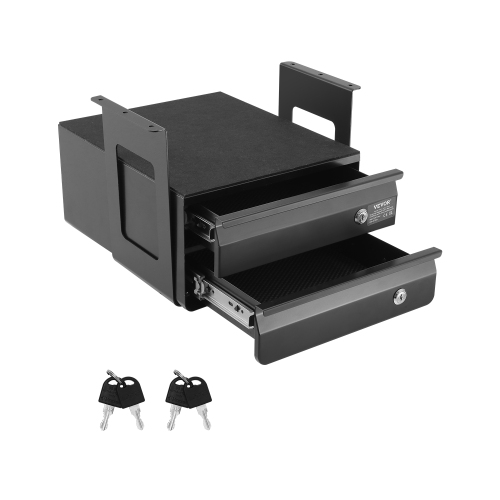
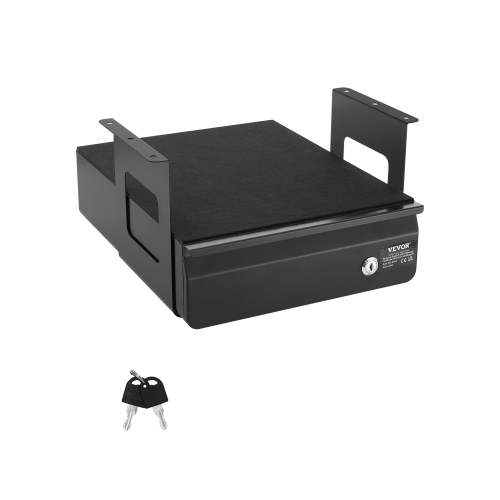
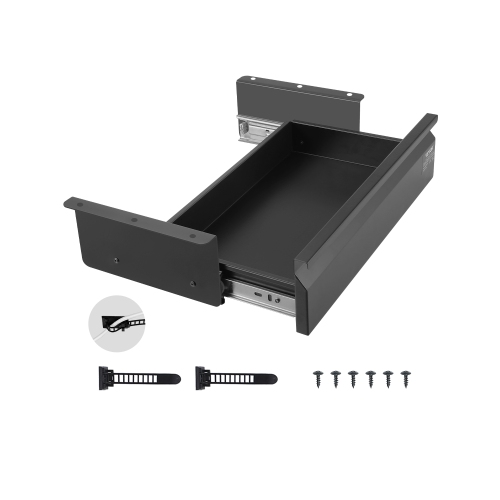
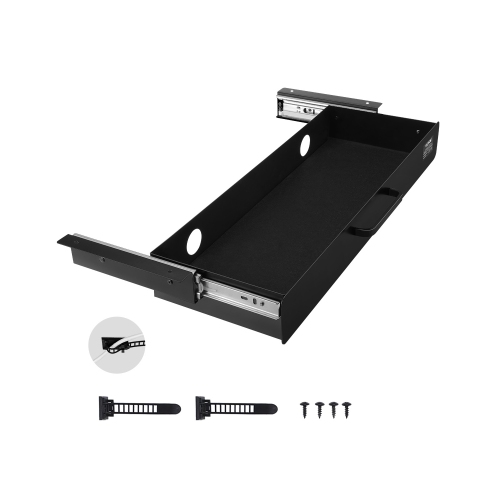

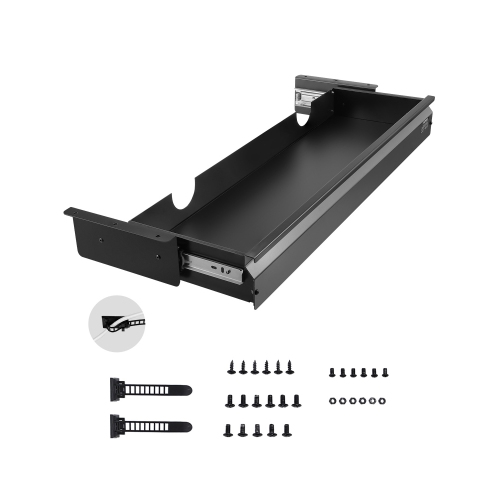
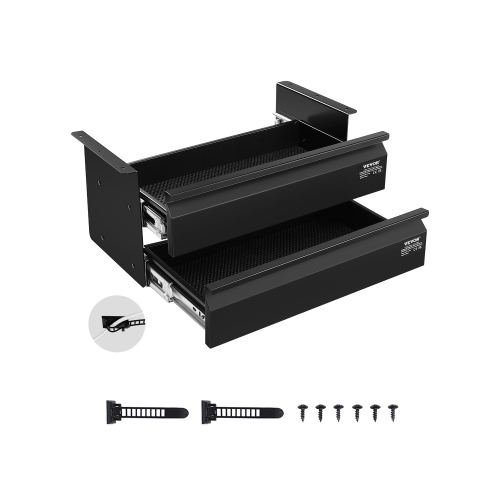


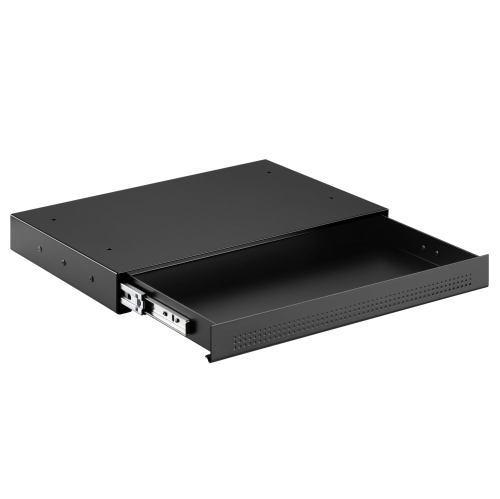
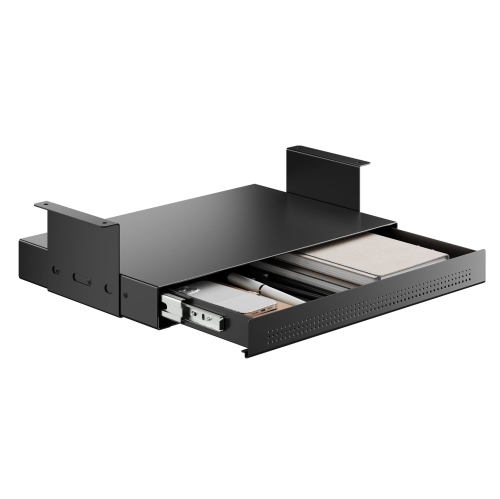
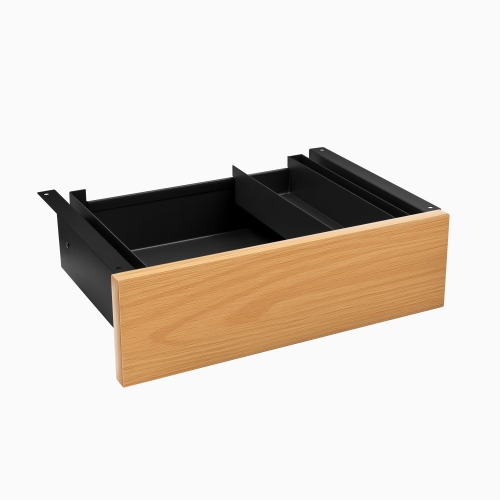
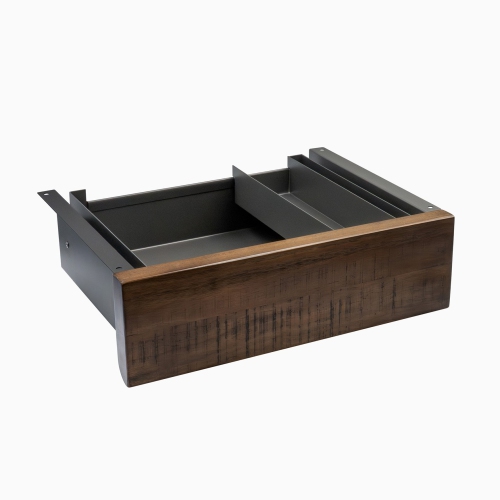
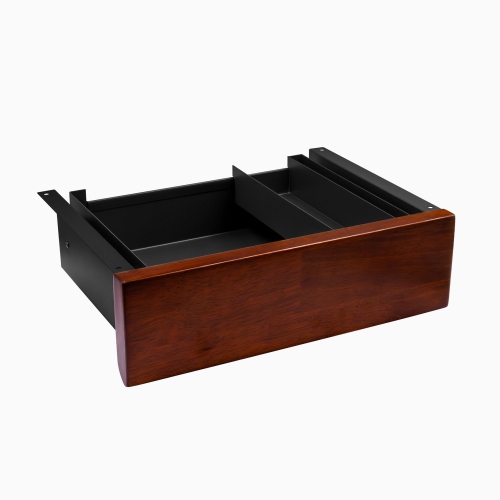
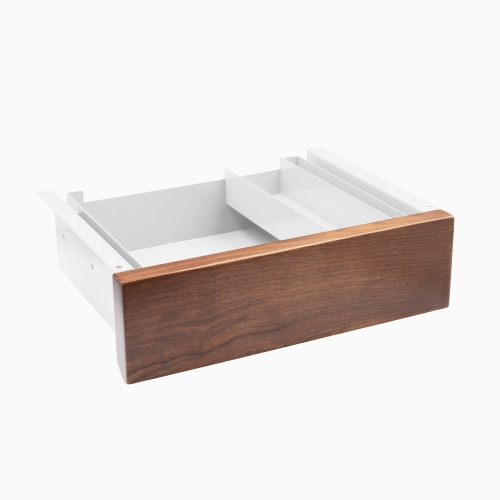
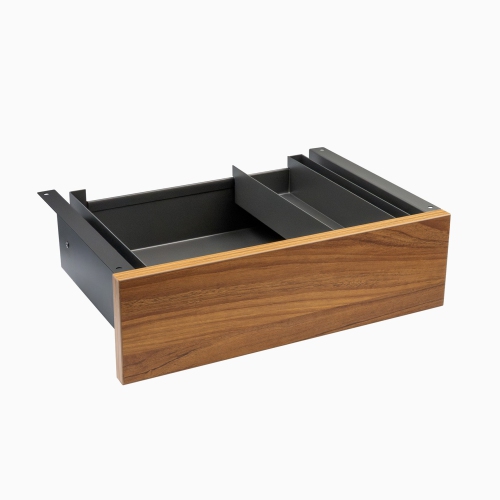
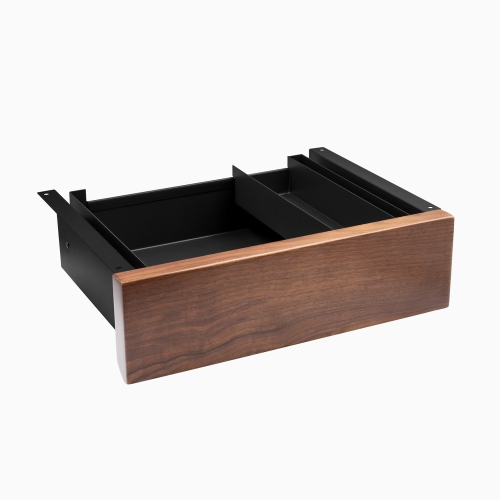
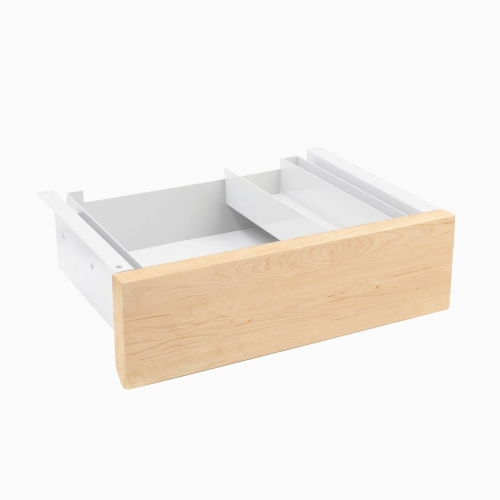
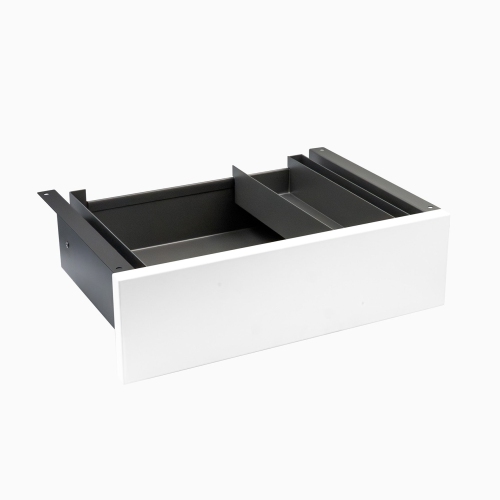
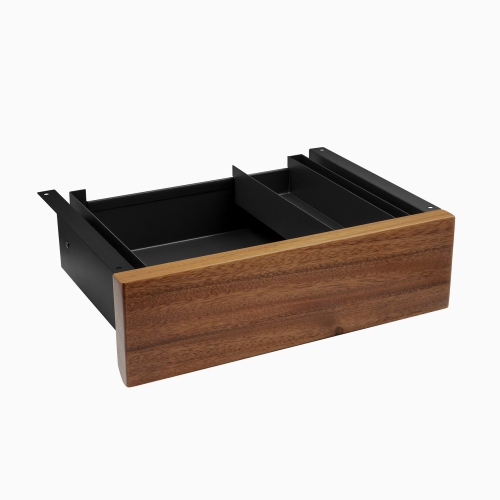
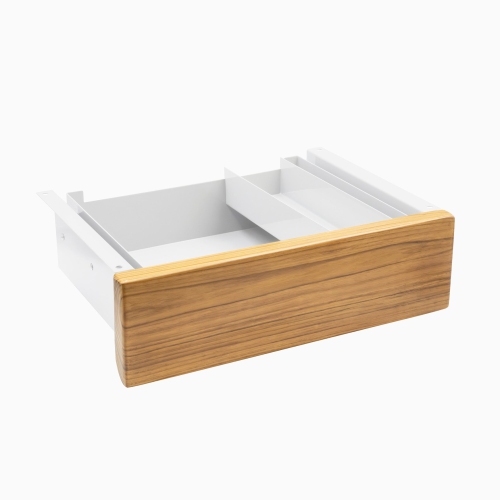
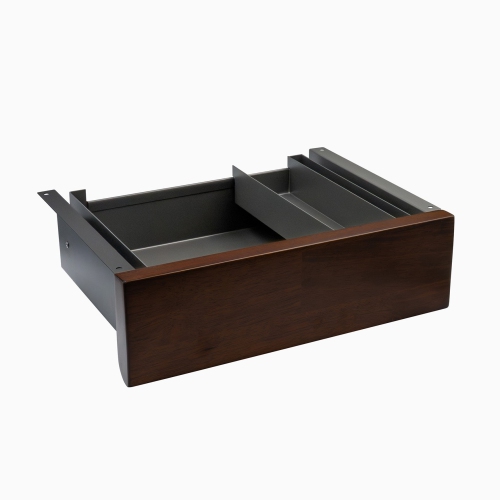
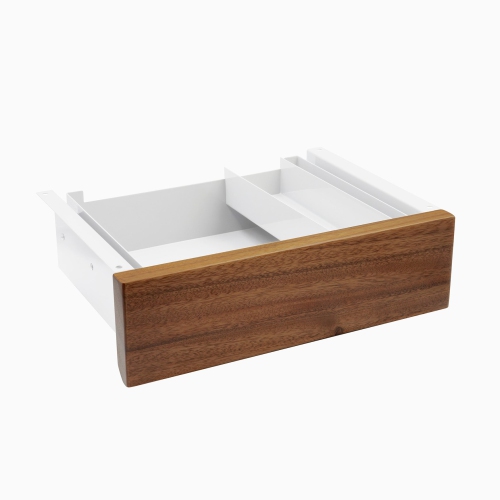
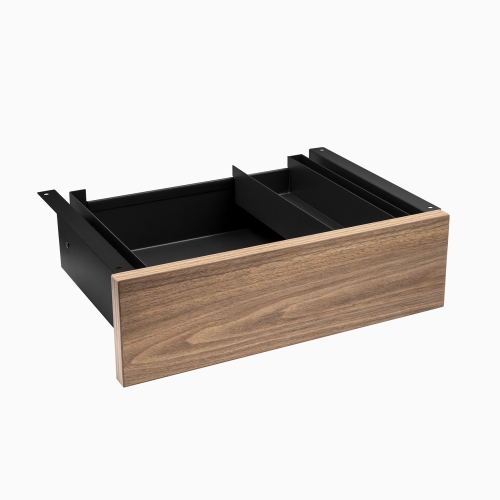
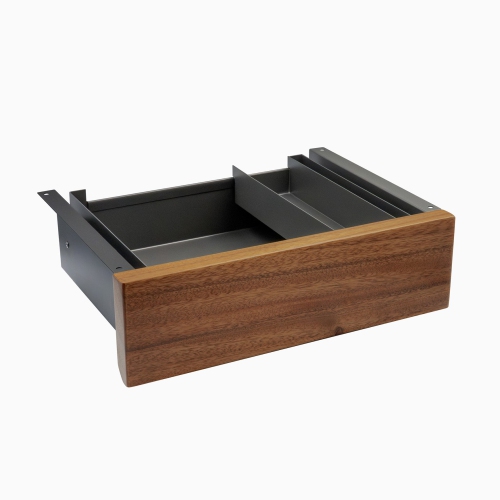
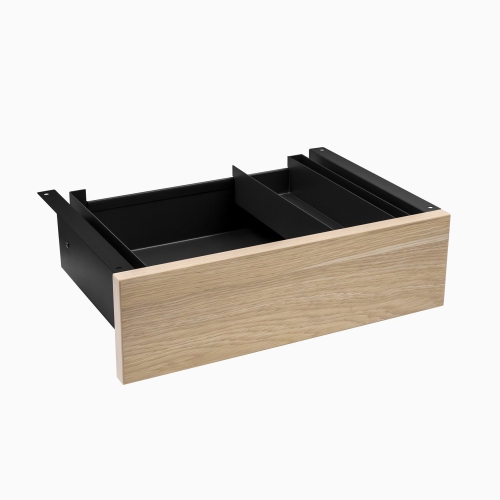
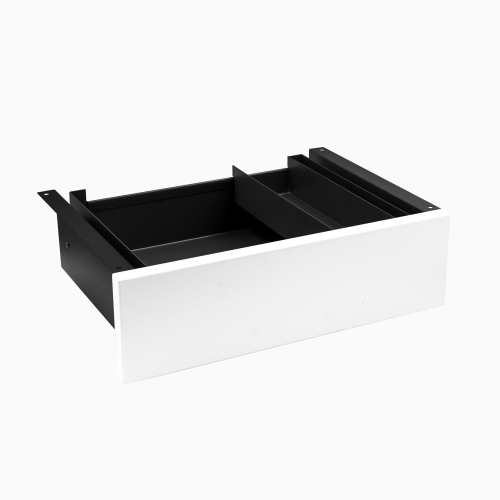
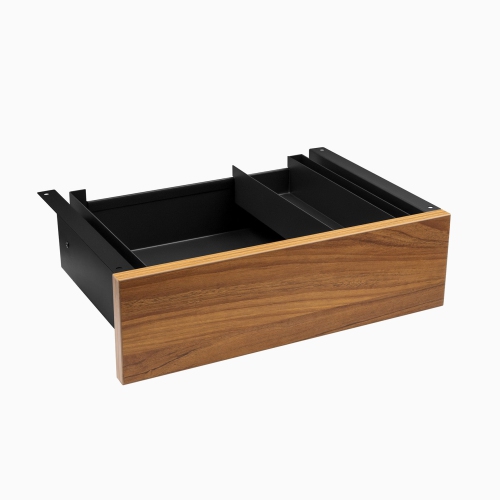
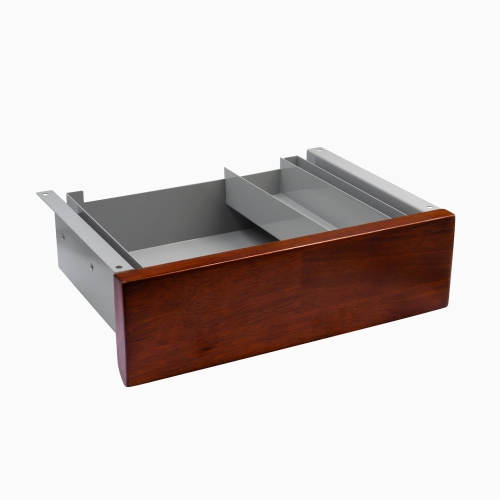
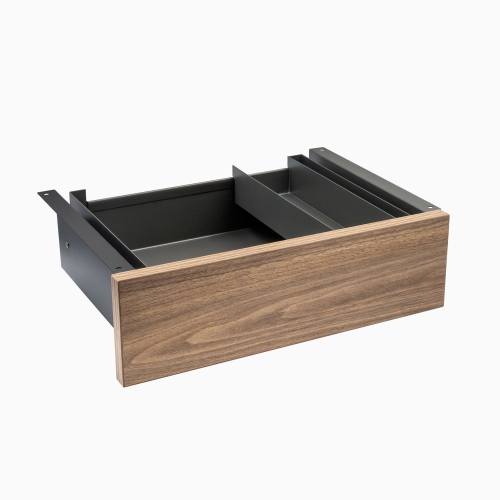
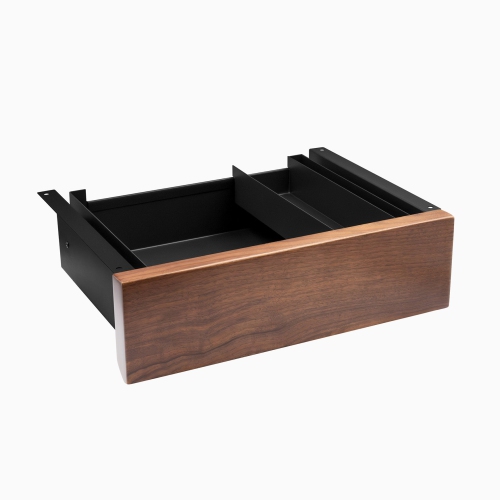
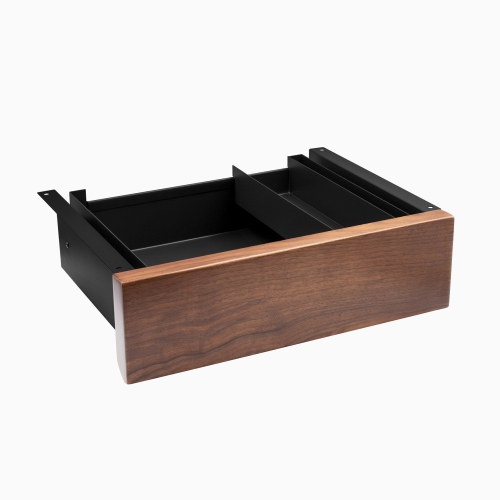
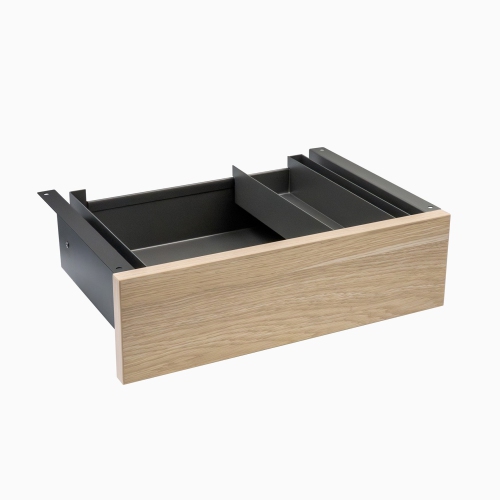
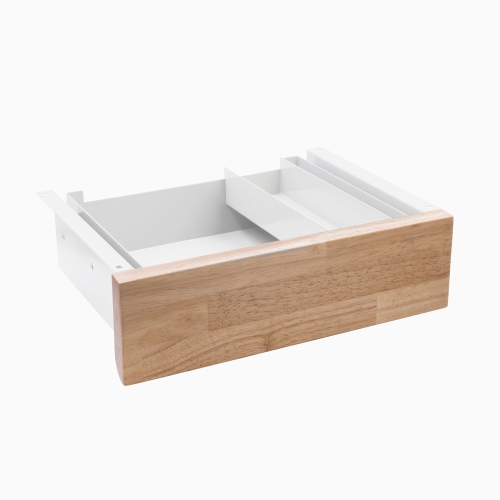
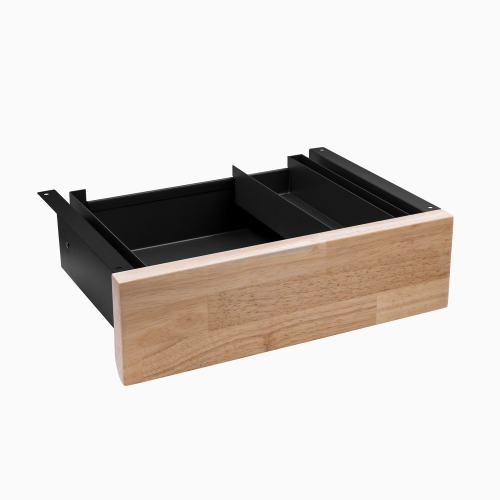
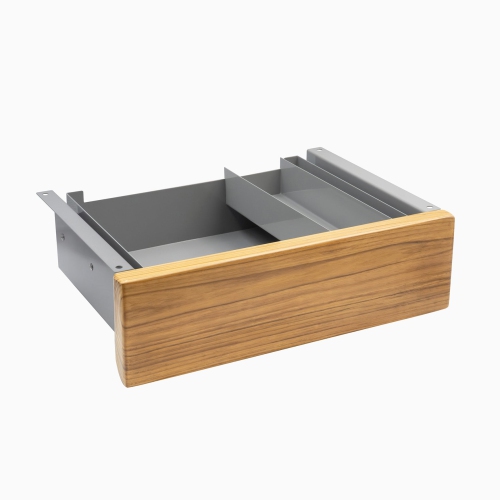
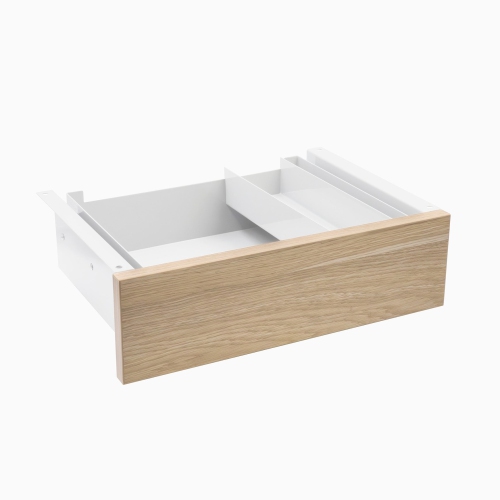
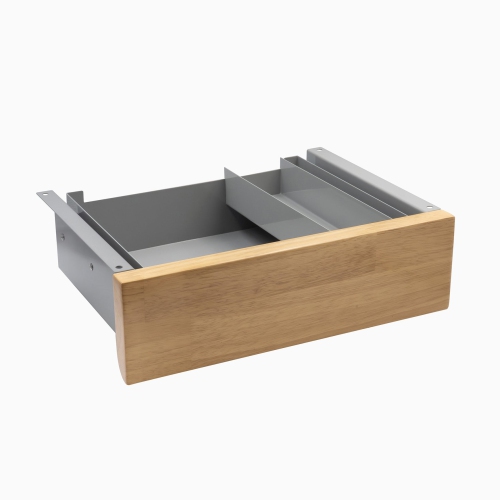
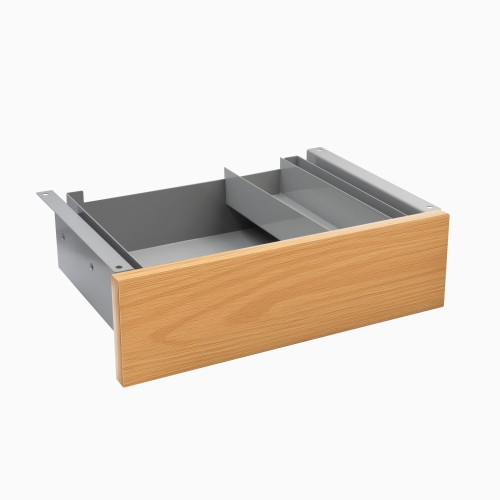
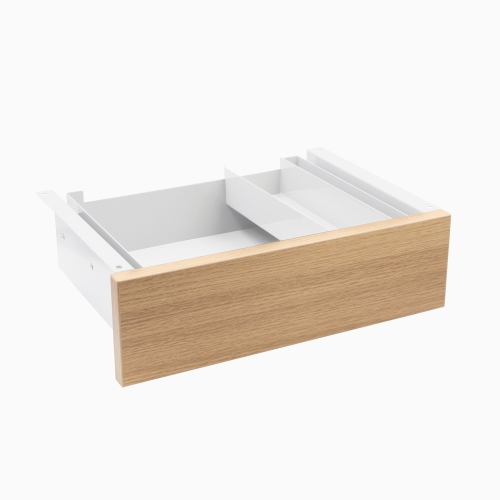
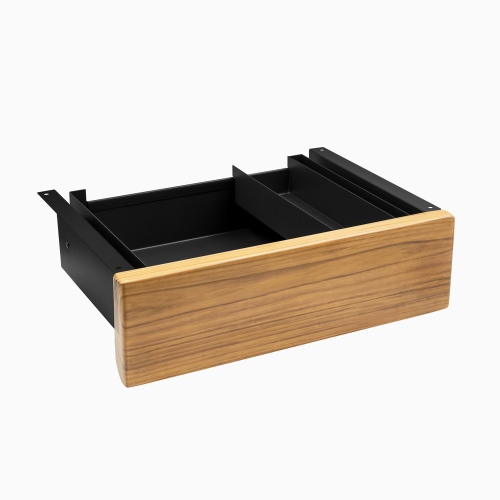
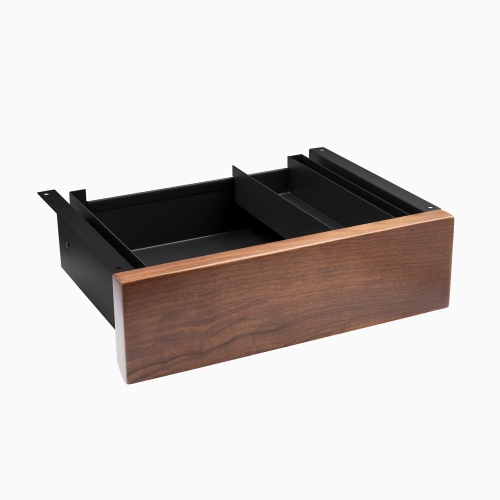
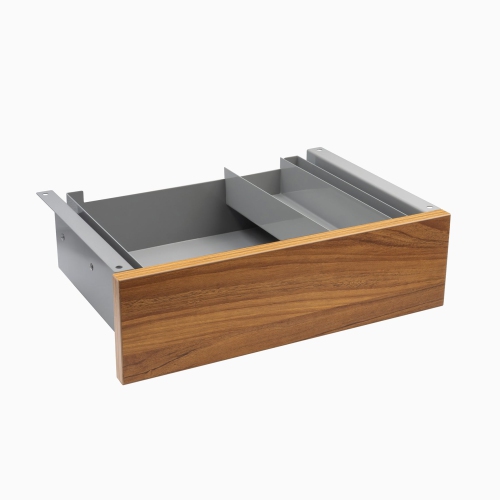
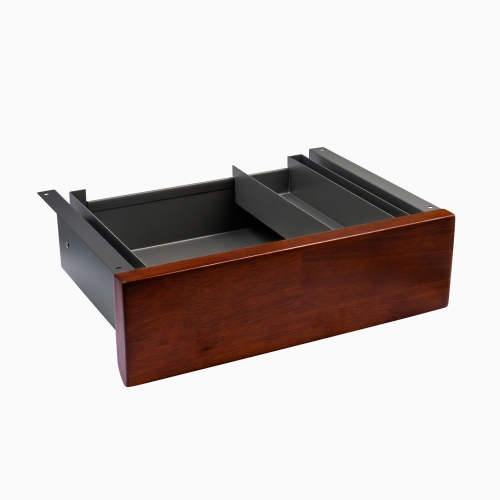
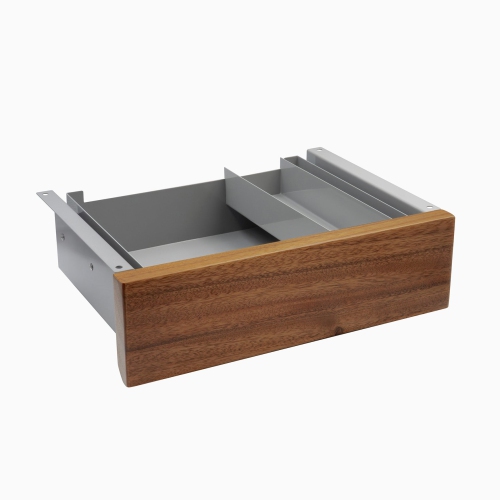
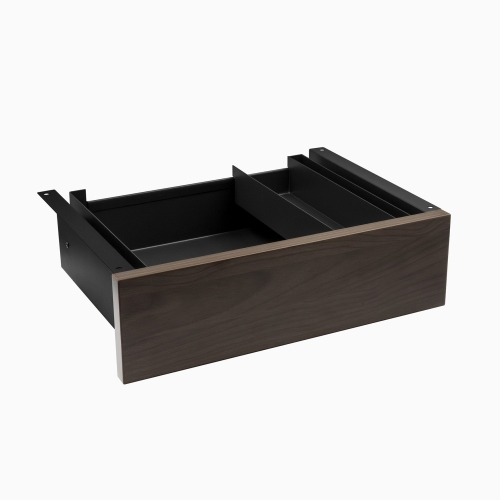
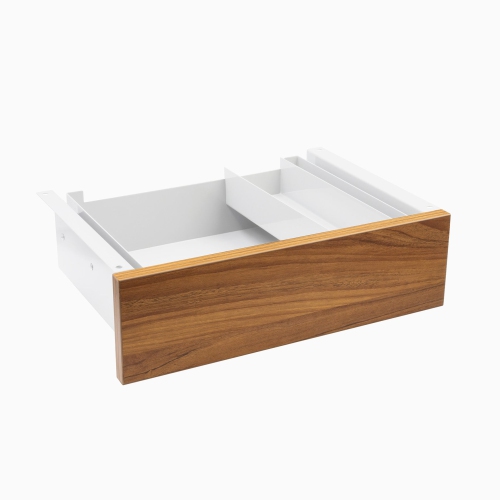
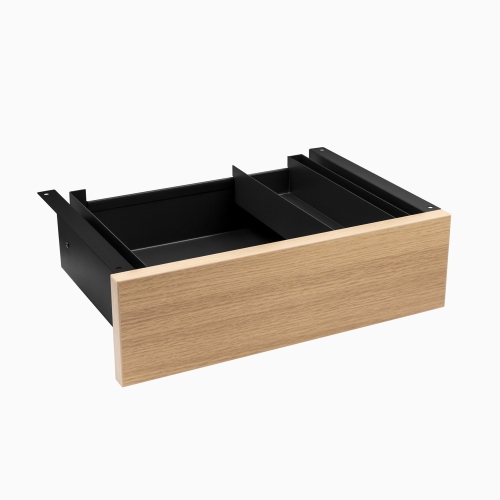
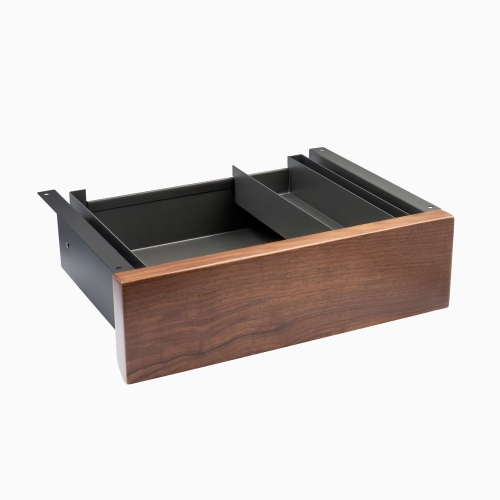
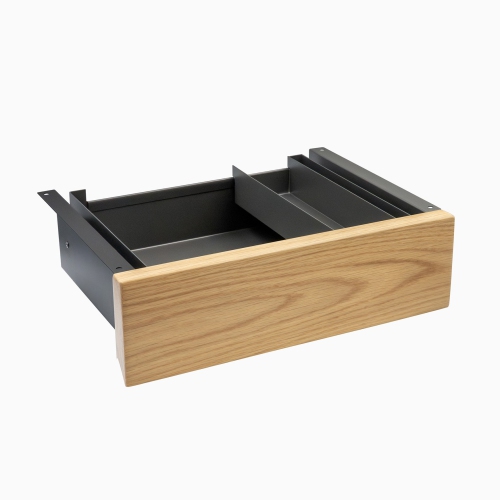
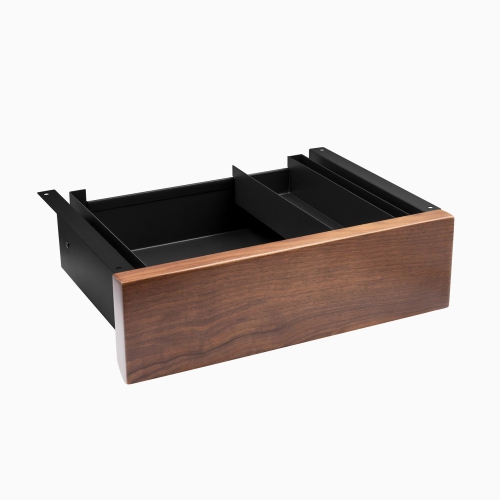
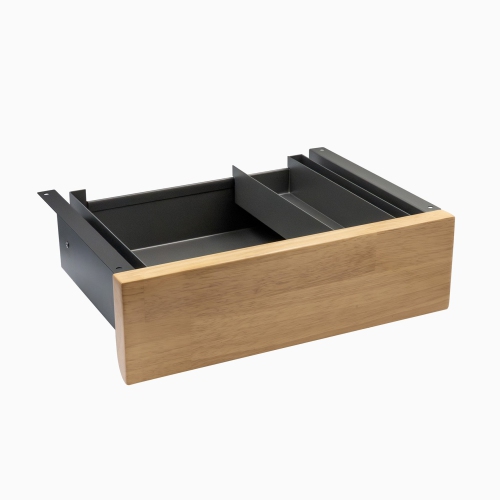
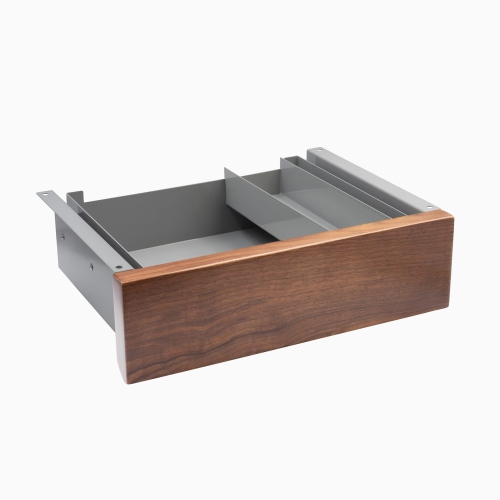
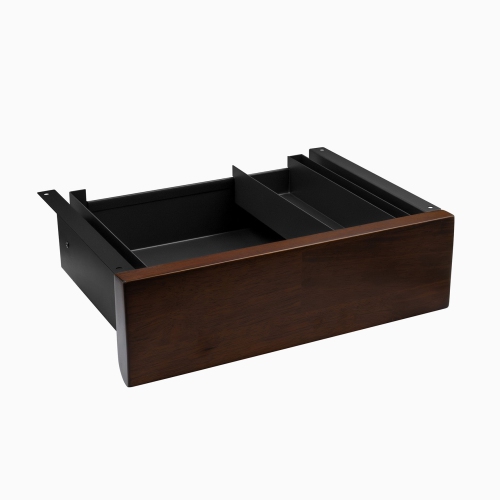
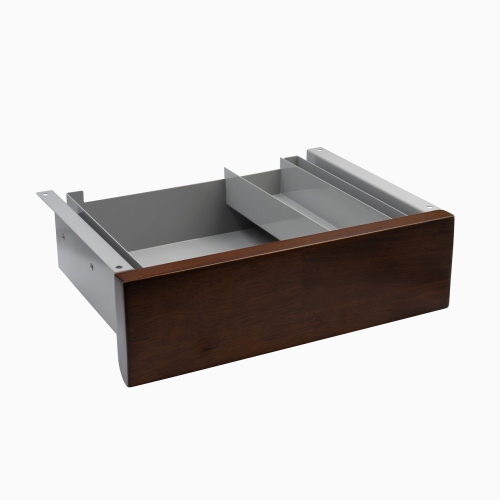
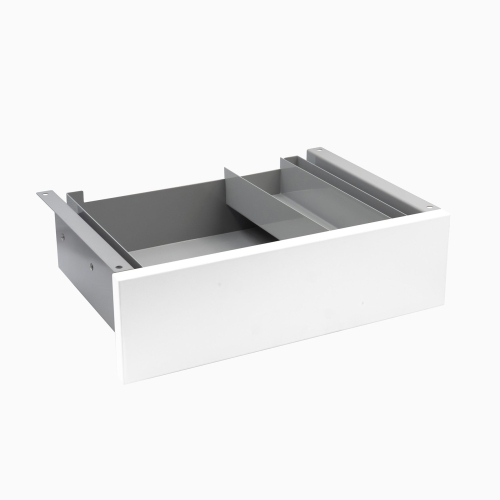
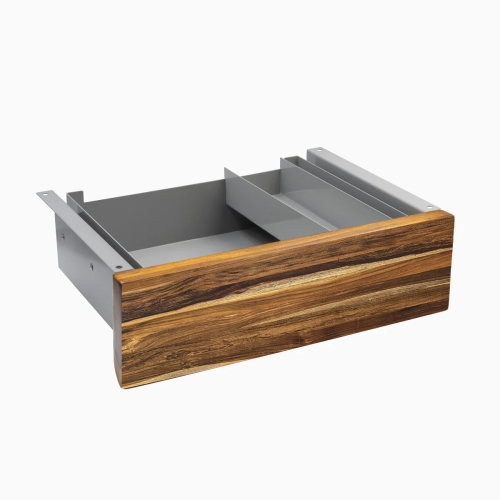
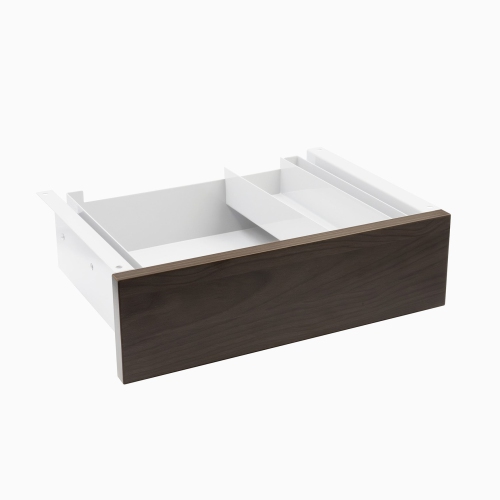
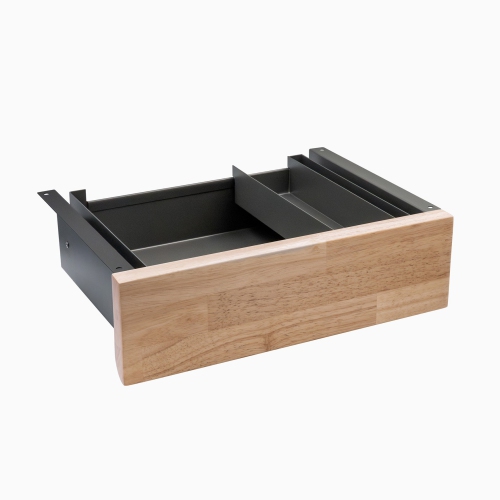
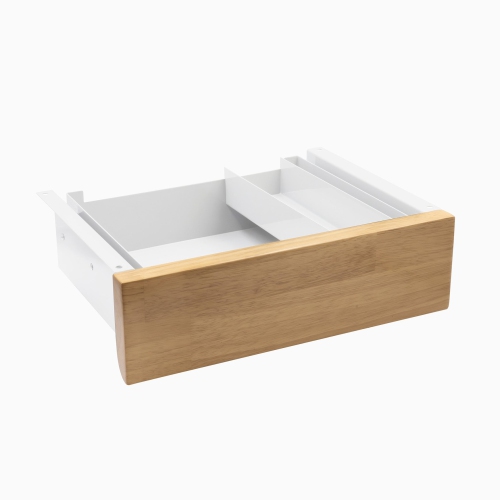
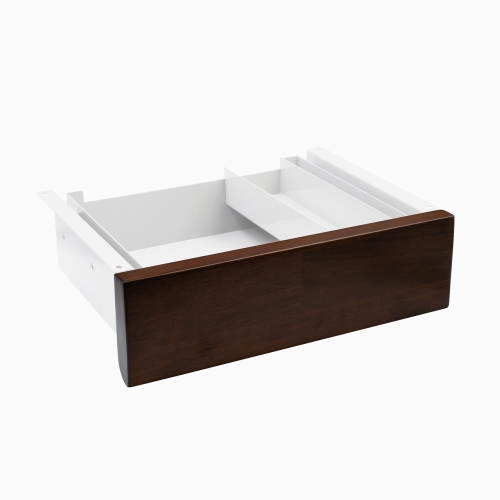
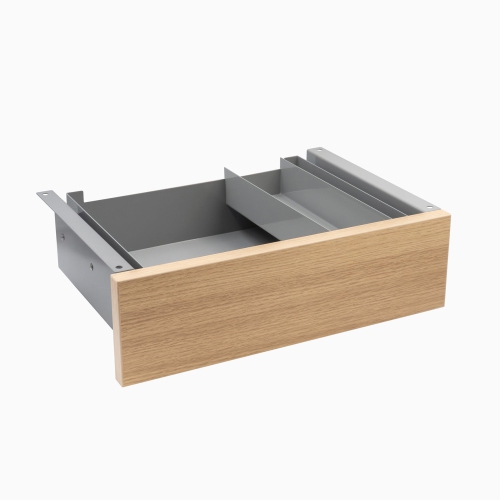
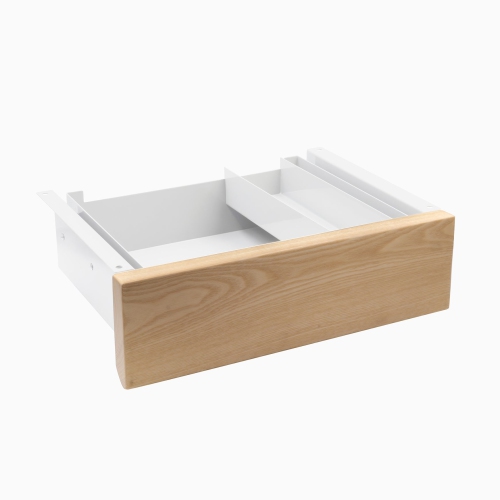
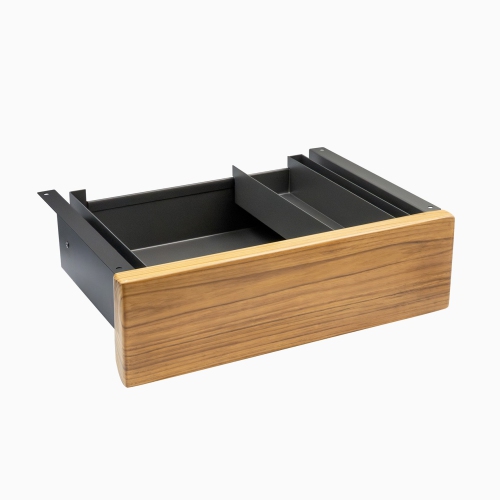
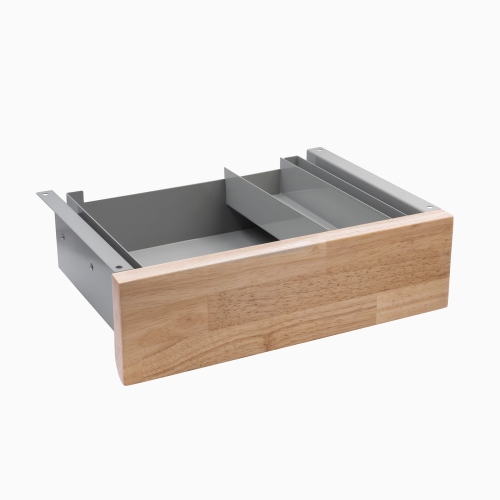
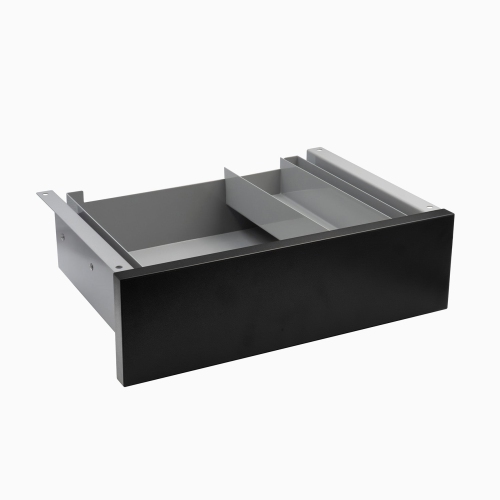
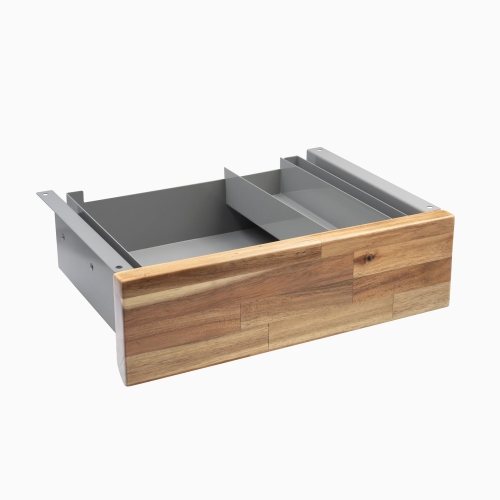
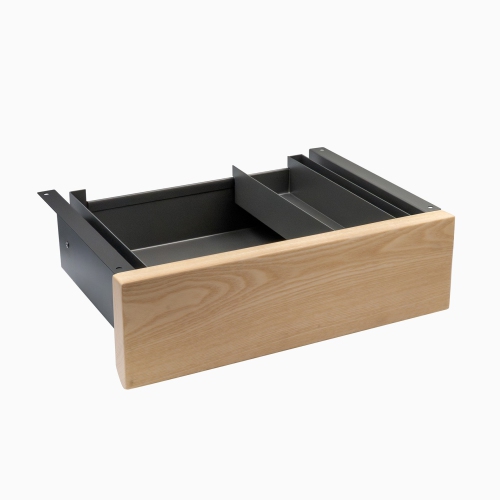
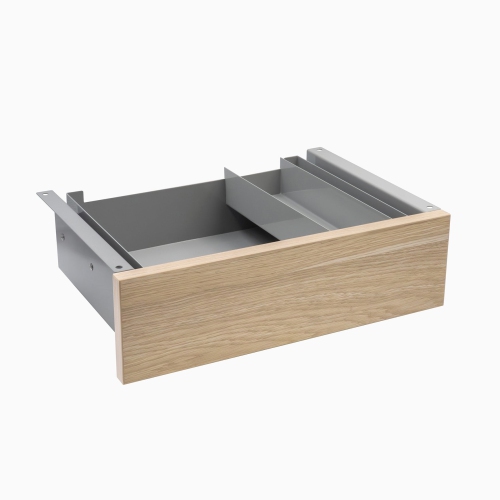
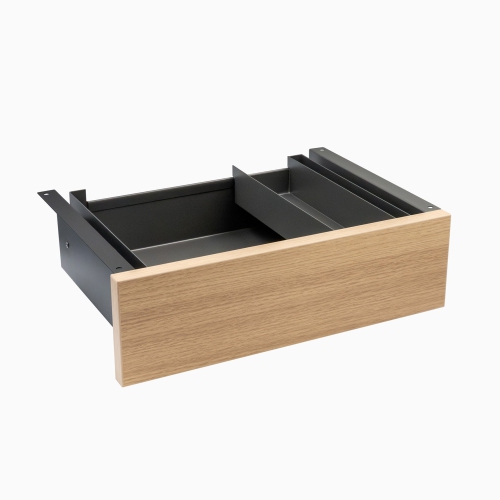
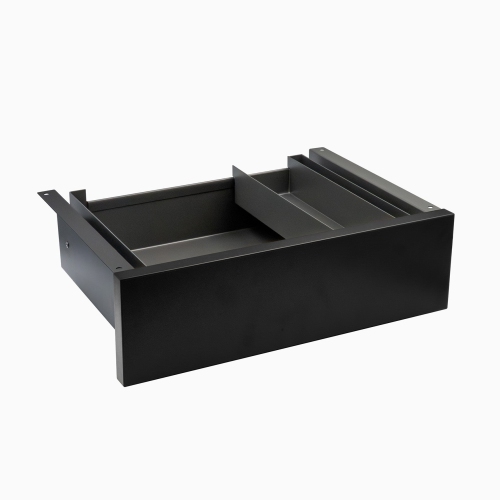
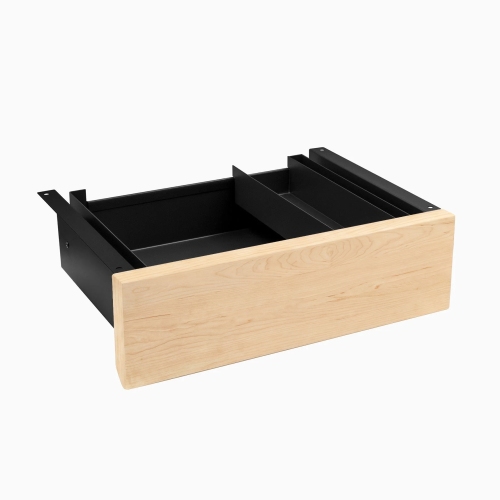
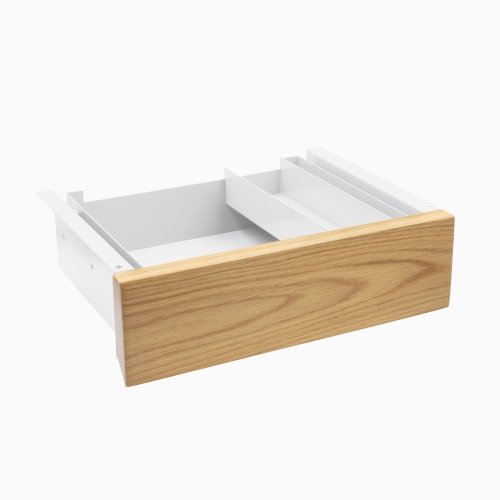
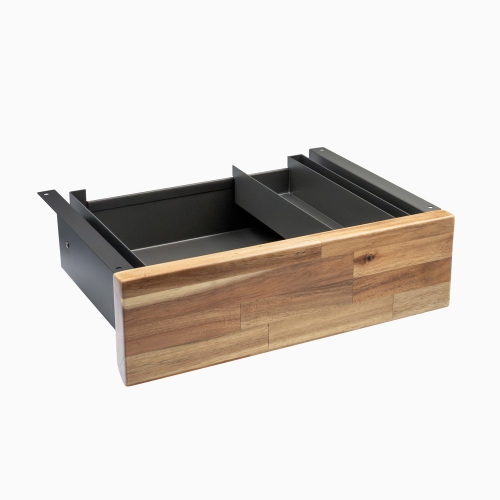
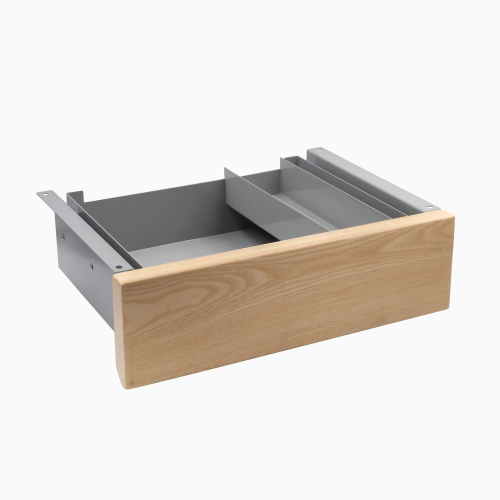
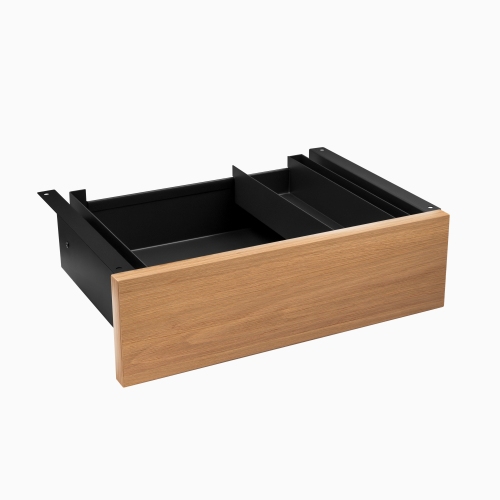
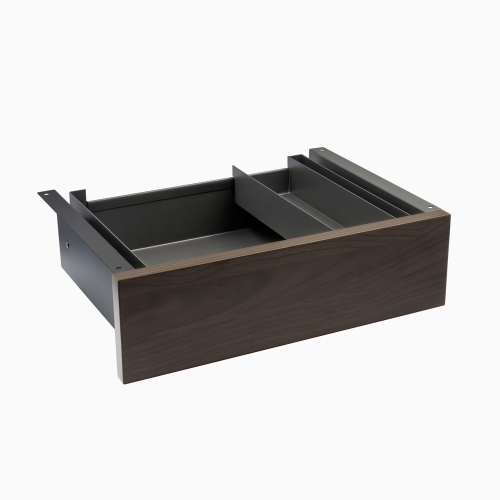
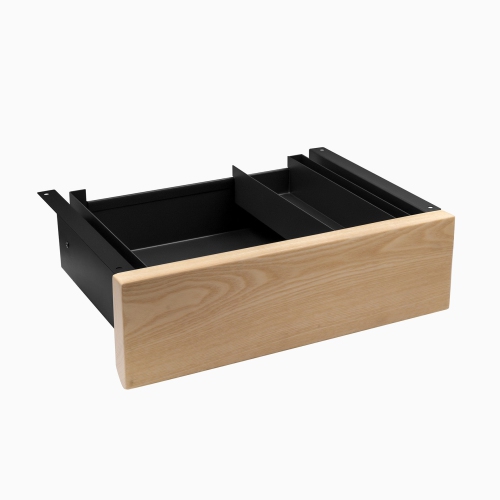

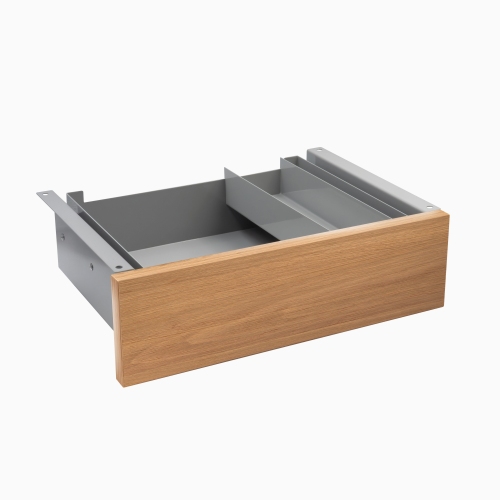
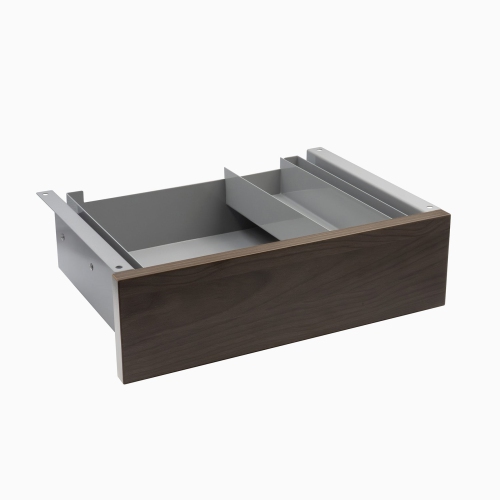
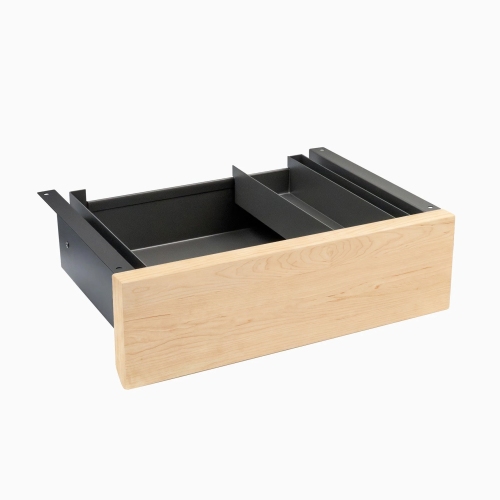
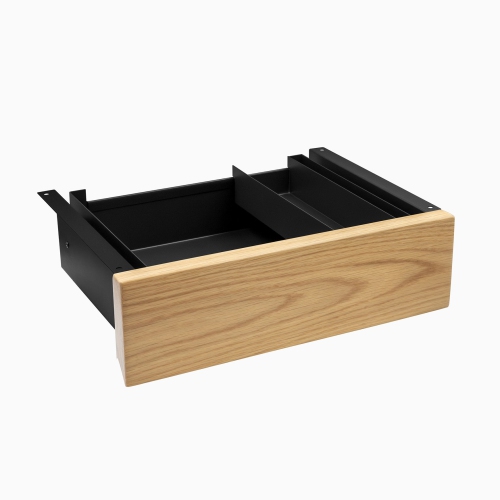
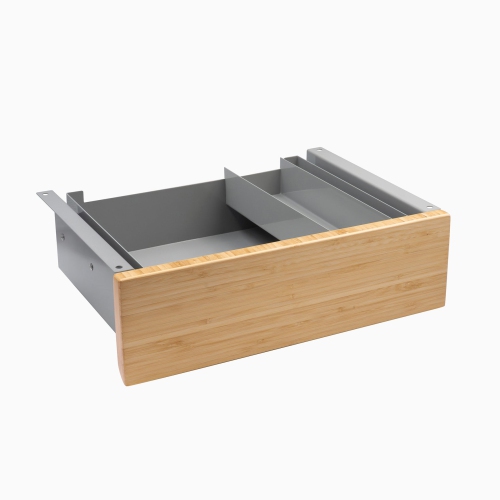
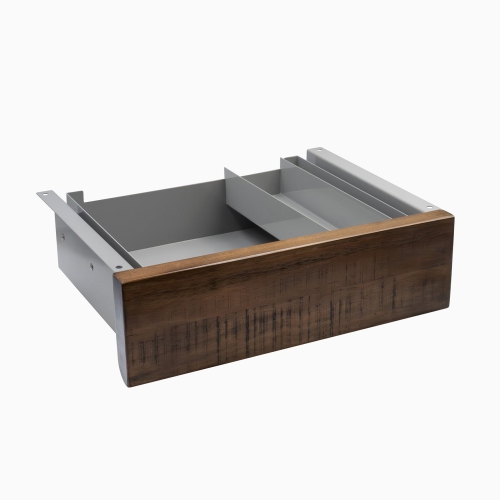
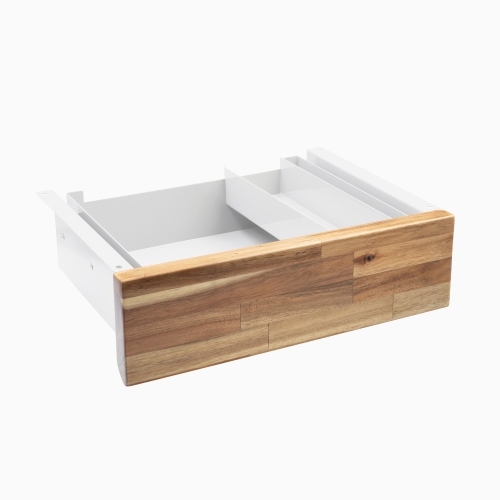
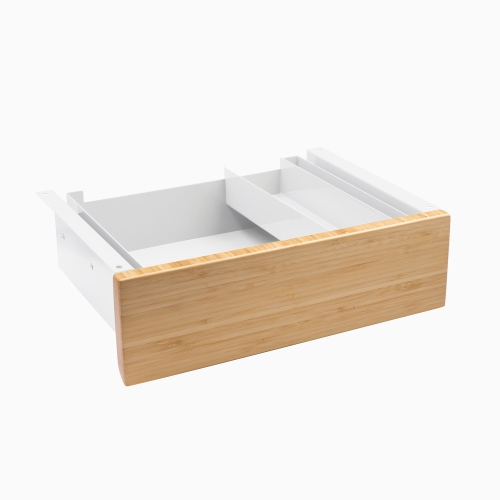
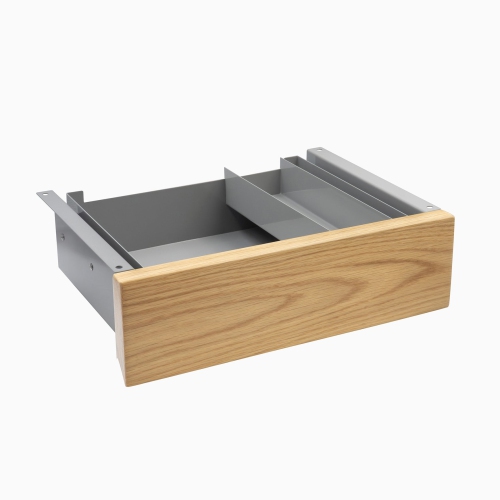
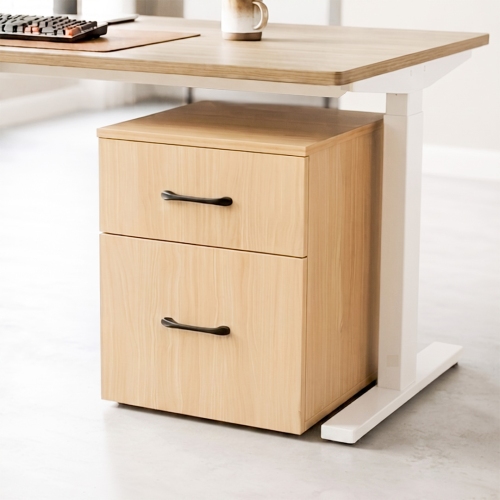


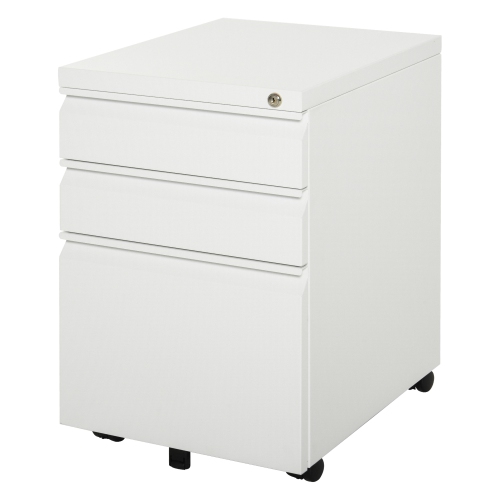
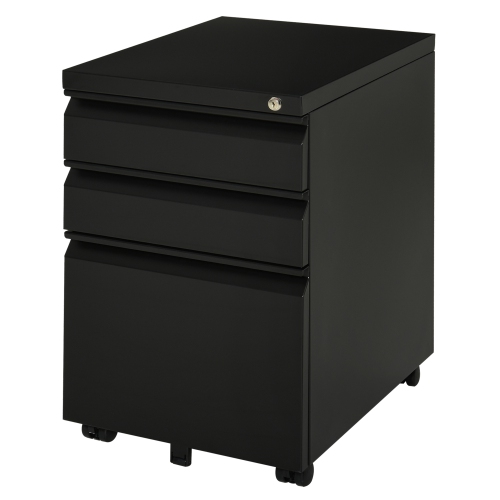

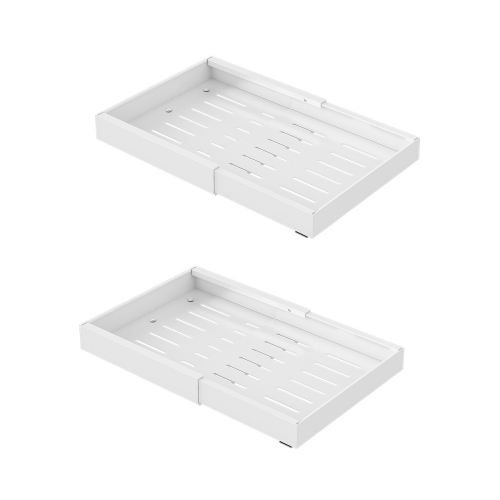
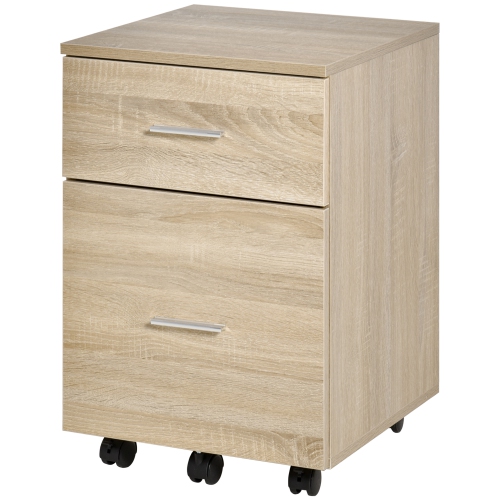
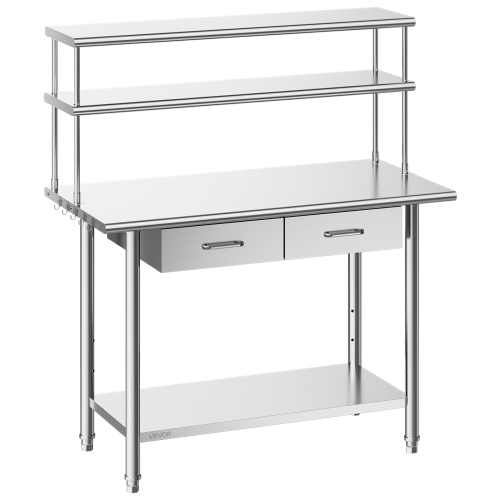

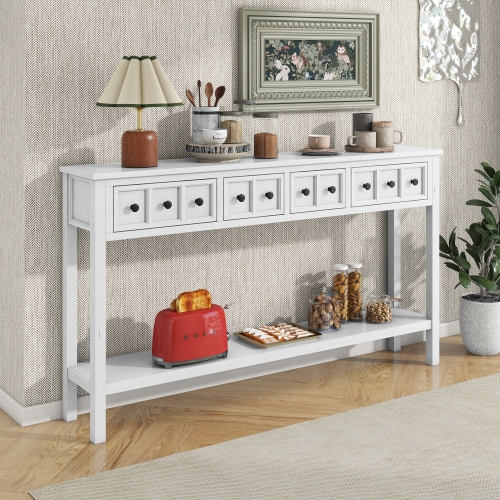

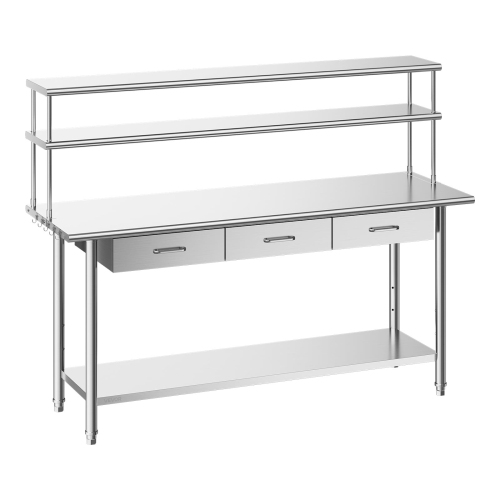
More room to work with essentials tucked below
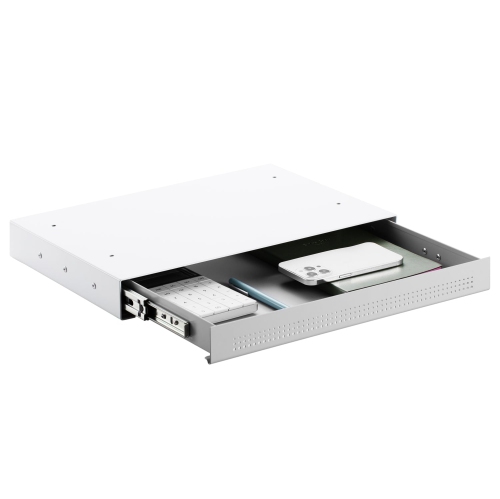
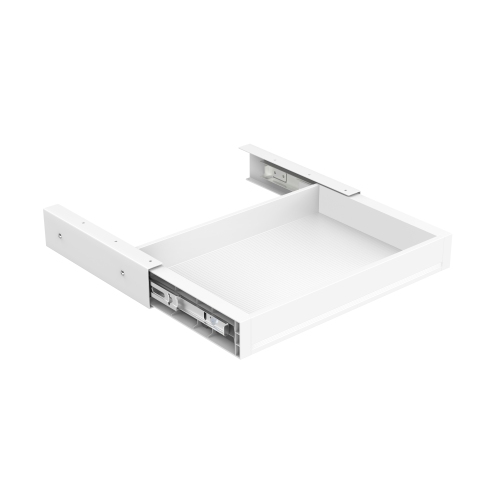
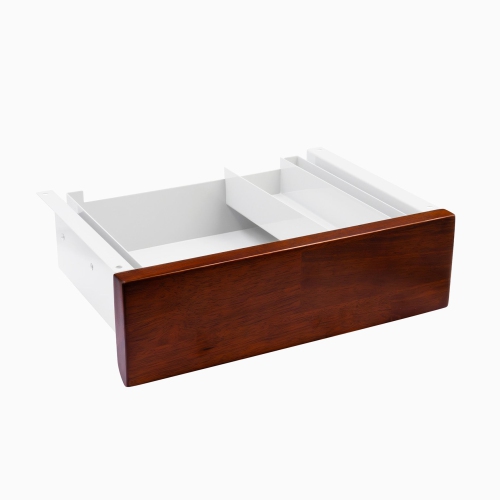
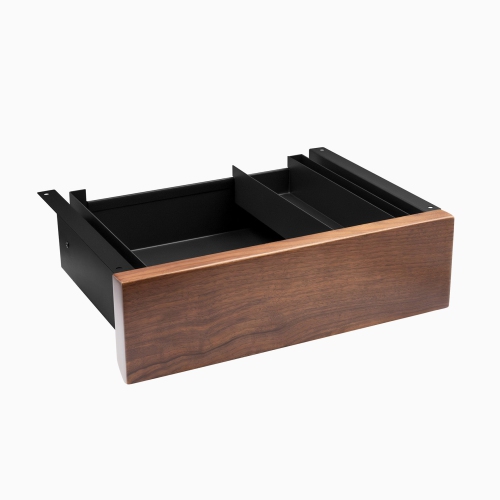
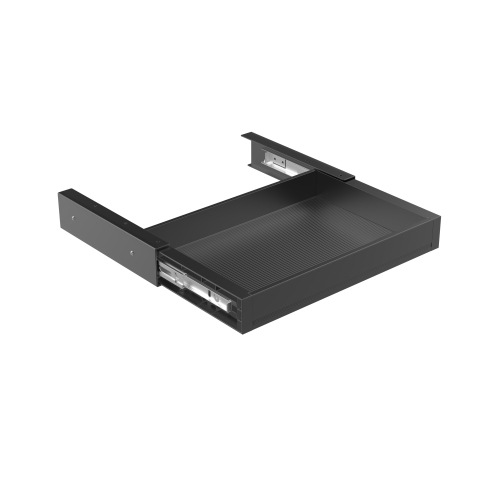
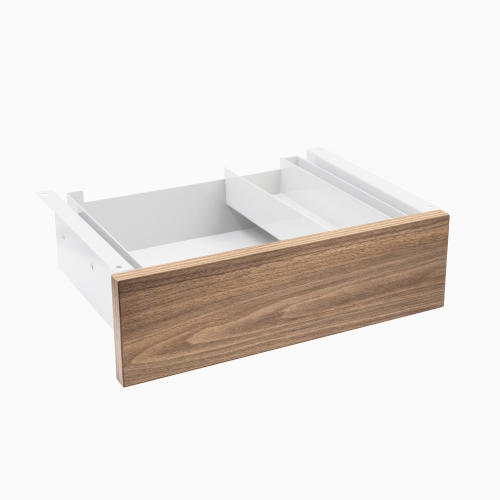
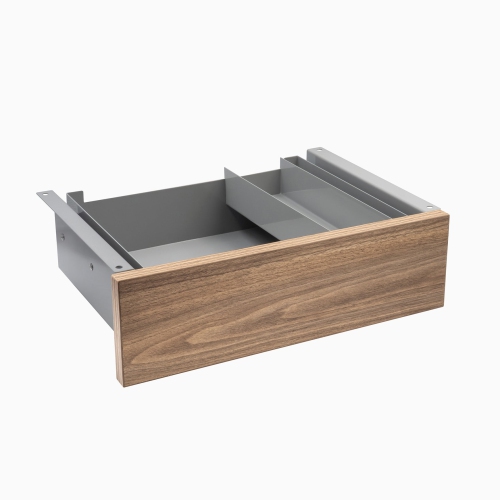
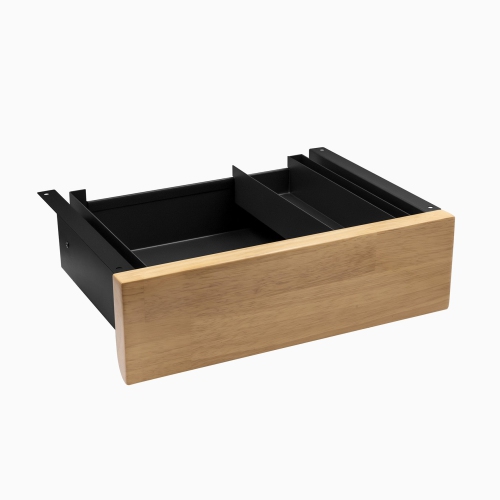
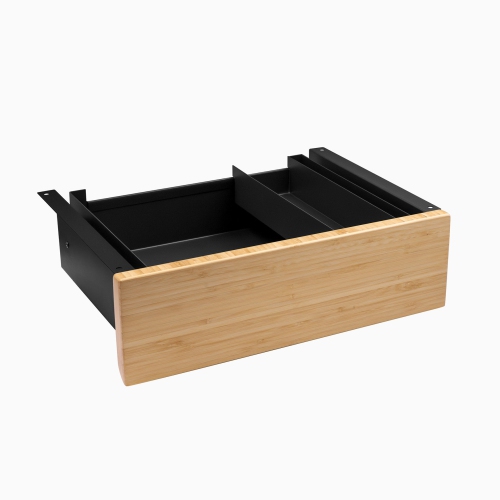
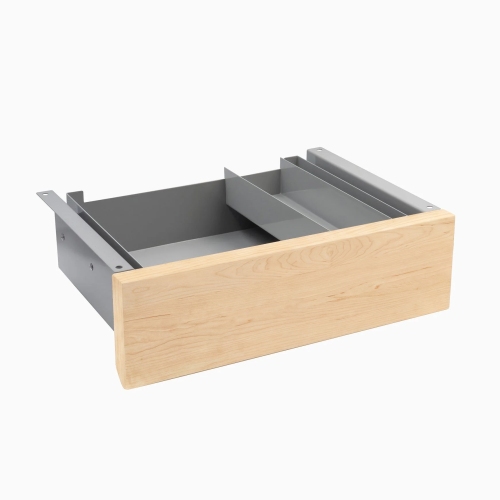
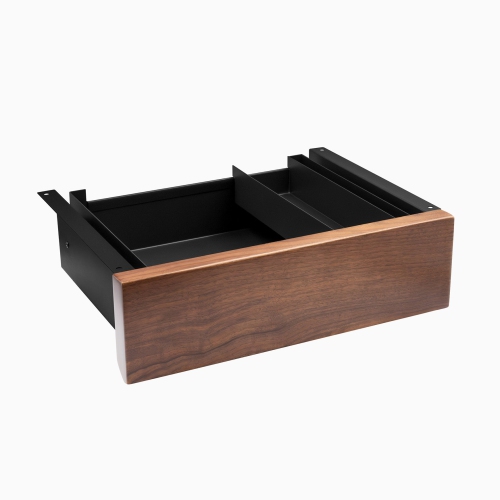
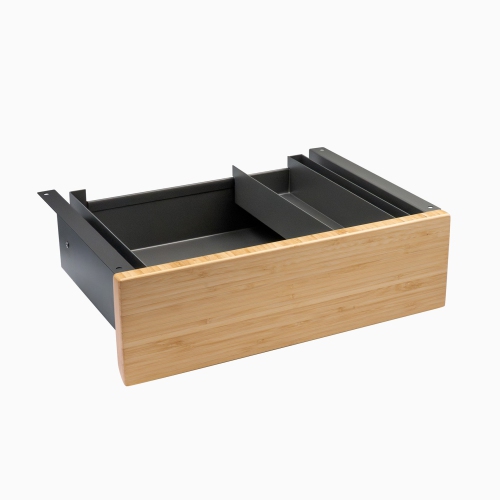
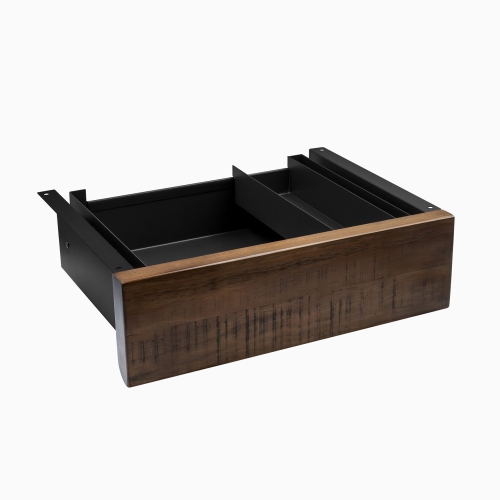
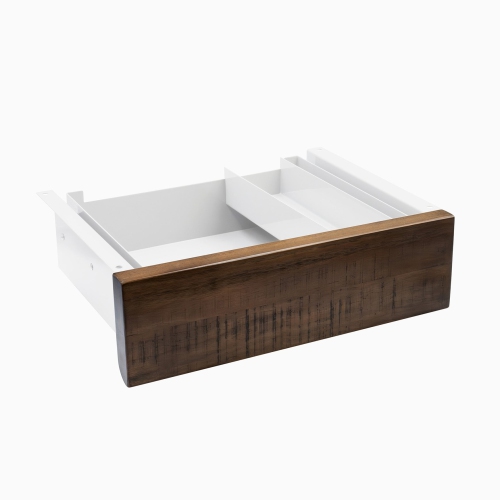
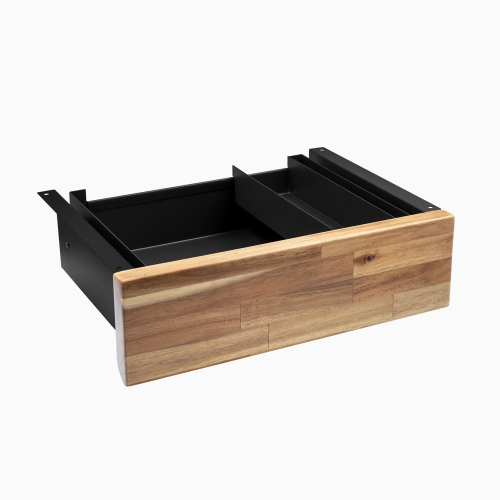
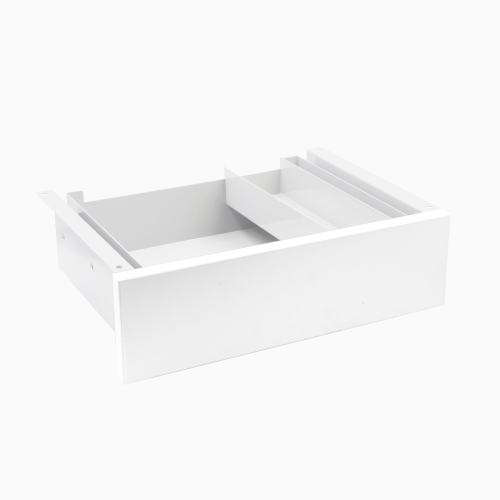
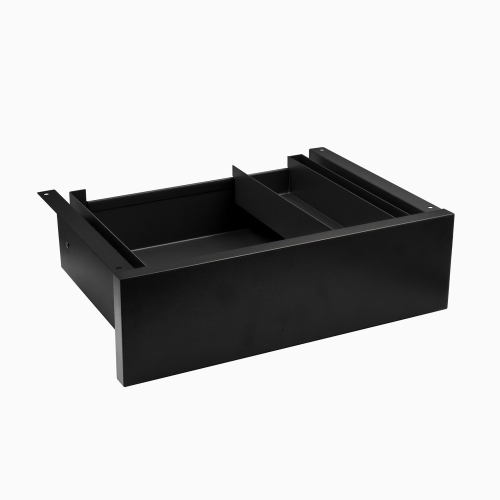
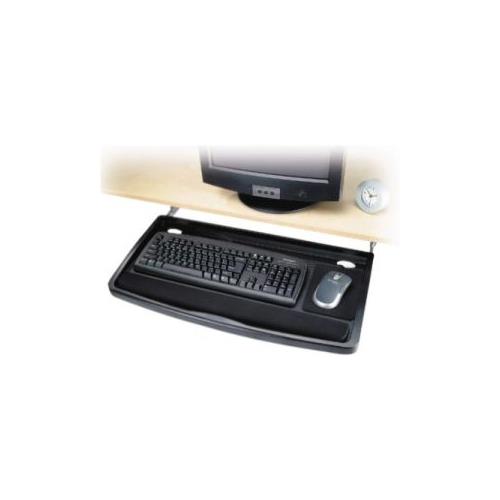
Under-table drawers are slide-out storage compartments that attach beneath a tabletop or desktop, keeping everyday essentials within reach without taking up space on the work surface. They add storage to furniture that has none built in, making them useful for home offices, study desks, craft tables, and shared workspaces. A shallow pencil drawer gives pens, sticky notes, scissors, and charging cables a place to land instead of spreading around a laptop. A deeper compartment can accommodate bulkier supplies, while a wider drawer may offer room for notebooks or other flat belongings. Internal dimensions matter more than the overall exterior size when considering what will fit: drawer slides, sidewalls, and dividers all take up some of that space. Some designs have separate sections for small accessories; others leave the interior open so the layout can change with the task. Lockable under-table drawers provide a way to restrict casual access to personal paperwork or small belongings, although a basic drawer lock should not be treated as equivalent to a security safe. Wide pull-out trays serve a slightly different purpose. A tray designed for keyboard use needs enough usable width, suitable support, and a comfortable working position, rather than simply enough space to hold a keyboard when it is not in use. For someone working at a compact desk, moving loose supplies below the tabletop leaves more room for a monitor, an open notebook, or a writing area. At a shared household table, a discreet drawer can keep homework supplies together between study sessions without leaving a permanent organizer on top. The appeal is straightforward: the contents stay close to where they are used, while the surface remains easier to clear for the next activity. For students, remote workers, hobbyists, and anyone sharing a multipurpose room, that small addition can make an existing table more practical without introducing another piece of floor-standing furniture.
Fit depends on the space beneath the table as much as the drawer’s stated width and depth. The underside needs a suitable mounting area, and the drawer body and slides must clear table legs, support rails, crossbars, cable trays, and other attachments. An apron—the frame running beneath the edge of some tabletops—can prevent a drawer from sitting flush or opening properly. A drawer also occupies space above the user’s lap, so its installed height matters, especially with a lower table or a chair with arms. A shallow design may preserve more knee room, while a deeper one offers more storage at the cost of clearance. The opening path deserves attention too: a drawer that fits when closed still needs room to extend without hitting the chair or forcing someone to move back awkwardly. For standing desks, compatibility also depends on the lifting frame, moving components, and any cables that travel with the desktop. Mounting methods generally fall into adhesive and screw-mounted designs, each with different requirements. Adhesive-mounted drawers are typically intended for lighter contents and rely on a clean, compatible surface, the specified curing time, and the manufacturer’s load limit. Textured, dusty, uneven, or delicate finishes may not provide a suitable bond, and removing an adhesive mount can affect some surfaces. Screw-mounted drawers use mechanical fasteners, but the tabletop must have suitable material and enough thickness to accept them safely. Hollow-core tops, thin panels, glass, and stone require particular care and should not be assumed compatible with standard mounting hardware. Screw length is especially important because an overlong fastener can damage the upper surface. The mounting method alone does not establish how much a drawer can hold; the drawer, hardware, and tabletop all contribute to the installed weight capacity. A drawer filled with metal tools places different demands on its mounting points than one holding stationery, even when both compartments appear equally full. Secure attachment and adequate clearance help make opening and closing feel like a natural part of the workspace.
Materials and construction influence how an under-table drawer feels in daily use and how it stands up to repeated opening. Plastic drawers are often lightweight and easy to wipe clean, making them practical for stationery and other light supplies. Metal designs can provide a rigid compartment, with the finish helping protect the surface from everyday wear. Wood and wood-based designs may coordinate more closely with existing furniture, although their weight and care requirements vary. Across materials, useful details include smooth interior edges, securely attached handles, stable slides, and a stop that helps prevent accidental overextension. The amount of travel affects access: a drawer that opens farther makes it easier to reach small objects at the back, provided the surrounding space allows it. A low-profile pull can stay out of the way beneath a busy work surface, while a recessed grip reduces protruding hardware near knees or clothing. Inside, removable dividers or a liner can help keep small accessories from shifting, but loose contents should not interfere with the slides or prevent the drawer from closing. Cable openings, where included, may help route a charging lead, though the cable still needs enough slack to move without catching or being pinched. Routine care is usually simple: remove crumbs and dust, wipe surfaces with a material-appropriate cloth, and dry any moisture promptly. Slides and fasteners benefit from occasional inspection, with adjustment or lubrication only as directed by the manufacturer. Overfilling can strain the mechanism and make a useful compartment frustrating to operate. Under-table storage suits an existing table with a compatible underside; furniture designed with storage from the outset, such as tables with drawers, offers another approach when a complete furniture change is appropriate. A well-fitted add-on drawer keeps the table’s original purpose intact, whether that means room to write, space to assemble a project, or a clear surface after the work is done.
Top selling and popular products
-
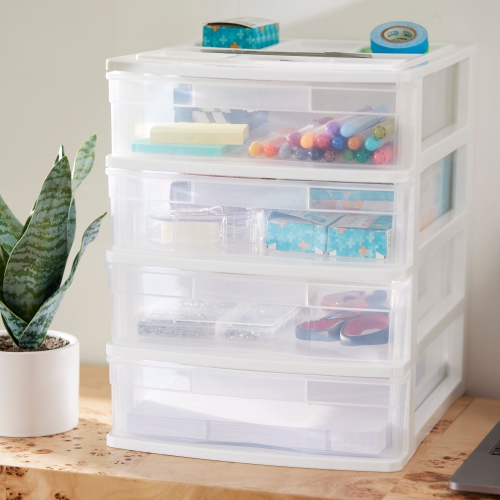 Your price for this item is $173.99
-
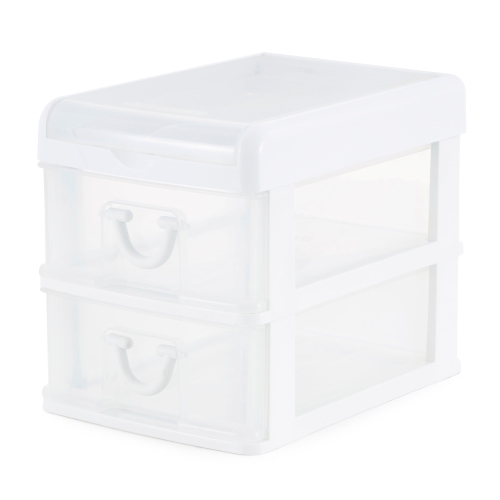 Your price for this item is $74.99
-
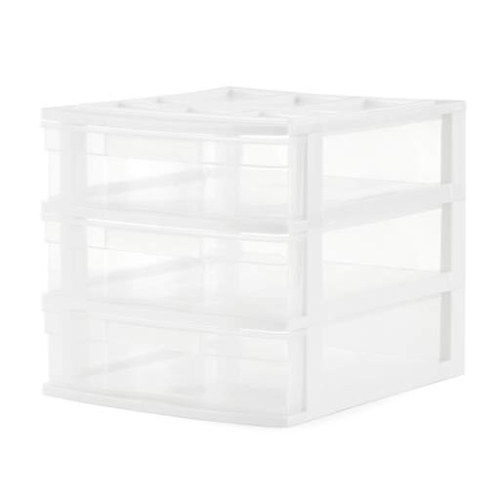 Your price for this item is $78.99
-
 Your price for this item is $309.99
-
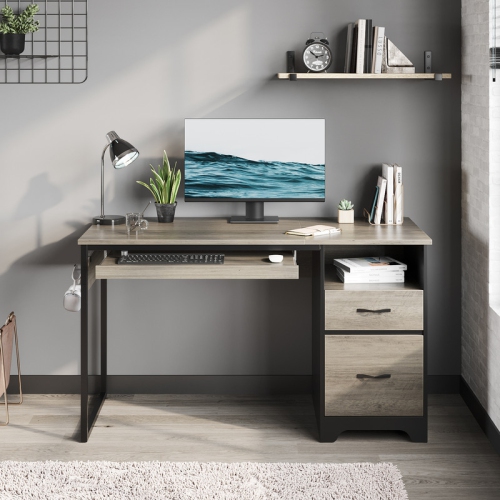 Your price for this item is $239.99
-
 Your price for this item is $19.99
-
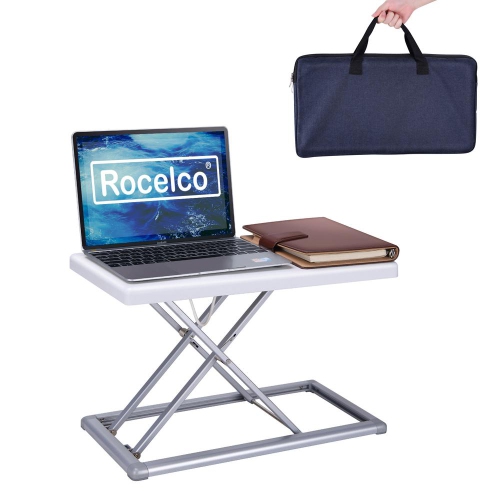 Your price for this item is $129.99
-
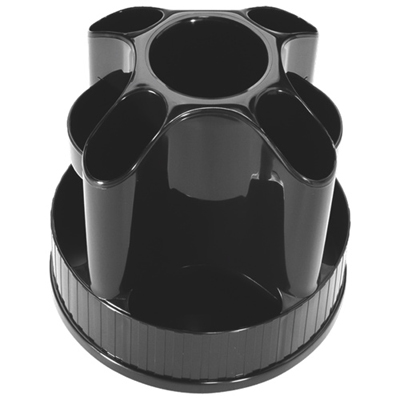 Your price for this item is $47.99
Discover more categories related to Under Table Drawers
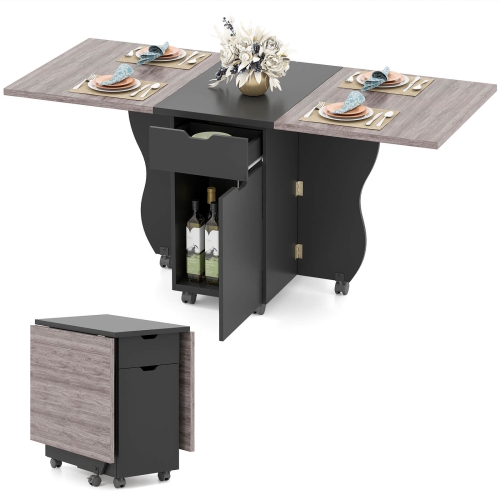
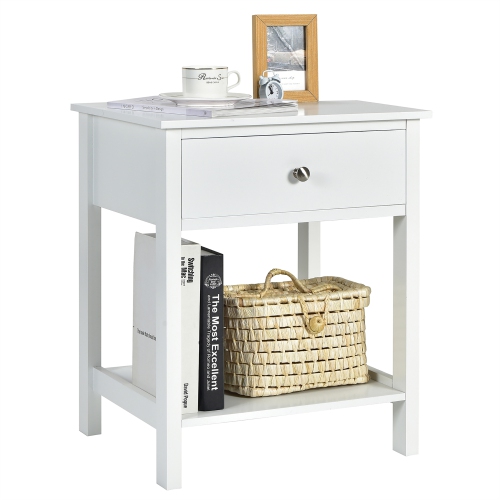

Top Collections:
Best Black Friday Deals This Year, Best Black Friday Deals On Electronics, Kindle Devices, Pokemon Centers, Best Black Friday Deals On Apple Products, Best Cameras for Sports Photography, Dyson Airwrap, Pokémon 30th Celebration Cards, Apple iPhone 17 Pro, Canon G7X Cameras
Some products may be subject to Environmental Handling Fees
(EHF) depending on your province.
Learn more about EHFs.