University Student Audio Devices
University Student Audio Devices are designed to help you get the most out of your academic and social life on campus. Whether you’re tuning in to online lectures, relaxing with your favorite playlists, or joining virtual study sessions, the right audio devices can make all the difference. Explore a wide selection of options that fit your needs, from compact earbuds for commuting between classes to over-ear headphones perfect for focused study time. Find University Student Audio Devices that match your style, budget, and daily routine.
Sort



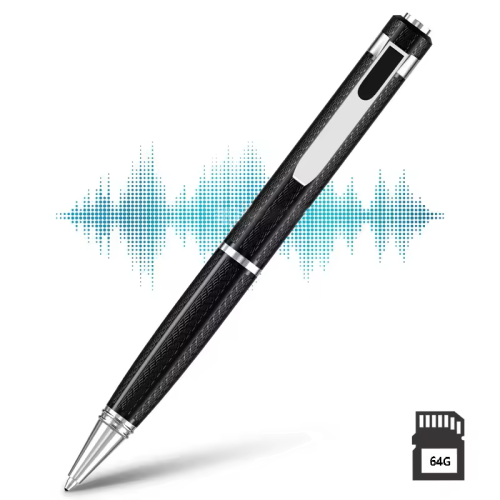
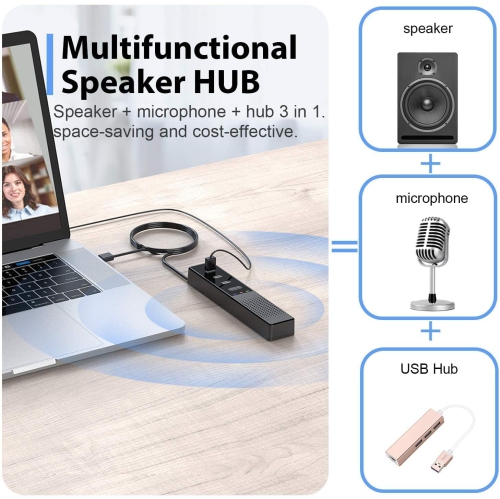
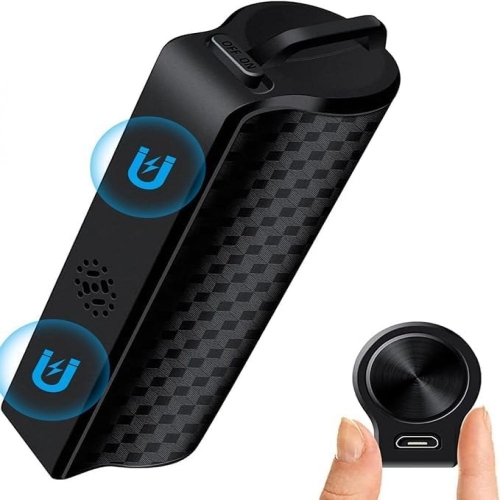
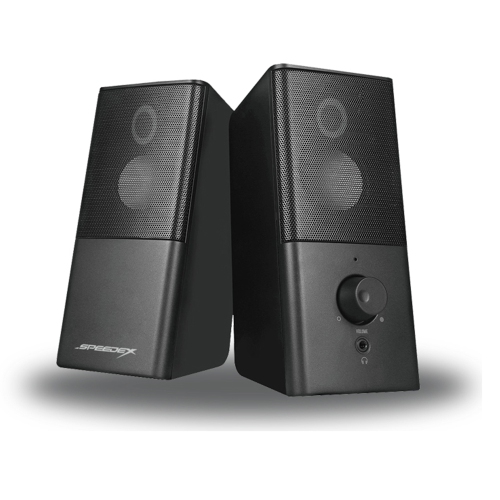
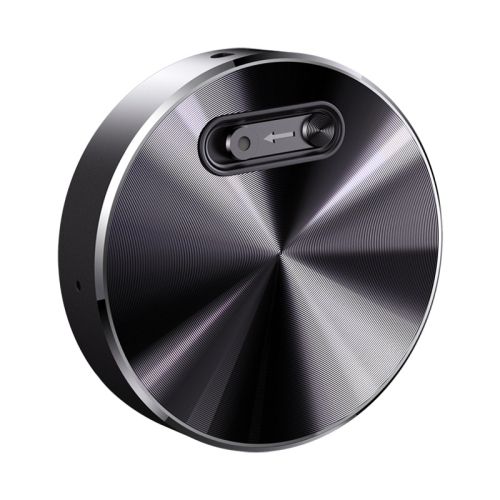
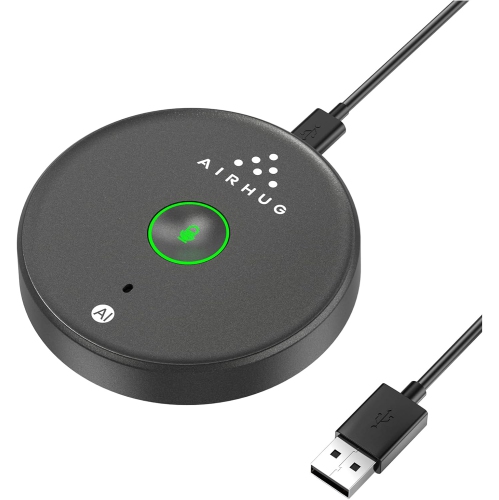
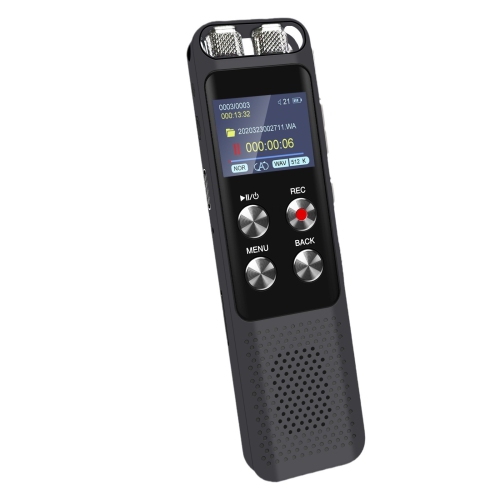
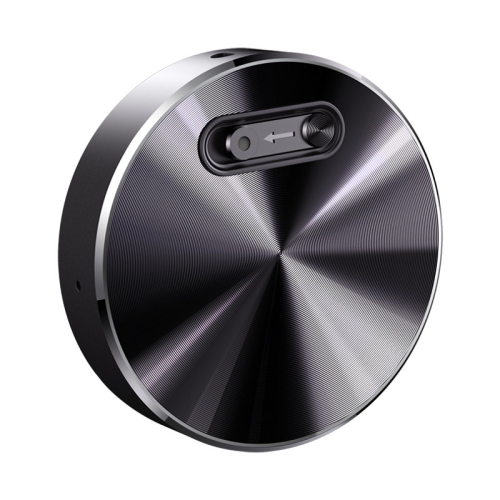
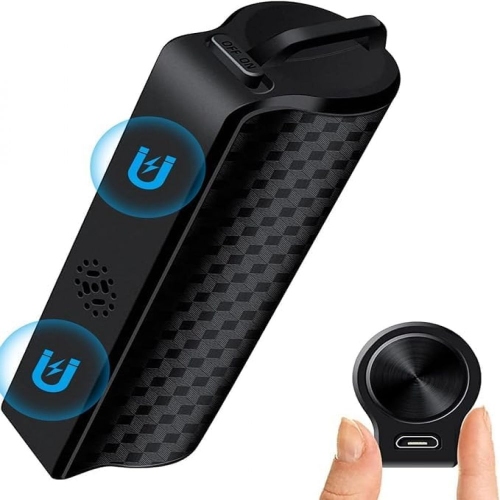
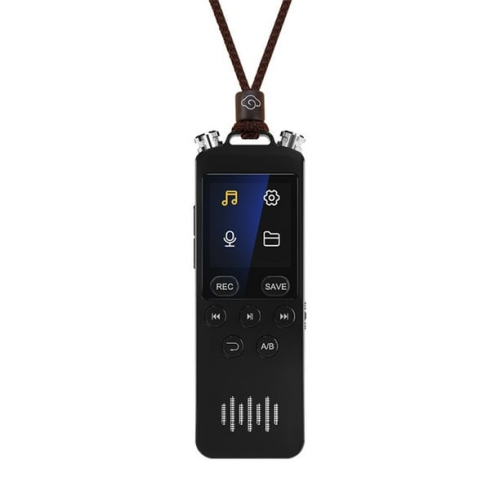


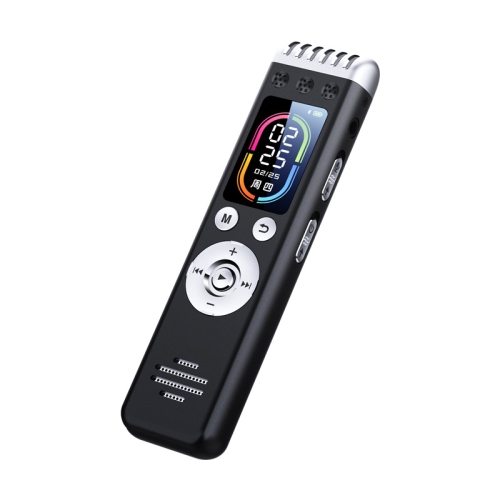


Audio that fits lectures and life with roommates
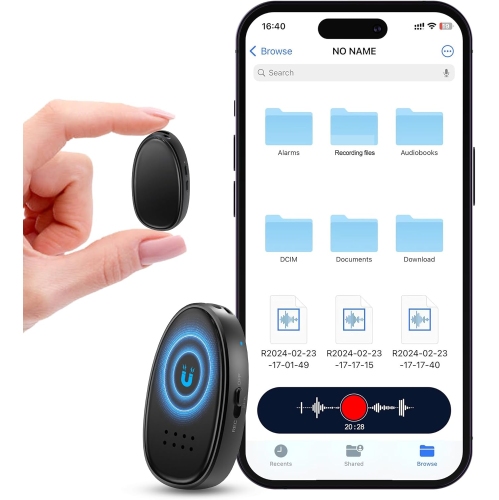
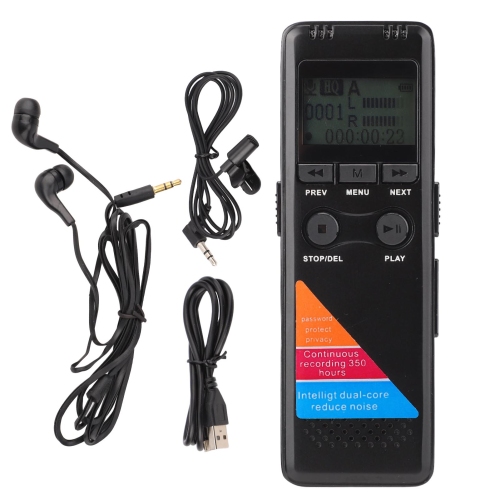
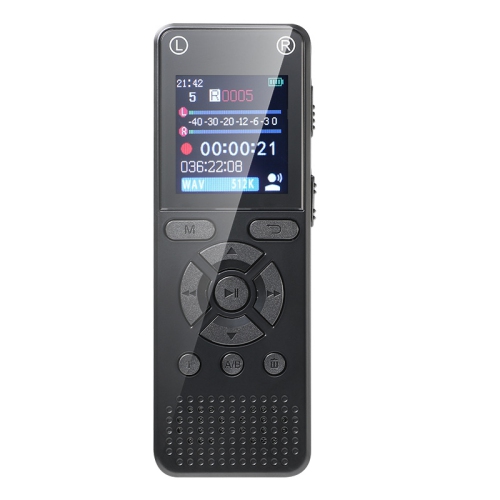
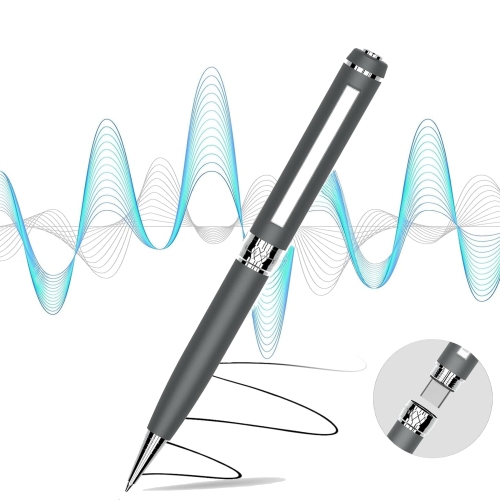
University student audio devices support studying, online lectures, calls, campus commutes, and downtime in a shared living space. Headphones and earbuds offer personal listening, microphones help make speech clearer, speakers bring sound to a room, and recording devices capture spoken material for later review when permission allows. The most useful combination depends on where a student listens and how audio fits into the day. Someone working through recorded lectures in a busy residence may appreciate over-ear headphones with active noise cancellation, while a commuter may prefer compact earbuds that tuck into a jacket pocket between classes. Active noise cancellation can reduce steady background sounds, such as ventilation hum, but it does not remove every conversation or sudden noise. A secure physical fit also affects how much outside sound reaches the ear. Over-ear designs surround the ears with cushioned cups, on-ear designs rest against them, and in-ear designs use tips that sit within the ear canal. Each feels different over a long reading session. Headband adjustment, overall weight, clamping pressure, and room around the ears matter, particularly for students who wear glasses. Silicone and foam ear tips offer different textures and fits, while fabric and leatherette ear cushions differ in breathability and cleaning needs. Replaceable cushions or tips can be useful when everyday contact leaves these parts worn or compressed. For students moving between a bedroom desk, the library, and a lecture hall, folding hinges, a protective case, and sturdy cable connections can make daily transport easier. Water-resistance ratings also deserve attention when listening overlaps with exercise; resistance to splashes or sweat does not necessarily mean a device is suitable for swimming. Comfort and portability are closely connected to intended use: a lightweight pair worn for a short walk may feel quite different after several hours of coursework, and larger ear cups need more space in an already crowded backpack.
For online classes, group projects, and remote presentations, audio quality includes both what a student hears and what classmates hear in return. A headset places its microphone near the mouth, while a desktop microphone leaves the ears free and can suit a dedicated work surface. Microphone placement matters as much as the presence of extra features: a microphone positioned close to the speaker generally captures a stronger voice signal relative to distant room noise. Keyboard taps, chair movement, and sound from nearby speakers may still reach it. Headphones can help prevent class audio from feeding back into an open microphone, and an accessible mute control is useful when a roommate starts a conversation. Some devices provide microphone monitoring, allowing the speaker to hear their own voice through the headphones rather than speaking louder than necessary. Connection requirements vary across laptops, phones, tablets, and campus computers. Wired audio avoids the need to charge headphones during use, while wireless listening offers more freedom to move around a desk or reach for notes. A familiar-looking port does not guarantee that every microphone or playback feature will work, so connector type, operating-system support, and any required adapter remain relevant. Wireless battery life also varies with listening volume, calls, and features such as noise cancellation; earbud battery figures may describe either a single charge or the combined listening time provided by a charging case. For students who revisit spoken course material, University Lecture Recording Devices support a different task from everyday music listening. Recording requires the instructor’s permission and compliance with institutional rules, including any conditions involving classmates’ voices. Speech clarity, microphone placement, recording format, storage capacity, and straightforward file transfer all affect how useful a recording will be afterwards. Clear file names tied to a course and lecture date make it easier to find a passage while reviewing notes. Recordings can supplement note-taking, but their usefulness depends on capturing intelligible speech rather than simply running for the full class.
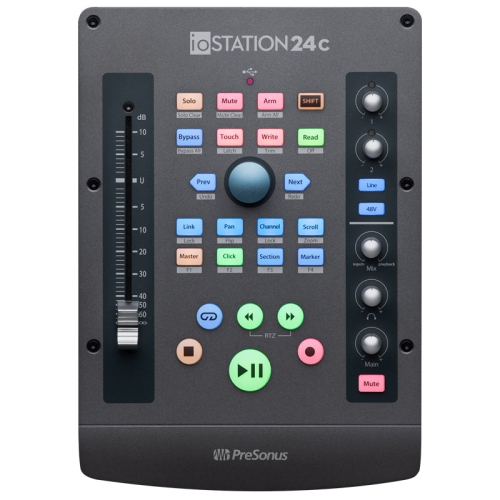
In a residence room or student apartment, speakers serve a more social purpose, whether playing music while preparing dinner or adding clearer dialogue to a film watched on a laptop. Compact desktop speakers can keep sound close to a study area, while portable speakers are easier to move between rooms. The layout of a shared space matters: placing a speaker directly against a wall or on a resonant shelf can change the sound, and strong bass may travel beyond the room even when the overall volume seems moderate. Personal headphones remain a considerate option when roommates have different schedules. Students studying music, broadcasting, film, or game design may also use audio devices for creative coursework. Closed-back headphones can help limit sound leaking into a microphone, while an audio interface connects compatible microphones or instruments to a computer. These uses bring additional considerations, including input connections, monitoring controls, cable space, and support for the software required by a program. Everyday care is simpler but just as relevant across categories. Ear tips, cushions, and microphone grilles collect skin oils and dust, and cleaning methods should follow the manufacturer’s directions rather than relying on household sprays. Devices should be dry before charging, cables should be unplugged by the connector rather than pulled by the cord, and loose headphones benefit from a case instead of sharing a bag compartment with keys. Listening volume matters, too: comfortable levels and regular breaks are preferable to turning audio up to overpower surrounding noise. Outdoors, neither noise cancellation nor a transparency mode replaces attention to traffic and other people. As gifts for students starting university or settling into a new study routine, audio devices are most personal when they match an existing phone or computer, preferred fit, and living arrangements. The strongest match is often the device that feels comfortable, connects without unnecessary complications, and suits the places where listening actually happens.
Top selling and popular products
-
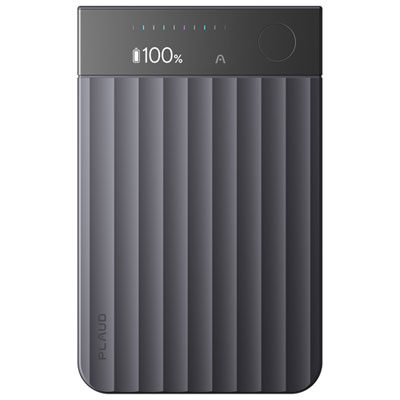 Your price for this item is $259.99
-
 Your price for this item is $91.68
-
 Your price for this item is $249.99
-
 Your price for this item is $155.99
-
 Your price for this item is $155.99
-
 Your price for this item is $255.99
-
 Your price for this item is $255.99
-
 Your price for this item is $35.88
Discover more categories related to University Student Audio Devices


Top Collections:
Best Black Friday Deals This Year, Best Black Friday Deals On Electronics, Kindle Devices, Pokemon Centers, Best Black Friday Deals On Apple Products, Best Cameras for Sports Photography, Dyson Airwrap, Pokémon 30th Celebration Cards, Apple iPhone 17 Pro, Canon G7X Cameras
Some products may be subject to Environmental Handling Fees
(EHF) depending on your province.
Learn more about EHFs.