VHF Radios for Boats
Stay connected while out on the water with VHF radios for boats. Whether you're sailing, fishing, or cruising, having a reliable communication device is essential for safety and convenience. These radios are specially designed to provide clear and efficient communication over long distances, ensuring you can easily stay in touch with other boaters, marinas, and emergency services.
Sort


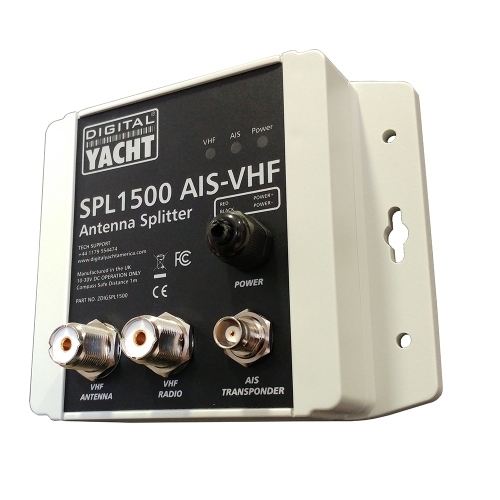
How marine radios support communication and safety afloat
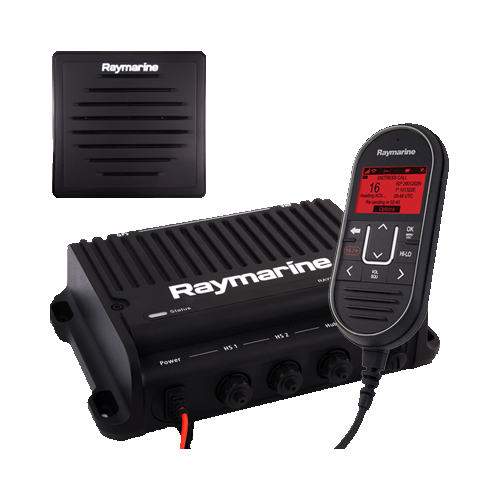
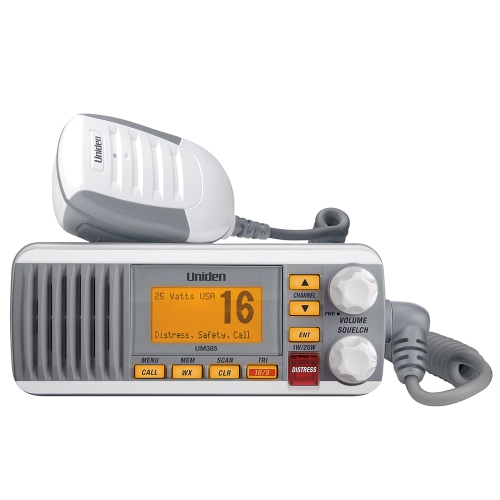
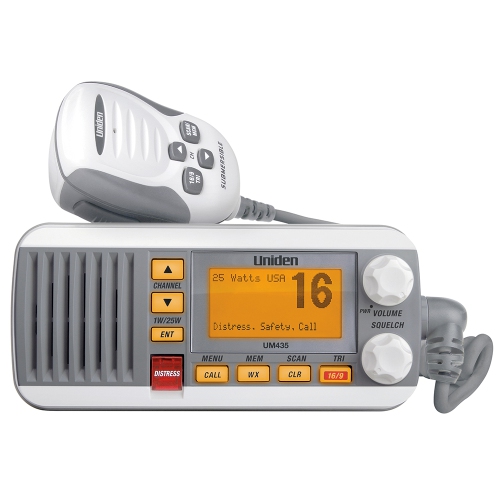
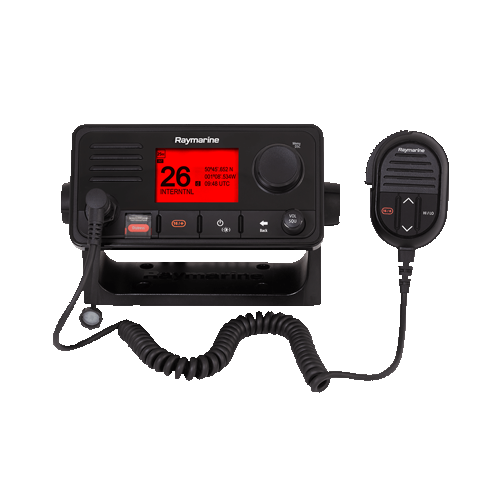
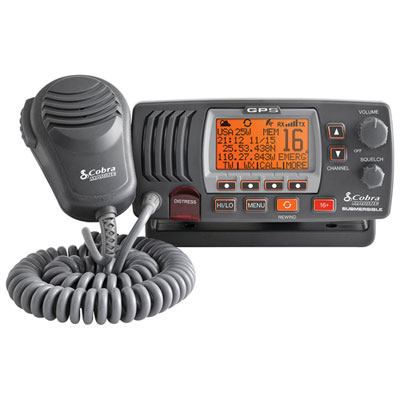
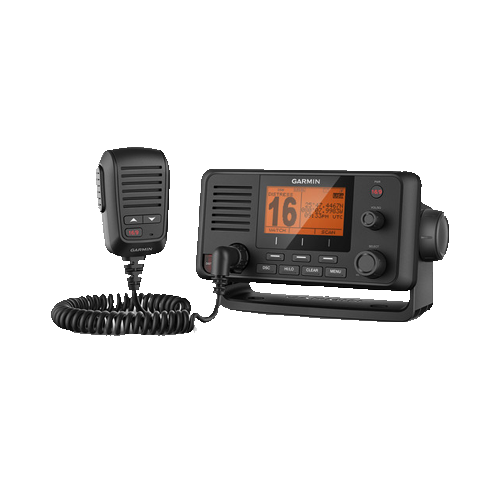
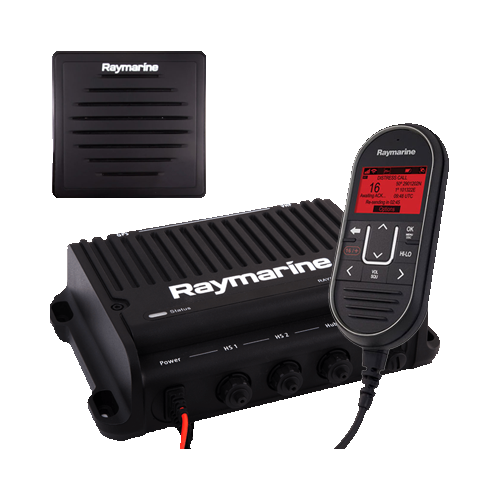
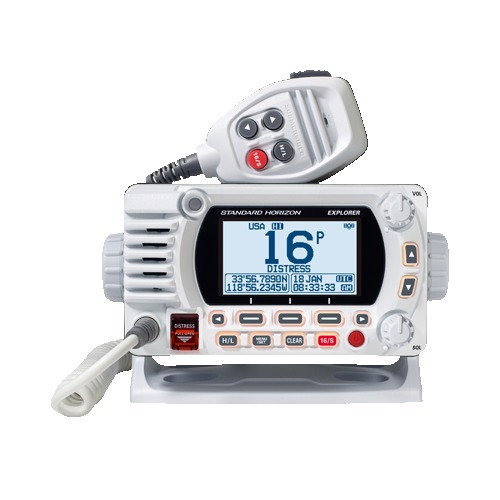
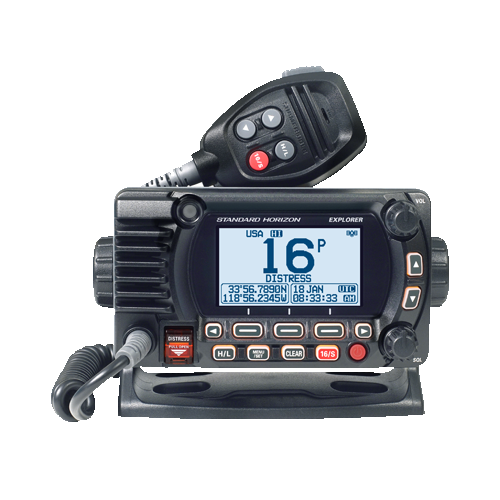
VHF radios for boats provide a dependable way to communicate on the water, whether you are cruising along a sheltered shoreline, heading between marinas, fishing from a small vessel or travelling farther offshore. A marine VHF radio lets you communicate with nearby boaters, marinas, bridges, marine services and the Canadian Coast Guard on designated marine channels. It is also an important safety device because it provides access to distress, urgency and safety communications when mobile phone coverage is limited or unavailable. Channel 16 is the internationally recognized channel for distress, safety and calling, while Digital Selective Calling (DSC) uses channel 70 to send an automated digital alert. When a compatible radio is connected to GPS, a DSC distress alert can include the vessel’s position, helping responders understand where assistance is needed. Always follow current Canadian regulations, use channels for their intended purposes and consult the radio’s instructions before heading out. Some operators may require a Restricted Operator Certificate (Maritime), and channel availability or local procedures can vary by region. A VHF radio is useful for more than emergencies, too. It can help a skipper coordinate with another boat, contact a lock or bridge, receive marine safety information and stay in touch with passengers or crew while keeping a clear line of communication on board. During the cooler months, when conditions can change quickly and daylight may be limited, having a charged and accessible radio can add confidence to every outing.
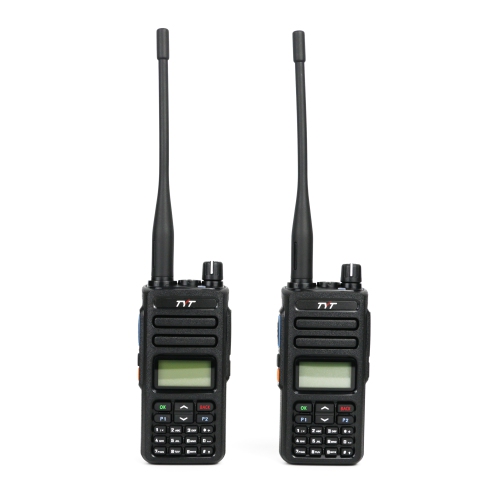
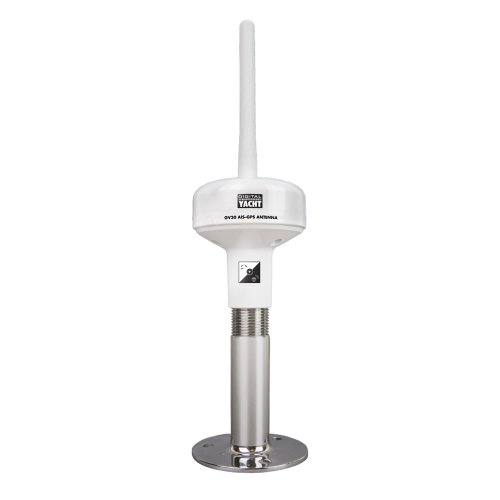
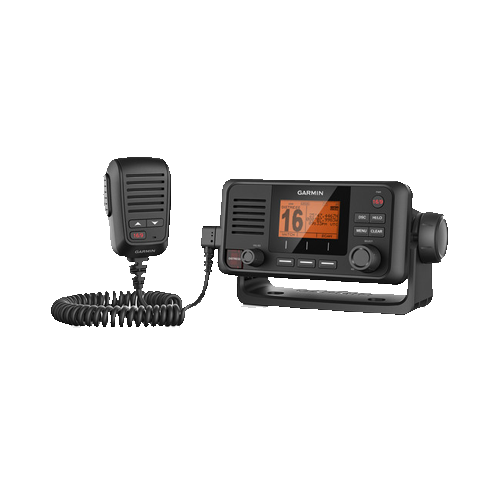
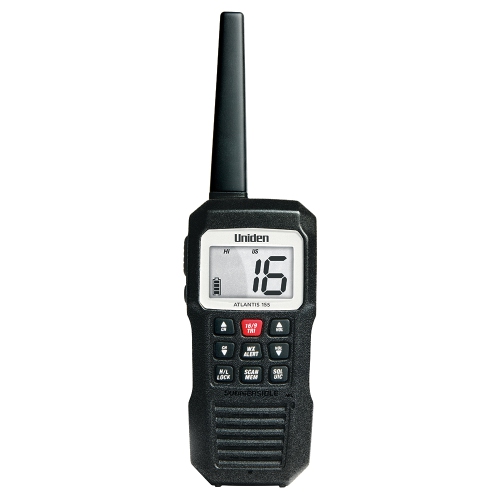
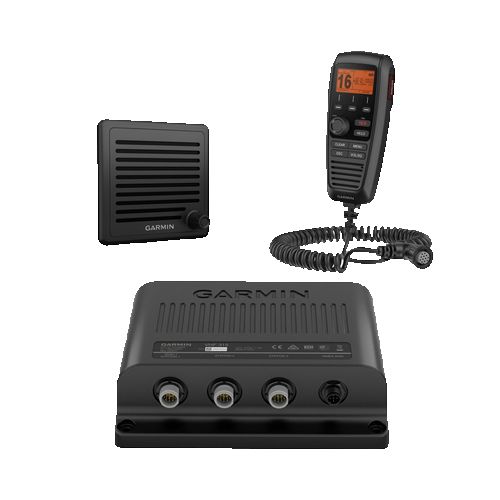
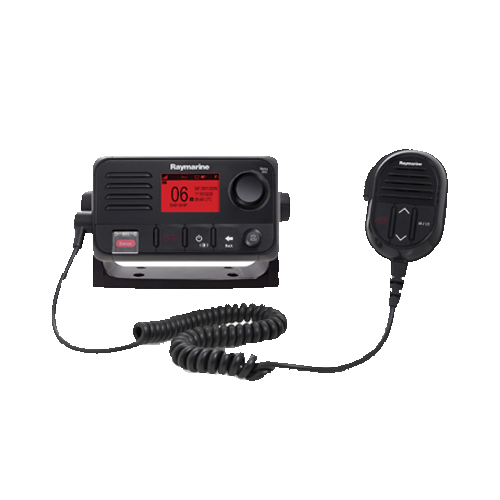
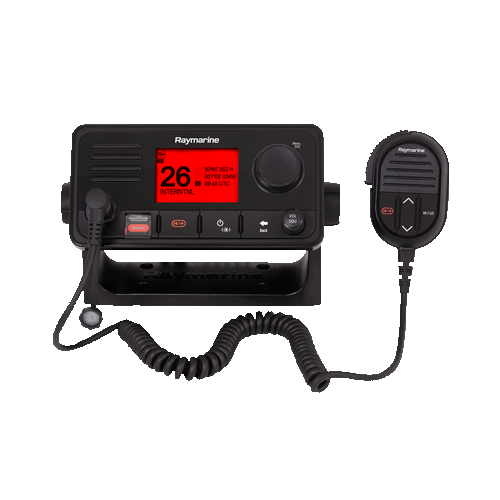
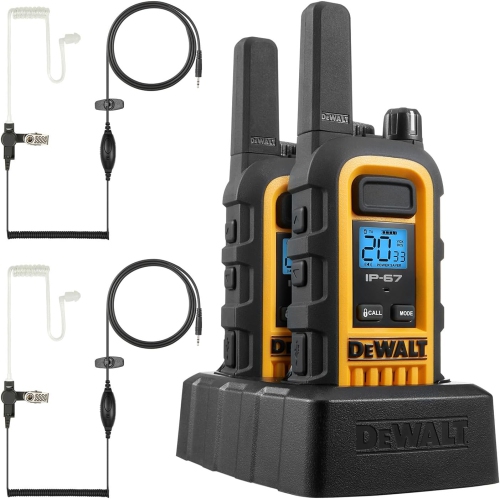
The two main types of marine VHF radios are fixed-mount and handheld models, and each suits a different boating setup. A fixed-mount radio is installed at the helm or another permanent location and is generally connected to the boat’s electrical system and an external antenna. Many transmit at up to 25 watts, providing greater range than a handheld radio when paired with a properly positioned antenna. The effective distance is influenced by antenna height, terrain, weather, obstructions and the height of the other station, so advertised ranges should be treated as estimates rather than guarantees. Fixed-mount radios are a practical choice for larger boats, sailboats, cabin cruisers and anyone who wants a primary communication system that is easy to reach while steering. Built-in GPS and DSC support can simplify position sharing during an emergency, while a bright display, clearly labelled controls and a strong speaker help make operation easier in spray, wind and changing light. Handheld radios run on rechargeable batteries and are convenient for smaller boats, tenders, kayaks and backup use. Their lower transmit power, often between 1 and 6 watts, generally gives them a shorter range of about 2 to 5 miles under suitable conditions, although the actual distance can vary considerably. A handheld can travel with you when you move around the deck, accompany you ashore during a landing or serve as a backup if the boat’s main electrical system loses power. Explore Handheld Vhf Marine Radios for portable options designed around that flexibility. For many boaters, carrying both types offers useful redundancy: the fixed radio serves as the primary station, while the handheld remains charged and ready in case of a power, wiring or antenna problem.
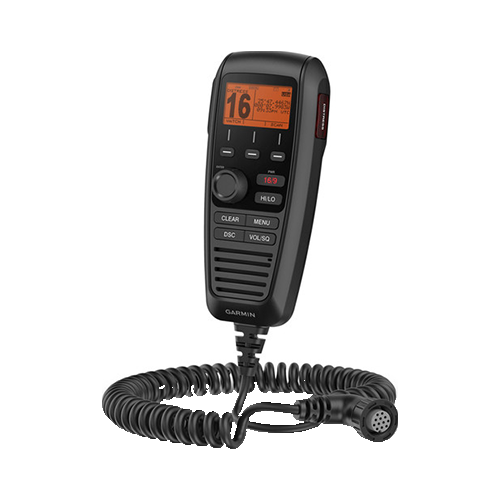
When comparing VHF radios for boats, pay close attention to water resistance, battery performance, controls and installation requirements. A waterproof rating such as IPX7 indicates protection against temporary immersion, while IPX8 generally refers to protection during longer or deeper immersion under specified conditions; review the manufacturer’s exact test details rather than assuming every waterproof rating means the same thing. A floating handheld can be especially helpful because a dropped radio may remain at the surface instead of disappearing into dark or murky water. Some floating models also use a flashing light to make recovery easier in low light. Look for a battery that can support a full day on the water, and consider a spare battery, charging cradle, USB charging option or 12-volt charging cable for longer trips. Keep charging equipment dry and store the radio where it can be reached quickly, rather than buried in a storage compartment beneath lines and life jackets. For a fixed installation, measure the available space, confirm the power connection and plan the antenna location before purchase. An external speaker or microphone can improve usability at a busy helm, while a backlit screen and large buttons are valuable when the sun drops behind the horizon or the boat is moving through choppy water. A gift of a marine VHF radio can be thoughtful for a new boat owner, a family preparing for its first extended trip or an experienced angler replacing an aging communication device. It is also a practical addition to a shared cottage boat, where simple controls and durable construction can help different operators use the radio confidently. Before each departure, inspect the antenna and connections, charge the battery, confirm that the radio powers on and review local channel guidance. Store emergency contacts and operating instructions where passengers can find them, and practise basic functions in calm conditions so the radio feels familiar when wind, rain or rough water make every task more demanding.
The two main types of marine VHF radios are fixed-mount and handheld models, and each suits a different boating setup. A fixed-mount radio is installed at the helm or another permanent location and is generally connected to the boat’s electrical system and an external antenna. Many transmit at up to 25 watts, providing greater range than a handheld radio when paired with a properly positioned antenna. The effective distance is influenced by antenna height, terrain, weather, obstructions and the height of the other station, so advertised ranges should be treated as estimates rather than guarantees. Fixed-mount radios are a practical choice for larger boats, sailboats, cabin cruisers and anyone who wants a primary communication system that is easy to reach while steering. Built-in GPS and DSC support can simplify position sharing during an emergency, while a bright display, clearly labelled controls and a strong speaker help make operation easier in spray, wind and changing light. Handheld radios run on rechargeable batteries and are convenient for smaller boats, tenders, kayaks and backup use. Their lower transmit power, often between 1 and 6 watts, generally gives them a shorter range of about 2 to 5 miles under suitable conditions, although the actual distance can vary considerably. A handheld can travel with you when you move around the deck, accompany you ashore during a landing or serve as a backup if the boat’s main electrical system loses power. Explore Handheld Vhf Marine Radios for portable options designed around that flexibility. For many boaters, carrying both types offers useful redundancy: the fixed radio serves as the primary station, while the handheld remains charged and ready in case of a power, wiring or antenna problem.
When comparing VHF radios for boats, pay close attention to water resistance, battery performance, controls and installation requirements. A waterproof rating such as IPX7 indicates protection against temporary immersion, while IPX8 generally refers to protection during longer or deeper immersion under specified conditions; review the manufacturer’s exact test details rather than assuming every waterproof rating means the same thing. A floating handheld can be especially helpful because a dropped radio may remain at the surface instead of disappearing into dark or murky water. Some floating models also use a flashing light to make recovery easier in low light. Look for a battery that can support a full day on the water, and consider a spare battery, charging cradle, USB charging option or 12-volt charging cable for longer trips. Keep charging equipment dry and store the radio where it can be reached quickly, rather than buried in a storage compartment beneath lines and life jackets. For a fixed installation, measure the available space, confirm the power connection and plan the antenna location before purchase. An external speaker or microphone can improve usability at a busy helm, while a backlit screen and large buttons are valuable when the sun drops behind the horizon or the boat is moving through choppy water. A gift of a marine VHF radio can be thoughtful for a new boat owner, a family preparing for its first extended trip or an experienced angler replacing an aging communication device. It is also a practical addition to a shared cottage boat, where simple controls and durable construction can help different operators use the radio confidently. Before each departure, inspect the antenna and connections, charge the battery, confirm that the radio powers on and review local channel guidance. Store emergency contacts and operating instructions where passengers can find them, and practise basic functions in calm conditions so the radio feels familiar when wind, rain or rough water make every task more demanding.
Top selling and popular products
-
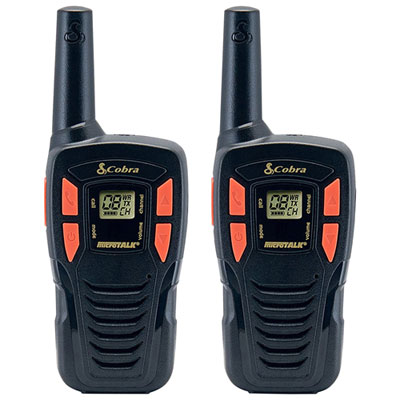 Your price for this item is $59.99
 -
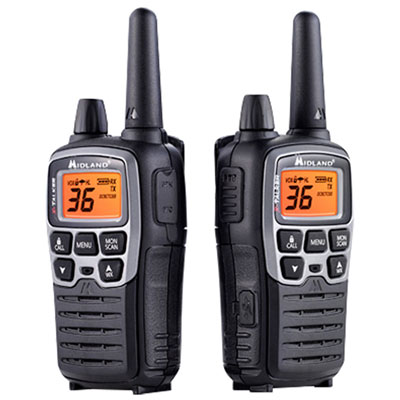 Your price for this item is $139.99
 -
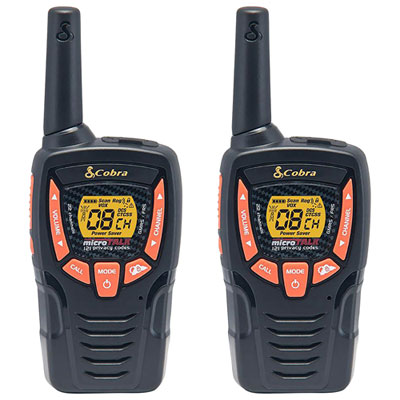 Your price for this item is $74.99
 -
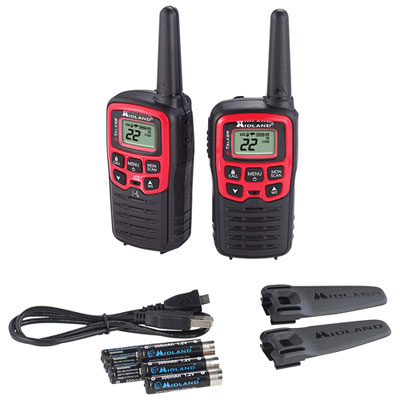 Your price for this item is $89.99
 -
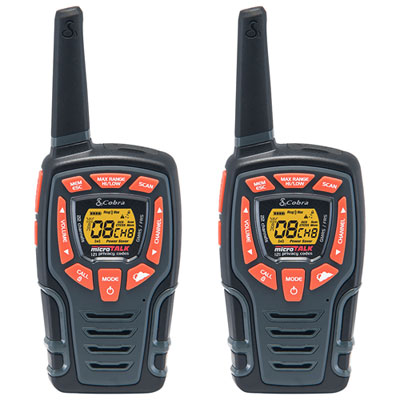 Your price for this item is $109.99
 -
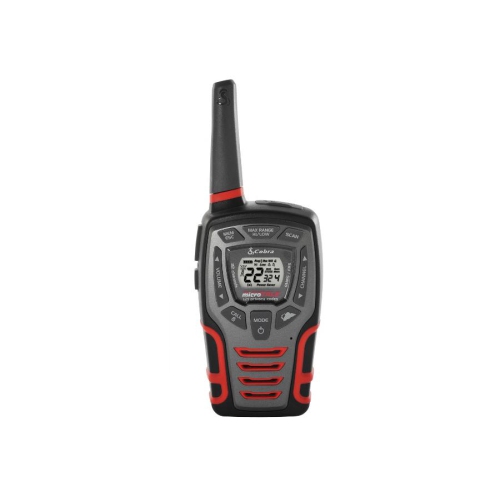 Your price for this item is $136.44
 -
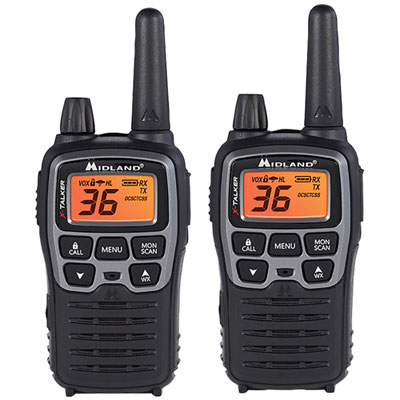 Your price for this item is $179.99
 -
 Your price for this item is $57.25
Discover more categories related to VHF Radios for Boats
Top Collections:
Pokemon Centers, Kindle Devices, Best Budget Office Chairs, Apple iPhones 16, Best Laptops for Writers, iPhone 15 Apple, Canon G7X Cameras, Refurbished Apple Laptops, Alarm Clock, Motorola Razr Phones
Some products may be subject to Environmental Handling Fees
(EHF) depending on your province.
Learn more about EHFs.