White Batteries
White Batteries offer a sleek and modern look while providing reliable power for your everyday devices. Perfect for matching with contemporary gadgets or maintaining a clean aesthetic, these batteries are designed to blend seamlessly into any setup. Explore a wide selection of White Batteries to keep your electronics running smoothly at home, in the office, or on the go. Find the ideal option to suit your needs and enjoy dependable performance with a stylish touch.
Sort
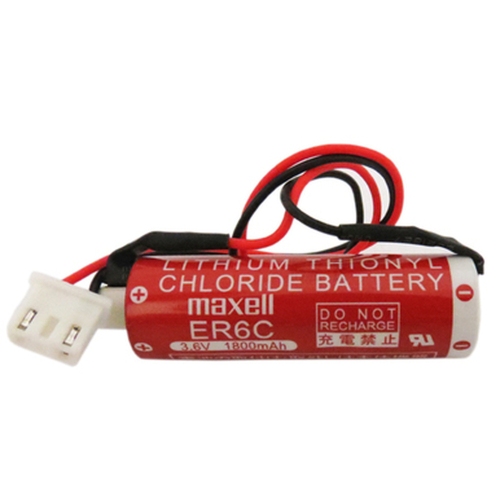

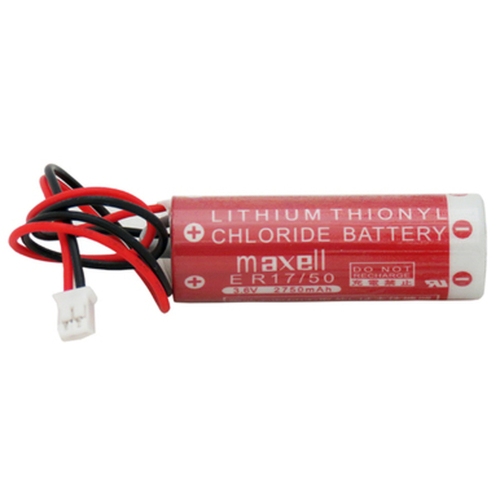
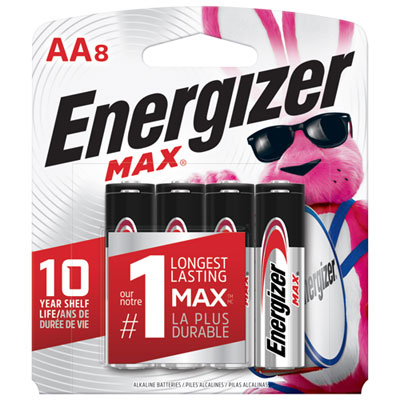
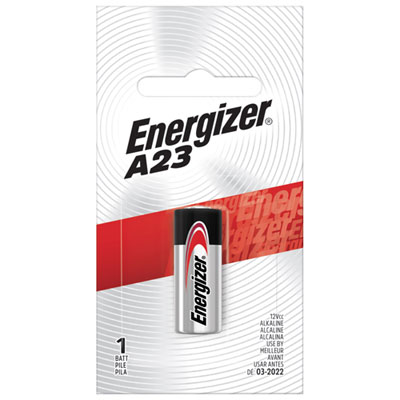
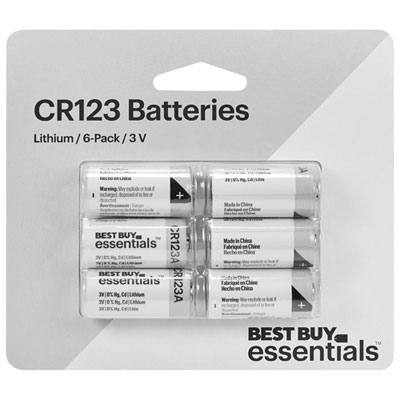
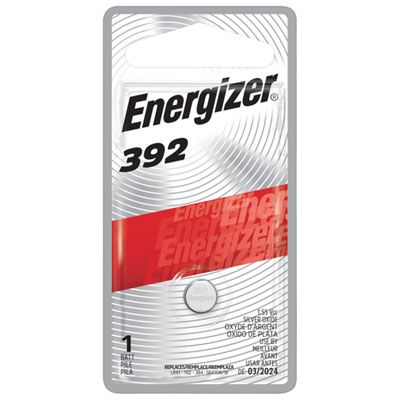
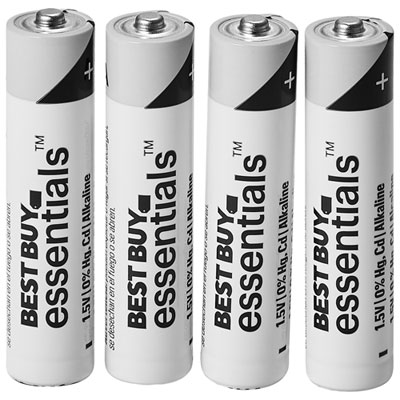
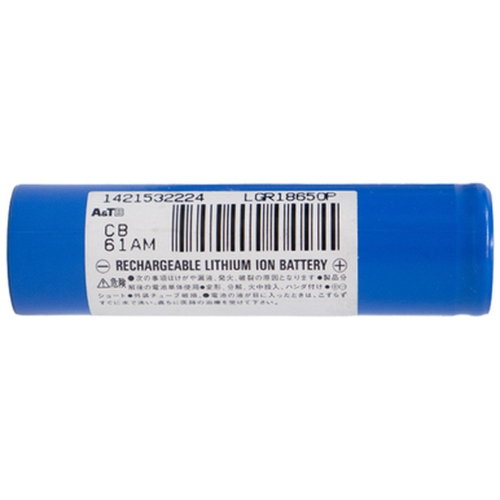
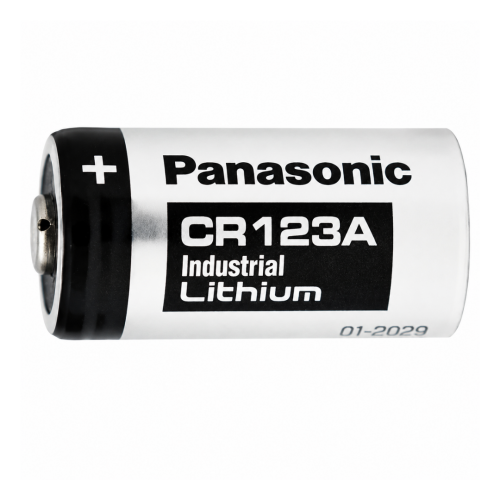
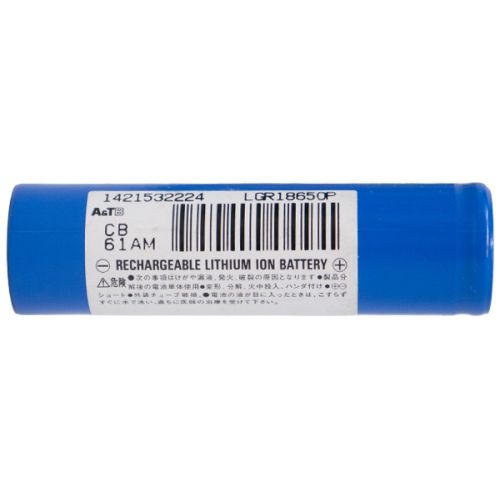


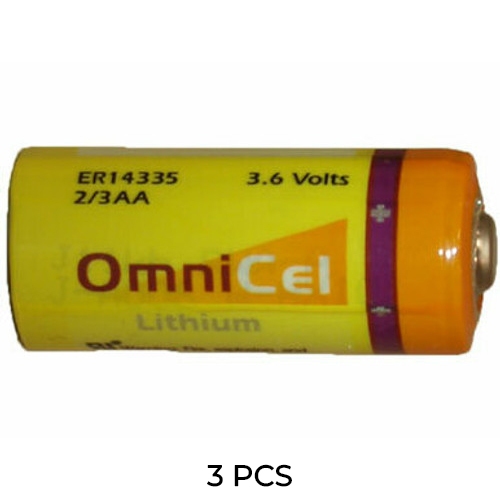

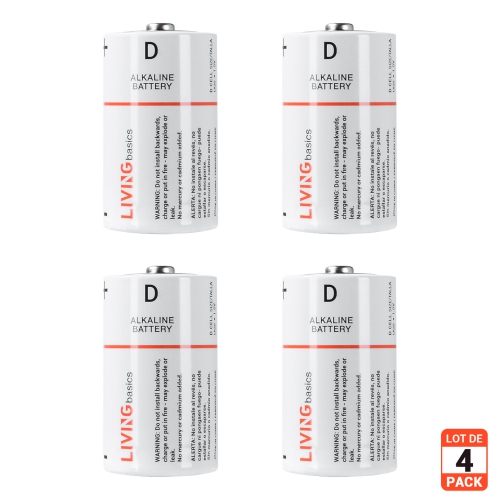
Why battery compatibility matters more than casing colour
White batteries offer a neutral finish that can coordinate with light-coloured electronics, charging accessories, and neatly organized workspaces. That visual detail is most noticeable on an exposed battery pack or portable charging accessory; inside a remote control or another enclosed device, the technical specifications matter far more than the colour. A white casing or wrapper does not identify a particular battery chemistry, capacity, or charging method. Batteries with a similar appearance can have very different uses, from powering everyday household electronics to supplying energy to compatible portable equipment. The distinction between a disposable cell, a rechargeable cell, and a battery pack with built-in charging circuitry is especially important because each is designed to work differently. Physical fit includes more than whether a battery slides into a compartment: its length, diameter, terminal arrangement, and electrical specifications must also match the device requirements. A familiar cylindrical shape does not make two batteries interchangeable, and a replacement pack needs the correct connector and supported voltage as well as suitable dimensions. Device manuals and the markings on the original battery provide useful reference points for these details. White outer materials may include printed insulating wrappers or rigid plastic housings, depending on the format. These coverings help protect the battery and carry information such as polarity, chemistry, and handling requirements, so they should remain intact rather than being removed for a cleaner appearance. For visible charging setups, the finish can be considered alongside the shape and footprint: a smooth white pack may sit discreetly beside a desktop monitor, while a compact design may fit more comfortably in a travel pouch. Neither colour nor surface texture establishes resistance to impacts or moisture. Those qualities depend on the construction and stated specifications. The best match brings the desired appearance together with the exact fit and intended use, whether the battery stays hidden in a household device or forms part of an everyday carry setup.
Battery performance depends on the demands of the device as much as the battery itself. A simple clock draws energy differently from a motorized toy, a camera accessory, or a portable light, so a runtime estimate from one application may not translate to another. Capacity ratings help describe how much charge or energy a battery stores, but they are most useful when comparing compatible batteries under similar conditions. Milliamp-hour figures should be considered alongside voltage, while watt-hours express stored energy in a way that can make comparisons across different voltages clearer. A larger number alone does not establish that a battery is suitable for a device or that it will deliver a particular number of operating hours. For rechargeable formats, charging time, supported charging equipment, and the expected pattern of use all contribute to everyday convenience. Someone using the same compatible electronics frequently may appreciate a routine built around rechargeable cells, while occasional-use equipment may have different requirements for storage life and readiness. The device manufacturer’s recommendations remain the deciding factor. Chargers also need to support the battery’s chemistry and size; an ordinary disposable battery must not be placed in a charger unless it is explicitly designed for recharging. With portable battery packs, the connection type and supported output matter as well. A cable that physically fits does not necessarily provide the power a connected device needs, and multiple charging ports may share the pack’s total output. Features such as charge-level indicators or clearly marked ports can make daily use easier when included, particularly when a pack moves between a desk, a bag, and a bedside table. For someone carrying a battery regularly, weight, grip, and the space required for connected cables may be just as noticeable as capacity. White finishes can complement matching accessories, but dependable day-to-day use comes from the combination of compatible electrical specifications, sound construction, and handling that suits the battery type.
Keeping white batteries in good condition involves protecting their electrical contacts and outer coverings, not simply keeping the finish looking tidy. Loose batteries belong in suitable packaging or a dedicated case rather than a drawer or bag where keys, coins, or other metal objects could bridge the terminals. A clean, dry storage area away from direct sunlight helps protect both the battery and its markings. Surface dirt on a rigid housing can generally be addressed with a soft, dry cloth, following the manufacturer’s care directions and keeping moisture out of ports and seams. Abrasive cleaners, damaged wrappers, and improvised repairs can compromise protective materials, so a worn appearance deserves a closer look rather than a cosmetic cover-up. Batteries that are swollen, leaking, unusually hot during normal use, or otherwise damaged should no longer be used. In devices that take several replaceable cells, matching the specified type and replacing the set together helps avoid problems associated with mixed ages or chemistries. Polarity markings also deserve attention, particularly in narrow compartments where the positive and negative symbols can be easy to miss. For compact remotes, key fobs, and other electronics with limited battery space, the Small Batteries category is a related place to explore formats, with exact compatibility remaining essential. Small cells, especially button and coin batteries, must be kept securely away from children and pets; suspected swallowing requires immediate emergency assistance. For students, commuters, hobbyists, and households with frequently used electronics, a compatible battery can be a practical addition to an organized setup. It can also accompany a gift when the recipient’s device requirements are known, avoiding the frustration of an accessory that looks right but cannot be used. Clear labelling and a suitable storage case add everyday usefulness. A white finish completes the look, while careful matching, protected storage, and appropriate charging help keep the focus on reliable power for the task at hand.
Top selling and popular products
-
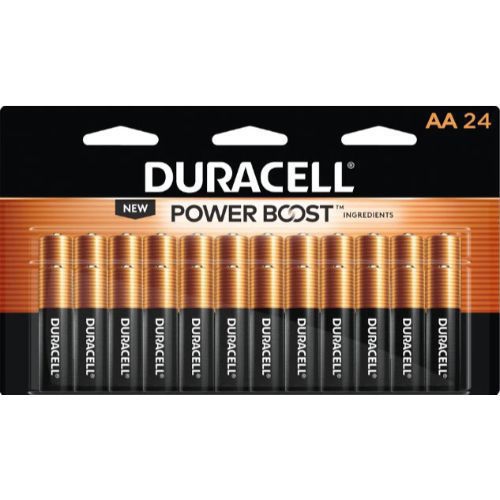 Your price for this item is $24.99
-
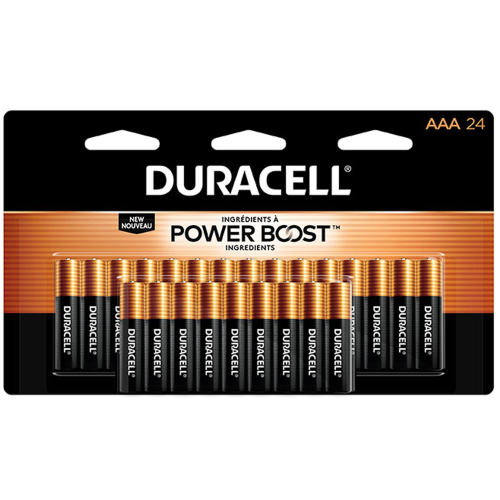 Your price for this item is $26.74
-
 Your price for this item is $22.97
-
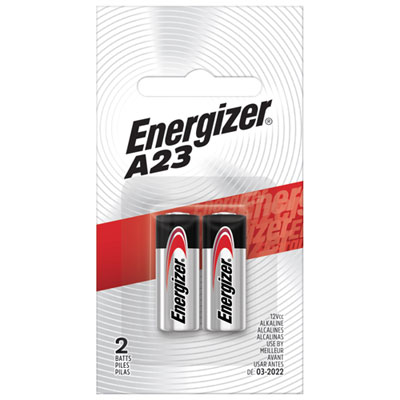 Your price for this item is $11.99
-
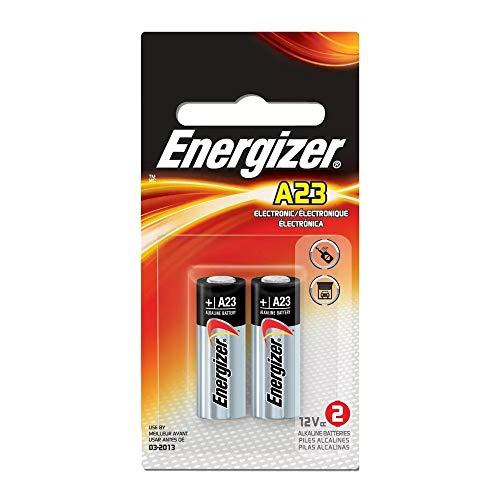 Your price for this item is $6.99
-
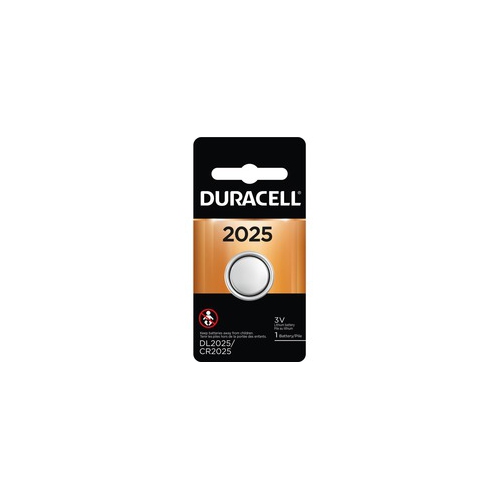 Your price for this item is $4.89
-
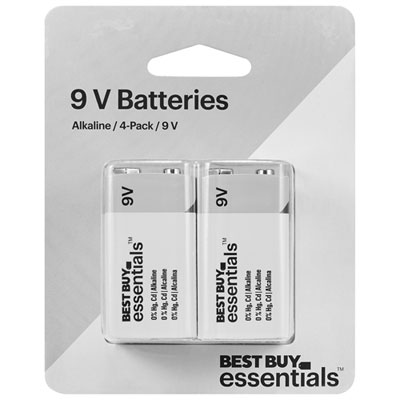 Your price for this item is $13.99
-
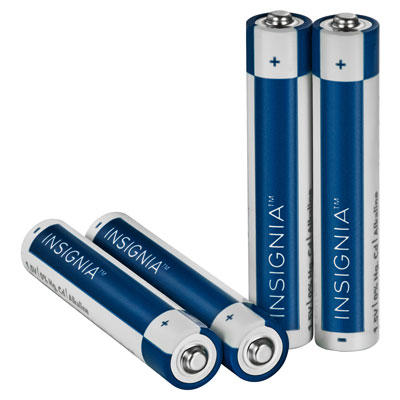 Your price for this item is $4.97
Discover more categories related to White Batteries

Top Collections:
Best Black Friday Deals This Year, Best Black Friday Deals On Electronics, Kindle Devices, Pokemon Centers, Best Black Friday Deals On Apple Products, Best Cameras for Sports Photography, Dyson Airwrap, Pokémon 30th Celebration Cards, Apple iPhone 17 Pro, Canon G7X Cameras
Some products may be subject to Environmental Handling Fees
(EHF) depending on your province.
Learn more about EHFs.