Bulk Batteries
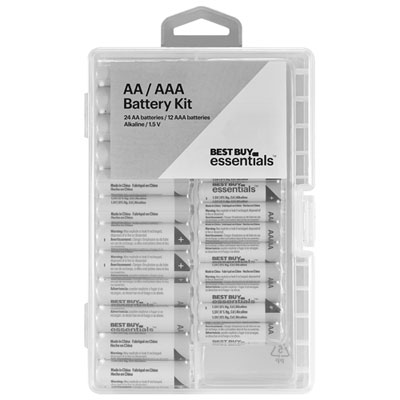
Power up your devices with ease and efficiency by exploring our selection of bulk batteries. Whether you're stocking up for the home, office, or an event, buying in bulk ensures that you have a reliable energy source ready when you need it most. From remote controls to flashlights, toys to smoke detectors, having a reserve of bulk batteries means you'll never be caught off guard. Discover the convenience and value of purchasing batteries in larger quantities and keep everything running smoothly without interruption.
Sort
Why battery compatibility matters more than pack size
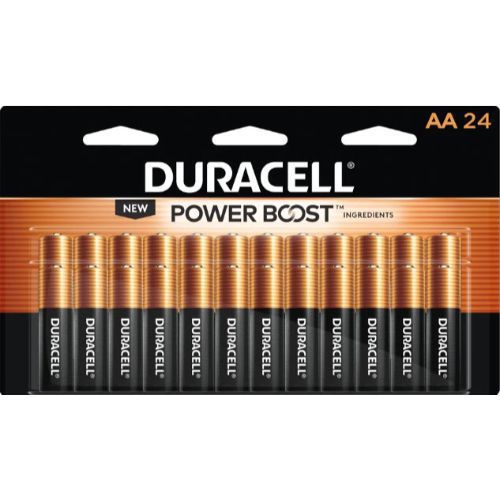
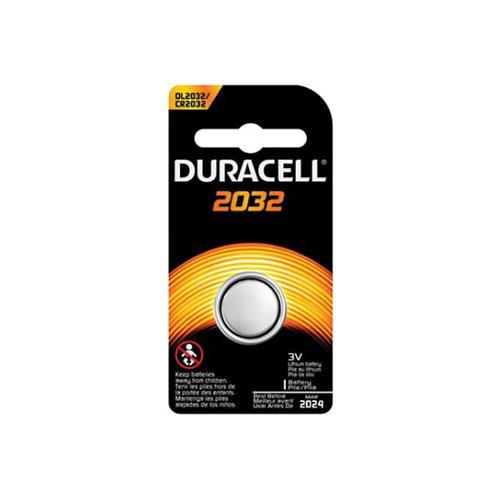
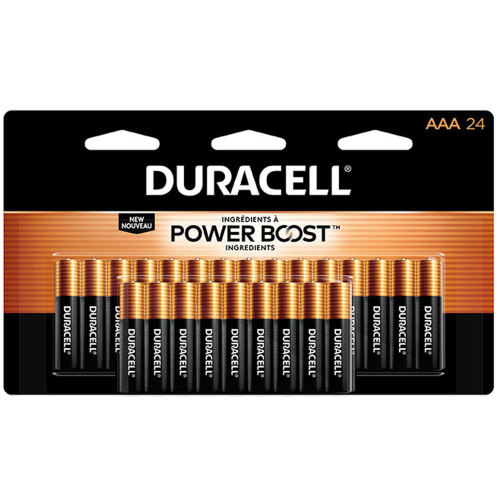
Bulk batteries are multipacks of portable power cells used to keep compatible household, office, and shared-use devices running. Common formats include AA, AAA, C, D, 9V, and button or coin cells, with single-use and rechargeable options suited to different equipment and routines. Buying batteries in larger quantities can simplify the practical task of powering several devices that use the same size, whether that means classroom timers, office keyboards, TV remotes, or a family's collection of battery-operated toys. The most useful pack size depends on how many cells each device takes and how often those cells need replacing. A remote that runs on two AAA batteries has a different replacement pattern from a toy that takes six AA batteries and sees daily use. For households or workplaces where AA-powered equipment is common, Bulk AA Alkaline Batteries bring that familiar size into focus. Mixed-size packs can suit spaces with varied devices, while packs containing one size make sense when the same equipment is used repeatedly. Battery size is only part of compatibility: the voltage, chemistry, and any code printed inside the battery compartment also matter. AA and AAA describe physical formats, not a guarantee that every battery with those dimensions will work correctly in every device. A snug battery compartment may also have requirements for terminal shape or cell dimensions, particularly with less common formats. The device manual or the markings beside the contacts provide a more reliable match than appearance alone. For button and coin cells, the full identifying code matters because batteries that look nearly identical can differ in thickness, chemistry, or voltage. Keeping those distinctions clear makes bulk battery packs relevant to much more than everyday household use. They can also support reception desks, community activity rooms, photography accessories, and other settings where several compatible devices are used together. The aim is a practical match between the cells in the pack and the equipment that will actually use them.
Battery chemistry affects how a cell delivers power, how it behaves during use, and whether it can be charged again. Alkaline batteries commonly use zinc and manganese dioxide inside a sealed metal casing and are a familiar single-use choice for many remotes, clocks, toys, and other everyday devices. Standard alkaline AA and AAA cells have a nominal voltage of 1.5 volts. Rechargeable nickel-metal hydride, often shortened to NiMH, AA and AAA cells typically have a nominal voltage of 1.2 volts and require a compatible charger. Many devices accept them, but equipment designed around a particular voltage or chemistry may not, so the manufacturer's requirements remain important. Rechargeable batteries can suit frequently used compatible equipment, such as game controllers or children's toys that see regular play, while single-use batteries may fit devices that run for long periods between changes. Neither format is automatically the better match for every task. Low-drain equipment uses power gradually, whereas a motor, flash, or other demanding component can draw power in short, heavier bursts. That difference helps explain why the same battery may last much longer in a wall clock than in a moving toy. Lithium is another battery chemistry found in some household formats and coin cells, but single-use lithium batteries and rechargeable lithium-ion batteries are not interchangeable simply because their names sound similar. Cells should never be substituted on the assumption that matching dimensions mean matching electrical performance. Capacity ratings, when provided, offer additional context, although comparisons are most meaningful between batteries of the same chemistry tested under similar conditions. A stated shelf life describes storage under specified conditions rather than a promise of operating time inside a device. Actual runtime depends on the equipment, frequency of use, power demand, and the battery's condition. For medical devices, alarms, and other safety-related equipment, the specified battery type takes priority over general-purpose convenience. These distinctions make the choice of a bulk pack less about the largest cell count and more about dependable compatibility across its intended uses.
Packaging and everyday handling also influence how well a larger battery pack fits into a home or workplace. Clearly marked sizes, readable date information, and compartments that keep cells separated make batteries easier to organize without losing track of their type or age. Original packaging or a purpose-made battery organizer helps prevent loose terminals from touching keys, coins, tools, or other metal objects. A dry storage area away from direct sunlight, moisture, and children's reach is preferable to a catch-all drawer where batteries can become scratched, dented, or mixed with used cells. Durability depends partly on keeping the casing, seals, and contacts intact; damaged, swollen, or leaking batteries should not be put into a device. Batteries are not all leakproof, and leaving depleted cells inside equipment can damage contacts and surrounding components. For equipment that will sit unused for an extended period, removing the batteries is sensible when the device manufacturer permits it. Within a device, cells should normally be replaced together with matching new batteries of the same type, rather than combining fresh and partly used cells or mixing chemistries. The positive and negative markings inside the compartment show the correct orientation, and a cover that closes properly helps keep the cells secure during normal handling. Rechargeable cells need a charger designed for their chemistry and format; ordinary single-use alkaline batteries should not be placed in a charger. Coin and button cells require particular care because swallowing one can cause severe injury. Both unused and spent cells belong out of sight and reach of children, and devices containing them should have secure battery compartments. Suspected swallowing requires immediate medical attention. Used batteries should be handled according to local collection requirements, with terminals protected where directed. In a shared office, separating unused batteries from those awaiting collection helps avoid accidental reuse. At home, labelled compartments make it easier to find the right size for a stalled toy, an unresponsive mouse, or a dimming flashlight. A well-matched bulk pack supports these ordinary moments without turning battery replacement into a search through loose, unidentified cells.
Battery chemistry affects how a cell delivers power, how it behaves during use, and whether it can be charged again. Alkaline batteries commonly use zinc and manganese dioxide inside a sealed metal casing and are a familiar single-use choice for many remotes, clocks, toys, and other everyday devices. Standard alkaline AA and AAA cells have a nominal voltage of 1.5 volts. Rechargeable nickel-metal hydride, often shortened to NiMH, AA and AAA cells typically have a nominal voltage of 1.2 volts and require a compatible charger. Many devices accept them, but equipment designed around a particular voltage or chemistry may not, so the manufacturer's requirements remain important. Rechargeable batteries can suit frequently used compatible equipment, such as game controllers or children's toys that see regular play, while single-use batteries may fit devices that run for long periods between changes. Neither format is automatically the better match for every task. Low-drain equipment uses power gradually, whereas a motor, flash, or other demanding component can draw power in short, heavier bursts. That difference helps explain why the same battery may last much longer in a wall clock than in a moving toy. Lithium is another battery chemistry found in some household formats and coin cells, but single-use lithium batteries and rechargeable lithium-ion batteries are not interchangeable simply because their names sound similar. Cells should never be substituted on the assumption that matching dimensions mean matching electrical performance. Capacity ratings, when provided, offer additional context, although comparisons are most meaningful between batteries of the same chemistry tested under similar conditions. A stated shelf life describes storage under specified conditions rather than a promise of operating time inside a device. Actual runtime depends on the equipment, frequency of use, power demand, and the battery's condition. For medical devices, alarms, and other safety-related equipment, the specified battery type takes priority over general-purpose convenience. These distinctions make the choice of a bulk pack less about the largest cell count and more about dependable compatibility across its intended uses.
Packaging and everyday handling also influence how well a larger battery pack fits into a home or workplace. Clearly marked sizes, readable date information, and compartments that keep cells separated make batteries easier to organize without losing track of their type or age. Original packaging or a purpose-made battery organizer helps prevent loose terminals from touching keys, coins, tools, or other metal objects. A dry storage area away from direct sunlight, moisture, and children's reach is preferable to a catch-all drawer where batteries can become scratched, dented, or mixed with used cells. Durability depends partly on keeping the casing, seals, and contacts intact; damaged, swollen, or leaking batteries should not be put into a device. Batteries are not all leakproof, and leaving depleted cells inside equipment can damage contacts and surrounding components. For equipment that will sit unused for an extended period, removing the batteries is sensible when the device manufacturer permits it. Within a device, cells should normally be replaced together with matching new batteries of the same type, rather than combining fresh and partly used cells or mixing chemistries. The positive and negative markings inside the compartment show the correct orientation, and a cover that closes properly helps keep the cells secure during normal handling. Rechargeable cells need a charger designed for their chemistry and format; ordinary single-use alkaline batteries should not be placed in a charger. Coin and button cells require particular care because swallowing one can cause severe injury. Both unused and spent cells belong out of sight and reach of children, and devices containing them should have secure battery compartments. Suspected swallowing requires immediate medical attention. Used batteries should be handled according to local collection requirements, with terminals protected where directed. In a shared office, separating unused batteries from those awaiting collection helps avoid accidental reuse. At home, labelled compartments make it easier to find the right size for a stalled toy, an unresponsive mouse, or a dimming flashlight. A well-matched bulk pack supports these ordinary moments without turning battery replacement into a search through loose, unidentified cells.
Top selling and popular products
-
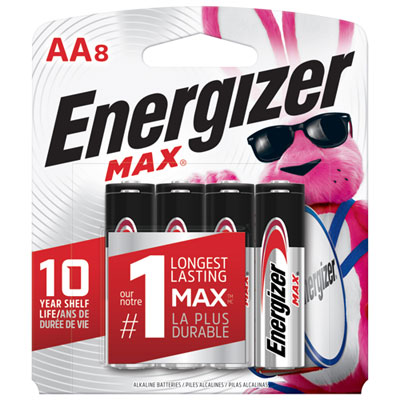 Your price for this item is $11.99
 -
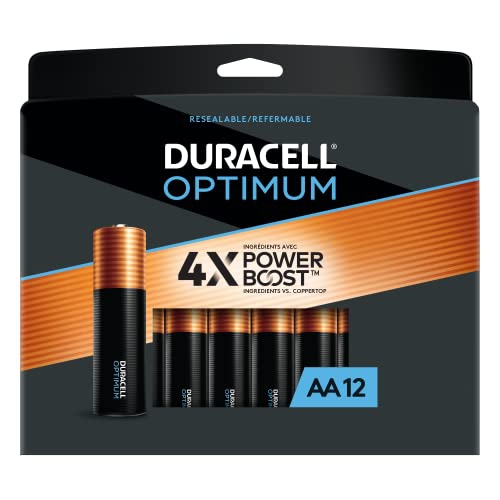 Your price for this item is $57.97
 -
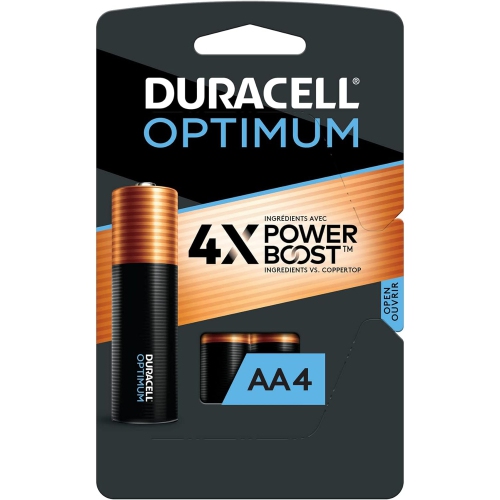 Your price for this item is $19.97
 -
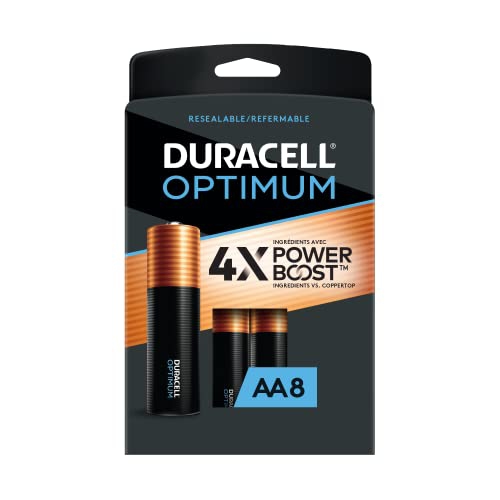 Your price for this item is $38.97
 -
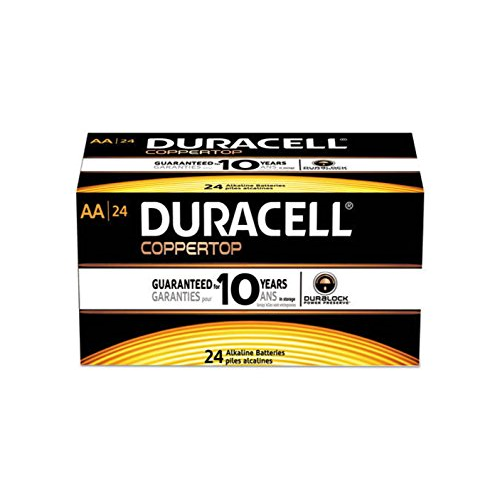 Your price for this item is $38.97
 -
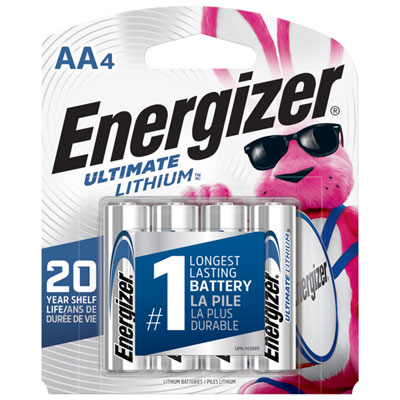 Your price for this item is $17.99
 -
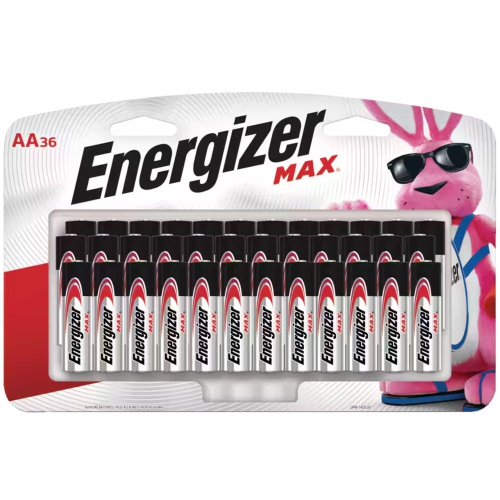 Your price for this item is $19.99
 -
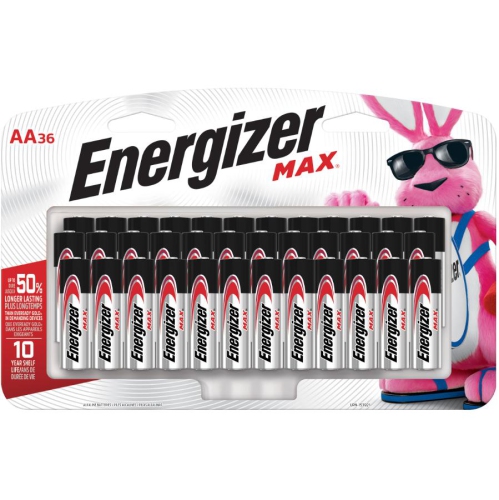 Your price for this item is $27.99
Discover more categories related to Bulk Batteries
Top Collections:
Pokemon Centers, Kindle Devices, Best Budget Office Chairs, Apple iPhones 16, Best Laptops for Writers, iPhone 15 Apple, Canon G7X Cameras, Refurbished Apple Laptops, Alarm Clock, Motorola Razr Phones
Some products may be subject to Environmental Handling Fees
(EHF) depending on your province.
Learn more about EHFs.