Whiteboard Alternatives
Looking for a versatile solution to jot down ideas, create to-do lists, or brainstorm without the need for paper? Explore our range of whiteboard alternatives that offer a modern twist on traditional whiteboards. Whether you're looking for a sleek glass board, a portable option for on-the-go creativity, or a reusable notebook for environmentally-friendly note-taking, we have a variety of innovative alternatives to suit your needs. Say goodbye to cluttered desks and hello to organized productivity with these stylish and functional options.
Sort
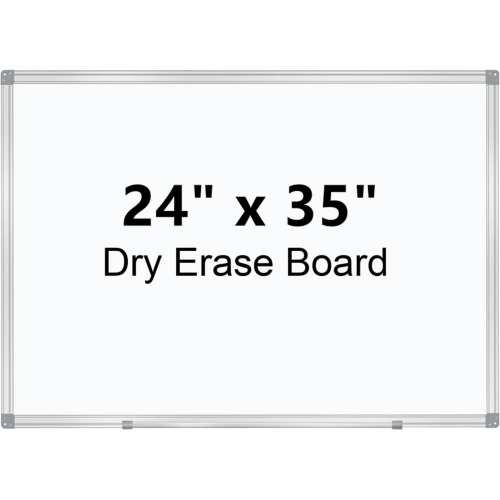
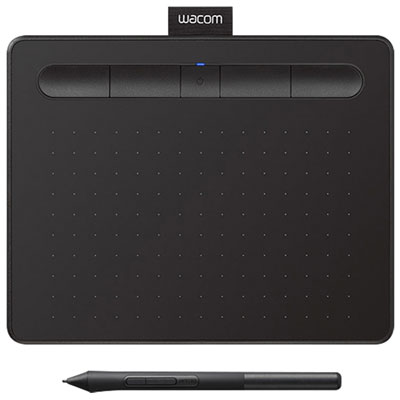
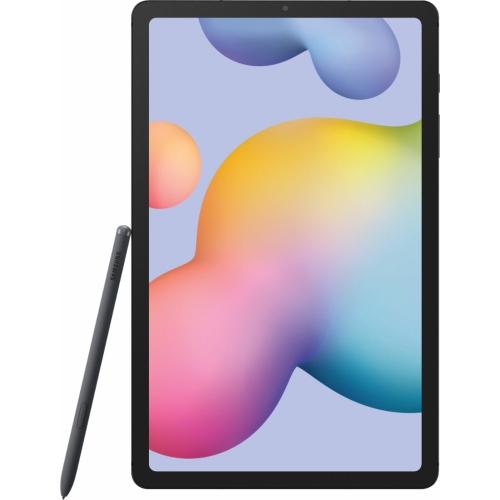
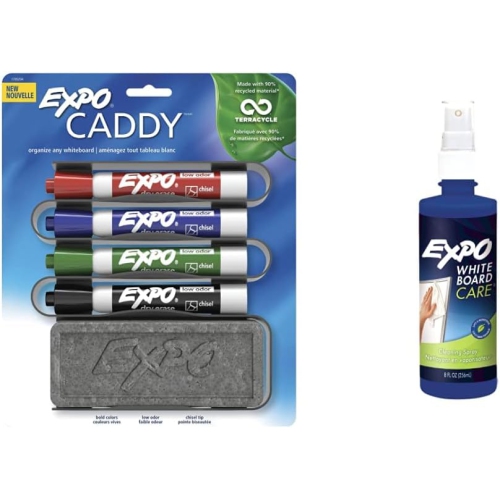
Flexible surfaces for planning, teaching, and shared ideas
Whiteboard alternatives make it easier to create a writing, planning, teaching, or brainstorming surface when a traditional framed board is not the right fit. Peel-and-stick whiteboard sheets and static-cling rolls are among the most flexible options, turning a smooth wall, door, desk, cabinet, or other suitable surface into a place for notes and diagrams. They can be especially useful in rental homes, shared offices, dorm rooms, study areas, and classrooms where a permanent installation may not be practical. A roll can be cut to the size you need, while a larger sheet can provide enough room for weekly schedules, project timelines, lesson plans, or family reminders. Look for a smooth, clean surface and check the product instructions before applying anything, since textured paint, unfinished wood, brick, and porous walls may not provide the adhesion or writing performance you expect. Static-cling options are typically easy to reposition, while light-adhesive varieties may offer a more secure hold. Pay attention to whether the surface can be trimmed, rolled for storage, or removed without leaving residue. A whiteboard alternative can also be a thoughtful gift for students, teachers, artists, home-based workers, and families who enjoy keeping ideas visible. Someone preparing for a new school term might use one to map out assignments and study sessions, while a household could use a compact sheet near the entrance for grocery lists, appointment reminders, and quick messages during the cooler months when routines often move indoors.
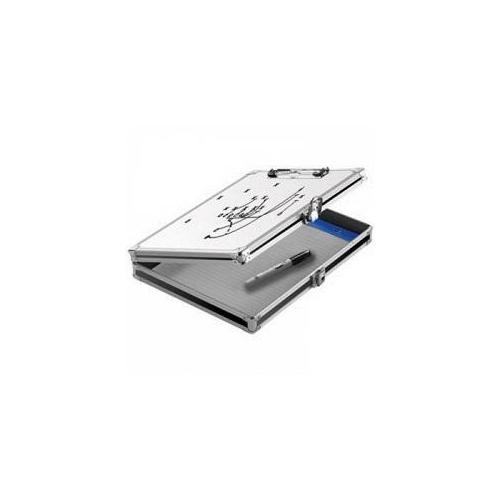
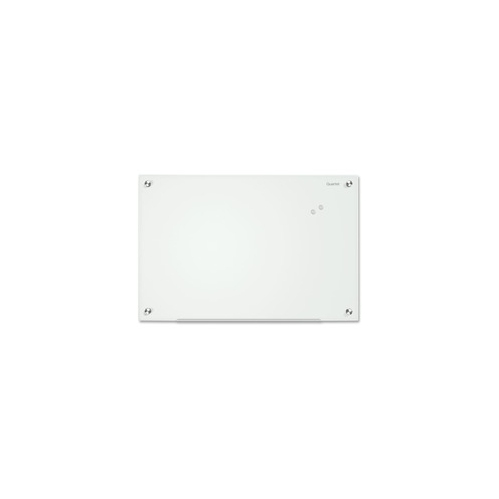
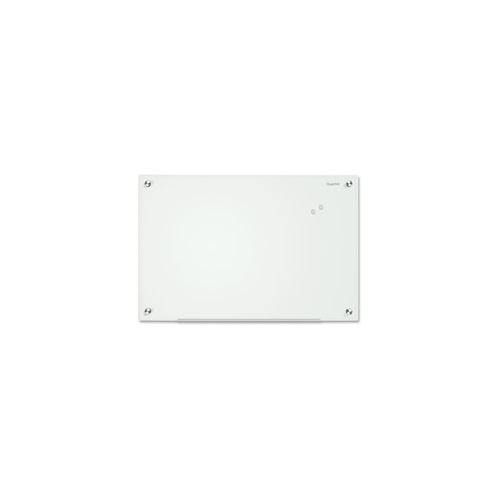
For a more polished, durable setup, tempered glass boards offer a sleek alternative to conventional melamine or fibreboard writing surfaces. Glass is easy to wipe clean and is less likely to absorb ink, stain, or develop the lingering “ghost” marks that can appear after repeated use on lower-quality surfaces. Many glass boards are magnetic, allowing users to combine handwritten notes with cards, printouts, calendars, or visual references; however, it is important to confirm that the board requires special high-strength magnets rather than standard refrigerator magnets. Frameless glass designs can suit modern offices, meeting rooms, kitchens, and study spaces, while coloured or translucent surfaces can add a distinct look to a creative workspace. When comparing a glass board, consider the usable writing area, mounting hardware, wall compatibility, weight, edge treatment, and whether installation requires more than one person. A large board can support team planning and presentations, but a smaller board may be more practical beside a workstation or in a child’s homework area. For classrooms and learning spaces, browse Classroom Whiteboards for surfaces designed around teaching, demonstrations, and student participation. Other low-cost physical alternatives include glossy panel boards, smooth white tile panels, laminated sheets, and clear page protectors filled with paper. These compact solutions work well for individual practice, spelling exercises, arithmetic, language learning, chore charts, and small-group activities. Laminated paper is particularly convenient when you need several portable writing surfaces that can be stacked in a folder or carried between rooms. Clear sleeves can hold printed templates, maps, worksheets, or blank grids, letting learners write over the same material with dry-erase markers and reuse it for different activities.
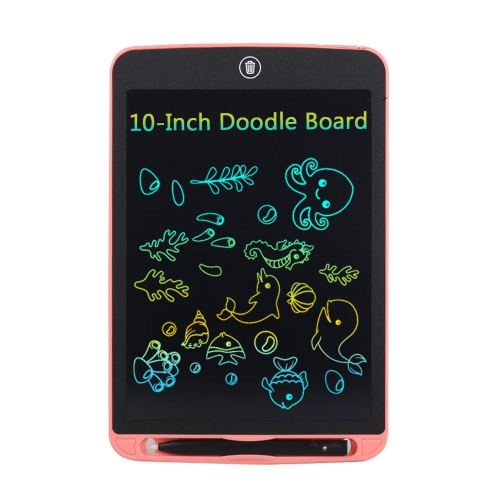
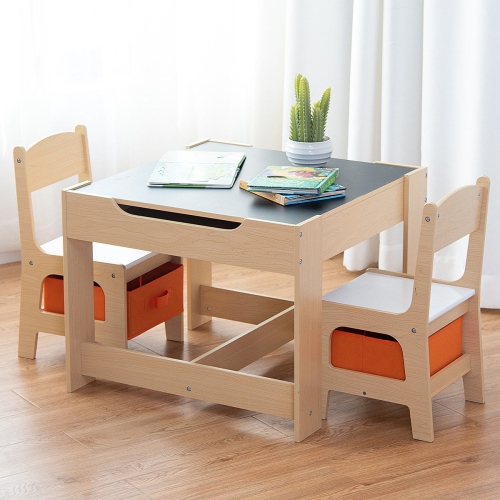
Digital whiteboard alternatives bring the same visual approach to remote meetings, hybrid classrooms, virtual tutoring, and distributed creative work. Instead of writing on a physical surface, participants can add text, shapes, drawings, images, digital sticky notes, and task cards to a shared canvas. This format is useful when people need to contribute from different locations, save a record of a discussion, or continue refining a plan after a meeting ends. When choosing a digital option, consider whether it works in a web browser, supports the devices your group already uses, allows guests to join easily, and offers tools for permissions, templates, exporting, and version history. A simple shared canvas may be enough for a family planning board or a private study session, while a project team may benefit from structured columns, voting tools, presentation modes, and integrations with other workplace software. A touchscreen display or interactive monitor can bridge the gap between physical and digital writing, giving presenters the feel of a marker on a surface while allowing notes to be saved and shared electronically. For children, small reusable writing boards, wipe-clean activity surfaces, and portable drawing pads can encourage practice without taking over a table or wall. They are handy for road trips, quiet-time activities, tutoring, and creative play, and their compact size can make them suitable gifts for young learners. Before choosing any alternative, think about who will use it, where it will be placed, how often it will be cleaned, and whether the main need is quick note-taking, long-term planning, teaching, collaborative work, or imaginative drawing. Marker compatibility matters as well: use dry-erase or wet-erase markers only as directed, keep cleaning cloths nearby, and avoid permanent ink unless the surface is specifically designed for it. Comparing size, portability, installation, storage, writing feel, magnetic capability, and digital access will help you find a practical whiteboard alternative for home, school, work, or shared creative spaces.
For a more polished, durable setup, tempered glass boards offer a sleek alternative to conventional melamine or fibreboard writing surfaces. Glass is easy to wipe clean and is less likely to absorb ink, stain, or develop the lingering “ghost” marks that can appear after repeated use on lower-quality surfaces. Many glass boards are magnetic, allowing users to combine handwritten notes with cards, printouts, calendars, or visual references; however, it is important to confirm that the board requires special high-strength magnets rather than standard refrigerator magnets. Frameless glass designs can suit modern offices, meeting rooms, kitchens, and study spaces, while coloured or translucent surfaces can add a distinct look to a creative workspace. When comparing a glass board, consider the usable writing area, mounting hardware, wall compatibility, weight, edge treatment, and whether installation requires more than one person. A large board can support team planning and presentations, but a smaller board may be more practical beside a workstation or in a child’s homework area. For classrooms and learning spaces, browse Classroom Whiteboards for surfaces designed around teaching, demonstrations, and student participation. Other low-cost physical alternatives include glossy panel boards, smooth white tile panels, laminated sheets, and clear page protectors filled with paper. These compact solutions work well for individual practice, spelling exercises, arithmetic, language learning, chore charts, and small-group activities. Laminated paper is particularly convenient when you need several portable writing surfaces that can be stacked in a folder or carried between rooms. Clear sleeves can hold printed templates, maps, worksheets, or blank grids, letting learners write over the same material with dry-erase markers and reuse it for different activities.
Digital whiteboard alternatives bring the same visual approach to remote meetings, hybrid classrooms, virtual tutoring, and distributed creative work. Instead of writing on a physical surface, participants can add text, shapes, drawings, images, digital sticky notes, and task cards to a shared canvas. This format is useful when people need to contribute from different locations, save a record of a discussion, or continue refining a plan after a meeting ends. When choosing a digital option, consider whether it works in a web browser, supports the devices your group already uses, allows guests to join easily, and offers tools for permissions, templates, exporting, and version history. A simple shared canvas may be enough for a family planning board or a private study session, while a project team may benefit from structured columns, voting tools, presentation modes, and integrations with other workplace software. A touchscreen display or interactive monitor can bridge the gap between physical and digital writing, giving presenters the feel of a marker on a surface while allowing notes to be saved and shared electronically. For children, small reusable writing boards, wipe-clean activity surfaces, and portable drawing pads can encourage practice without taking over a table or wall. They are handy for road trips, quiet-time activities, tutoring, and creative play, and their compact size can make them suitable gifts for young learners. Before choosing any alternative, think about who will use it, where it will be placed, how often it will be cleaned, and whether the main need is quick note-taking, long-term planning, teaching, collaborative work, or imaginative drawing. Marker compatibility matters as well: use dry-erase or wet-erase markers only as directed, keep cleaning cloths nearby, and avoid permanent ink unless the surface is specifically designed for it. Comparing size, portability, installation, storage, writing feel, magnetic capability, and digital access will help you find a practical whiteboard alternative for home, school, work, or shared creative spaces.
Top selling and popular products
-
 Your price for this item is $169.99
 -
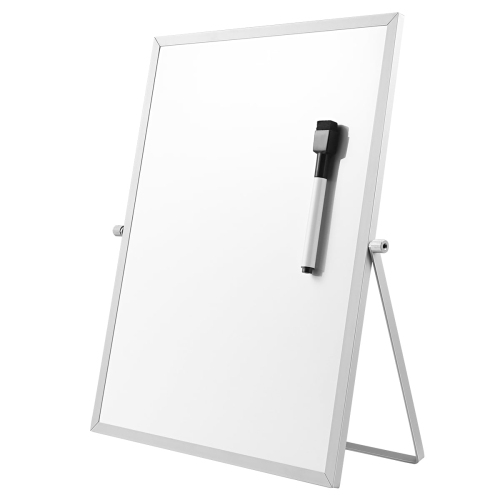 Your price for this item is $35.65
 -
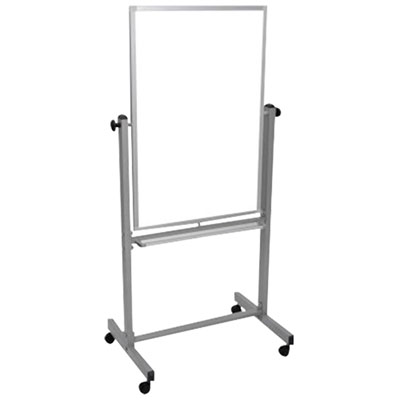 Your price for this item is $359.99
 -
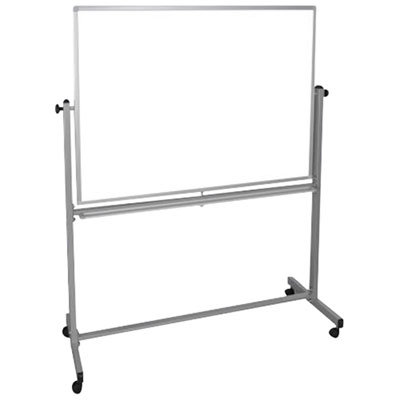 Your price for this item is $429.99
 -
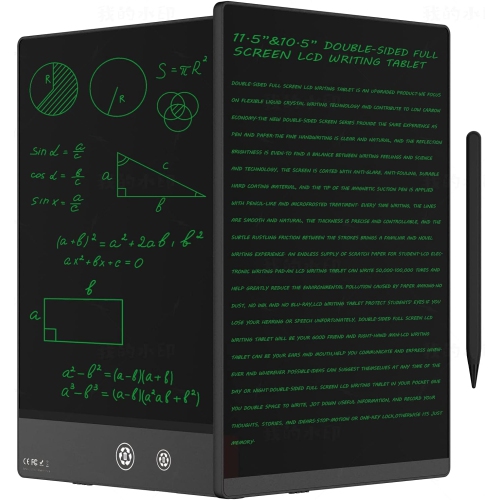 Your price for this item is $30.28
 -
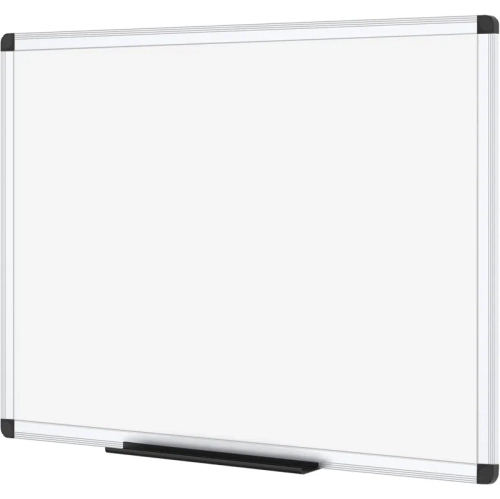 Your price for this item is $59.99
 -
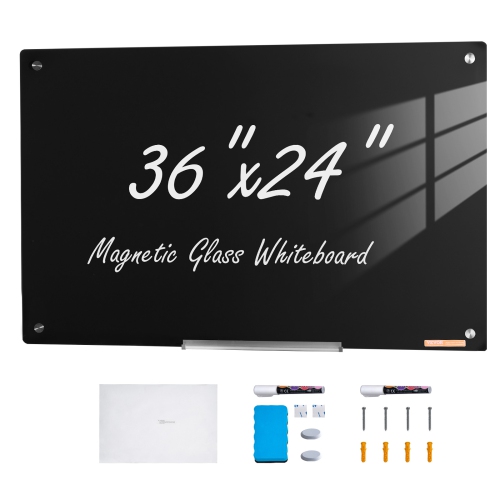 Your price for this item is $68.9
 -
 Your price for this item is $229.99
Discover more categories related to Whiteboard Alternatives
Top Collections:
Best Laptops for Video Editing, Pokemon Centers, Samsung Z Fold, Kindle Devices, Best Cell Phones Under $300, Best Laptops for Writers, Best Budget Office Chairs, Best Cell Phones Under $500, Best Laptop Computers for Students, iPhone 15 Apple
Some products may be subject to Environmental Handling Fees
(EHF) depending on your province.
Learn more about EHFs.