Whiteboard Markers
Enhance your brainstorming sessions, presentations, and creative endeavors with this selection of whiteboard markers. Perfect for offices, classrooms, or home use, these versatile markers offer vivid and smooth writing experiences on whiteboard surfaces. Whether you're outlining ideas, illustrating concepts, or organizing thoughts, this range of whiteboard markers provides the essential tools you need to bring your ideas to life in vibrant color.
Sort














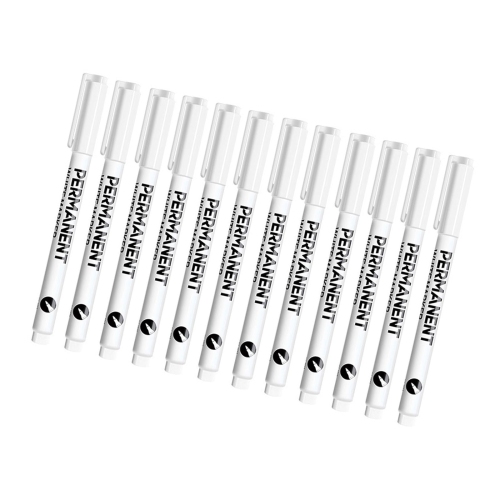
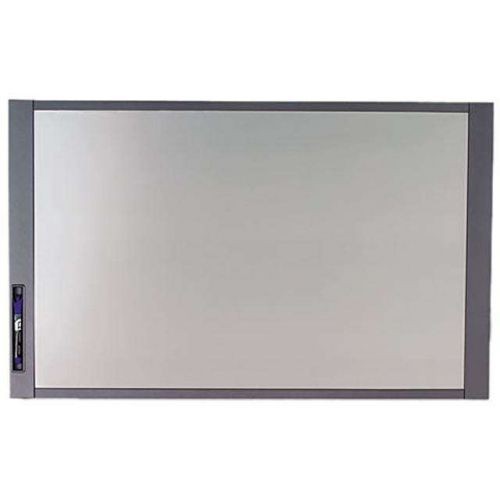
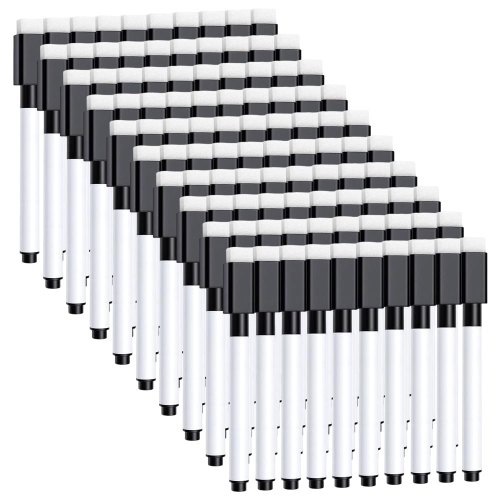

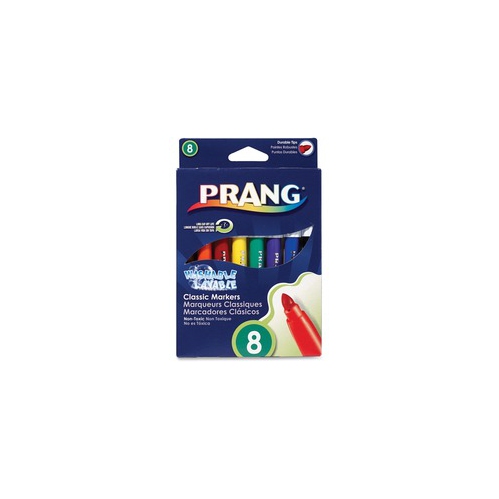





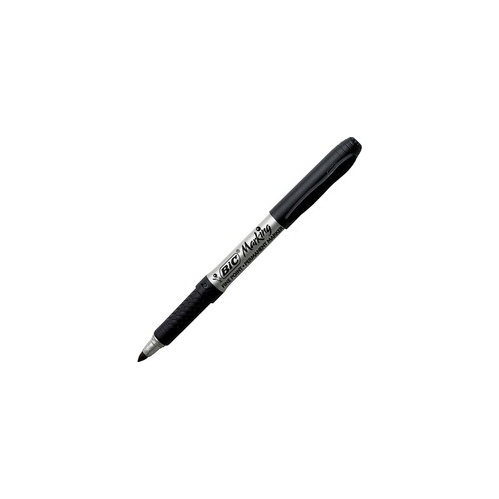

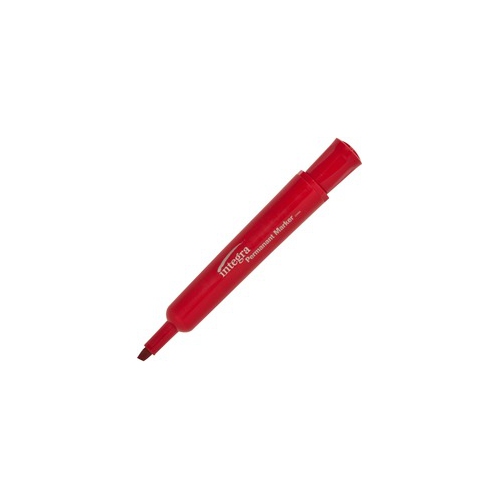
Clearer notes start with the right tip and ink
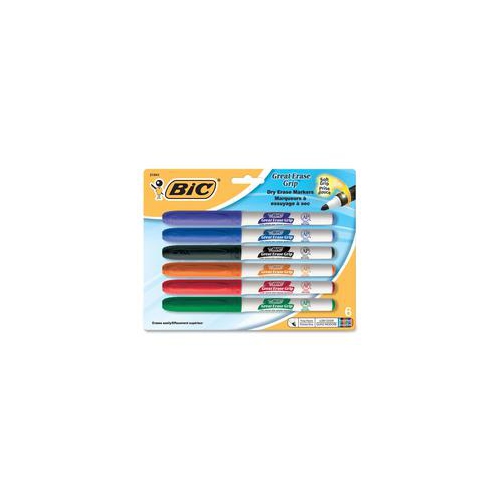
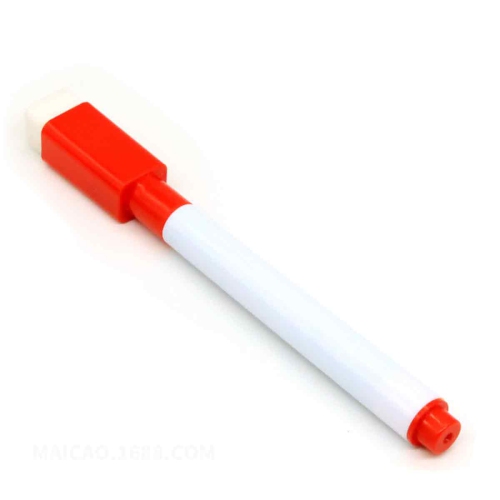
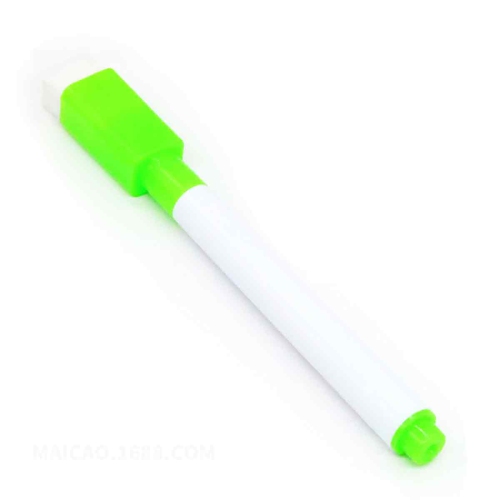
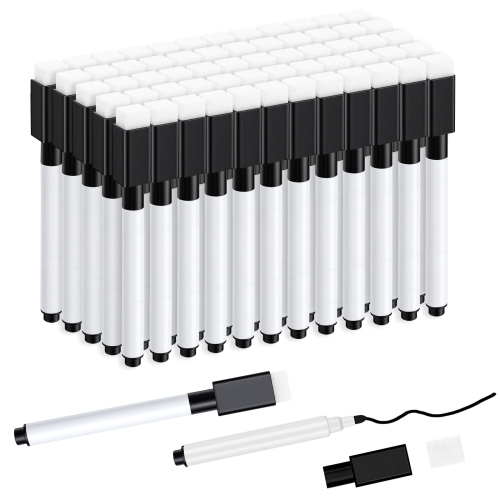
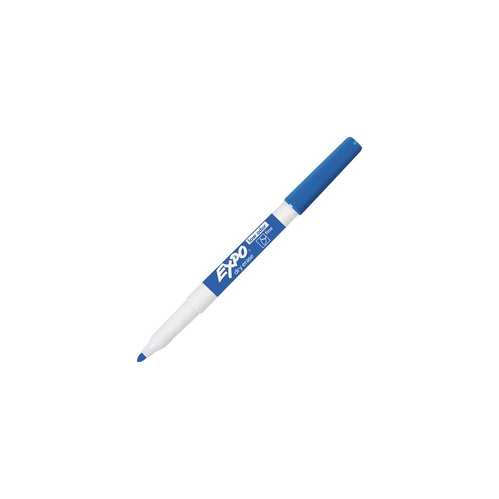
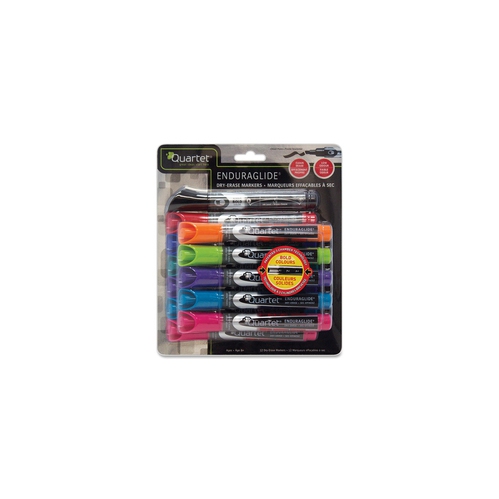
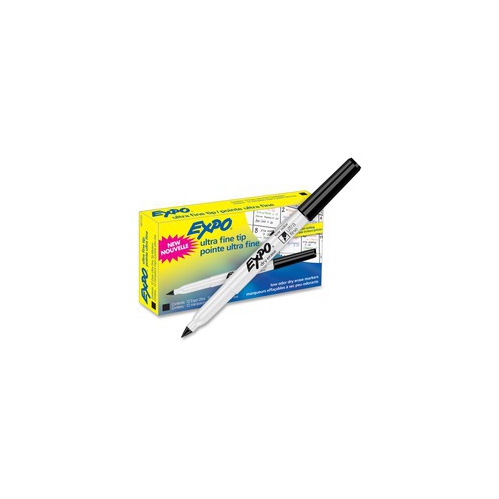
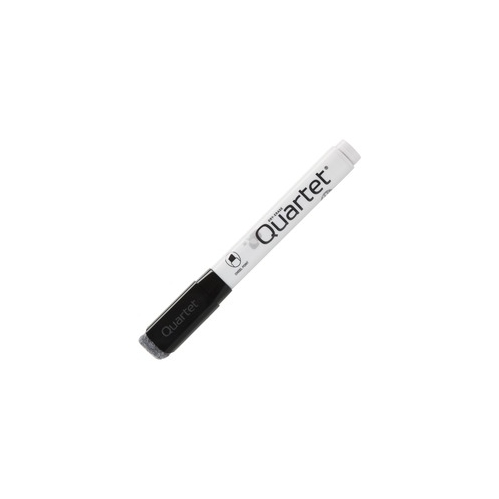
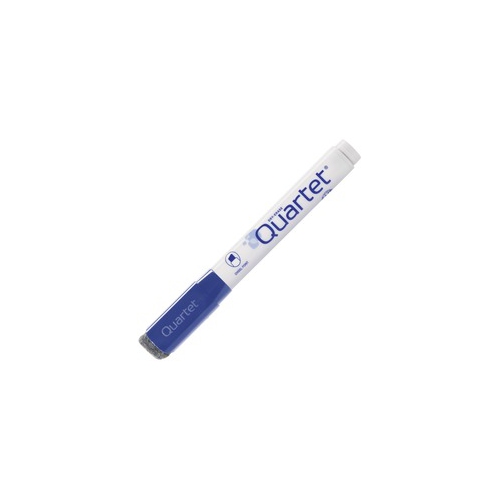
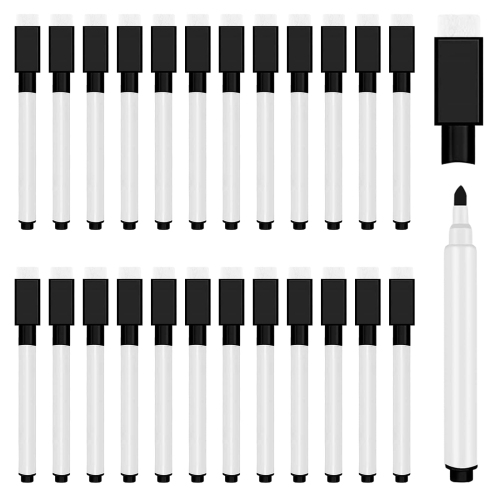
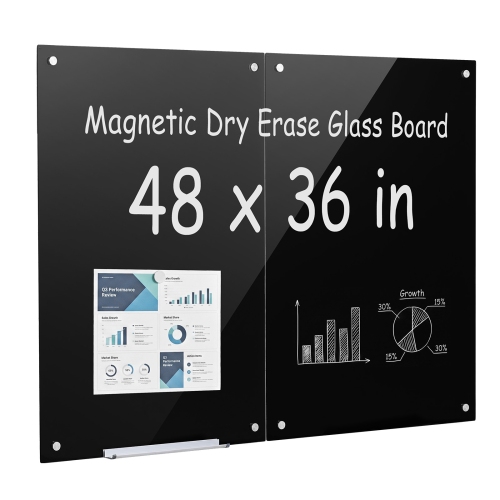
Whiteboard markers are designed for writing on compatible non-porous boards, making them useful for everything from classroom lessons and meeting notes to household calendars and study sessions. Dry-erase ink leaves a visible line that can usually be removed with a dry whiteboard eraser or soft cloth, allowing the same surface to be used repeatedly. The right marker depends on the size of the board, the amount of detail being written, and how far away the writing needs to be read. Fine tips suit compact handwriting, calendar squares, labels, and detailed calculations where space is limited. Bullet tips produce a fairly consistent line and work well for everyday notes, diagrams, and lists. Chisel tips offer more flexibility: the broad edge creates thicker strokes for headings, while the narrower edge helps with smaller lettering. On a large presentation board, bold writing is generally easier to follow than tightly packed lines, even when the ink itself is dark. Black and blue are practical choices for main text, while additional colours can separate project stages, distinguish parts of a diagram, or give each family member a recognizable place on a shared planner. Colour works best alongside clear labels rather than as the only way to communicate meaning. Surface compatibility matters just as much as tip style. Melamine, painted steel, porcelain, and glass boards can have different writing and cleaning requirements, so the board’s care instructions should guide marker selection. A marker that performs well on a conventional whiteboard may not produce the same contrast on glass, particularly if the glass has a dark backing. Glass boards may require a compatible opaque ink rather than a standard dry-erase formula. Within the wider Board Markers category, checking the intended surface and erasing method helps distinguish markers that look similar but serve different purposes.
Ink performance affects both the writing experience and the cleanup afterwards. A useful whiteboard marker should lay down a reasonably even line without requiring repeated passes that make handwriting look heavy or uneven. Visibility depends on the ink colour, line width, board finish, lighting, and viewing distance, so a bold stroke often does more for readability than adding extra colours. Low-odour formulas can be a consideration for shared offices, tutoring spaces, and rooms where several people write at once, though they should still be used with appropriate ventilation and according to the label. Dry-erase and wet-erase markers are not interchangeable simply because both are used on boards. Dry-erase writing is intended to lift with a dry eraser, while wet-erase writing generally needs a damp cloth and may be useful for information that should resist accidental brushing, provided the surface supports it. Permanent markers should not be treated as substitutes for either type. For routine use, letting fresh writing dry before erasing helps reduce smearing. A clean eraser or microfibre cloth also makes a noticeable difference: once it is loaded with ink residue, it can spread a grey haze rather than remove the writing cleanly. Persistent shadows, often called ghosting, can be related to the board surface, residue, incompatible ink, or writing left in place for an extended period. Cleaning the board with a product approved by its manufacturer is preferable to reaching for an abrasive pad or an unverified household cleaner that could damage the finish. After a damp cleaning, allow the surface to dry before writing again. A small test in an unobtrusive area is sensible when trying a new marker formula or cleaning product, especially on an older board. Keeping the surface smooth and free of residue supports clearer lines and easier erasing, whether the board holds a quick reminder or a full afternoon’s worth of calculations.
Pack size, barrel shape, cap design, and maintenance needs can help narrow the choice for a particular setting. A small assortment may be enough for a home office or a refrigerator-side planning board, while a classroom or busy meeting room may need several markers in the colours used most often. An assorted pack supports colour-coded notes, but repeated use of one colour can leave the other markers largely untouched; matching the colour mix to actual tasks makes the set more useful. A comfortable barrel is worth considering for extended writing, and a broader grip may feel different from a slim pen-style body. Younger users should have age-appropriate markers and suitable supervision, with caps and other small parts kept away from young children. Some marker designs include a visible ink supply, refillable construction, or replaceable tips, but these features vary and should be confirmed in the product details. Refillable markers require the specified ink, since an incompatible formula can affect flow and erasing. Tip durability also depends on handling: pressing hard can flatten or split the point, while a light, steady touch helps maintain a consistent line. Caps should be replaced securely after use, even when a marker is described as resistant to drying out. Storage orientation should follow the manufacturer’s directions rather than a single rule for every design. For teachers, tutors, coaches, and project teams, having the appropriate tip styles close to the board keeps attention on the lesson or discussion instead of on finding something that writes clearly. At home, whiteboard markers can support homework practice, meal planning, chore schedules, or a shared list beside the door. They can also be a practical addition to a gift for a teacher, student, or someone setting up a workspace, especially when paired with a compatible board and eraser. The most useful selection is one that suits the writing surface, feels comfortable in the hand, produces readable marks, and cleans away as intended.
Top selling and popular products
-
 Your price for this item is $48.99
-
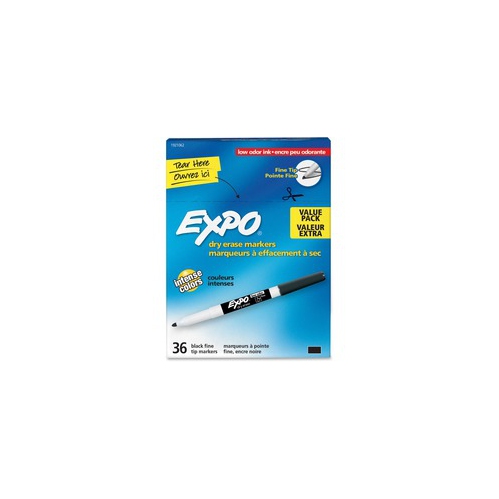 Your price for this item is $57.99
-
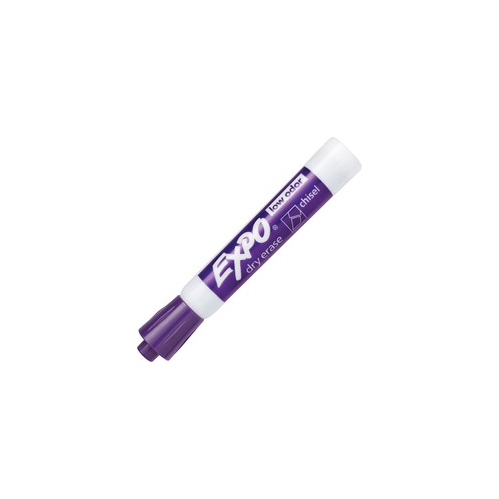 Your price for this item is $1.99
-
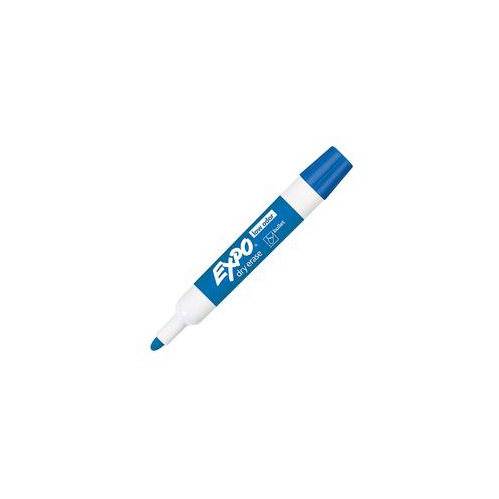 Your price for this item is $3.99
-
 Your price for this item is $10.99
-
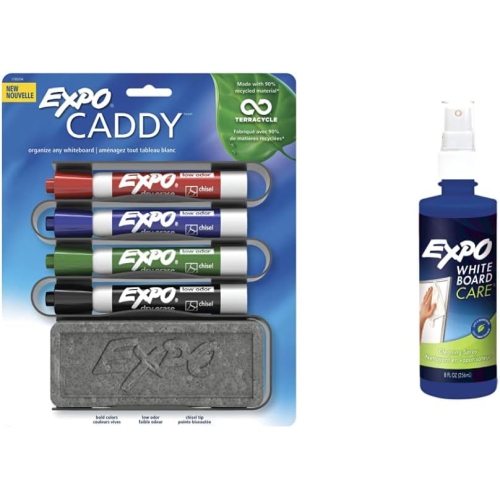 Your price for this item is $11.99
-
 Your price for this item is $7.99
-
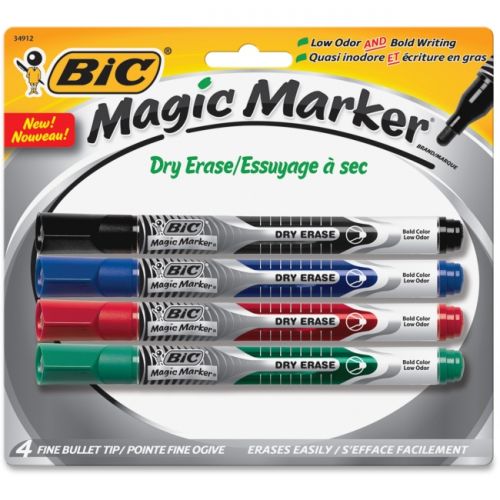 Your price for this item is $6.99
Discover more categories related to Whiteboard Markers
Top Collections:
Pokemon Centers, Kindle Devices, Best Cameras for Sports Photography, Pokémon 30th Celebration Cards, Apple iPhones 16, Canon G7X Cameras, iPhone 15 Apple, Flip Phones, Samsung Galaxy Phones, Alarm Clock
Some products may be subject to Environmental Handling Fees
(EHF) depending on your province.
Learn more about EHFs.