Washable Whiteboard Markers
Looking for a convenient and eco-friendly solution to keep your ideas flowing? Look no further than our collection of washable whiteboard markers. These versatile markers are perfect for brainstorming sessions, presentations, or simply jotting down reminders. With their vibrant colors and easy-to-erase ink, you can bring your whiteboard to life without worrying about permanent stains or ghosting. Whether you're a teacher, student, or professional, our washable whiteboard markers offer a mess-free and sustainable way to express your creativity. Explore our range of options and make your mark today!
Sort

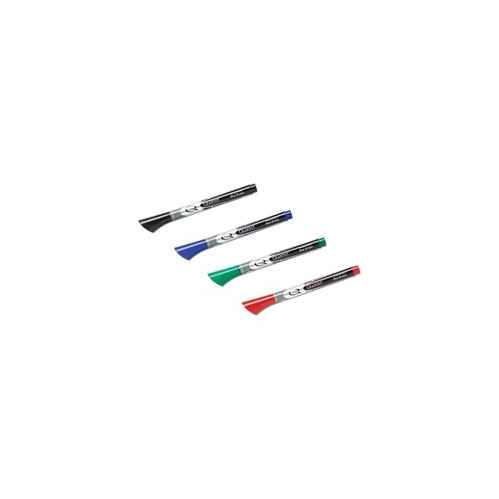


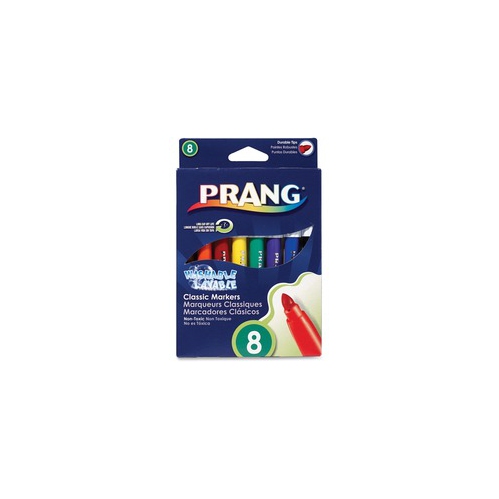


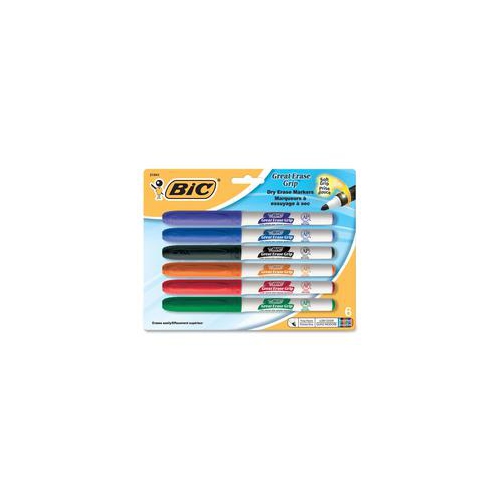
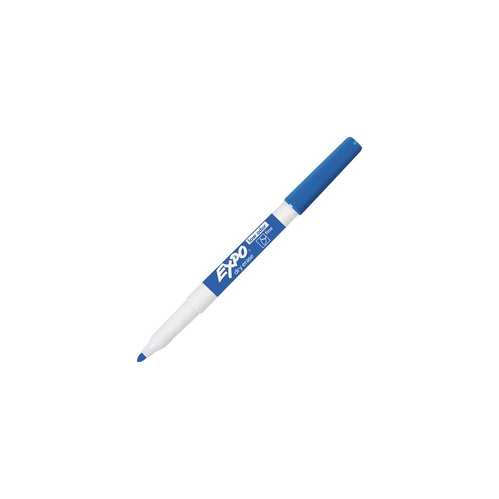
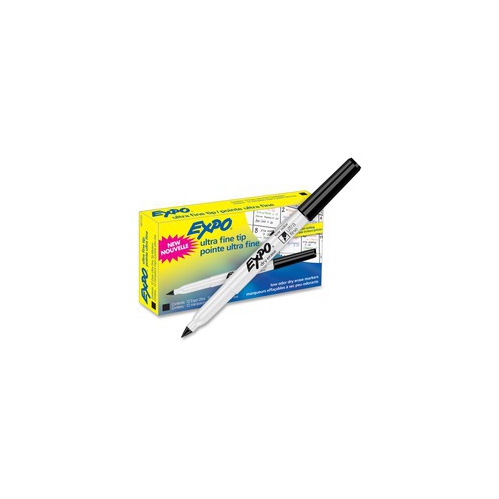
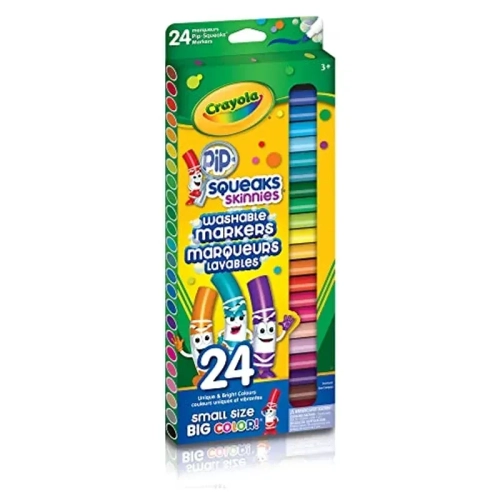
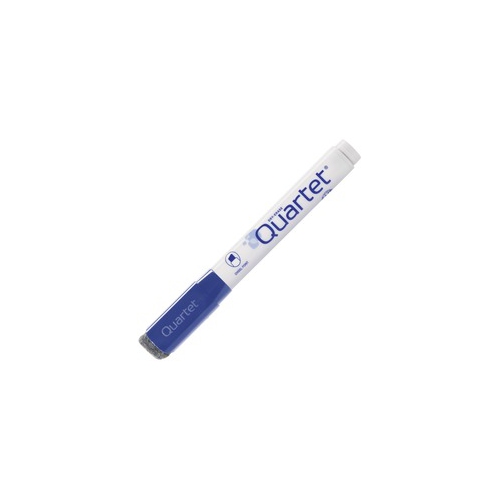
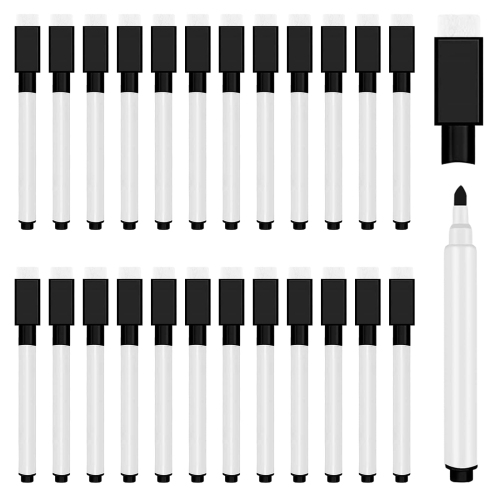


Why washable and dry-erase mean different things
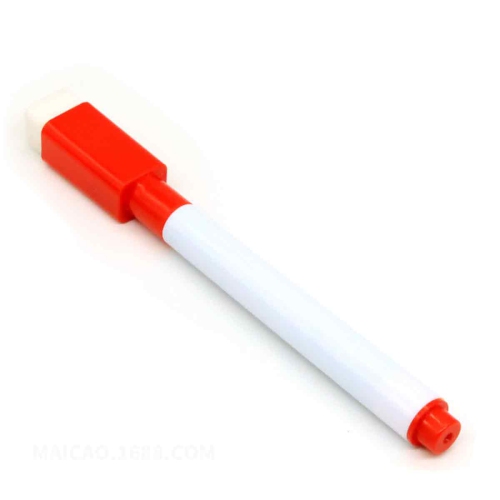
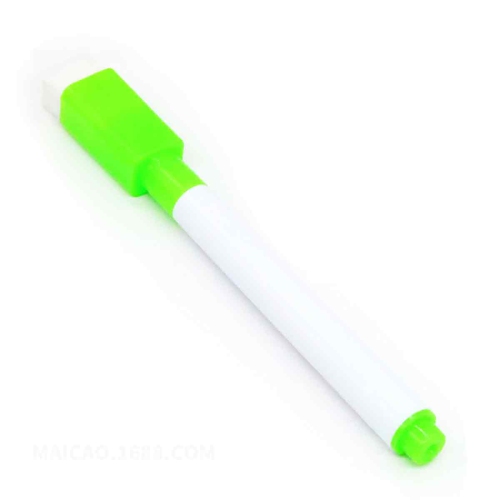
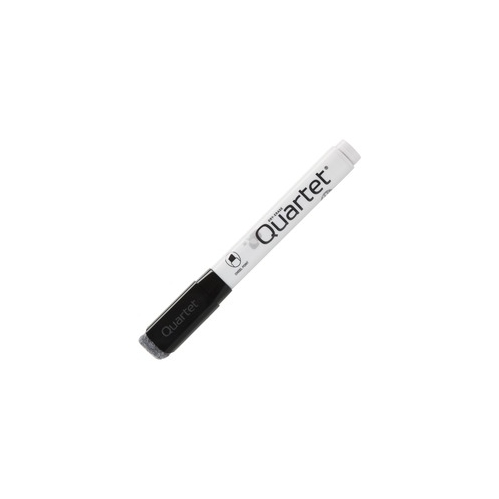
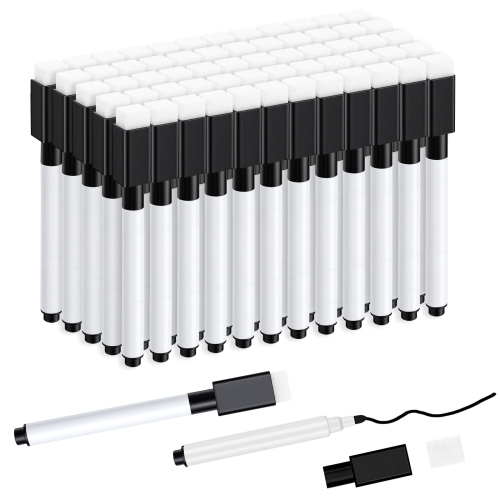
Washable whiteboard markers combine writing on compatible dry-erase surfaces with ink designed to wash from specified materials, such as skin or certain washable fabrics, according to the manufacturer’s directions. Washable and dry-erase describe different properties: dry-erase refers to removing writing from a suitable board, while washable refers to cleaning accidental marks from other stated surfaces. An ordinary dry-erase marker is not necessarily washable, and a washable colouring marker is not automatically suitable for a whiteboard. That distinction matters at a kitchen table where children practise spelling, in a classroom with shared writing stations, or beside a family calendar that gets updated throughout the day. Within the broader category of Whiteboard Markers, washable options can offer a practical balance between reusable writing space and manageable clean-up. They suit activities that change frequently, from working through a maths problem to rearranging a weekly schedule without filling another sheet of paper. Surface compatibility remains important, even when the ink is washable. Coated boards, porcelain whiteboards, glass boards, and reusable writing pockets can have different requirements, so suitability depends on both the marker and the writing surface. A glossy appearance alone does not establish that a surface will erase cleanly. Painted walls, unfinished wood, fabric-covered furniture, and paper are not substitutes for a compatible board. Washability claims also have limits: they may apply to particular fabrics or cleaning methods rather than every material in a room. Packaging details help clarify those boundaries, especially when markers will be used around clothing, upholstered chairs, or other surfaces prone to accidental contact. For home learning, office planning, and classroom practice, the most useful combination is legible ink, dependable erasing on the intended board, and clear care directions for any stray marks.
Tip shape changes how washable whiteboard markers feel in use and how much information fits on the board. Fine tips suit small calendar squares, letter formation, equations, and notes on compact personal boards. A broader bullet tip produces rounded strokes that can be easier to see across a table, while a chisel or wedge tip allows narrow lines from one edge and wider strokes from another. For a teacher writing vocabulary that needs to be read from several desks away, line width and contrast matter more than fitting a long sentence into a small space. For a child tracing letters on a reusable practice board, a clear, controlled line may be more useful than a broad stroke. Tip materials and construction vary, and firm pressure can flatten or distort some fibre tips over time. A light touch generally helps preserve the intended line shape while reducing wear on the writing surface. Barrel size also affects comfort: a wider barrel may be easier for some smaller hands to hold, while a slimmer shape may fit more comfortably in an adult’s grip or a narrow pen tray. Grip preference is individual, so a thick barrel should not be treated as a guarantee of easier writing. Colour selection has a practical role beyond making a board look lively. Dark, contrasting colours can keep daily reminders readable, while separate colours can distinguish school subjects, household tasks, project stages, or different parts of a calculation. Pale shades may be less visible on a white surface, particularly from a distance. On darker or transparent boards, suitable ink and contrast require separate consideration rather than an assumption that every whiteboard marker will work equally well. Low-odour claims, where provided, may be relevant in shared spaces, but low odour does not establish that a marker is suitable for every age or use. Age recommendations and safety labelling remain important, especially for children who still put caps or writing tools in their mouths.
Care and storage have a noticeable effect on how consistently washable whiteboard markers perform. A cap that closes securely helps protect the tip from drying between uses, whether the marker spends its day beside a meeting-room board or travels between a classroom and home. Storage orientation can vary by design, so the manufacturer’s directions are more reliable than a universal rule about keeping every marker upright or flat. Barrels and caps should also fit the way the markers are stored; a bulky shape may not sit neatly in a shallow board tray, and loose caps are easy to misplace in a busy learning space. On the board itself, a clean, dry surface helps keep writing distinct. Residue from previous marks, unsuitable cleaners, or a worn coating can contribute to smearing and faint traces left behind after erasing. A soft eraser or non-abrasive cloth is generally preferable to rough scrubbing, with any additional cleaning matched to the board’s care instructions. If an accidental mark reaches clothing, the marker’s stain-removal directions and the garment’s care label should both inform the clean-up; washability is not a promise that every stain will disappear under any conditions. These details are particularly relevant when several people share the same supplies. A classroom may benefit from repeat colours for small-group work, while a home workspace may need only a few clearly distinguishable shades for appointments and tasks. Larger colour ranges suit drawing, sorting, and visual explanations, but the number of colours is less important than having useful tips and readable ink. Washable whiteboard markers can also be a thoughtful addition to a compatible writing board given to a student, teacher, tutor, or someone setting up a home office. For younger recipients, age suitability, supervised use, and secure storage deserve attention alongside colour and grip. Matched to the surface and the person using them, these markers support everyday writing that can be revised, erased, and started again.
Top selling and popular products
-
 Your price for this item is $48.99
-
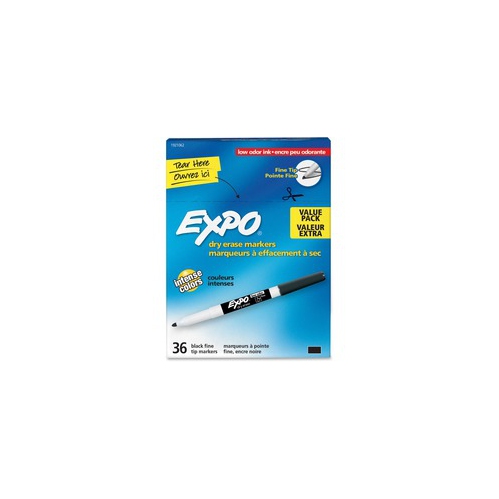 Your price for this item is $57.99
-
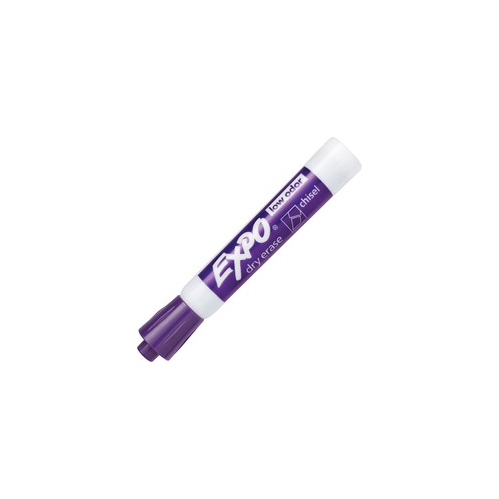 Your price for this item is $1.99
-
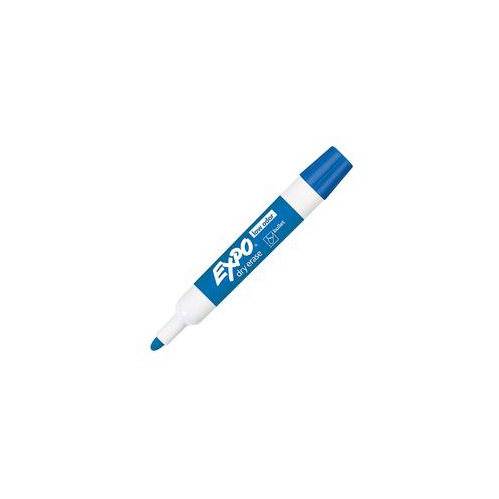 Your price for this item is $3.99
-
 Your price for this item is $10.99
-
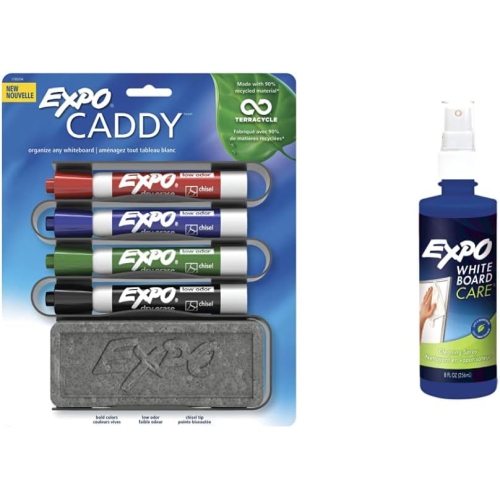 Your price for this item is $11.99
-
 Your price for this item is $7.99
-
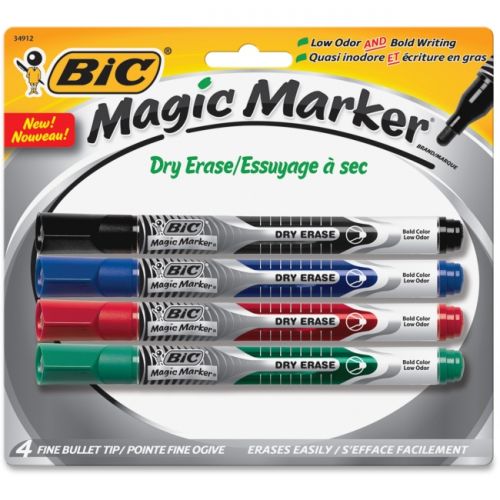 Your price for this item is $6.99
Discover more categories related to Washable Whiteboard Markers
Top Collections:
Pokemon Centers, Kindle Devices, Best Cameras for Sports Photography, Pokémon 30th Celebration Cards, Apple iPhones 16, Canon G7X Cameras, iPhone 15 Apple, Flip Phones, Samsung Galaxy Phones, Alarm Clock
Some products may be subject to Environmental Handling Fees
(EHF) depending on your province.
Learn more about EHFs.