Black Barbecue Grills
Barbecuing is a favorite pastime of many people. It's a great way to spend time with friends and family, and it can be a fun hobby to develop. If you're looking to get into barbecuing, you'll need the right tools. A good grill is essential, as is the right food to cook on it. Here are some of the best black barbecue grills available today.
Sort
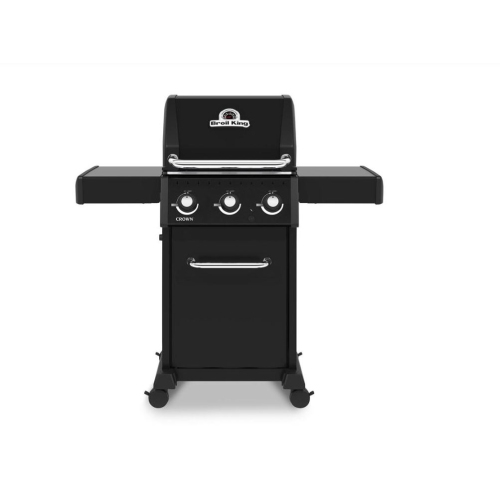
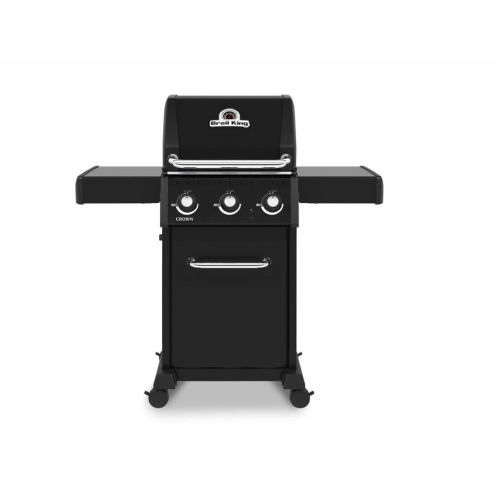
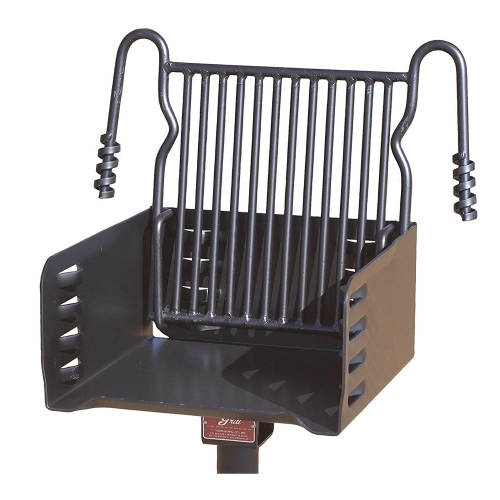
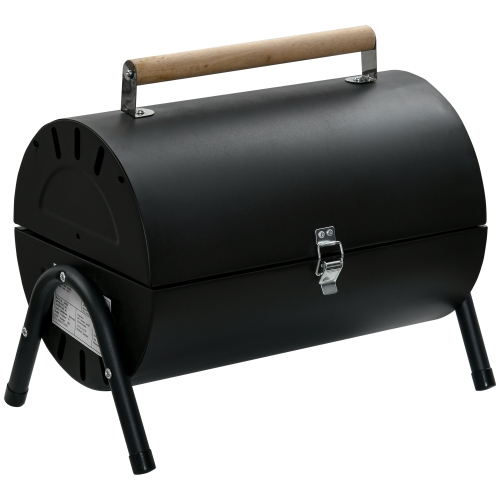
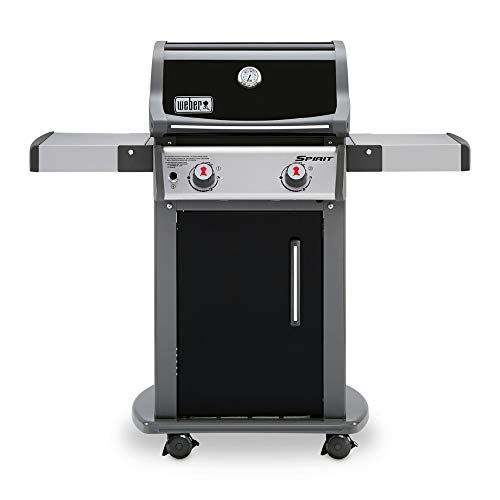
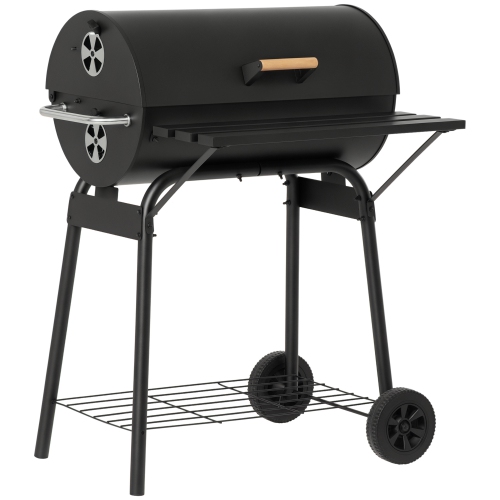
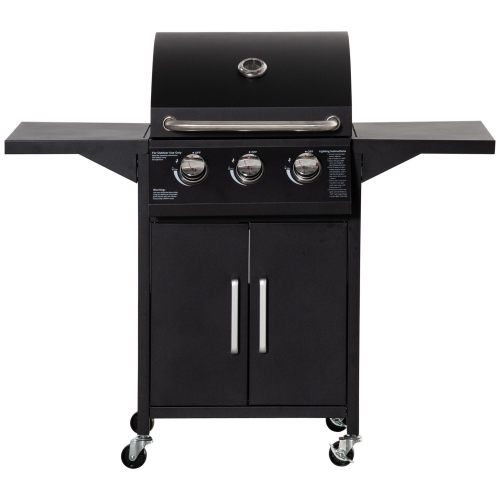
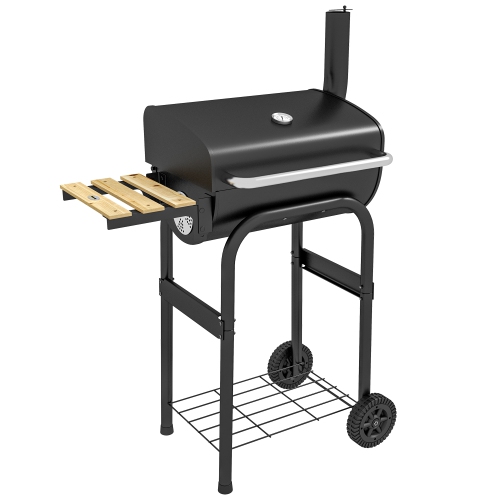
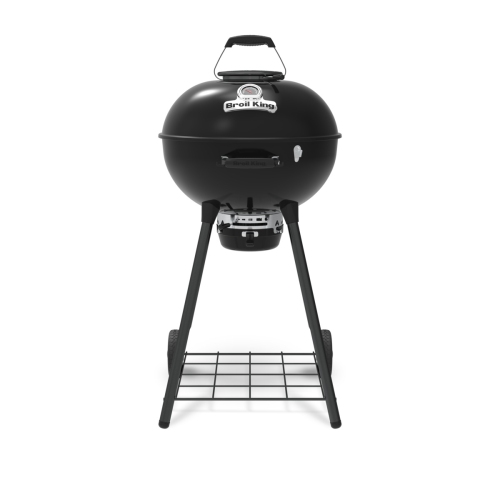
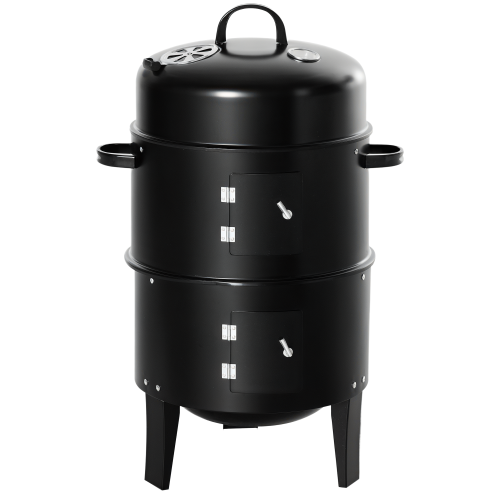
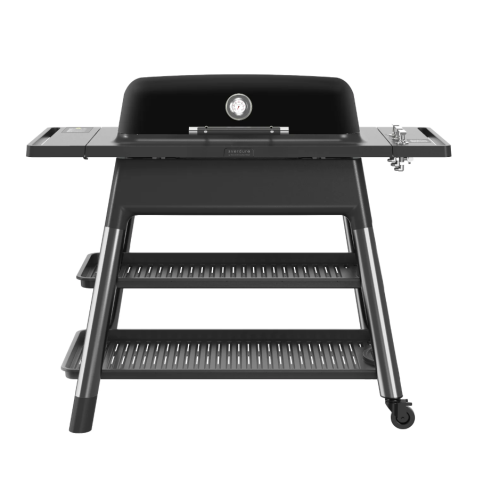
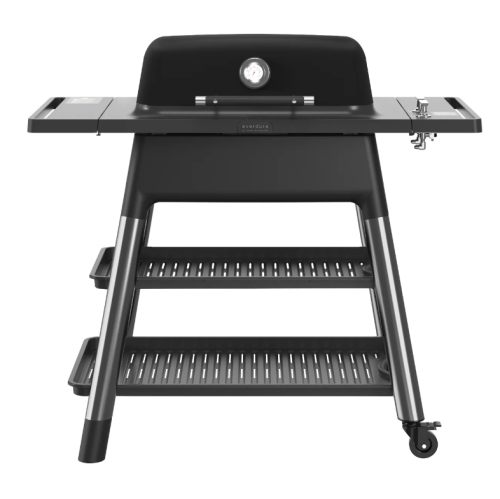
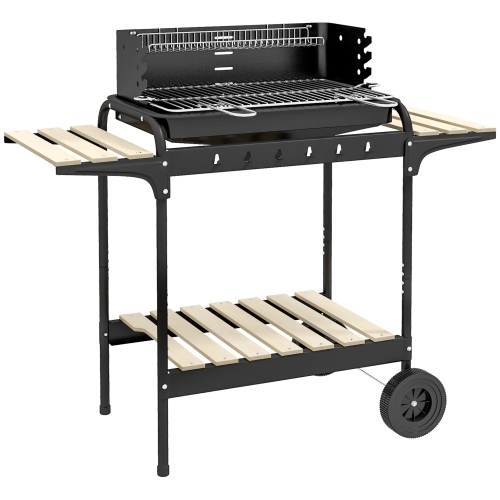
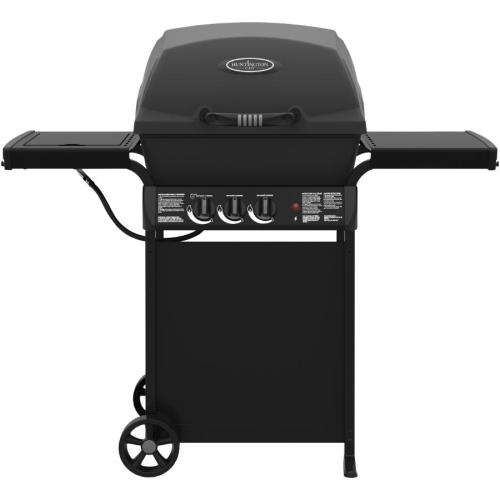
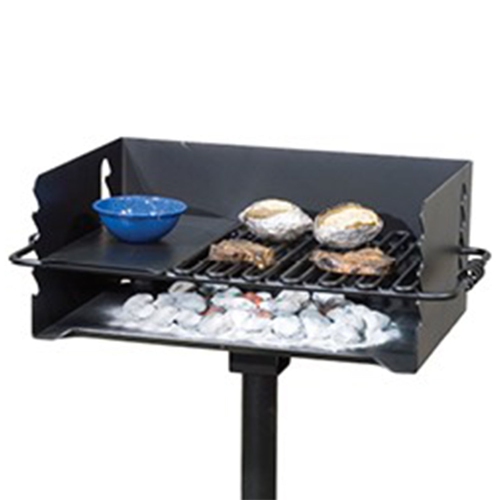
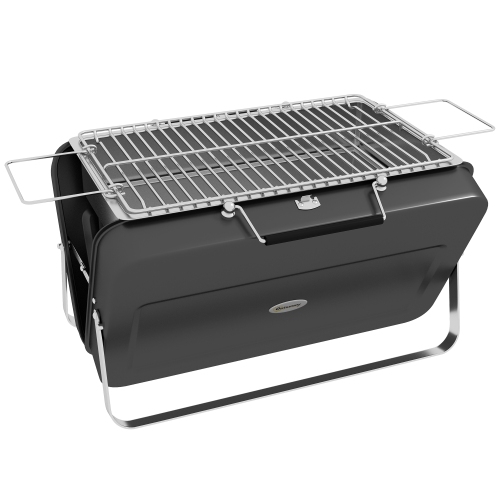
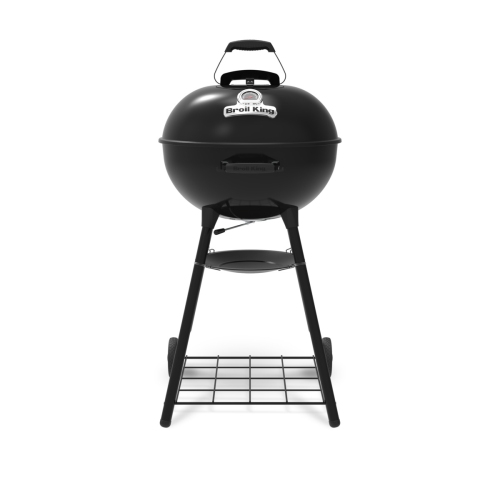
Behind the black finish, cooking styles set grills apart
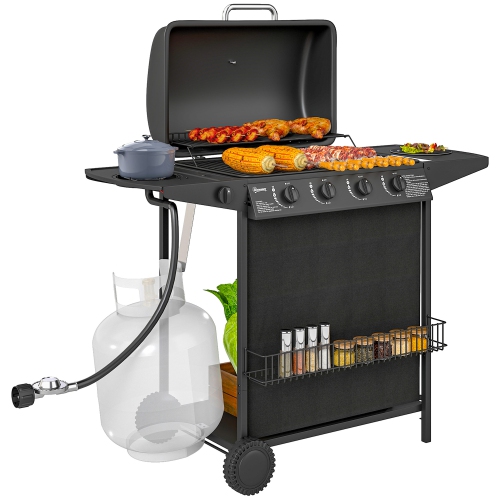
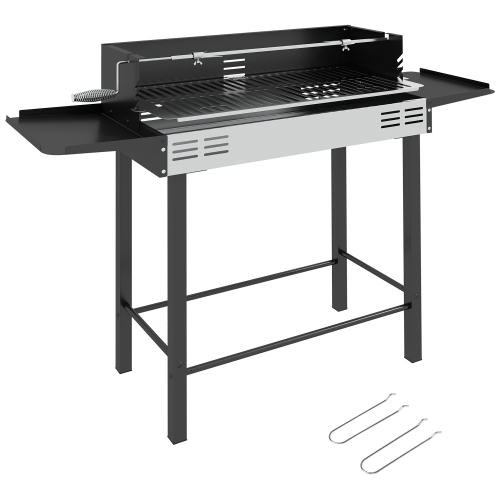
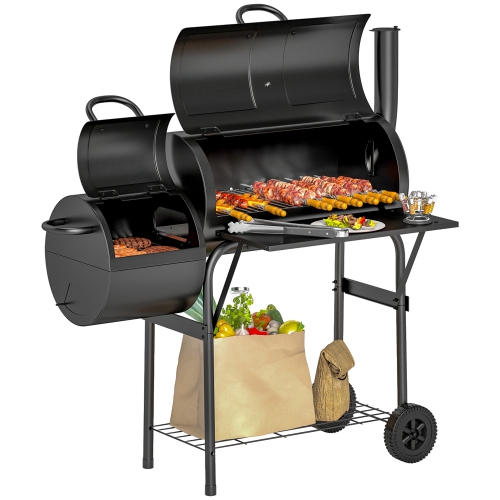
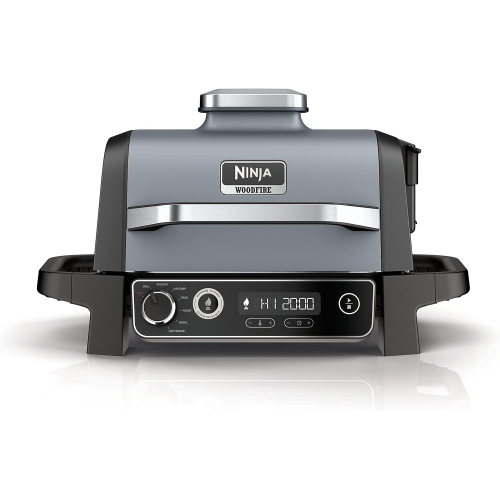
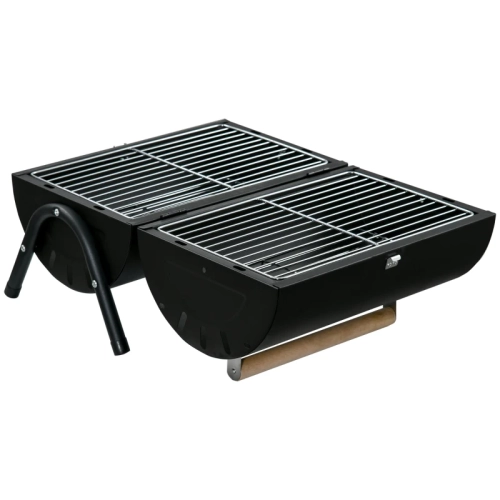
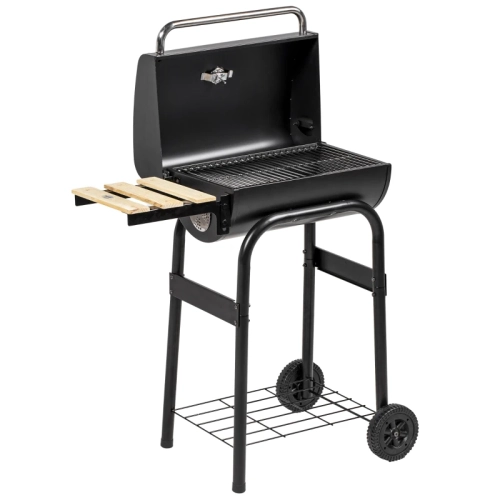
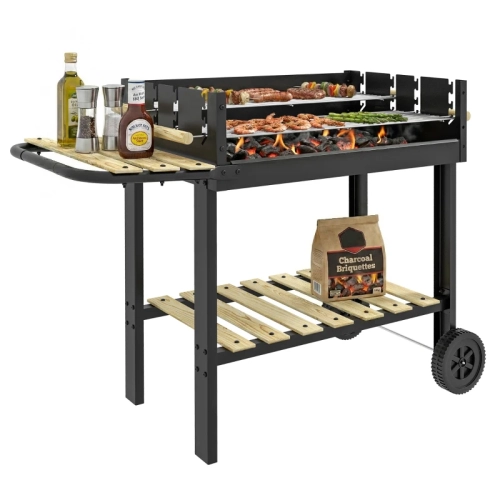
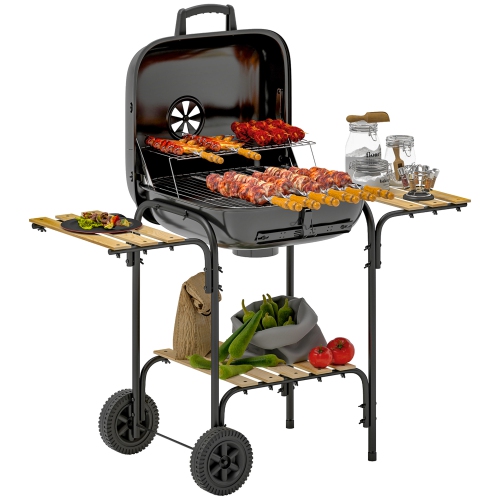
Black barbecue grills pair a versatile finish with a range of outdoor cooking styles, from charcoal kettles and propane grills to pellet grills, smokers, and hybrid designs. Their defining feature is the black exterior, rather than a particular fuel source or cooking method, so the right fit depends as much on what goes onto the grate as on how the grill looks beside the patio table. A rounded kettle has a familiar, compact profile, while a cart-style grill offers a broader cooking surface and room for preparation tools. Matte black finishes create a restrained look alongside wood furniture and stone paving; glossy black enamel adds a more reflective surface that suits both traditional and contemporary outdoor spaces. Across the Black Barbeque category, differences in shape, construction, and layout matter more to everyday use than colour alone. Propane grills suit cooks who value straightforward ignition and adjustable burners for preparing burgers, vegetables, and chicken during the same meal. Natural gas designs connect to a suitable household gas supply and require an appropriate connection and installation. Charcoal grills offer a hands-on cooking experience, with airflow and coal placement controlling the heat and helping create distinct areas for searing and gentler cooking. Pellet grills typically use electrically powered controls and a fuel-feeding system to maintain selected cooking settings, making them well suited to longer cooking sessions, although searing capability varies by design. Hybrid grills combine fuel options, but the way those options work together differs between designs. For someone who enjoys experimenting with ribs, roasted vegetables, or thick-cut steaks, those distinctions shape the experience far more than the number of accessories attached to the cart. A black exterior can bring visual consistency to an outdoor cooking area, but it does not, by itself, indicate stronger heat output, better heat retention, or a particular level of durability.
Construction determines how a black barbecue grill handles repeated cooking, cleaning, and movement. Porcelain-enamelled steel is common on lids and bowls because its glass-like coating provides a smooth surface and helps protect the underlying metal when intact. Painted and powder-coated metal finishes are also used on grill bodies and carts, with coatings chosen for the demands of each component. The appearance of the finish is only part of the picture: secure joints, a well-fitting lid, stable legs, and firmly mounted handles all contribute to a grill that feels dependable in regular use. Inside, cooking grates affect both food contact and upkeep. Cast iron holds heat well and can produce defined sear marks, but uncoated cast iron needs careful drying and seasoning to help prevent rust. Porcelain-coated cast iron combines heat retention with a coated surface that needs protection from chips and harsh scraping. Stainless steel grates are another common choice, valued for their resistance to corrosion and relatively straightforward cleaning, although grate thickness and overall construction still matter. Cooking space is best understood through a typical meal rather than the largest stated measurement. A couple preparing fish and asparagus may need less primary grate area than a household cooking several portions of chicken with corn and potatoes. A warming rack adds useful space for buns or finished food, but it is not equivalent to the main cooking surface for searing. Multiple independently controlled burners, or enough room to arrange charcoal in separate zones, make it easier to cook foods that need different heat levels. A lid with room above the grate accommodates taller foods and covered roasting, while shelves provide a landing place for a tray. Built-in lid thermometers offer a general reading near the lid; a separate food thermometer measures internal doneness more directly. These practical details help distinguish a grill designed mainly for quick meals from one suited to larger gatherings and more varied cooking.
The fit of a black barbecue grill includes its full working footprint, not just the width of its cooking chamber. Side shelves, an open lid, access to the fuel supply, and space for the cook all affect how comfortably it works on a patio or in a designated outdoor cooking area. Folding shelves can reduce the storage footprint, while sturdy wheels and locking castors can make repositioning easier on a suitable level surface. A compact grill may suit a smaller household, but a small footprint does not automatically make it appropriate for a balcony: building rules, local requirements, and the manufacturer’s placement instructions determine what is permitted. Fuel-burning grills belong outdoors, never in garages or enclosed spaces, with the required clearance from walls, railings, and overhead structures. Pellet grills also need access to an appropriate electrical supply, and any grill should sit securely where people can move around it without brushing against hot surfaces. Care is equally important to keeping the black finish looking tidy and the cooking components working properly. Grease management systems and removable ash catchers simplify routine maintenance, but trays and collection points still need regular attention according to the manufacturer’s instructions. Ash should be handled only once fully extinguished and cold. Gentle cleaning products and suitable tools help protect enamel and painted surfaces; abrasive pads can leave visible marks or damage protective coatings. Food residue and grease should be removed from grates using the method recommended for their material, with cooking surfaces checked for loose cleaning debris before use. A properly fitted cover, applied only after the grill has cooled, helps keep dust and debris off the exterior between uses. Accessible replacement grates, burners, and other service parts can also support longer ownership. As a gift for an enthusiastic home cook or a household setting up an outdoor dining space, a black grill is most useful when its fuel requirements, dimensions, and maintenance needs match the recipient’s setup. The lasting appeal comes from that combination of understated colour and practical suitability: enough room for the food, controls that suit the cook, and construction that stands up to a familiar routine of preparing, sharing, and cleaning up after a good meal.
Construction determines how a black barbecue grill handles repeated cooking, cleaning, and movement. Porcelain-enamelled steel is common on lids and bowls because its glass-like coating provides a smooth surface and helps protect the underlying metal when intact. Painted and powder-coated metal finishes are also used on grill bodies and carts, with coatings chosen for the demands of each component. The appearance of the finish is only part of the picture: secure joints, a well-fitting lid, stable legs, and firmly mounted handles all contribute to a grill that feels dependable in regular use. Inside, cooking grates affect both food contact and upkeep. Cast iron holds heat well and can produce defined sear marks, but uncoated cast iron needs careful drying and seasoning to help prevent rust. Porcelain-coated cast iron combines heat retention with a coated surface that needs protection from chips and harsh scraping. Stainless steel grates are another common choice, valued for their resistance to corrosion and relatively straightforward cleaning, although grate thickness and overall construction still matter. Cooking space is best understood through a typical meal rather than the largest stated measurement. A couple preparing fish and asparagus may need less primary grate area than a household cooking several portions of chicken with corn and potatoes. A warming rack adds useful space for buns or finished food, but it is not equivalent to the main cooking surface for searing. Multiple independently controlled burners, or enough room to arrange charcoal in separate zones, make it easier to cook foods that need different heat levels. A lid with room above the grate accommodates taller foods and covered roasting, while shelves provide a landing place for a tray. Built-in lid thermometers offer a general reading near the lid; a separate food thermometer measures internal doneness more directly. These practical details help distinguish a grill designed mainly for quick meals from one suited to larger gatherings and more varied cooking.
The fit of a black barbecue grill includes its full working footprint, not just the width of its cooking chamber. Side shelves, an open lid, access to the fuel supply, and space for the cook all affect how comfortably it works on a patio or in a designated outdoor cooking area. Folding shelves can reduce the storage footprint, while sturdy wheels and locking castors can make repositioning easier on a suitable level surface. A compact grill may suit a smaller household, but a small footprint does not automatically make it appropriate for a balcony: building rules, local requirements, and the manufacturer’s placement instructions determine what is permitted. Fuel-burning grills belong outdoors, never in garages or enclosed spaces, with the required clearance from walls, railings, and overhead structures. Pellet grills also need access to an appropriate electrical supply, and any grill should sit securely where people can move around it without brushing against hot surfaces. Care is equally important to keeping the black finish looking tidy and the cooking components working properly. Grease management systems and removable ash catchers simplify routine maintenance, but trays and collection points still need regular attention according to the manufacturer’s instructions. Ash should be handled only once fully extinguished and cold. Gentle cleaning products and suitable tools help protect enamel and painted surfaces; abrasive pads can leave visible marks or damage protective coatings. Food residue and grease should be removed from grates using the method recommended for their material, with cooking surfaces checked for loose cleaning debris before use. A properly fitted cover, applied only after the grill has cooled, helps keep dust and debris off the exterior between uses. Accessible replacement grates, burners, and other service parts can also support longer ownership. As a gift for an enthusiastic home cook or a household setting up an outdoor dining space, a black grill is most useful when its fuel requirements, dimensions, and maintenance needs match the recipient’s setup. The lasting appeal comes from that combination of understated colour and practical suitability: enough room for the food, controls that suit the cook, and construction that stands up to a familiar routine of preparing, sharing, and cleaning up after a good meal.
Top selling and popular products
-
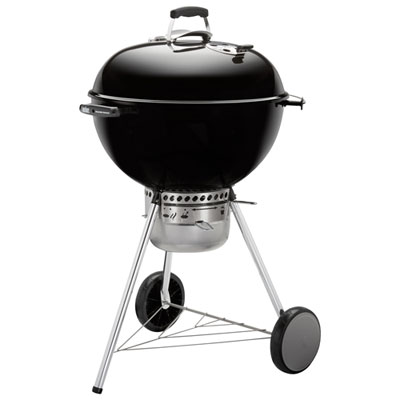 Your price for this item is $359.99
 -
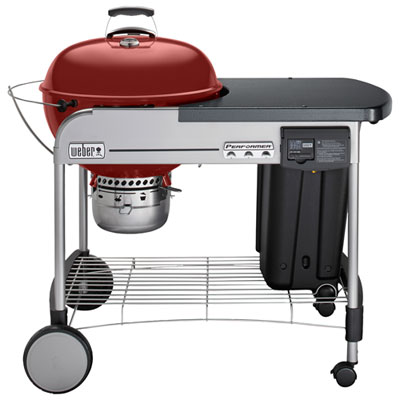 Your price for this item is $709.99
 -
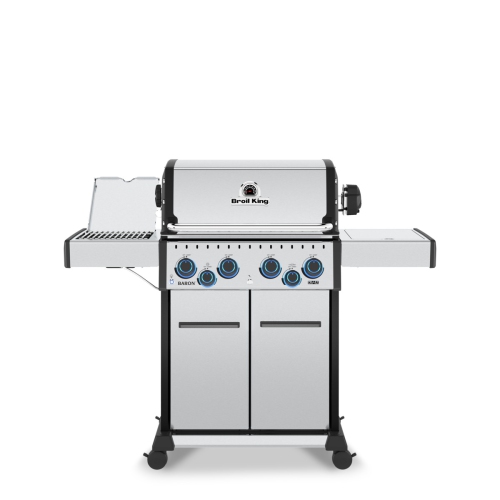 Your price for this item is $1559
 -
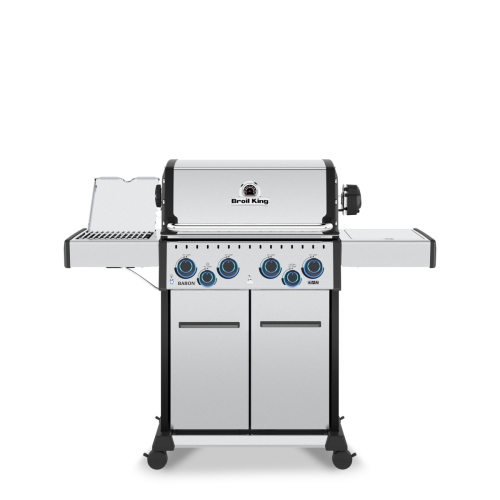 Your price for this item is $1499
 -
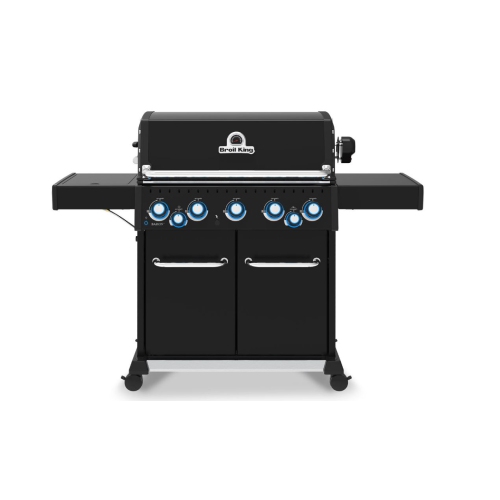 Your price for this item is $2374.99
 -
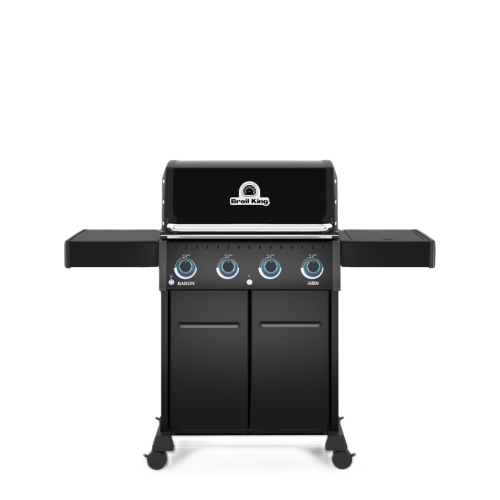 Your price for this item is $1159
 -
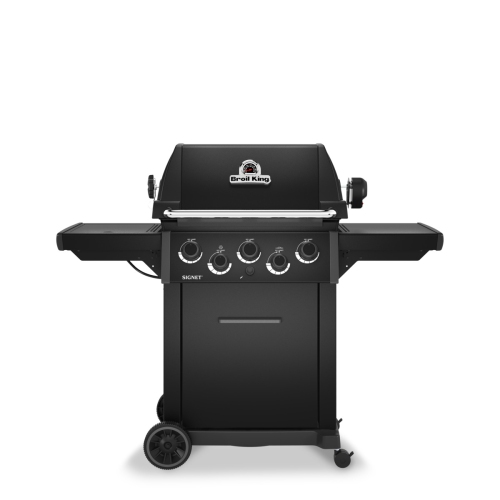 Your price for this item is $899
 -
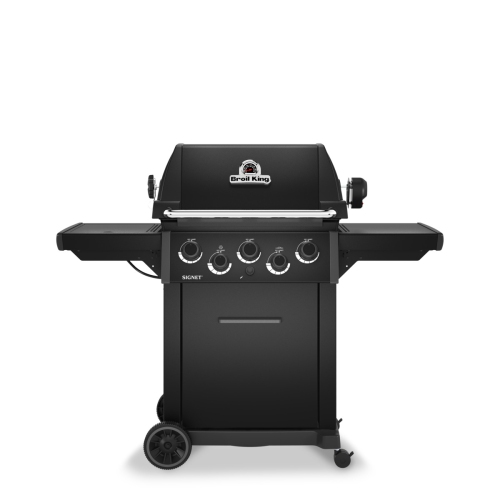 Your price for this item is $959
Discover more categories related to Black Barbecue Grills
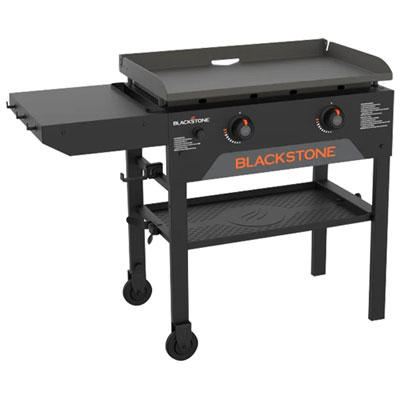
Top Collections:
Pokemon Centers, Kindle Devices, Best Budget Office Chairs, Apple iPhones 16, Best Laptops for Writers, iPhone 15 Apple, Canon G7X Cameras, Refurbished Apple Laptops, Alarm Clock, Motorola Razr Phones
Some products may be subject to Environmental Handling Fees
(EHF) depending on your province.
Learn more about EHFs.