Large Black BBQ
If you're looking for a large black barbecue to use as a centerpiece for your outdoor cooking area, you've come to the right place. These barbecue grills are made of high-quality materials and are built to last. They can be used for everything from cookouts to tailgating to camping. Here are some of the best large black barbecues on the market.
Sort





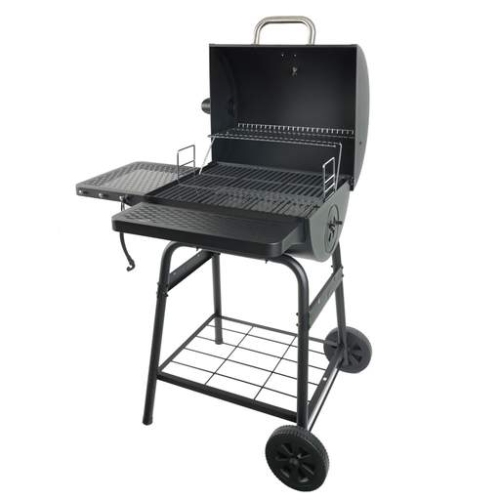
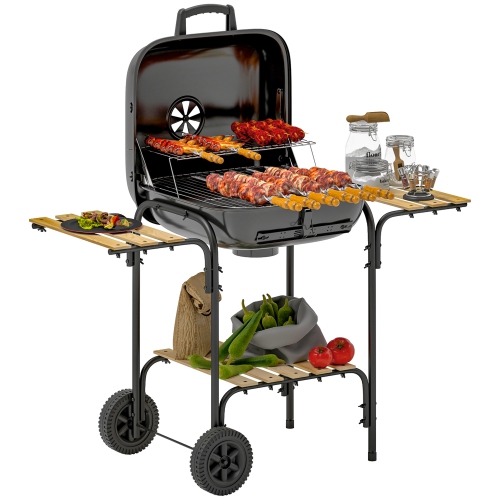
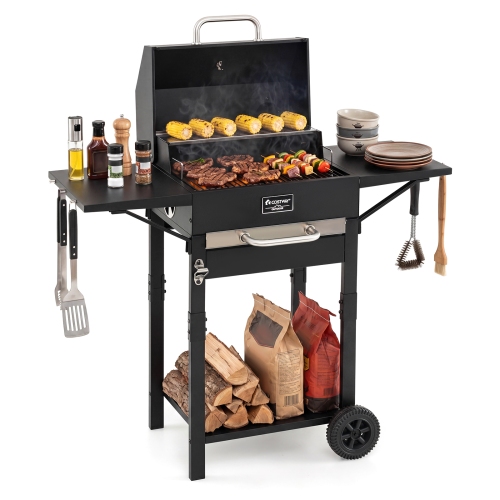
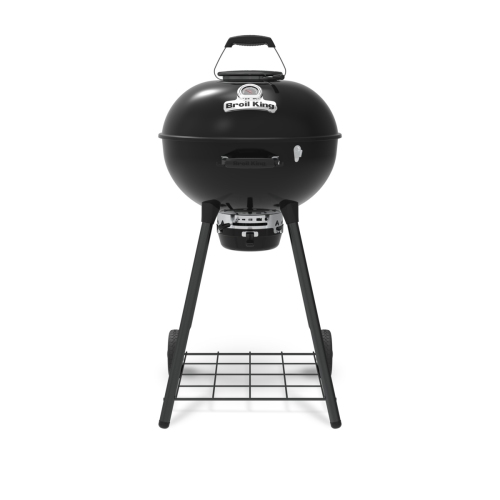
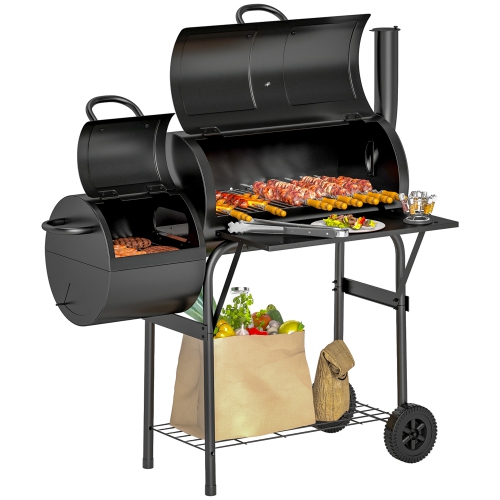
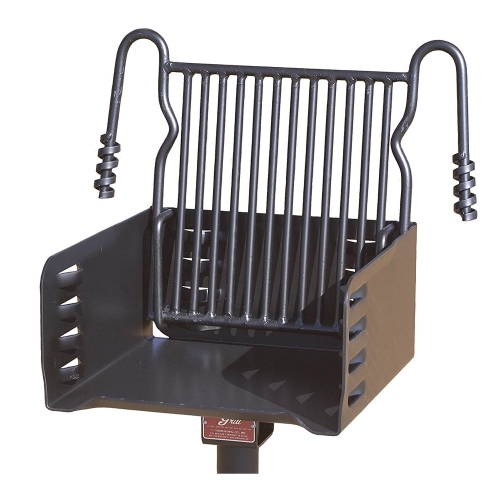
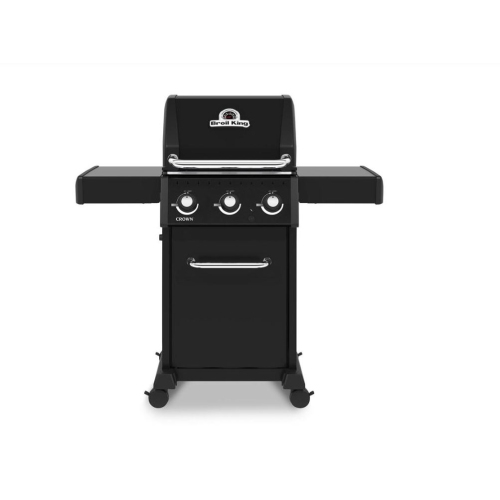


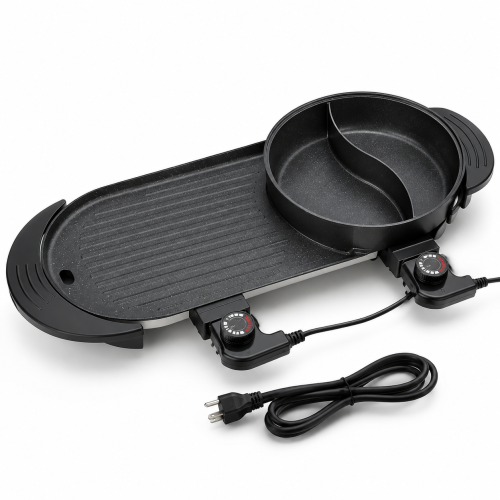




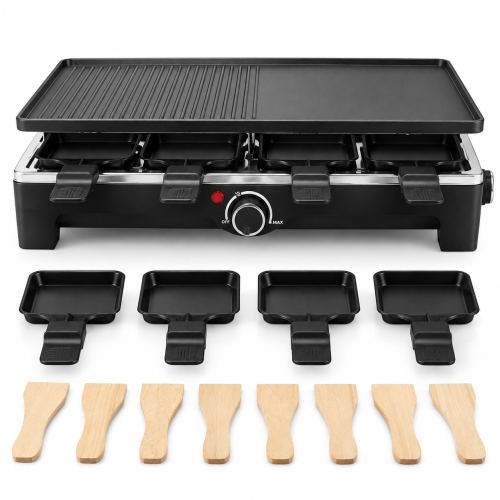
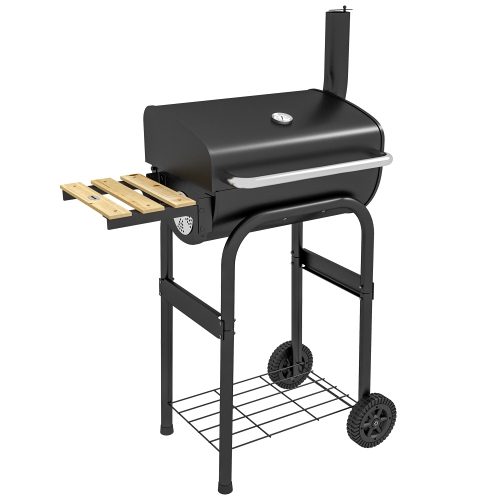


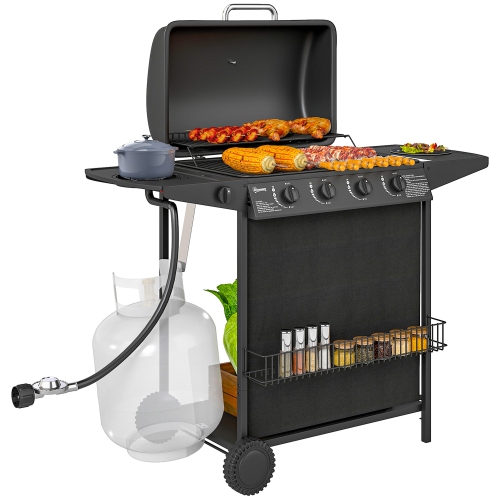


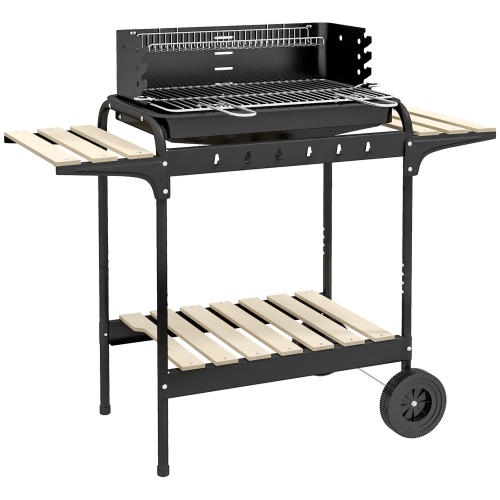








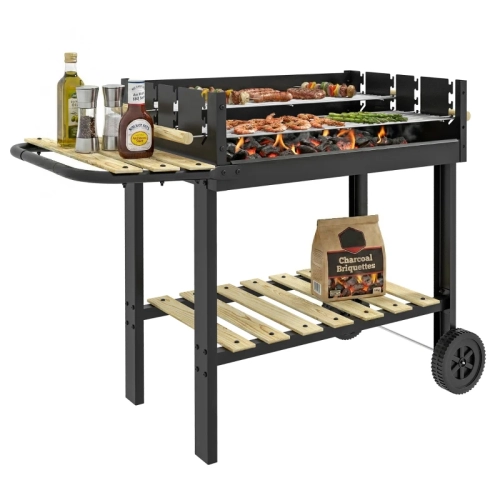
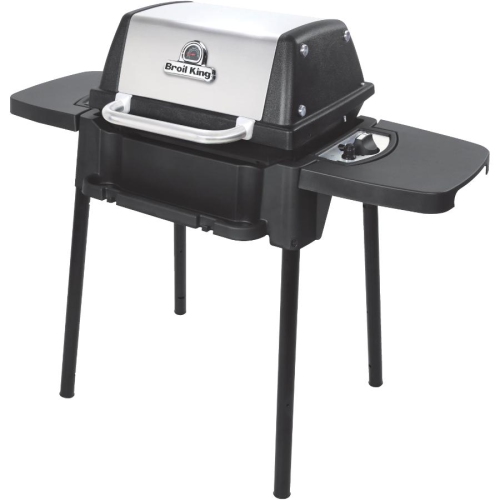

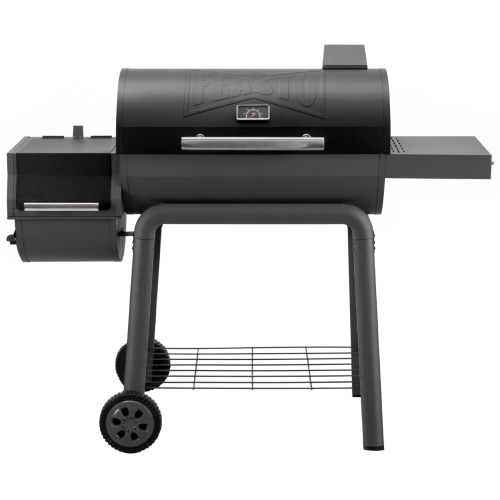


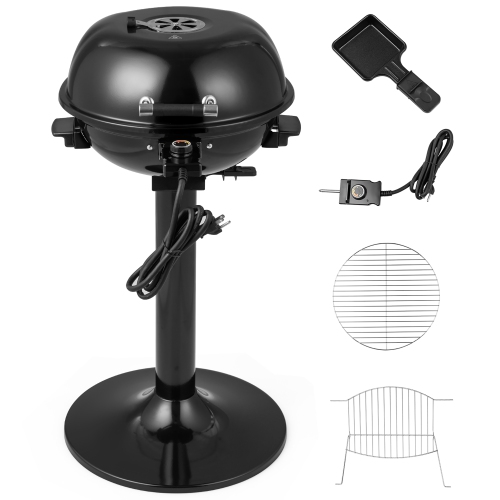




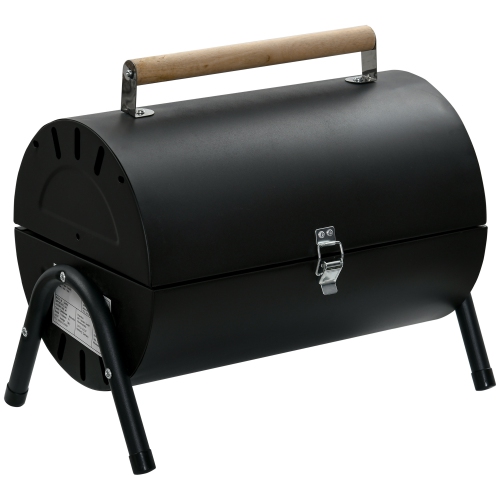
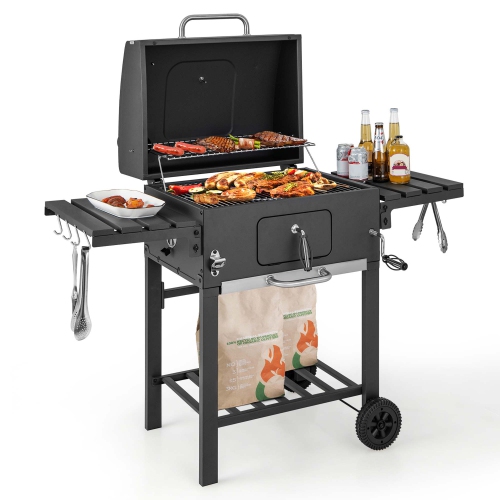
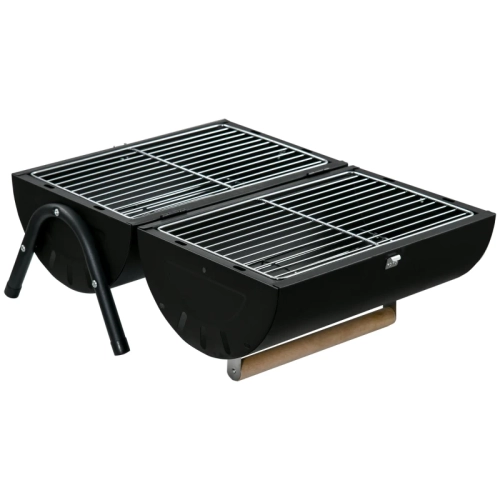


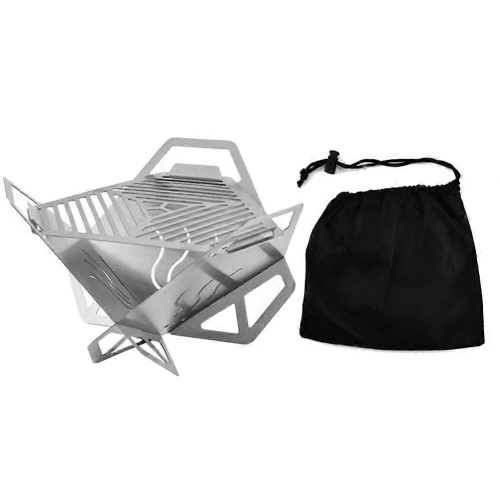


More grilling space for fewer batches when hosting
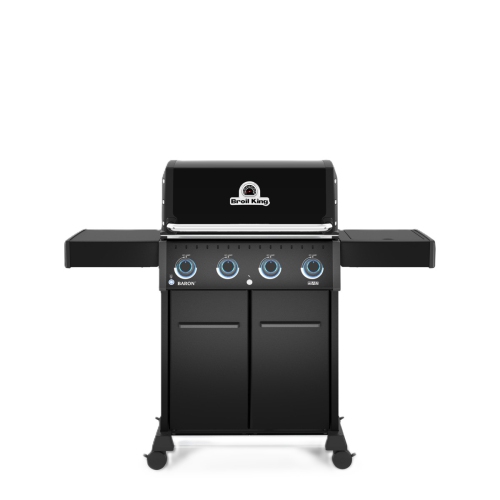
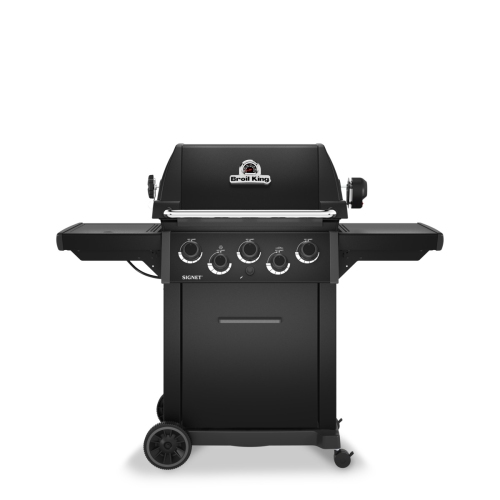
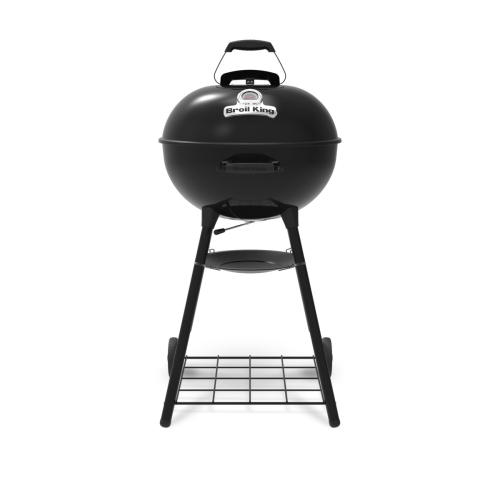
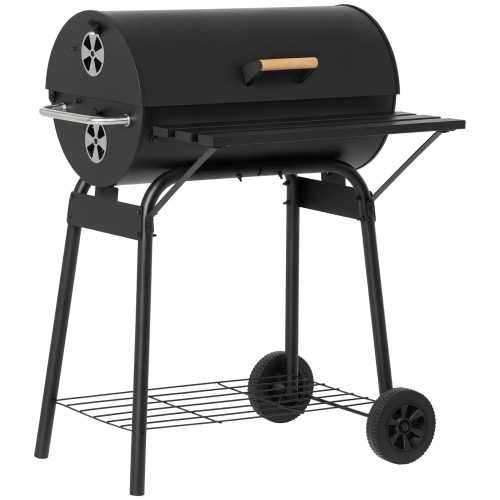
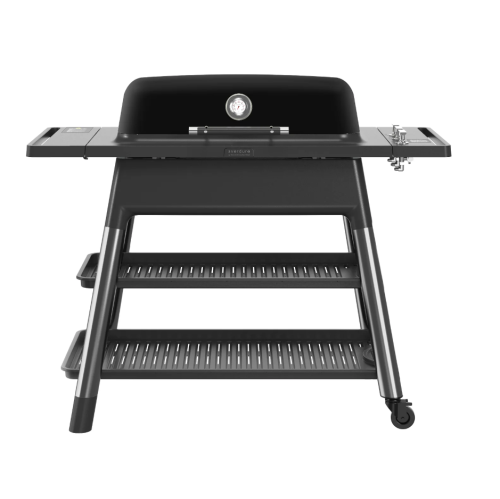
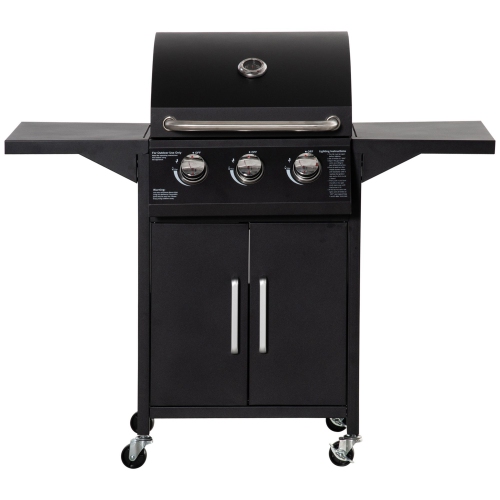
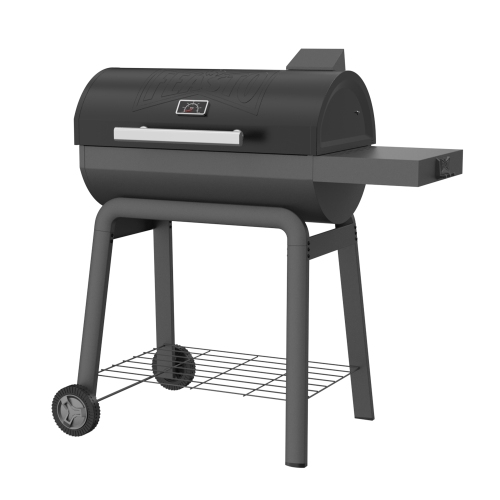
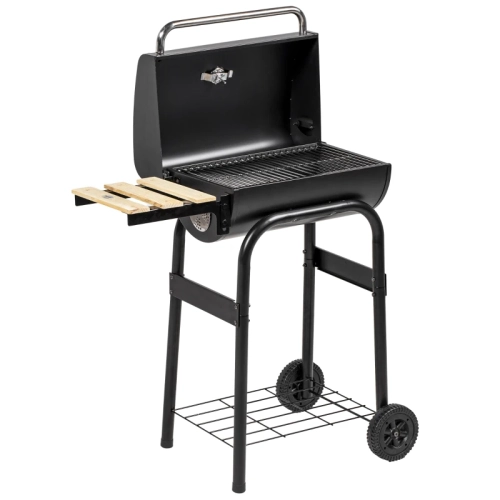
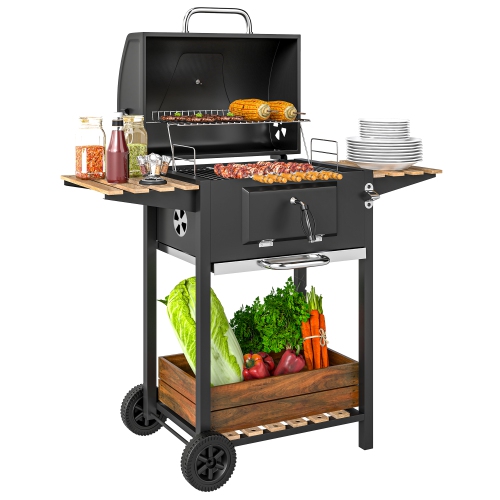
A large black BBQ combines a generous cooking area with a dark finish that works well alongside wood, stone, brick, and metal outdoor furniture. Its main advantage is room to prepare several parts of a meal at once: burgers across the centre, peppers and onions in a grill basket, and buns set away from the strongest heat. For households that regularly cook for family and friends, that extra space can mean fewer batches and less time spent keeping finished food warm while the rest cooks. Large black barbecues come in several fuel types, including propane, natural gas, charcoal, and wood pellets, with each offering a different cooking experience. Propane provides adjustable heat and flexibility in positioning within a suitable outdoor space, while natural gas requires a compatible grill and a properly installed supply connection. Charcoal suits cooks who enjoy building a fire and adjusting airflow, and pellet grills typically use an electric feed system to maintain a selected cooking temperature while adding wood-fired flavour. The black finish is a style choice rather than an indication of fuel type, cooking power, or construction quality. It can create a cohesive look with dark cabinetry or provide contrast against a lighter patio setting. Within the wider range of Black Barbecue Grills, larger designs are especially relevant to people who value both serving capacity and the flexibility to cook different foods together. There is no single size that defines a large BBQ, so primary cooking area is more useful than the word “large” alone. A total cooking-area measurement may include an upper warming rack, which does not necessarily offer the same usable space or direct heat as the main grate. A broad main surface makes a practical difference when laying out skewers, turning a whole fish, or leaving space around food rather than crowding every corner.
Cooking layout matters as much as overall size. On a gas barbecue, independently controlled burners can support separate heat zones, allowing steaks to sear over direct heat while thicker cuts finish more gently on another part of the grill. A charcoal barbecue can offer a similar arrangement when its design allows coals to be banked to one side. For indirect cooking, the space available with the lid closed is important: a tall roast, covered roasting pan, or rotisserie attachment needs enough clearance above the grate. A warming rack can hold bread or briefly keep cooked food away from the main cooking surface, although it should not be treated as a substitute for checking safe food temperatures. Side burners, where fitted, provide a separate place for a saucepan, leaving more grate space for the main meal. Side shelves offer room for a clean platter and utensils, while enclosed storage can help keep suitable accessories organized. These details become noticeable when one person is managing several dishes, particularly when raw ingredients and cooked food need separate plates and handling areas. Grate materials also influence everyday use. Cast iron retains heat well and can produce defined sear marks, but bare cast iron needs appropriate seasoning and thorough drying to help prevent rust. Porcelain-coated cast iron combines heat retention with a coated surface that requires care to avoid chips. Stainless steel grates are generally straightforward to maintain, although their thickness and construction affect heat retention and durability. Beyond the grates, a sturdy lid, well-supported shelves, solid hinges, and a stable cart contribute to a barbecue that feels dependable through repeated use. Heat output alone does not establish cooking performance; burner layout, heat distribution, lid fit, and the relationship between output and cooking area all matter. Built-in lid thermometers provide a useful general reading, but temperatures at grate level can differ. A separate food thermometer remains important for checking doneness safely, especially when a large cooking surface holds portions of different sizes. For frequent hosts, these practical distinctions can matter more than an impressive burner count.
The right fit for a large black barbecue includes the space around it, not just the footprint beneath its wheels. Fixed shelves, an open lid, access to a propane cylinder or pellet hopper, and room to remove a grease tray all add to the working space a grill needs. A comfortable setup leaves a clear route between the cooking area and the serving table without placing guests directly beside hot surfaces. Manufacturer-specified clearances from walls, railings, overhead structures, and combustible materials are essential, and fuel-burning barbecues belong outdoors rather than in a garage or enclosed room. Balcony use also depends on building rules and applicable local requirements; a spacious balcony alone does not establish that a grill is suitable for it. For a dedicated patio cooking area, sturdy wheels can make repositioning easier, while locking castors help keep a cart-style barbecue in place during use. Natural gas connections and electrical requirements for pellet systems need to be considered before settling on a location. Care is another part of long-term ownership, particularly with a large grill that may collect grease across a broad surface. Regularly clearing food residue, emptying the grease collection system as directed, and keeping burner openings unobstructed help support consistent performance. Charcoal ash should be removed only once fully extinguished and cooled, following the manufacturer’s disposal guidance. Black exterior finishes may be porcelain enamel, powder coating, or another heat-resistant coating, so suitable cleaning methods vary. Soft cloths and approved cleaners help protect the appearance without scratching or dulling the surface. A correctly fitted cover can help keep a clean, dry barbecue free of dust and debris once it has cooled completely. For enthusiastic home cooks, a large black BBQ can serve as the centrepiece of a permanent outdoor cooking setup; for bigger households, its appeal may be as simple as getting everyone’s meal ready together. It can also make a substantial housewarming or shared family gift when the recipient’s preferred fuel, available space, and cooking habits are already known. Capacity is most useful when it matches the meals being made, whether that means a full spread for guests or enough room to cook dinner and prepare extra portions without working in batches.
Top selling and popular products
-
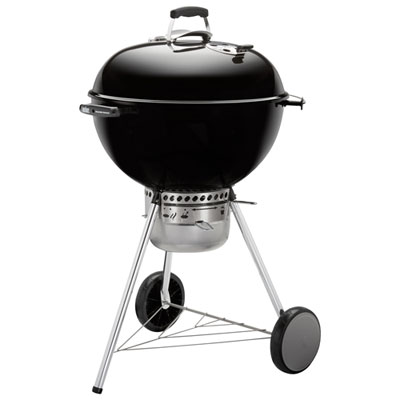 Your price for this item is $359.99
-
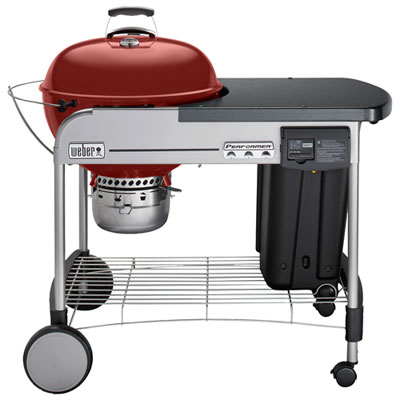 Your price for this item is $709.99
-
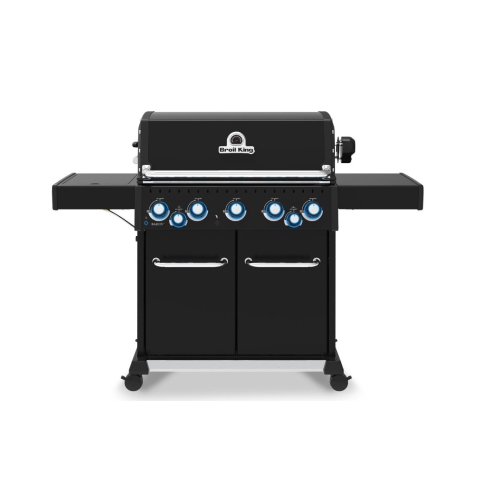 Your price for this item is $2374.99
-
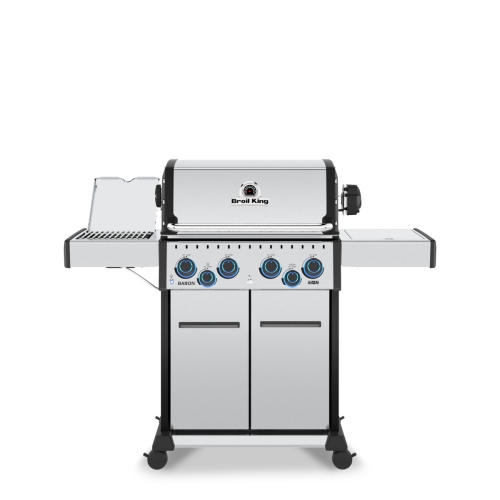 Your price for this item is $1559
-
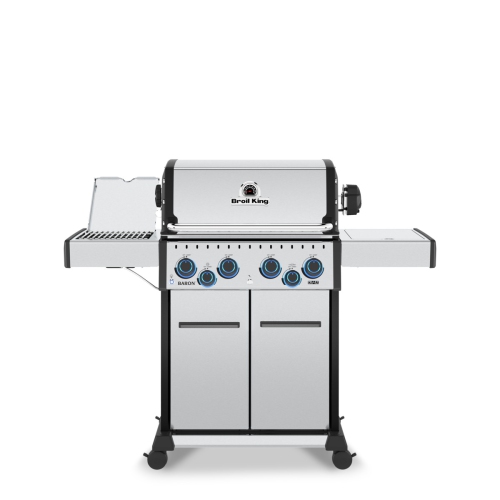 Your price for this item is $1499
-
 Your price for this item is $1359
-
 Your price for this item is $1299
-
 Your price for this item is $1099
Discover more categories related to Large Black BBQ
Top Collections:
Pokemon Centers, Best Cameras for Sports Photography, Kindle Devices, Samsung Galaxy Phones, Canon G7X Cameras, Pokémon 30th Celebration Cards, Refurbished Apple Laptops, iPhone 15 Apple, Laptops for Students, Budget Smartphones
Some products may be subject to Environmental Handling Fees
(EHF) depending on your province.
Learn more about EHFs.