High Quality Chaise Lounge
Elevate your relaxation experience with a high quality chaise lounge, designed to bring both style and comfort to any space. Perfect for unwinding after a long day or adding a touch of elegance to your living room, these lounges offer the ultimate blend of luxury and functionality. Whether you're looking to complement your modern décor or seeking a timeless piece for your patio, explore our selection to find the perfect chaise lounge that suits your taste and lifestyle needs.
Sort








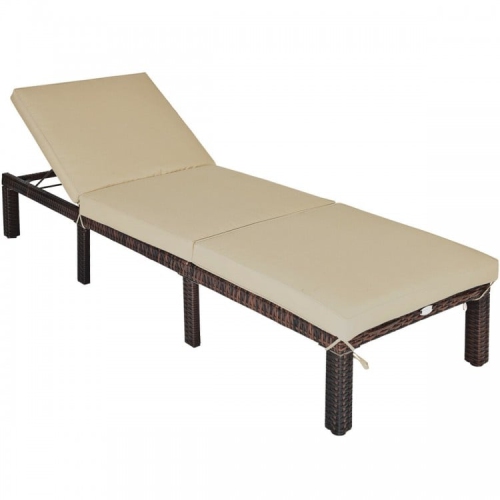
Why chaise comfort goes beyond soft cushions
A high-quality chaise lounge combines an extended seat for stretching out with a supportive frame, comfortable cushioning, and upholstery or surface materials suited to its intended use. Unlike a standard armchair, a chaise provides space to rest the legs without a separate footstool, making it a natural fit for reading, listening to music, or settling into a quiet corner. Quality is reflected in how the whole piece is built, not simply in a plush appearance. A well-constructed frame, secure joints, and stable legs help the seat feel solid when someone sits down or changes position. Kiln-dried hardwood can provide a strong foundation for upholstered designs, while metal frames offer a different balance of strength, shape, and visual lightness. Engineered wood components vary in construction, so their placement and supporting structure matter alongside the material name. Beneath the upholstery, suspension and cushioning work together to distribute weight. Foam density and firmness describe different qualities: denser foam is not necessarily harder, and a soft surface does not automatically mean the seat lacks support. A resilient foam core with a softer wrap can create an inviting feel while helping the cushion retain its shape. Upholstery adds another layer of practical choice. Tightly woven fabrics can offer a smooth, tailored finish, while textured weaves bring depth to a simple silhouette. Velvet has a distinctive pile that can show changes in shading as it is brushed or touched. Leather develops character with use, although its care needs and surface characteristics depend on the type and finish. Even stitching, neatly finished edges, and cushions that sit properly within the frame contribute to a polished result. For households where a chaise becomes an everyday seat rather than an occasional accent, durable contact surfaces and clear care information are particularly useful. The strongest match is a piece whose construction, comfort, and finish suit the way it will actually be used.
Fit matters just as much as materials, especially because the long seat changes how a chaise occupies a room. Overall length and width establish the footprint, but seat depth, usable lounging length, back height, and arm placement determine how comfortably someone can settle in. A taller person may appreciate more room between the back cushion and the end of the seat, while someone who prefers sitting upright with a book may find a more supportive backrest especially useful. A low, deeply cushioned chaise creates a different experience from a higher, firmer seat that requires less effort to get into and out of. Neither shape suits everyone equally. In a living room, the chaise might sit beside a bookcase with a small table close enough to hold glasses and a cup. In a bedroom, it can provide a separate place to unwind without turning the bed into the only comfortable seat. A home office with sufficient space can accommodate a chaise as a reading spot away from the desk. Each arrangement needs clear walking routes and enough room to reach nearby drawers, doors, and storage. Measuring the intended floor area is only part of the process; doorways, stair turns, lifts, and hallway clearances also affect whether a large upholstered piece can reach its destination. Left-arm and right-arm descriptions deserve particular attention because orientation terminology can vary, and photographs or dimension diagrams help establish where the arm and back will sit within the room. Armless designs tend to look more open, while a side arm can provide a comfortable boundary for leaning. Adjustable backs add flexibility for different sitting positions, provided the mechanism suits the intended use and can be operated comfortably. Visually, exposed legs reveal more floor and can make a compact space feel less crowded. A substantial base creates a more grounded appearance. Colour, texture, and scale help the chaise relate to nearby seating without requiring every piece to match exactly.
Care and intended placement help distinguish a chaise that simply looks appealing from one that remains practical in daily life. For indoor upholstery, regular vacuuming with a suitable attachment removes dust and crumbs from seams and cushion gaps. Spills are generally easier to manage when addressed promptly, but the correct cleaning method depends on the fabric or leather finish. Blotting rather than scrubbing can help limit spreading, and any cleaner should be compatible with the manufacturer’s instructions. Removable cushion covers are convenient, though a zipper does not necessarily mean a cover is machine washable. Where cushions are designed to be rotated or turned, doing so can help distribute everyday wear. Homes with children or pets may benefit from fabrics with clearly stated cleaning requirements, tightly constructed surfaces, and replaceable cushion components where offered. No upholstery is completely resistant to claws, stains, or abrasion, so specific material information is more useful than broad claims about toughness. For a chaise intended for a patio, balcony, or poolside area, exterior-use specifications matter for the frame, hardware, fabric, and cushion filling alike. Teak, powder-coated aluminium, and synthetic woven materials have different weights, finishes, and maintenance requirements; the whole construction needs to suit outdoor placement rather than relying on the frame material alone. Drainage, removable cushions, and access for cleaning can be especially helpful around frequently used outdoor seating. Indoor upholstered furniture should not be treated as interchangeable with an outdoor chaise. For a different lounging position, High Quality Recliners provide an alternative with a supported back and an integrated footrest, while a chaise offers a long seat without necessarily requiring a reclining mechanism. The choice comes down to preferred posture, available space, and daily habits. A thoughtfully proportioned chaise with dependable construction and manageable care needs can become a favourite place to pause, whether it anchors a reading corner or completes a larger seating arrangement.
Top selling and popular products
-
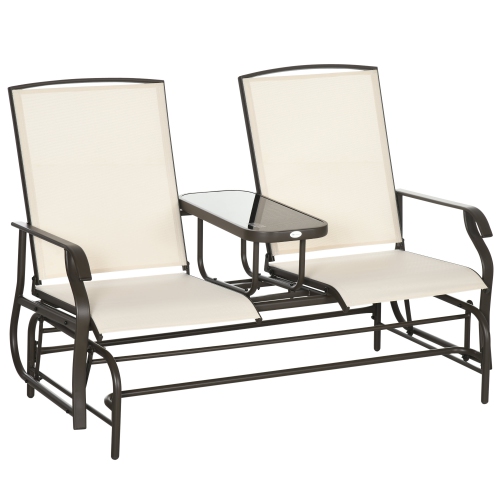 Your price for this item is $209.99
-
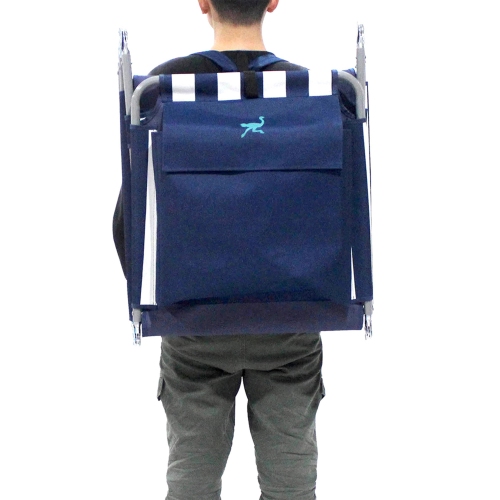 Your price for this item is $223.99
-
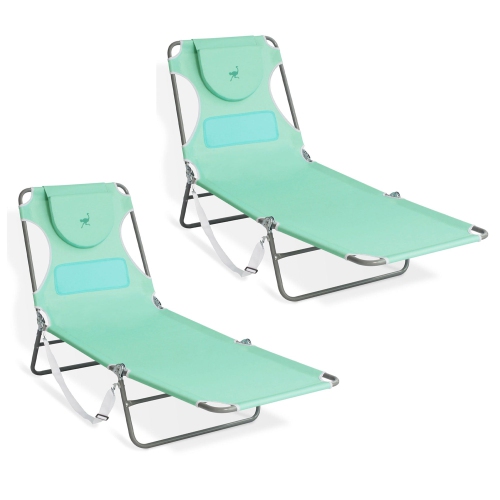 Your price for this item is $408.99
-
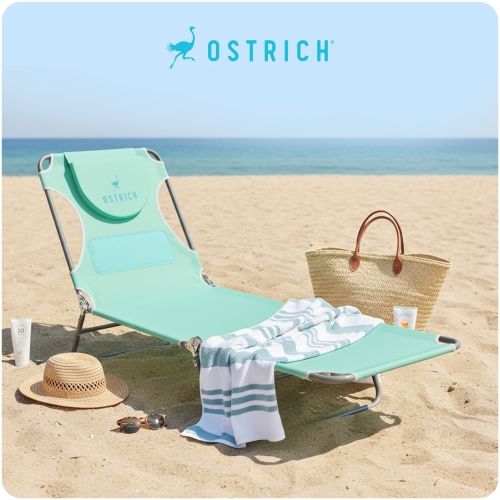 Your price for this item is $188.99
-
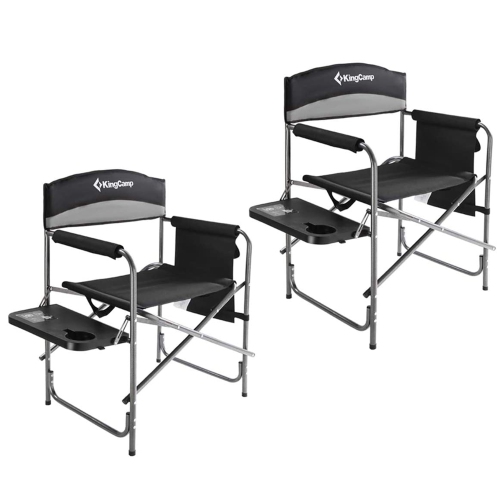 Your price for this item is $246.99
-
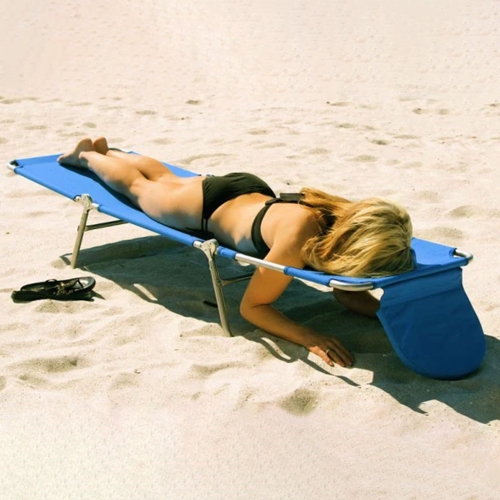 Your price for this item is $714.99
-
 Your price for this item is $178.99
-
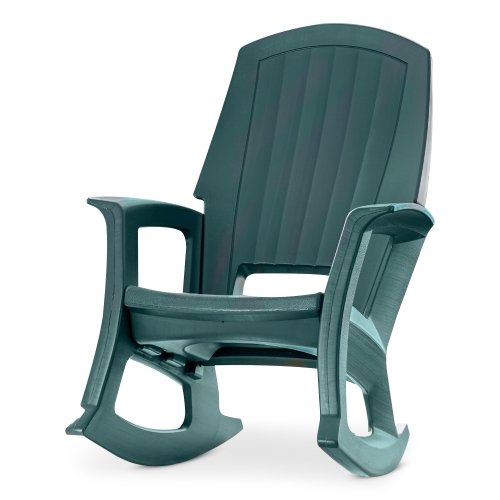 Your price for this item is $459.99
Discover more categories related to High Quality Chaise Lounge

Top Collections:
Best Black Friday Deals This Year, Best Black Friday Deals On Electronics, Kindle Devices, Pokemon Centers, Best Black Friday Deals On Apple Products, Best Cameras for Sports Photography, Dyson Airwrap, Pokémon 30th Celebration Cards, Apple iPhone 17 Pro, Canon G7X Cameras
Some products may be subject to Environmental Handling Fees
(EHF) depending on your province.
Learn more about EHFs.