Small Warm Sleeping Bags
A small warm sleeping bag is a must-have for any outdoor enthusiast. Whether you're camping in the winter, backpacking in the summer, or just looking for a way to stay warm on a chilly morning hike, a warm sleeping bag is an essential item. Here are some great options.
Sort
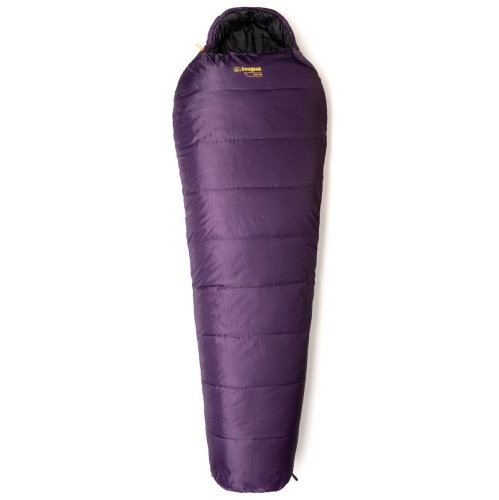
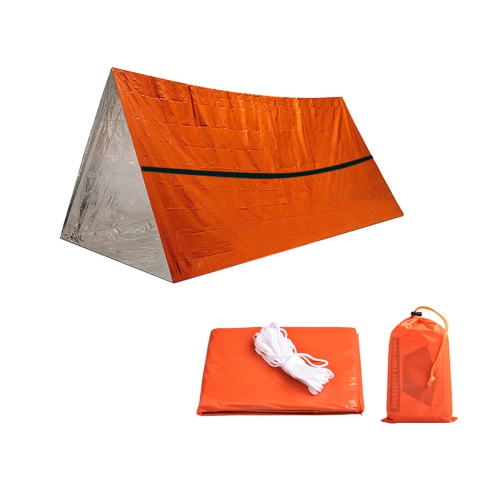
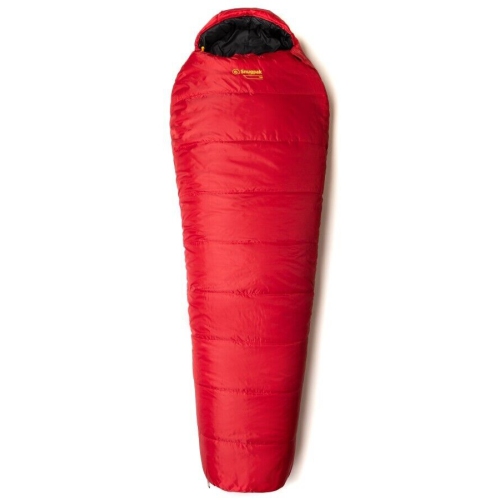
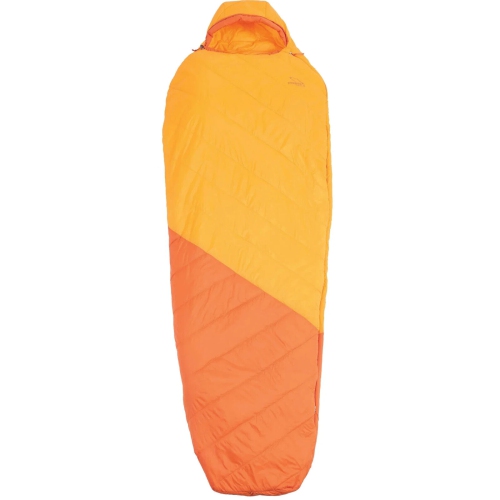
Warmth, comfort and packability for nights away from home
Small warm sleeping bags are designed for people who want reliable insulation without carrying a bulky load. Their compact proportions and packable construction make them useful for camping trips, backpacking, sleepovers, road travel, cabin stays and nights spent under the stars. A smaller sleeping bag may refer to a compact packed size, a shorter length for children or smaller adults, or a close-fitting shape that reduces unused space around the body. When comparing options, look beyond the dimensions shown on the product page and consider how the bag will be used. Someone hiking between campsites may value a lightweight bag that compresses tightly into a backpack, while a family setting up a tent near the car may prefer extra room, a softer lining or a rectangular shape that is easy to move around in. Small warm sleeping bags can also be practical gifts for campers, scouts, students, cottage visitors and young people preparing for their first overnight adventure. They are easy to store between trips and can make an inviting addition to a guest room, especially when friends or relatives occasionally stay over. During the cooler months, a compact sleeping bag can provide a familiar layer of warmth in a tent, trailer or cabin, while a lighter option can be useful indoors for movie nights, sleepovers or playtime. The best choice depends on the sleeper’s height, preferred sleeping position, the amount of room available and the temperatures likely to be encountered.
Insulation is one of the most important features to compare. Down insulation is valued for its warmth-to-weight ratio and ability to compress into a small bundle, which can be helpful when every centimetre of pack space matters. It is often found in mummy-style sleeping bags that taper from the shoulders towards the feet, reducing the amount of air the body needs to warm. Synthetic insulation is generally more forgiving when exposed to damp conditions and can be a practical choice for humid campsites, family camping or occasional use. It may also offer a more generous shape at a lower price, depending on the construction. Neither option is automatically right for every sleeper, so it is useful to consider the climate, storage conditions and cleaning requirements before making a decision. Pay close attention to the temperature information, particularly the comfort rating, rather than relying only on the lower limit or extreme rating. The comfort rating is a better indication of the conditions in which an average sleeper may feel warm and comfortable, while the lower limits are intended for colder circumstances and may require additional clothing or insulation. If camping during transitional weather, choose a bag with a comfort rating suited to the coldest nights expected, not just the daytime forecast. A hood, draft collar and insulated zipper area can help prevent warm air from escaping, while a well-fitted footbox gives the feet room to rest without creating a large pocket of cold air. Features such as a two-way zipper, interior pocket, compression sack and zipper guard can add everyday convenience, but they should support the primary goal of keeping the sleeper warm. For children, check the recommended height carefully and avoid a bag that is excessively long, since too much empty space can make it harder to retain heat. A properly sized bag should allow natural movement without feeling loose around the shoulders and feet.
The sleeping surface also affects warmth, comfort and overall performance. A sleeping bag cannot replace insulation underneath the body, because the filling compresses under the sleeper’s weight. Pairing a small warm sleeping bag with a suitable sleeping pad can make a noticeable difference on cool ground, where heat can disappear quickly through the tent floor. In a compact tent, a narrower mummy shape may be easier to use and more efficient at retaining warmth; in a spacious campsite or indoor setting, a rectangular envelope shape may feel less restrictive. Side sleepers often appreciate a little extra width around the knees and hips, while people who tend to sleep cold may prefer a snug fit, a hood and room for a thin base layer. Avoid climbing into the bag wearing wet clothing, and keep spare layers dry so they are ready when the temperature drops after sunset. It is also helpful to air the bag after use and store it according to the care instructions rather than leaving it compressed for long periods. For broader cold-weather options, browse Winter Sleeping Bags and compare insulation, shape, temperature ratings and packed dimensions. A small warm sleeping bag can be a thoughtful present for a new camper or a dependable piece of personal gear for regular outdoor trips, but comfort comes from matching the bag to the sleeper and the setting. Consider the lowest overnight temperature, the expected moisture, the available storage space and the distance the bag must be carried. With those details in mind, it becomes easier to choose a compact sleeping bag that feels warm at bedtime, packs neatly for the journey and remains useful from the first cool evening through the colder part of the outdoor season.
Insulation is one of the most important features to compare. Down insulation is valued for its warmth-to-weight ratio and ability to compress into a small bundle, which can be helpful when every centimetre of pack space matters. It is often found in mummy-style sleeping bags that taper from the shoulders towards the feet, reducing the amount of air the body needs to warm. Synthetic insulation is generally more forgiving when exposed to damp conditions and can be a practical choice for humid campsites, family camping or occasional use. It may also offer a more generous shape at a lower price, depending on the construction. Neither option is automatically right for every sleeper, so it is useful to consider the climate, storage conditions and cleaning requirements before making a decision. Pay close attention to the temperature information, particularly the comfort rating, rather than relying only on the lower limit or extreme rating. The comfort rating is a better indication of the conditions in which an average sleeper may feel warm and comfortable, while the lower limits are intended for colder circumstances and may require additional clothing or insulation. If camping during transitional weather, choose a bag with a comfort rating suited to the coldest nights expected, not just the daytime forecast. A hood, draft collar and insulated zipper area can help prevent warm air from escaping, while a well-fitted footbox gives the feet room to rest without creating a large pocket of cold air. Features such as a two-way zipper, interior pocket, compression sack and zipper guard can add everyday convenience, but they should support the primary goal of keeping the sleeper warm. For children, check the recommended height carefully and avoid a bag that is excessively long, since too much empty space can make it harder to retain heat. A properly sized bag should allow natural movement without feeling loose around the shoulders and feet.
The sleeping surface also affects warmth, comfort and overall performance. A sleeping bag cannot replace insulation underneath the body, because the filling compresses under the sleeper’s weight. Pairing a small warm sleeping bag with a suitable sleeping pad can make a noticeable difference on cool ground, where heat can disappear quickly through the tent floor. In a compact tent, a narrower mummy shape may be easier to use and more efficient at retaining warmth; in a spacious campsite or indoor setting, a rectangular envelope shape may feel less restrictive. Side sleepers often appreciate a little extra width around the knees and hips, while people who tend to sleep cold may prefer a snug fit, a hood and room for a thin base layer. Avoid climbing into the bag wearing wet clothing, and keep spare layers dry so they are ready when the temperature drops after sunset. It is also helpful to air the bag after use and store it according to the care instructions rather than leaving it compressed for long periods. For broader cold-weather options, browse Winter Sleeping Bags and compare insulation, shape, temperature ratings and packed dimensions. A small warm sleeping bag can be a thoughtful present for a new camper or a dependable piece of personal gear for regular outdoor trips, but comfort comes from matching the bag to the sleeper and the setting. Consider the lowest overnight temperature, the expected moisture, the available storage space and the distance the bag must be carried. With those details in mind, it becomes easier to choose a compact sleeping bag that feels warm at bedtime, packs neatly for the journey and remains useful from the first cool evening through the colder part of the outdoor season.
Top selling and popular products
-
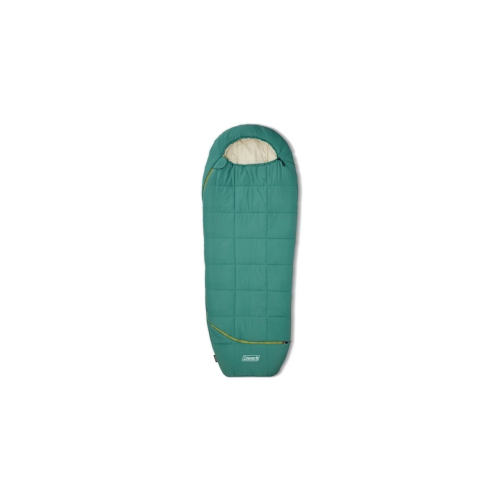 Your price for this item is $149.99
 -
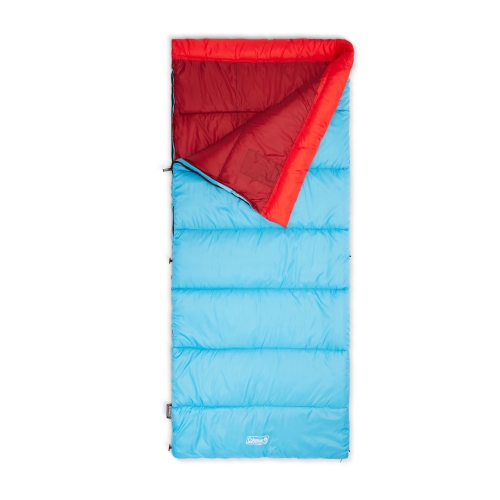 Your price for this item is $134.99
 -
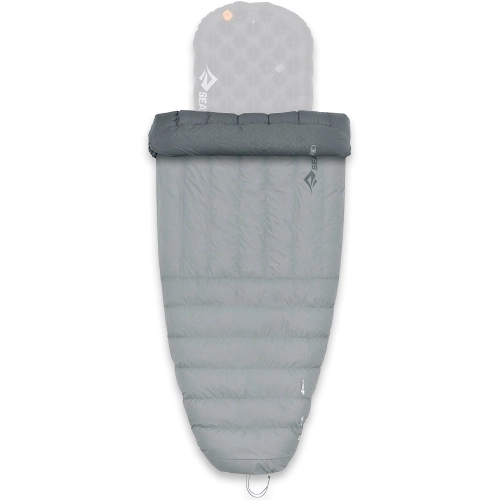 Your price for this item is $378.95
 -
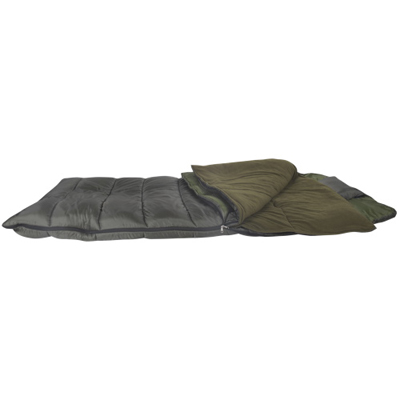 Your price for this item is $219.99
 -
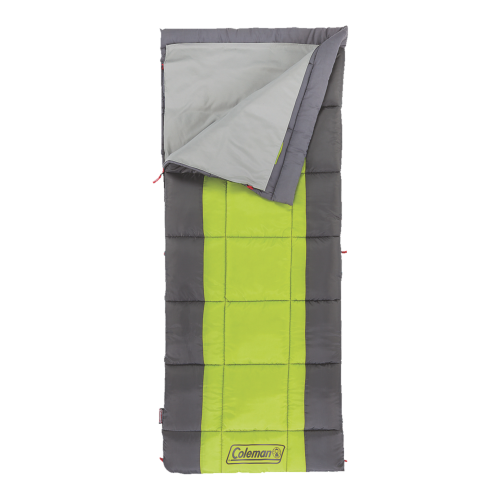 Your price for this item is $90
 -
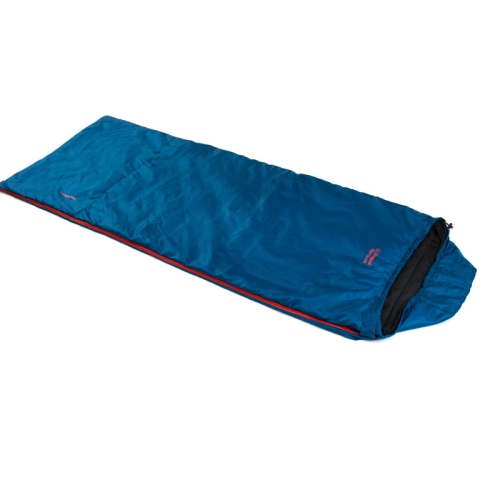 Your price for this item is $124.95
 -
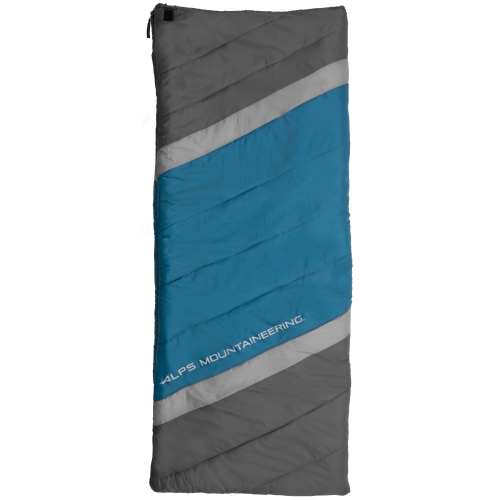 Your price for this item is $159.99
 -
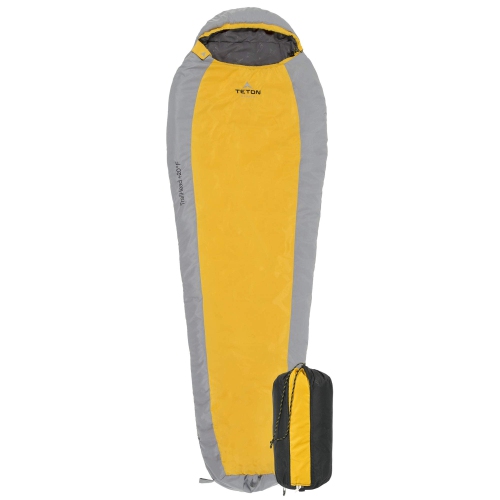 Your price for this item is $276.07
Discover more categories related to Small Warm Sleeping Bags
Top Collections:
Pokemon Centers, Kindle Devices, Best Budget Office Chairs, Apple iPhones 16, Best Laptops for Writers, iPhone 15 Apple, Canon G7X Cameras, Refurbished Apple Laptops, Alarm Clock, Motorola Razr Phones
Some products may be subject to Environmental Handling Fees
(EHF) depending on your province.
Learn more about EHFs.