Portable Power Stations
Portable Power Stations offer a convenient solution for keeping your devices and small appliances powered wherever you go. Perfect for outdoor adventures, road trips, camping, or as a backup during unexpected outages, these compact units are designed to provide reliable energy on the move. Explore a wide selection of Portable Power Stations to find the right fit for your needs and enjoy peace of mind knowing you have power at your fingertips.
Sort
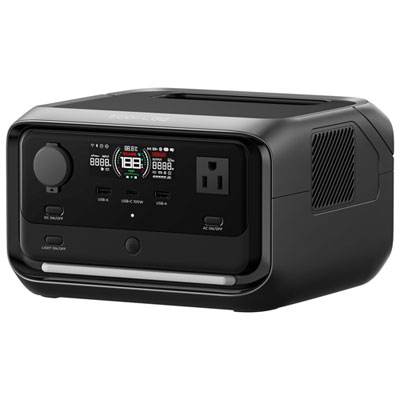
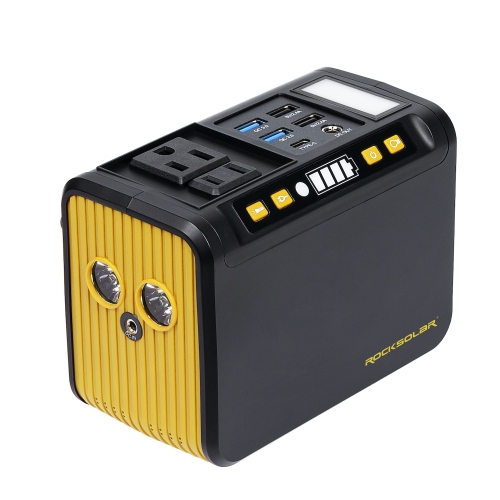
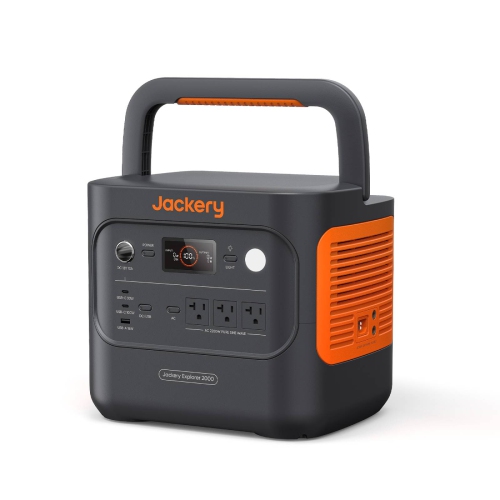
Battery power for everyday devices beyond the wall outlet
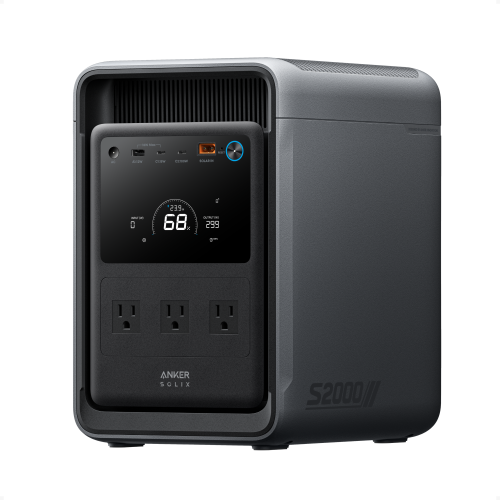
Portable power stations are rechargeable battery systems that store electricity to run or charge devices when a wall outlet is out of reach. They typically combine a battery, charging controls and several types of outlets in one portable housing, with many models including an inverter that supplies AC power to compatible household electronics. A portable power station can keep a laptop working at a campsite, recharge camera batteries between shoots or supply a lamp and phone charger during a power outage. Unlike a fuel-powered generator, a battery power station does not burn fuel or produce exhaust while supplying stored power, although cooling fans can still make noise. Its operating time depends on the energy stored in the battery and the demands of the connected equipment. That makes these units useful for defined tasks, such as an afternoon of remote work or an evening of lighting, rather than an unlimited source of electricity. Smaller designs suit people carrying a few personal devices, while larger units can support more demanding equipment when their output ratings allow it. For a family travelling by car, that might mean keeping a compatible portable fridge running at a stop. For a photographer, it could mean charging batteries and reviewing images on a laptop without returning to a building. At home, a station can create a convenient charging point for essential personal electronics without cords stretched across several rooms. Related options in Generator Portable Power Stations also provide a useful point of comparison for portable backup power. The practical distinction is how the equipment supplies electricity: a battery station delivers stored energy and needs recharging, while a fuel-powered generator produces electricity as it runs. Both capacity and portability matter, especially when the unit needs to move regularly between a storage cupboard, a vehicle and its place of use.
Battery capacity and power output describe different aspects of a portable power station. Capacity, usually expressed in watt-hours, indicates how much energy the battery can store. Output, expressed in watts, indicates how much power the station can supply at a given time. A unit may have enough stored energy for hours of light charging but still lack the output required by a high-demand appliance. Continuous output is the relevant figure for equipment that draws power steadily, while surge output concerns brief starting demands from some motors and compressors. A pure sine wave inverter supplies an AC waveform similar to household electricity, which can be important for equipment that specifies this requirement. Runtime estimates also need some breathing room. A battery rated at 600 watt-hours supplying a steady 60-watt load has a theoretical runtime of ten hours before accounting for inverter losses, the station’s own energy use and other operating factors; actual runtime will be shorter. Appliances that cycle on and off make that calculation less straightforward. Connection options are equally important in everyday use. AC outlets accommodate compatible household plugs, USB-A ports serve many smaller accessories, and USB-C ports with suitable Power Delivery output can charge compatible laptops directly. Some stations also include a DC vehicle-style socket for equipment designed around that connection. Port count alone does not tell the whole story, since several connections may share a combined output limit. A desk setup with a laptop, monitor and phone needs enough total output as well as the right sockets and cables. Recharging methods vary, with options that may include a household outlet, a compatible vehicle connection or compatible solar panels. Charging time depends on the supported input, the power source and any limits that apply when devices are connected at the same time. Features such as charging while supplying power or automatic backup switching are model-dependent; they should not be assumed from the presence of AC outlets alone.
The physical design makes a noticeable difference once a portable power station becomes part of a regular routine. Housings commonly use rigid plastic, metal or a combination of materials, with protective corners, recessed connections and sturdy handles helping the unit stand up to handling. A broad base can improve stability on a firm, level surface, while a comfortable handle matters when carrying a heavier battery from a vehicle to a workspace. Larger designs may use wheels or multiple lifting points, but their weight and dimensions still need to suit the available storage space. Clear displays can make it easier to check remaining charge, incoming power and connected demand at a glance. Battery chemistry, rated charge-cycle life and warranty terms provide further context for durability, although battery capacity gradually declines with use and age. Care generally centres on keeping the housing clean and dry, leaving ventilation openings clear and following the manufacturer’s charging and storage directions. Outdoor use does not automatically mean a unit is waterproof, and an enclosed cupboard or tightly packed bag is not a suitable operating space unless the manufacturer expressly allows it. Cables need room around their connectors, and equipment should sit where it cannot easily be knocked over or become a trip hazard. For home backup, portable power stations normally supply compatible devices directly. Supplying household circuits requires equipment designed for that purpose and an appropriate installation; a power station must never be connected to a wall outlet to feed electricity backwards into the home. For gifting, a portable power station can be a practical choice for a camper, travelling content creator or someone who frequently works away from outlets. The most useful fit comes from the recipient’s actual devices and carrying needs, not simply the largest battery. A compact station that gets taken along regularly may be more valuable than a much heavier unit that rarely leaves storage.
Top selling and popular products
-
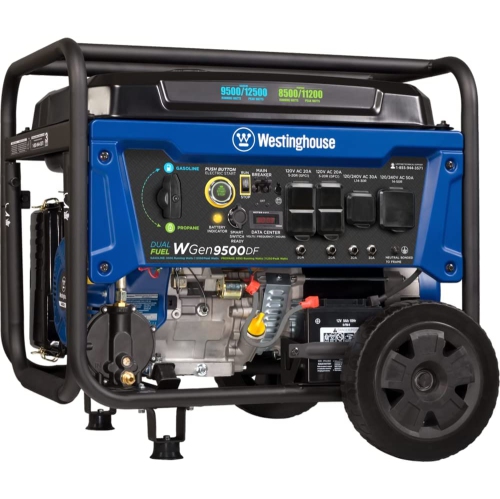 Your price for this item is $2799
-
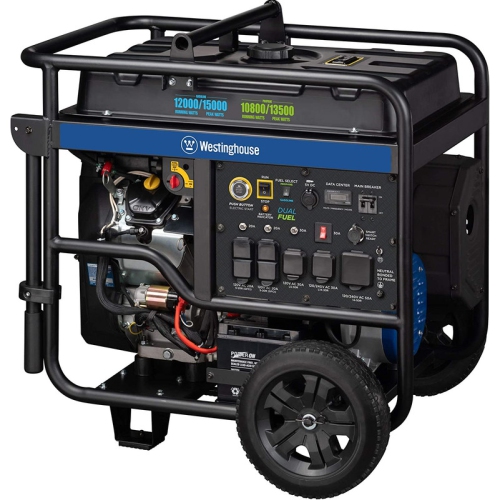 Your price for this item is $6199
-
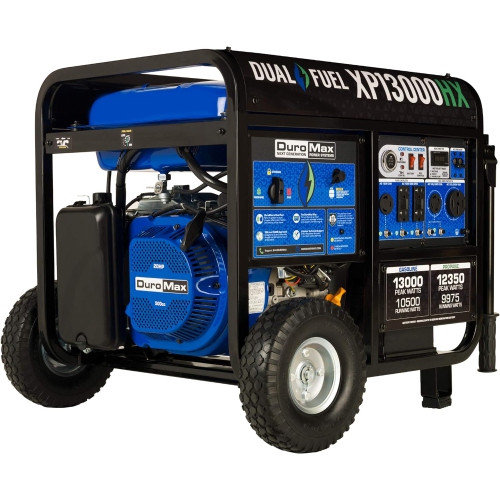 Your price for this item is $3499
-
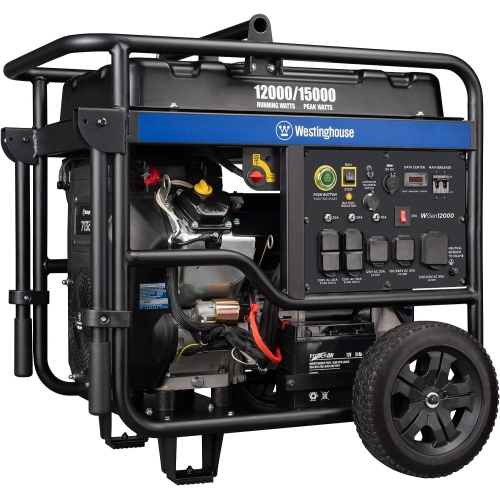 Your price for this item is $5499
-
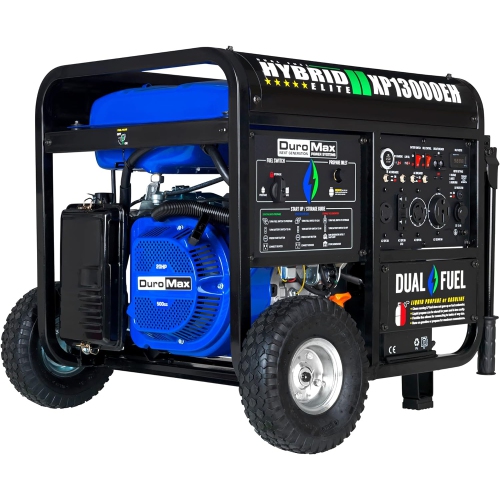 Your price for this item is $2899
-
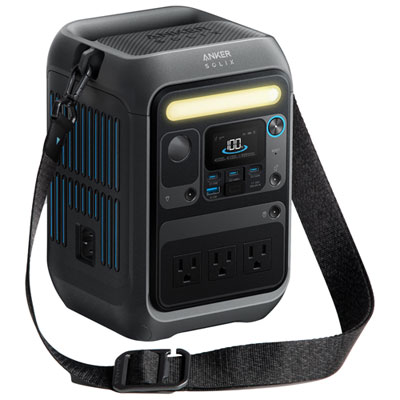 Your price for this item is $289.99
-
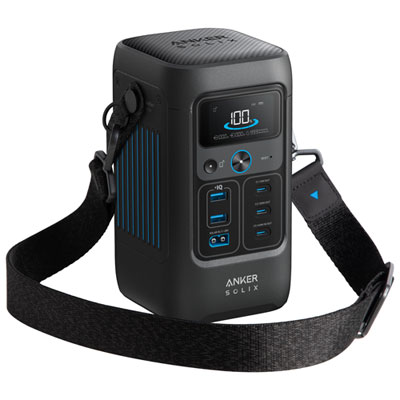 Your price for this item is $189.99
-
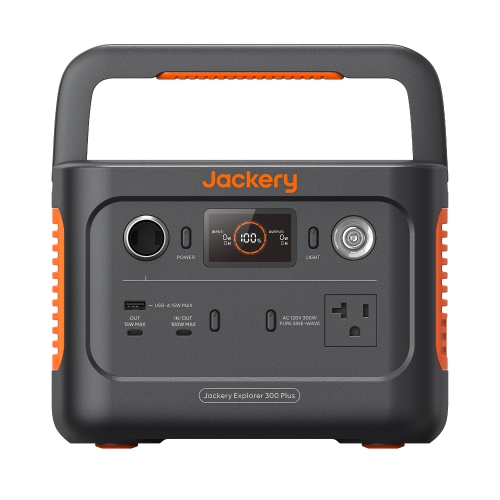 Your price for this item is $259
Discover more categories related to Portable Power Stations
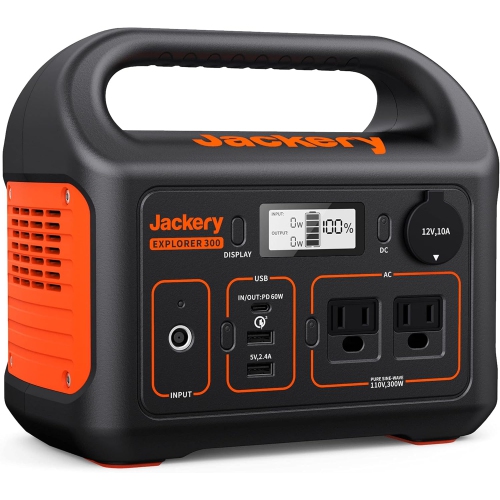
Top Collections:
Best Black Friday Deals This Year, Best Black Friday Deals On Electronics, Kindle Devices, Pokemon Centers, Best Black Friday Deals On Apple Products, Best Cameras for Sports Photography, Dyson Airwrap, Pokémon 30th Celebration Cards, Apple iPhone 17 Pro, Canon G7X Cameras
Some products may be subject to Environmental Handling Fees
(EHF) depending on your province.
Learn more about EHFs.