Rechargeable Power Stations
Whether you're an outdoor enthusiast, a frequent traveler, or simply preparing for unexpected power outages, rechargeable power stations are the perfect solution to keep your devices powered up anytime, anywhere. These portable powerhouses offer a convenient and reliable source of energy for your smartphones, laptops, cameras, and other electronic devices. With various capacities and features to choose from, finding the right rechargeable power station to suit your needs has never been easier. Browse our selection below and stay connected on the go!
Sort
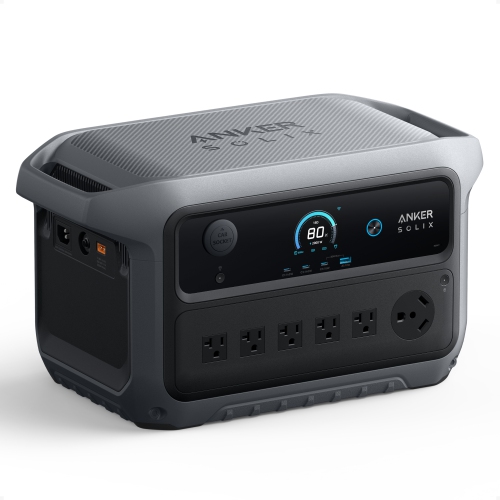
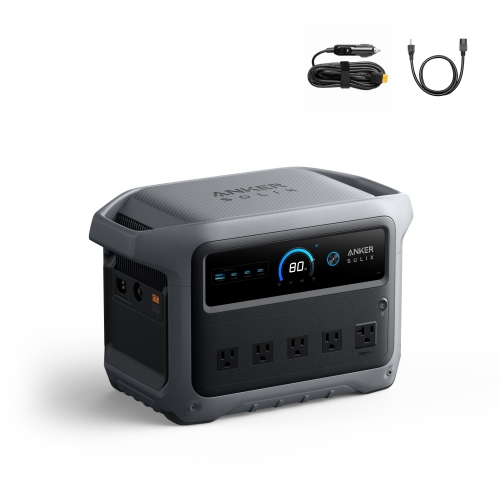
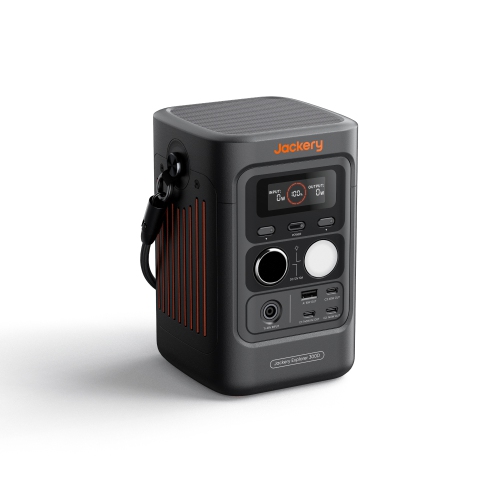
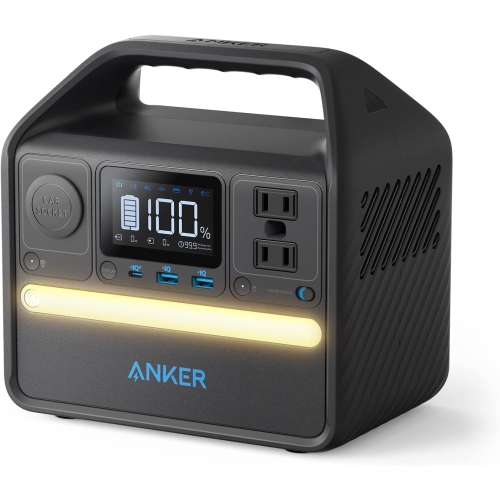
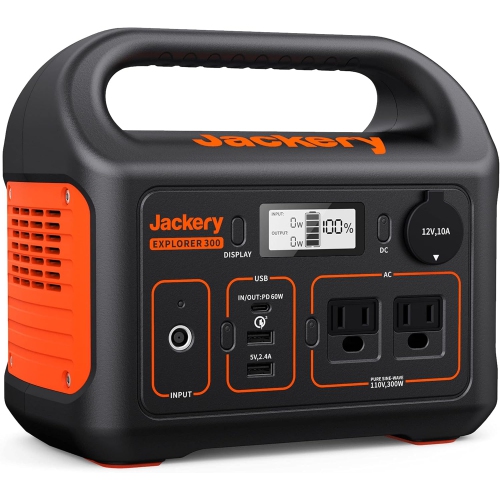
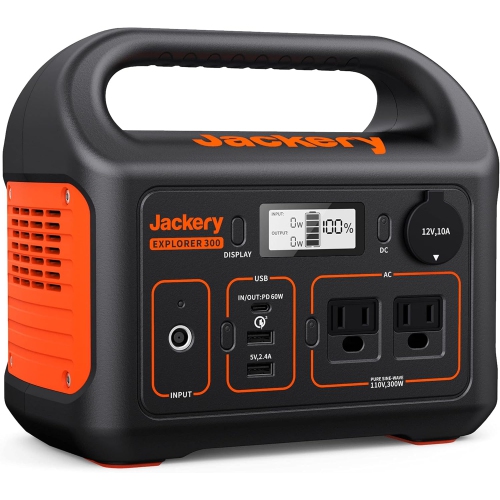
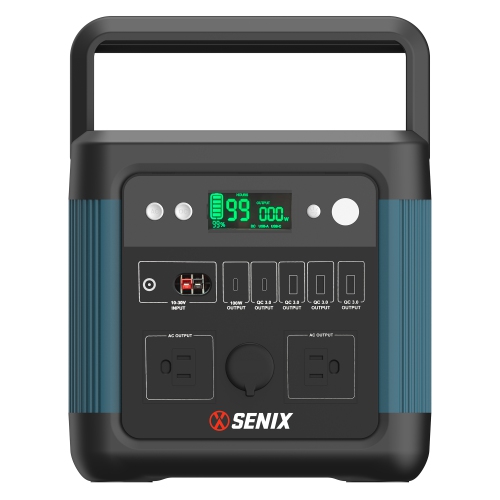
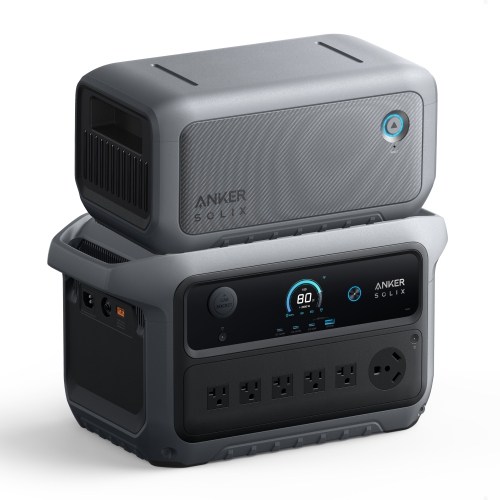
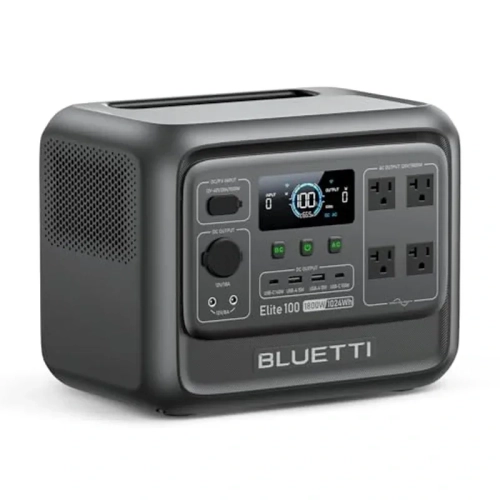
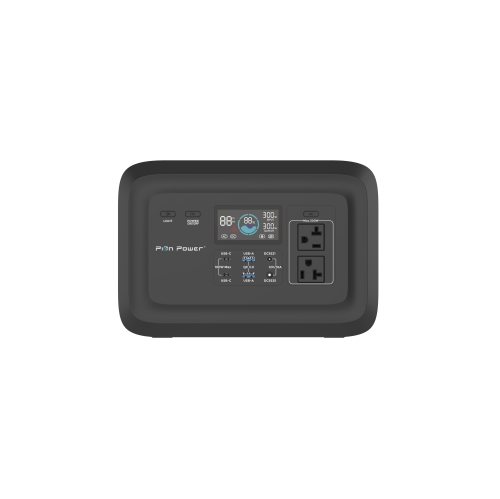
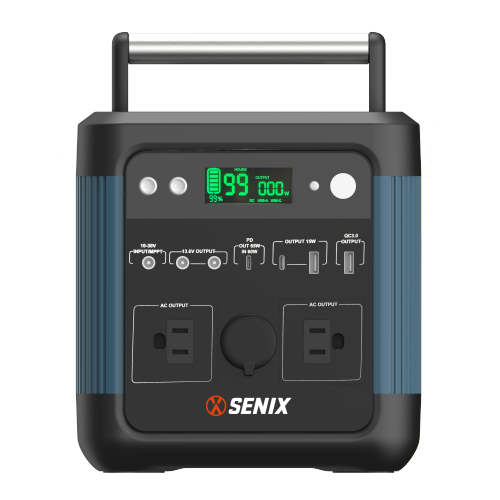
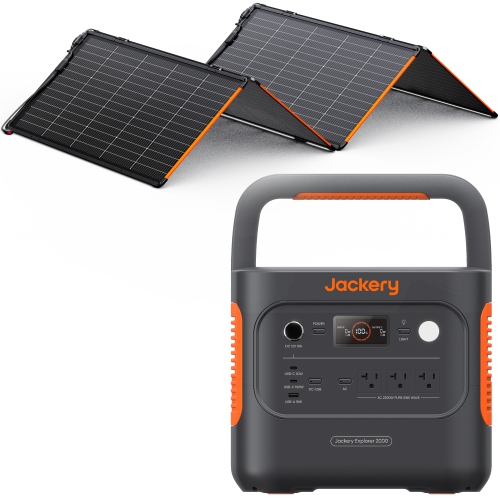
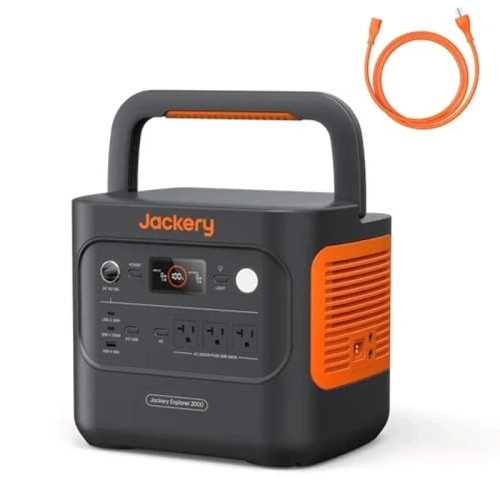
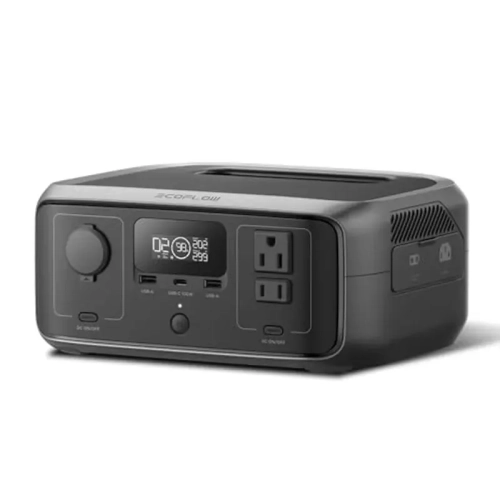
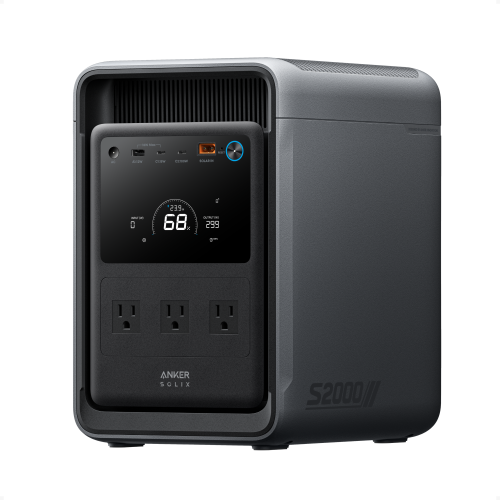
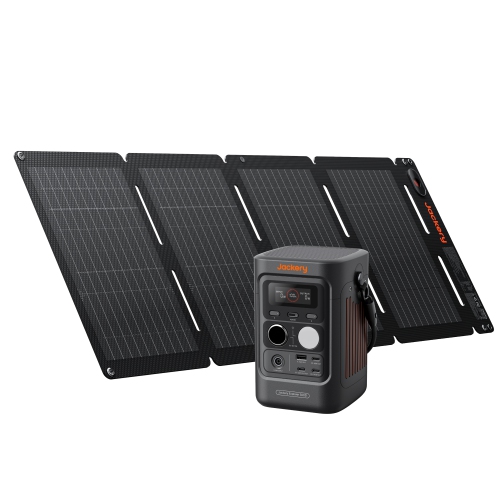
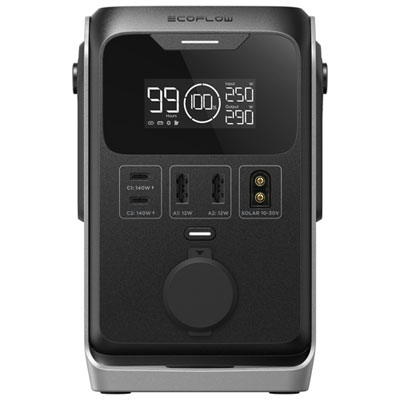
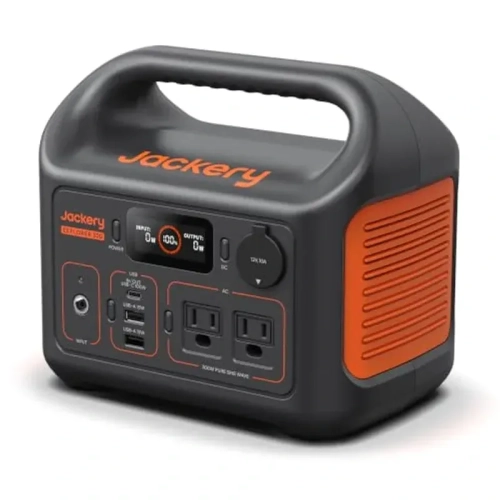
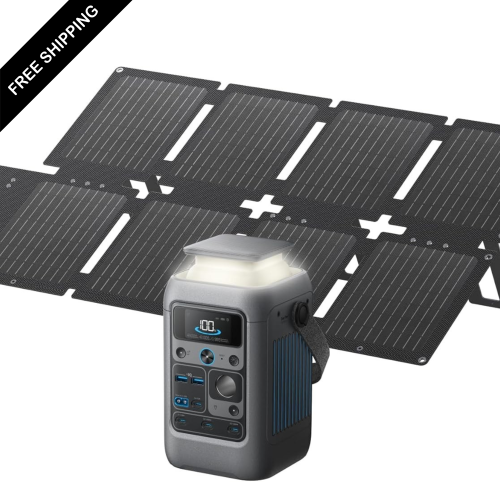
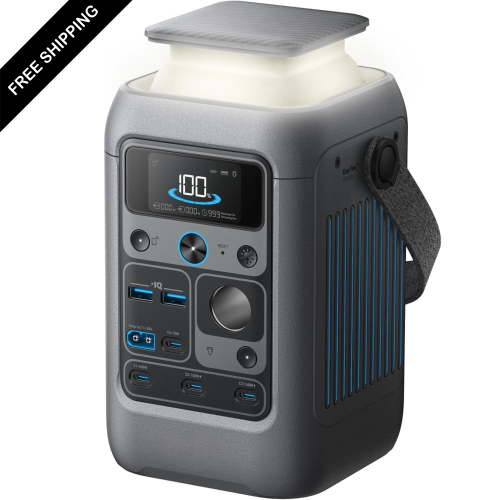
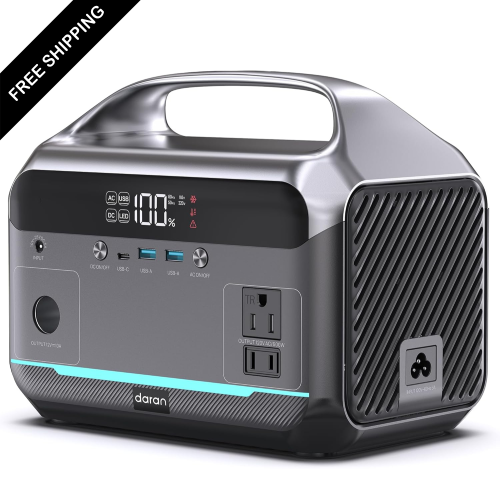
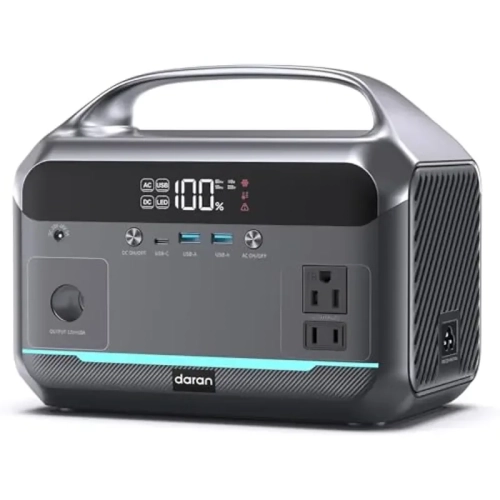
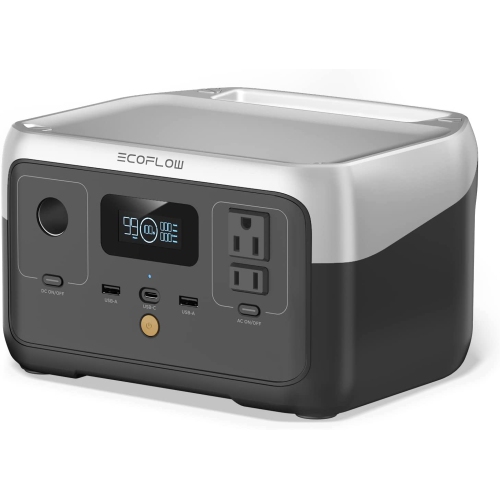
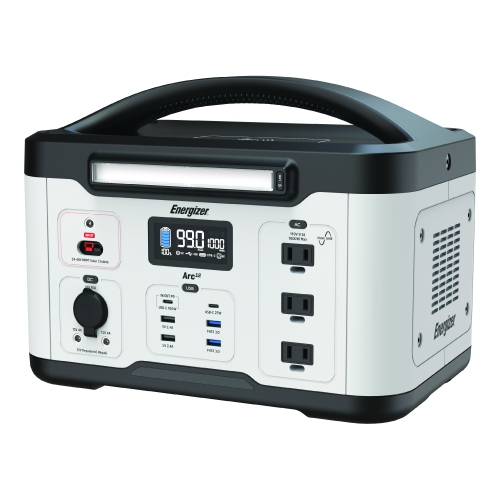
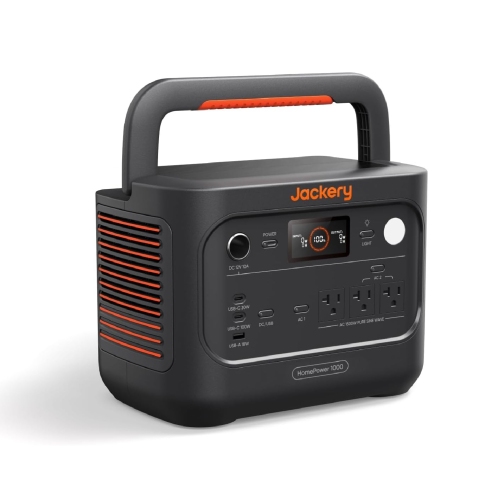
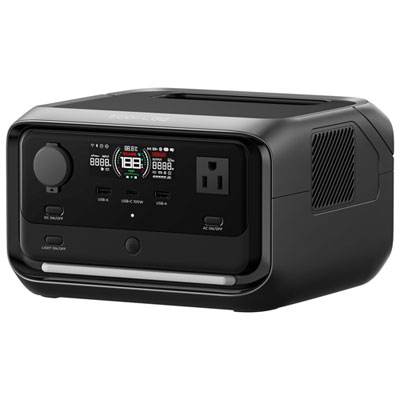
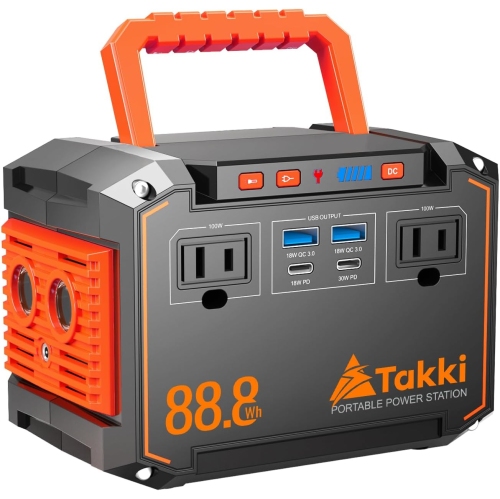
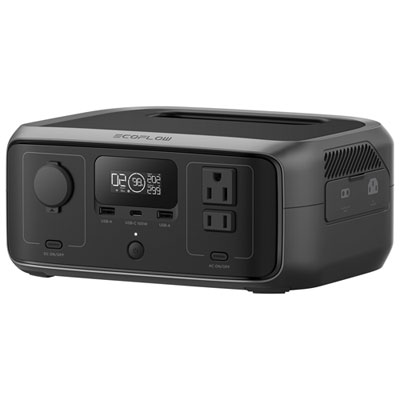
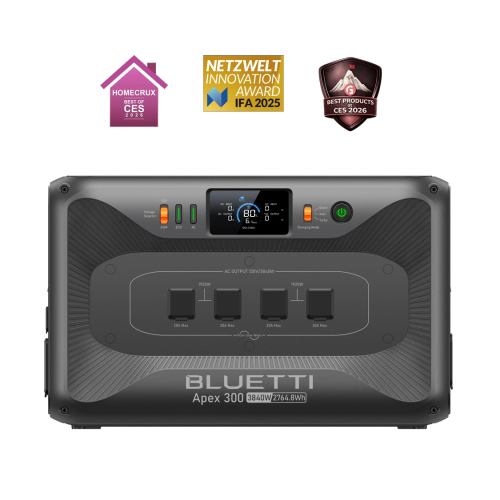
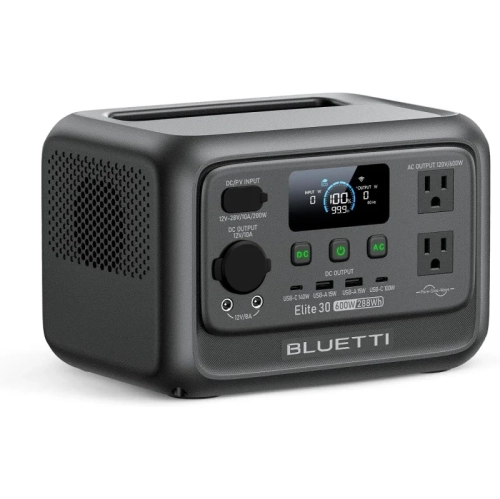
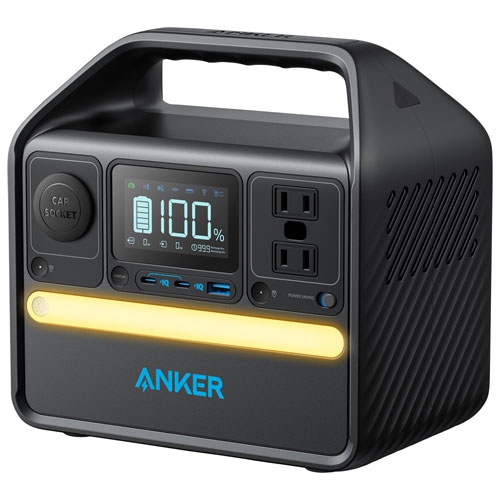
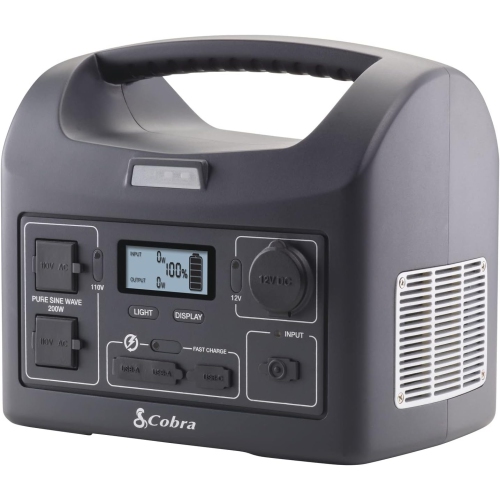
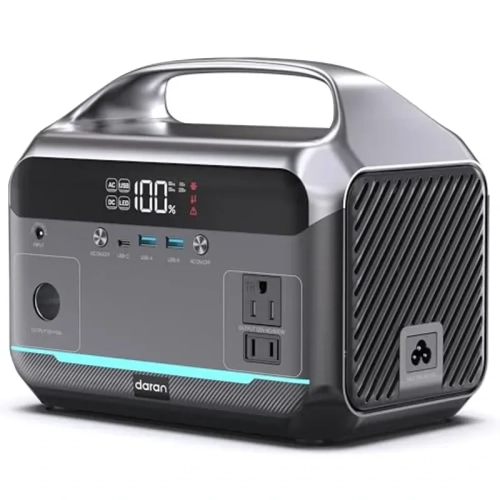
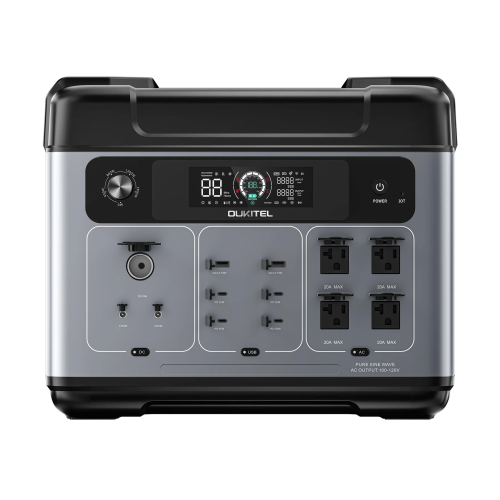
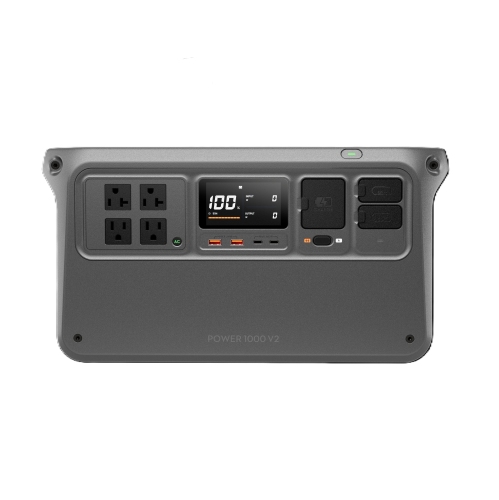
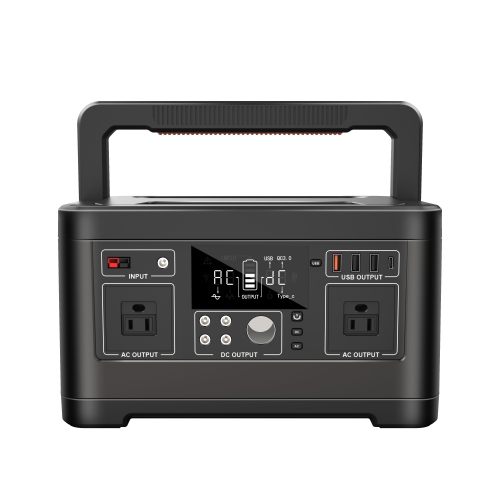
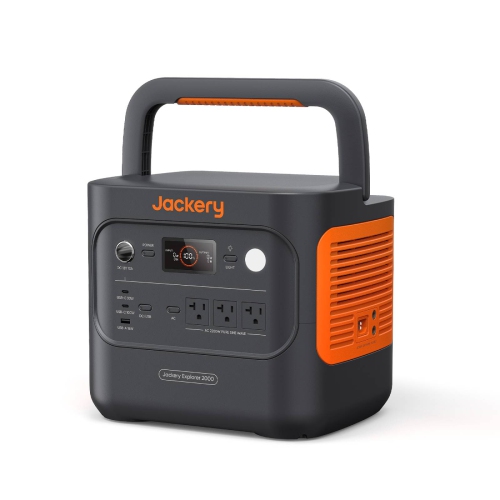
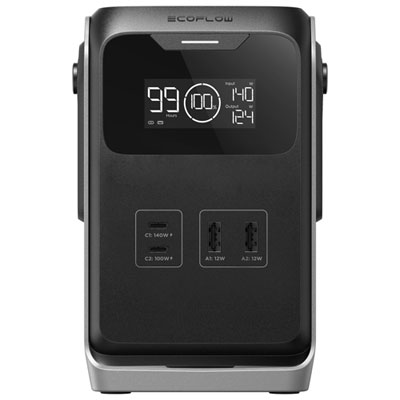
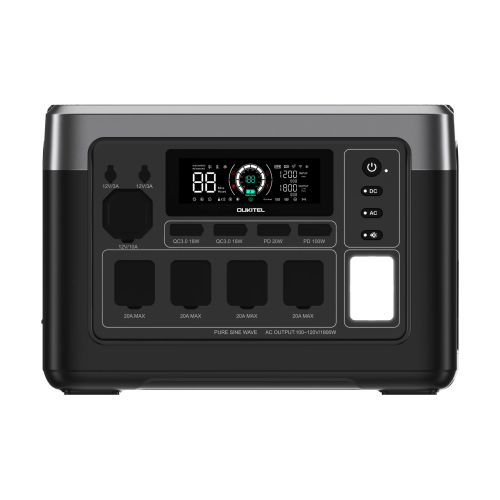
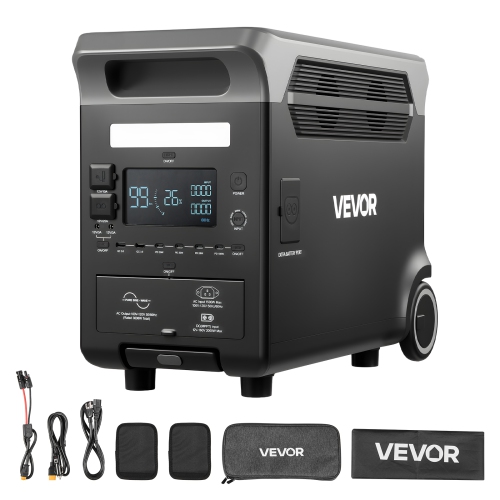
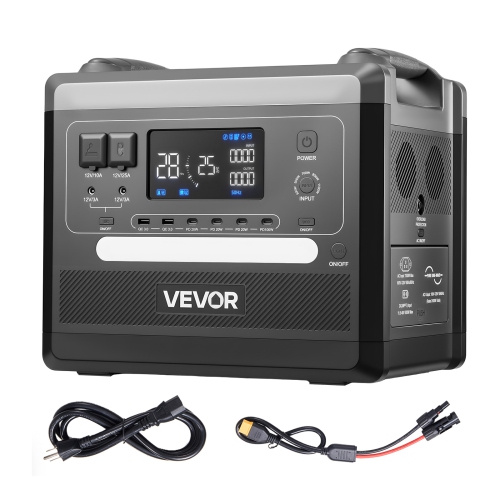
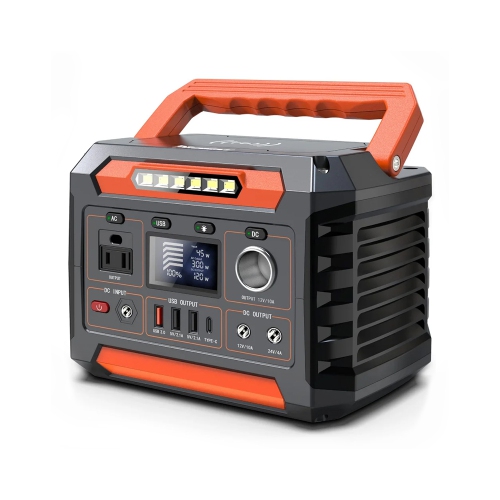
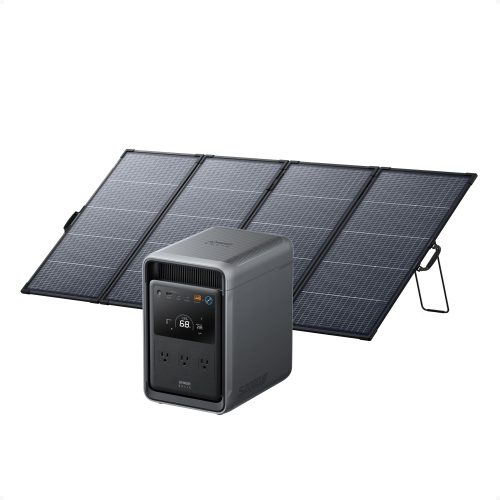
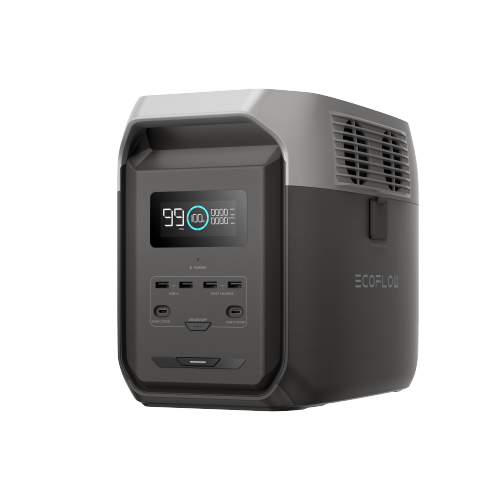




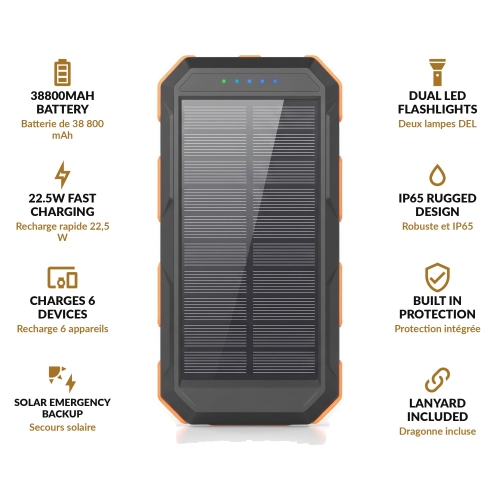
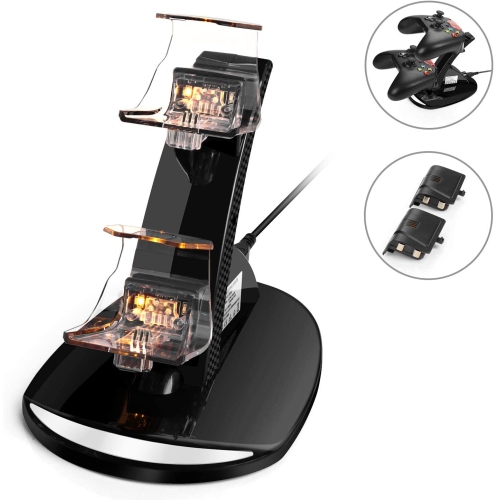
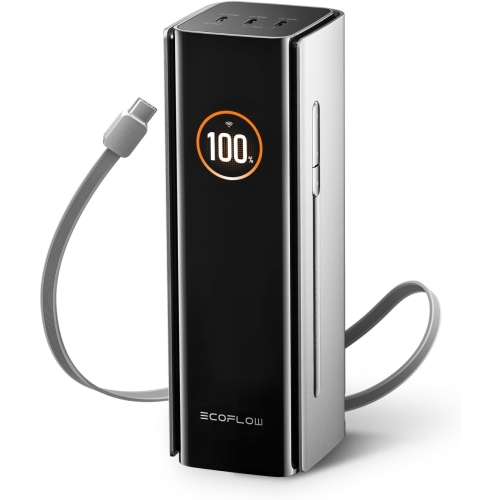
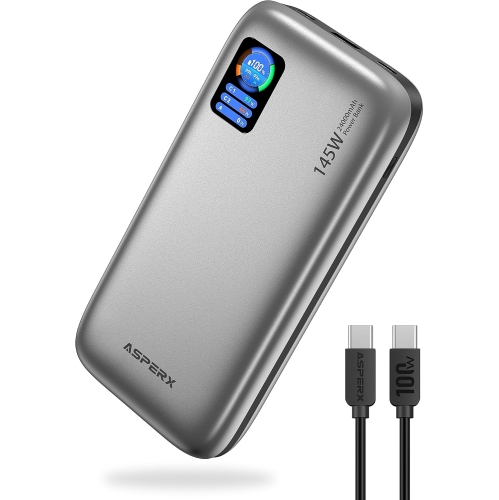
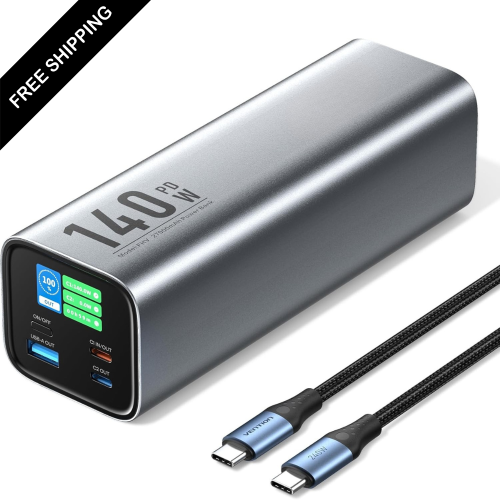
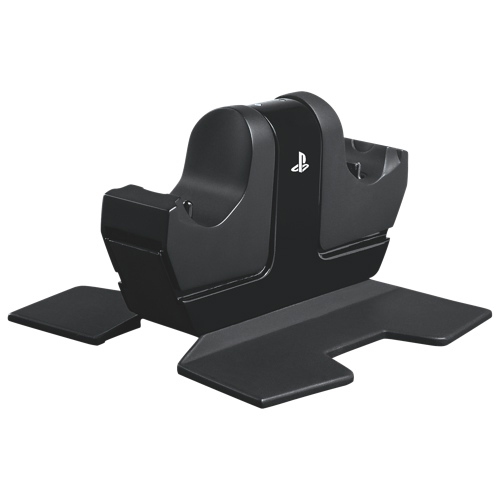
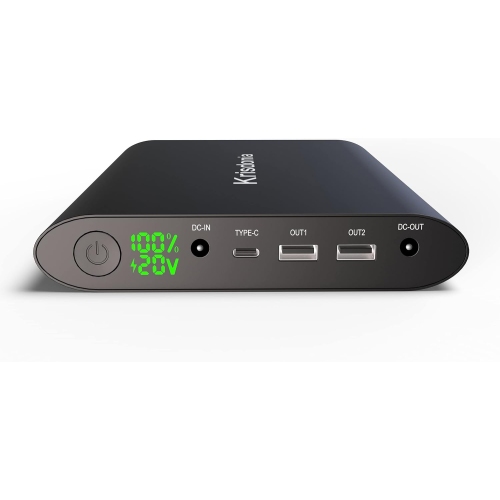
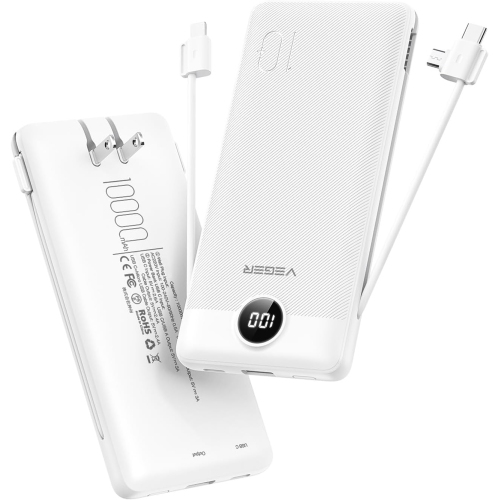
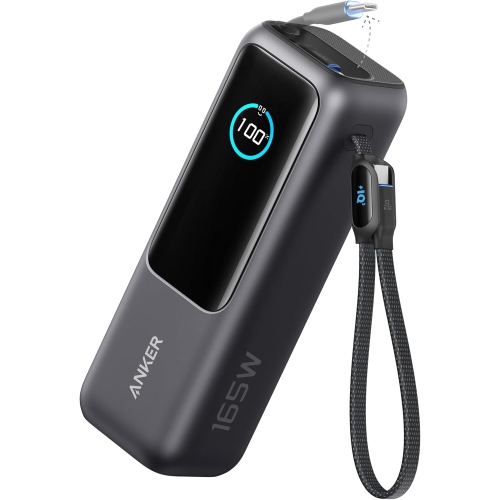
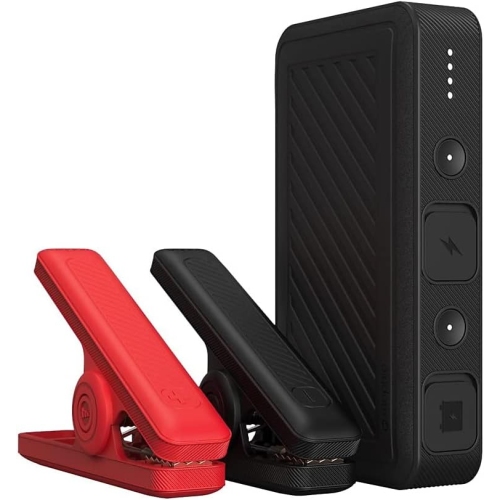


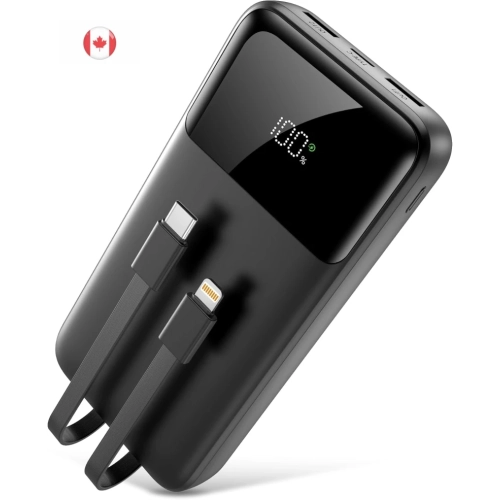
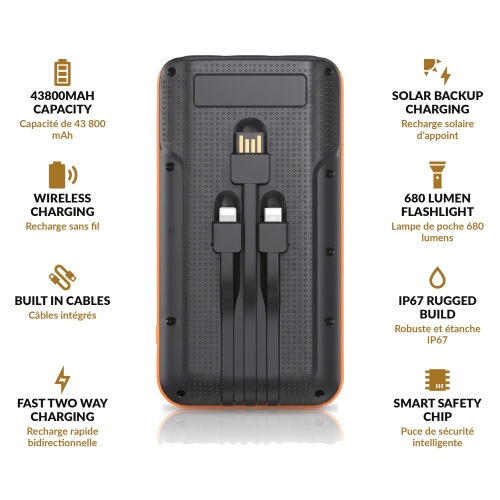
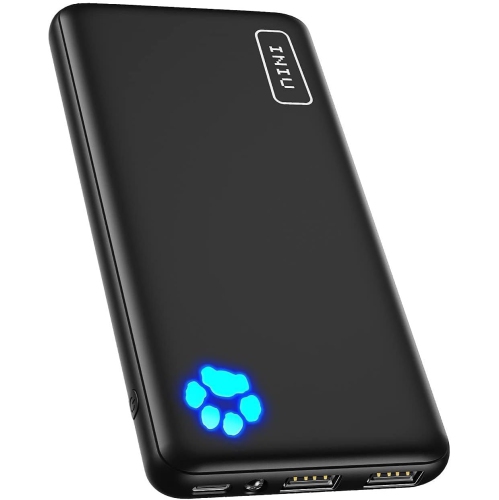
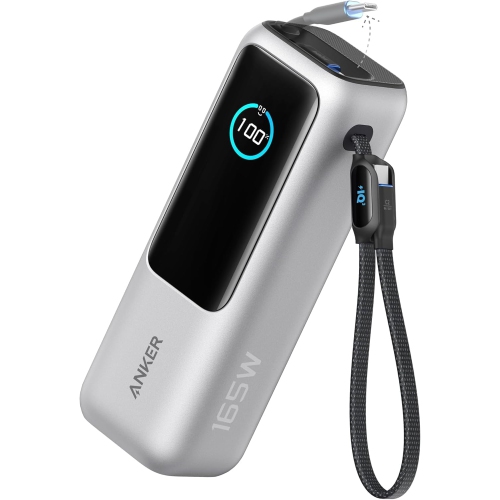
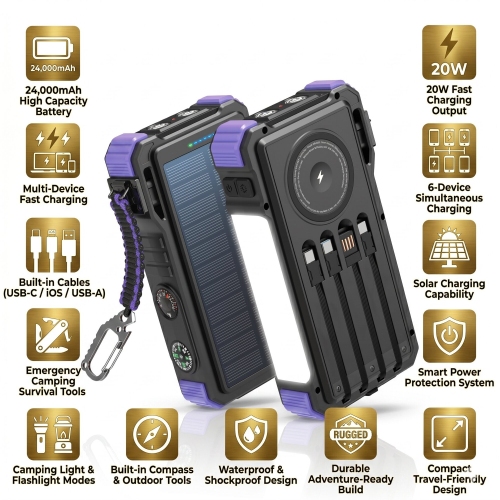
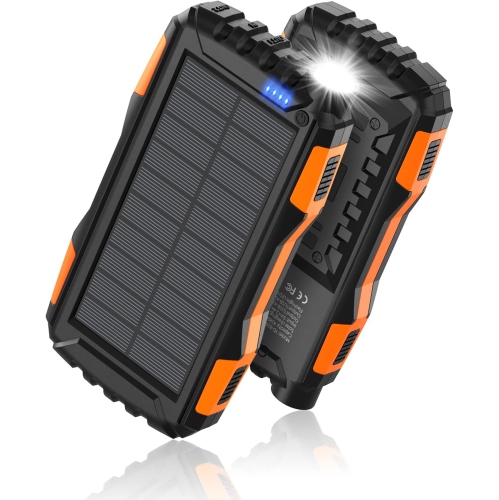
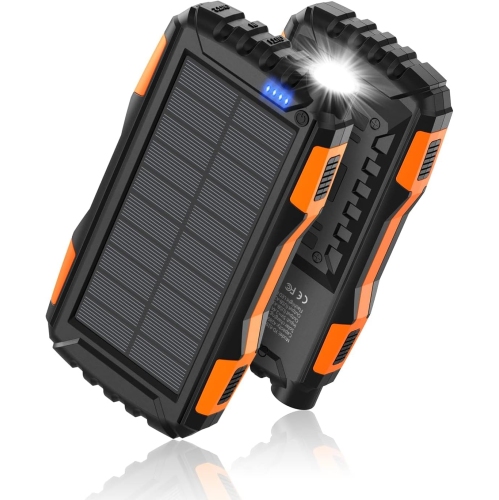
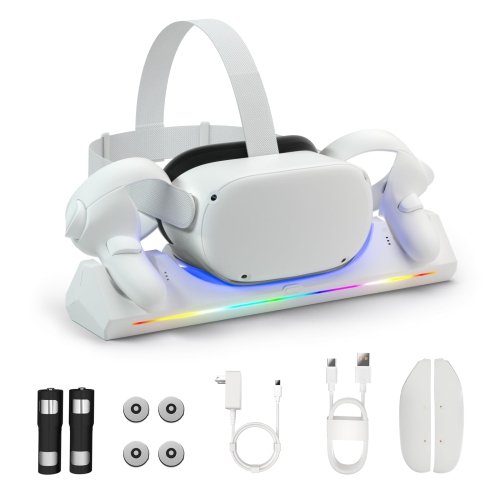
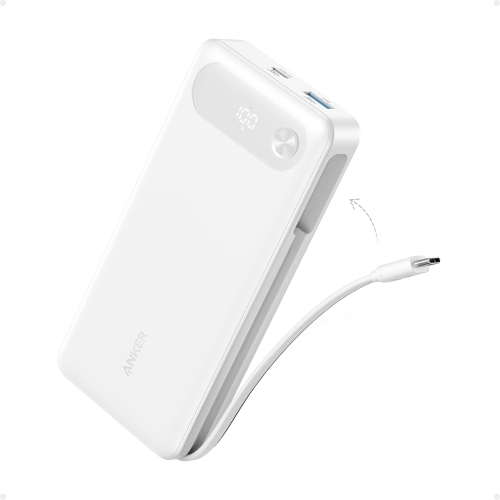
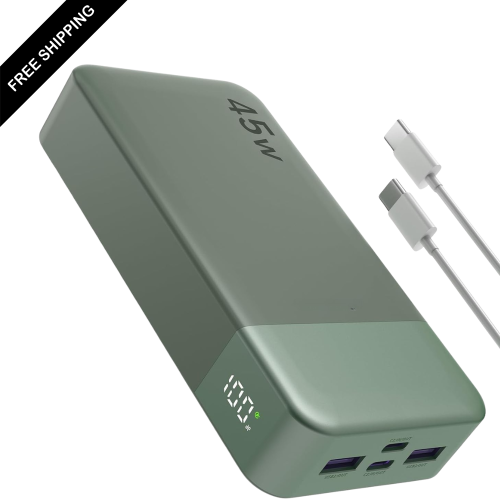
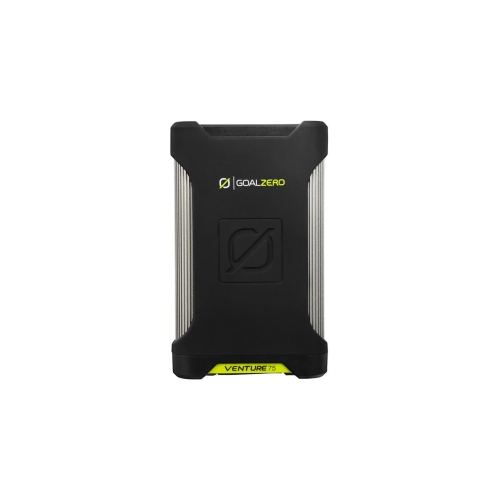
Portable power depends on more than battery size
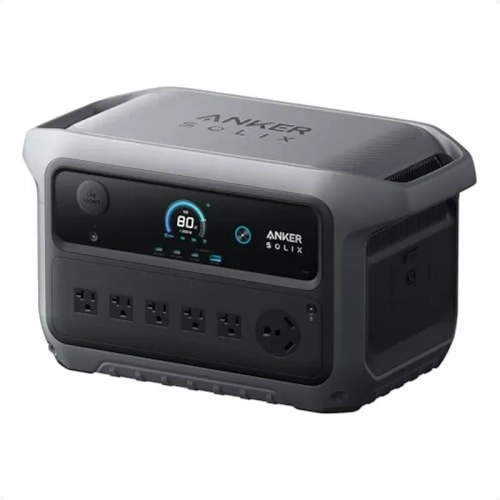
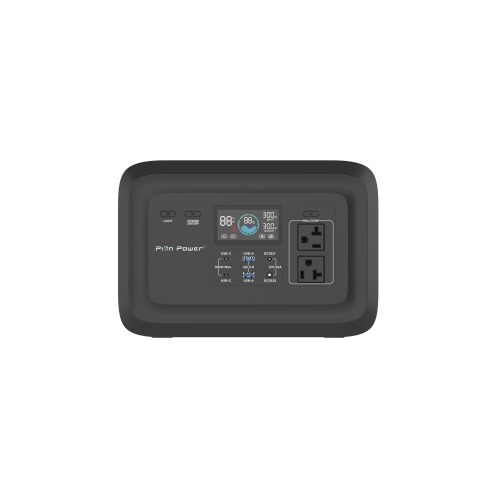
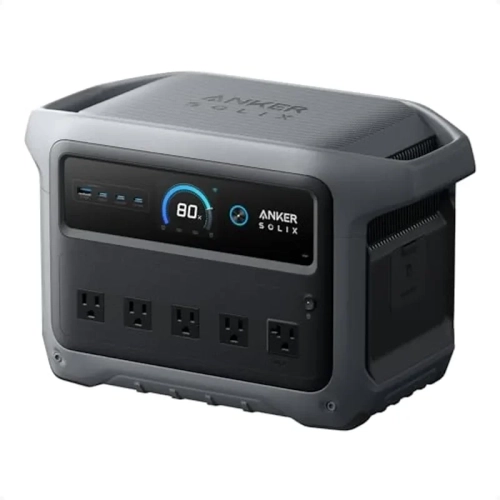
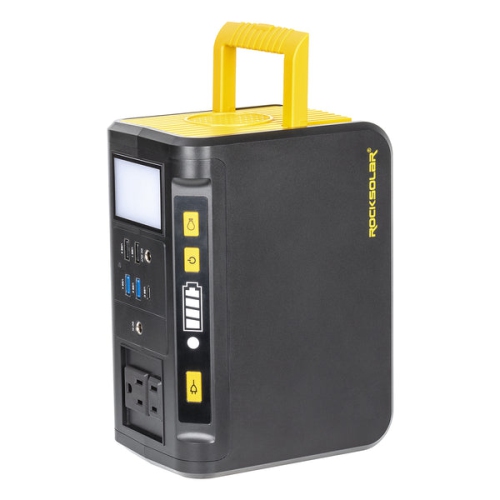
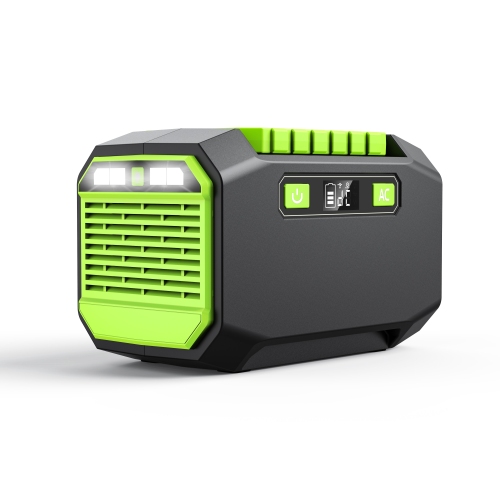
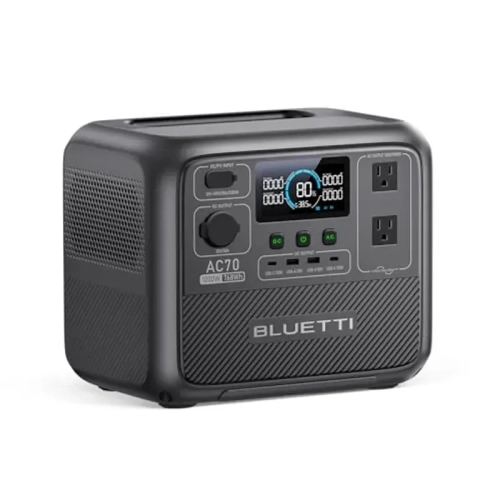
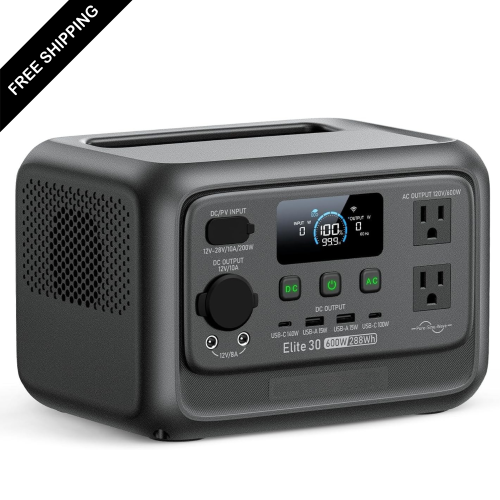
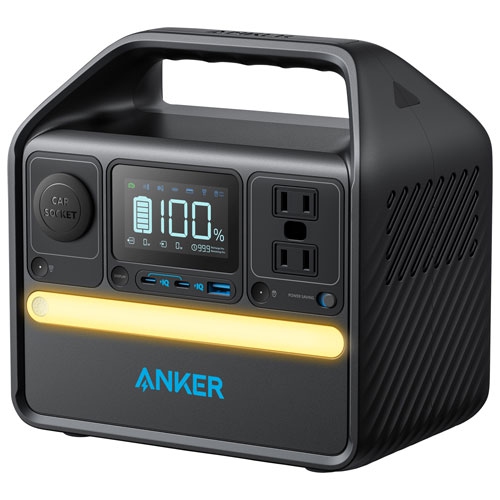
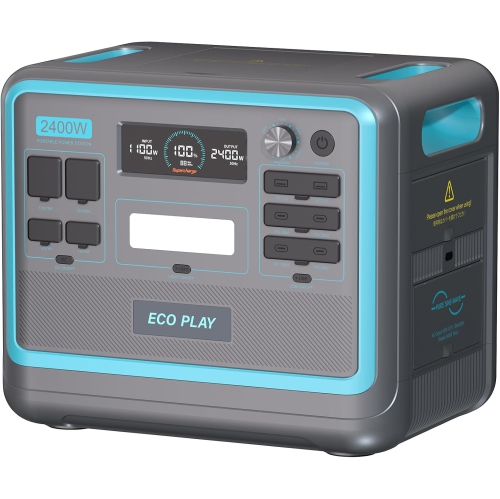
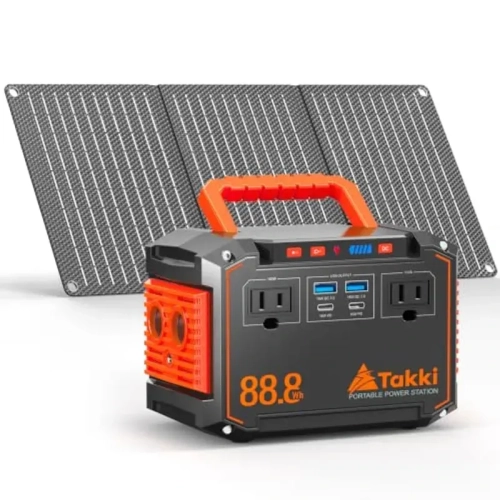
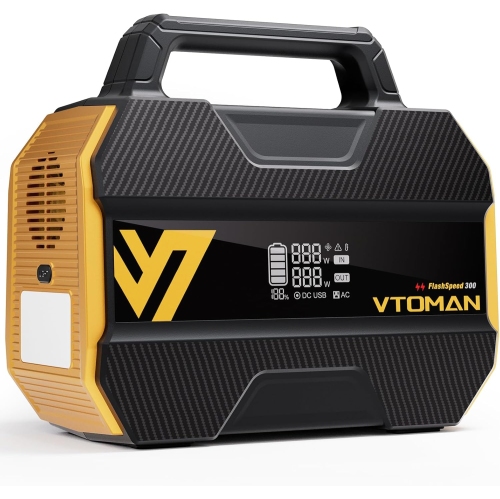
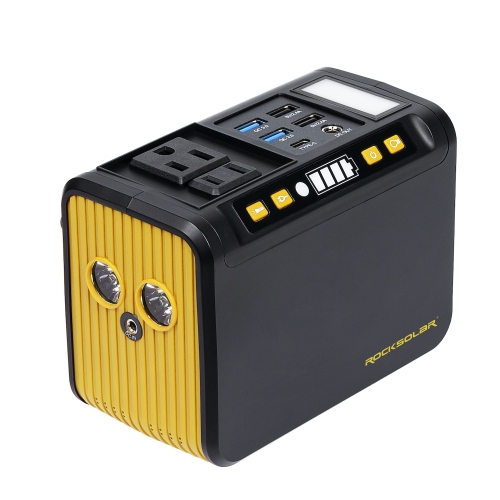
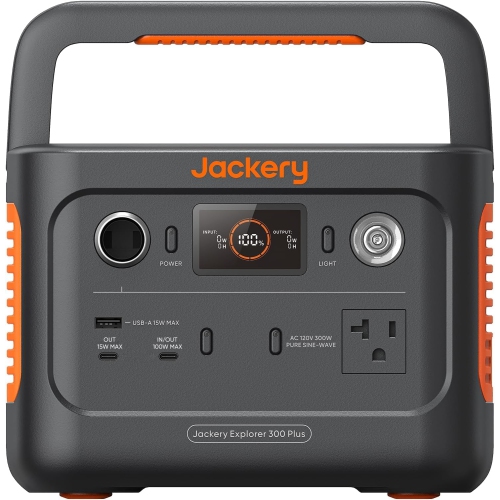
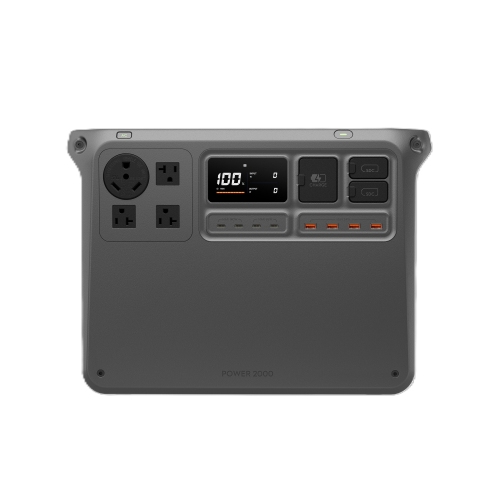
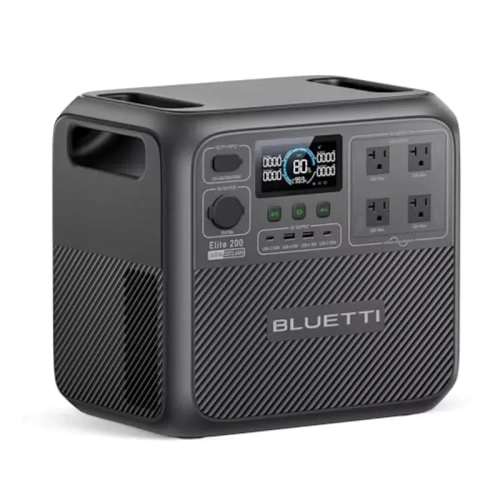
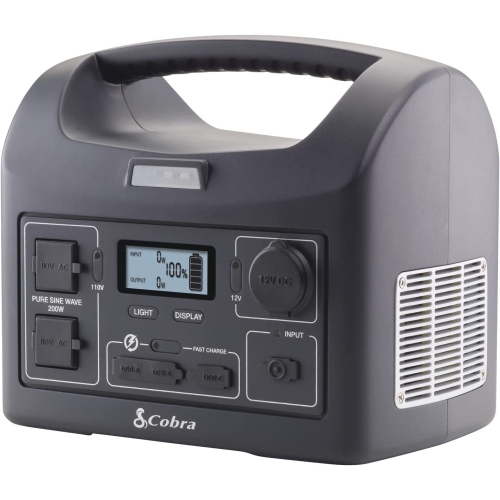
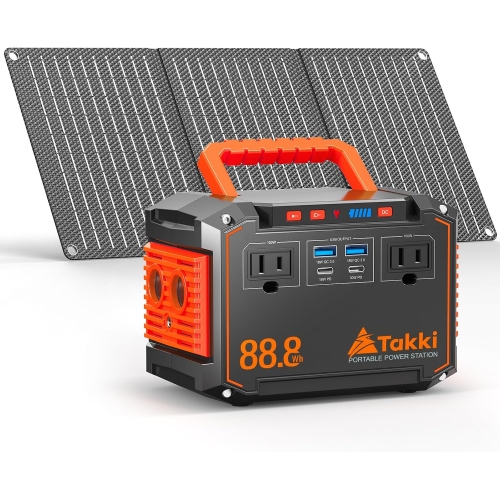
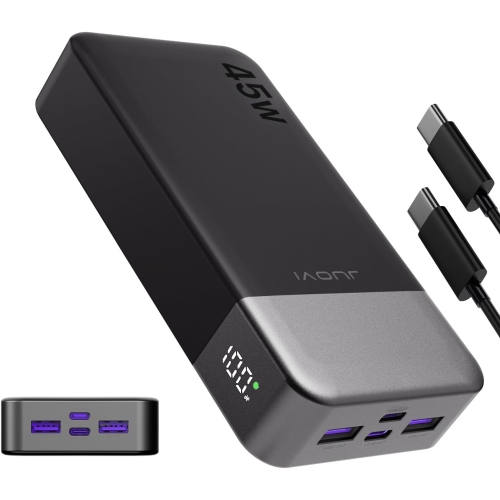
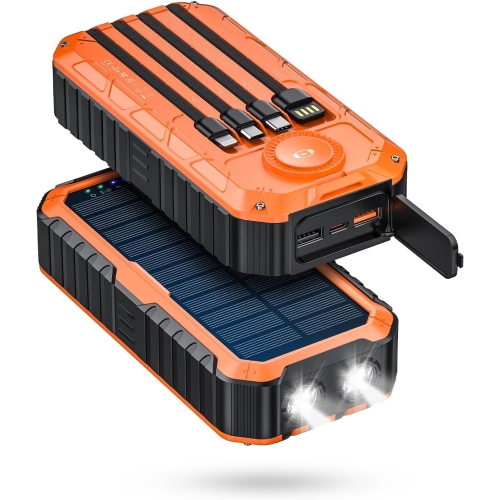
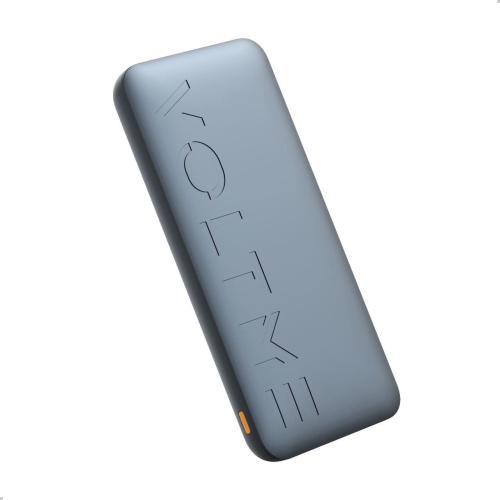
Rechargeable power stations store electrical energy in a built-in battery and supply it to compatible electronics and appliances when a wall outlet is out of reach. They combine battery storage, charging controls, and output connections in one portable housing, with many designs offering household-style AC outlets alongside USB ports and DC connections. An internal inverter converts the battery’s direct current into alternating current for devices that use a standard household plug. USB connections can power compatible electronics without that conversion step, which may reduce energy losses. These battery-powered units are useful for keeping a phone charged at a campsite, running a laptop at a temporary workspace, or supplying selected essentials during a power outage. Unlike fuel-powered generators, they do not burn fuel or produce combustion exhaust while operating, although cooling fans can still make noise. Two specifications help distinguish their capabilities: capacity, measured in watt-hours (Wh), describes how much energy the battery can store, while output, measured in watts (W), describes how much power it can deliver at a given moment. A higher capacity generally supports longer running times, while a higher output can accommodate more demanding equipment. Neither figure replaces the other. A large battery with a modest inverter may run small electronics for an extended period but still be unable to start a particular appliance. As a simplified example, a 500Wh battery supplying a steady 50W load would provide 10 hours of operation before accounting for conversion losses, the station’s own power use, and any battery reserve. Actual runtime will be shorter and depends on the connected equipment and operating settings. Appliances with compressors or motors can also draw a brief surge when starting, so both continuous output and supported surge output matter. The combined demand of everything plugged in needs to stay within the station’s limits. Pure sine wave AC output is another useful consideration for electronics and appliances that require a smooth electrical waveform; compatibility should always be checked against the equipment manufacturer’s requirements.
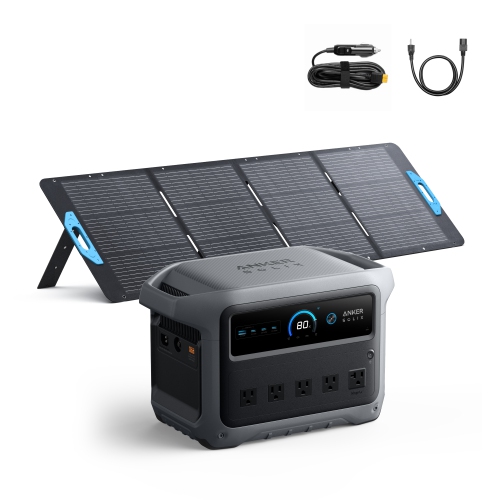
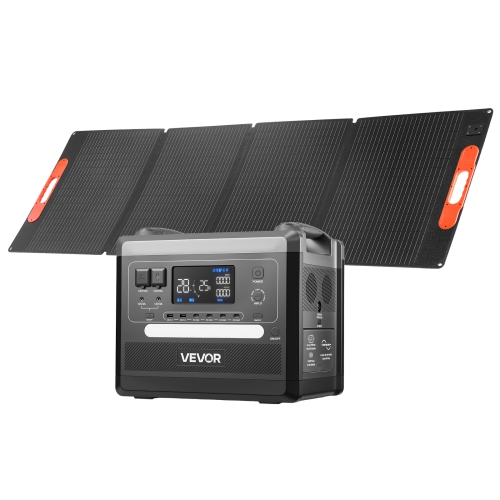
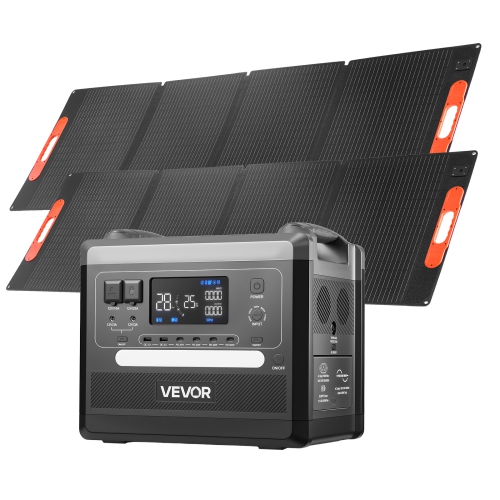
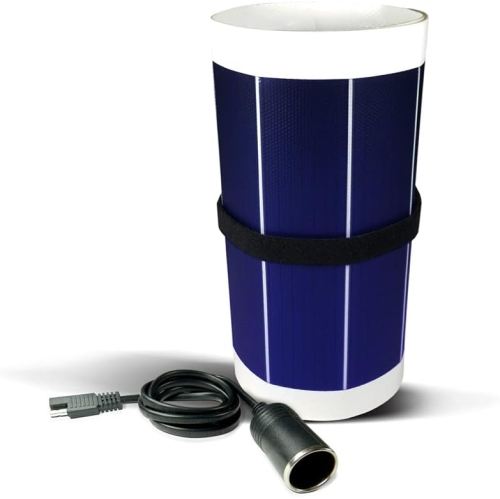
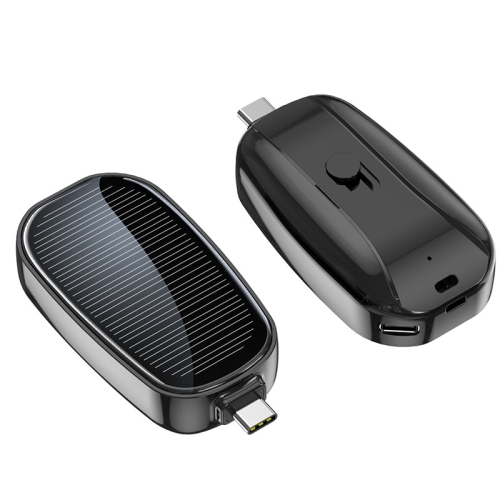
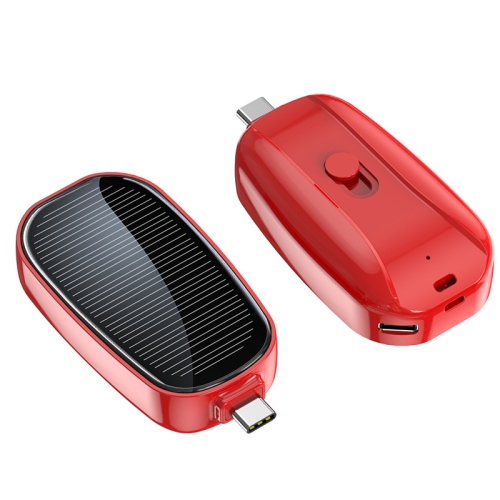
Recharging options affect how comfortably a power station fits into everyday use. Wall charging is convenient between outings or after backup use, but charging speed varies with the station’s input limit, battery size, and charging system. A fast recharge claim may refer to reaching a partial charge rather than filling the battery completely, so the stated charging conditions are worth noting. Vehicle charging can help replenish energy between destinations when the station supports it and the correct cable is used. The vehicle outlet’s rating, vehicle instructions, and any restrictions on charging while parked all matter; drawing power from a vehicle battery with the engine off can leave too little charge to start it. Compatible solar panels provide another charging option for locations without an accessible outlet. Panel wattage alone does not establish compatibility: connector type, input voltage range, and maximum supported current must also match, and charging performance depends on light exposure, panel positioning, and other conditions. Some stations can supply power while recharging, but this feature and its limits should be confirmed rather than assumed. Battery chemistry also influences weight, service life, and charging characteristics. Lithium-ion designs often suit compact portable formats, while lithium iron phosphate, commonly written as LiFePO4, is frequently used where repeated charge cycles are a priority. Published cycle-life figures usually describe the number of cycles before capacity falls to a stated percentage, not the point at which the battery stops working. For physical durability, look beyond the battery to the housing, handles, port protection, and overall construction. Sturdy plastic or metal components, recessed connections, and a balanced carrying handle can make repeated packing and moving easier. Weight is especially important when the station needs to travel from a vehicle to a picnic table or be lifted onto a shelf. Dimensions should accommodate both storage and operation, with enough clearance around ventilation openings. A larger unit may provide more energy but require a wheeled design or a more deliberate place in the luggage.
The most practical rechargeable power station is one that suits the devices, carrying demands, and charging opportunities involved. For a remote worker, that might mean enough capacity for a laptop and phone, with USB-C output that supports the laptop’s required charging wattage. A photographer may value convenient charging for camera batteries and lighting equipment, while a camper may need power for a small light, communications devices, and other compatible essentials. Household backup needs can be different: a modem and router require relatively little power compared with a refrigerator, and heating appliances can drain a battery quickly because of their high electrical demand. A station should not be treated as whole-home backup simply because it includes household-style outlets. Never feed power into household wiring through a wall outlet; any connection to home circuits requires equipment approved for that purpose and installation by a qualified electrician. Essential medical equipment requires particular care, including confirmation with the equipment provider and a suitable backup plan rather than reliance on an estimated runtime. For travel, accessible handles, clear battery-status displays, and ports that remain easy to reach after packing can be as useful as a larger capacity figure. Portable designs for weekends away and longer road trips are the focus of Portable Power Stations for Travel. Transport rules also matter, especially for flights, where battery-capacity restrictions may prevent a power station from travelling in either carry-on or checked baggage. Between uses, follow the manufacturer’s storage-charge recommendations, recharge at the prescribed intervals, and inspect cables and connectors for damage. Keep the housing dry, clear dust from ventilation openings as instructed, and avoid covering the unit during operation or charging. Outdoor use does not automatically mean water resistance, so any protection rating needs to be checked. As a gift for a frequent traveller, camper, or someone who works away from fixed outlets, a power station is most useful when its capacity, connections, and carrying weight match the recipient’s actual routine.
Top selling and popular products
-
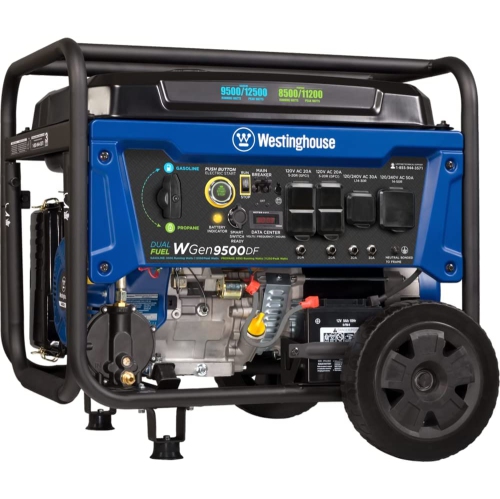 Your price for this item is $2799
-
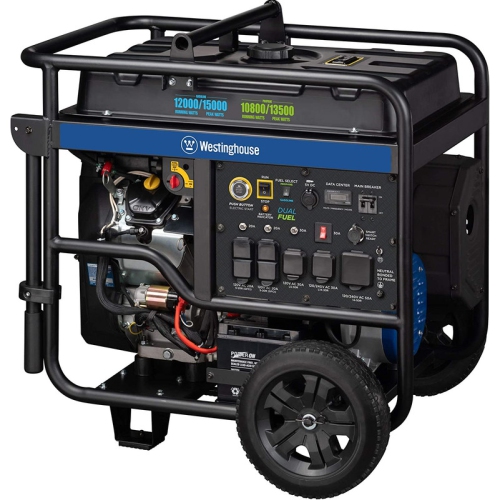 Your price for this item is $6199
-
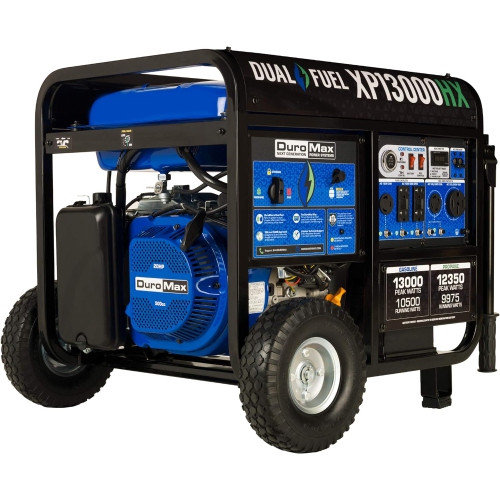 Your price for this item is $3499
-
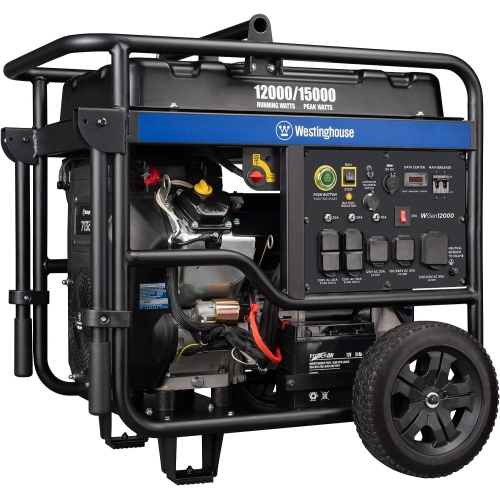 Your price for this item is $5499
-
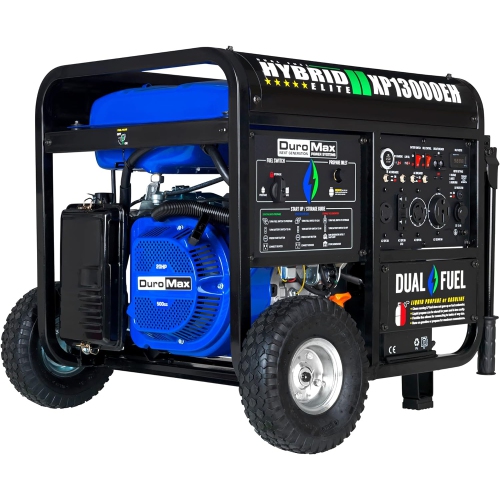 Your price for this item is $2899
-
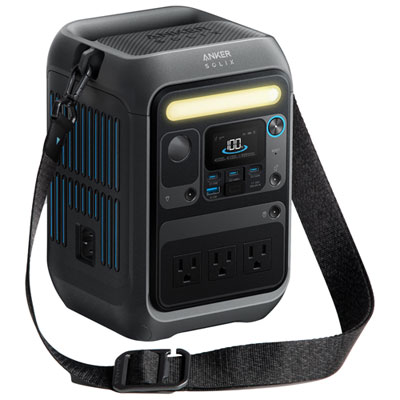 Your price for this item is $289.99
-
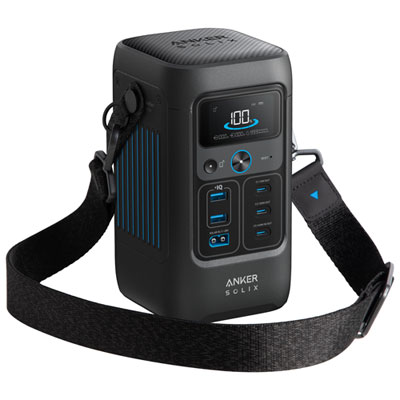 Your price for this item is $189.99
-
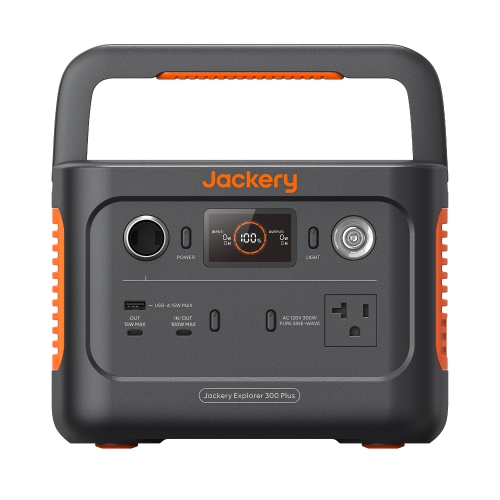 Your price for this item is $259
Discover more categories related to Rechargeable Power Stations
Top Collections:
Best Black Friday Deals This Year, Best Black Friday Deals On Electronics, Kindle Devices, Pokemon Centers, Best Black Friday Deals On Apple Products, Best Cameras for Sports Photography, Dyson Airwrap, Pokémon 30th Celebration Cards, Apple iPhone 17 Pro, Canon G7X Cameras
Some products may be subject to Environmental Handling Fees
(EHF) depending on your province.
Learn more about EHFs.