Beard Trimmers for Short Beards
Beard Trimmers for Short Beards are designed to help you maintain a well-groomed, polished look with ease. Perfect for achieving precise lines and keeping your facial hair neatly trimmed, these tools make daily grooming simple and effective. Whether you're looking to tidy up stubble or keep your short beard looking sharp, you'll find a variety of options to suit your personal style and routine. Explore the selection of Beard Trimmers for Short Beards to discover the ideal grooming companion for effortless maintenance and a consistently fresh appearance.
Sort
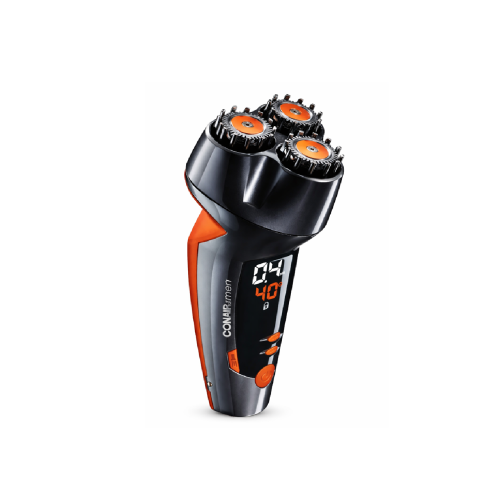
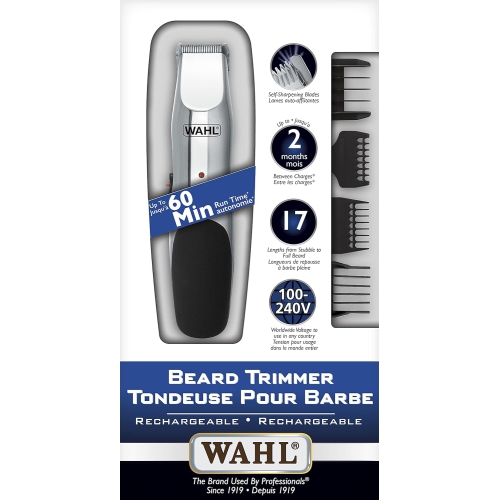

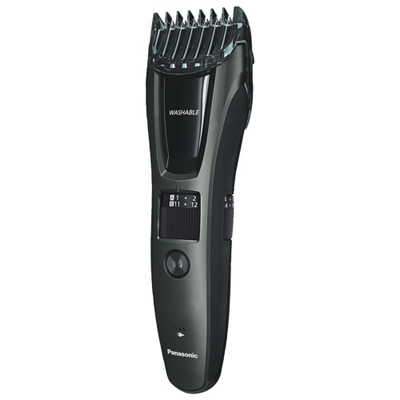
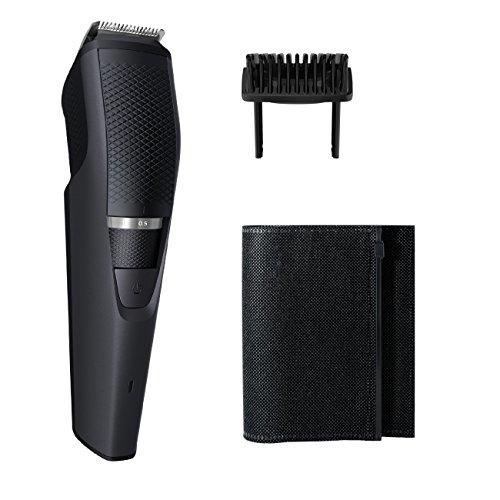

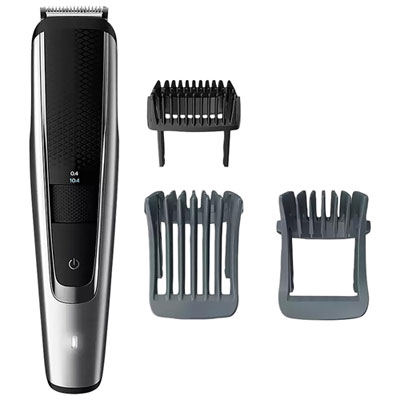
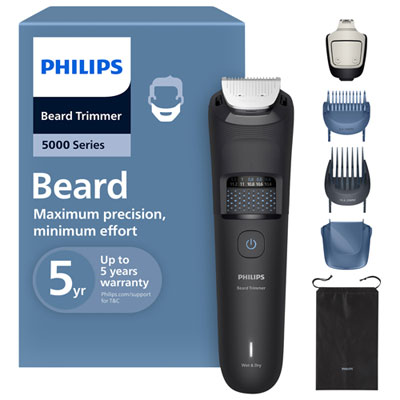
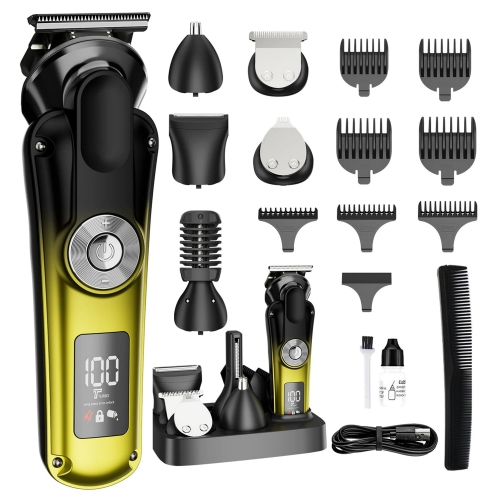
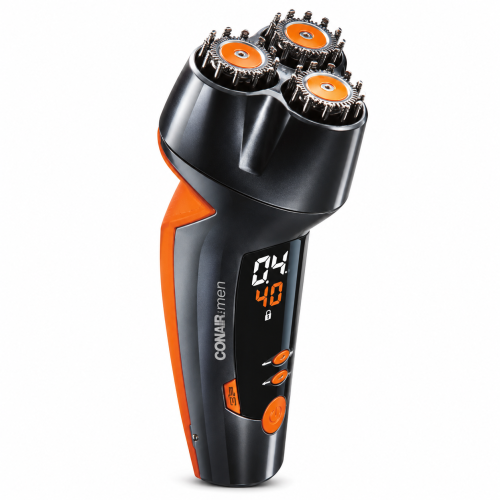

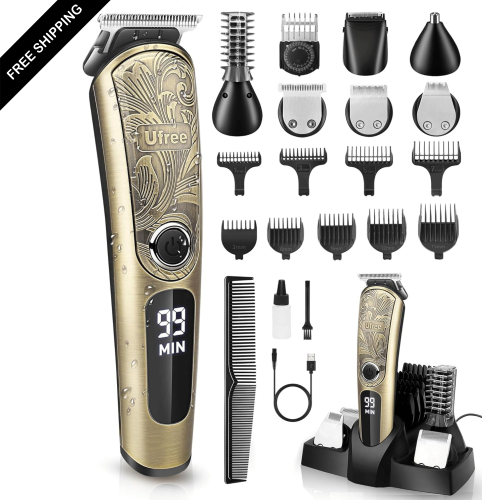
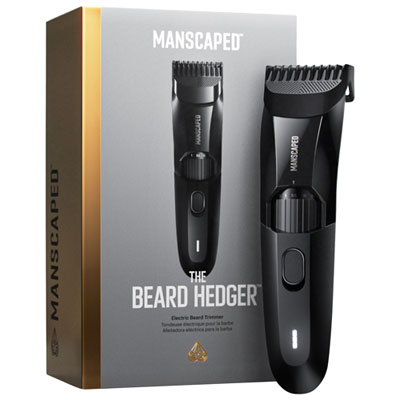
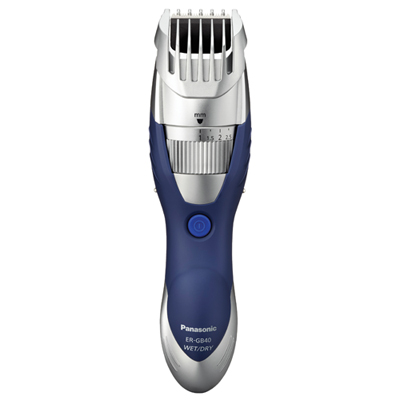
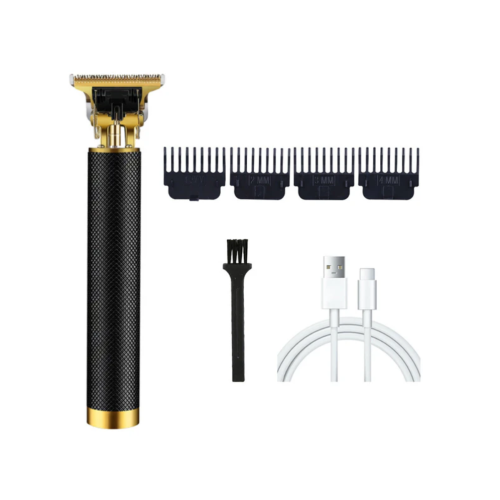
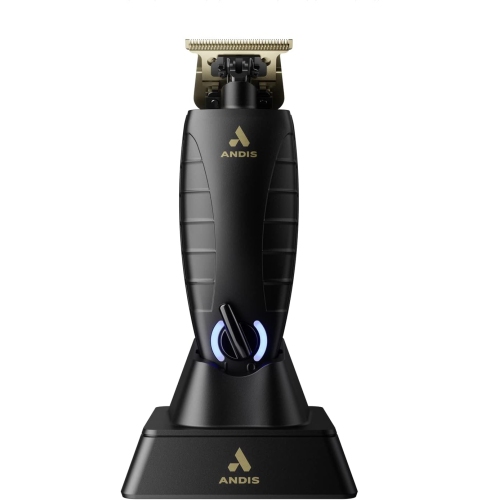
Why half a millimetre matters when trimming stubble
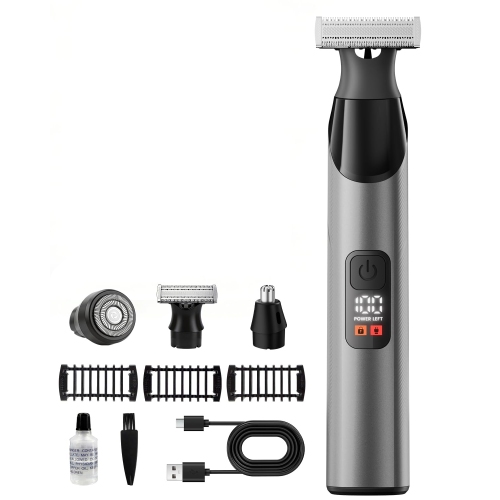
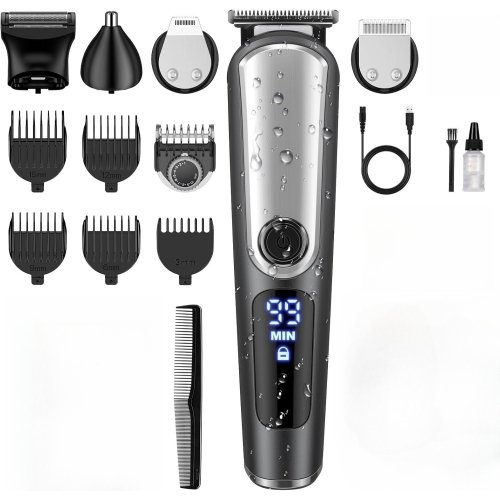
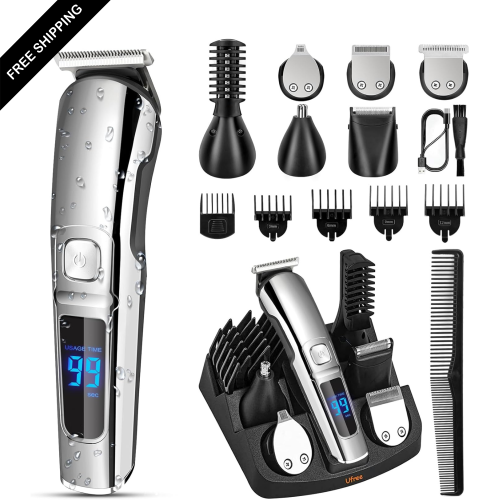
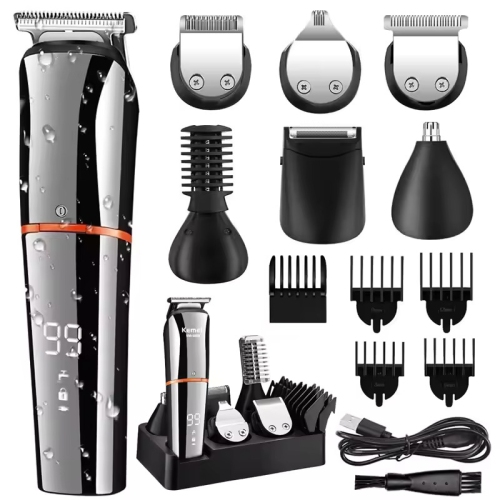
Beard trimmers for short beards work best when they offer closely spaced length settings, a comb that holds steady against the face and a cutting head that’s easy to see around the lips and jaw. Those details matter because even a small change in length shows up on stubble. A trimmer with half-millimetre steps through the shorter settings, for example, gives someone wearing 2 mm stubble more room to fine-tune the finish than a trimmer that jumps a full millimetre at a time. The number of settings on the box tells only part of the story: a wide range can be useful for a longer beard, but for a close crop, the shortest guarded length and the spacing between settings matter more. A dial-adjusted comb makes it easy to switch from a slightly fuller chin to shorter sides without removing the attachment. Fixed combs, on the other hand, make sense for someone who keeps the whole beard at one length and can leave the preferred guard fitted between trims. Either style should stay firmly in place as it follows the curve from cheek to jaw. A comb with teeth that lift flat-lying hairs can help catch the patch under the chin that often gets missed during a straight pass. Hair can also grow in different directions on either side of the neck, so a guard that feeds hair into the blade from more than one angle can make it easier to get an even finish without pressing harder. For a beard that looks full along the chin but sparse on the cheeks, small length adjustments can keep the transition subtle. Trimmers that offer useful settings in that short range leave room for those adjustments without requiring a collection of attachments intended for much longer hair.
Blade shape, materials and grip affect how the trimmer feels when the work shifts from shortening the beard to defining its edges. Stainless steel blades are common and resist corrosion with proper care. Self-sharpening blades are designed to maintain their cutting edges as they move against each other, though the head still needs to be cleared of clippings. A wide T-blade can draw a straight line across the neckline, especially on a trimmer with an exposed blade corner that makes the cutting edge easy to see. A narrower head can be easier to place just below the nose or at the corners of the mouth, where a wide blade may catch hair outside the intended line. The way a comb fits matters here, too: a bulky attachment can make it hard to reach the top of a short moustache, even when the length setting is right. A removable guard gives a clearer view for detail work, but an unguarded trimmer still leaves some hair, with the exact length depending on the blade. That distinction is helpful for anyone who wants a tidy outline rather than the smooth finish of a razor or foil shaver. For dense or coarse growth, a steady cut through the thickest part of the beard is more useful than an extra row of length settings. For finer hair that lies close to the skin, the shape and spacing of the comb teeth may make a bigger difference. Handle balance and texture are worth considering for both. A trimmer that feels easy to turn in the hand is simpler to control when changing direction beneath the jaw, where fingertips may be guiding the angle more than the bathroom mirror. A firm length dial or a guard that clicks securely into place also helps keep a light touch from turning into an uneven patch.
A dependable battery is useful even when a short beard takes only a few minutes to trim. Cordless operation leaves both hands free of the cable when stretching the skin near the jaw or checking the neckline from the side. Rated runtime indicates how many brief touch-ups a charge might cover, while a battery indicator is particularly useful for avoiding a flat battery halfway through a trim. Some cordless trimmers can run while plugged in and others cannot, so corded use is worth checking if the trimmer will often stay by the bathroom sink. Cleaning is another practical difference. A rinseable head can make it easier to clear the fine clippings that pack between the comb teeth, but a washable attachment doesn’t necessarily mean the entire trimmer can go under the tap. Dry-clean-only designs typically use a small brush to sweep hair from around the blade and beneath the guard. Blades that call for oil should be maintained as directed, and washable parts should be dry before going into a closed case. A solid guard, a head that stays firmly seated and replaceable blades or combs, where offered, can help keep a trimmer useful with frequent use. A compact body and a travel lock suit someone who takes a grooming kit to the gym or packs it in a carry-on, while a simple dial and easy-to-read markings make sense for a first beard trimmer or a gift. The wider Beard Trimmers selection is useful for comparing tools for several beard lengths, especially if the recipient sometimes grows out a fuller style. For someone who consistently keeps a short beard, the most useful features tend to be the ones that make a familiar trim easy to repeat: a guard that returns to the same setting, a blade that leaves a visible line at the cheek and a head that’s simple to clean before putting it away.
Top selling and popular products
-
 Your price for this item is $19.99
-
 Your price for this item is $44.99
-
 Your price for this item is $74.99
-
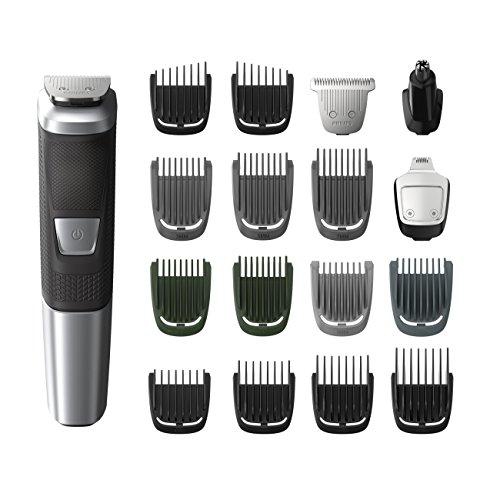 Your price for this item is $35
-
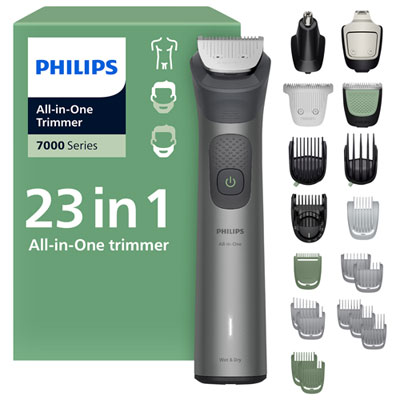 Your price for this item is $89.99
-
 Your price for this item is $21.99
-
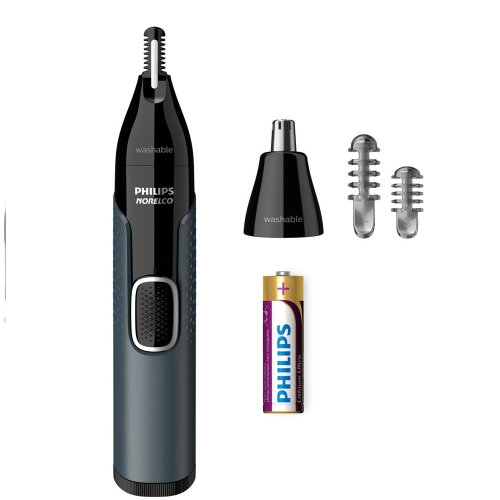 Your price for this item is $34.99
-
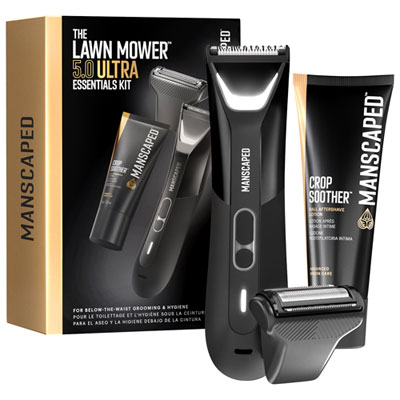 Your price for this item is $149.99
Discover more categories related to Beard Trimmers for Short Beards
Top Collections:
Best Black Friday Deals This Year, Best Black Friday Deals On Electronics, Kindle Devices, Pokemon Centers, Best Black Friday Deals On Apple Products, Best Cameras for Sports Photography, Dyson Airwrap, Pokémon 30th Celebration Cards, Apple iPhone 17 Pro, Canon G7X Cameras
Some products may be subject to Environmental Handling Fees
(EHF) depending on your province.
Learn more about EHFs.