Cordless Hair Clippers
If you're looking for a convenient and hassle-free way to achieve a fresh haircut or trim your beard at home, look no further than these cordless hair clippers. Designed with cutting-edge technology and precision blades, these cordless hair clippers offer you the freedom to style your hair or groom your facial hair with ease. Say goodbye to tangled cords and limited mobility—these cordless hair clippers provide the flexibility and convenience you need for effortless grooming.
Sort
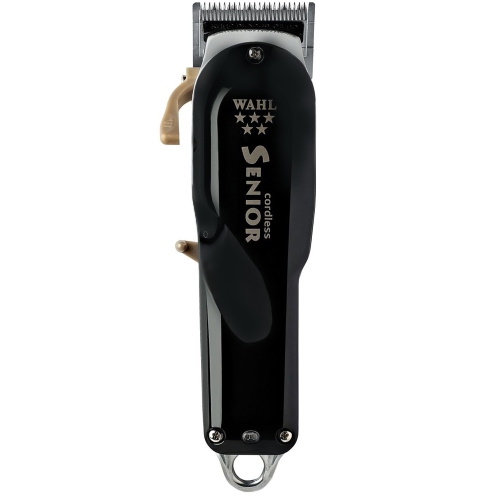
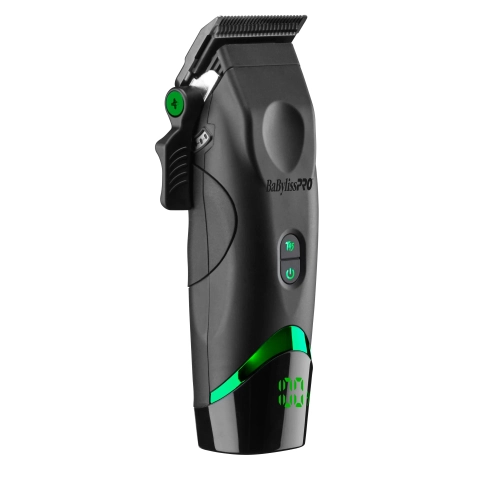
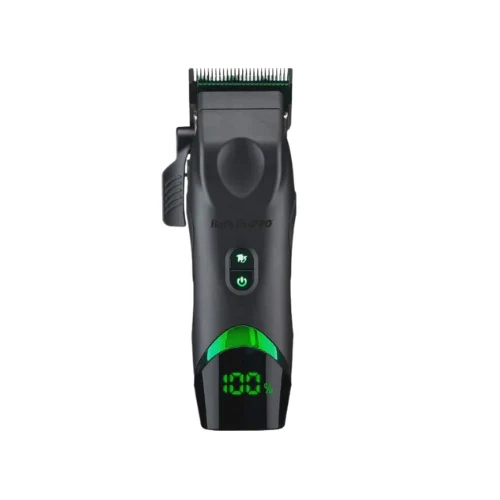
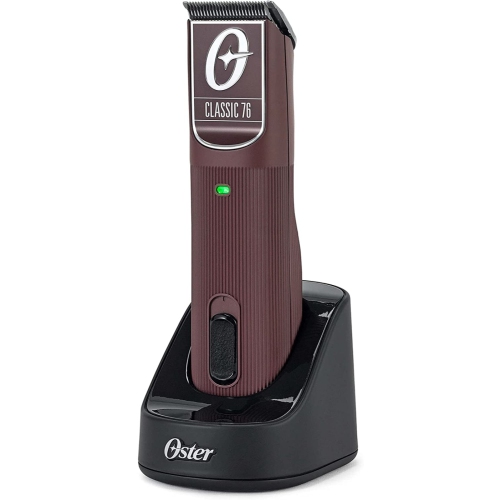


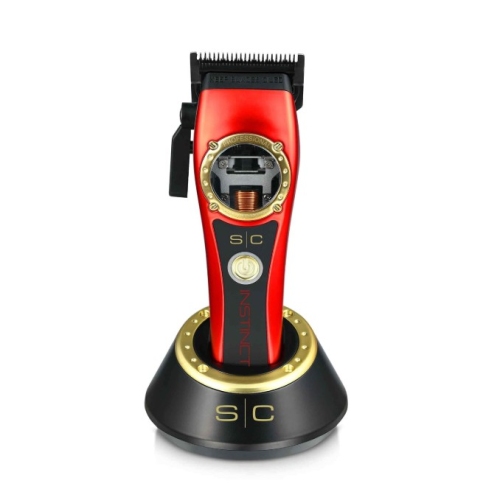

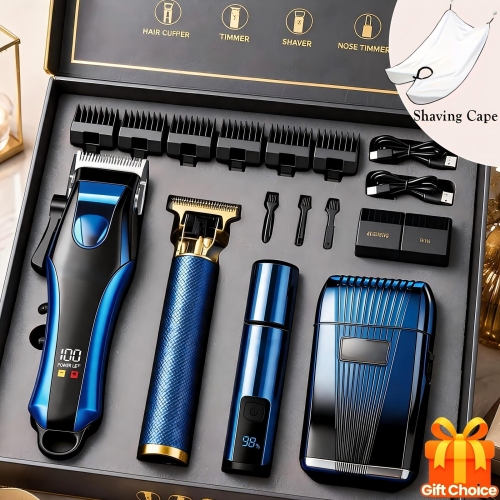


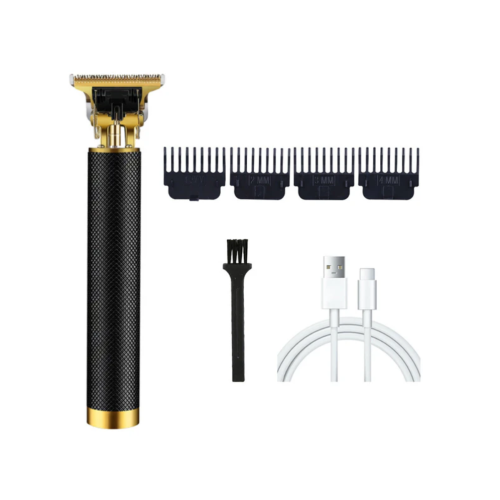
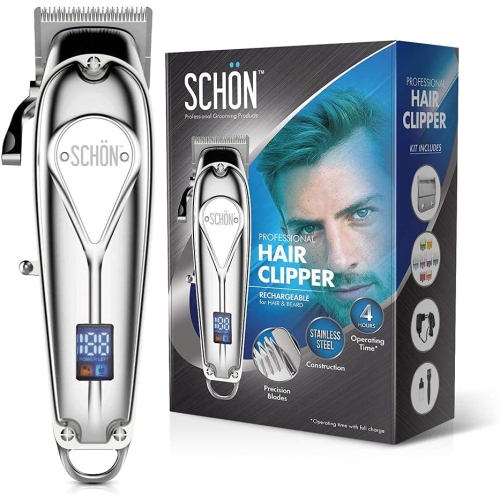


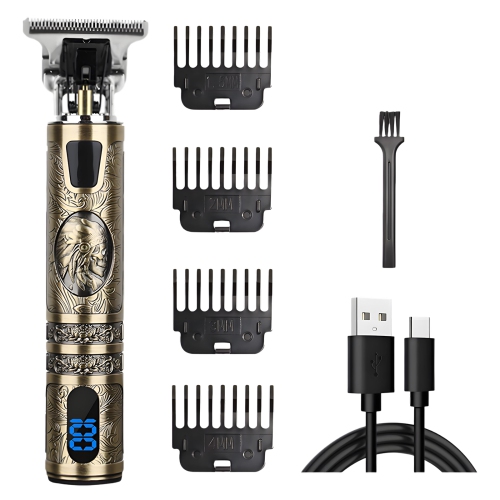
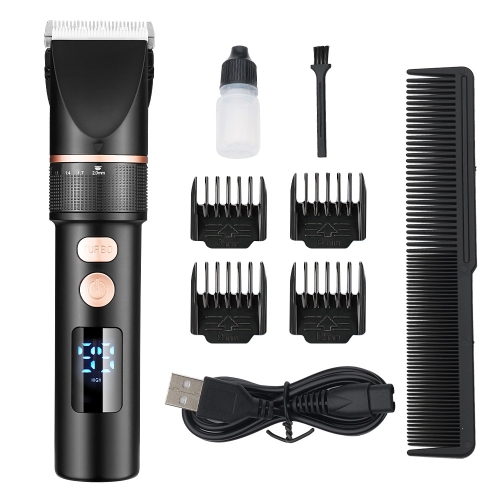
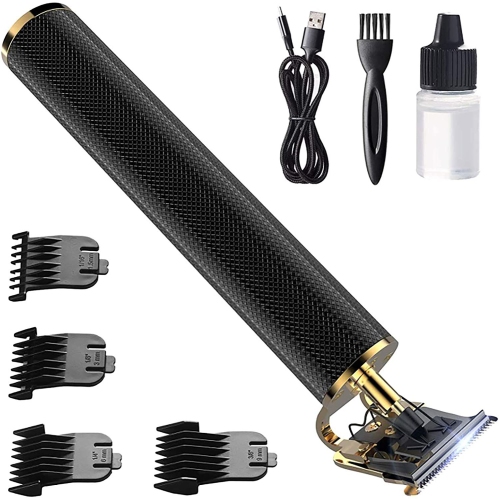
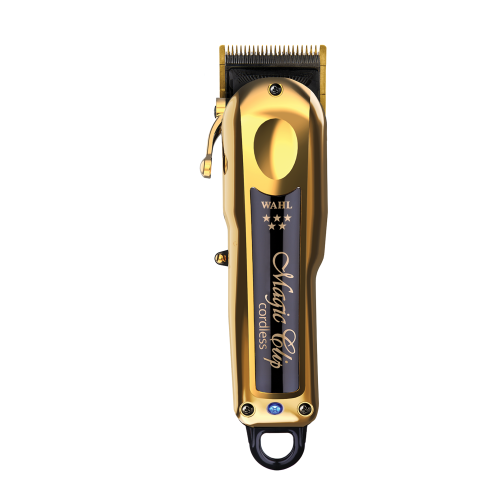


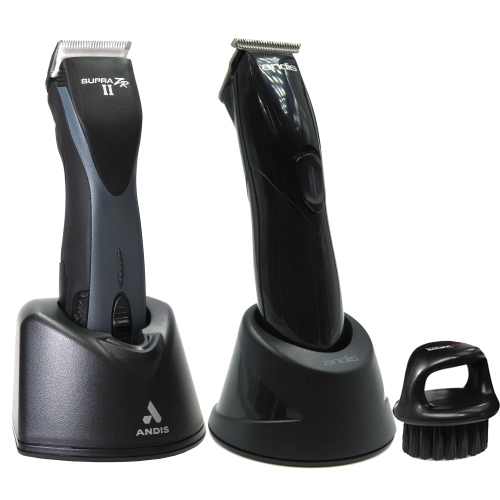

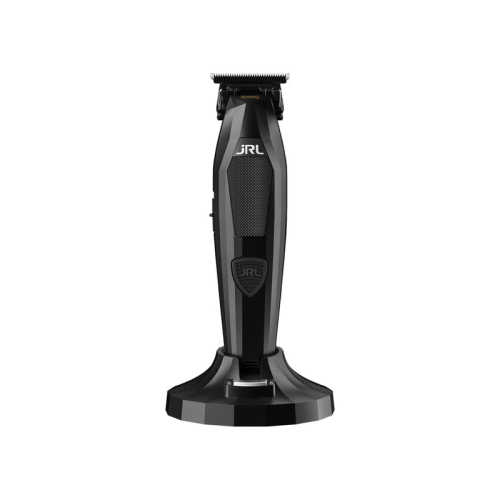
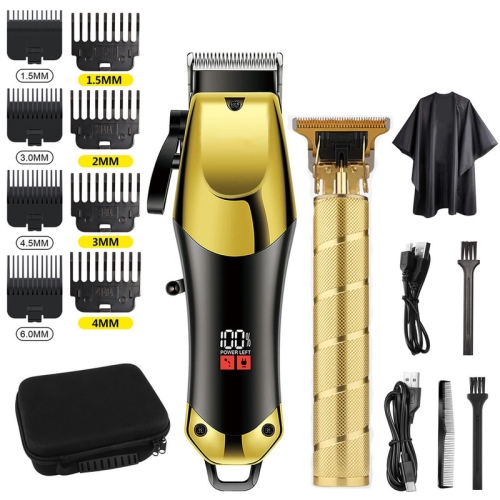
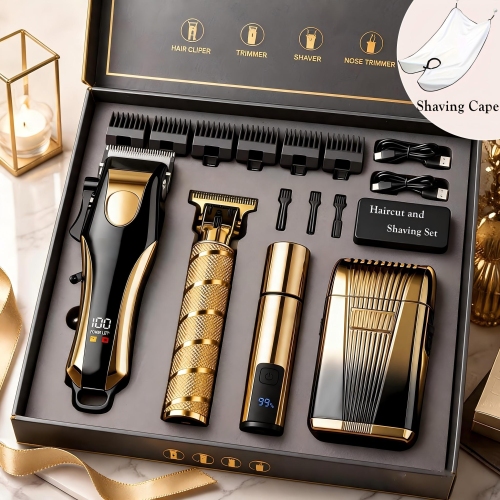

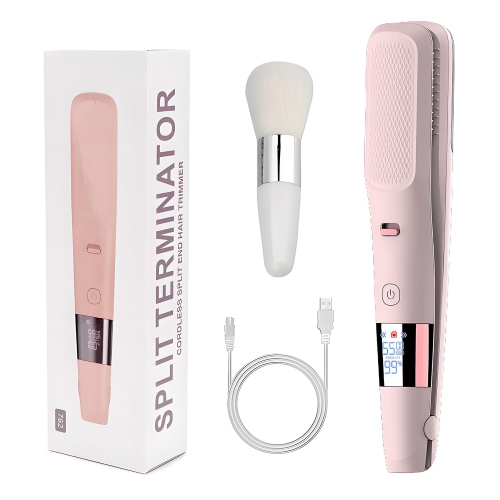


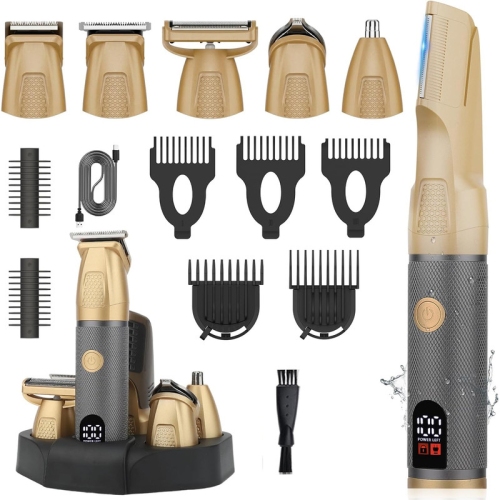
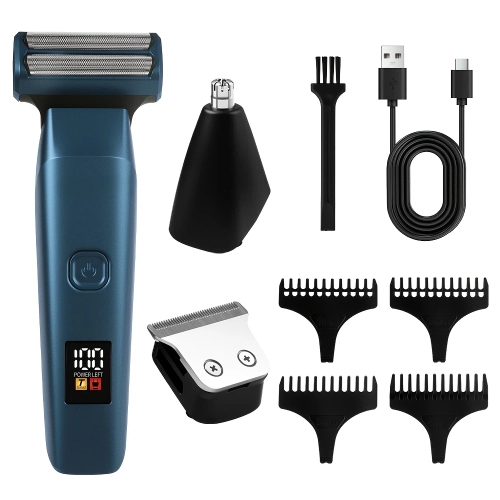
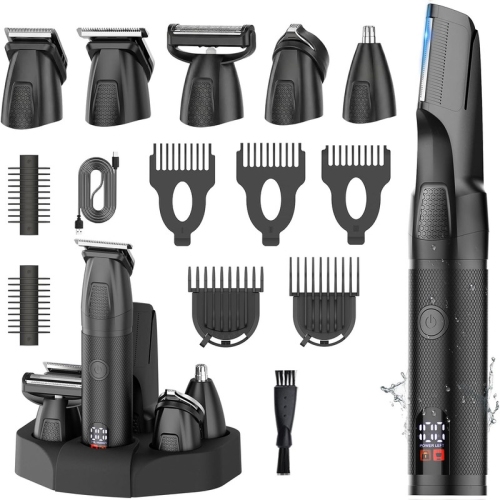
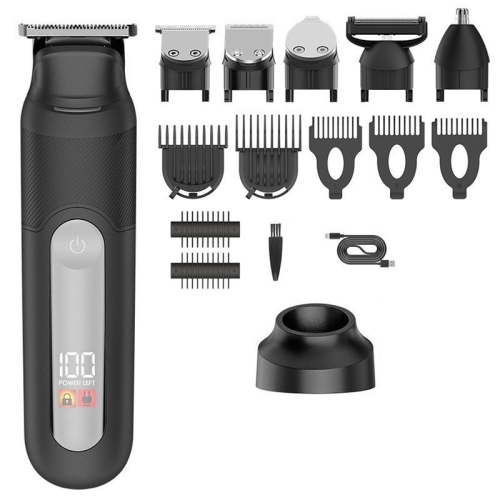
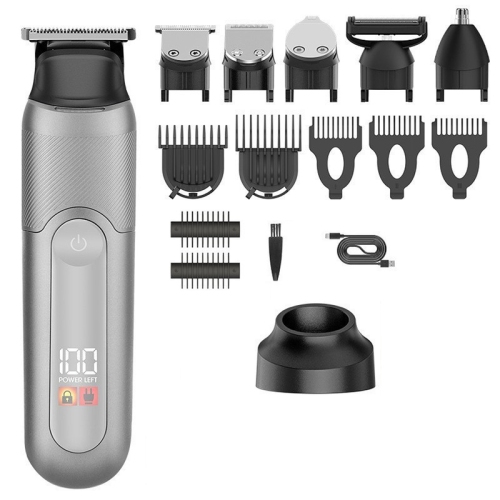
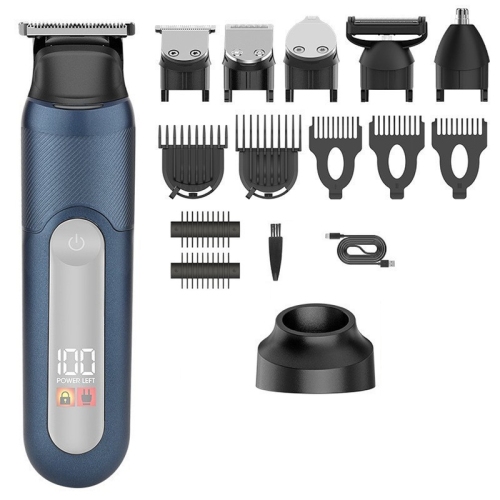
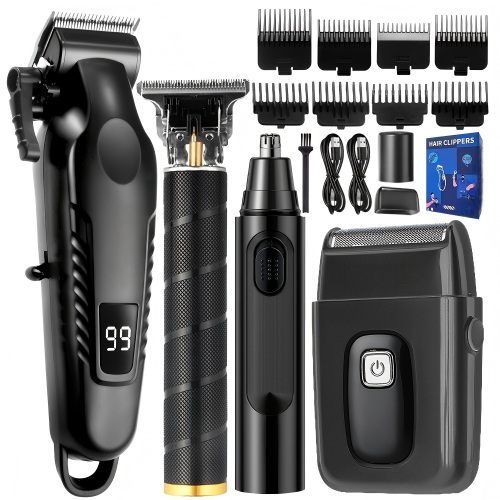

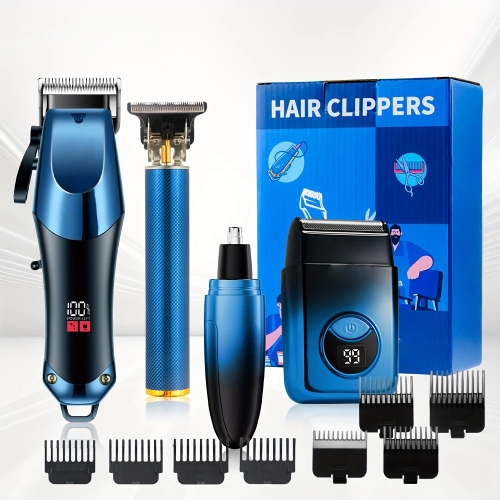
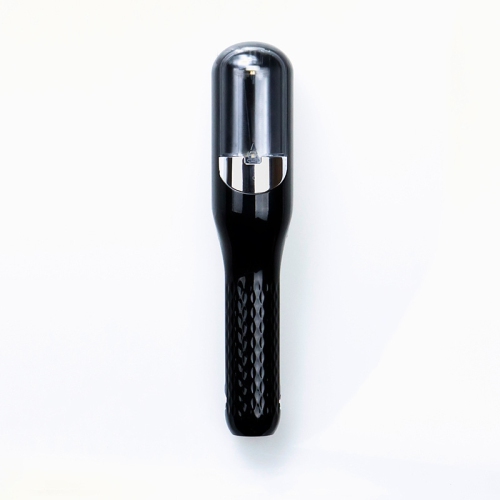
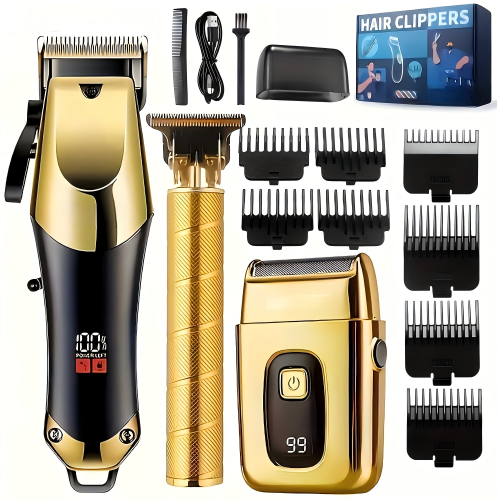
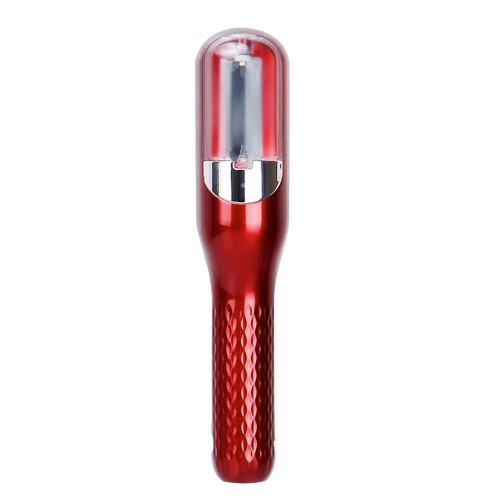
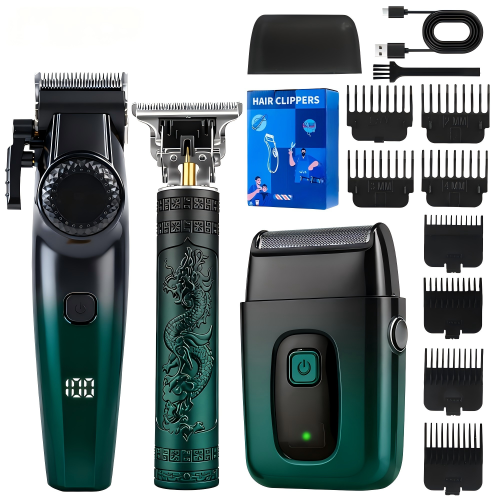
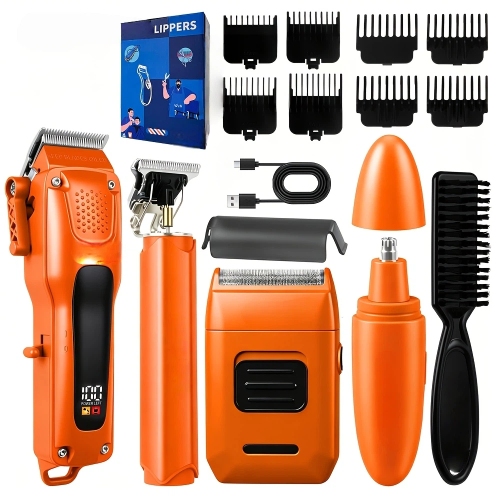


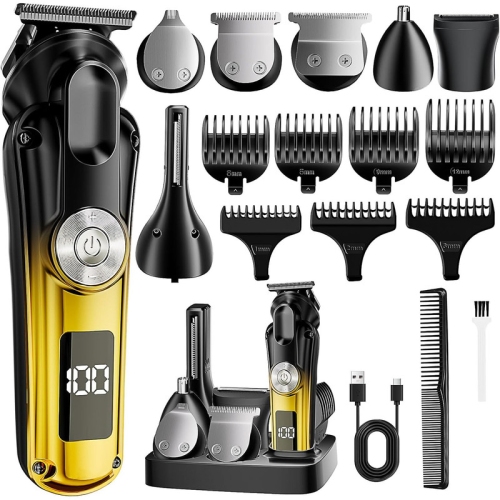
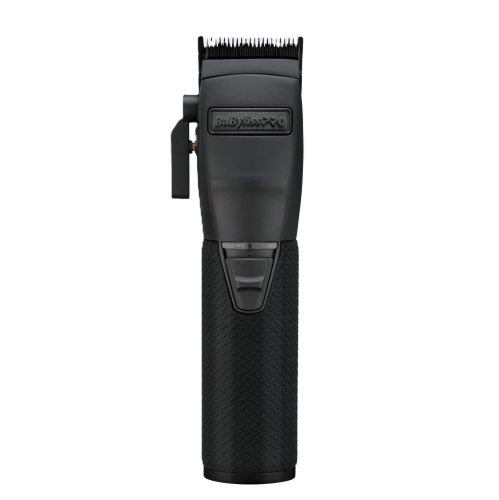


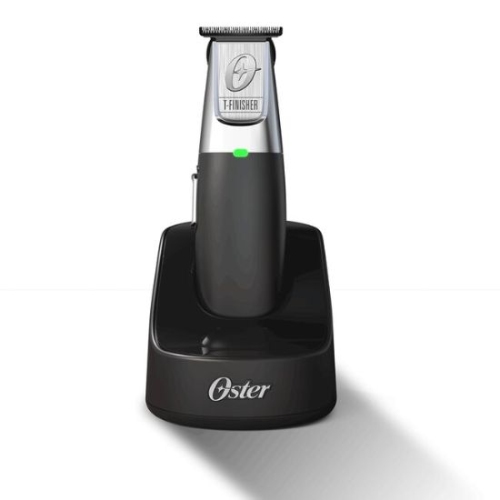


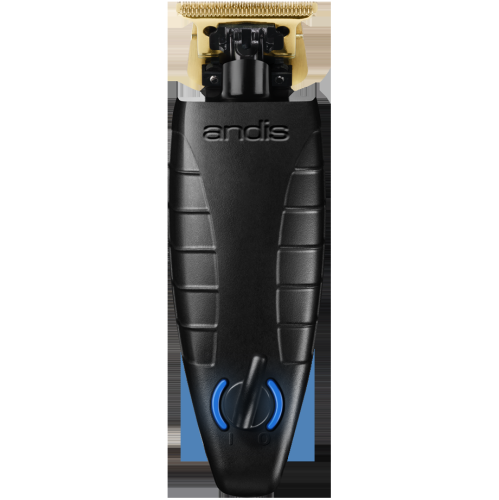
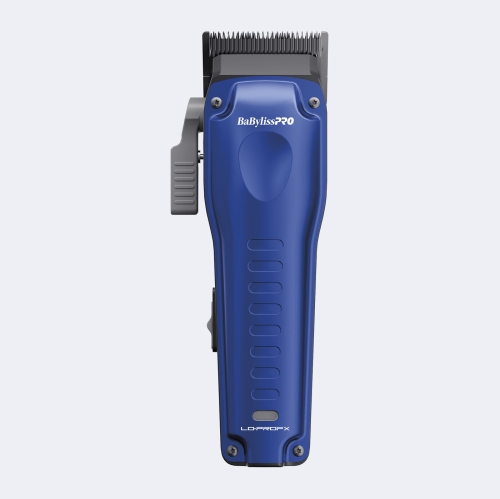
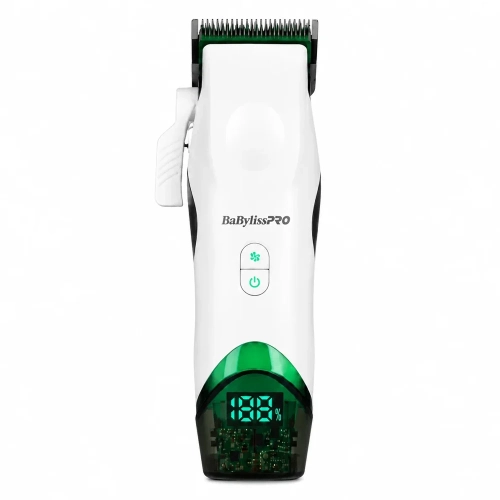


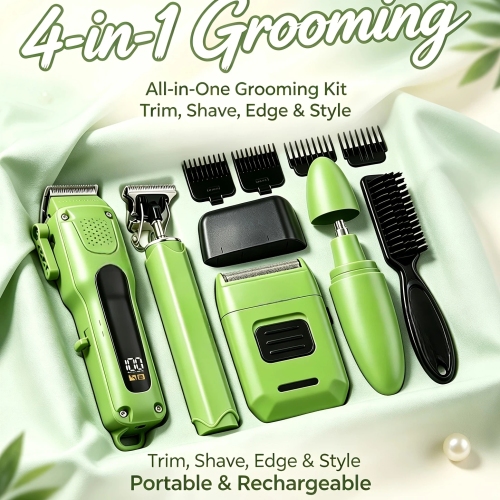


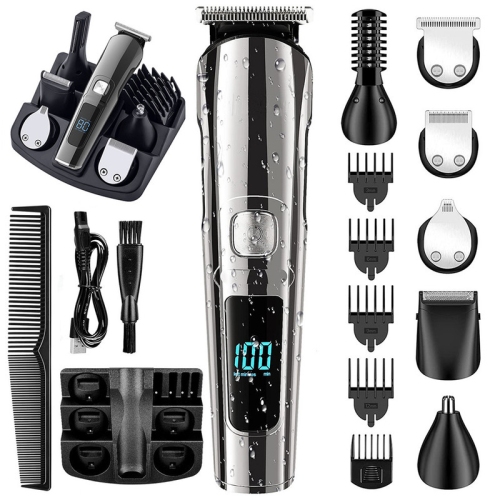


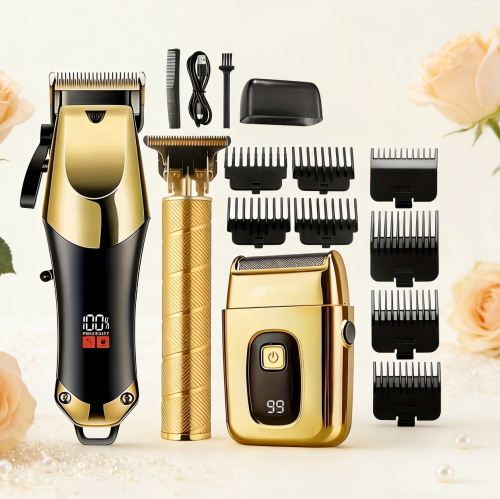


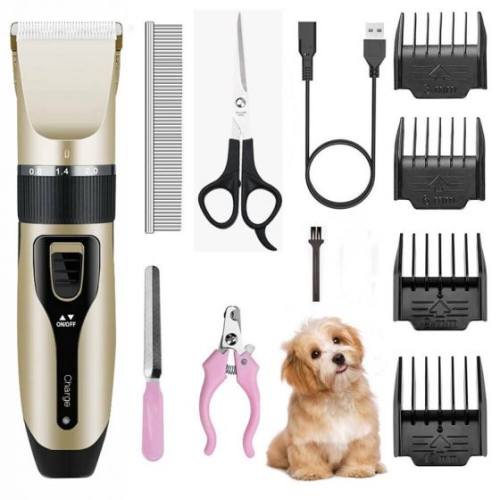



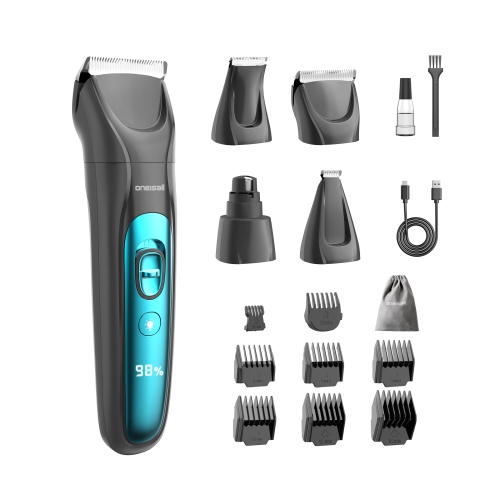
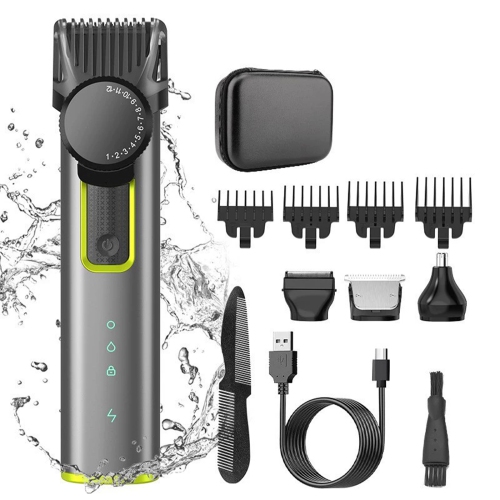
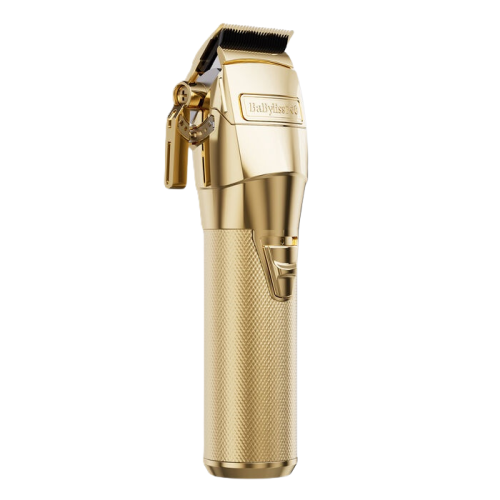

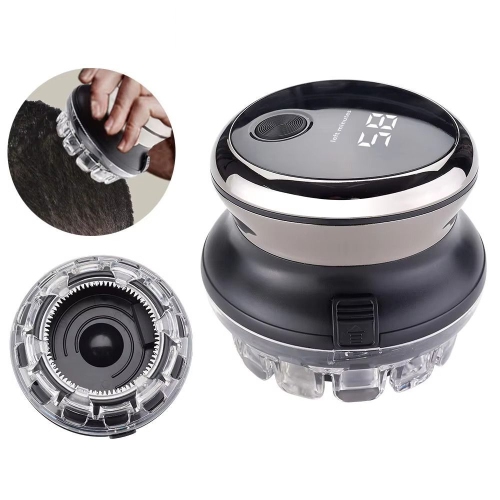


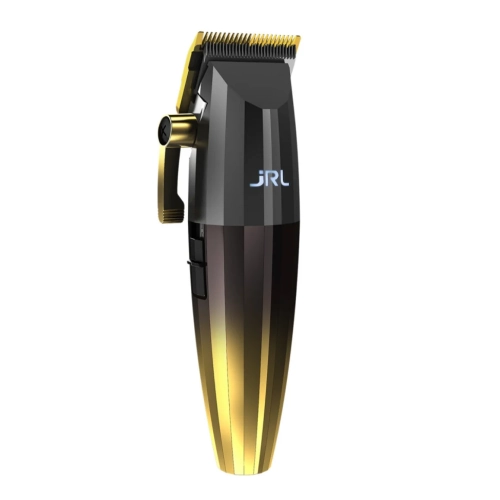


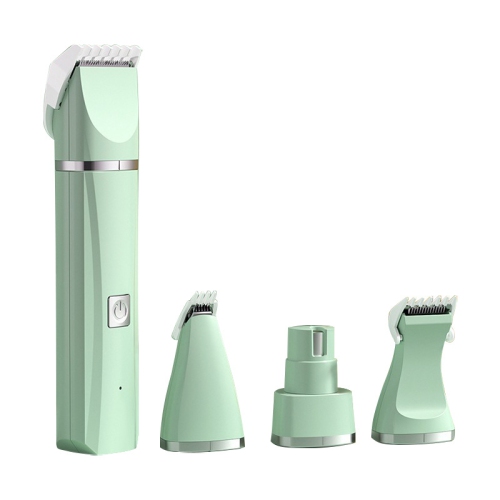


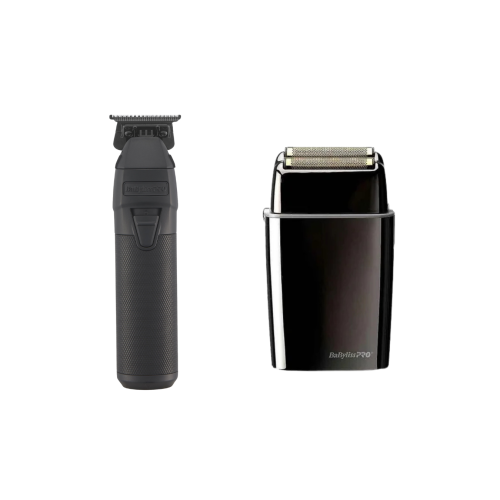

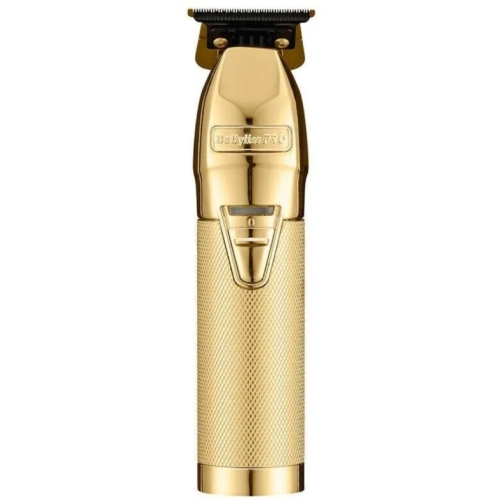

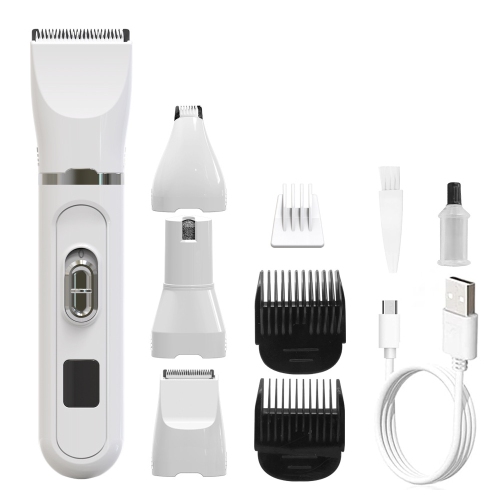

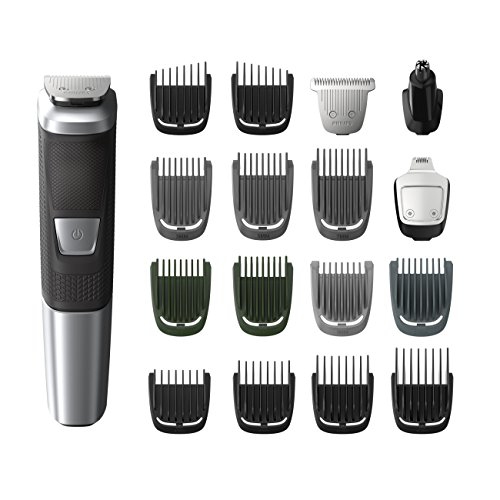

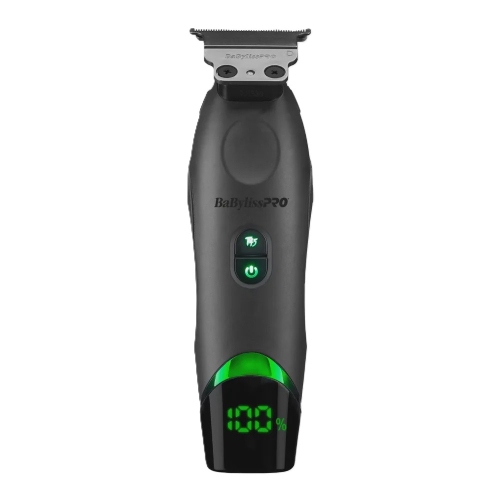


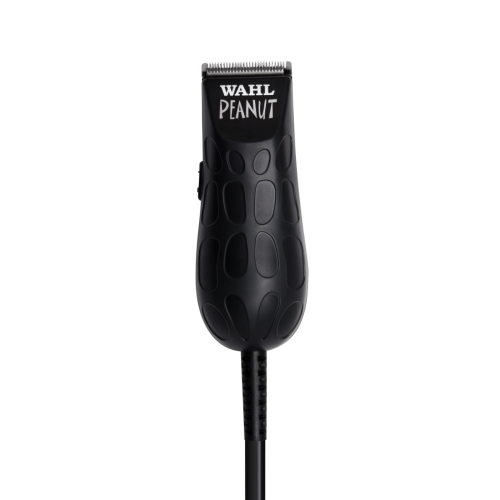
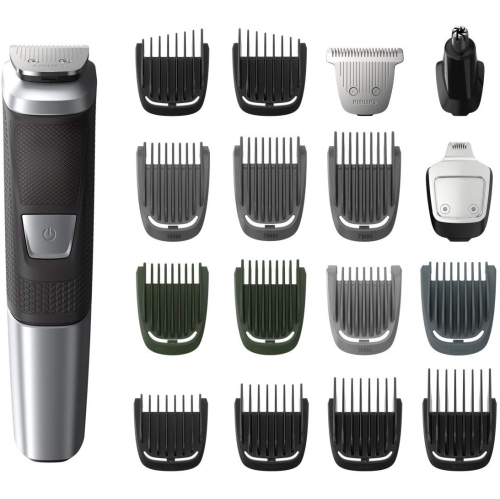
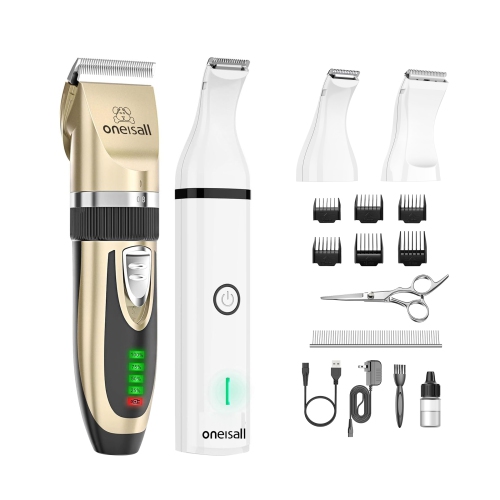


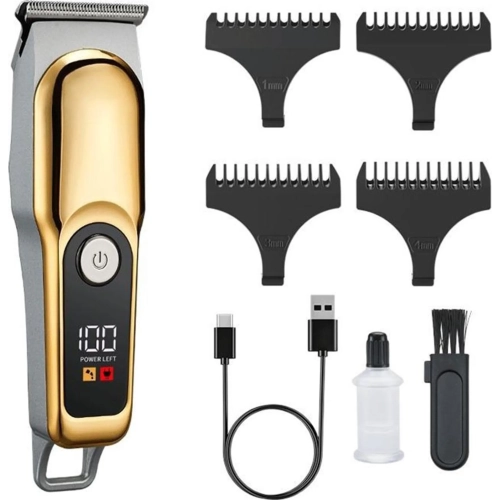
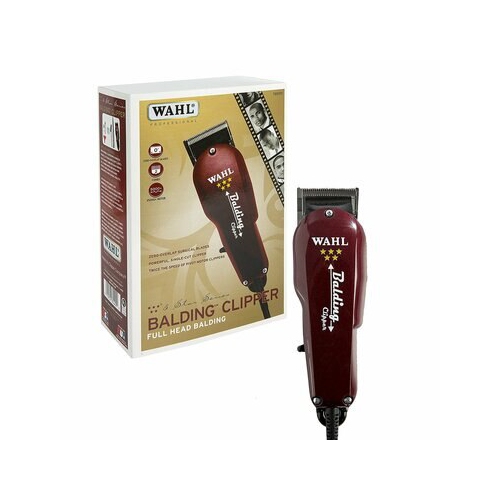
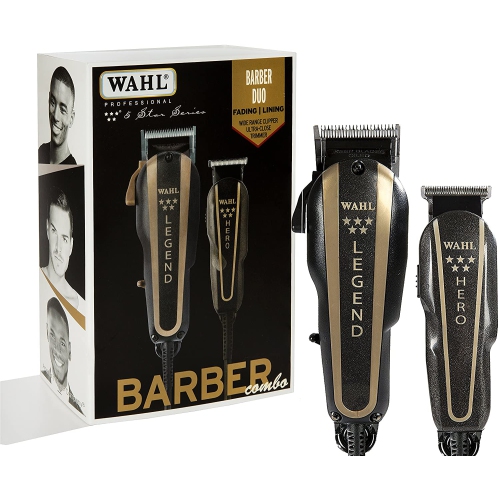

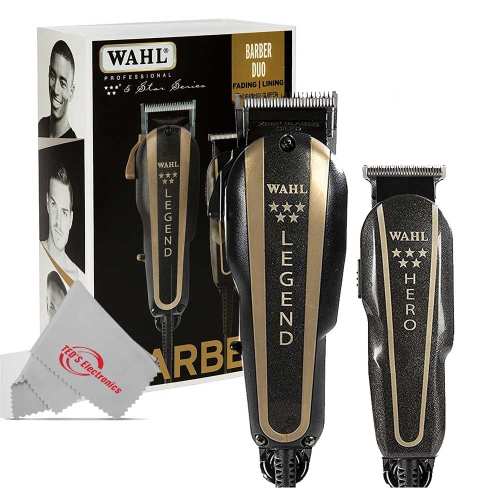

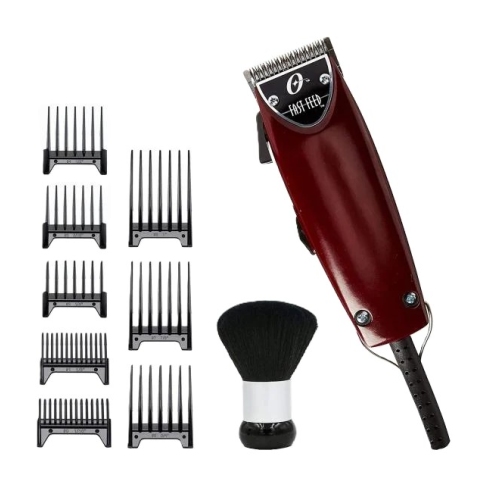


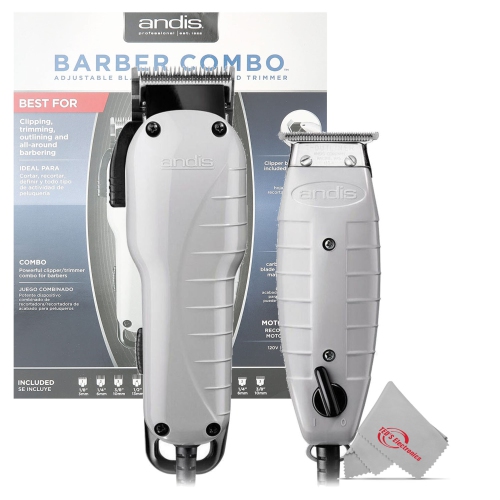

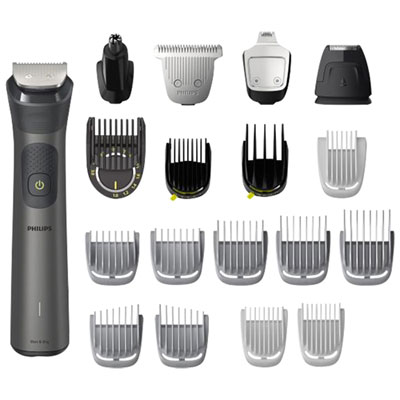
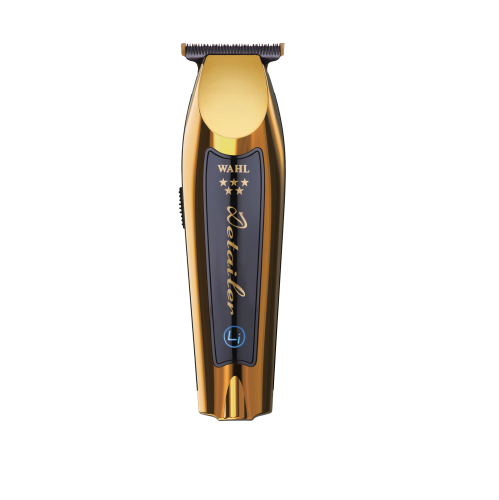
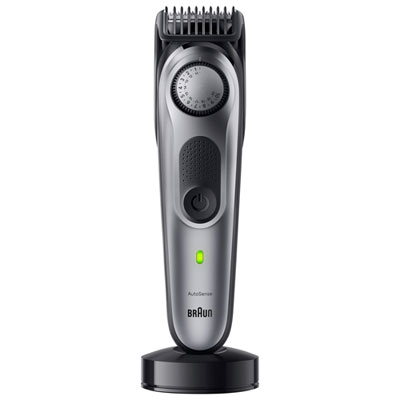


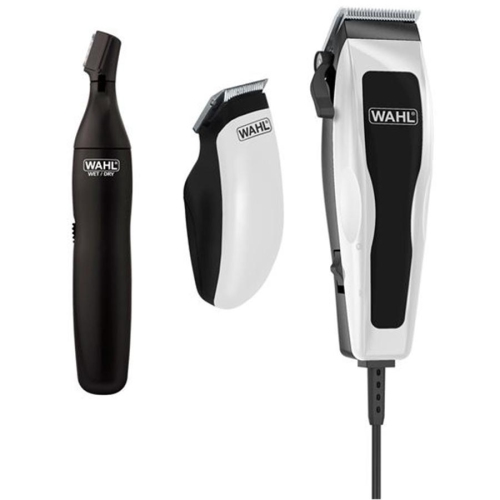

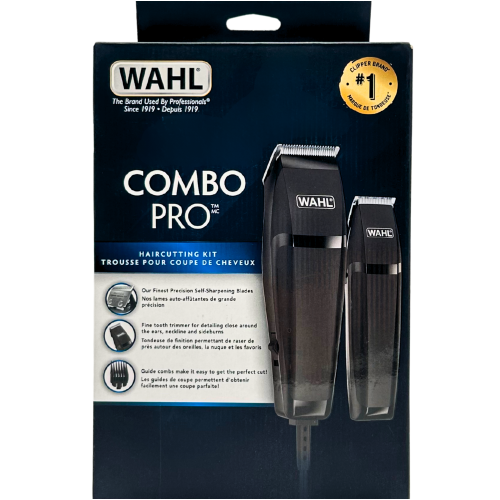

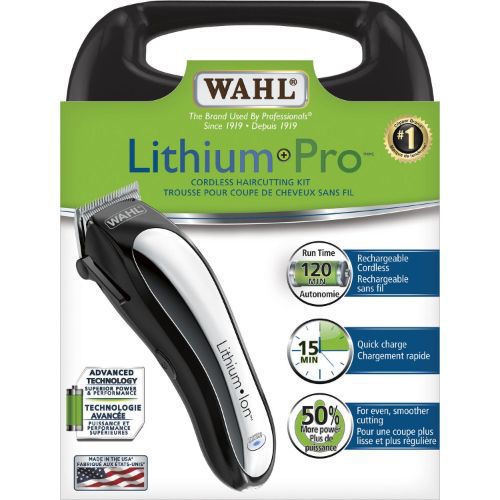


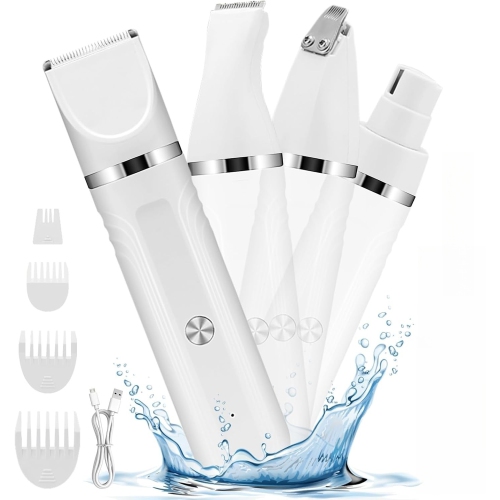
Home haircuts with more room to move
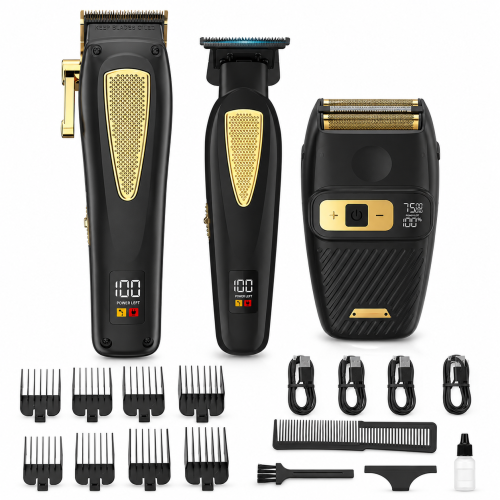
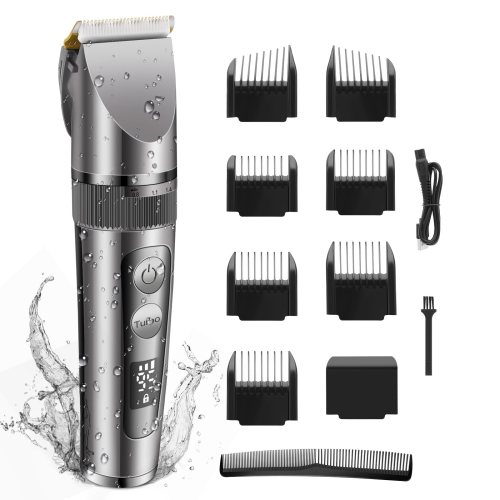
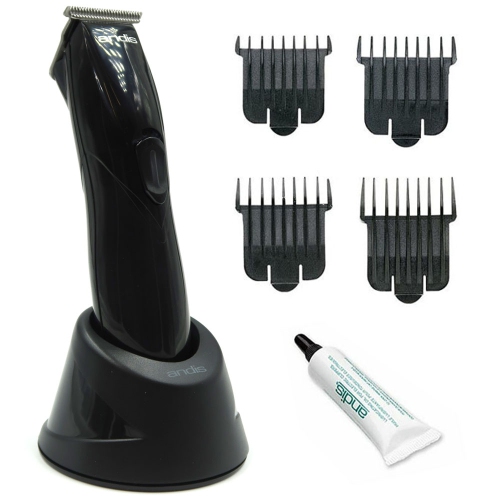
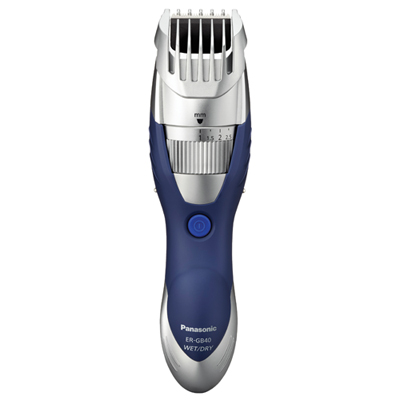
Cordless hair clippers bring freedom of movement to home haircuts, short styles, and routine touch-ups, with a rechargeable battery that keeps a power cord out of the cutting area. That flexibility is useful when moving around a chair, reaching the back of the head, or trimming near a mirror that is not beside an outlet. Unlike narrow detail trimmers, hair clippers generally have wider blades designed to remove bulk and create an even length across larger sections of hair. They suit buzz cuts, cropped styles, and maintenance along the sides and back, while models with adjustable blades and suitable attachment combs also support blending between lengths. For someone maintaining a familiar haircut at home, the appeal is often a straightforward routine: a comfortable grip, a securely fitted guard, and steady cutting performance. For a barber or an experienced home user, balance, blade adjustment, and consistent power through repeated passes may carry more weight. Hair texture matters as much as the finished style. Dense or tightly curled hair can place greater demands on a motor, while fine hair benefits from blades and guards that feed strands evenly without excessive pressure. Sharp, well-maintained blades and a motor suited to the task help limit pulling, although technique, cleanliness, and the amount of hair taken off in each pass also affect comfort. A cordless clipper can be a practical gift for someone who already prefers short hair or enjoys maintaining a household haircut routine, particularly when the controls and attachments match their experience. For family use, lower vibration and a less intrusive motor sound may make a haircut more comfortable for someone sensitive to noise, though no clipper is silent. The most useful design is one that fits the actual job, whether that means an occasional trim at the kitchen table, keeping a close crop tidy between appointments, or supporting frequent cutting in a dedicated grooming space. A wide cutting blade handles the main haircut efficiently, while intricate outlines and very close finishing may still call for a separate detail tool.
Battery performance shapes how cordless hair clippers fit into that routine, but runtime is only part of the picture. Stated battery life is usually measured under particular test conditions, and actual cutting time can vary with hair density, motor settings, blade condition, and battery age. Enough charge for one short haircut is a different requirement from enough power to cut several family members’ hair without interruption. Recharge time also matters: a longer runtime does not necessarily mean a shorter wait at the charger. Lithium-ion batteries are common in cordless grooming tools, and some designs include a quick-charge function that provides limited cutting time after a brief charge. A battery display or clear charge indicator makes it easier to judge whether a clipper is ready before a guard touches the hair. Some clippers support both corded and cordless operation, while others must be disconnected from their charger before use; that distinction can matter when a haircut takes longer than expected. Charging stands, adapters, and USB charging arrangements differ, so compatibility depends on the clipper’s stated requirements rather than the connector’s appearance alone. Blade materials offer another point of comparison. Stainless steel is valued for its resistance to corrosion, while carbon steel can hold a keen cutting edge but needs careful drying and maintenance to help prevent rust. Ceramic cutting components appear in some designs and may transfer less heat than steel, although they can be more vulnerable to damage if dropped. Self-sharpening blade systems can help maintain the cutting edge during normal operation, but they still need the cleaning and lubrication specified by the manufacturer. Housing construction influences everyday handling as well. Metal bodies can feel substantial, while lighter moulded housings may reduce hand fatigue during a longer session. Neither material alone determines durability; secure attachments, sound construction, and proper storage all contribute. Shoppers interested in a focused selection can explore Wahl Cordless Clippers, with the same attention to battery specifications, blade design, and the intended cutting tasks.
Attachment combs, often called guards, help determine how much hair remains after a pass, making their fit and length range central to the usefulness of a cordless hair clipper. A larger number of attachments is not automatically better than a smaller set with the lengths used most often. Clearly marked measurements are helpful, particularly because guard numbering and compatibility can differ between clipper systems. Shorter guards suit close crops, while longer attachments leave more coverage; tapered ear combs and blending attachments can assist around curved areas when included. A taper lever offers smaller adjustments within the blade’s cutting range, but it does not replace the full length range of a guard set. Securely seated combs should feel stable during use, and damaged teeth or loose fittings can affect the consistency of a cut. Handle shape is just as personal. A textured grip can help with control, an accessible power switch simplifies pauses between sections, and a balanced body makes it easier to change the angle around the ears or at the nape. For self-haircuts, manageable weight can be especially valuable when holding an arm up to reach the crown. Care requirements are worth considering alongside these handling details. Loose hair needs to be brushed away from the blade and attachment combs after use, with blade oil applied where directed. A washable attachment does not mean the whole clipper can be rinsed, and a detachable blade is not necessarily approved for immersion. Cleaning should follow the instructions for each component, with washable parts dried thoroughly before storage. Clippers shared between people also need appropriate cleaning and, where specified, disinfection with compatible products. A protective blade cover and a case or organiser help keep cutting surfaces and guards from knocking against other bathroom tools. Replacement blade and guard compatibility matters for long-term ownership, particularly when a favourite attachment gets lost or worn. With suitable accessories and regular care, cordless hair clippers can make familiar short styles easier to maintain, bringing controlled cutting and flexible handling to a grooming routine that suits the person using them.
Top selling and popular products
-
 Your price for this item is $19.99
-
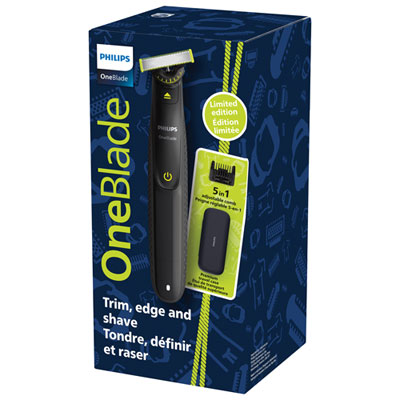 Your price for this item is $74.99
-
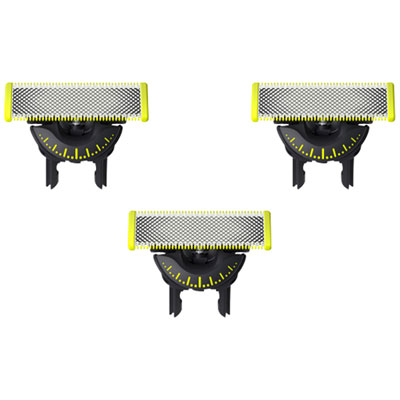 Your price for this item is $44.99
-
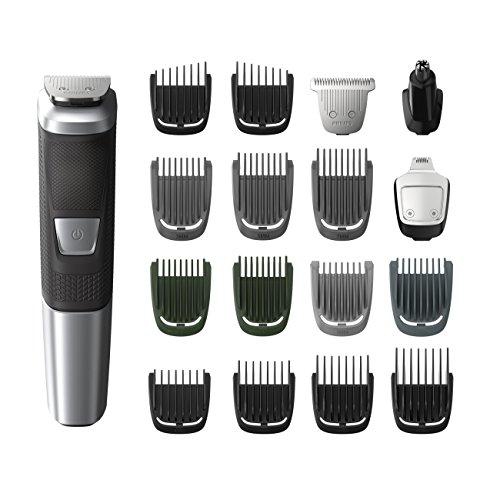 Your price for this item is $35
-
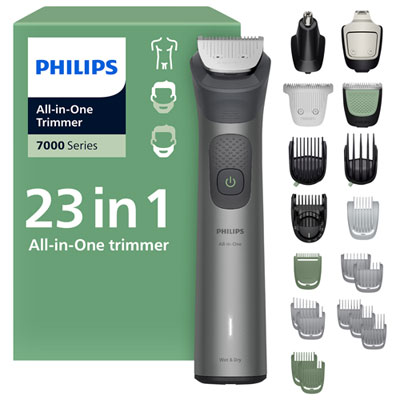 Your price for this item is $89.99
-
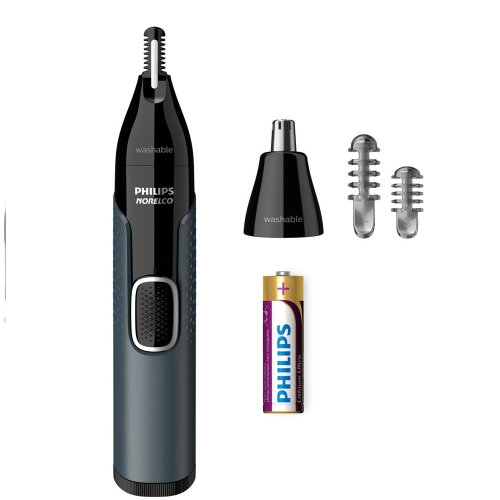 Your price for this item is $34.99
-
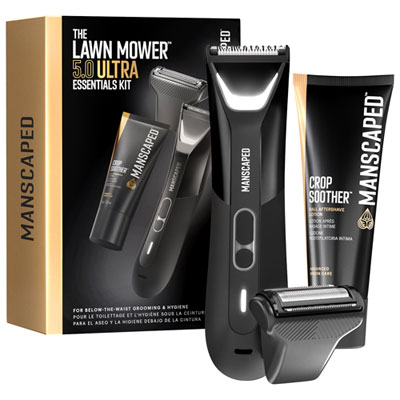 Your price for this item is $149.99
-
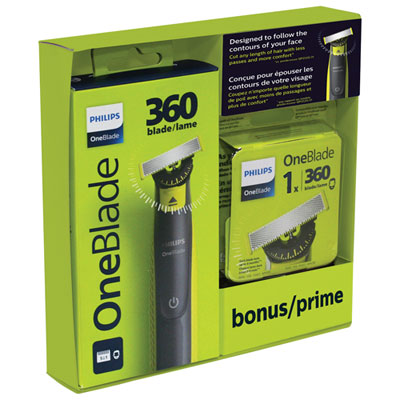 Your price for this item is $49.95
Discover more categories related to Cordless Hair Clippers
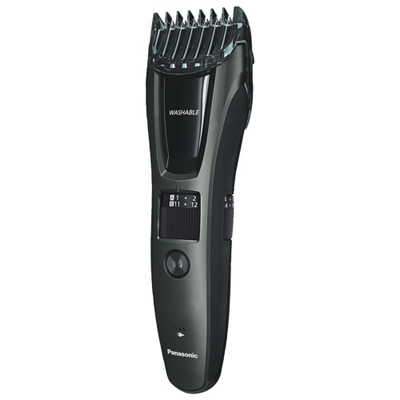
Top Collections:
Pokemon Centers, Best Cameras for Sports Photography, Kindle Devices, Samsung Galaxy Phones, Canon G7X Cameras, Pokémon 30th Celebration Cards, Refurbished Apple Laptops, iPhone 15 Apple, Laptops for Students, Budget Smartphones
Some products may be subject to Environmental Handling Fees
(EHF) depending on your province.
Learn more about EHFs.