Electric Hair Clippers
Looking to achieve a fresh, well-groomed look from the comfort of your own home? Look no further than our selection of electric hair clippers. Whether you're maintaining a stylish fade, trimming your beard, or giving yourself a complete haircut, these versatile tools are designed to deliver professional-quality results with ease. With a range of features and cutting lengths to choose from, finding the perfect electric hair clipper to suit your needs has never been easier. Say goodbye to expensive salon visits and hello to effortless grooming at your fingertips.
Sort

















































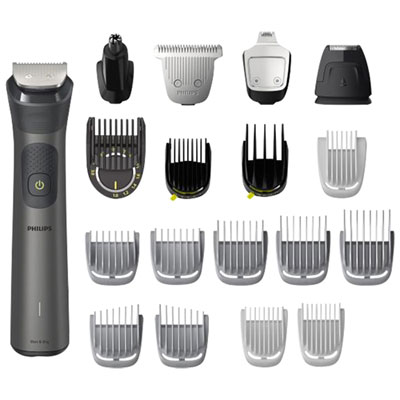
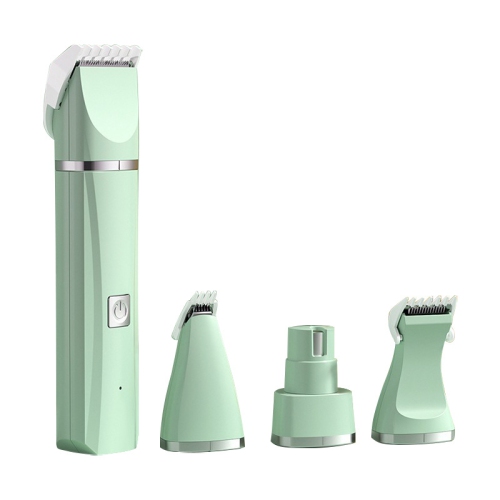


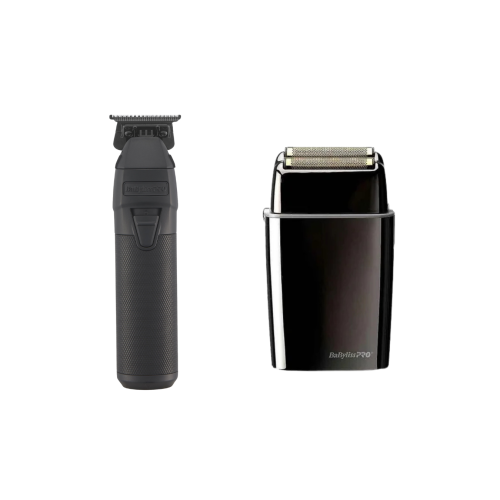
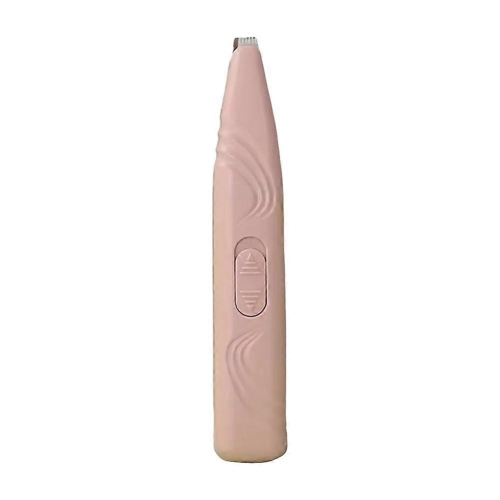

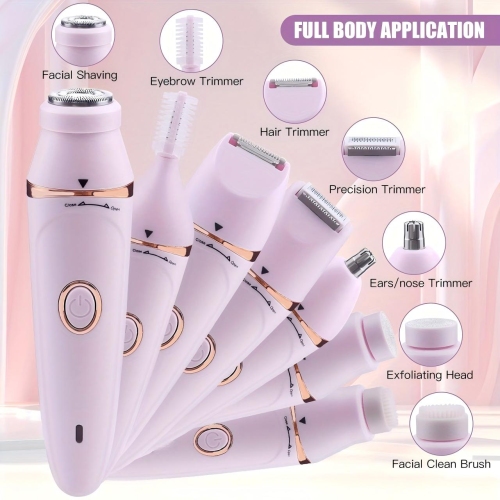

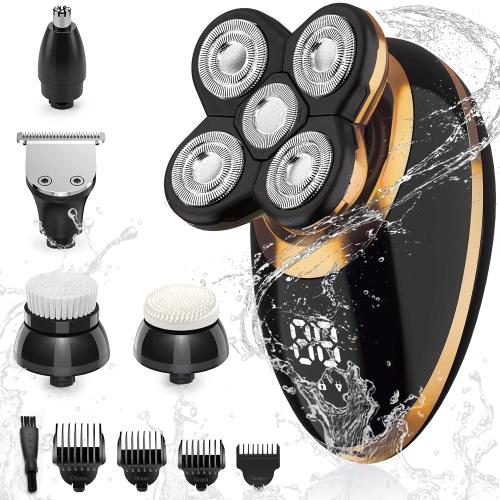

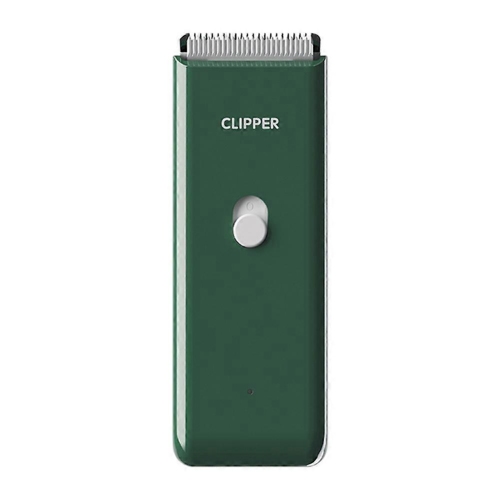
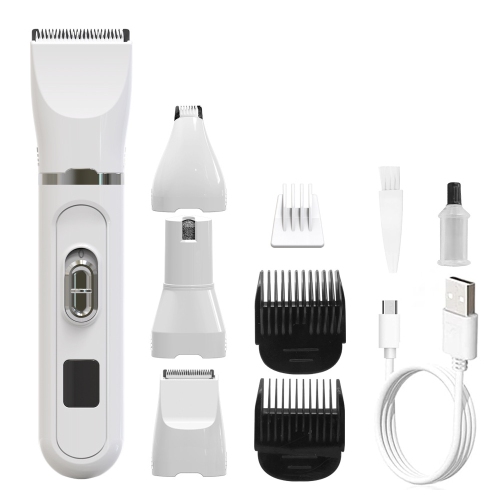













Why guard length is only part of your haircut
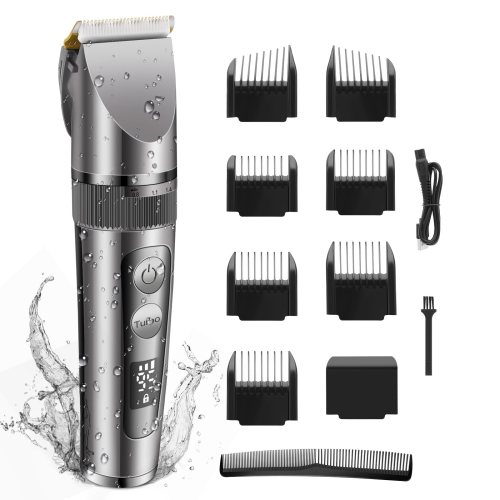
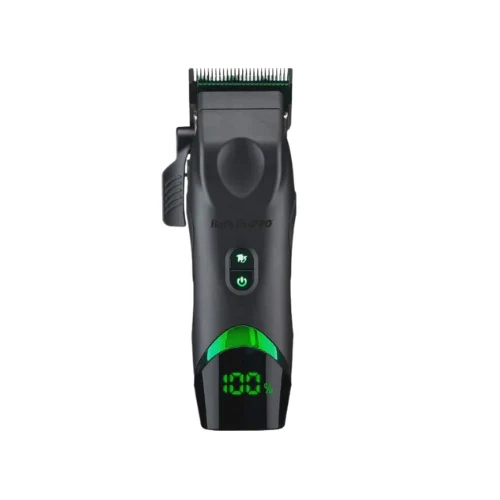
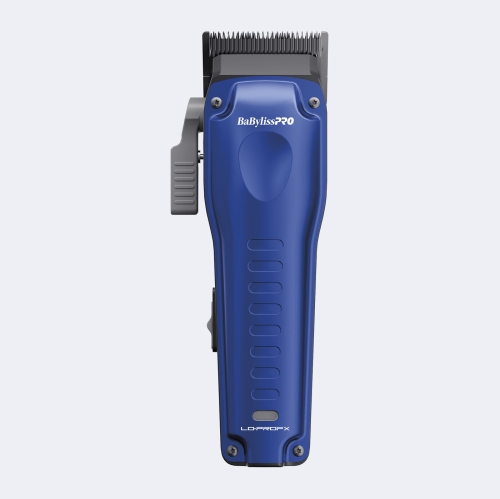
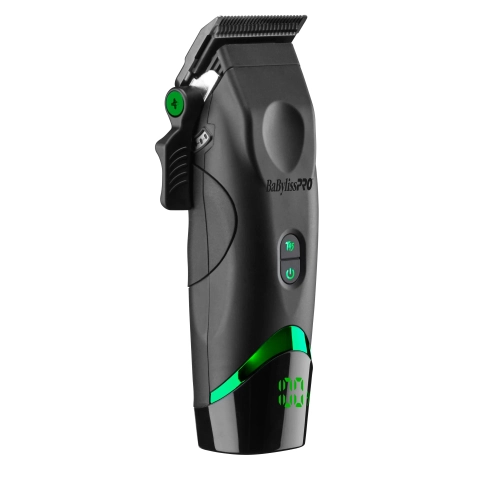
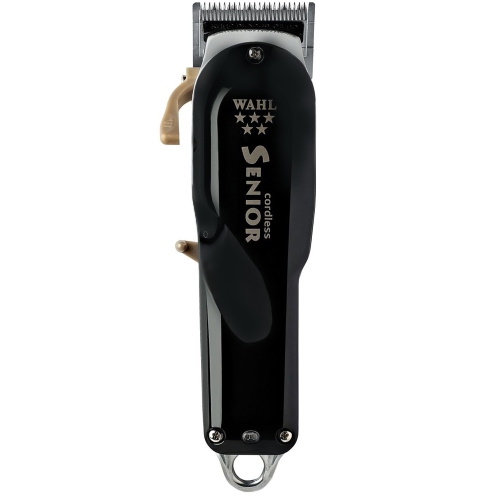
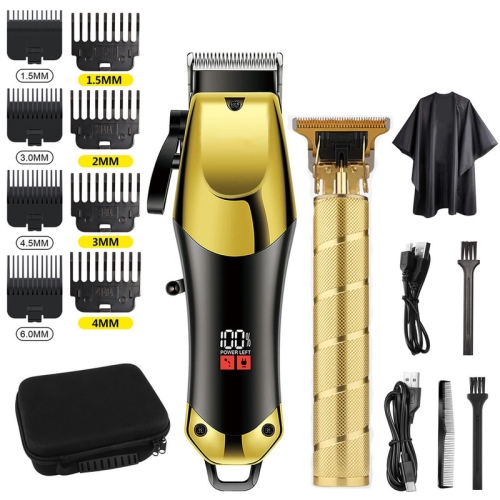
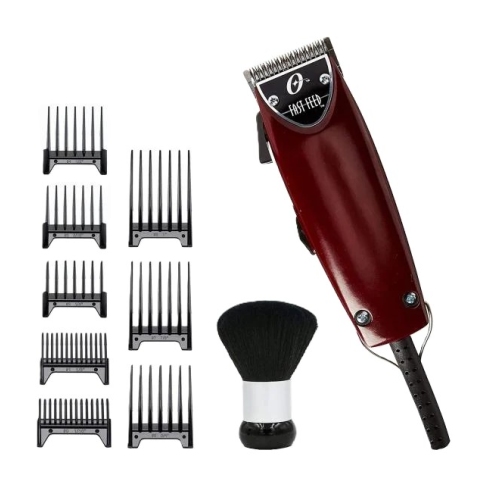
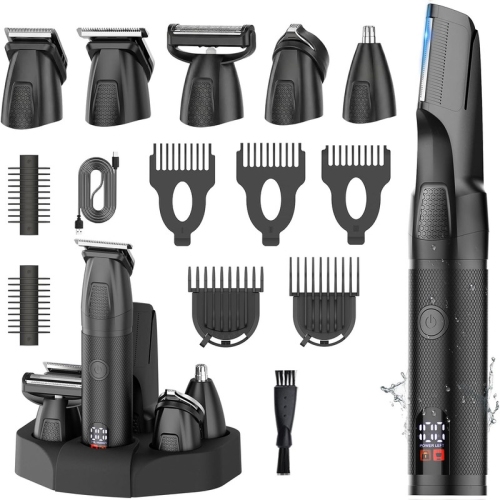
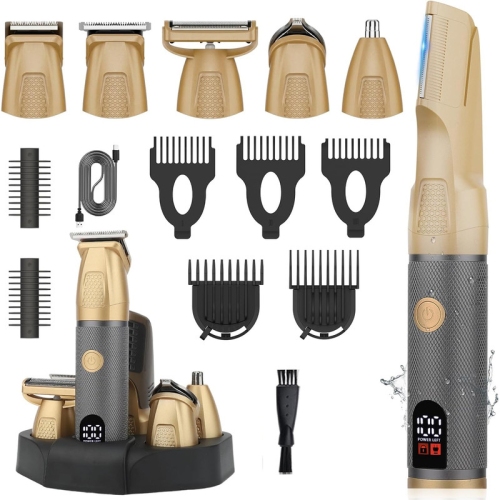
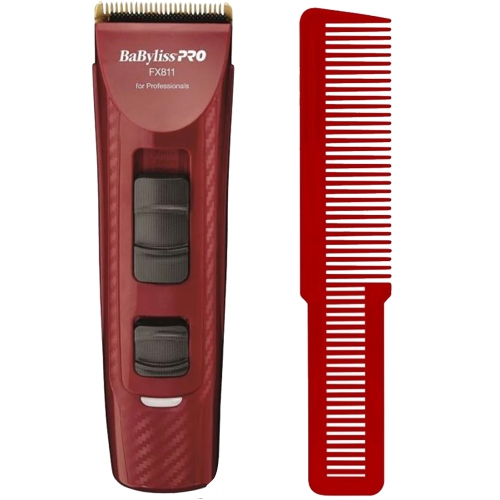
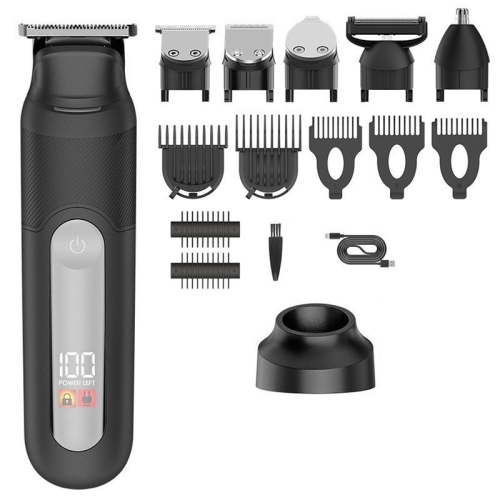
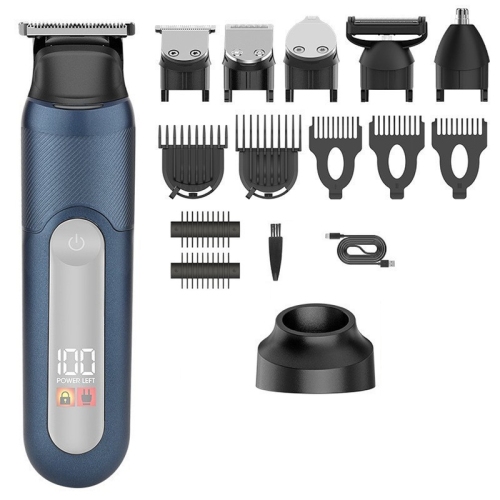
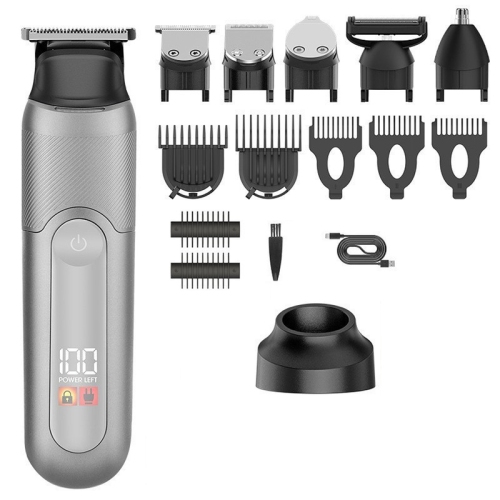
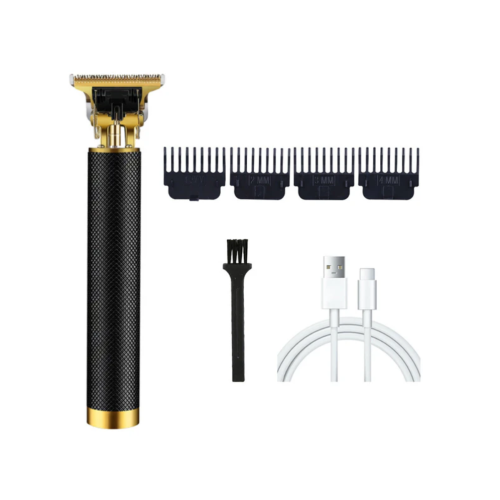
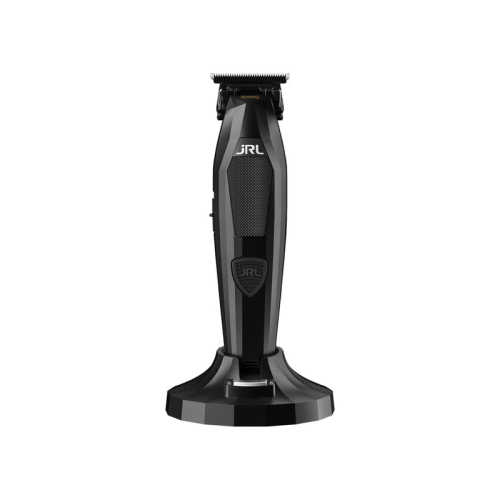
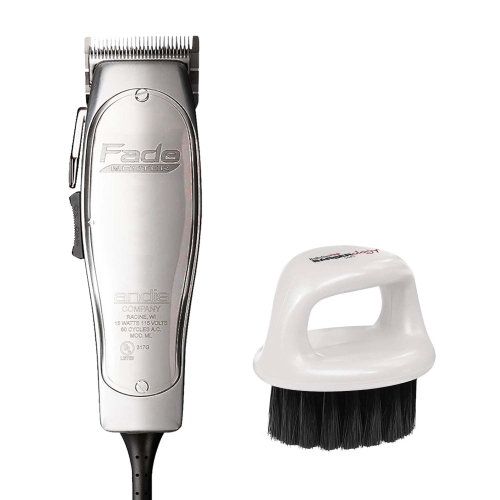
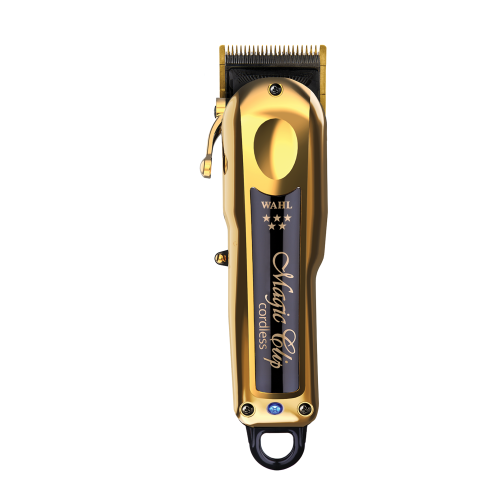
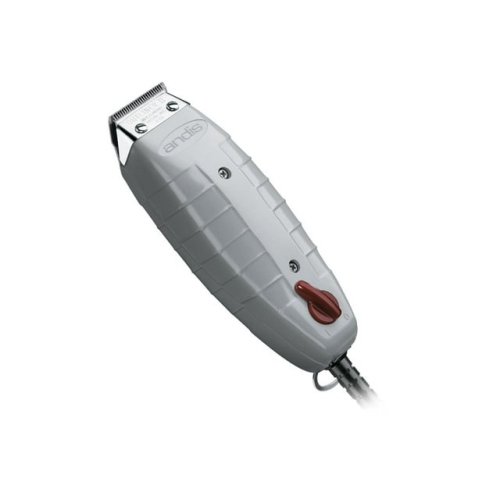
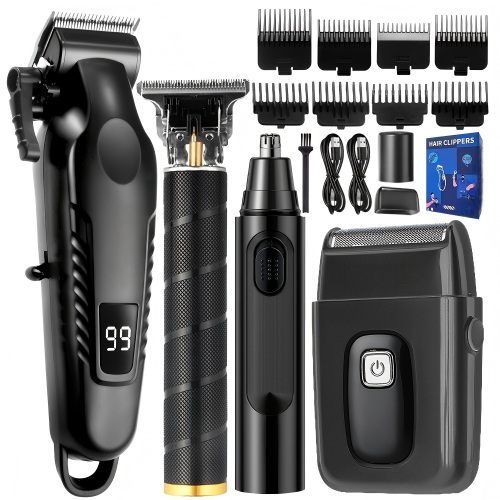
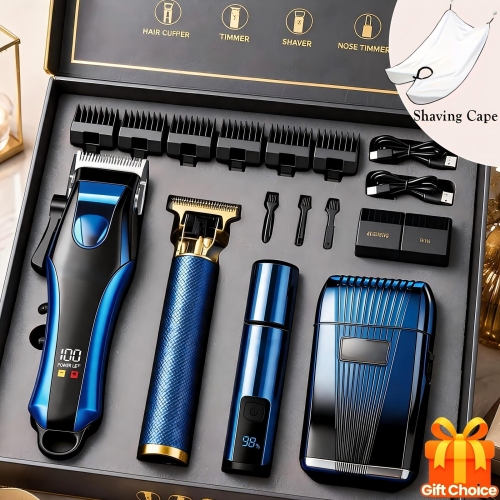
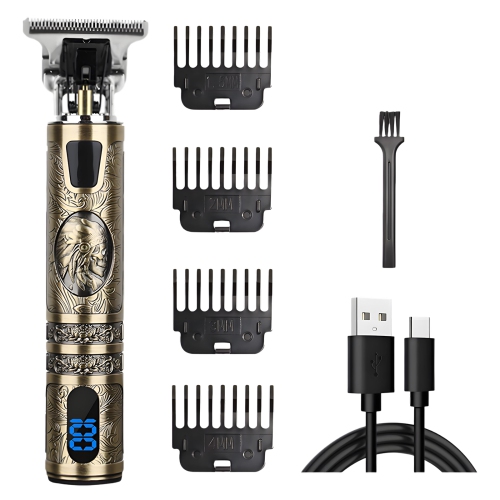
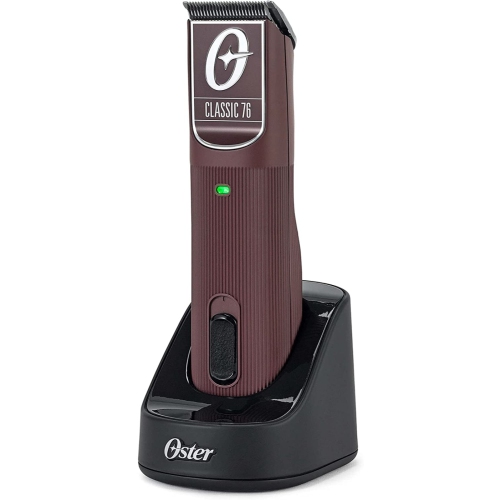
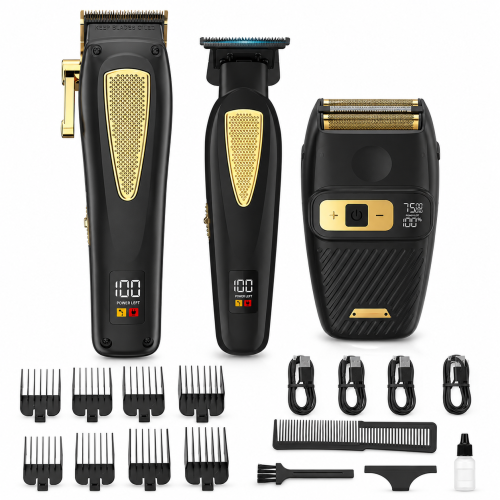
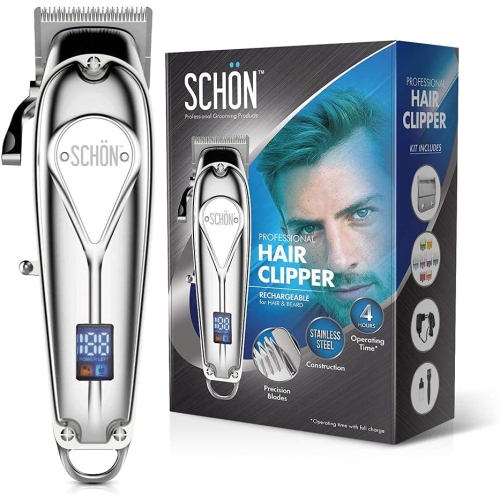
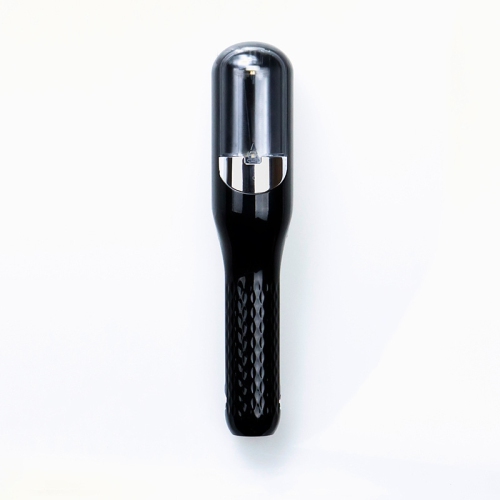
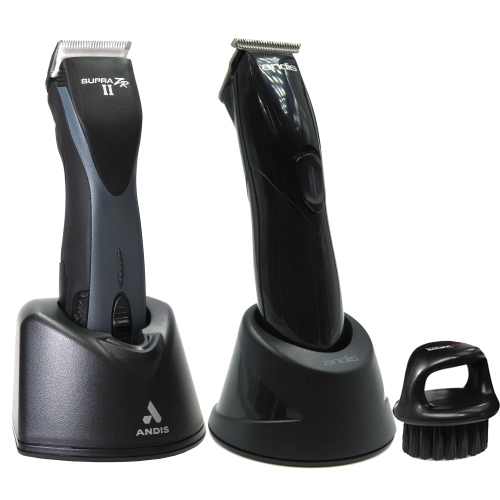
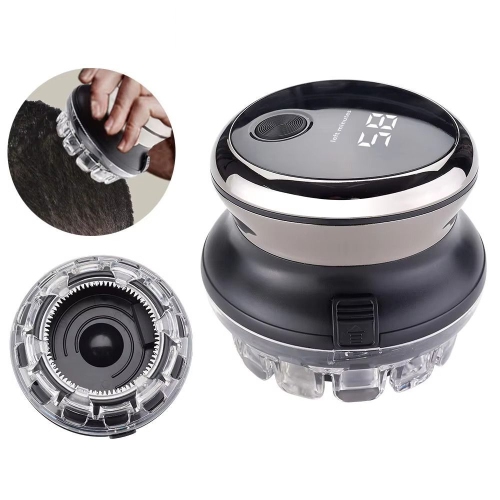
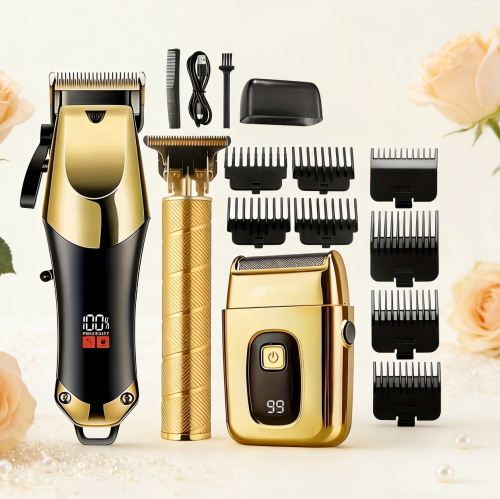
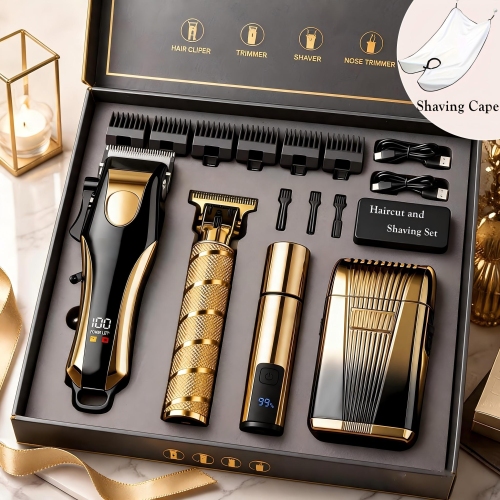
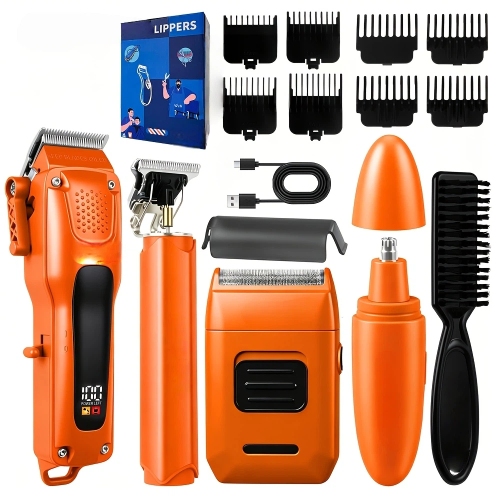
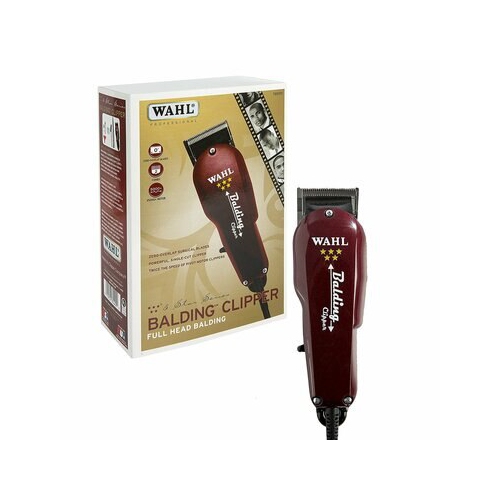
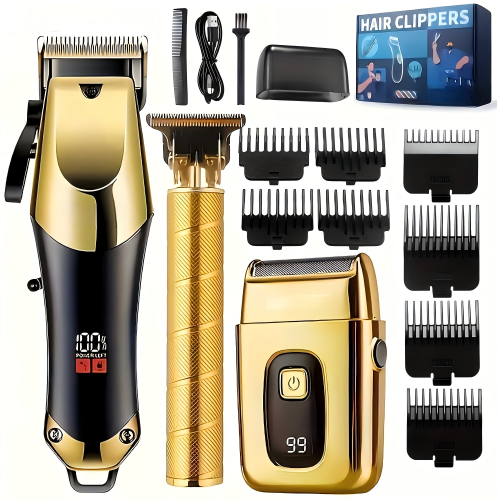
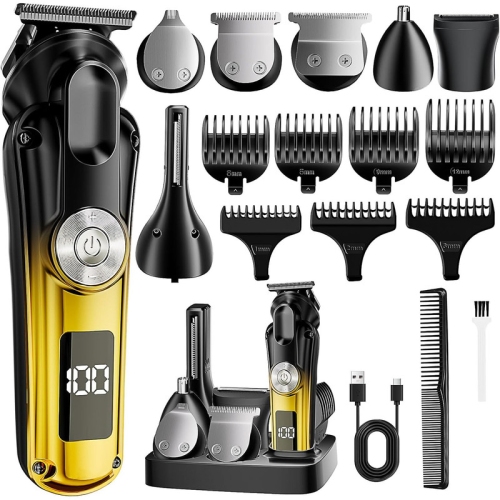
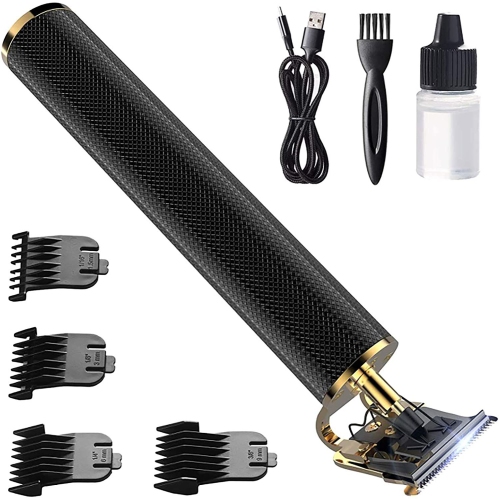
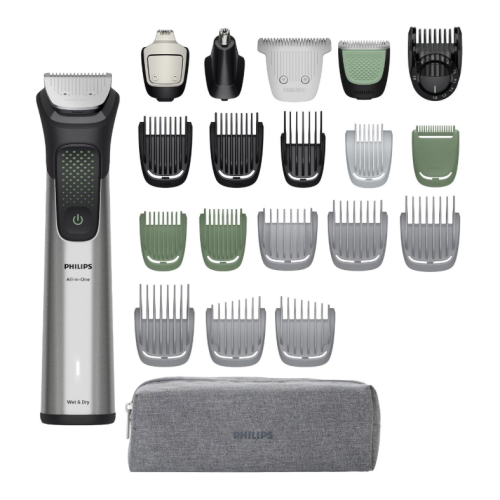
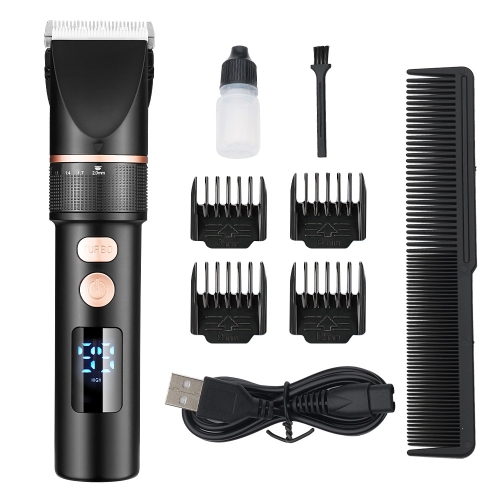
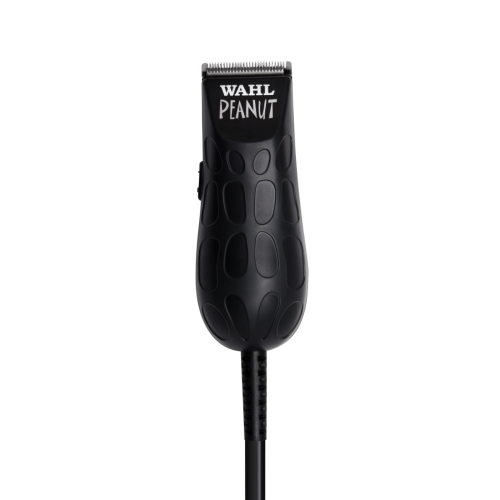
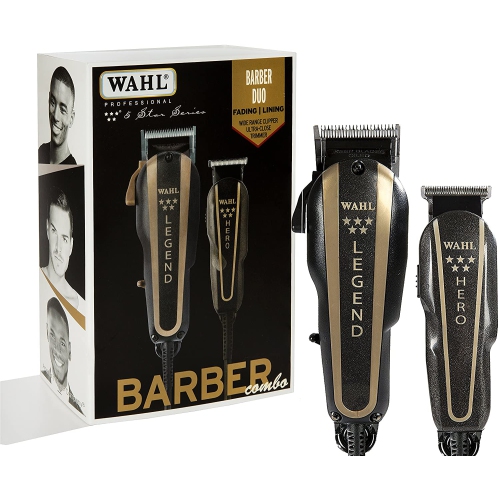
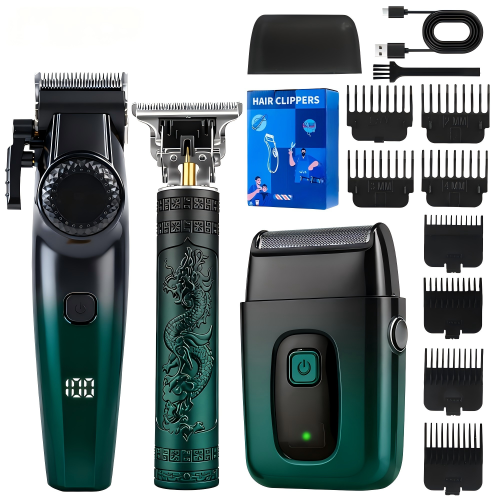
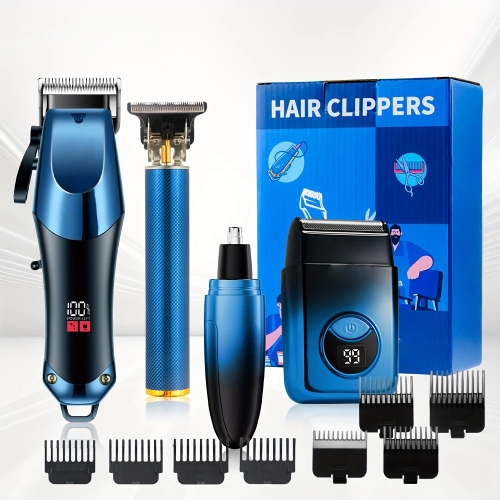
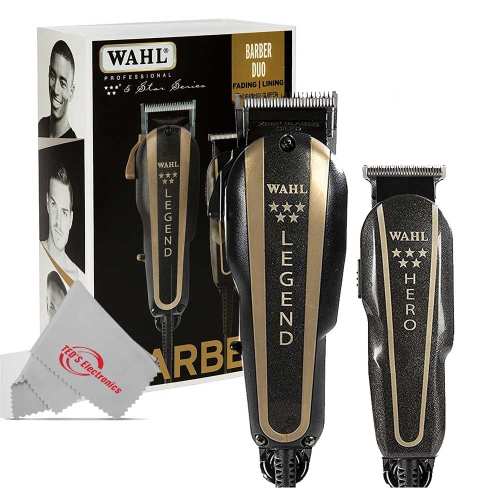
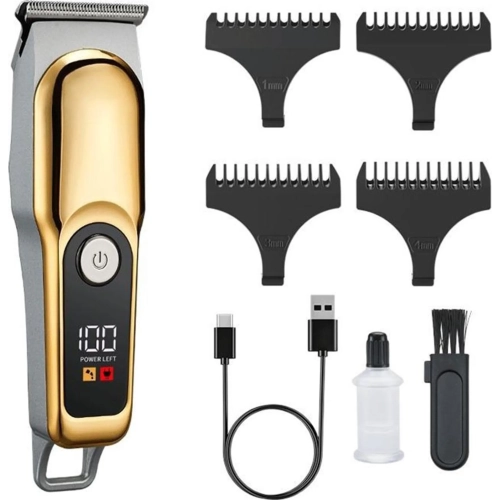
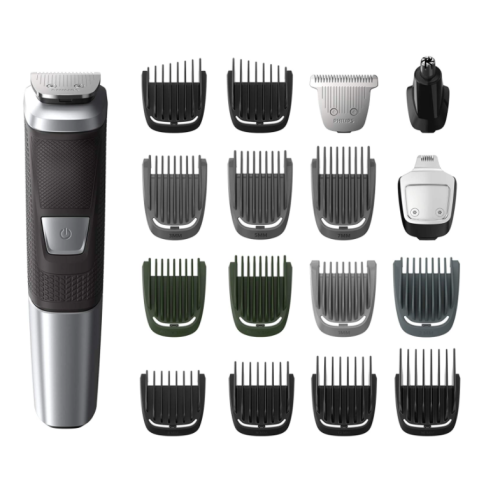
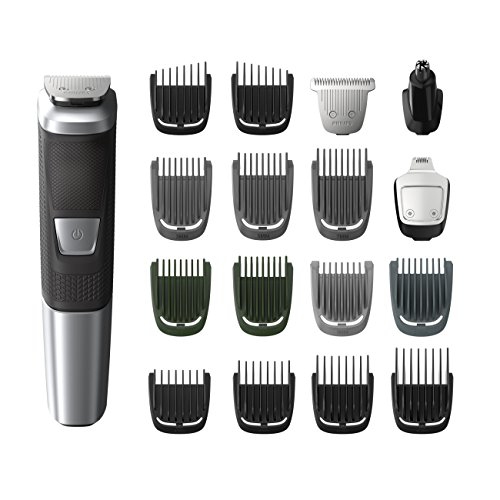
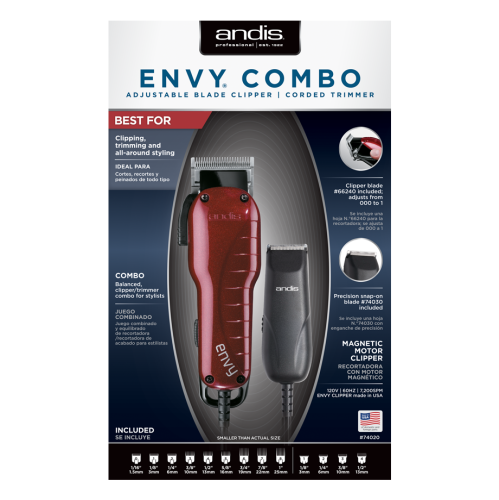
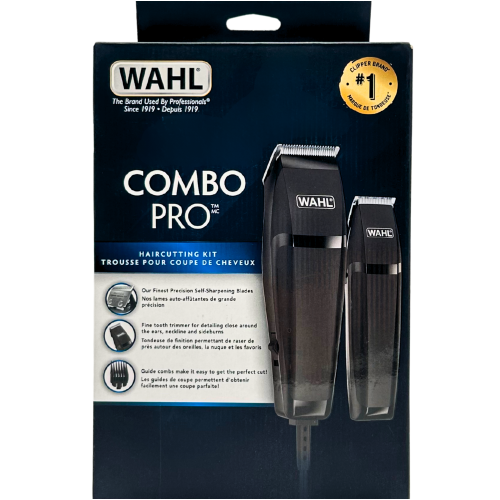
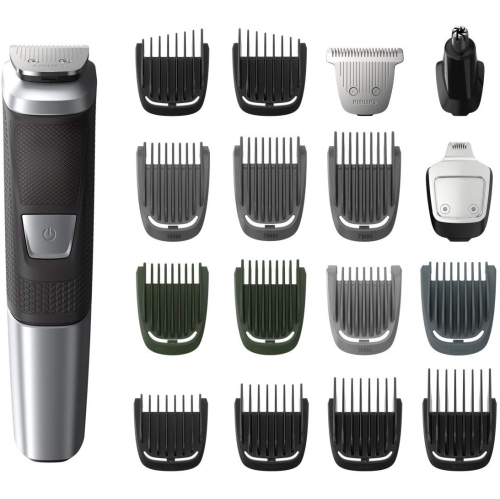
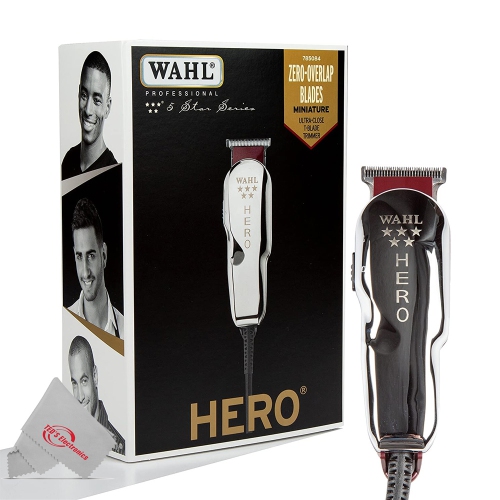
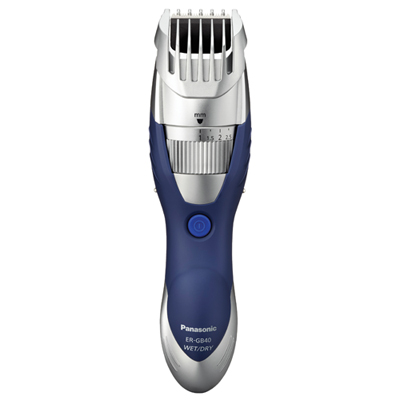
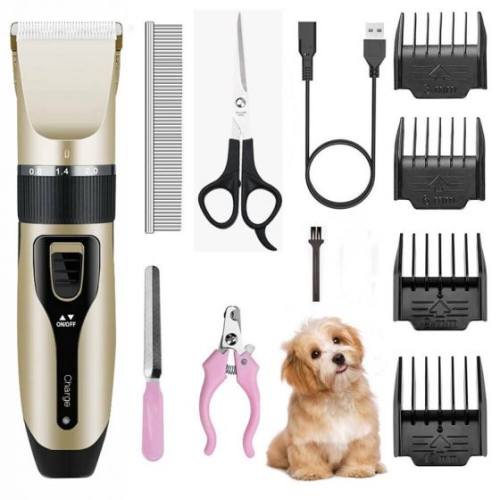
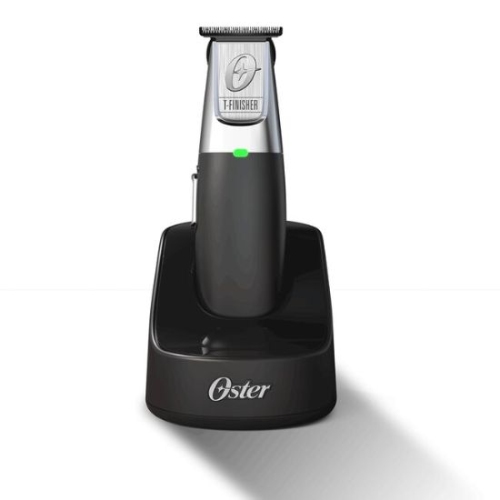
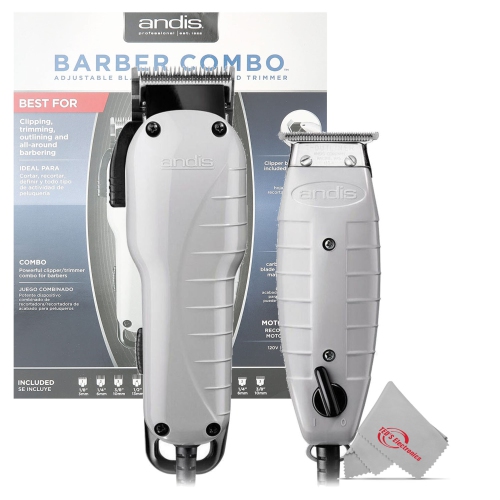
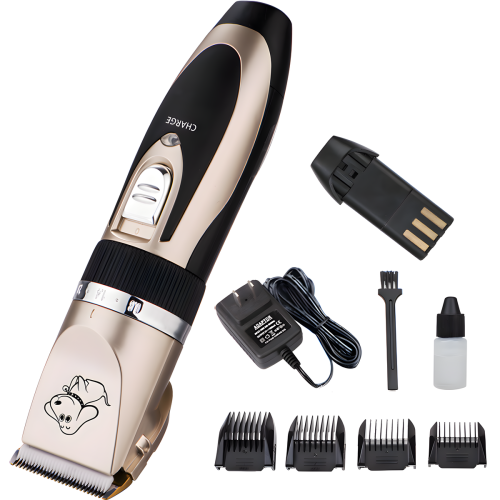
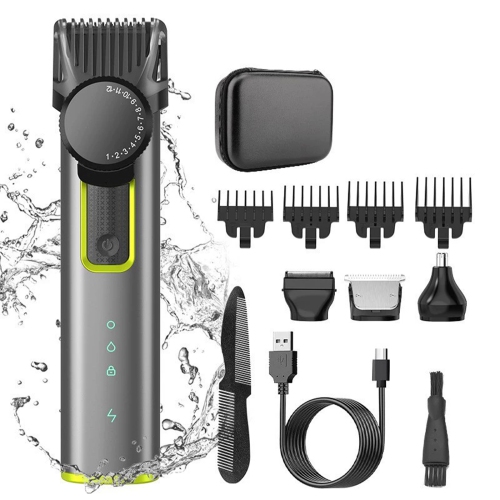
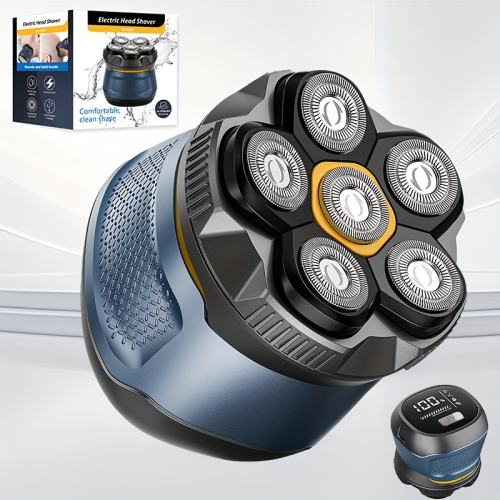
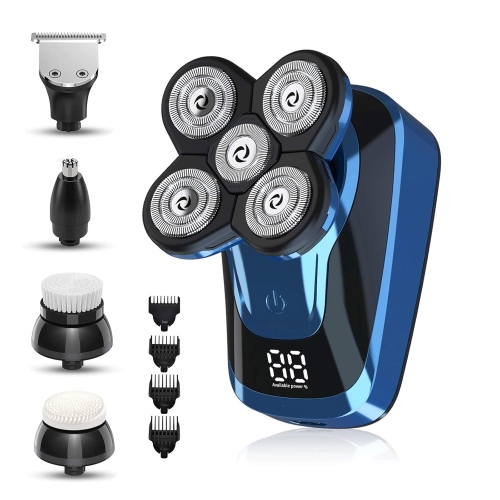
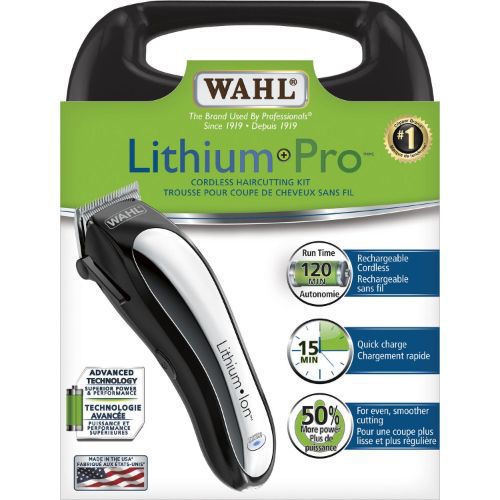
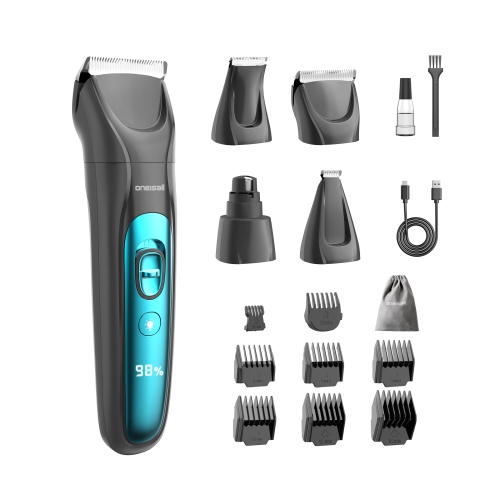
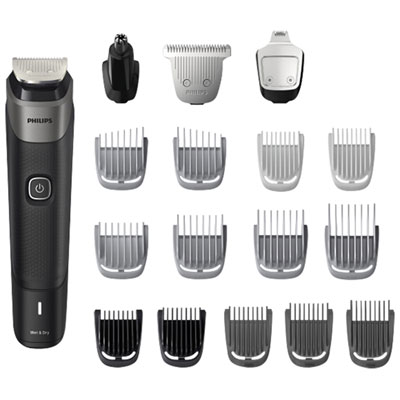
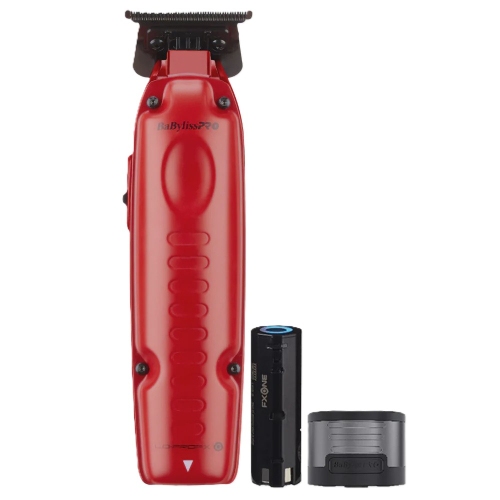
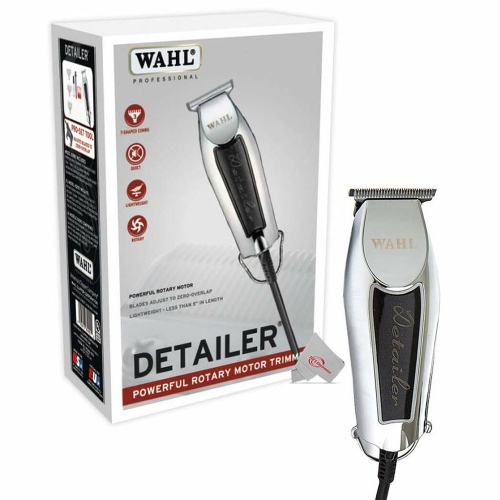
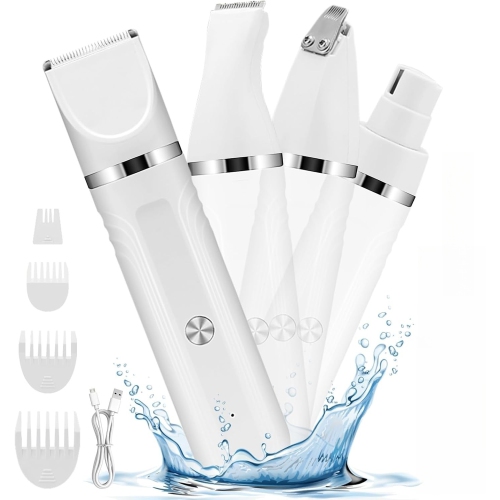
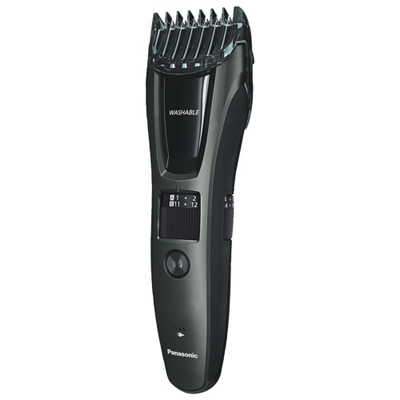
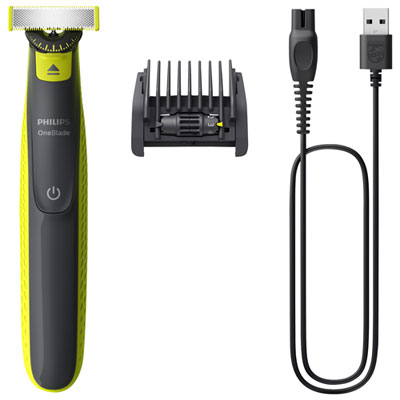
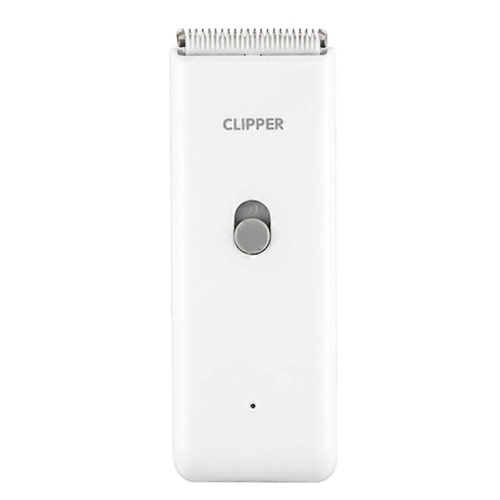
Electric hair clippers are grooming tools designed to cut head hair to a consistent length using powered blades and, for many styles, detachable guide combs. They suit everything from an even buzz cut to shorter sides, tapered necklines, and routine upkeep between barber appointments. Unlike a detail trimmer, which typically has a narrower blade for outlining and close finishing, a hair clipper generally has a wider cutting surface for working across larger sections of hair. That distinction matters when maintaining a full haircut rather than simply tidying around the ears. The best fit depends on hair texture, the lengths being maintained, and whether someone is cutting their own hair or helping another person. Dense or coarse hair benefits from a motor and blade system designed to cut steadily without frequent snagging, while precise length settings are especially useful for blending short sides into a longer top. Straight hair can make small differences in length noticeable, and curls may sit much shorter once released from a comb, so attachment length is only part of the finished result. Guide combs, also called guards, establish the distance between the cutting blade and the scalp. A set with closely spaced cutting lengths offers more flexibility than one with large jumps between attachments. Guard numbers are not always interchangeable across manufacturers, making the stated length in millimetres a more useful comparison. An adjustable taper lever can provide smaller changes within the blade’s cutting range, helping soften the line between neighbouring lengths. For someone who keeps the same short style, a straightforward clipper with a few well-fitting guards may cover the essentials. A household maintaining several hairstyles may place more value on a broader attachment range, clearly marked combs, and controls that are easy to adjust without interrupting the cut. These differences make electric hair clippers useful for both simple upkeep and more involved styling, without making every clipper equally suited to every haircut.
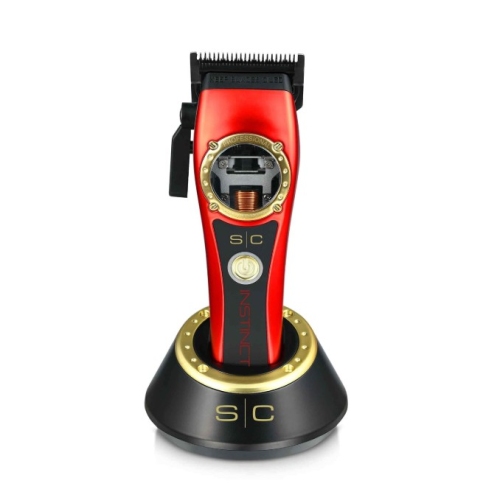
Corded and cordless hair clippers offer different conveniences rather than a single clear winner. A corded clipper provides continuous power without waiting for a battery to charge, which can be helpful for longer sessions or consecutive haircuts. Cord length and flexibility affect how comfortably the tool moves around a chair, particularly when reaching the back of the head. Cordless models remove that tether and can be easier to manoeuvre for self-cutting, where one hand may be holding a mirror while the other follows the curve of the scalp. Battery runtime, charging time, and a readable charge indicator all matter, but advertised runtime can vary with the cutting load, battery condition, and use. Some rechargeable clippers also operate while plugged in; others must be disconnected before use, so cordless capability does not automatically mean corded operation is supported. Grip and balance deserve similar attention. A textured handle can feel more secure, while an easy-to-reach power switch helps prevent awkward changes in hand position. A heavier housing may feel substantial but become tiring during detailed work, whereas a lighter design may be easier to hold at shoulder height when trimming the back. Motor sound and vibration are also relevant for anyone sensitive to noise or for a parent helping a child who finds haircuts unsettling. Blade materials commonly include stainless steel, which offers corrosion resistance with proper care, and ceramic cutting components, which can retain a sharp edge but need protection from impacts. Neither material alone guarantees a comfortable cut: blade alignment, maintenance, and a guard that stays firmly attached are just as important. For frequent use or more detailed blending, Professional Hair Clippers may be relevant, particularly where motor performance, adjustment control, and serviceable components take priority. Professional positioning does not necessarily mean a tool will be easier for a beginner to handle. The useful distinction is whether its weight, cutting range, and upkeep requirements match the person using it, from a quick all-over trim to careful work around the crown and neckline.
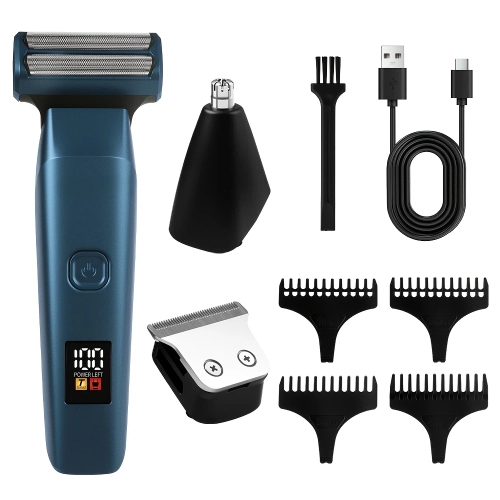
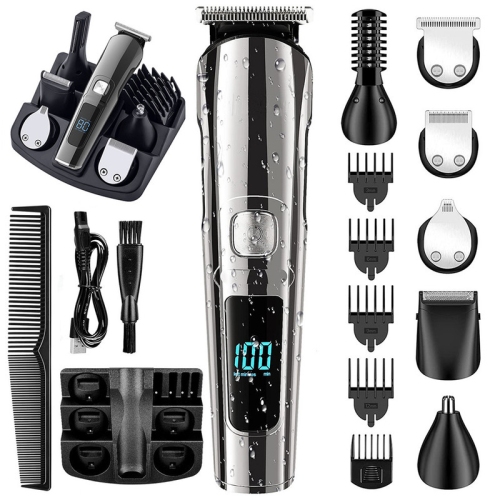
Care and storage have a direct effect on how electric hair clippers perform over time. Loose hair can collect between the teeth, beneath removable blades, and inside guide combs, reducing cutting efficiency and making cleanup more involved if it is left to build up. Many clippers include a small cleaning brush for clearing this debris once the tool is switched off and disconnected from power. Washability varies: a detachable blade that can be rinsed does not mean the handle can be placed under running water, and a washable tool is not necessarily suitable for use in the shower. The manufacturer’s cleaning directions establish which parts can get wet and how they should be dried before reassembly or storage. Blades that require lubrication need the recommended clipper oil at the specified intervals; excess oil should be removed as directed so it does not transfer onto hair or collect residue. Claims such as self-sharpening describe a blade design, not an exemption from cleaning or other required maintenance. A protective blade cover and a fitted case can help prevent chipped guard teeth, bent blade teeth, and missing attachments when the tool is stored in a drawer or packed for travel. Replacement blades and compatible guide combs can also extend a clipper’s useful life, especially when one frequently used attachment takes most of the wear. For shared household use, appropriate cleaning and disinfection between people are important, following the tool’s instructions and the disinfectant’s directions rather than assuming a quick brush removes everything. Accessories such as a comb, scissors, or a cape can make a home haircut less awkward, but a large accessory count is less useful than a few pieces that suit the intended routine. Electric hair clippers can also make a practical gift for someone who already maintains a short haircut or enjoys hands-on grooming. A comfortable grip, useful length settings, and manageable care requirements help turn the tool into something that fits naturally into that person’s routine.
Top selling and popular products
-
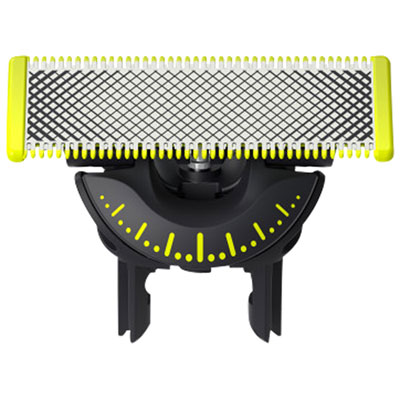 Your price for this item is $19.99
-
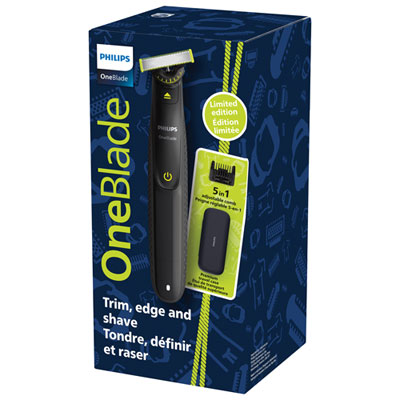 Your price for this item is $74.99
-
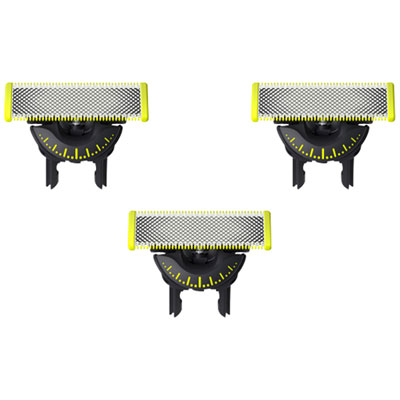 Your price for this item is $44.99
-
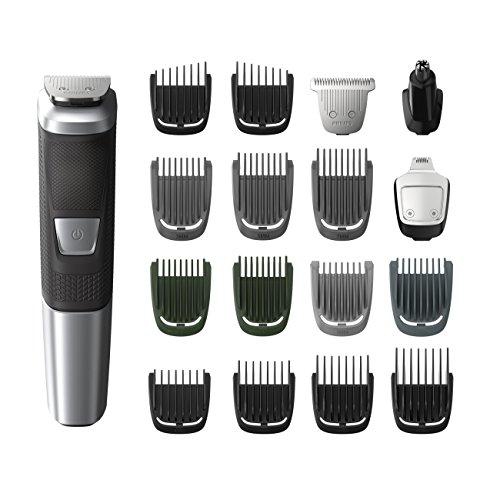 Your price for this item is $35
-
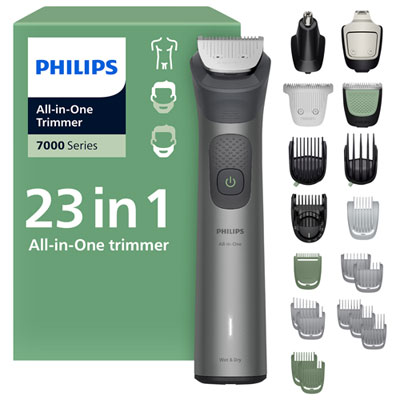 Your price for this item is $89.99
-
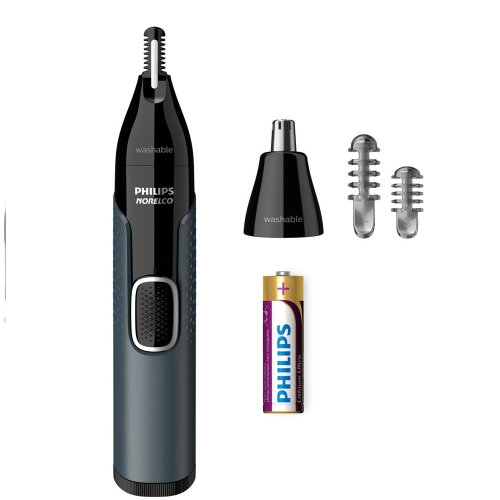 Your price for this item is $34.99
-
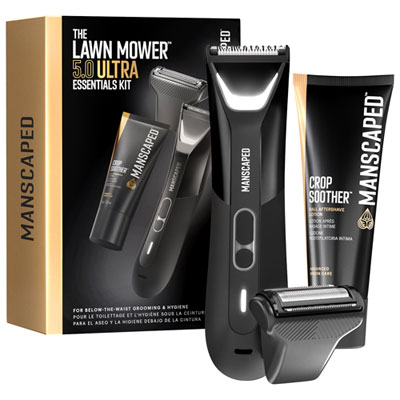 Your price for this item is $149.99
-
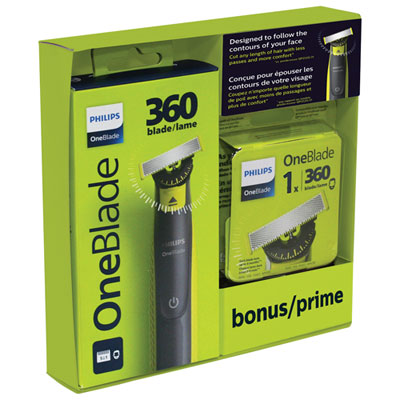 Your price for this item is $49.95
Discover more categories related to Electric Hair Clippers
Top Collections:
Pokemon Centers, Best Cameras for Sports Photography, Kindle Devices, Samsung Galaxy Phones, Canon G7X Cameras, Pokémon 30th Celebration Cards, Refurbished Apple Laptops, iPhone 15 Apple, Laptops for Students, Budget Smartphones
Some products may be subject to Environmental Handling Fees
(EHF) depending on your province.
Learn more about EHFs.