Curling Rods for Short Hair
If you're looking to achieve stunning curls with your short hair, these curling rods are here to help you create beautiful, bouncy curls that are perfect for almost any occasion. Whether you're looking for tight ringlets or loose waves, our selection of curling rods for short hair offers a variety of options to suit your styling needs. With advanced features and innovative designs, these curling rods are specifically designed to work effortlessly on shorter hair lengths, giving you the salon-worthy curls you've always dreamed of.
Sort
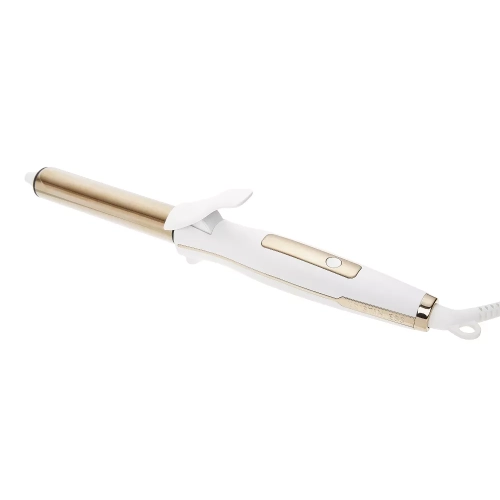
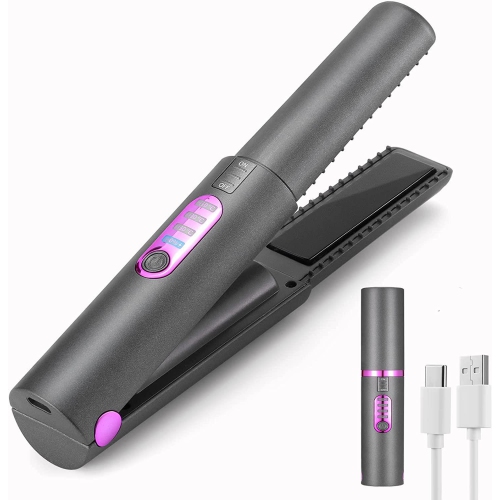
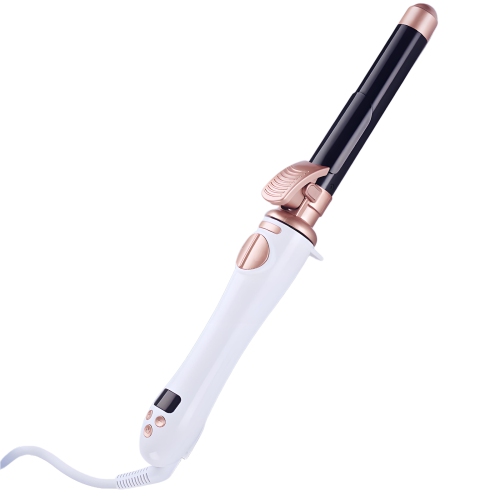
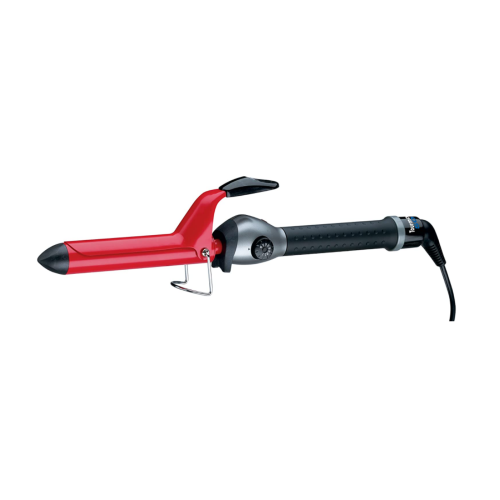
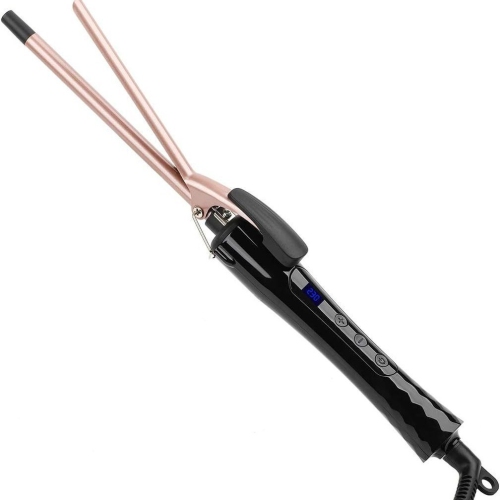
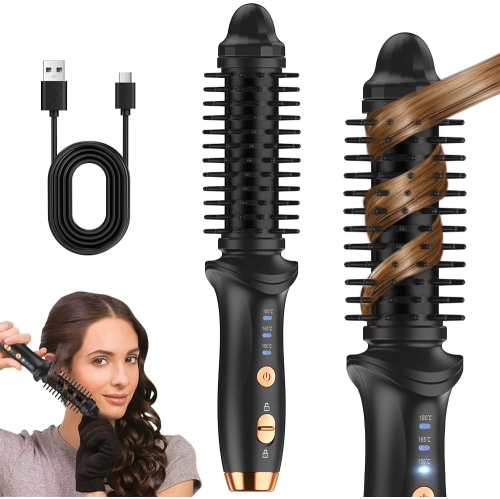
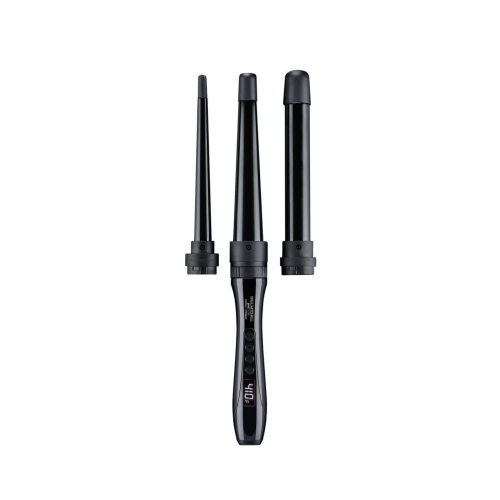
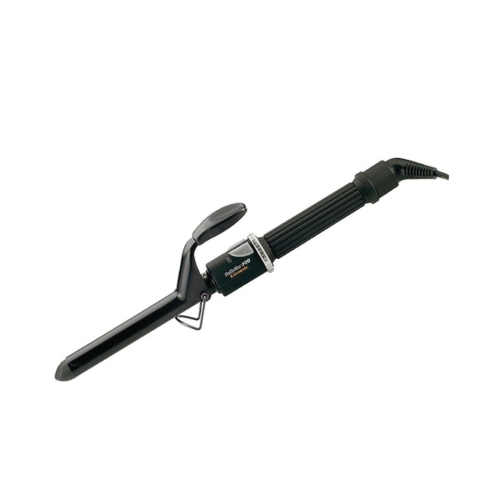
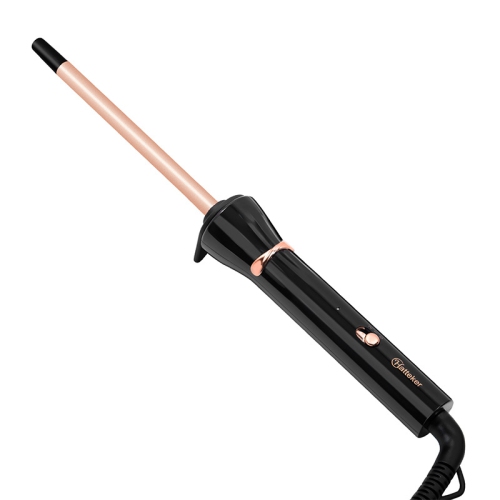
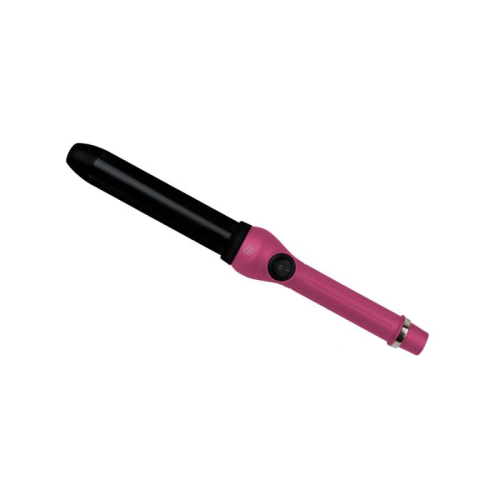
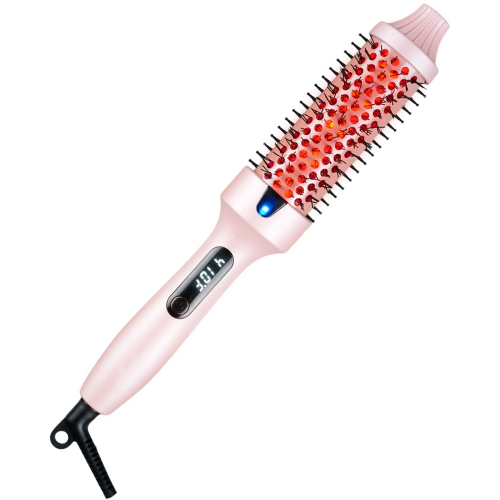
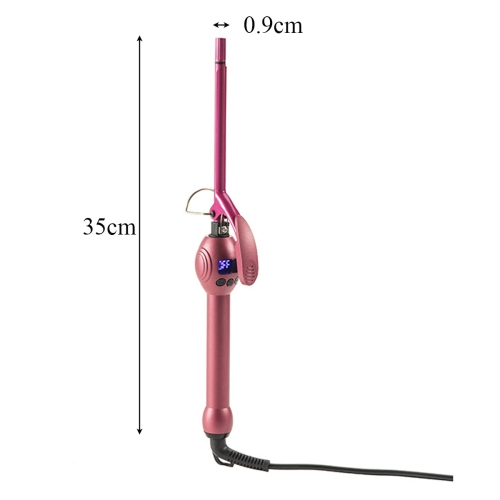
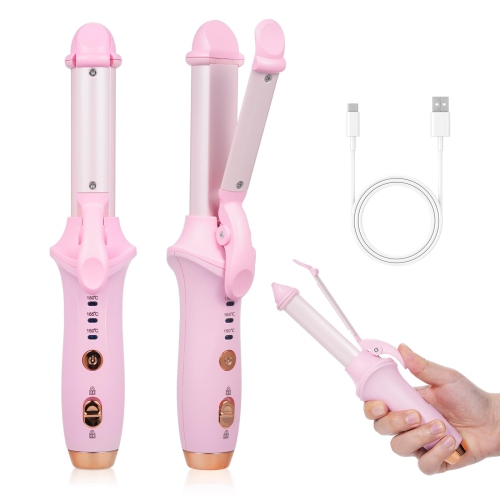
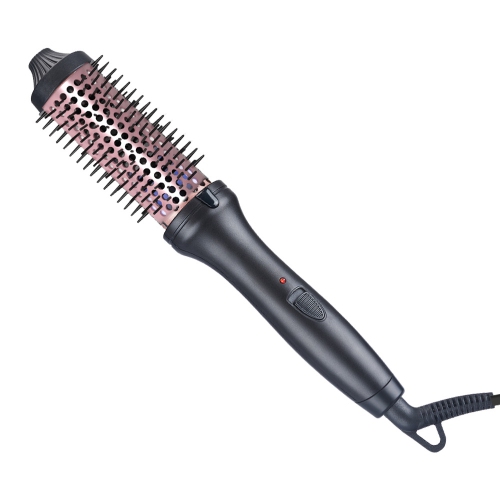
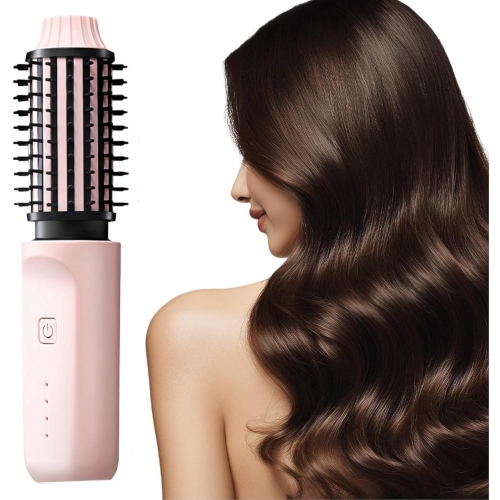
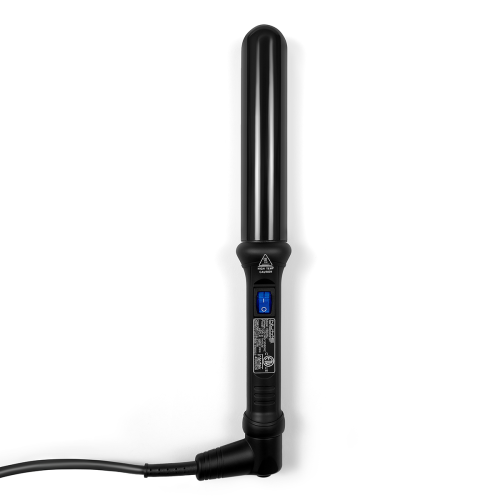


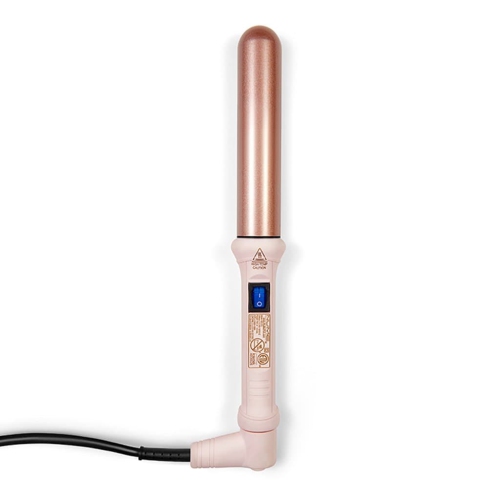
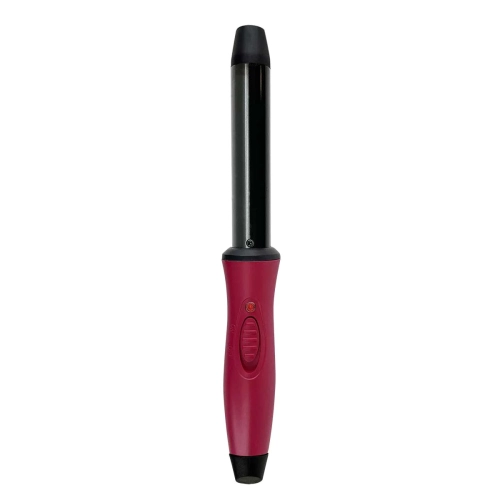
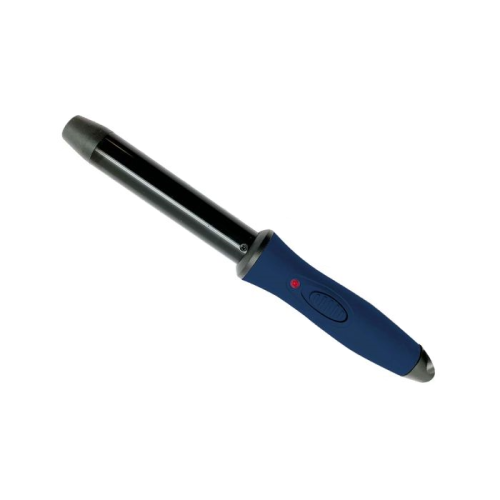
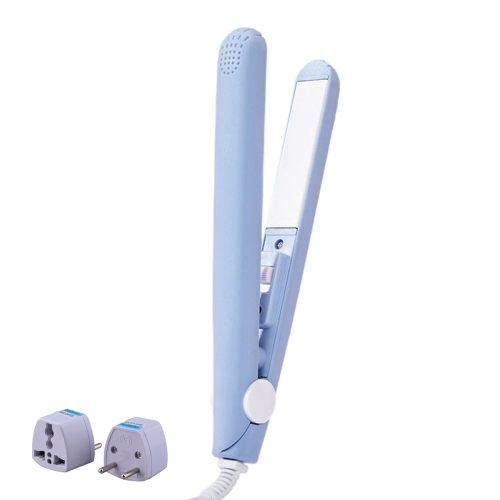
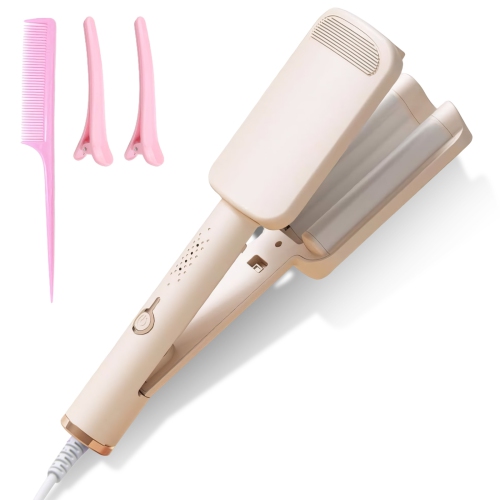
Defined curls, soft bends, and volume start with sizing
Curling rods for short hair can help create everything from defined ringlets and springy coils to soft bends, lifted roots, and textured volume. Because shorter lengths offer less hair to wrap around a roller, rod diameter and design make a noticeable difference. Slim rods, often around 3/8-inch to 7/10-inch, allow short sections to make several turns around the barrel or foam core, helping the curl hold its shape instead of slipping loose. They are a useful choice for pixie cuts, bobs, cropped styles, and tightly textured hair where definition matters. Wider rods, including sizes around 7/8-inch and larger, can create a gentler bend or airy volume, although they may not give enough surface area for very short strands to stay wrapped. Flexi rods with a soft, bendable centre are popular for heat-free styling because they can be secured by folding the ends inward, while cold wave or perm rods with a band or snap-style closure can anchor especially short sections close to the scalp. Foam-covered options are comfortable for resting or sleeping, and lightweight designs can be easier to manage when styling the entire head. Consider the look you usually wear, the shortest layers that need to be wrapped, and whether you prefer a firm, defined curl or a relaxed finish. A set with several small rods can be practical for short hair because it allows for narrow sections and more even coverage, while mixed sizes can add natural-looking variation through the crown, sides, and back. Rods can also make thoughtful gifts for someone who enjoys experimenting with their hairstyle, especially when paired with a styling comb, sectioning clips, or a gentle setting product.
For the best results, begin with clean, damp hair or lightly mist dry hair with water from a spray bottle. Hair should feel moist rather than wet, since excess water can extend drying time and leave the finished curl soft or uneven. Work in a setting mousse, styling foam, or light cream suited to the hair’s texture, using enough to provide control without making short strands stiff or heavy. A rat-tail comb makes it easier to create neat, square sections of approximately 1 inch; smaller sections are often helpful for very short, thick, or tightly textured hair. Smooth each section from root to tip, place the ends flat against the rod, and roll the hair firmly towards the scalp. Keeping the ends aligned helps prevent little hooks or fuzzy tips from appearing once the rod is removed. Flexi rods can be bent inward at both ends to hold the hair securely, while rods with elastic bands should be fastened without pulling so tightly that they create discomfort or leave a pronounced mark. The direction of the wrap also affects the final style. Rolling away from the face can open up the front and create a bright, lifted appearance, while alternating directions through the rest of the hair can produce more movement and avoid a uniform, overly arranged finish. Allow the hair to air-dry completely or use a hooded dryer according to the needs of the style and the product being used. Removing rods while the hair is still damp can cause the curl to drop quickly, particularly in cooler or more humid conditions. When the hair is fully dry, unwind each rod gently rather than pulling it straight out. Separate the curls with clean fingers, then fluff lightly at the roots with an afro pick or wide-tooth tool if extra volume is desired. A small amount of finishing product can help define the shape, while brushing immediately after removing the rods may disrupt the pattern and create frizz.
The ideal curling rods for short hair depend on more than diameter alone. Look for a length that suits the sections you can comfortably wrap, a surface that grips the hair without snagging, and a closure that stays secure while you move around. If you have a layered cut, compare the shortest pieces with the usable length of each rod; a rod that is too long can be awkward around the ears and nape, while one that is too short may require more sections. Flexible foam styles can be a comfortable option for heat-free routines and overnight setting, although hair should be completely dry before sleeping on the finished style. Plastic cold wave rods offer a more structured hold and can be useful when the hair is very short or resistant to staying wrapped. People with fine hair may prefer smaller sections and a lighter styling foam, while thick or tightly curled hair may benefit from careful smoothing, firm sectioning, and extra drying time. Heat-free rods are also helpful for anyone who wants to reduce reliance on hot tools, and they can make styling easier during the warmer part of the year when a fresh wash and air-dry routine feels comfortable. During cooler months, a hooded dryer can speed up the setting process without disturbing the sections. For a polished event style, set the rods earlier in the day, allow plenty of time for the hair to dry, and release them just before arranging the curls. For everyday wear, a few rods around the fringe, crown, or sides can refresh shape without restyling the entire head. If you prefer a sleek, smooth finish on selected sections rather than curls throughout, explore Straighteners for Short Hair as another styling option. With the right rod size, secure wrapping, and enough drying time, short hair can take on defined texture, soft movement, or natural-looking volume while keeping the routine simple and adaptable.
For the best results, begin with clean, damp hair or lightly mist dry hair with water from a spray bottle. Hair should feel moist rather than wet, since excess water can extend drying time and leave the finished curl soft or uneven. Work in a setting mousse, styling foam, or light cream suited to the hair’s texture, using enough to provide control without making short strands stiff or heavy. A rat-tail comb makes it easier to create neat, square sections of approximately 1 inch; smaller sections are often helpful for very short, thick, or tightly textured hair. Smooth each section from root to tip, place the ends flat against the rod, and roll the hair firmly towards the scalp. Keeping the ends aligned helps prevent little hooks or fuzzy tips from appearing once the rod is removed. Flexi rods can be bent inward at both ends to hold the hair securely, while rods with elastic bands should be fastened without pulling so tightly that they create discomfort or leave a pronounced mark. The direction of the wrap also affects the final style. Rolling away from the face can open up the front and create a bright, lifted appearance, while alternating directions through the rest of the hair can produce more movement and avoid a uniform, overly arranged finish. Allow the hair to air-dry completely or use a hooded dryer according to the needs of the style and the product being used. Removing rods while the hair is still damp can cause the curl to drop quickly, particularly in cooler or more humid conditions. When the hair is fully dry, unwind each rod gently rather than pulling it straight out. Separate the curls with clean fingers, then fluff lightly at the roots with an afro pick or wide-tooth tool if extra volume is desired. A small amount of finishing product can help define the shape, while brushing immediately after removing the rods may disrupt the pattern and create frizz.
The ideal curling rods for short hair depend on more than diameter alone. Look for a length that suits the sections you can comfortably wrap, a surface that grips the hair without snagging, and a closure that stays secure while you move around. If you have a layered cut, compare the shortest pieces with the usable length of each rod; a rod that is too long can be awkward around the ears and nape, while one that is too short may require more sections. Flexible foam styles can be a comfortable option for heat-free routines and overnight setting, although hair should be completely dry before sleeping on the finished style. Plastic cold wave rods offer a more structured hold and can be useful when the hair is very short or resistant to staying wrapped. People with fine hair may prefer smaller sections and a lighter styling foam, while thick or tightly curled hair may benefit from careful smoothing, firm sectioning, and extra drying time. Heat-free rods are also helpful for anyone who wants to reduce reliance on hot tools, and they can make styling easier during the warmer part of the year when a fresh wash and air-dry routine feels comfortable. During cooler months, a hooded dryer can speed up the setting process without disturbing the sections. For a polished event style, set the rods earlier in the day, allow plenty of time for the hair to dry, and release them just before arranging the curls. For everyday wear, a few rods around the fringe, crown, or sides can refresh shape without restyling the entire head. If you prefer a sleek, smooth finish on selected sections rather than curls throughout, explore Straighteners for Short Hair as another styling option. With the right rod size, secure wrapping, and enough drying time, short hair can take on defined texture, soft movement, or natural-looking volume while keeping the routine simple and adaptable.
Top selling and popular products
-
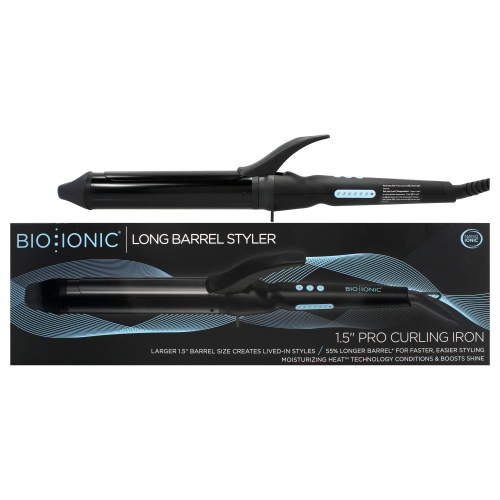 Your price for this item is $136.76
 -
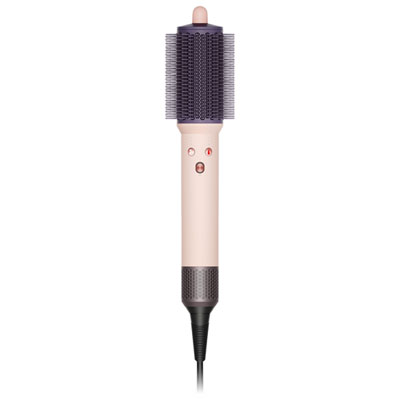 Your price for this item is $349.99
 -
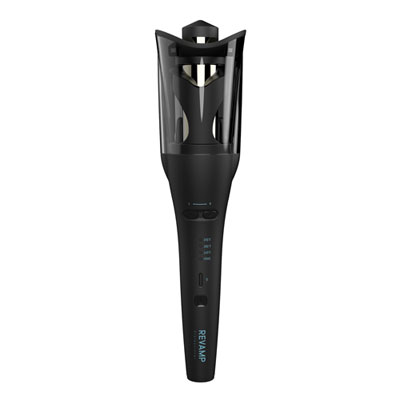 Your price for this item is $149.99
 -
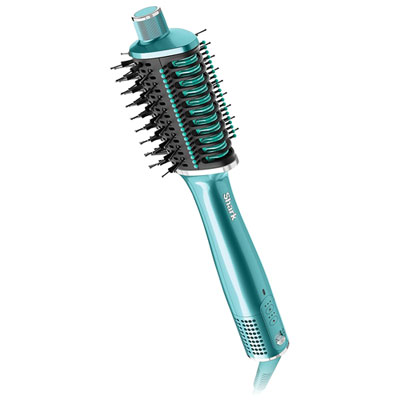 Your price for this item is $229.99
 -
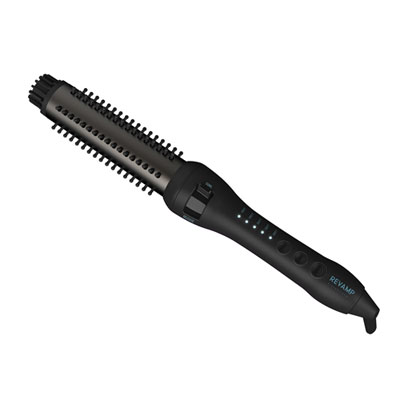 Your price for this item is $59.98
 -
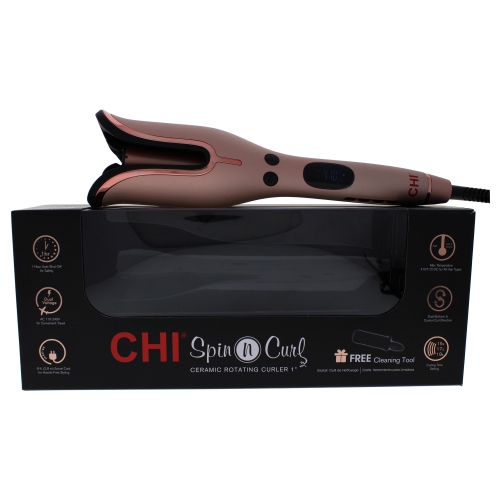 Your price for this item is $318.99
 -
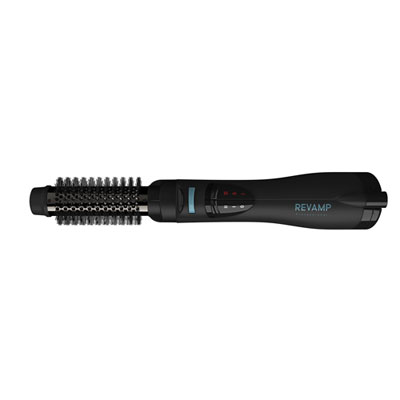 Your price for this item is $149.99
 -
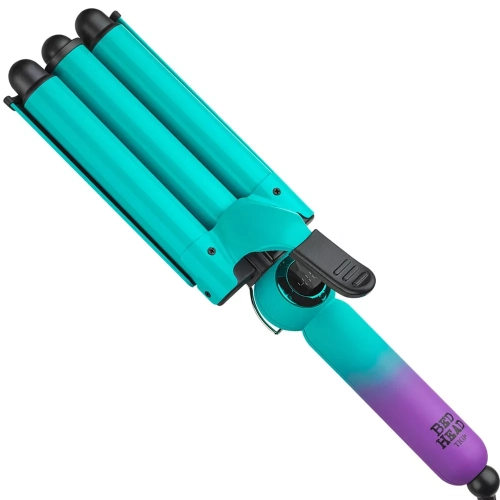 Your price for this item is $197.99
Discover more categories related to Curling Rods for Short Hair
Top Collections:
Pokemon Centers, Kindle Devices, Best Budget Office Chairs, Apple iPhones 16, Best Laptops for Writers, iPhone 15 Apple, Canon G7X Cameras, Refurbished Apple Laptops, Alarm Clock, Motorola Razr Phones
Some products may be subject to Environmental Handling Fees
(EHF) depending on your province.
Learn more about EHFs.