Straighteners for Short Hair
If you're rocking a short hairstyle and looking to achieve sleek, straight locks, you've come to the right place. Our selection of straighteners for short hair is designed to help you effortlessly transform your look with professional results. Whether you have a pixie cut or a bob, these versatile styling tools offer precise heat control, compact designs, and innovative features to ensure that every strand is perfectly styled. Say goodbye to frizz and hello to smooth, shiny hair with our range of straighteners, curated for those with shorter tresses.
Sort




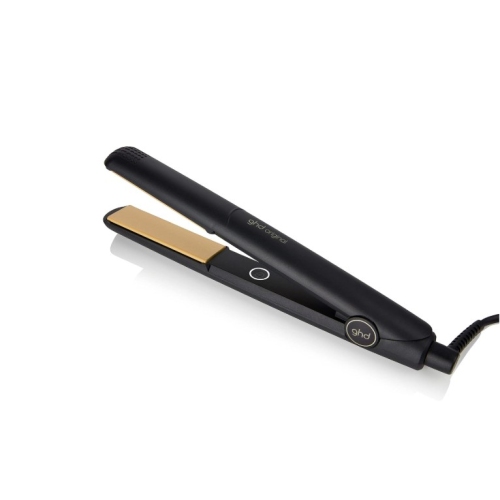
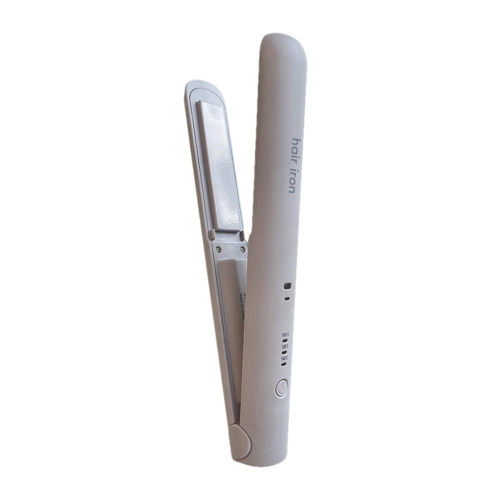
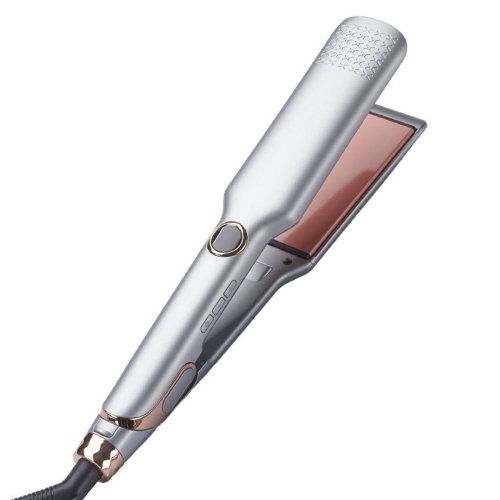
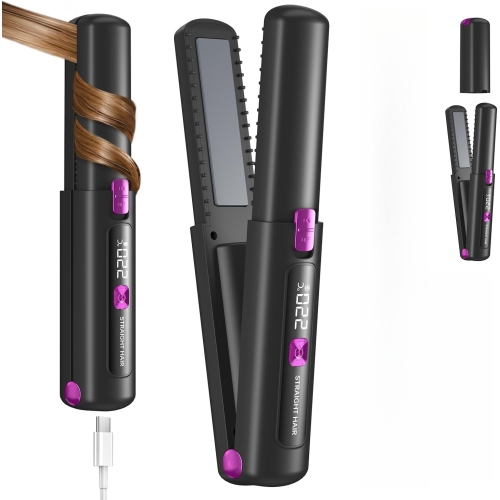
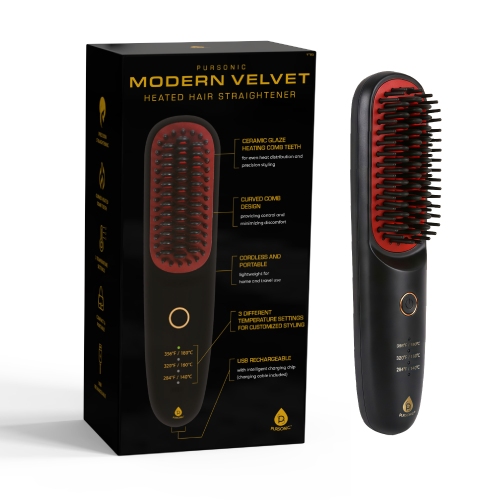
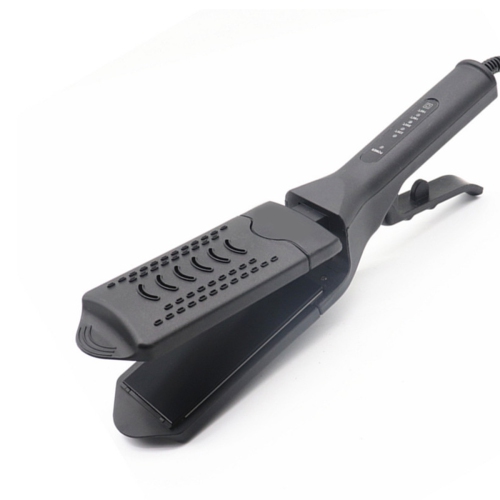
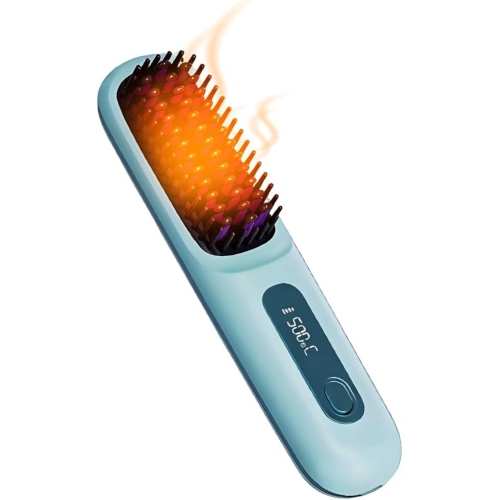
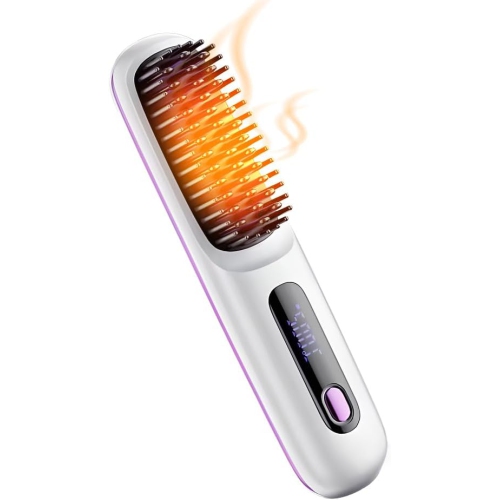







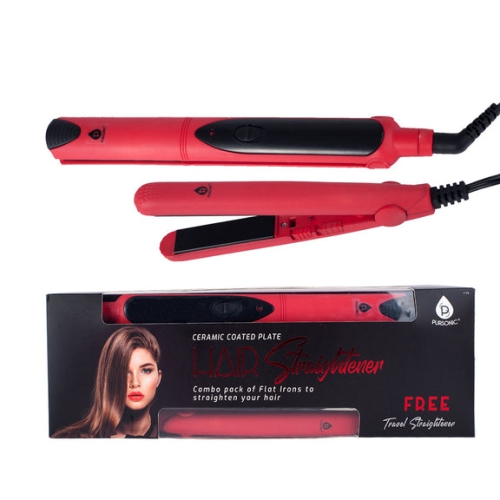

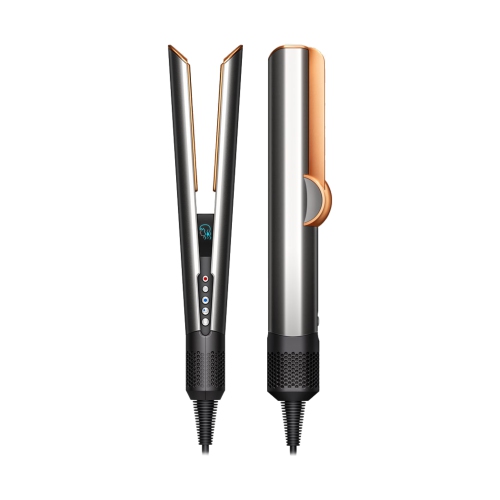
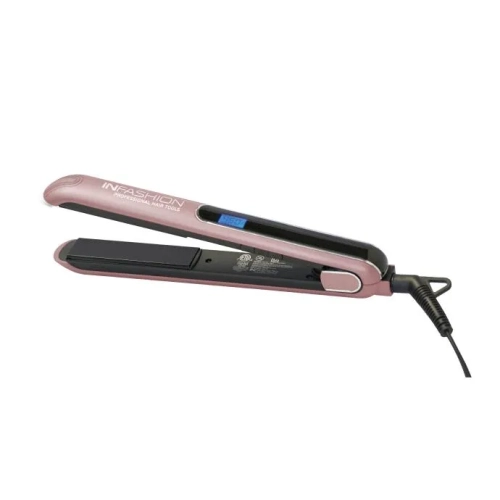
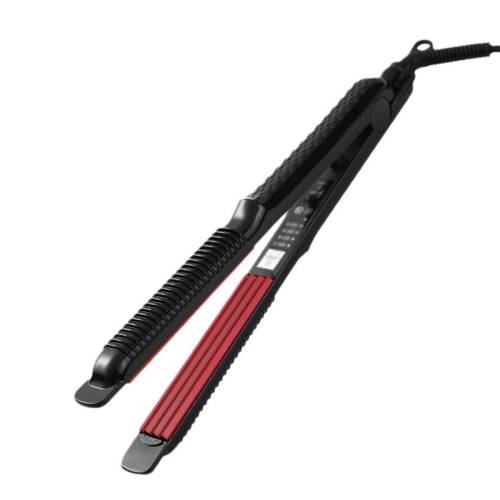
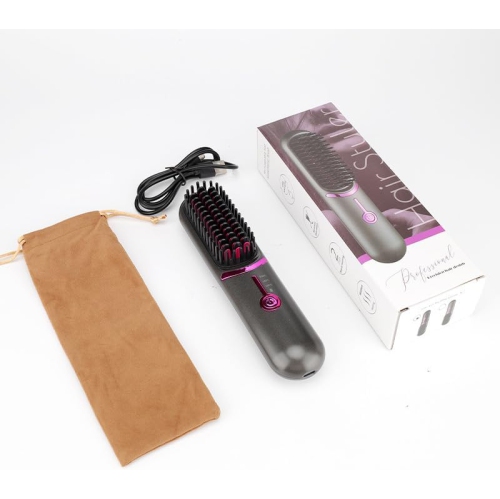
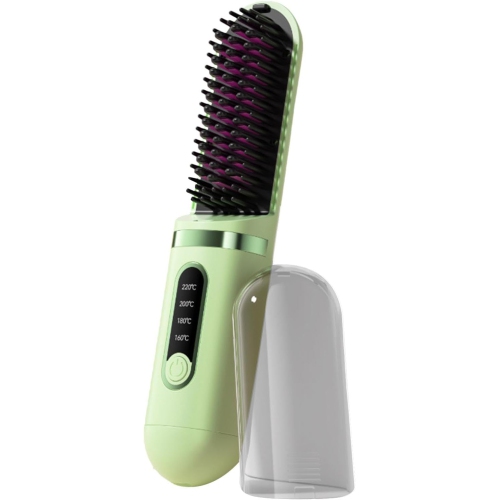
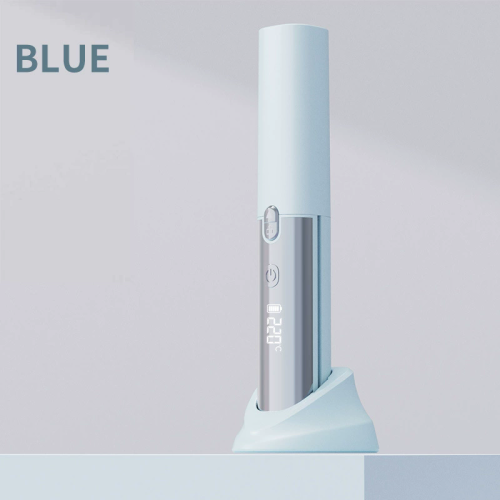
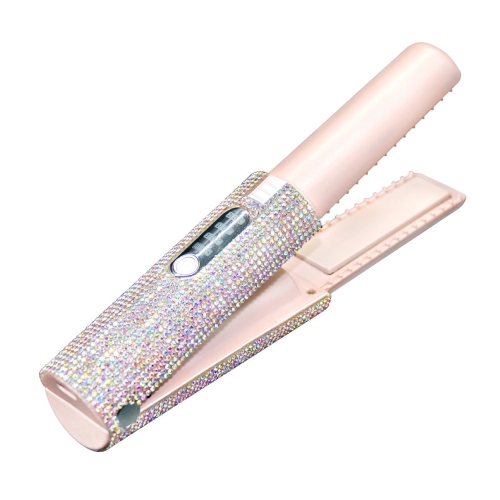
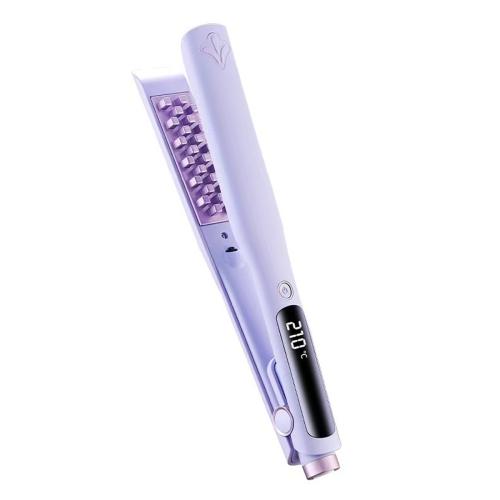
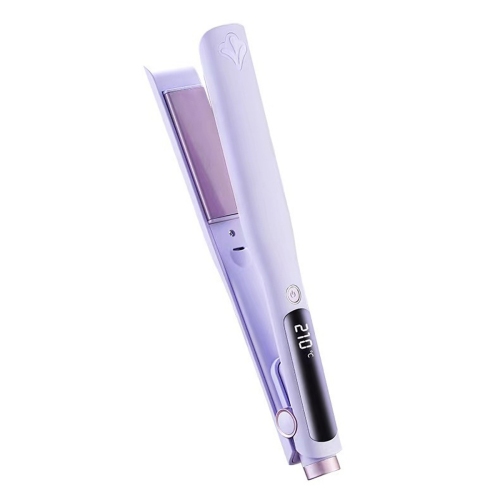
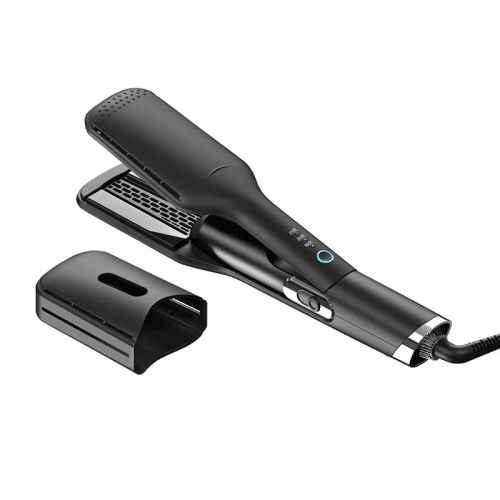






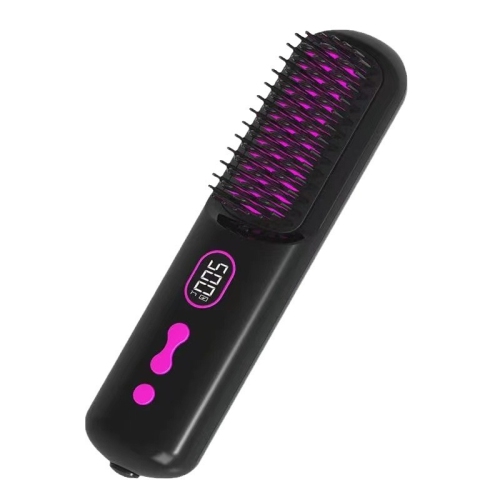

Why plate width matters for pixies and bobs
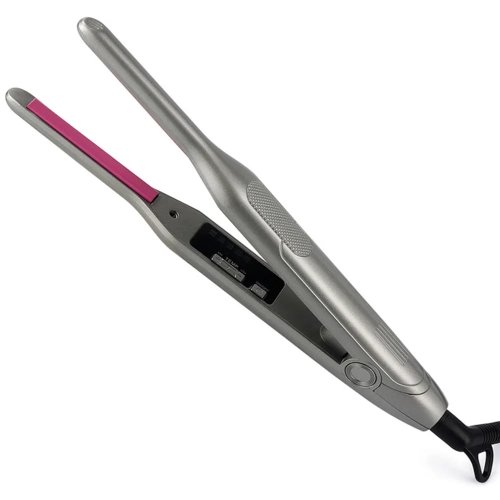
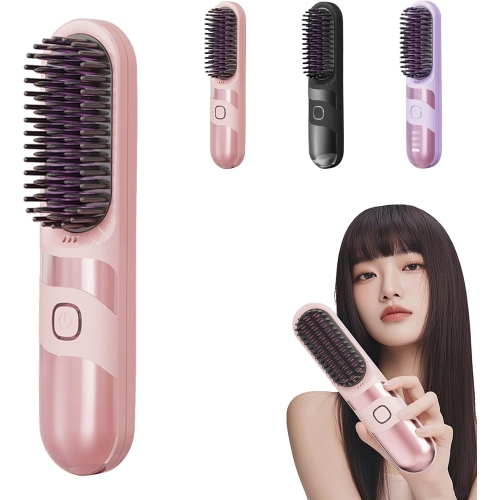
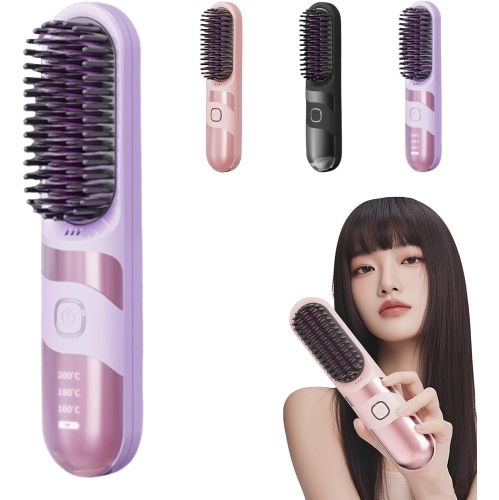
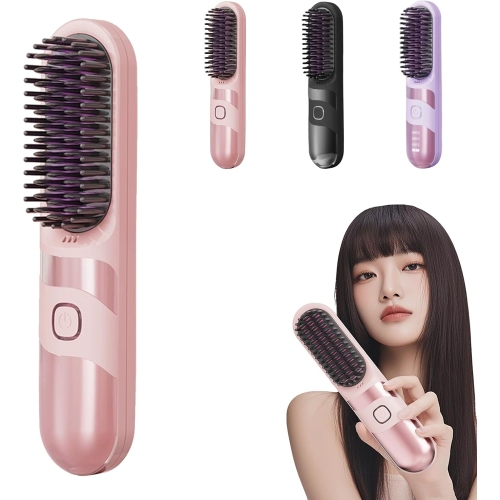
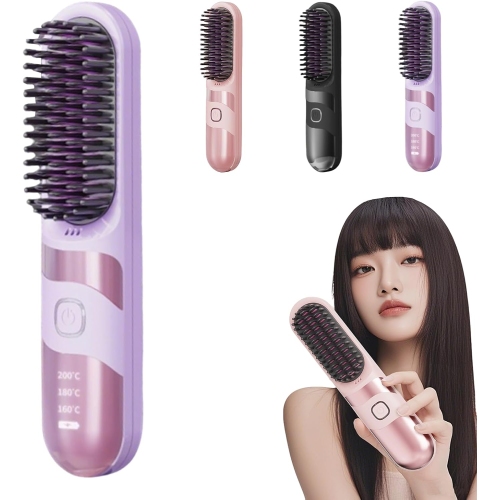
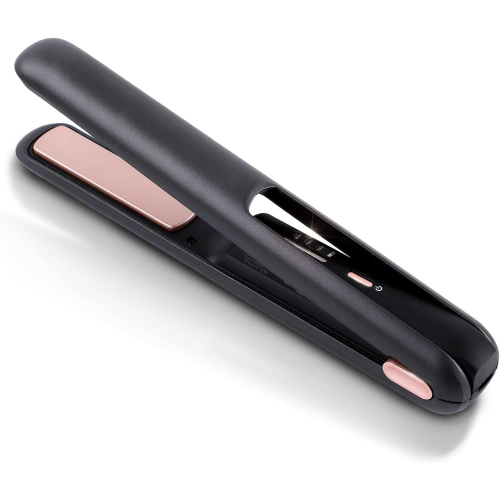
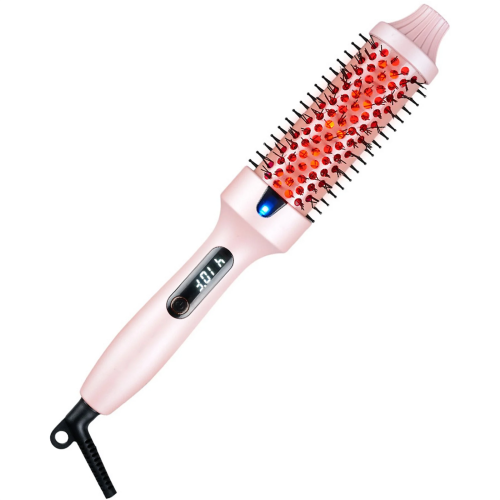
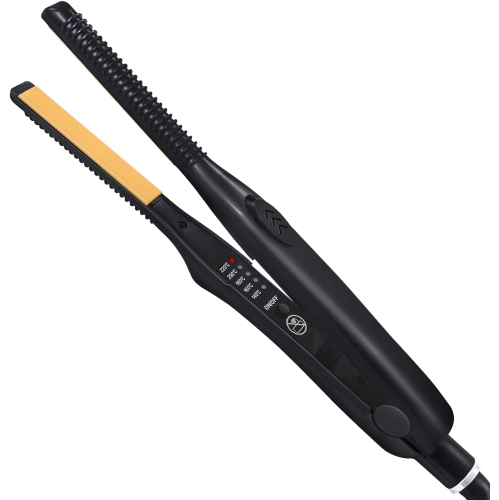
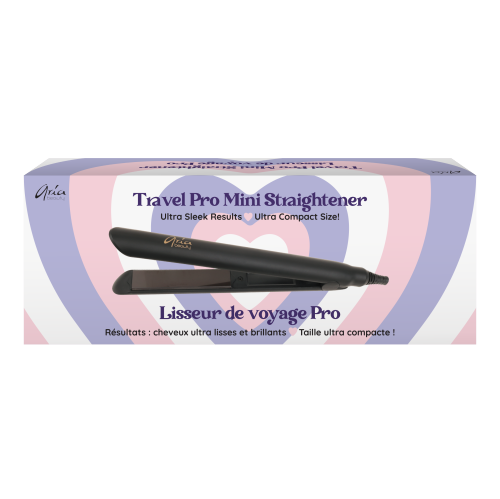
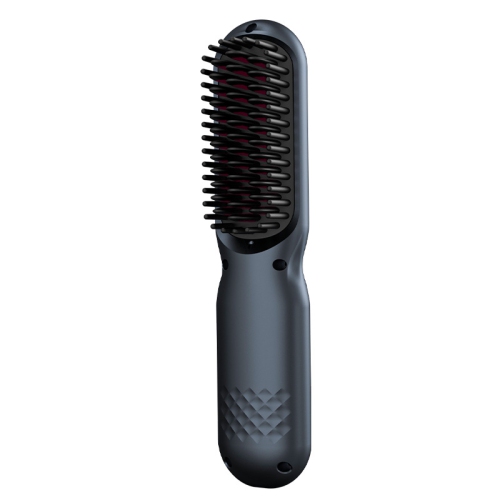
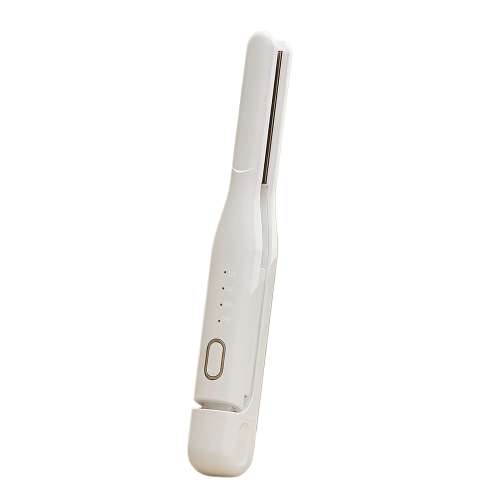
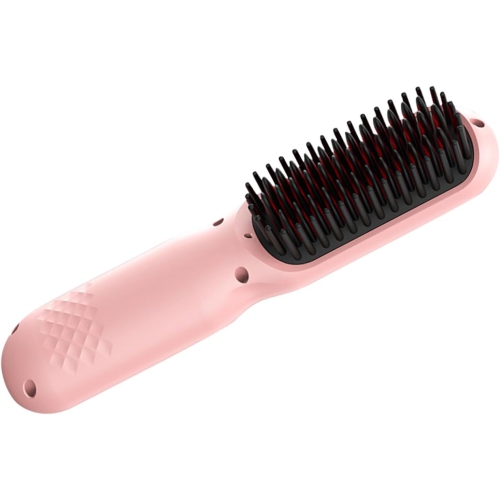
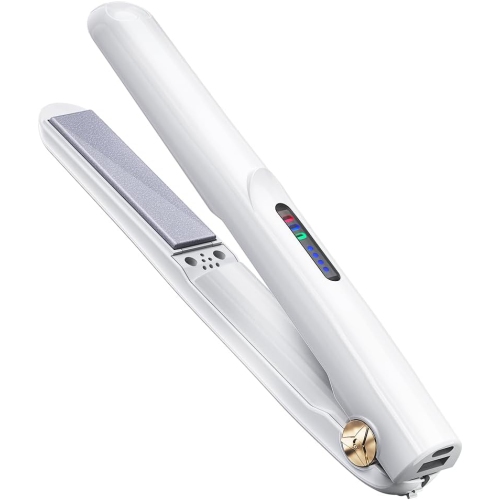
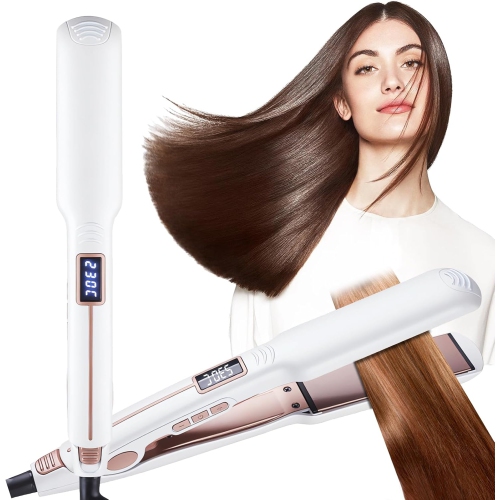
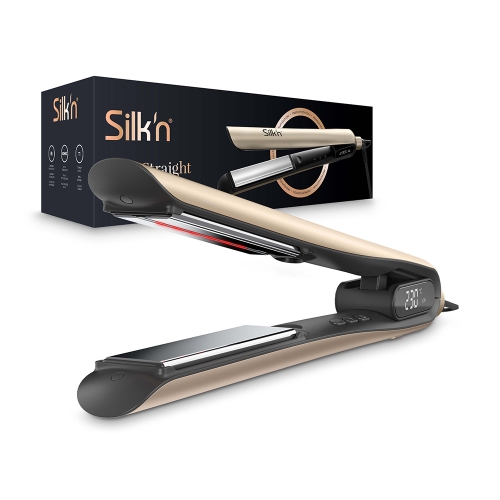
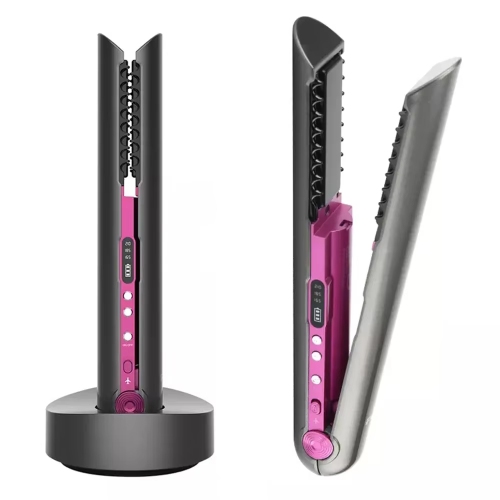
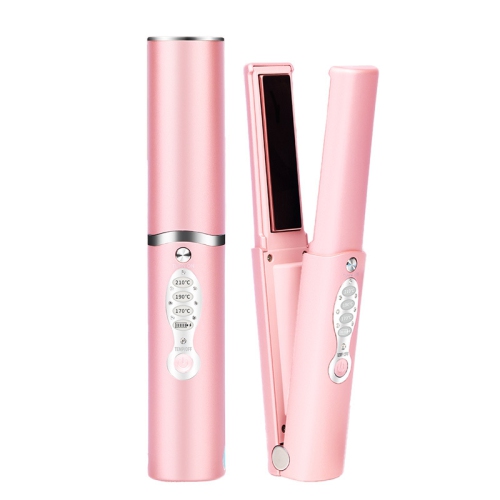
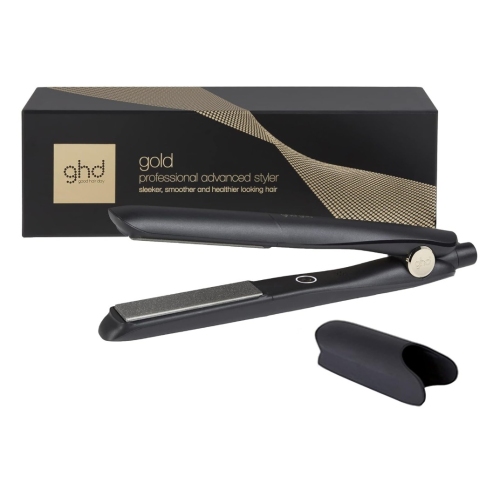
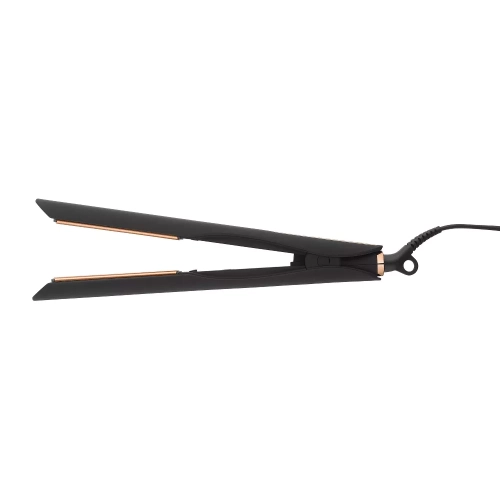
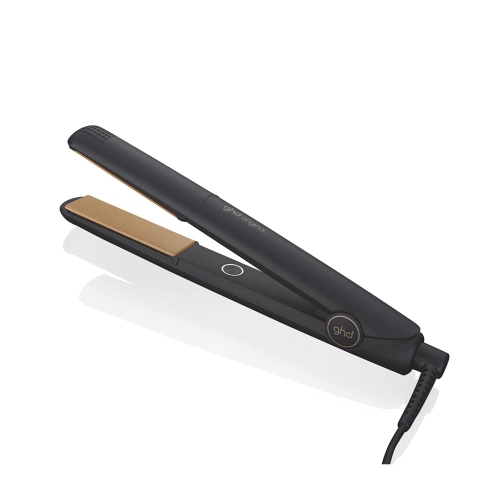
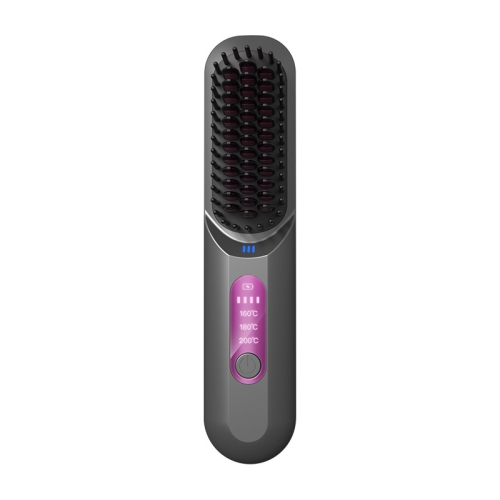
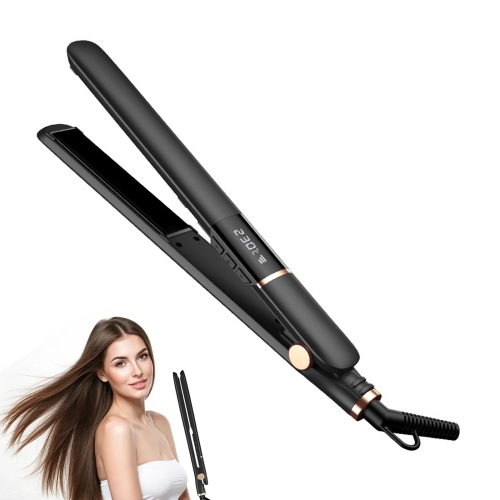
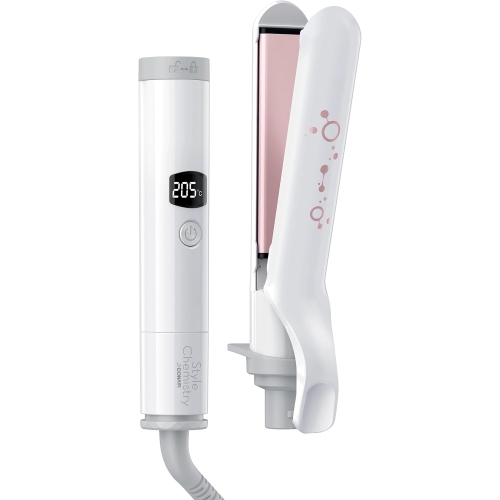
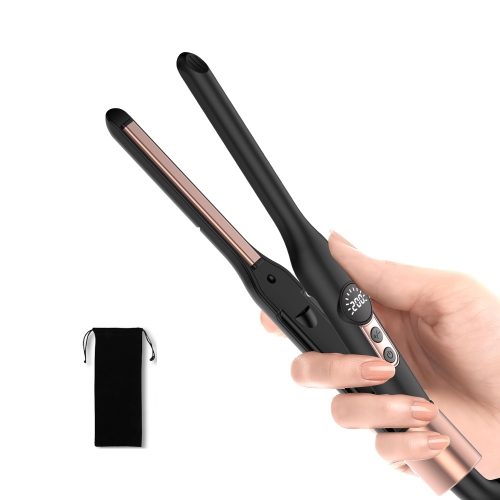
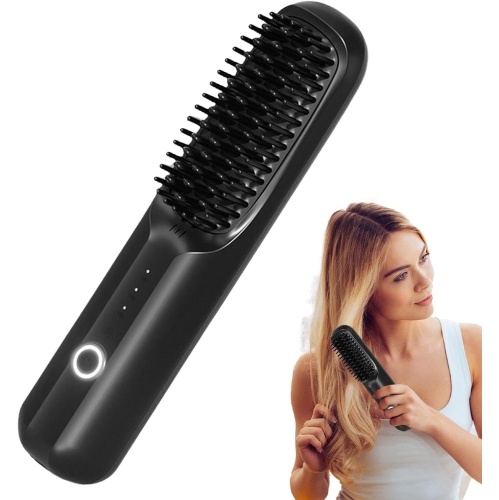
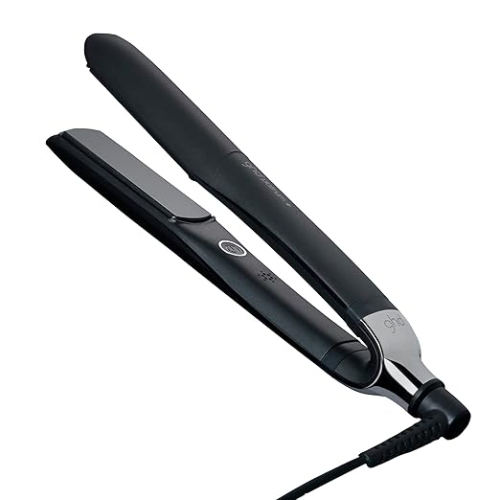
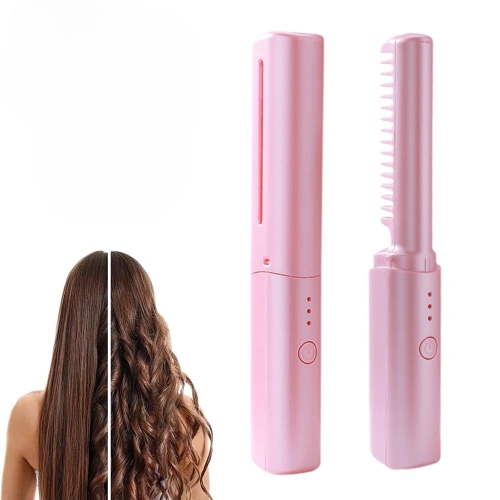
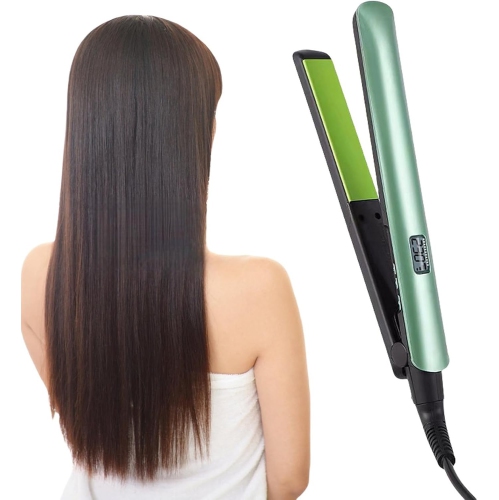
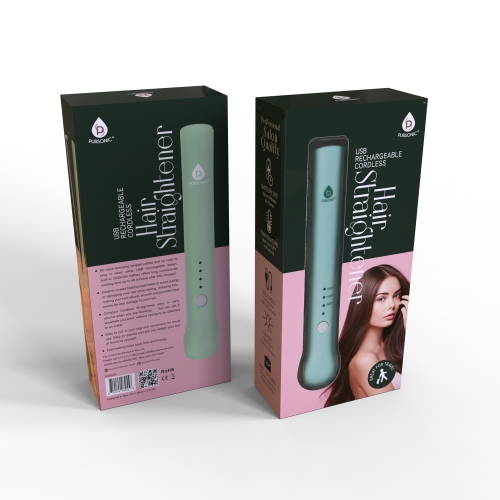
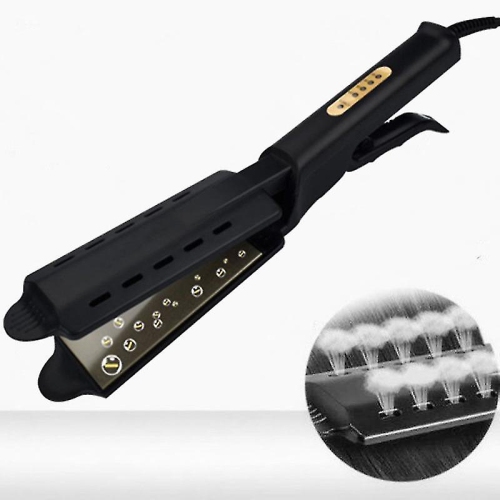
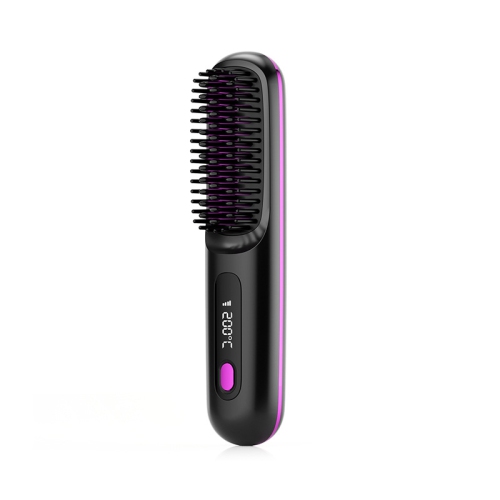
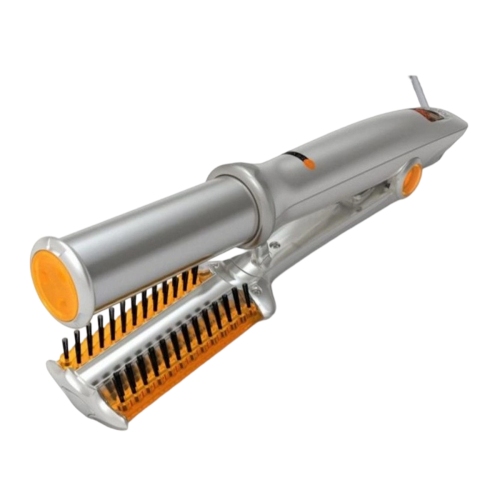
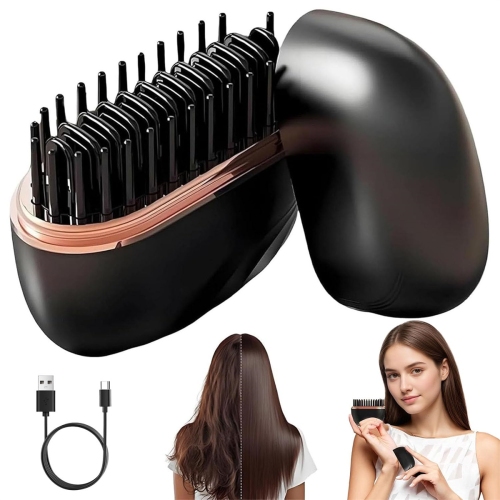
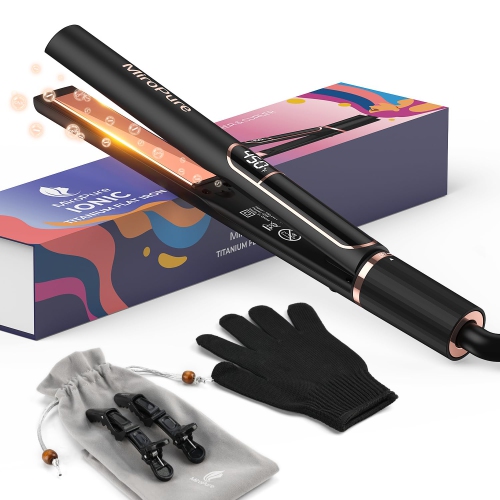
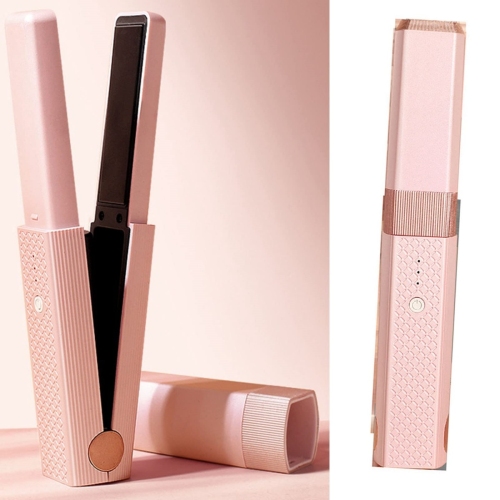
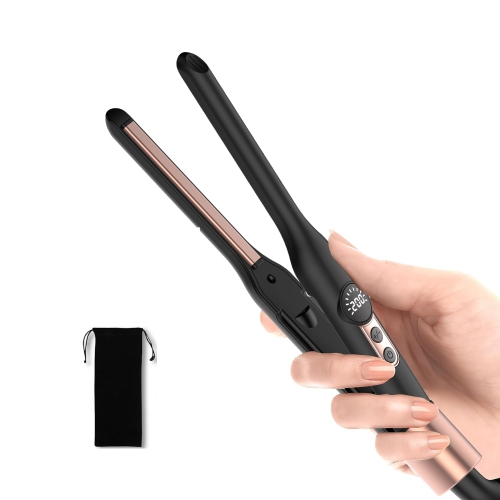
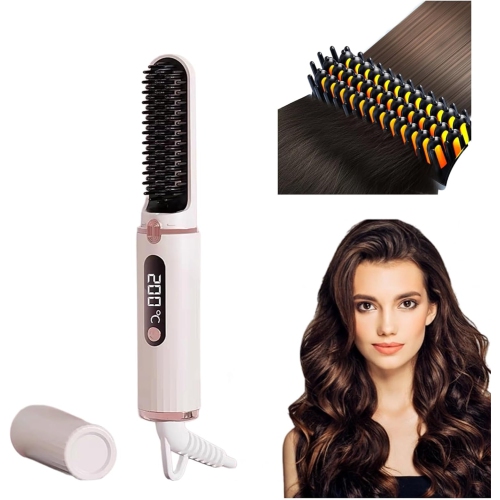
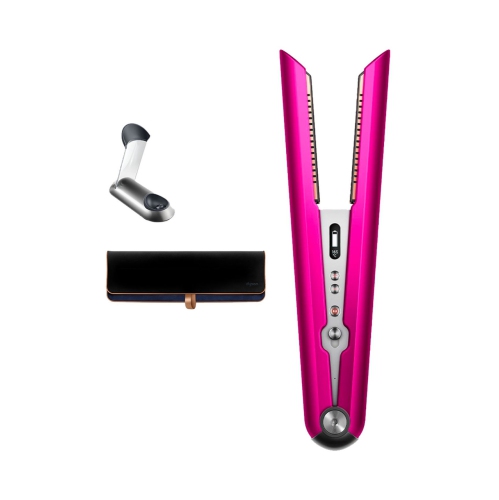
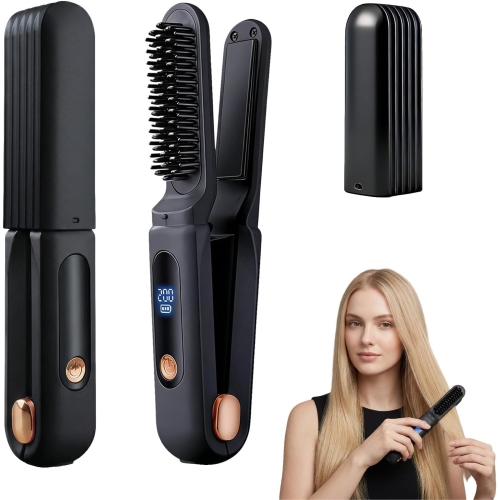
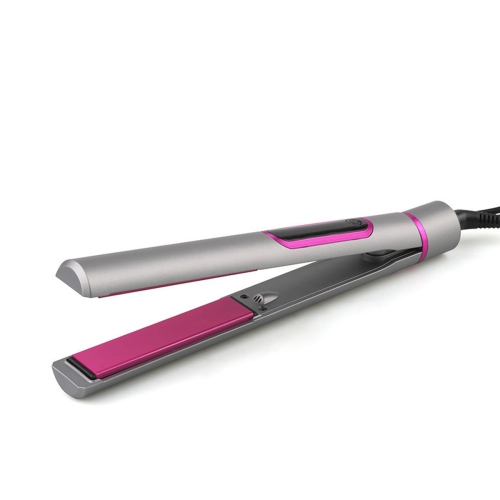
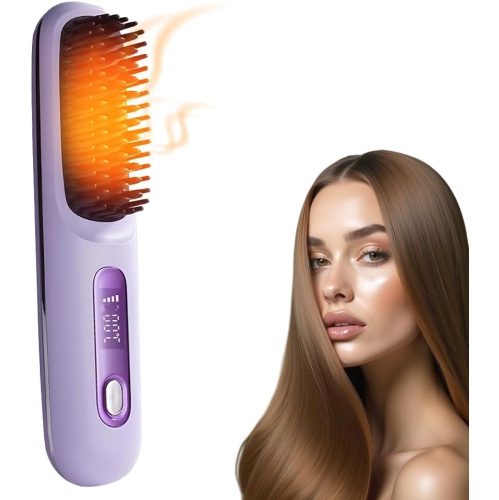
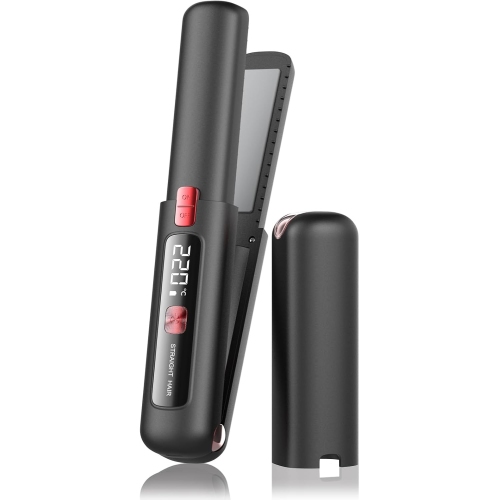
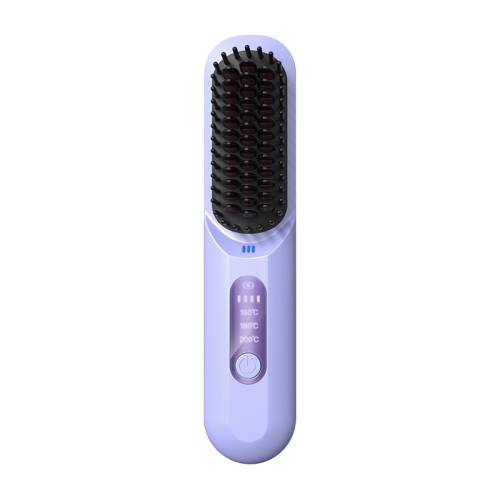
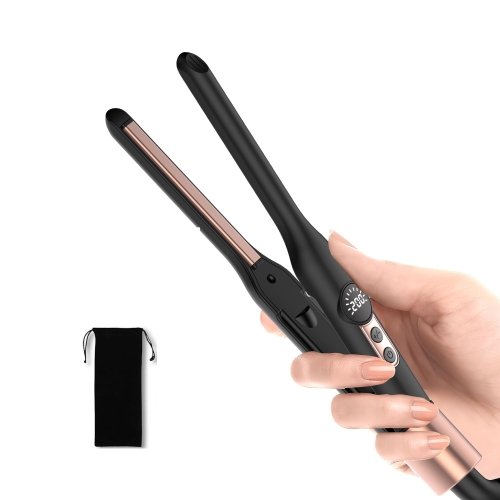
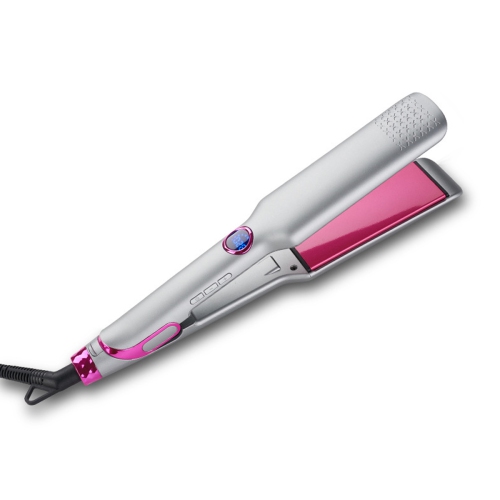
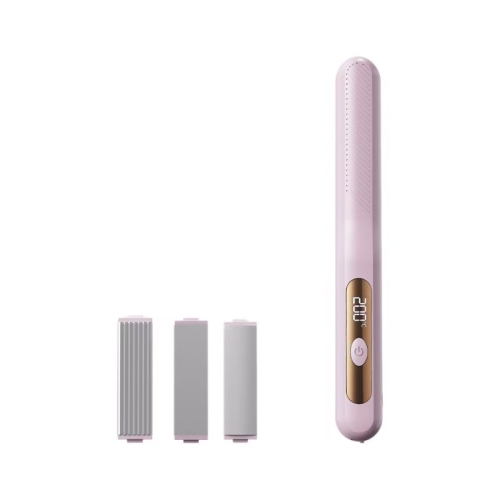
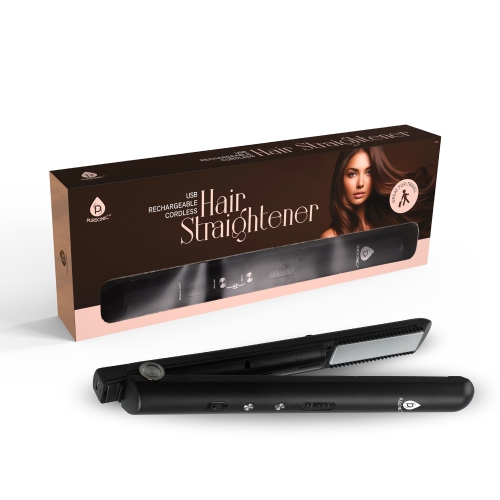
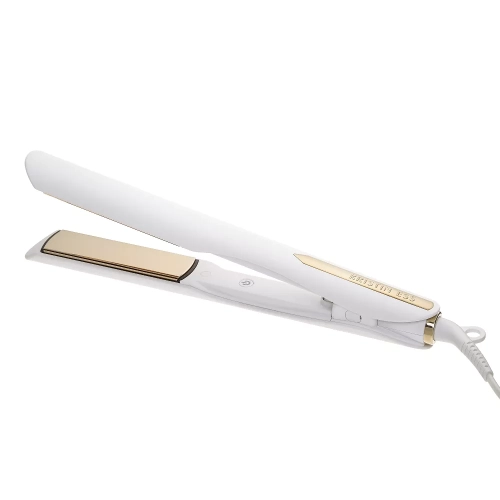
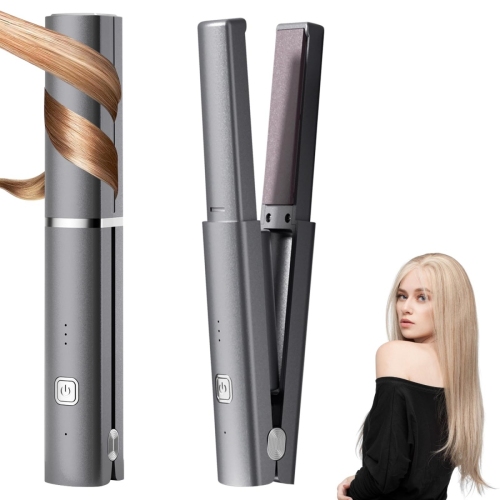
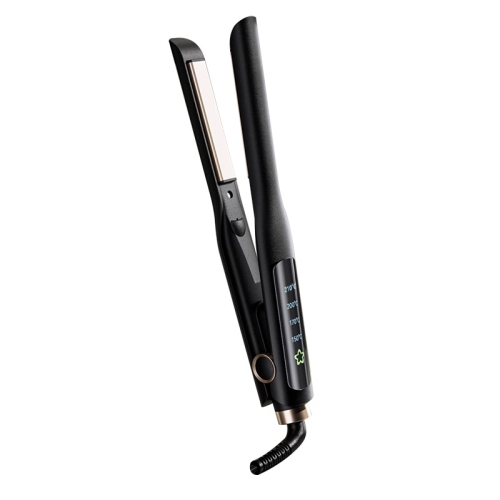
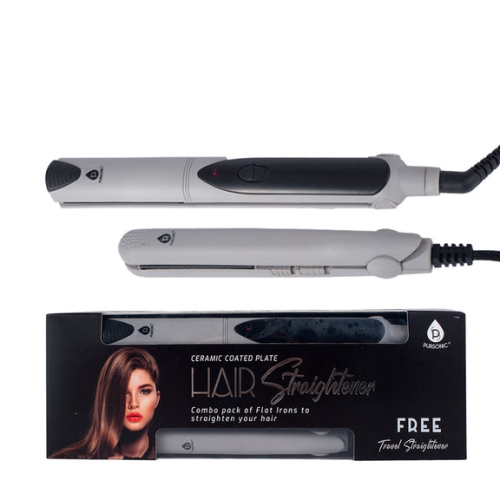
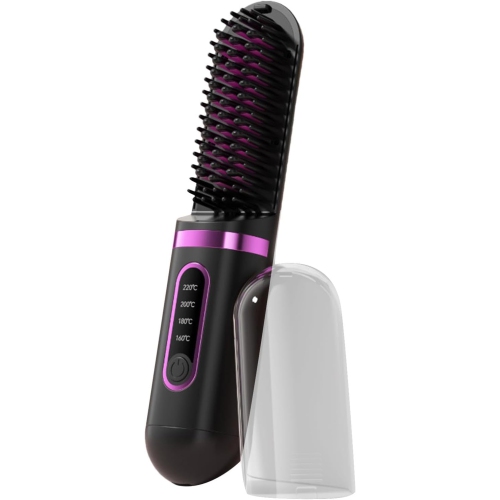
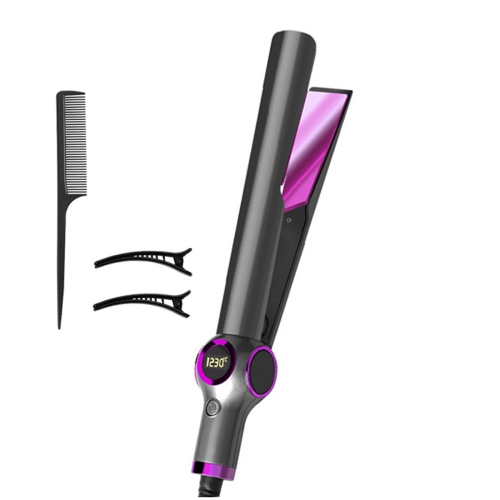
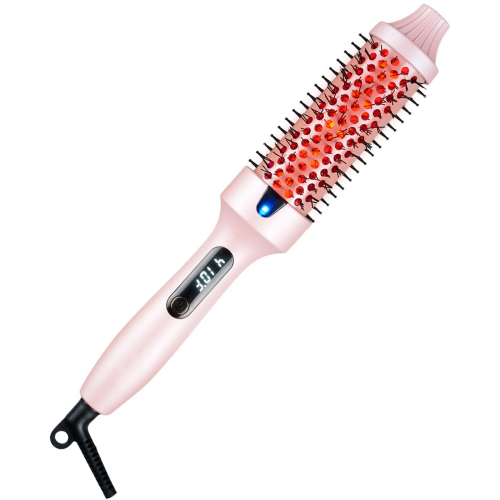
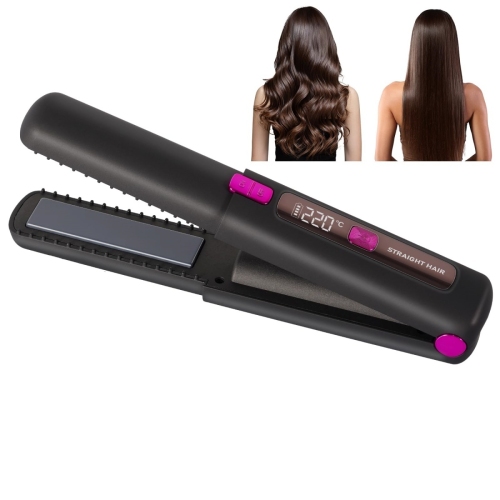
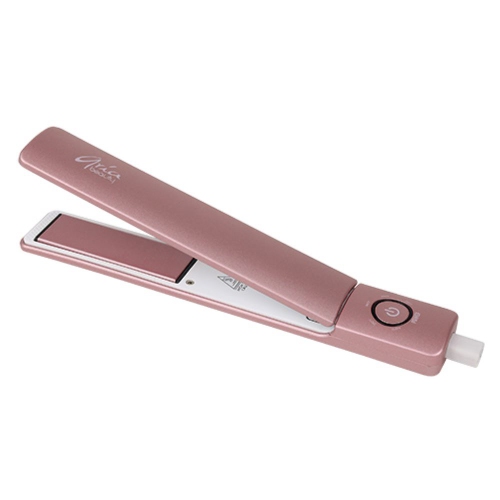
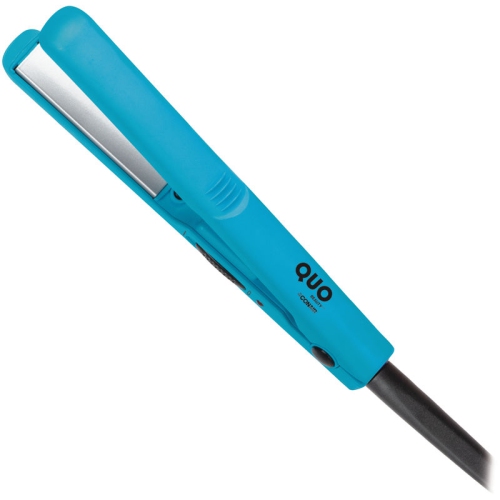
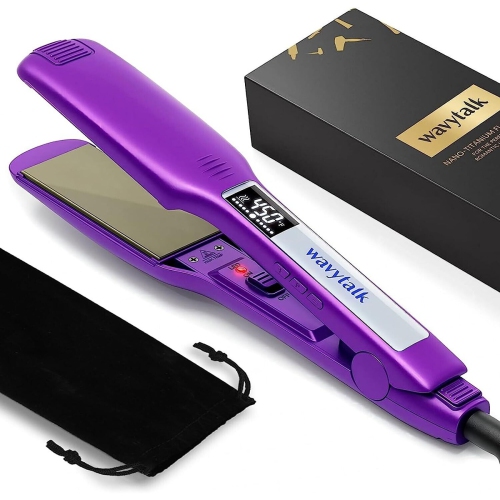
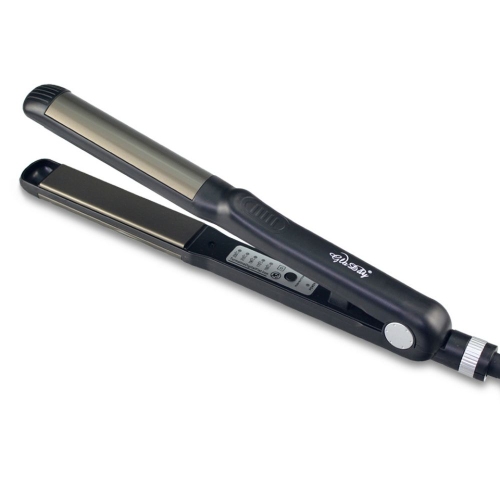
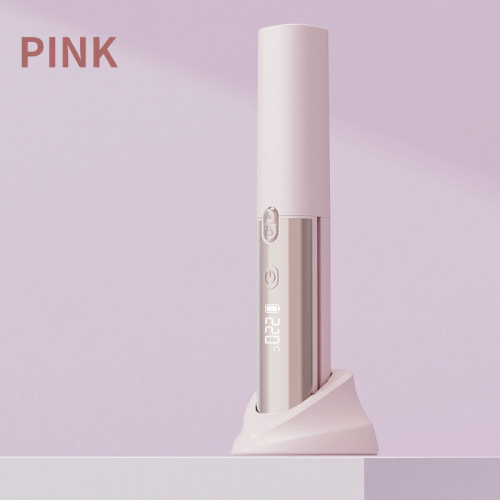
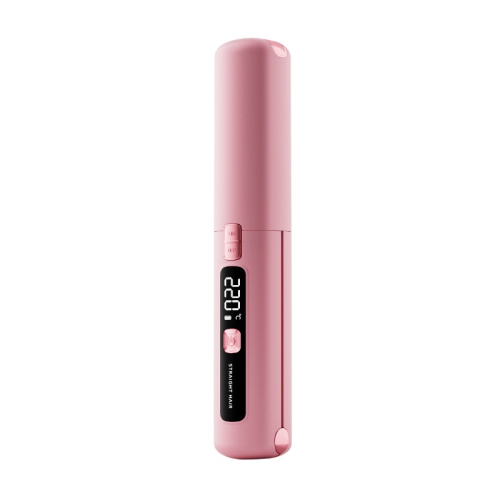
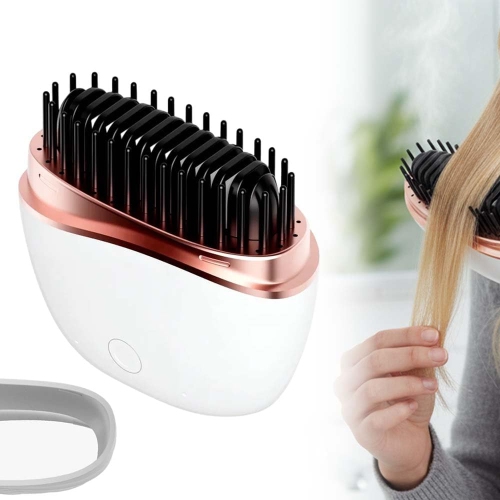
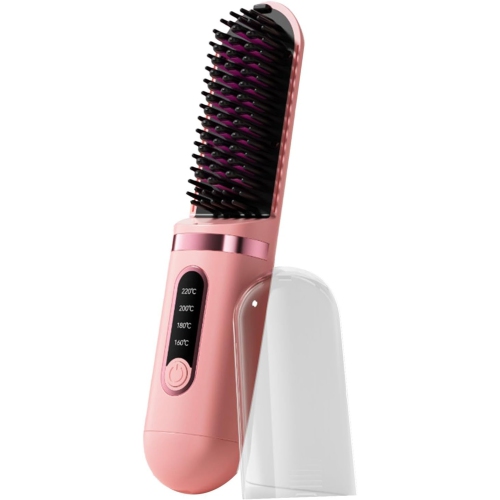
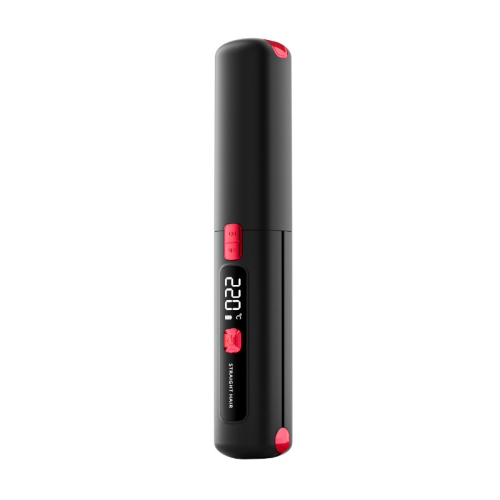
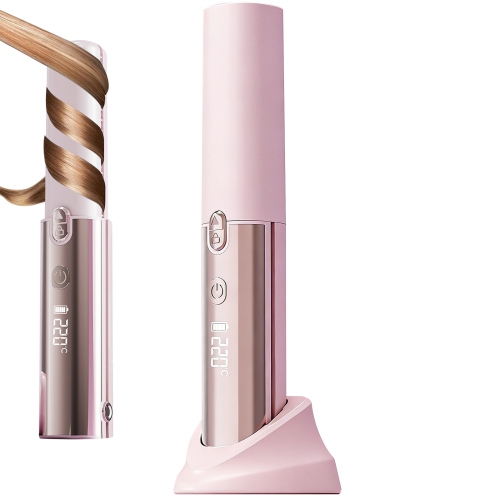
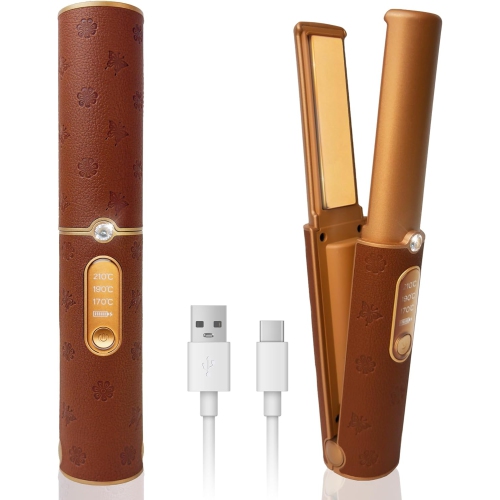
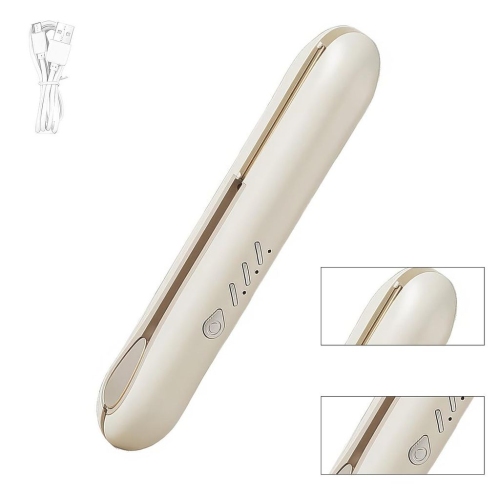
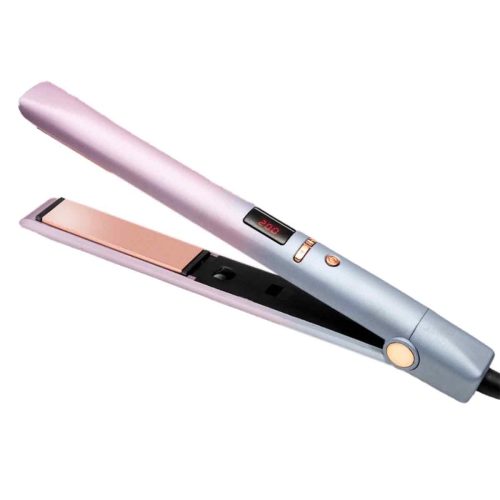
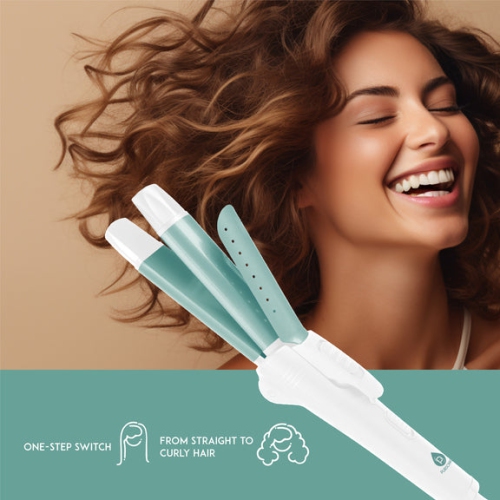
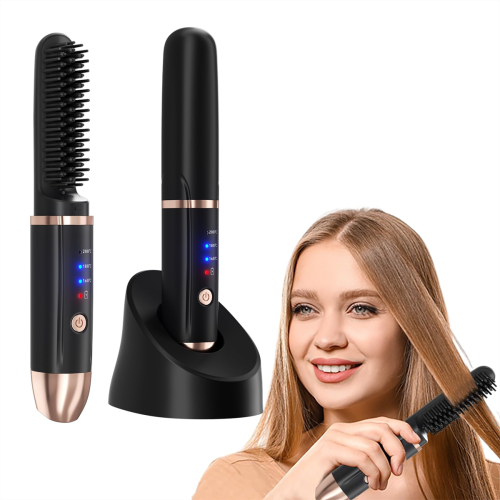
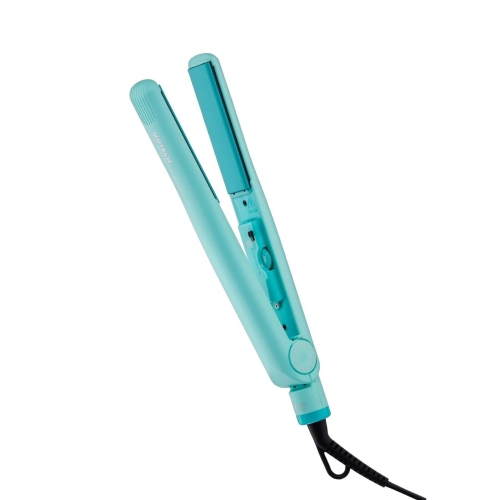
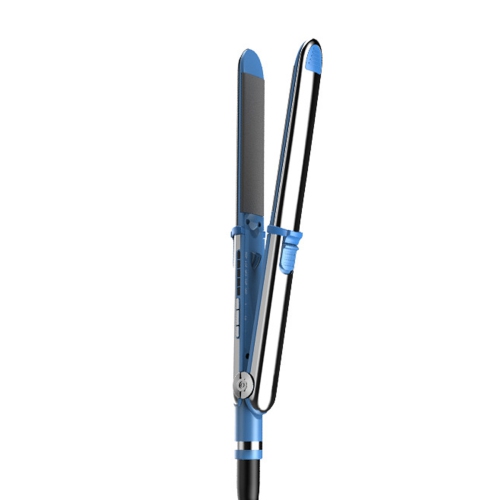
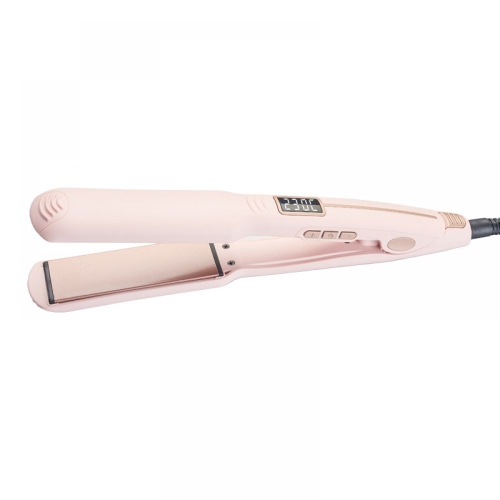
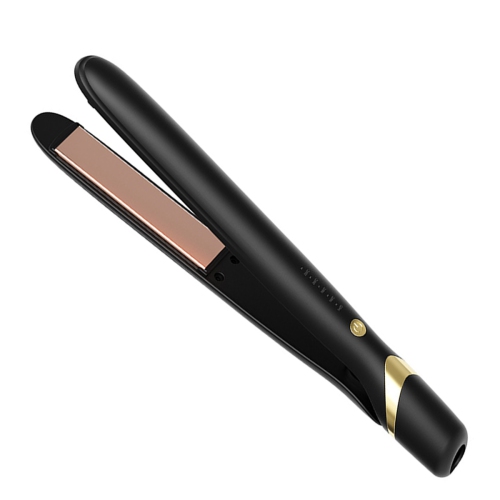
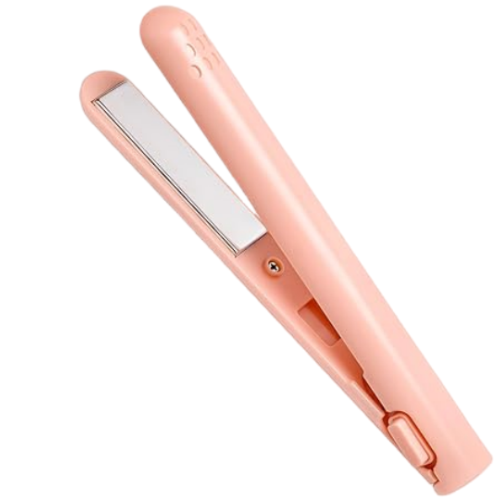
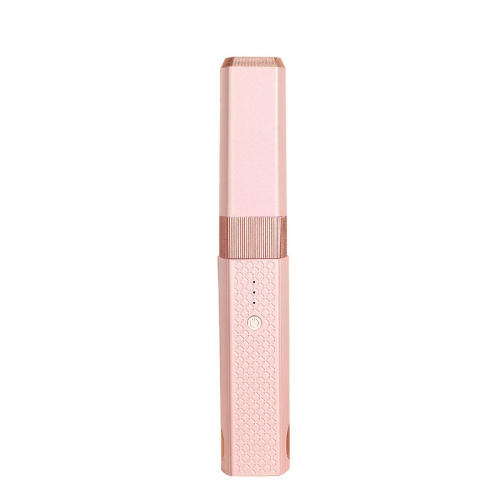
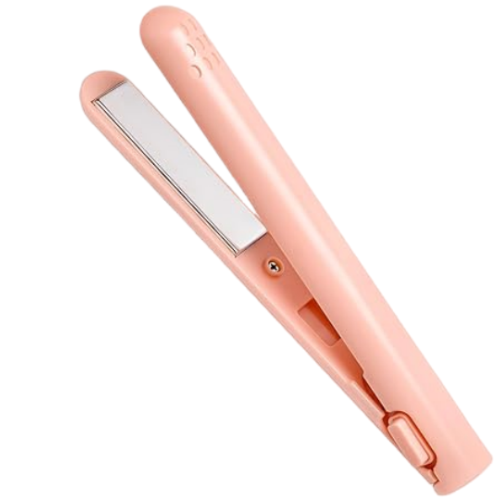
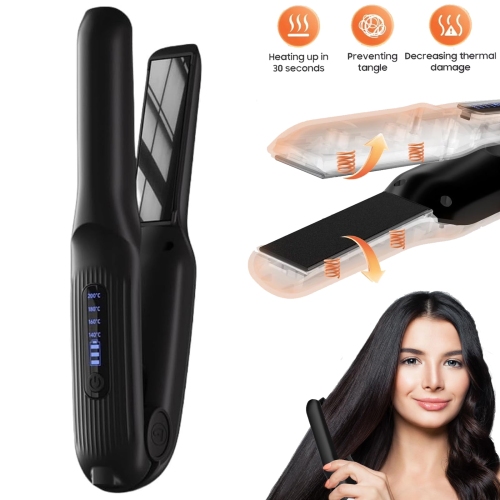
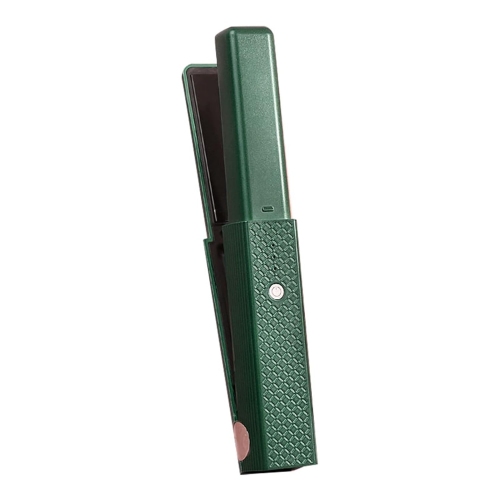
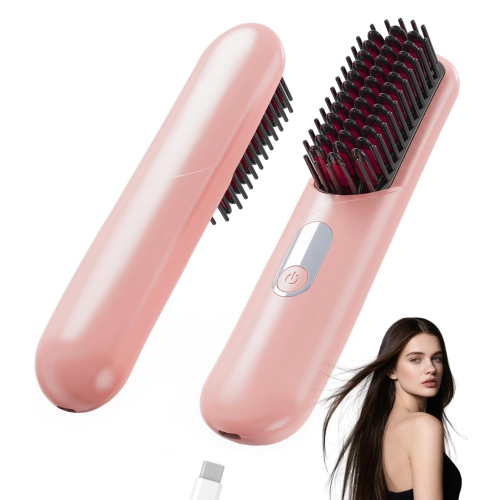
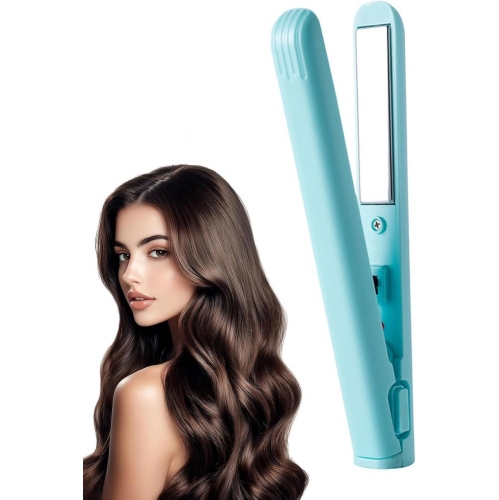
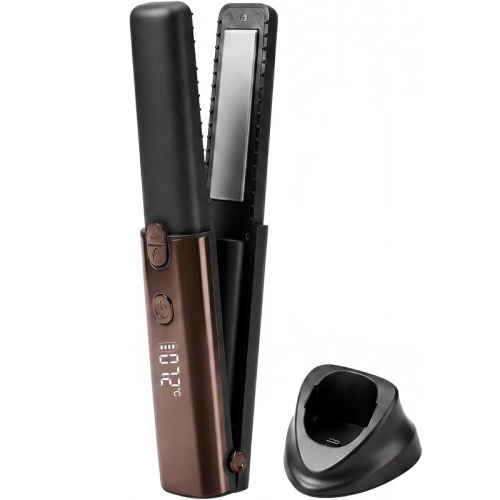
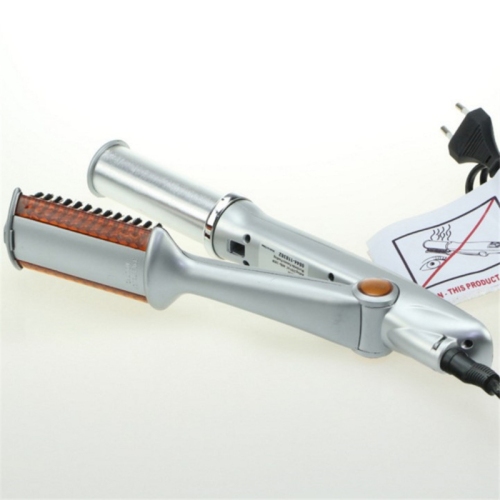
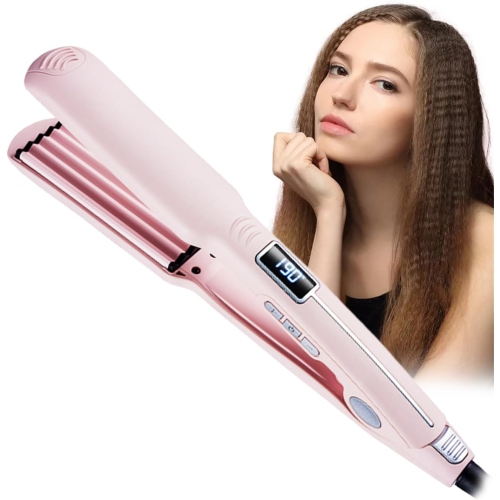
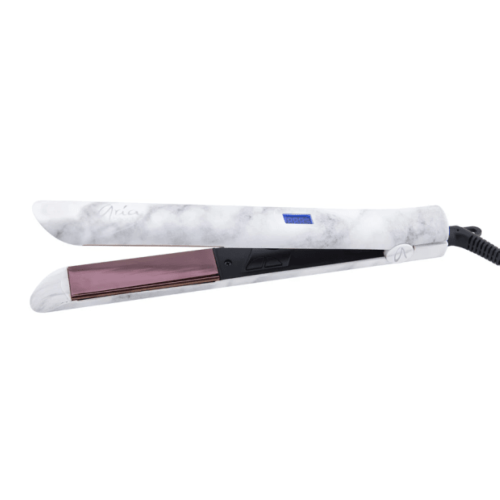
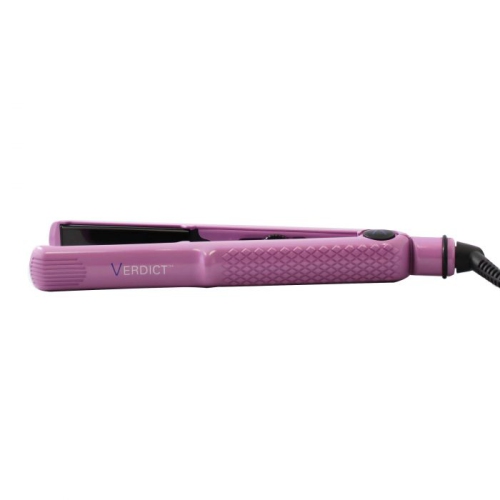
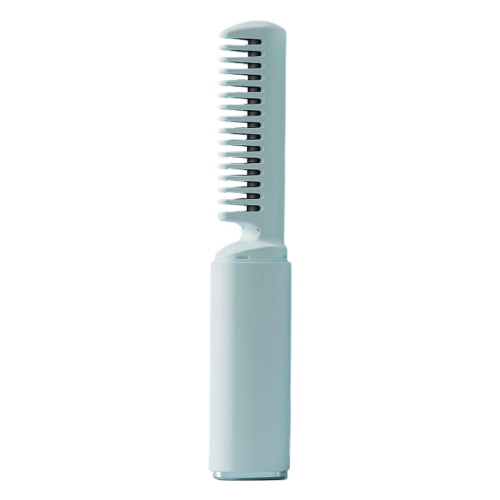
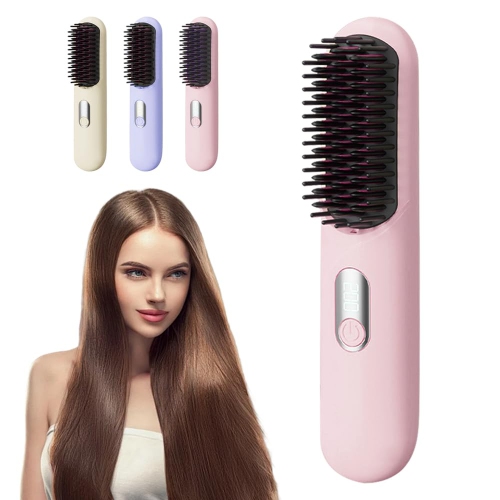
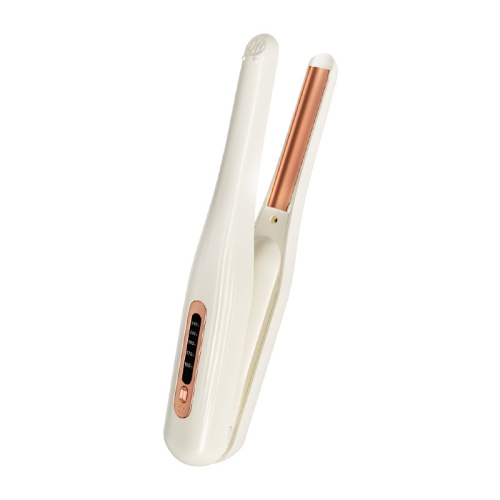
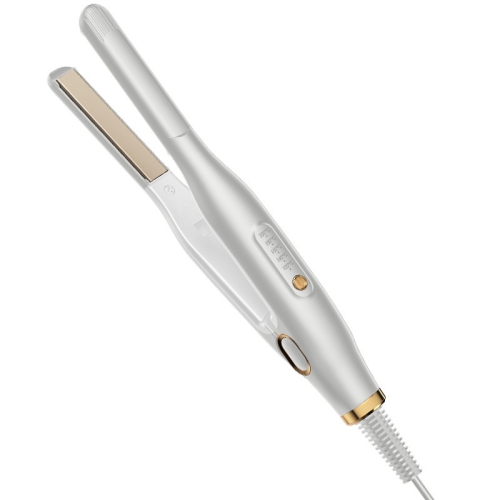
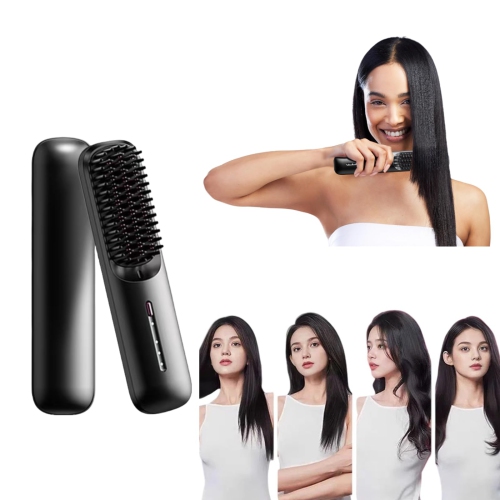
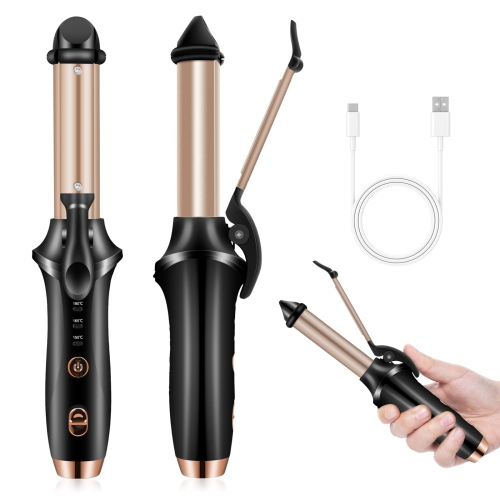
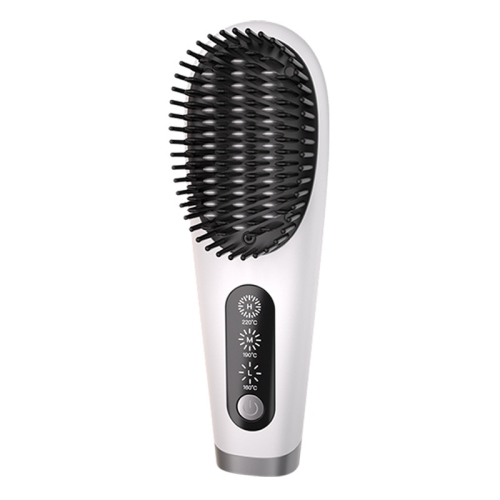
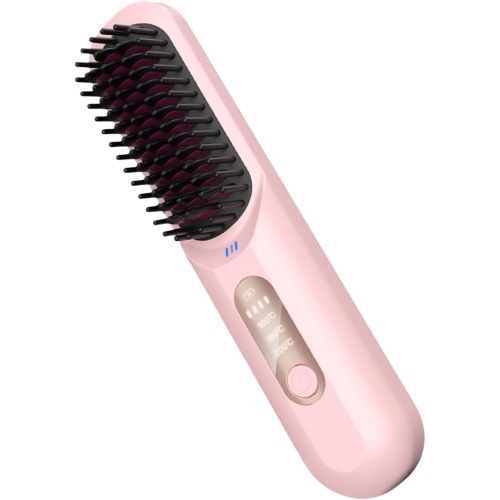
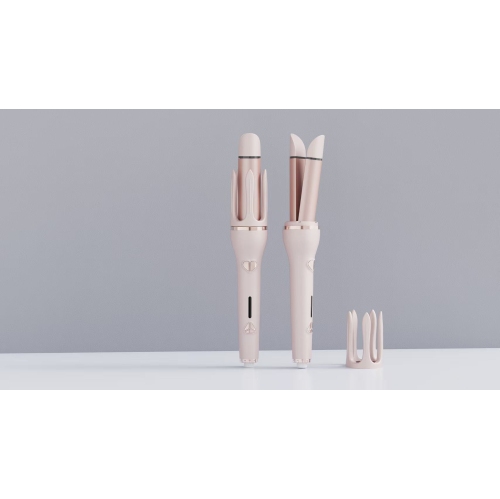
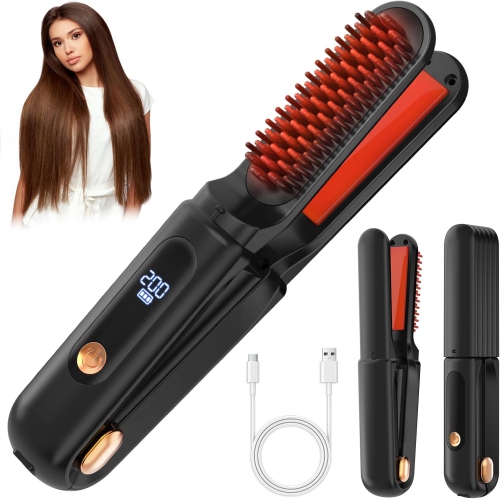
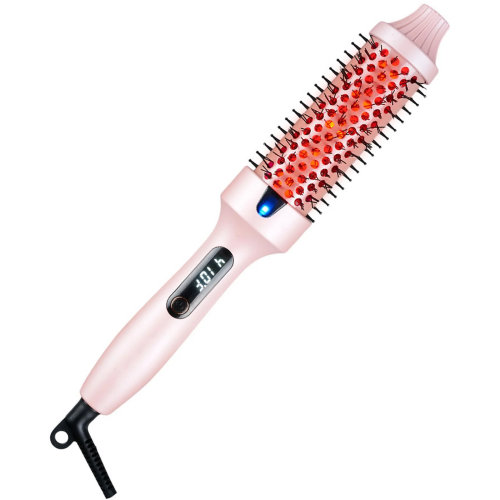
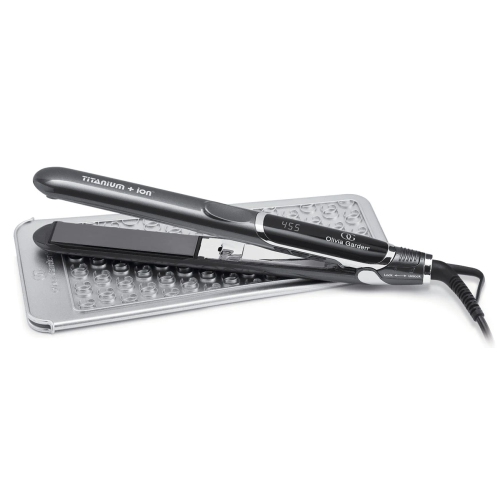
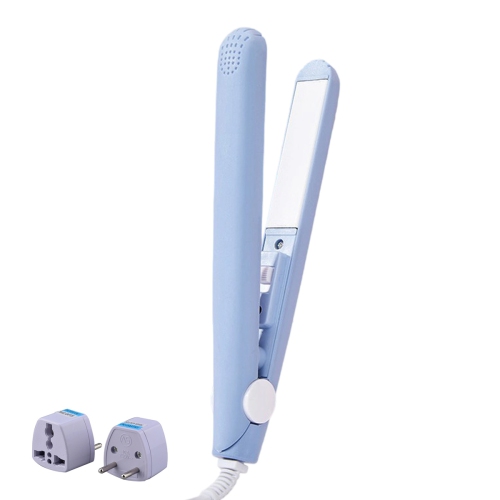
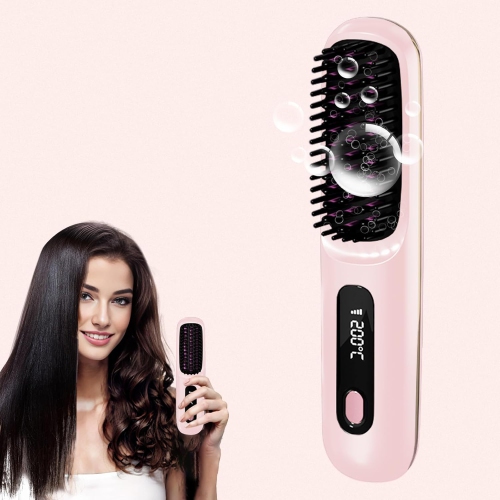
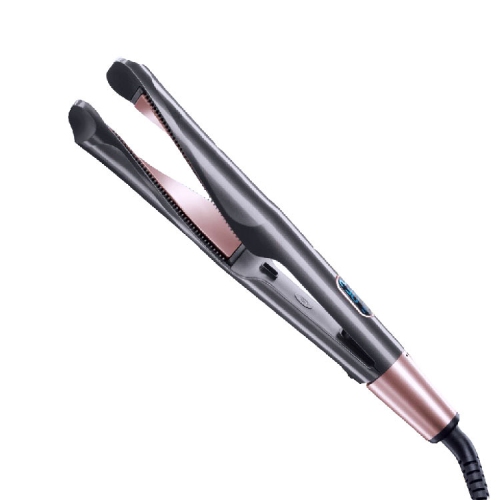
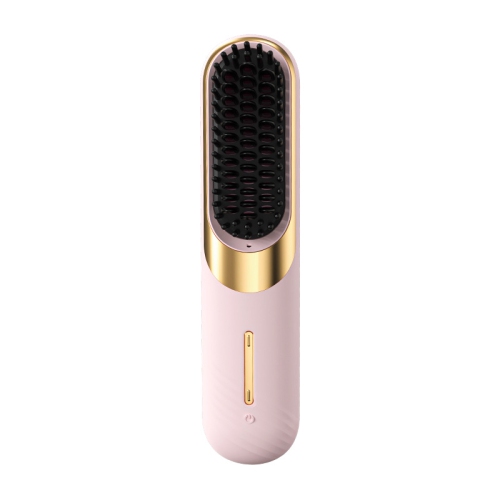
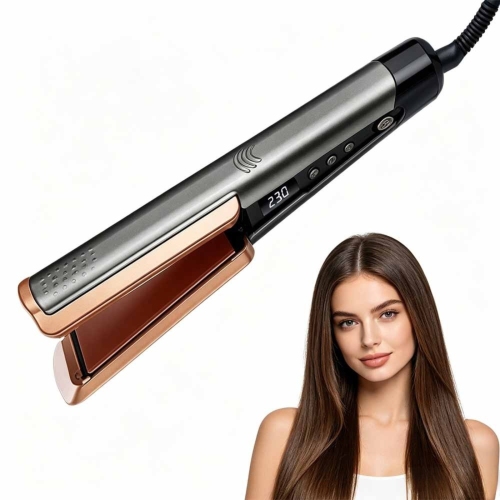
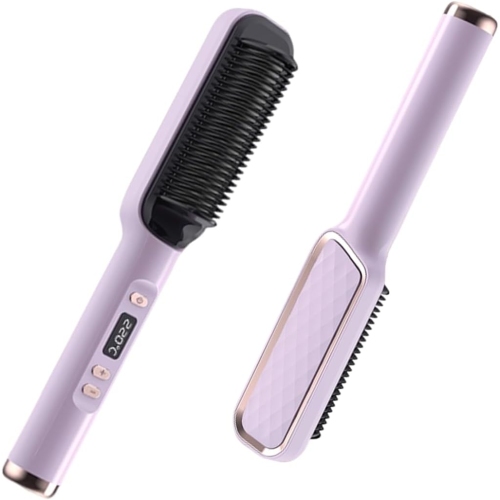
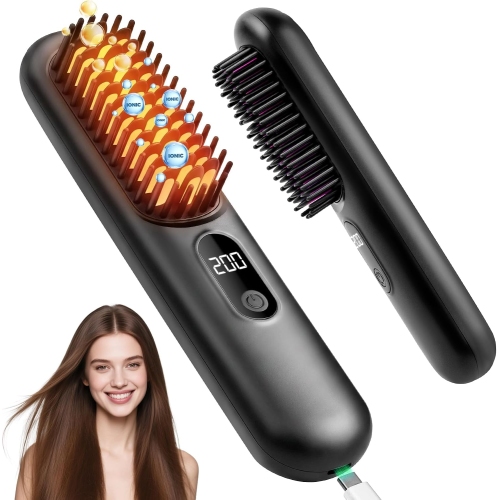
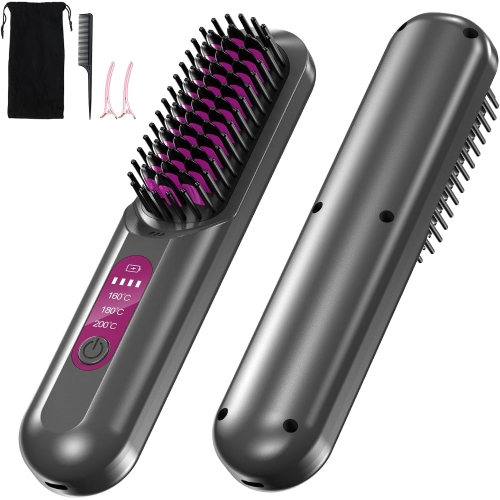
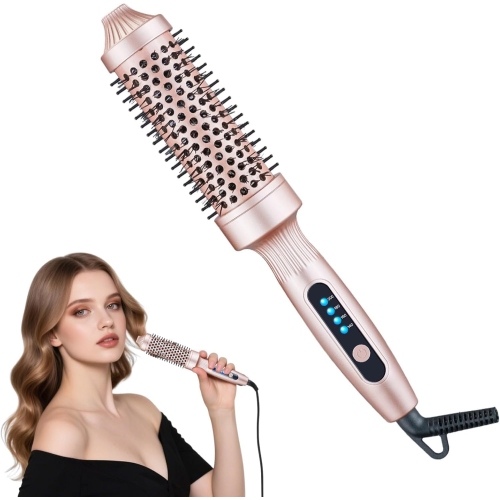
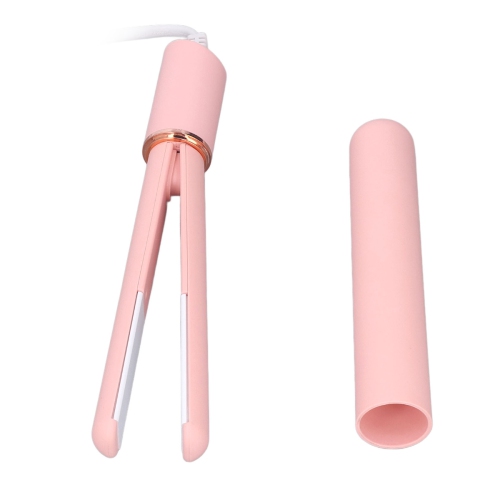
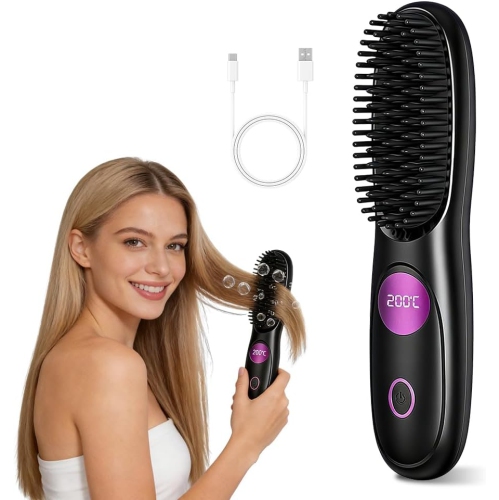
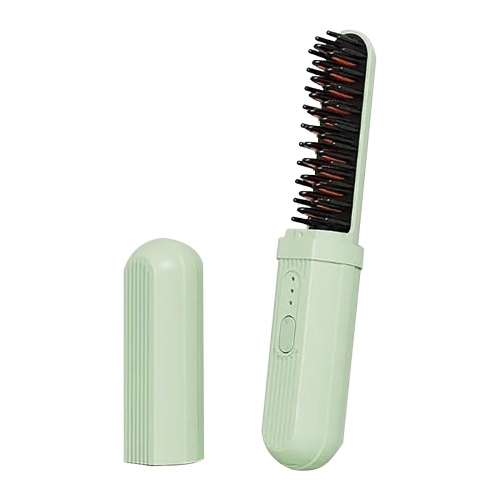
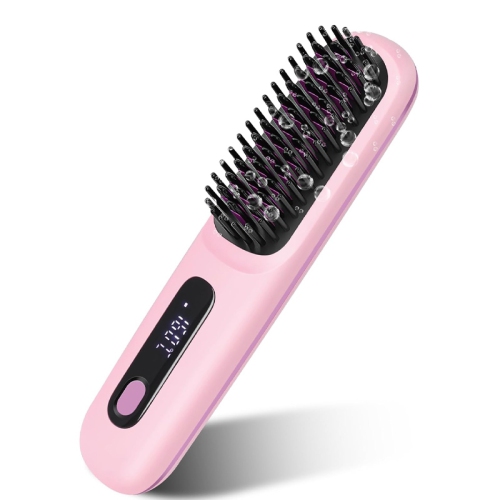
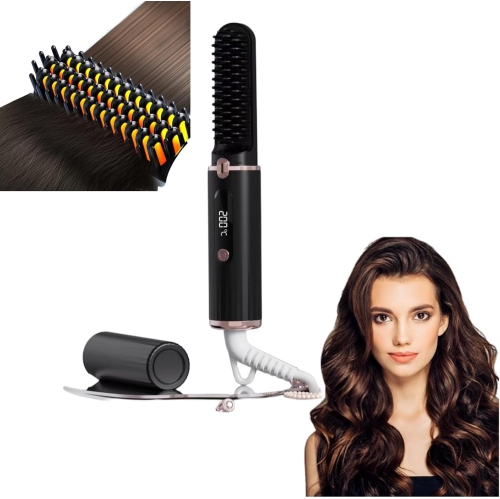
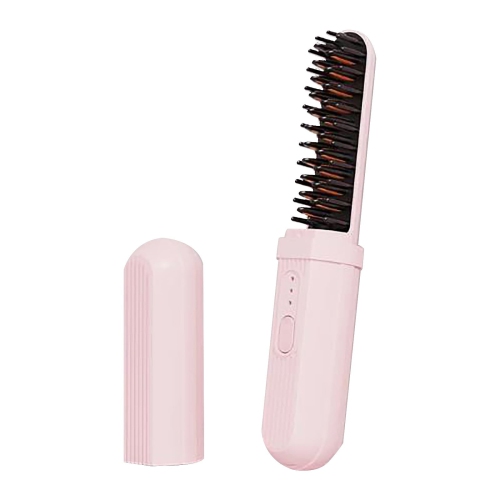
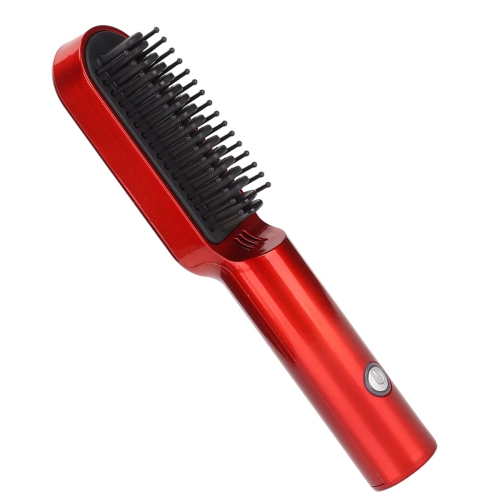
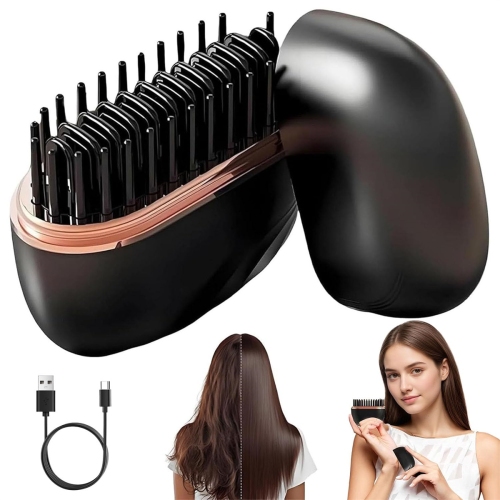
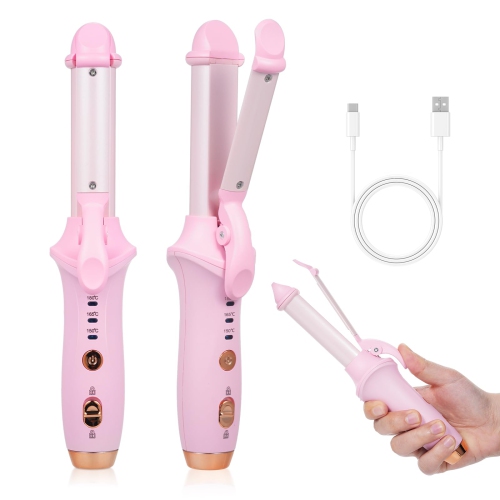
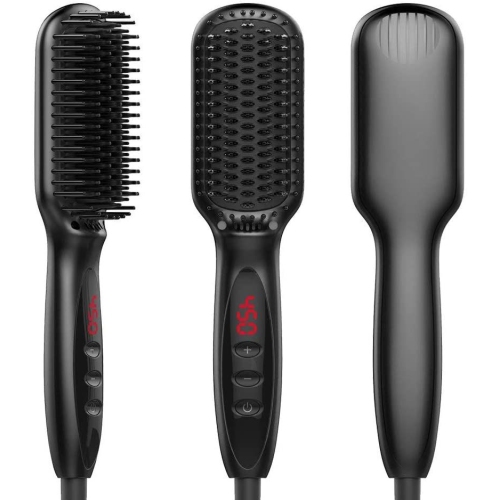
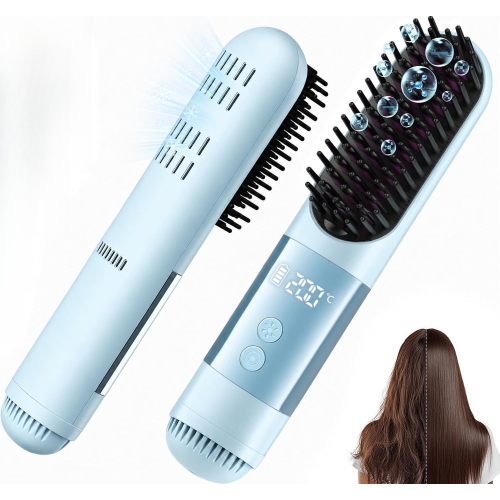
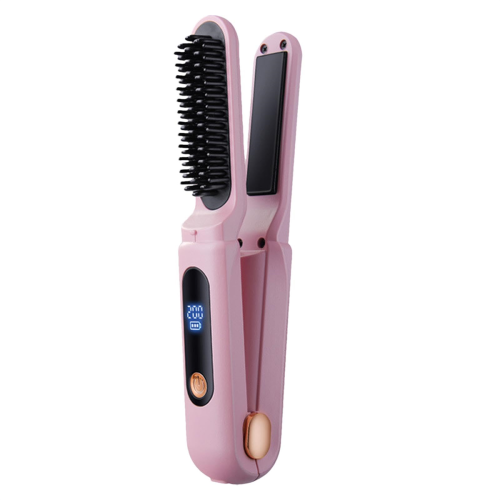
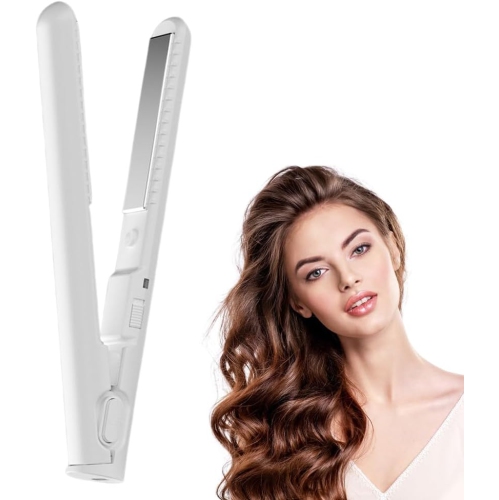
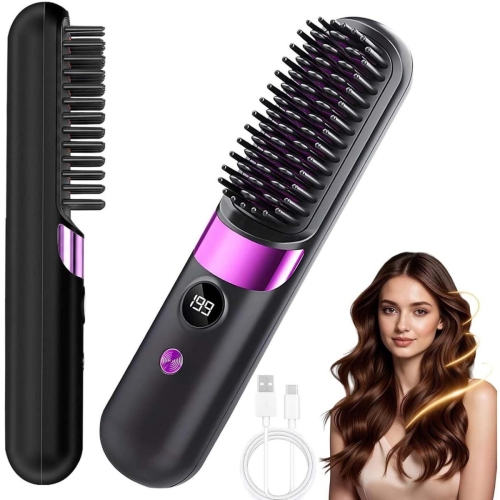
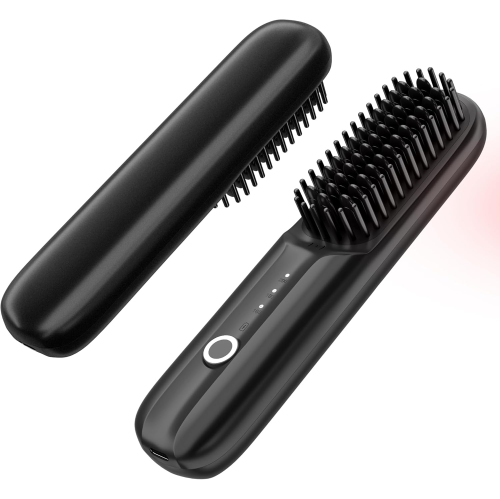
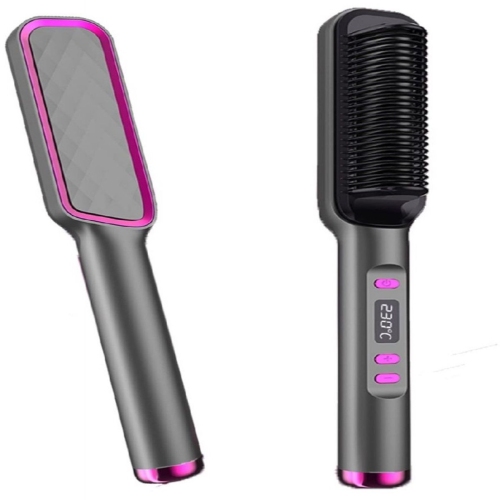
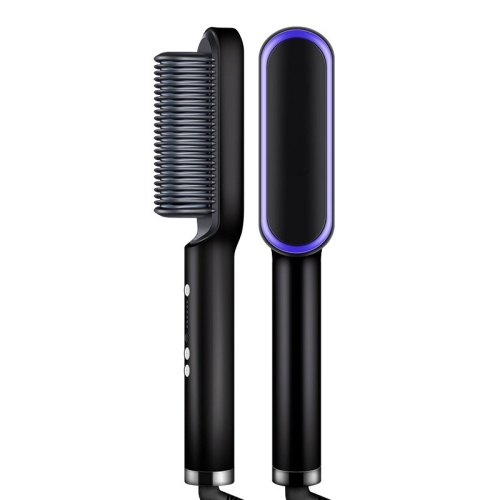
Straighteners for short hair work best when the plate width, shape, and controls suit the length being styled. For pixie cuts, close-cropped layers, and bangs, narrow plates measuring about 0.3 to 0.5 inch wide can offer more precise access to small sections than wider plates. Often described as mini or pencil flat irons, these tools can reach shorter strands that may be difficult to position between full-size plates. Narrow plates do not remove the risk of burns, however; there still needs to be enough hair to keep the heated surfaces away from the scalp, ears, and fingers. A chin-length bob may suit a slightly wider plate, particularly when the goal is smoothing larger sections rather than detailing a fringe. The word “mini” can refer to the overall size of the tool rather than its plate width, so both measurements matter. A compact body with wide plates will feel different from a slim pencil straightener with a longer handle. Short hair also benefits from a clear view of the section being styled and a grip that feels steady without requiring a hard squeeze. Lightweight construction, accessible controls, and a swivel cord can make it easier to work around the back of the head or change direction near the temples. Rounded outer edges can support a soft bend at the ends, while a flatter profile may suit a sleek, straight finish. For a side-swept fringe, a small turn of the wrist can create a gentle curve instead of a rigid line. On a cropped cut, the same precision can help direct longer pieces across the forehead or smooth a section that sits apart from the rest. These details make short-hair straighteners useful for full styling sessions as well as small touch-ups, without requiring every strand to be pressed completely flat.
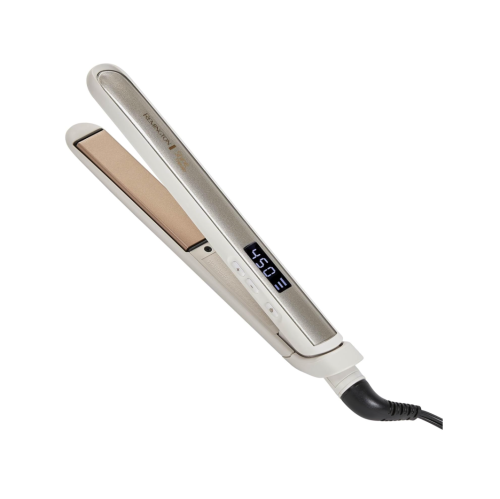
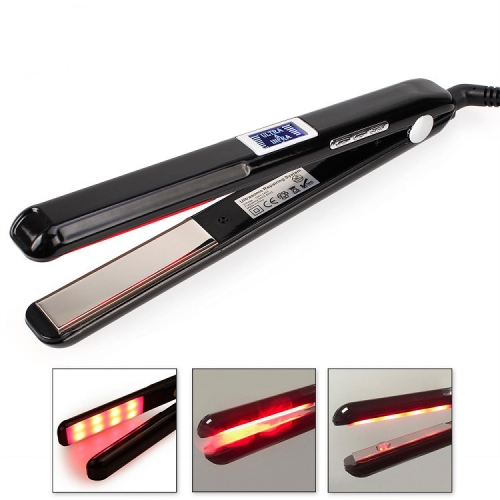
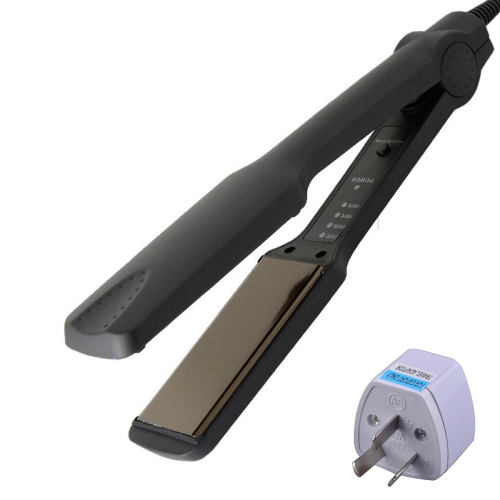
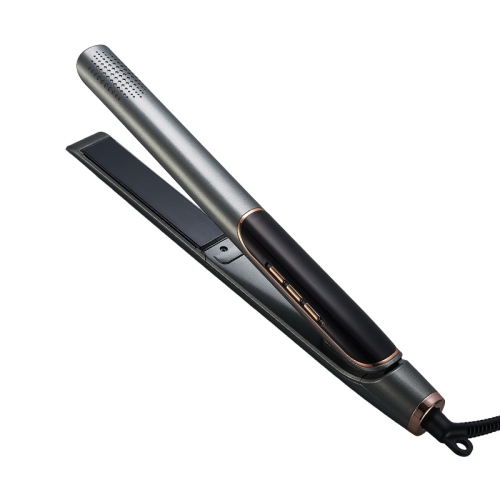
Plate materials influence how a straightener heats, glides, and holds up with use. Ceramic plates are commonly chosen for their smooth surface and even heat distribution, although performance depends on the tool’s construction and temperature control. Ceramic-coated plates have a surface layer over another material, so keeping that coating clean and free from damage matters. Titanium plates generally heat quickly and transfer heat efficiently, which can suit some thicker or more resistant textures but requires care on fine or fragile hair. No plate material makes excessive heat harmless. Floating plates, which move slightly as they close around a section, can help maintain contact without needing to clamp down firmly. Smooth plate edges and even alignment also matter on short hair, where a snag near the root can be especially uncomfortable. Hair texture is as important as length: a fine pixie cut and a dense, curly crop may need similar plate widths but quite different heat settings. Adjustable temperature controls offer more flexibility than a single fixed setting, particularly for colour-treated, lightened, or easily damaged strands. A clear display can make settings easier to check, while a control lock can help prevent an accidental change during styling. For short hair with a stronger curl pattern, Straighteners for Curly Hair offers a related category to consider alongside plate size and handling. A higher maximum temperature is not, by itself, a reason to choose a tool; controlled heat appropriate to the hair’s condition is more useful than unused power. Fully dry, detangled hair and a heat protectant used according to its directions provide a sensible foundation for styling. Any moisture from styling products should have time to dry before the plates touch the hair. Small, manageable sections allow more consistent contact, while repeated passes over the same fragile ends can add unnecessary heat exposure.
Everyday convenience often comes down to features that are easy to overlook until a straightener becomes part of a regular routine. A comfortable handle and a hinge that opens smoothly can make a difference when styling short layers at awkward angles. Controls positioned away from the natural grip are less likely to be pressed unintentionally, and a cord with enough reach helps avoid an uncomfortable stance beside the mirror. Automatic shut-off adds a useful safety feature, but it does not replace switching the tool off, unplugging it after use, and keeping hot surfaces away from skin and household items. A suitable heat-resistant mat provides a designated resting place during styling; a storage pouch should only be used with a hot tool if it is specifically designed for that purpose. Straighteners belong away from sinks, baths, and other sources of water, even when unplugged. For durability, clean plates are worth attention: styling-product residue can interfere with glide and leave the surface feeling less smooth. Once the tool is unplugged and completely cool, cleaning should follow the manufacturer’s directions, without abrasive pads or soaking. Worn coatings, rough edges, a damaged cord, or an unreliable hinge are reasons to stop using the tool and assess its condition. Loosely arranged cord storage avoids the strain caused by wrapping the cable tightly around the handle. For travel, a compact straightener can be practical for maintaining a fringe or smoothing a bob, but small size does not automatically mean dual-voltage compatibility. The voltage rating needs to match the destination’s electrical supply, and a plug adapter alone does not convert voltage. For someone choosing a gift, the recipient’s haircut, texture, and usual styling habits are more useful starting points than the smallest tool or the highest heat setting. Someone who enjoys a sleek cropped style may value precision and adjustable heat, while a person with a softly shaped bob may prefer rounded edges and a comfortable full-length handle. The most suitable straightener balances access to short strands with controlled heat, smooth contact, and handling that feels manageable throughout the styling routine.
Top selling and popular products
-
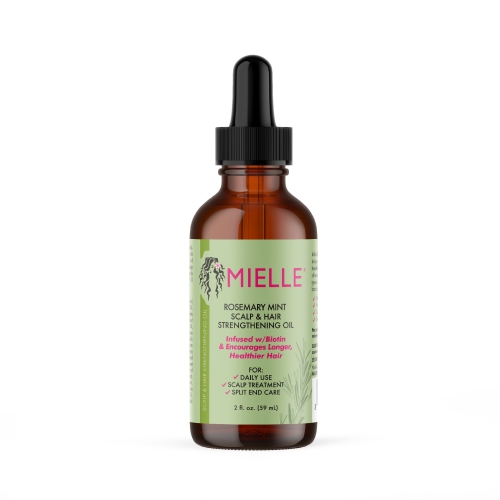 Your price for this item is $15.99
-
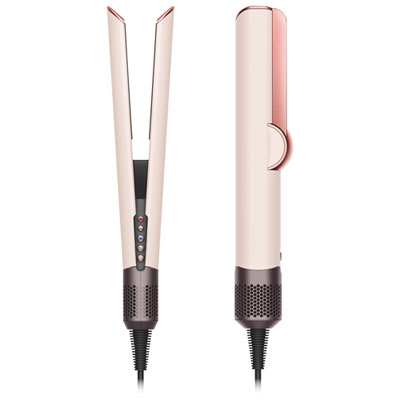 Your price for this item is $699.99
-
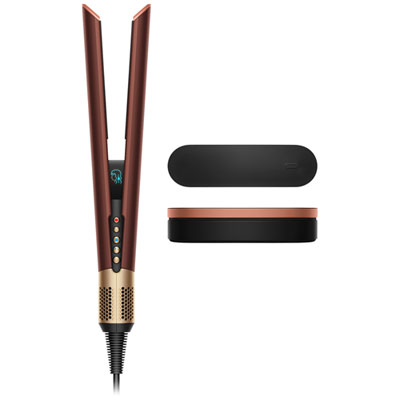 Your price for this item is $699.99
-
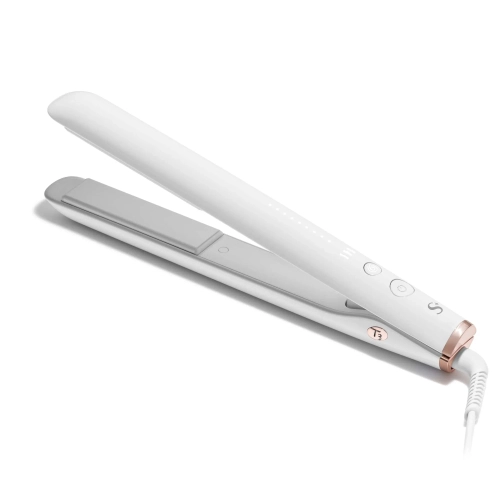 Your price for this item is $269.95
-
 Your price for this item is $649.99
-
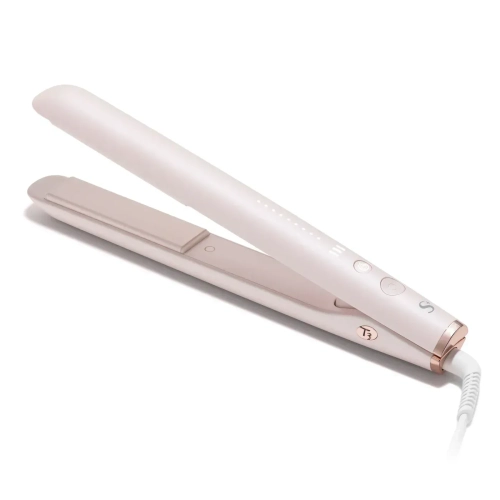 Your price for this item is $289.95
-
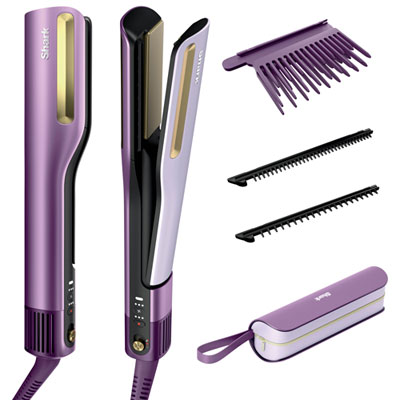 Your price for this item is $299.99
-
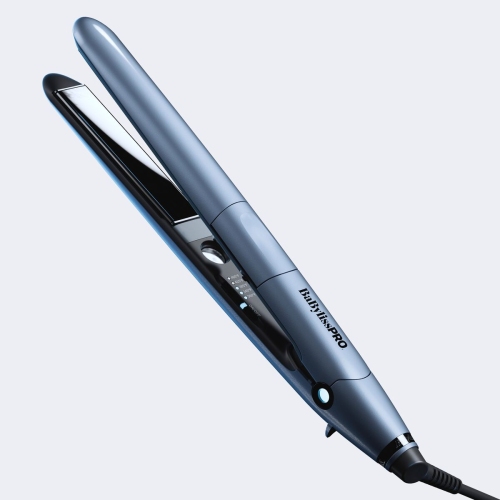 Your price for this item is $229.99
Discover more categories related to Straighteners for Short Hair
Top Collections:
Best Black Friday Deals This Year, Best Black Friday Deals On Electronics, Kindle Devices, Pokemon Centers, Best Black Friday Deals On Apple Products, Best Cameras for Sports Photography, Dyson Airwrap, Pokémon 30th Celebration Cards, Apple iPhone 17 Pro, Canon G7X Cameras
Some products may be subject to Environmental Handling Fees
(EHF) depending on your province.
Learn more about EHFs.