Dandruff Shampoos
Are you tired of dealing with pesky flakes and an itchy scalp? Look no further! Our extensive range of dandruff shampoos is designed to combat this common hair condition, leaving your scalp feeling refreshed and revitalized. Whether you're looking for a gentle formula for everyday use or a targeted treatment for stubborn dandruff, we have the perfect solution to help you regain your confidence and enjoy healthier, flake-free hair. Say goodbye to those embarrassing white flakes and hello to a cleaner, more comfortable scalp with our selection of dandruff shampoos.
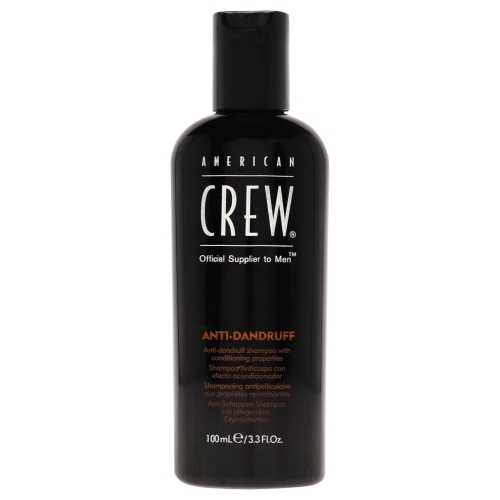
Why scalp flakes call for different active ingredients
Dandruff shampoos are formulated to help manage visible scalp flakes and, depending on the formula, itching associated with dandruff. Unlike shampoos designed mainly to remove oil and styling residue, medicated dandruff shampoos contain active ingredients that address factors involved in flaking or help loosen accumulated scales. Dandruff is often associated with a scalp’s response to Malassezia, a yeast that naturally lives on the skin, rather than poor hygiene. It can affect oily scalps as well as scalps that feel dry, so a tight sensation after washing and flakes on a dark sweater do not always call for the same formula. The most suitable anti-dandruff shampoo depends on the active ingredient, the symptoms it is labelled to treat, and how comfortably it fits into a regular hair-washing routine. Ketoconazole is an antifungal ingredient used to target yeast associated with dandruff. Selenium sulfide helps control dandruff through effects on yeast and the shedding of scalp cells, while zinc pyrithione has antifungal activity and is used in formulas intended to manage dandruff and related irritation. Salicylic acid works differently: it helps loosen and lift scaly buildup rather than serving primarily as an antifungal treatment. These ingredients are not interchangeable, and a higher concentration does not automatically make a shampoo a better match. The complete formula, labelled uses, and directions matter alongside the active ingredient. For someone noticing loose flakes at the hairline, a formula suited to regular use may fit the routine; for someone dealing with persistent, adherent scales, the appropriate ingredient and contact time deserve particular attention. Not all scalp flaking is dandruff, however. Dry skin, reactions to hair products, psoriasis, and other scalp conditions can look similar. A shampoo’s label can clarify its intended use, but persistent symptoms, marked redness, sores, or patchy hair loss warrant advice from a pharmacist or healthcare professional rather than repeated changes of shampoo.
Hair texture, scalp sensitivity, and existing treatments all influence how a dandruff shampoo feels in use. A scalp can be oily while the hair’s mid-lengths and ends are dry, particularly with longer hair, curls, or frequent heat styling. In that situation, cleansing and treating the scalp need not mean repeatedly scrubbing the full length of the hair. A formula with conditioning ingredients may leave lengths easier to detangle, while a lighter texture may suit fine hair that loses volume easily. Humectants such as glycerin help attract moisture, and conditioning agents can reduce friction between strands, but these supporting ingredients do not replace a labelled dandruff treatment. Fragrance is another practical consideration: a noticeable scent may be welcome in a wash routine, while fragrance-free formulas may better suit someone who knows fragrance irritates their skin. Descriptions such as “gentle” or “sulfate-free” do not, on their own, establish whether a shampoo will control dandruff or suit a sensitive scalp. Sulfates are cleansing agents, not a measure of a formula’s treatment strength, and tolerability depends on the formulation as a whole. Colour-treated, bleached, permed, or chemically straightened hair calls for a closer look at compatibility statements and warnings. Some medicated formulas have specific precautions relating to treated or light-coloured hair, making thorough rinsing and label directions especially important. For dense curls or tightly coiled hair, the ease of distributing shampoo directly across the scalp can matter as much as how much lather it produces. Short hair may make application simpler, but it does not change the need to follow the stated amount and washing frequency. Adults and teens may use dandruff shampoos where the label permits, while products for children require age-appropriate directions and professional advice when there is uncertainty. An adult dandruff formula should not be assumed suitable for a baby’s cradle cap. During the cooler months, indoor heating and frequent hat wear may change how the scalp feels; that is a reason to pay attention to comfort and rinse thoroughly, not to increase treatment frequency beyond the label.
A workable routine gives a dandruff shampoo enough opportunity to do its intended job without treating every wash as a deep scrub. Many medicated shampoos need to remain on the scalp for a stated period before rinsing, and that contact time varies by formula. Applying shampoo and immediately washing it away may not follow the treatment directions, while leaving it on longer than instructed can increase irritation without providing additional benefit. Gentle fingertip massage helps distribute the product; scratching with fingernails or vigorously scraping scales can aggravate tender skin. Thorough rinsing matters around the hairline, behind the ears, and beneath dense hair, where residue is easy to miss. Conditioner can then be applied as appropriate for the hair type, often concentrating on the mid-lengths and ends unless its directions specify scalp use. When a treatment schedule allows a separate cleanser between medicated washes, Daily Shampoos can fit that cleansing role, although ordinary shampoo should not be expected to provide the same action as a medicated dandruff formula. Some treatments have different directions for an initial course and ongoing maintenance, so frequency should come from the label rather than an assumption that more washing means faster results. Using several medicated shampoos together can also make irritation harder to trace; a pharmacist can help clarify an appropriate approach when symptoms are not settling. Results are not necessarily immediate, and the labelled treatment period provides a more useful benchmark than the appearance of the scalp after a single wash. Stop use and seek advice if a shampoo causes a rash, worsening irritation, or another suspected reaction. For everyday handling, a bottle that is easy to grip with wet hands and a closure that dispenses a manageable amount can make application less awkward. Keep the cap closed, follow storage instructions, and check expiry dates on medicated formulas. Consistent use, comfortable hair care, and attention to changes in the scalp matter more than a strong scent, abundant foam, or an unusually intense cleansing sensation.
Hair texture, scalp sensitivity, and existing treatments all influence how a dandruff shampoo feels in use. A scalp can be oily while the hair’s mid-lengths and ends are dry, particularly with longer hair, curls, or frequent heat styling. In that situation, cleansing and treating the scalp need not mean repeatedly scrubbing the full length of the hair. A formula with conditioning ingredients may leave lengths easier to detangle, while a lighter texture may suit fine hair that loses volume easily. Humectants such as glycerin help attract moisture, and conditioning agents can reduce friction between strands, but these supporting ingredients do not replace a labelled dandruff treatment. Fragrance is another practical consideration: a noticeable scent may be welcome in a wash routine, while fragrance-free formulas may better suit someone who knows fragrance irritates their skin. Descriptions such as “gentle” or “sulfate-free” do not, on their own, establish whether a shampoo will control dandruff or suit a sensitive scalp. Sulfates are cleansing agents, not a measure of a formula’s treatment strength, and tolerability depends on the formulation as a whole. Colour-treated, bleached, permed, or chemically straightened hair calls for a closer look at compatibility statements and warnings. Some medicated formulas have specific precautions relating to treated or light-coloured hair, making thorough rinsing and label directions especially important. For dense curls or tightly coiled hair, the ease of distributing shampoo directly across the scalp can matter as much as how much lather it produces. Short hair may make application simpler, but it does not change the need to follow the stated amount and washing frequency. Adults and teens may use dandruff shampoos where the label permits, while products for children require age-appropriate directions and professional advice when there is uncertainty. An adult dandruff formula should not be assumed suitable for a baby’s cradle cap. During the cooler months, indoor heating and frequent hat wear may change how the scalp feels; that is a reason to pay attention to comfort and rinse thoroughly, not to increase treatment frequency beyond the label.
A workable routine gives a dandruff shampoo enough opportunity to do its intended job without treating every wash as a deep scrub. Many medicated shampoos need to remain on the scalp for a stated period before rinsing, and that contact time varies by formula. Applying shampoo and immediately washing it away may not follow the treatment directions, while leaving it on longer than instructed can increase irritation without providing additional benefit. Gentle fingertip massage helps distribute the product; scratching with fingernails or vigorously scraping scales can aggravate tender skin. Thorough rinsing matters around the hairline, behind the ears, and beneath dense hair, where residue is easy to miss. Conditioner can then be applied as appropriate for the hair type, often concentrating on the mid-lengths and ends unless its directions specify scalp use. When a treatment schedule allows a separate cleanser between medicated washes, Daily Shampoos can fit that cleansing role, although ordinary shampoo should not be expected to provide the same action as a medicated dandruff formula. Some treatments have different directions for an initial course and ongoing maintenance, so frequency should come from the label rather than an assumption that more washing means faster results. Using several medicated shampoos together can also make irritation harder to trace; a pharmacist can help clarify an appropriate approach when symptoms are not settling. Results are not necessarily immediate, and the labelled treatment period provides a more useful benchmark than the appearance of the scalp after a single wash. Stop use and seek advice if a shampoo causes a rash, worsening irritation, or another suspected reaction. For everyday handling, a bottle that is easy to grip with wet hands and a closure that dispenses a manageable amount can make application less awkward. Keep the cap closed, follow storage instructions, and check expiry dates on medicated formulas. Consistent use, comfortable hair care, and attention to changes in the scalp matter more than a strong scent, abundant foam, or an unusually intense cleansing sensation.
Top selling and popular products
-
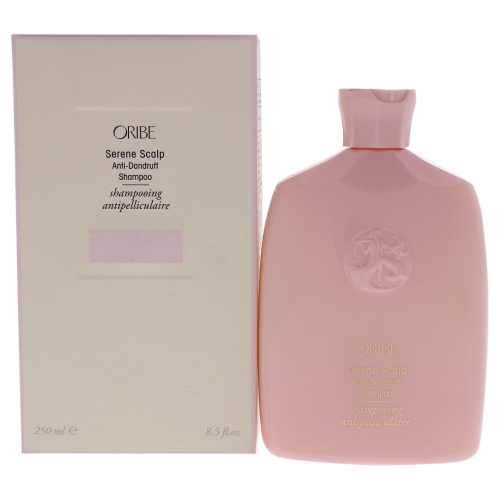 Your price for this item is $72.53
 -
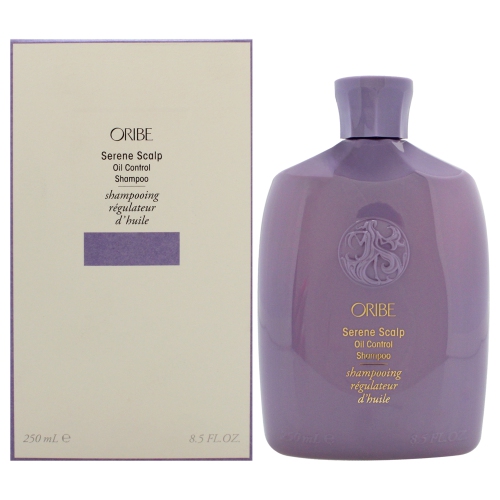 Your price for this item is $76.09
 -
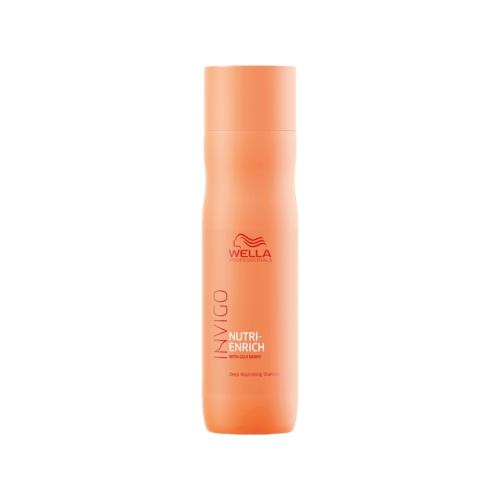 Your price for this item is $16.5
 -
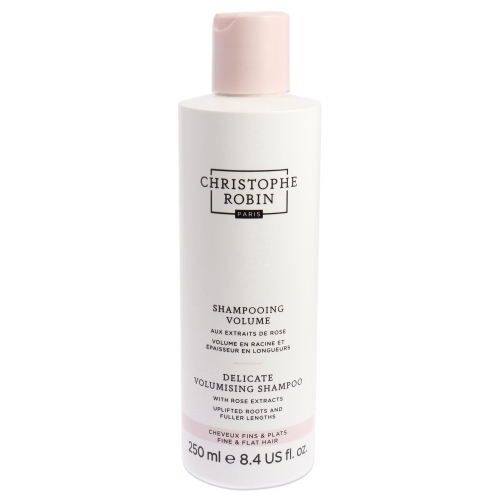 Your price for this item is $45.52
 -
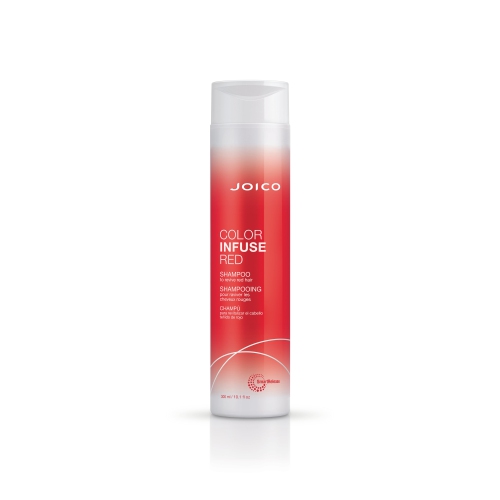 Your price for this item is $16.99
 -
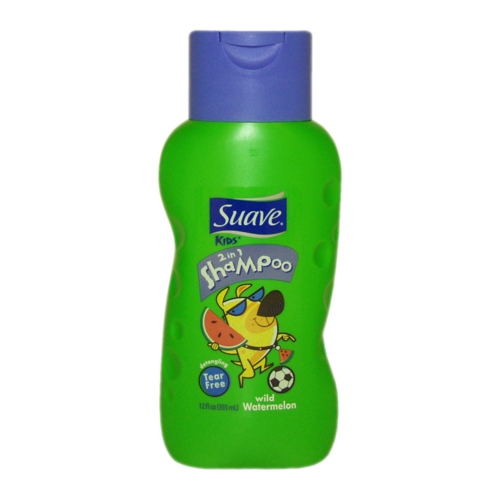 Your price for this item is $13.77
 -
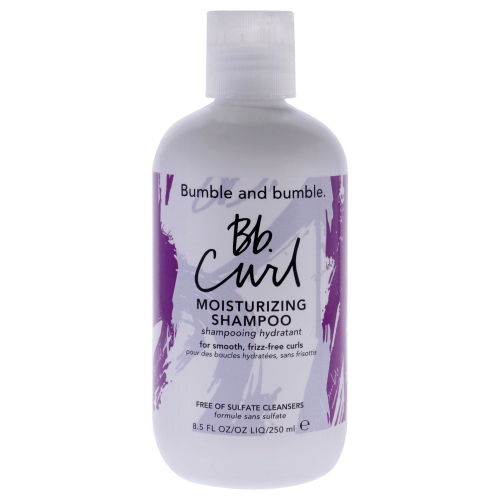 Your price for this item is $41.5
 -
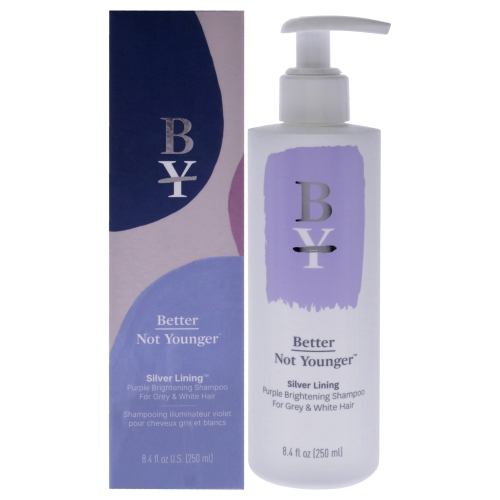 Your price for this item is $32.73
Discover more categories related to Dandruff Shampoos
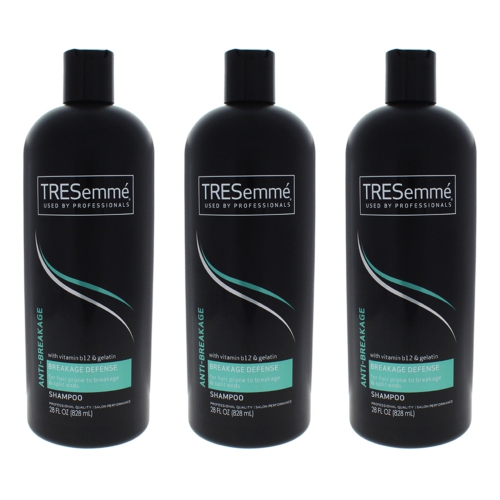
Top Collections:
Pokemon Centers, Kindle Devices, Best Budget Office Chairs, Apple iPhones 16, Best Laptops for Writers, iPhone 15 Apple, Canon G7X Cameras, Refurbished Apple Laptops, Alarm Clock, Motorola Razr Phones
Some products may be subject to Environmental Handling Fees
(EHF) depending on your province.
Learn more about EHFs.