Scalp Treatment Shampoos
For those seeking to revitalize their hair care routine, our selection of scalp treatment shampoos offers a range of solutions to address various scalp concerns. From soothing dry, itchy scalps to promoting overall scalp health, these specialized shampoos are formulated with nourishing ingredients to help you achieve a healthy and balanced scalp. Whether you're dealing with dandruff, excess oil production, or simply looking to improve the condition of your scalp, our curated collection of scalp treatment shampoos provides options to cater to your specific needs.
Sort
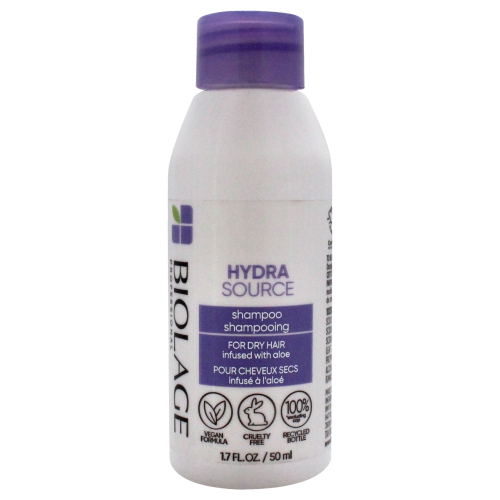

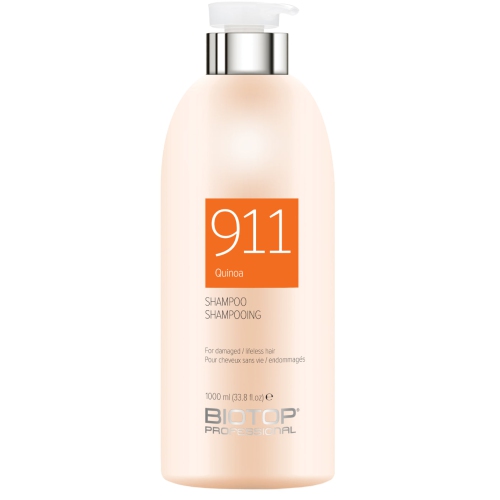
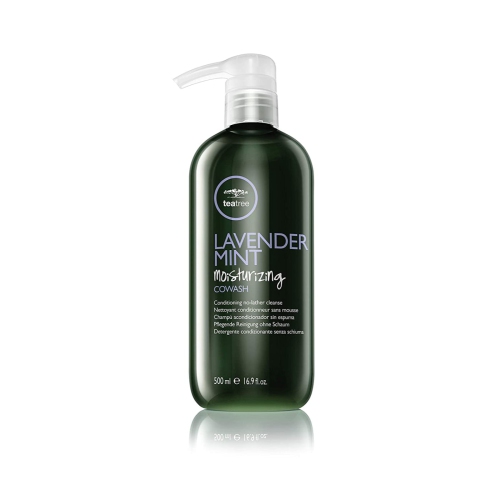
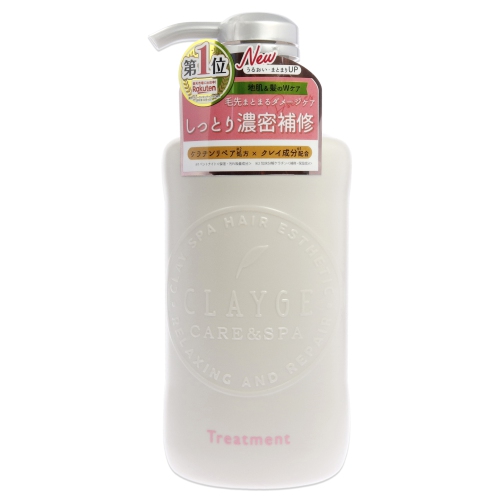
Why different scalp concerns need different shampoo formulas
Scalp treatment shampoos are cleansing products formulated to address concerns at the roots, including excess oil, styling residue, visible flakes, and scalp discomfort. Unlike shampoos chosen mainly for shine or softness, these formulas put scalp care at the centre of the wash routine while still cleansing the hair. The category includes clarifying shampoos for buildup, exfoliating shampoos that help loosen dead skin, gentle formulas for sensitive scalps, and medicated anti-dandruff shampoos with targeted active ingredients. These types serve different purposes: a deep-cleansing formula for roots weighed down by dry shampoo is not necessarily the same as a treatment for recurring dandruff. Clarifying formulas help remove accumulated oil and product residue, while ingredients such as salicylic acid can help loosen scaly buildup. Some medicated dandruff shampoos contain antifungal ingredients, such as ketoconazole, that act on yeast associated with dandruff; their intended use and frequency are set out on the label. Moisturizing ingredients such as glycerin help attract water, and conditioning ingredients can improve the feel of hair after cleansing. Oat-derived ingredients may appear in formulas designed for scalp comfort, although suitability depends on the complete formula and individual sensitivities. Charcoal, botanical extracts, and oils also appear in this category, but an ingredient name alone does not establish how effectively a shampoo will address a particular concern. Visible flakes can have different causes, and a dry-feeling scalp does not automatically need the same care as an oily scalp with persistent flaking. Itching alone is not enough to identify dandruff, either. For everyday shopping, the most useful distinctions are what the shampoo is intended to do, whether it is medicated, and how its directions fit into an existing routine. Someone who uses styling paste near the roots may want help lifting residue, while someone whose scalp feels uncomfortable after strongly fragranced washes may prefer a simpler, fragrance-free formula. A shampoo’s cleansing strength, active ingredients, and hair compatibility matter more than how much foam it produces or whether it creates a tingling sensation.
The right scalp treatment shampoo also needs to work with the hair attached to that scalp. Fine hair can look flat when oil gathers at the roots, so a formula that rinses away cleanly without leaving a heavy coating may suit someone seeking a lighter finish. Thick, curly, and coily hair can require more attention to how easily the cleanser spreads through the roots and how the lengths feel afterwards. A person with oily roots and dry ends may benefit from concentrating the shampoo on the scalp, letting the rinse carry it through the lengths, and applying a suitable conditioner where the hair needs softness. Hair that has been coloured, bleached, chemically straightened, or permed brings another consideration: treatment strength must be balanced with compatibility. Colour-safe claims and directions for chemically treated hair are useful details to check, particularly with clarifying or medicated formulas. Sulphate-free shampoos may appeal to some shoppers, but the absence of sulphates does not guarantee a gentler wash; the full cleansing system and personal tolerance still matter. Liquid, cream, and gel textures can all deliver scalp cleansing, with differences in spreadability, richness, and ease of rinsing. Exfoliating shampoos may use dissolving ingredients or physical particles, and a scrub texture is not automatically the best choice for a tender scalp. Vigorous rubbing can add irritation rather than improve the result. Fragrance is another practical distinction, especially for someone who has noticed sensitivity to scented hair care. Fragrance-free and unscented are not always interchangeable descriptions, so the ingredient list remains important. Essential oils and plant extracts can also cause reactions in some people despite their familiar names. For households sharing a bathroom, individual scalp needs may justify separate cleansers rather than one strong treatment for everyone. Children should only use formulas suitable for their age and according to the label; adult medicated shampoos should not be assumed appropriate. These details help distinguish a comfortable, manageable routine from a formula that cleans thoroughly but leaves the scalp or hair feeling worse.
How a scalp treatment shampoo is used can be as important as its ingredient list. Some formulas are intended for regular cleansing, while others are designed for occasional use or a defined treatment schedule. Medicated shampoos may need a specified contact time before rinsing, and leaving them on longer or using them more often does not necessarily improve their effect. Thoroughly wetting the scalp and distributing the cleanser through the roots helps it reach the intended area, especially beneath dense hair. Gentle fingertip massage is usually more suitable than scratching with fingernails, and careful rinsing helps prevent residue along the hairline, behind the ears, and at the nape. A low-lather wash can still cleanse effectively, so adding extra shampoo simply to create more bubbles may be unnecessary. On non-treatment wash days, a compatible everyday cleanser can provide routine cleansing without repeating an intensive step; Daily Shampoos offer a related category for that part of a hair-care routine. Any alternating schedule should remain consistent with the treatment label or advice from a pharmacist or healthcare professional. Practical packaging details also influence ease of use: a secure flip-top can help limit spills, a pump can make dispensing easier with wet hands, and a narrow nozzle may help place shampoo closer to the scalp. Bottle size is most useful when considered alongside the stated frequency of use and expiry or period-after-opening information, rather than as a measure of treatment strength. Keeping the closure clean, closing the bottle after washing, and avoiding the addition of water help preserve the formula as intended. Scalp treatment shampoos are not a universal answer to hair thinning, and a product that reduces flakes should not be assumed to stimulate hair growth. Persistent itching, painful redness, sores, or sudden hair loss deserve professional assessment rather than repeated trials of stronger cleansers. For routine care, a well-matched formula has a clear purpose, suits the hair’s texture and treatment history, and leaves the scalp feeling comfortable without making the lengths unnecessarily difficult to manage.
Top selling and popular products
-
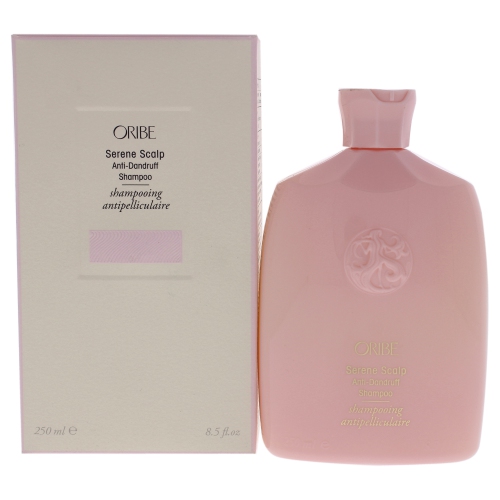 Your price for this item is $72.53
-
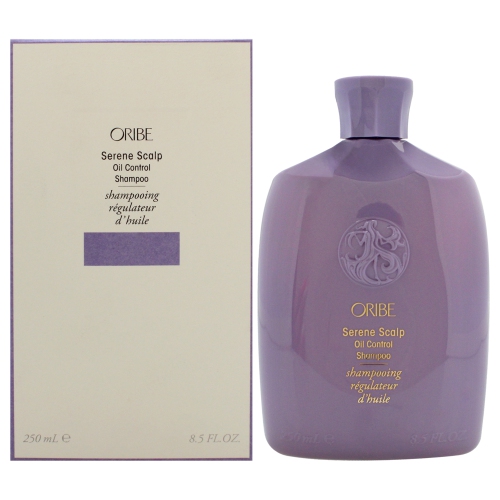 Your price for this item is $76.09
-
 Your price for this item is $129.99
-
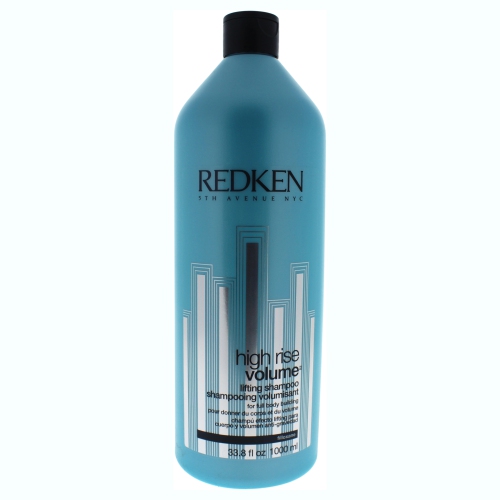 Your price for this item is $49.11
-
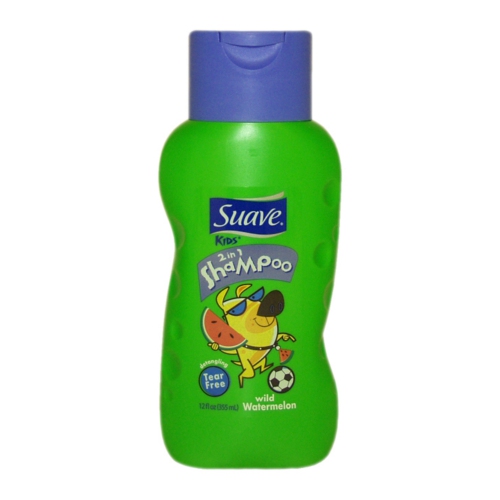 Your price for this item is $13.77
-
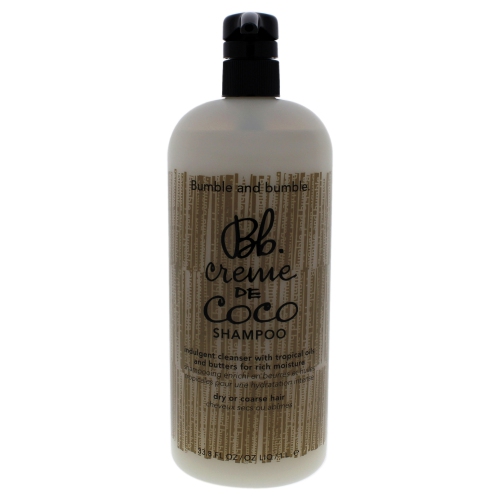 Your price for this item is $90.97
-
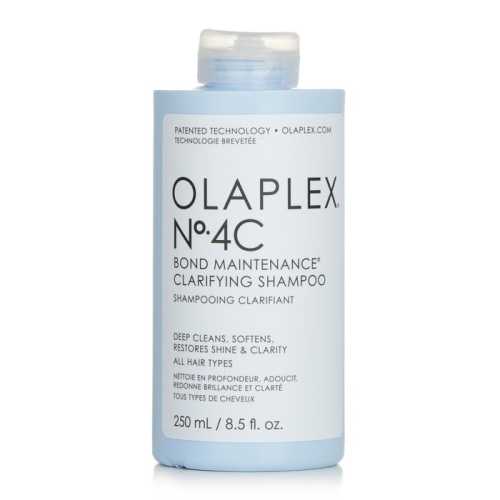 Your price for this item is $167.56
-
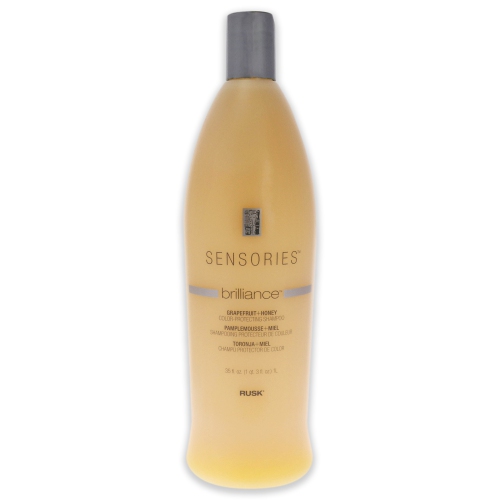 Your price for this item is $29.63
Discover more categories related to Scalp Treatment Shampoos
Top Collections:
Best Black Friday Deals This Year, Best Black Friday Deals On Electronics, Kindle Devices, Pokemon Centers, Best Black Friday Deals On Apple Products, Best Cameras for Sports Photography, Dyson Airwrap, Pokémon 30th Celebration Cards, Apple iPhone 17 Pro, Canon G7X Cameras
Some products may be subject to Environmental Handling Fees
(EHF) depending on your province.
Learn more about EHFs.