Electric Toothbrushes for Plaque Removal
Achieve a cleaner, fresher smile with electric toothbrushes for plaque removal. Designed to elevate your daily oral care routine, these innovative tools make it easy to maintain dental health and confidence. With a variety of options to suit every preference, finding the right electric toothbrush for plaque removal is simple and convenient. Explore models that help you take the next step toward a healthier mouth and brighter teeth.
Sort
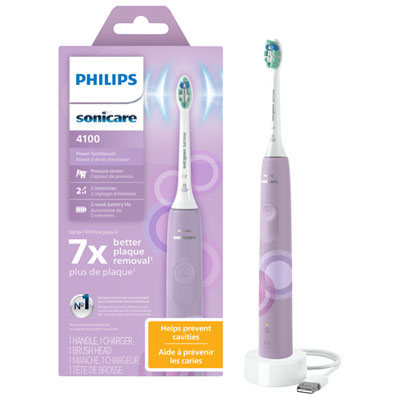
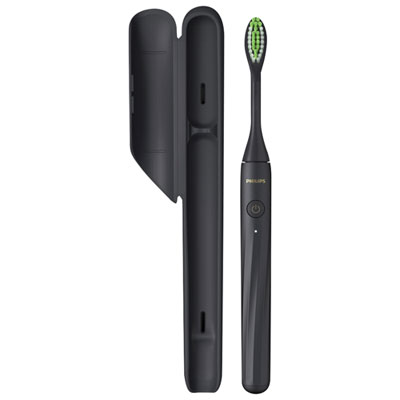
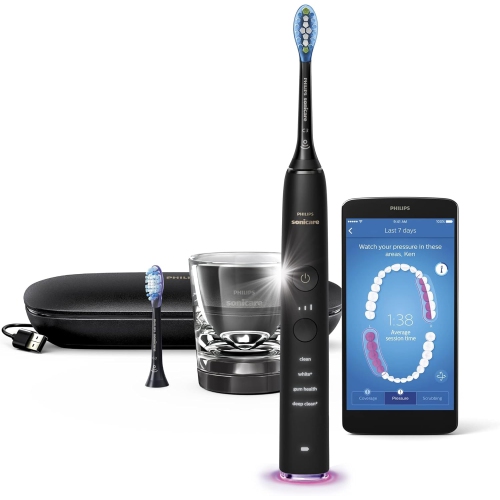
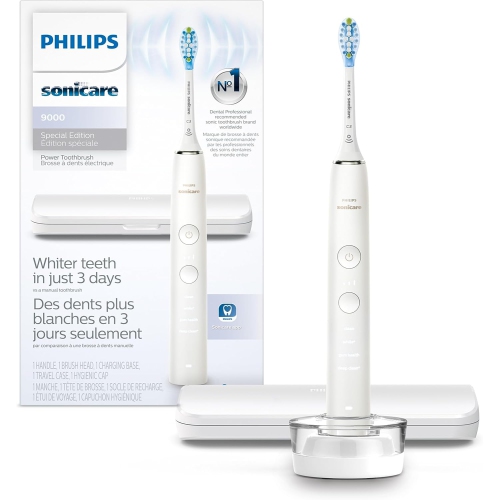
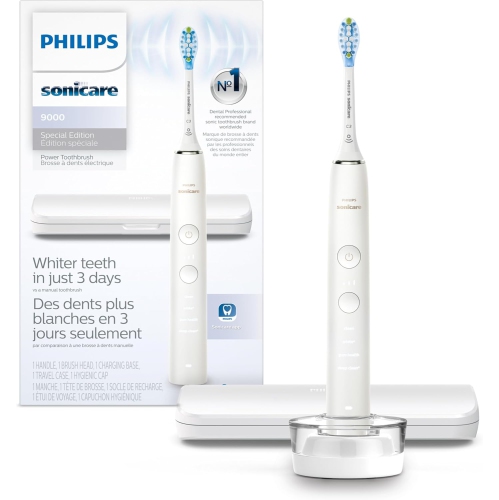
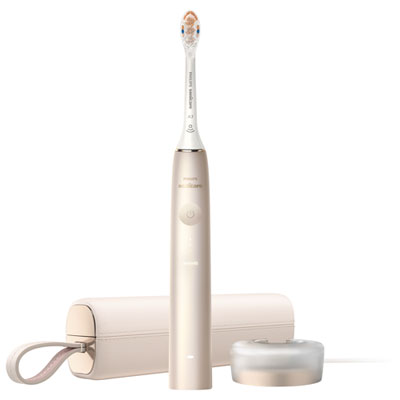

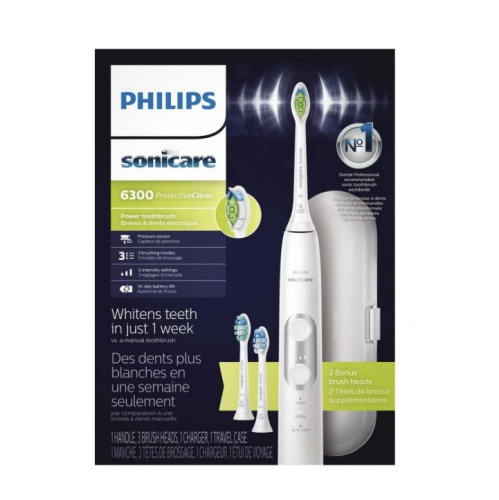
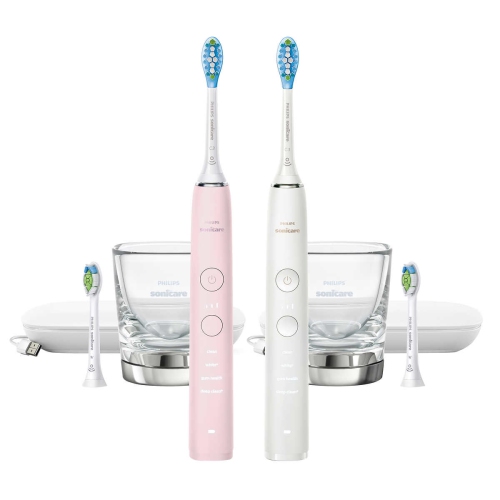
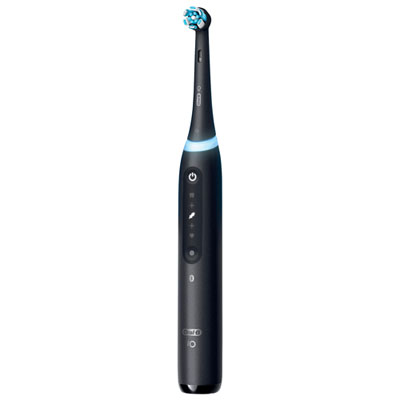
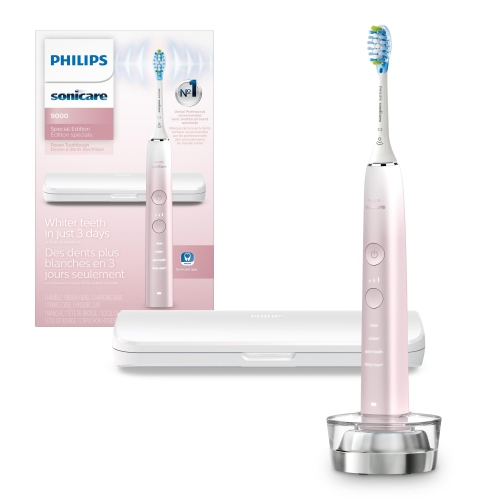

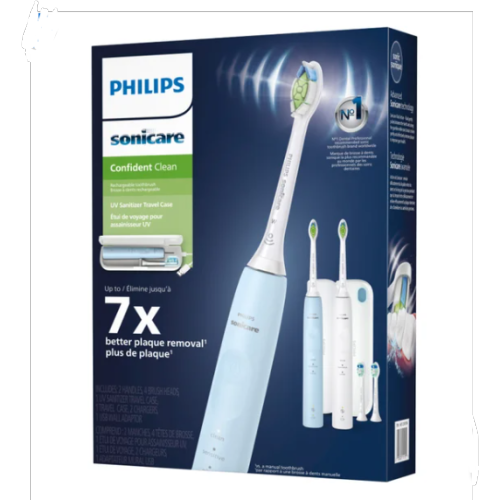
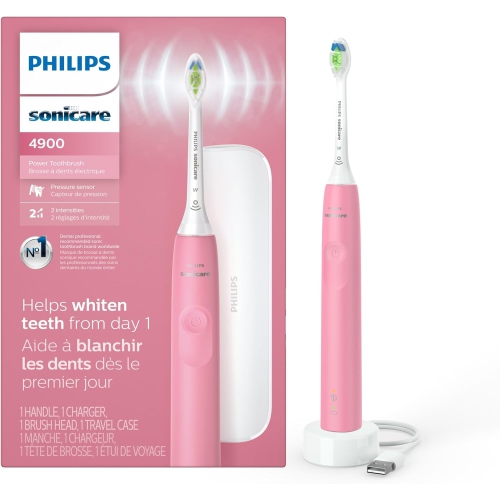
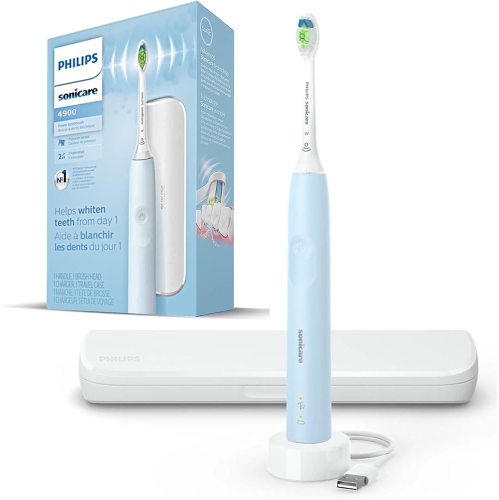
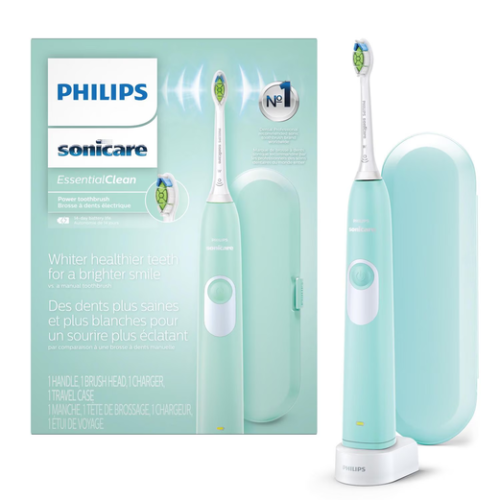
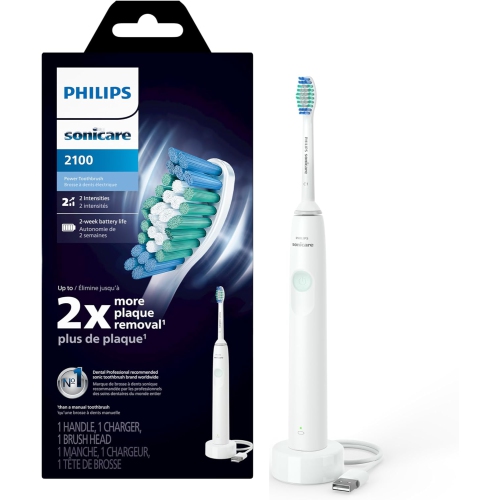
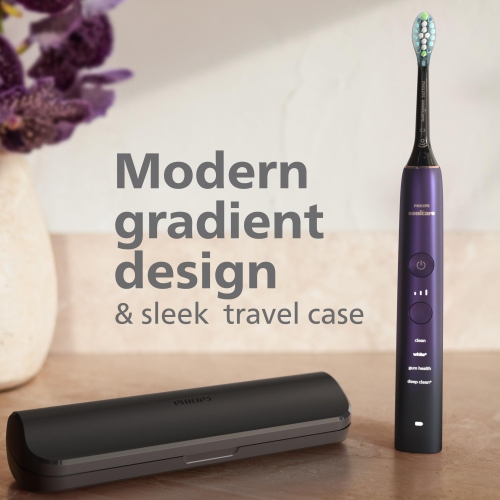
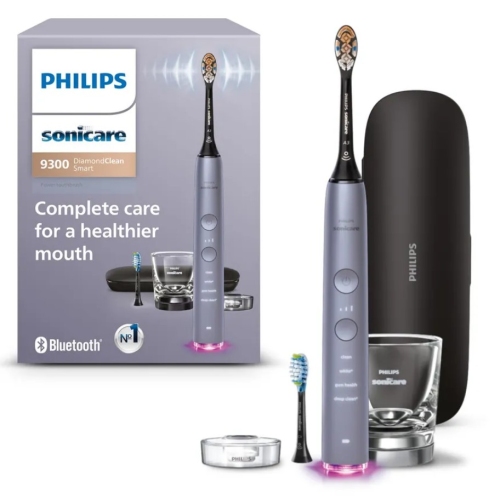
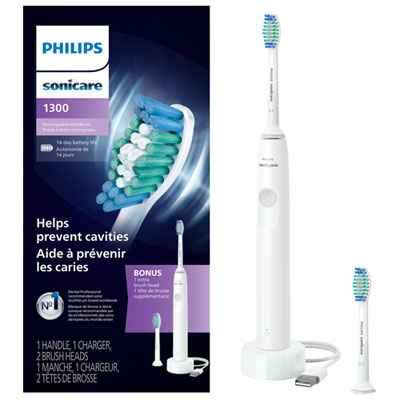
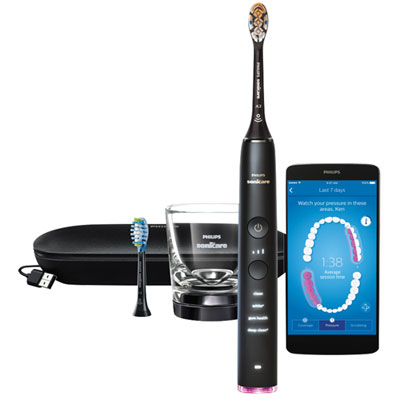
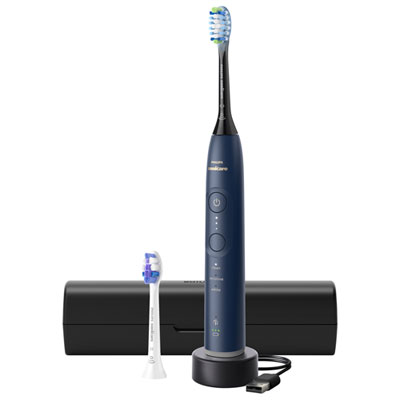
Why timers and pressure sensors support a steadier routine
Electric toothbrushes for plaque removal can make a noticeable difference for people who want a more thorough, consistent clean at home. Unlike a manual toothbrush, an electric model supplies the brushing motion for you, using either a sonic vibrating action or an oscillating-rotating movement to loosen and sweep away plaque along the tooth surface and near the gumline. This can be especially helpful if you tend to rush, brush unevenly, or find it difficult to reach the back teeth. Many people start with good intentions, then discover that their morning routine has lasted less than a minute by the time they have rinsed and left the bathroom. A built-in two-minute timer encourages a longer session, while 30-second pacing signals can help you spend a similar amount of time on each section of your mouth. The result is a brushing routine that feels more structured, rather than a quick pass over the front teeth followed by an even quicker attempt at the molars. When browsing Electric Toothbrushes, look for a brush head and cleaning action that suit your preferred technique, along with features that make it easier to brush gently and consistently. A round head is designed to work tooth by tooth and may feel precise around crowded areas, while an elongated head has a familiar shape and can cover more of the tooth surface with each movement. Sonic models use rapid vibrations to create a sweeping sensation across the mouth, whereas oscillating-rotating models use a powered head that moves around individual teeth. Both approaches can support effective plaque removal when used properly, so comfort, reach, replacement-head availability, and ease of use are important parts of the decision.
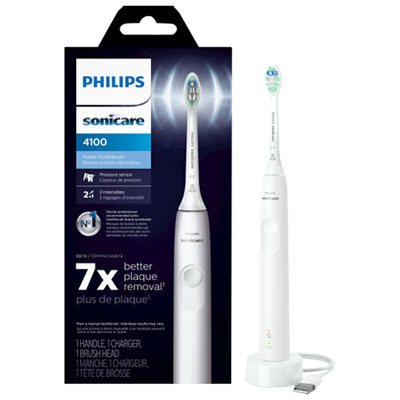
A pressure sensor is one of the most useful features to consider, particularly if you have sensitive gums, gum recession, enamel concerns, or a habit of pressing firmly. It may flash, pulse, or reduce the brushing action when too much force is applied. Pressing harder does not necessarily produce a cleaner result; it can flatten the bristles, make them less effective at reaching between teeth, and contribute to gum irritation. Letting the motor do the work usually means holding the handle lightly and guiding the brush slowly from tooth to tooth. Sensitive or gum-care modes can offer a gentler starting point, while adjustable intensity settings allow you to choose a comfortable level for different areas of your mouth. A compact head may make it easier to reach behind the last molars, and softer bristles can be preferable for people who find standard brushing uncomfortable. Regardless of the technology, technique still matters. Place the bristles against the teeth at the gumline, pause briefly on each surface, and follow the natural curve of the mouth instead of scrubbing back and forth as you might with a manual toothbrush. Electric toothbrushes are not a replacement for flossing, interdental cleaning, or regular dental care, since plaque can remain between teeth and in areas a brush cannot reach. They are best viewed as a practical tool for improving daily brushing habits. For households with more than one user, separate brush heads and clearly labelled storage can help keep routines organized. A travel case, USB charging, a long-lasting battery, or a compact charging base may also be valuable for work trips, weekends away, or visits to family during the cooler months.
Brush-head care is just as important as the handle itself. Over time, bristles can bend, fray, and lose their ability to sweep plaque away efficiently, so replacement heads should be changed according to the manufacturer’s recommendation or sooner if they look worn. Some electric toothbrushes include a replacement reminder, which is useful for anyone who tends to forget when a new head was installed. Before choosing a model, check the cost and availability of compatible replacement heads, the number of heads included, and whether the brush offers a charging indicator or battery-level display. A rechargeable battery can keep the routine simple, especially when the handle remains on its base between uses, while a longer battery life can be convenient for travel. Electric toothbrushes can also make thoughtful gifts for someone moving into a new home, starting a fresh routine, preparing for travel, or looking for a more comfortable way to care for their smile. A parent may appreciate a timer and pressure guidance for helping a child learn better habits, although younger users should choose a brush designed for their age and use it with appropriate supervision. Someone with braces, dental restorations, sensitive gums, or other specific oral-health needs should follow advice from a dental professional when selecting brush heads, settings, and cleaning techniques. For everyday plaque removal, the most suitable choice is usually the one that feels comfortable enough to use twice a day, provides clear guidance without making the routine complicated, and helps you reach every area of your mouth. A well-chosen electric toothbrush can turn a rushed, uneven brushing session into a steady two-minute habit, leaving your teeth feeling smooth and freshly polished when you run your tongue over them.
A pressure sensor is one of the most useful features to consider, particularly if you have sensitive gums, gum recession, enamel concerns, or a habit of pressing firmly. It may flash, pulse, or reduce the brushing action when too much force is applied. Pressing harder does not necessarily produce a cleaner result; it can flatten the bristles, make them less effective at reaching between teeth, and contribute to gum irritation. Letting the motor do the work usually means holding the handle lightly and guiding the brush slowly from tooth to tooth. Sensitive or gum-care modes can offer a gentler starting point, while adjustable intensity settings allow you to choose a comfortable level for different areas of your mouth. A compact head may make it easier to reach behind the last molars, and softer bristles can be preferable for people who find standard brushing uncomfortable. Regardless of the technology, technique still matters. Place the bristles against the teeth at the gumline, pause briefly on each surface, and follow the natural curve of the mouth instead of scrubbing back and forth as you might with a manual toothbrush. Electric toothbrushes are not a replacement for flossing, interdental cleaning, or regular dental care, since plaque can remain between teeth and in areas a brush cannot reach. They are best viewed as a practical tool for improving daily brushing habits. For households with more than one user, separate brush heads and clearly labelled storage can help keep routines organized. A travel case, USB charging, a long-lasting battery, or a compact charging base may also be valuable for work trips, weekends away, or visits to family during the cooler months.
Brush-head care is just as important as the handle itself. Over time, bristles can bend, fray, and lose their ability to sweep plaque away efficiently, so replacement heads should be changed according to the manufacturer’s recommendation or sooner if they look worn. Some electric toothbrushes include a replacement reminder, which is useful for anyone who tends to forget when a new head was installed. Before choosing a model, check the cost and availability of compatible replacement heads, the number of heads included, and whether the brush offers a charging indicator or battery-level display. A rechargeable battery can keep the routine simple, especially when the handle remains on its base between uses, while a longer battery life can be convenient for travel. Electric toothbrushes can also make thoughtful gifts for someone moving into a new home, starting a fresh routine, preparing for travel, or looking for a more comfortable way to care for their smile. A parent may appreciate a timer and pressure guidance for helping a child learn better habits, although younger users should choose a brush designed for their age and use it with appropriate supervision. Someone with braces, dental restorations, sensitive gums, or other specific oral-health needs should follow advice from a dental professional when selecting brush heads, settings, and cleaning techniques. For everyday plaque removal, the most suitable choice is usually the one that feels comfortable enough to use twice a day, provides clear guidance without making the routine complicated, and helps you reach every area of your mouth. A well-chosen electric toothbrush can turn a rushed, uneven brushing session into a steady two-minute habit, leaving your teeth feeling smooth and freshly polished when you run your tongue over them.
Top selling and popular products
-
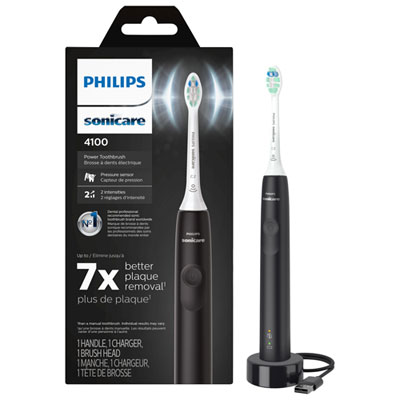 Your price for this item is $84.99
 -
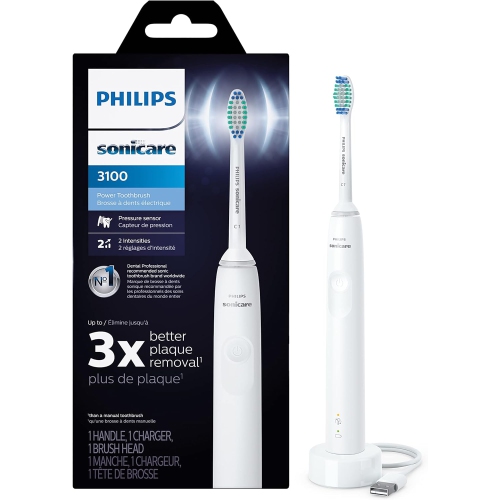 Your price for this item is $49.99
 -
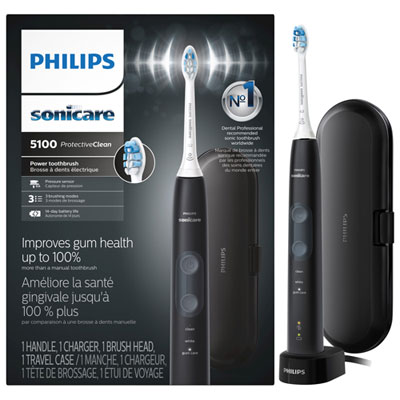 Your price for this item is $119.99
 -
 Your price for this item is $29.99
 -
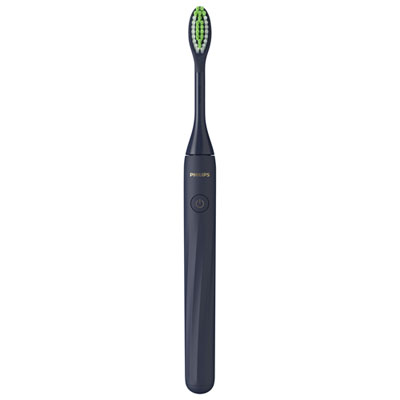 Your price for this item is $34.95
 -
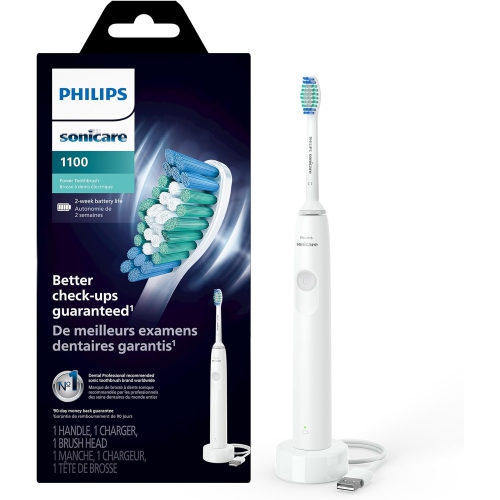 Your price for this item is $24.99
 -
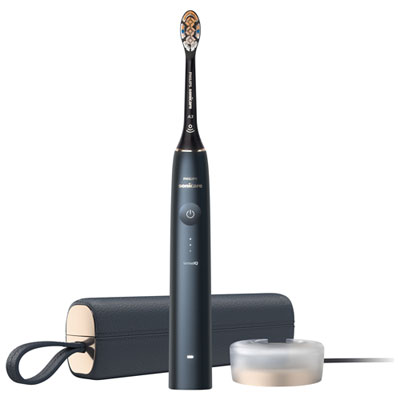 Your price for this item is $499.99
 -
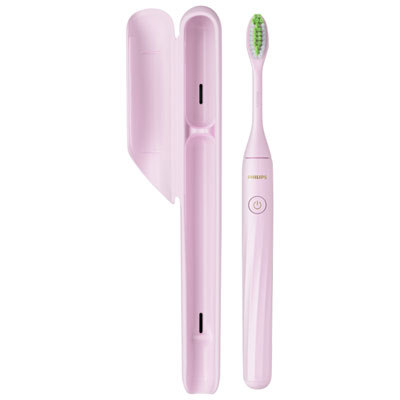 Your price for this item is $34.99
Discover more categories related to Electric Toothbrushes for Plaque Removal
Top Collections:
Pokemon Centers, Kindle Devices, Best Budget Office Chairs, Apple iPhones 16, Canon G7X Cameras, iPhone 15 Apple, Alarm Clock, Refurbished Apple Laptops, Flip Phones, Best Laptops for Writers
Some products may be subject to Environmental Handling Fees
(EHF) depending on your province.
Learn more about EHFs.