Electric Toothbrushes for Gum Health
Electric Toothbrushes for Gum Health are designed to help you care for your smile with ease and confidence. Whether you’re looking to upgrade your daily routine or searching for a thoughtful gift, these innovative devices offer a convenient way to support your oral hygiene goals. Explore a wide selection of electric toothbrushes that can make it simple to keep your teeth and gums feeling fresh every day.
Sort

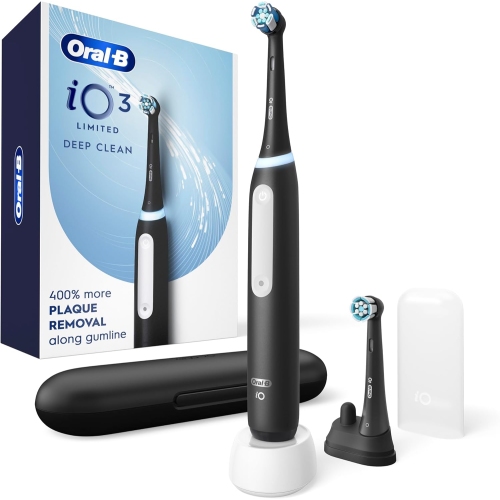
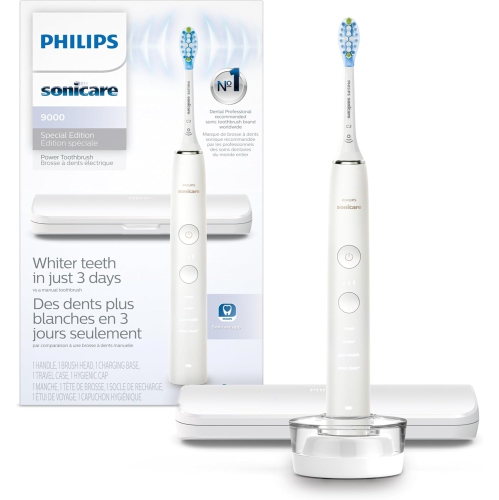
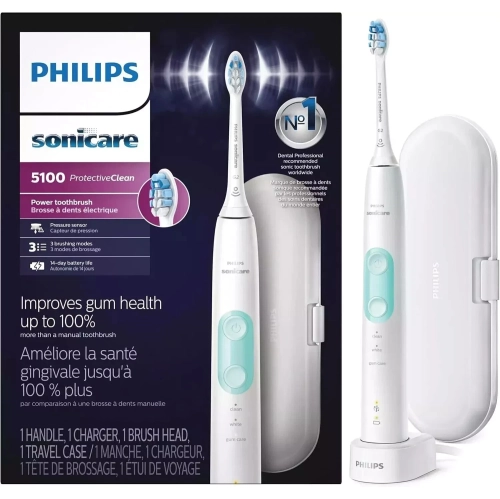
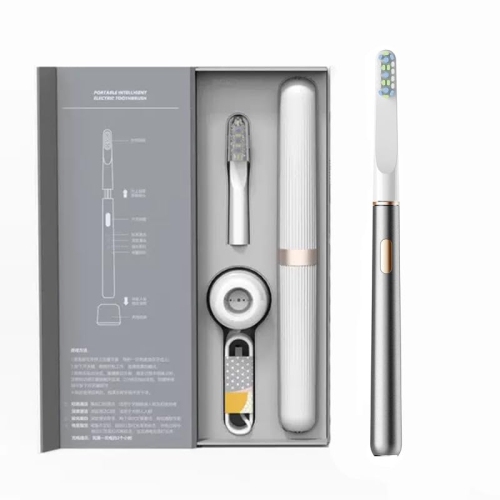




Why thorough gumline cleaning isn’t about brushing harder
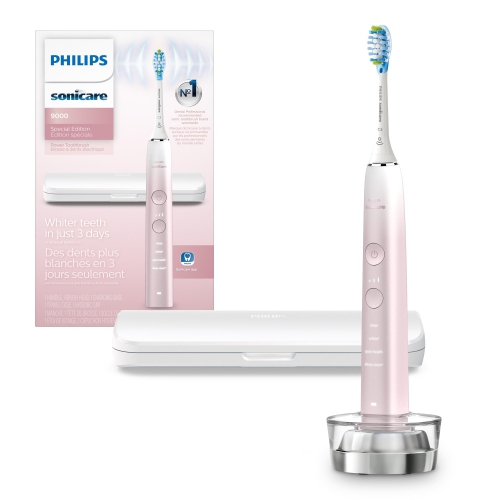
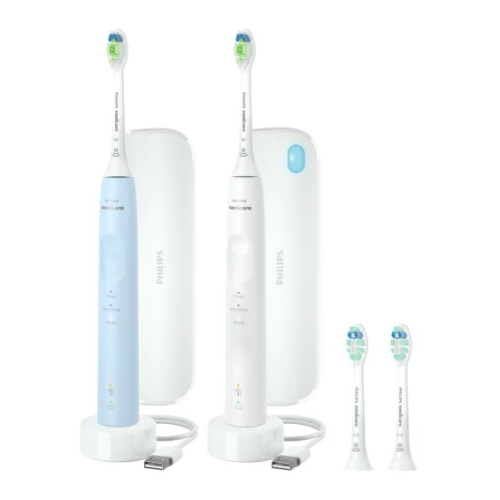
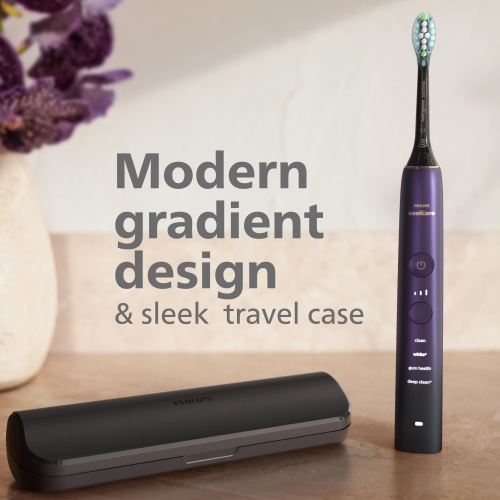
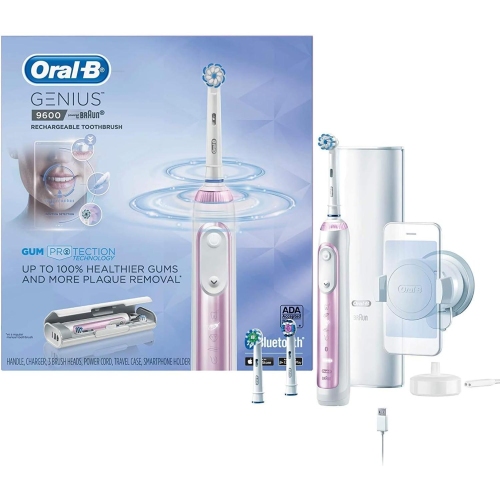
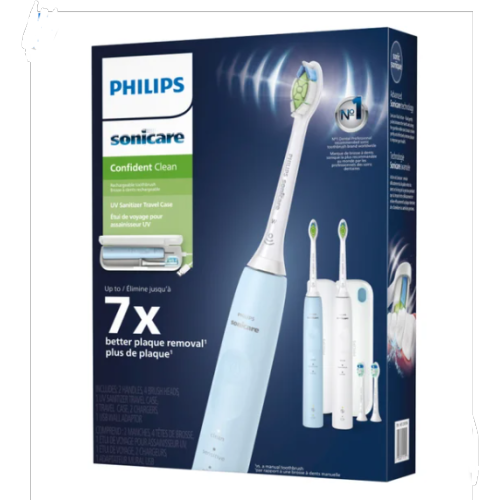
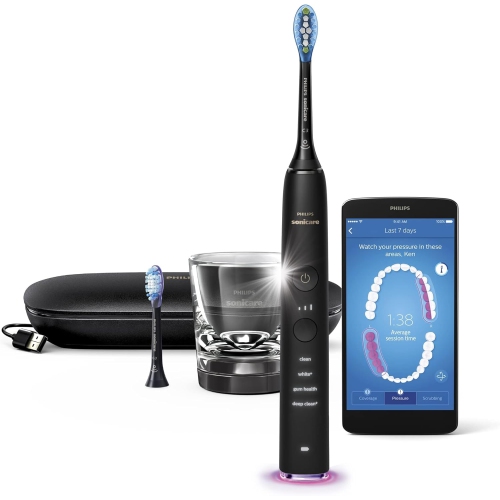
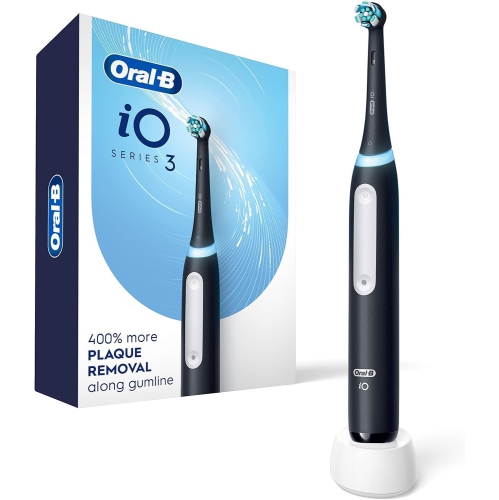
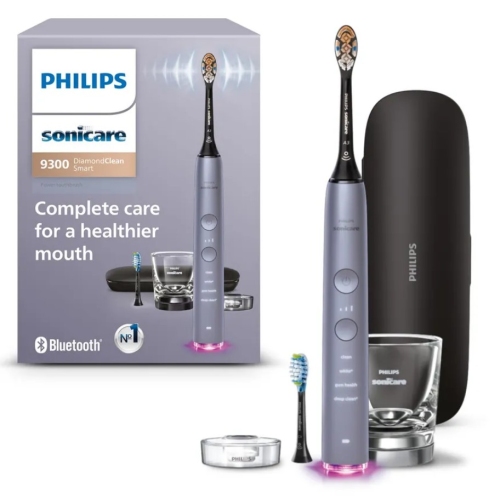
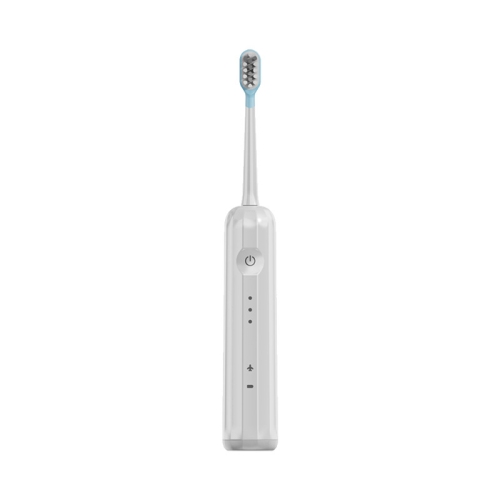
Electric toothbrushes for gum health are designed to support thorough plaque removal along the gumline while making gentle, consistent brushing easier. Soft bristles, pressure sensors, comfortable brush heads, and built-in timers are particularly useful features for this purpose. Plaque that remains where the teeth meet the gums can contribute to irritation and gingivitis, so effective everyday cleaning matters more than a strong scrubbing sensation. Powered toothbrushes can improve plaque control and reduce gum inflammation compared with manual brushing, although results depend on brushing technique, regular use, and cleaning between the teeth. A pressure sensor can be helpful for someone who presses firmly without noticing, especially when trying to reach the back molars. Depending on the design, the brush may display a light, change its vibration, or reduce its intensity when excess pressure is detected. That feedback helps distinguish thorough cleaning from forceful brushing, which can irritate gum tissue and contribute to tooth wear. Soft or extra-soft replacement heads are generally a better fit for tender gums than firm bristles, but bristle softness is only part of the picture. The size and shape of the head also affect how comfortably it moves around the mouth. A compact head may be easier to position behind the last molar or along crowded teeth, while a larger head may feel more familiar to someone switching from a manual toothbrush. Rounded bristle tips and a head without bulky edges can add to that comfort. Oscillating-rotating brushes use a rotating action, often with a small round head, while sonic brushes use rapid bristle movements, commonly with an elongated head. Either style can support gum care when used correctly. The most suitable design is one that reaches the gumline comfortably and feels manageable enough to use twice a day, rather than one selected simply for the strongest vibration or the largest number of settings.
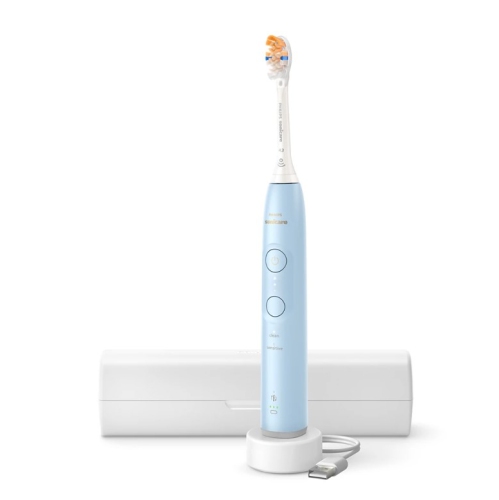
Everyday usability makes a meaningful difference to an electric toothbrush’s role in a gum-care routine. A sensitive setting or adjustable intensity can make powered brushing more comfortable, particularly for someone new to the sensation. A setting labelled for gum care may offer a different movement pattern or lower intensity, but the label alone does not establish that a brush will address a particular dental concern. Pressure feedback, a suitable head, and comfortable handling are more practical points of comparison. A two-minute timer supports the usual recommended brushing duration, while interval prompts can help distribute that time across different areas of the mouth instead of spending most of it on the front teeth. Some connected brushes provide brushing feedback through an app; others keep the experience simpler with controls and indicators on the handle. Either approach can work, depending on whether extra feedback is useful or becomes another task to manage. Handle shape, weight, and grip texture deserve attention as well. A broad handle with an easy-to-find button may suit someone with reduced hand dexterity, while a lighter design may be more comfortable for someone who finds sustained gripping tiring. Smooth, sealed surfaces are easier to wipe clean, and a textured grip can feel more secure when hands are wet. Battery indicators and convenient charging arrangements help keep the brush ready for regular use, whether it stays on a bathroom counter or travels in an overnight bag. Charging stands, cable connections, and travel cases vary, so their fit with the intended routine matters. A case that protects the head and allows it to dry is useful for travel, while a stable charging base can make daily storage less awkward. Durability also includes the practical details: a secure head connection, controls that remain responsive, and replacement heads compatible with the handle. In a shared household, separate, clearly identifiable heads are essential if a handle is shared; brush heads themselves should never be shared.
Care and fit remain important after an electric toothbrush becomes part of the bathroom routine. Most replacement heads use nylon bristles mounted in a moulded plastic body, and both the bristle condition and the cleanliness of the attachment area affect everyday use. A head with bent, spreading bristles is no longer holding its intended shape and may be harder to position accurately along the gumline. Replacement is generally needed about every three months, or sooner when bristles become worn, with the manufacturer’s directions providing the relevant schedule. Early fraying can also be a sign of excessive brushing pressure. Rinsing the head thoroughly after use, cleaning around the connection as directed, and allowing the components to air-dry help prevent toothpaste residue from collecting in crevices. Water resistance does not necessarily mean that a handle or charger can be submerged; cleaning and charging should follow the device’s instructions. For adults with bridges, implants, braces, exposed root surfaces, or ongoing gum sensitivity, head shape and intensity may need to be discussed with a dental professional. Children need an age-appropriate brush and supervision suited to their ability, rather than an adult model chosen only because it has a gentle setting. An electric toothbrush can also be a practical gift for a partner or family member who has expressed interest in one, particularly when handle comfort and preferred controls are already known. Persistent bleeding, swelling, pain, gum recession, or loose teeth should not be treated as a toothbrush-selection problem alone. The related selection of Best Toothbrushes for Bleeding Gums offers another way to compare relevant brushing options, but recurring symptoms warrant dental assessment. Powered brushing complements, rather than replaces, cleaning between the teeth and professional dental care. For long-term use, the strongest combination is straightforward: a comfortable brush, gentle pressure, appropriate replacement heads, and a consistent routine that gives the gumline careful attention without aggressive scrubbing.
Top selling and popular products
-
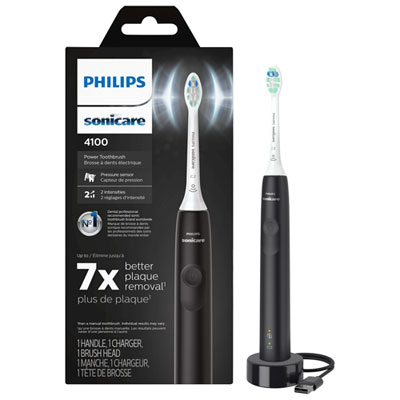 Your price for this item is $84.99
-
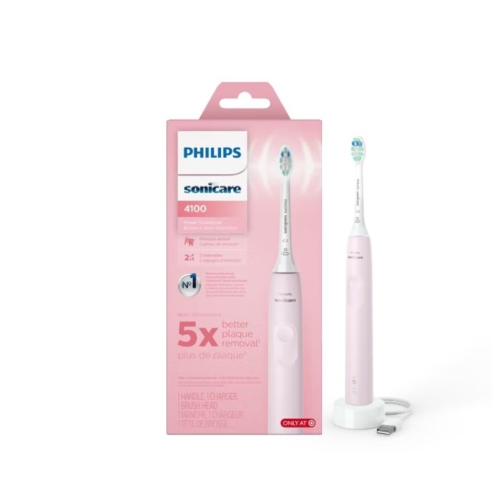 Your price for this item is $49.95
-
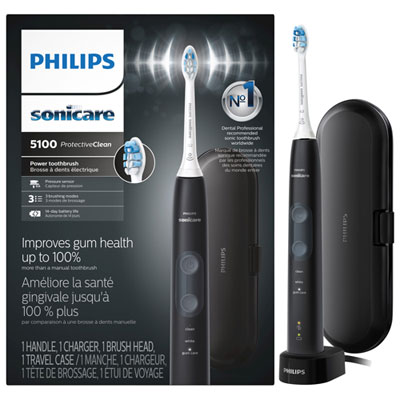 Your price for this item is $89.99
-
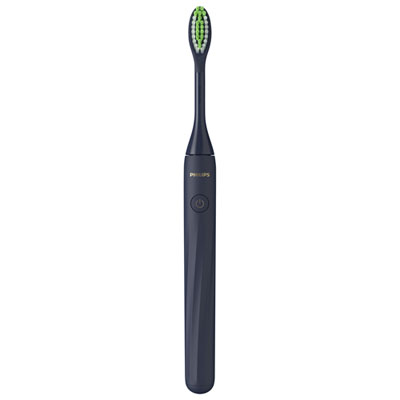 Your price for this item is $24.97
-
 Your price for this item is $29.99
-
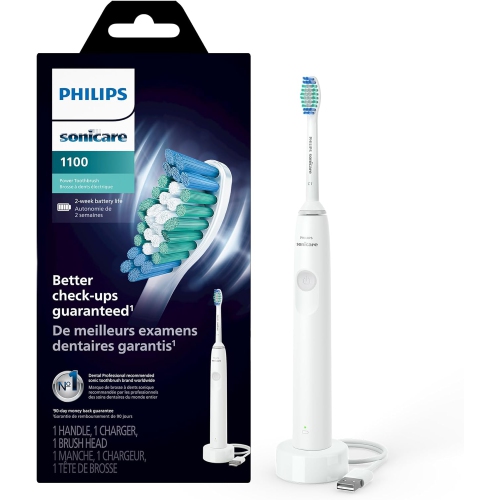 Your price for this item is $29.97
-
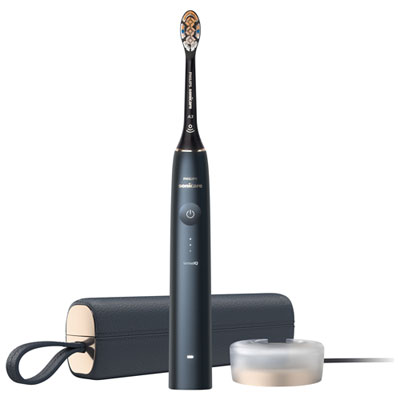 Your price for this item is $499.99
-
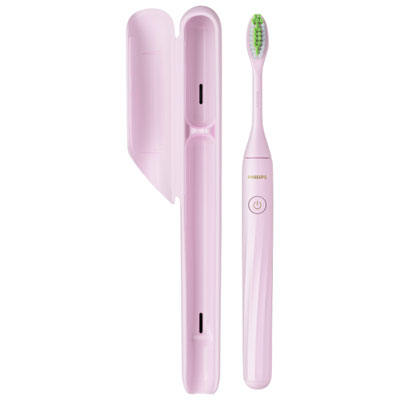 Your price for this item is $34.99
Discover more categories related to Electric Toothbrushes for Gum Health
Top Collections:
Best Black Friday Deals This Year, Best Black Friday Deals On Electronics, Kindle Devices, Pokemon Centers, Best Black Friday Deals On Apple Products, Best Cameras for Sports Photography, Dyson Airwrap, Pokémon 30th Celebration Cards, Apple iPhone 17 Pro, Canon G7X Cameras
Some products may be subject to Environmental Handling Fees
(EHF) depending on your province.
Learn more about EHFs.