Fashion Hair Colors
Discover a vibrant spectrum of fashion hair colors to express your unique style and personality. Whether you're looking to make a bold statement with vivid hues or add subtle dimension with natural tones, our collection offers a wide range of options to help you achieve the perfect look. From trendy pastels to rich jewel tones, these fashion-forward hair colors are sure to inspire your next hair transformation. Elevate your style and unleash your creativity with our selection of on-trend shades that will have you turning heads wherever you go.
Sort
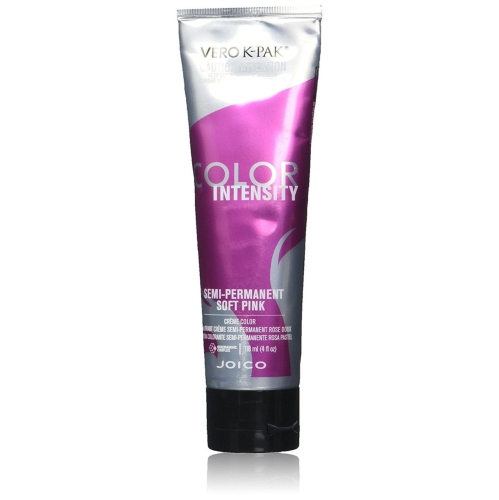
Vivid shades for subtle accents or all-over colour
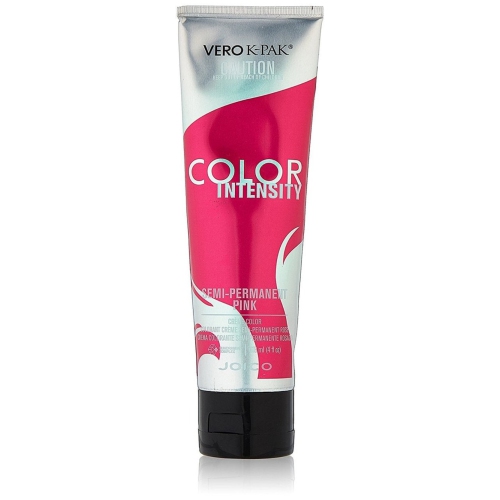
Fashion hair colours are expressive shades that move beyond conventional blonde, brunette, black, and natural red, bringing pink, purple, blue, green, and other vivid tones into everyday styling. The range includes everything from barely-there rose and smoky lilac to saturated cherry, electric turquoise, and deep violet. These colours can define an entire look or add a smaller detail, such as a bright fringe, contrasting ends, or a hidden panel that shows when hair is tied up. Fashion hair colour products suit different levels of commitment, with temporary colour for a short-lived change, semi-permanent formulas for colour that gradually fades, and longer-lasting options for those who want a more established signature shade. Temporary sprays, chalks, and wash-out formulas generally coat the hair’s surface, while many semi-permanent vivid dyes deposit colour without lightening the natural pigment underneath. Demi-permanent and permanent formulas work differently and may require a compatible developer, so the product type matters as much as the shade on the packaging. A soft pink and a rich raspberry might belong to the same colour family, but they can create very different effects: one looks airy and delicate, while the other provides stronger contrast and a more saturated finish. Cool blues and purples can give a sleek bob a graphic edge, while peach and coral bring warmth to a cropped cut or flowing curls. Placement changes the impression, too. A narrow streak offers a restrained accent; a full head of vivid colour makes the shade central to the style. For shoppers exploring both bold and more familiar shade families, women’s hair colours provide a broader point of comparison. Fashion shades themselves are not limited by gender: the useful distinctions are the desired finish, the starting hair colour, the formula’s intended use, and the amount of upkeep that fits into a regular routine.
The starting shade and condition of the hair have a major influence on the finished colour. Pastels typically need a very light base to appear clearly, while deeper jewel tones may add a visible tint to darker hair without creating the brightness shown on a pale colour swatch. A vivid blue applied over a yellow-toned base can lean green, and a lavender shade may look muted or uneven where warmer tones remain. Previously coloured hair, natural roots, and lightened ends can also take up pigment differently, even when the same formula is applied throughout. Porosity is especially important: more porous areas may absorb colour strongly but release it unevenly during washing. Shade charts and packaging images are useful references, not guarantees of an identical result. A strand test gives a better sense of how a formula will look on the actual hair, including its intensity and how evenly it develops. Allergy alert testing should follow the manufacturer’s directions before each use where required; a strand test does not replace it. When a colour goal involves significant lightening, overlapping earlier bleach work, or changing several layers of previous dye, professional assessment can help establish what is realistic without unnecessary damage. Formula texture and application format also affect suitability. Creams and gels offer different spreading characteristics, while sprays and chalks are designed for surface application rather than the same coverage as a dye. For long or dense hair, adequate coverage matters, particularly with an all-over shade where missed sections can be noticeable. Textured hair may reveal contrasting ribbons of colour as curls move, while straight hair can make a sharp boundary between shades especially visible. Colour selection is therefore about more than matching a swatch: hair length, density, texture, existing treatments, and the intended placement all influence the result. Products should also be used only on the areas specified by their labels, rather than assuming a scalp-hair formula is suitable for eyebrows or eyelashes.
Durability varies widely across fashion hair colour products, and a gradual change in tone is part of the experience with many vivid shades. A saturated magenta may soften towards pink, while a rich blue can reveal a paler or greener cast as pigment washes out and the underlying base becomes more visible. The formula, shade, hair condition, washing frequency, and styling habits all affect that progression, so a fixed number of weeks is not a reliable promise for every wearer. Temporary colour is intended for short-term use, but even wash-out formulas can leave residual staining on very light or porous hair. Semi-permanent colour generally fades over repeated washes, although some pigments can linger longer than expected. Colour-safe shampoo, conditioner suited to the hair’s texture, and lukewarm rather than very hot water can support a manageable care routine. Reducing unnecessary heat styling and using an appropriate heat protectant can help limit additional stress on coloured lengths. Masks and conditioners can improve softness and manageability, but they cannot make damaged hair untouched again. Colour-depositing care may refresh a compatible shade between applications, with results that still depend on the starting tone and how readily the hair absorbs pigment. Practical details deserve attention as well: freshly coloured hair or temporary pigment may transfer onto towels, pillowcases, clothing, or surfaces, particularly when damp. Gloves, suitable surface protection, and careful adherence to rinsing instructions help make home application less messy. For someone who enjoys frequent changes, a lower-commitment format may be more appealing than a lasting transformation, though easier wash-out does not always mean completely predictable removal. Someone who prefers a consistent signature colour may place more value on repeatable application and a care routine they can maintain. Fashion hair colour can also make a thoughtful gift for a person who already enjoys experimenting, provided the recipient’s preferred shade and formula are known. Whether the aim is a concealed violet accent or an unmistakable pink finish, the most suitable choice balances creative expression with the hair’s condition and everyday care needs.
The starting shade and condition of the hair have a major influence on the finished colour. Pastels typically need a very light base to appear clearly, while deeper jewel tones may add a visible tint to darker hair without creating the brightness shown on a pale colour swatch. A vivid blue applied over a yellow-toned base can lean green, and a lavender shade may look muted or uneven where warmer tones remain. Previously coloured hair, natural roots, and lightened ends can also take up pigment differently, even when the same formula is applied throughout. Porosity is especially important: more porous areas may absorb colour strongly but release it unevenly during washing. Shade charts and packaging images are useful references, not guarantees of an identical result. A strand test gives a better sense of how a formula will look on the actual hair, including its intensity and how evenly it develops. Allergy alert testing should follow the manufacturer’s directions before each use where required; a strand test does not replace it. When a colour goal involves significant lightening, overlapping earlier bleach work, or changing several layers of previous dye, professional assessment can help establish what is realistic without unnecessary damage. Formula texture and application format also affect suitability. Creams and gels offer different spreading characteristics, while sprays and chalks are designed for surface application rather than the same coverage as a dye. For long or dense hair, adequate coverage matters, particularly with an all-over shade where missed sections can be noticeable. Textured hair may reveal contrasting ribbons of colour as curls move, while straight hair can make a sharp boundary between shades especially visible. Colour selection is therefore about more than matching a swatch: hair length, density, texture, existing treatments, and the intended placement all influence the result. Products should also be used only on the areas specified by their labels, rather than assuming a scalp-hair formula is suitable for eyebrows or eyelashes.
Durability varies widely across fashion hair colour products, and a gradual change in tone is part of the experience with many vivid shades. A saturated magenta may soften towards pink, while a rich blue can reveal a paler or greener cast as pigment washes out and the underlying base becomes more visible. The formula, shade, hair condition, washing frequency, and styling habits all affect that progression, so a fixed number of weeks is not a reliable promise for every wearer. Temporary colour is intended for short-term use, but even wash-out formulas can leave residual staining on very light or porous hair. Semi-permanent colour generally fades over repeated washes, although some pigments can linger longer than expected. Colour-safe shampoo, conditioner suited to the hair’s texture, and lukewarm rather than very hot water can support a manageable care routine. Reducing unnecessary heat styling and using an appropriate heat protectant can help limit additional stress on coloured lengths. Masks and conditioners can improve softness and manageability, but they cannot make damaged hair untouched again. Colour-depositing care may refresh a compatible shade between applications, with results that still depend on the starting tone and how readily the hair absorbs pigment. Practical details deserve attention as well: freshly coloured hair or temporary pigment may transfer onto towels, pillowcases, clothing, or surfaces, particularly when damp. Gloves, suitable surface protection, and careful adherence to rinsing instructions help make home application less messy. For someone who enjoys frequent changes, a lower-commitment format may be more appealing than a lasting transformation, though easier wash-out does not always mean completely predictable removal. Someone who prefers a consistent signature colour may place more value on repeatable application and a care routine they can maintain. Fashion hair colour can also make a thoughtful gift for a person who already enjoys experimenting, provided the recipient’s preferred shade and formula are known. Whether the aim is a concealed violet accent or an unmistakable pink finish, the most suitable choice balances creative expression with the hair’s condition and everyday care needs.
Top selling and popular products
-
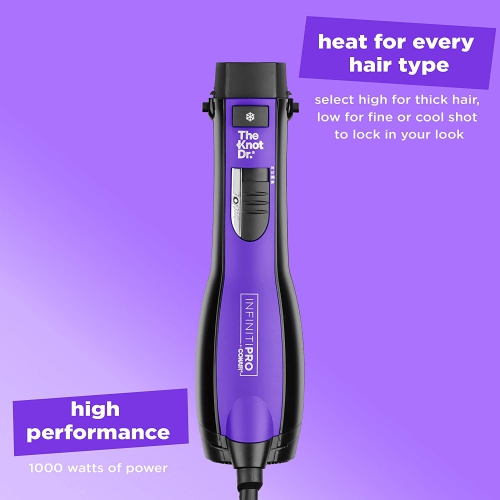 Your price for this item is $142.99
 -
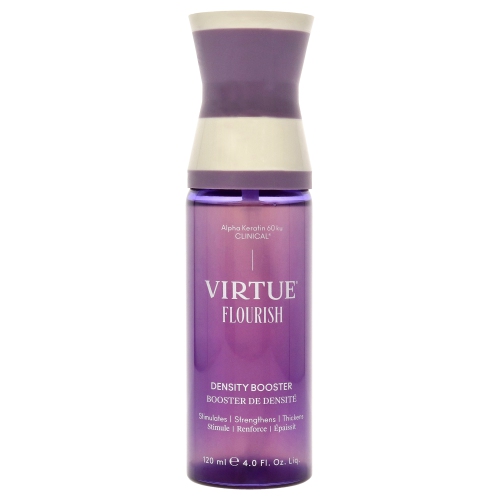 Your price for this item is $63.68
 -
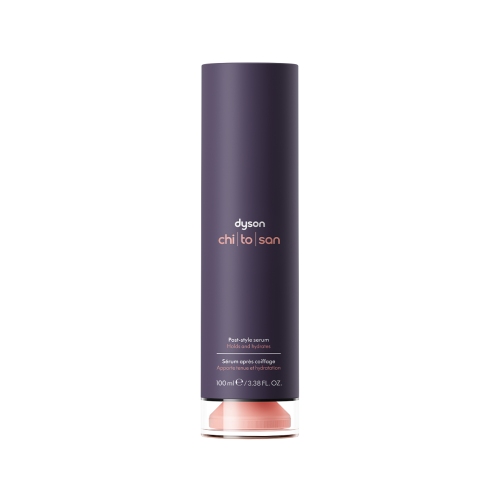 Your price for this item is $59.99
 -
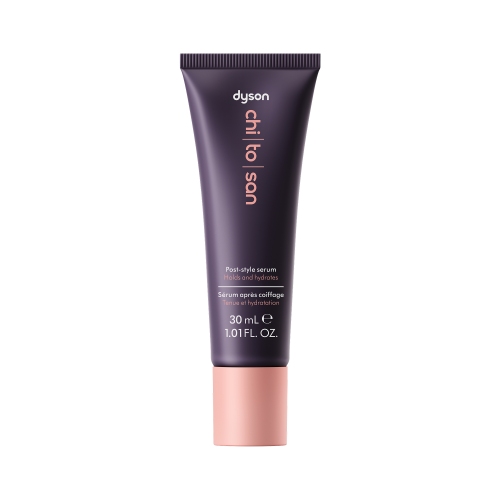 Your price for this item is $39.99
 -
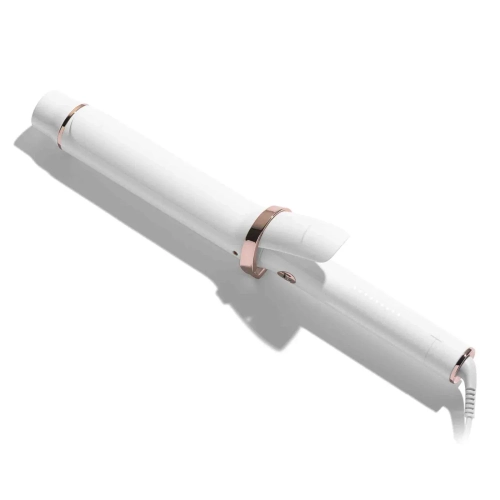 Your price for this item is $229.99
 -
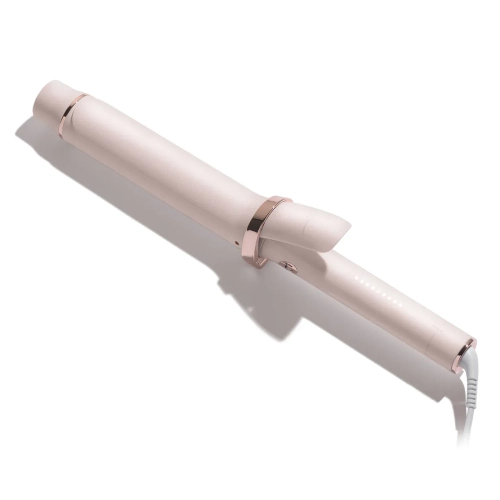 Your price for this item is $229.99
 -
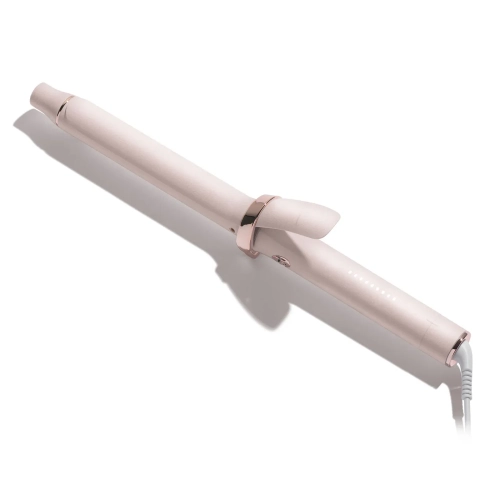 Your price for this item is $229.99
 -
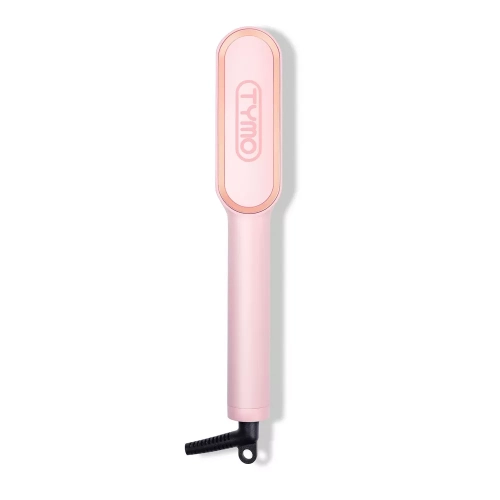 Your price for this item is $142.99
Discover more categories related to Fashion Hair Colors
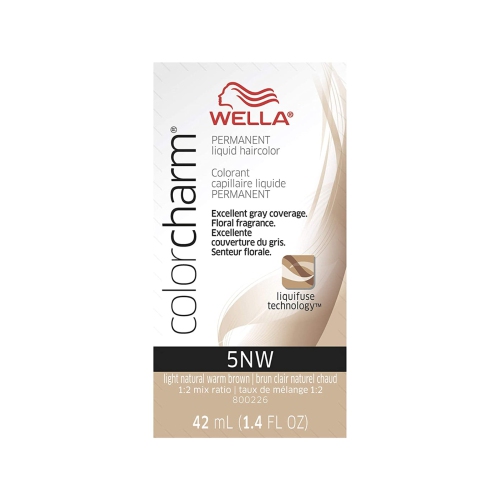
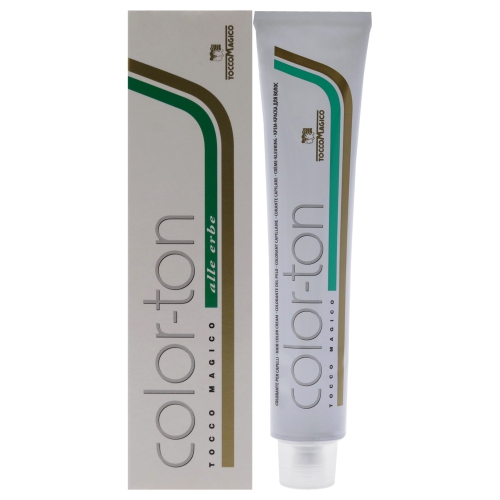
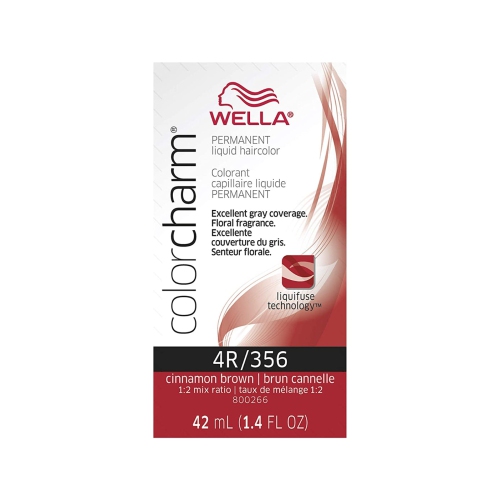

Top Collections:
Pokemon Centers, Budget 4K TVs, Kindle Devices, Canon G7X Cameras, Apple iPhones 16, iPhone 15 Apple, Laptops for Business Work, Flip Phones, Xiaomi Phones, Refurbished Apple Laptops
Some products may be subject to Environmental Handling Fees
(EHF) depending on your province.
Learn more about EHFs.